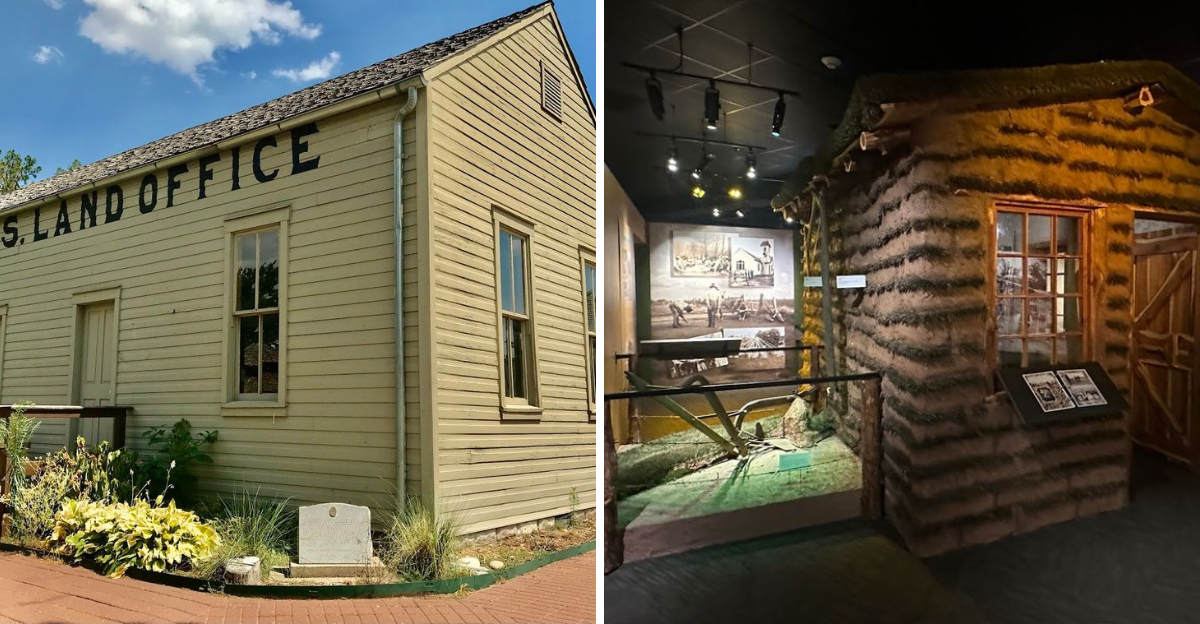
The land run of 1893 changed Oklahoma forever. Thousands of settlers raced across the prairie, staking claims on land that had once been tribal territory.
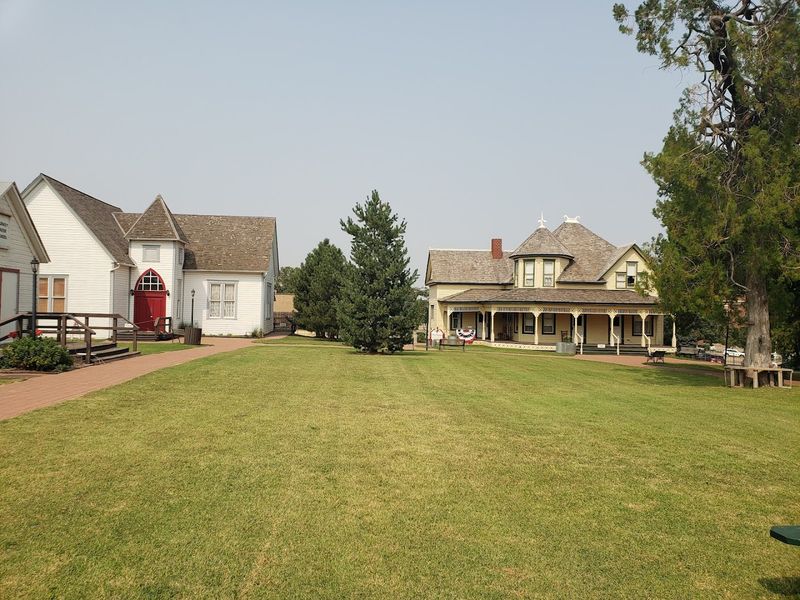
One Oklahoma landmark preserves that moment, a pioneer village that transports you straight to the 1890s. The buildings have been moved and restored, creating a living history museum where you can walk down a dirt street lined with original structures from the era.
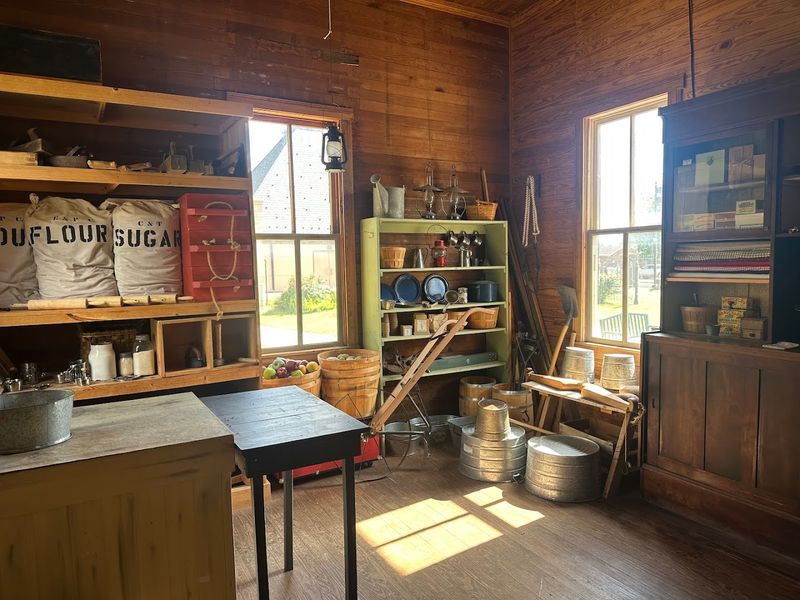
A one-room schoolhouse still holds its desks. A general store is stocked with dry goods.
A blacksmith shop still smells of coal and metal. Costumed interpreters bring the settlement to life, demonstrating trades and telling stories of the people who built this community from nothing.
The village feels lived-in and authentic, a time capsule that manages to be both educational and deeply moving.
This is not a re-creation. It is a preservation, a piece of Oklahoma history that has been carefully kept for future generations.
The Story Behind the Cherokee Strip Land Run
Few events in American history match the sheer energy of the Cherokee Strip Land Run on September 16, 1893. On that single day, more than 100,000 people raced into a stretch of Oklahoma land to claim homestead plots.
It remains the largest land run in United States history.
The Cherokee Strip Regional Heritage Center in Enid, Oklahoma, was built specifically to honor this moment. The exhibits walk you through every detail, from the political negotiations that opened the land to the frantic chaos of the starting gun.
You get a real sense of what it felt like to be there.
Large displays, recorded audio presentations, and colorful first-person accounts fill the indoor galleries. The storytelling here is layered and personal, not just a list of dates and facts.
Oklahoma’s founding moment feels alive inside these walls. By the time you finish the indoor section, you are already eager to get outside and see where that history landed.
The Indoor Museum Galleries and How They Flow
Walking into the main museum building feels immediately welcoming. The layout is logical and easy to follow, moving you through Oklahoma’s story in a clear sequence that never feels rushed or overwhelming.
Each gallery builds on the one before it.
The exhibit variety keeps things interesting throughout the entire visit. You might read a detailed panel, then turn around and press a button to hear a recorded story, then watch a short film on a large screen.
The mix of formats means you stay engaged rather than zoning out after the first room.
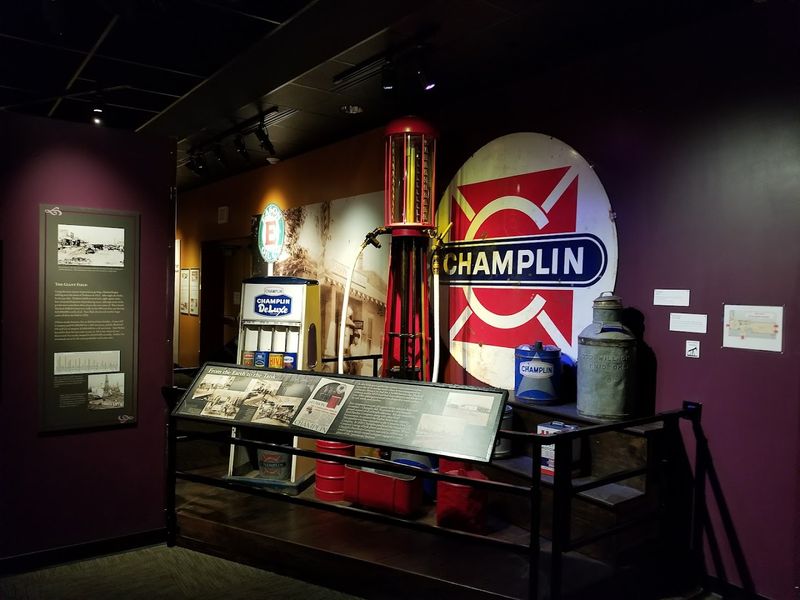
History here covers more than just the land run itself. You get a thorough look at the development of Enid, the oil and gas industry that shaped northwestern Oklahoma, local politics, geography, and the everyday lives of early settlers.
Authentic artifacts from the period sit alongside the displays, including items rarely seen in other museums. Plan to spend at least two hours inside before you even step outdoors.
The galleries reward a slow, curious pace, and every corner seems to hold something worth stopping for.
The Pioneer Village Outside and Its Historic Buildings
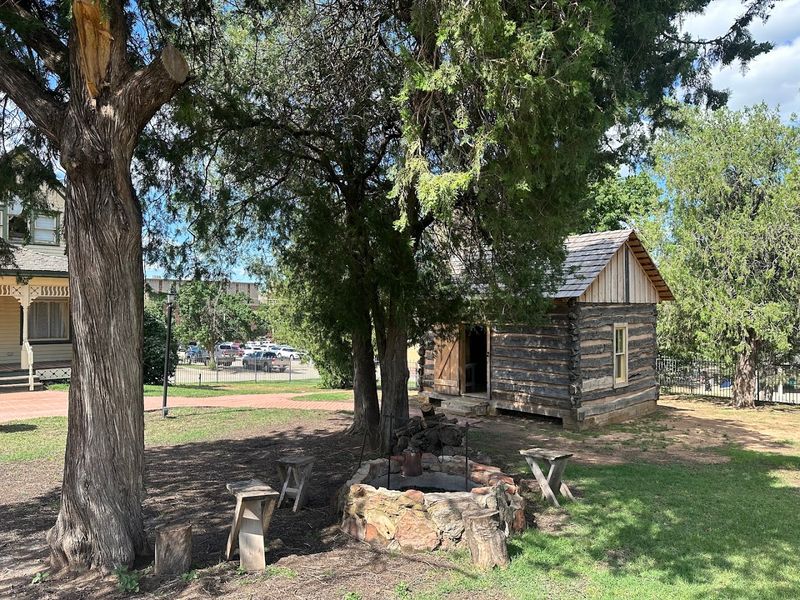
Stepping through the back doors of the museum and into the outdoor pioneer village is genuinely one of those moments that stops you in your tracks. The air feels different out there, quieter and slower, like the landscape itself is asking you to pay attention.
The village contains several original historic structures moved to this site from across northwestern Oklahoma. Each building has been carefully preserved and restored so that it looks and feels authentic.
You are not looking at replicas here. These are the real thing.
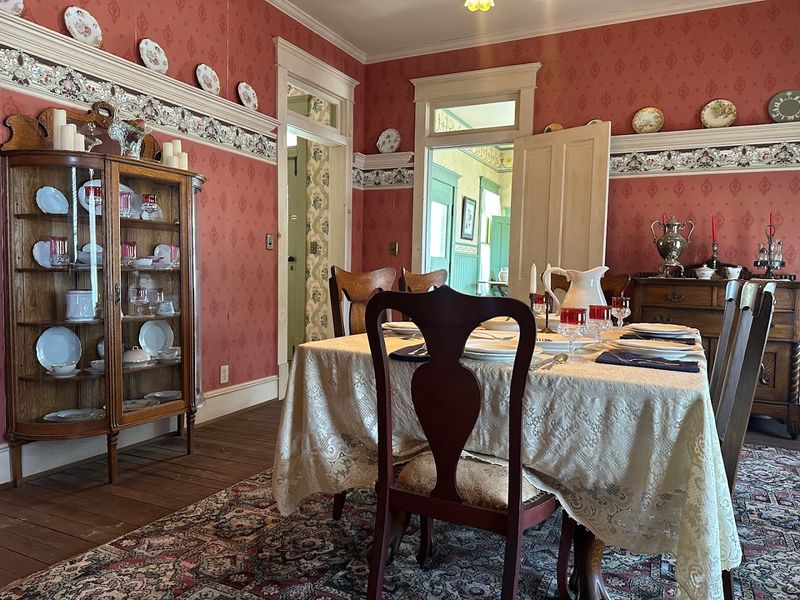
Among the buildings you can explore are a one-room schoolhouse, a chapel, a homestead cabin from around 1905, and a general store. Each one is fully furnished with period-appropriate items, giving you a complete picture of daily life in early Oklahoma.
The grounds are clean, open, and easy to walk through at your own pace. Whether the sun is shining or clouds are rolling in across the plains, the village has a quiet atmosphere that makes the 1890s feel genuinely close.
Few outdoor history experiences in Oklahoma deliver this kind of authenticity so effortlessly.
The Last Surviving Land Office From the Oklahoma Land Run
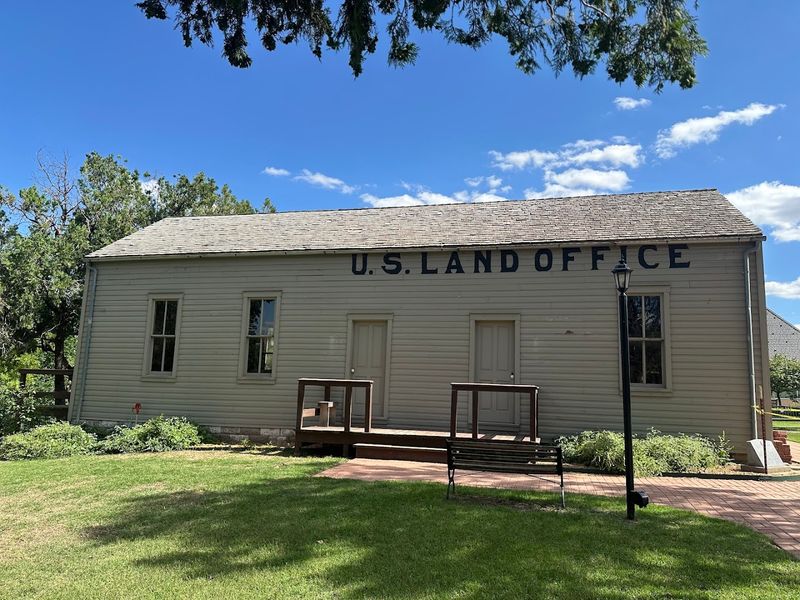
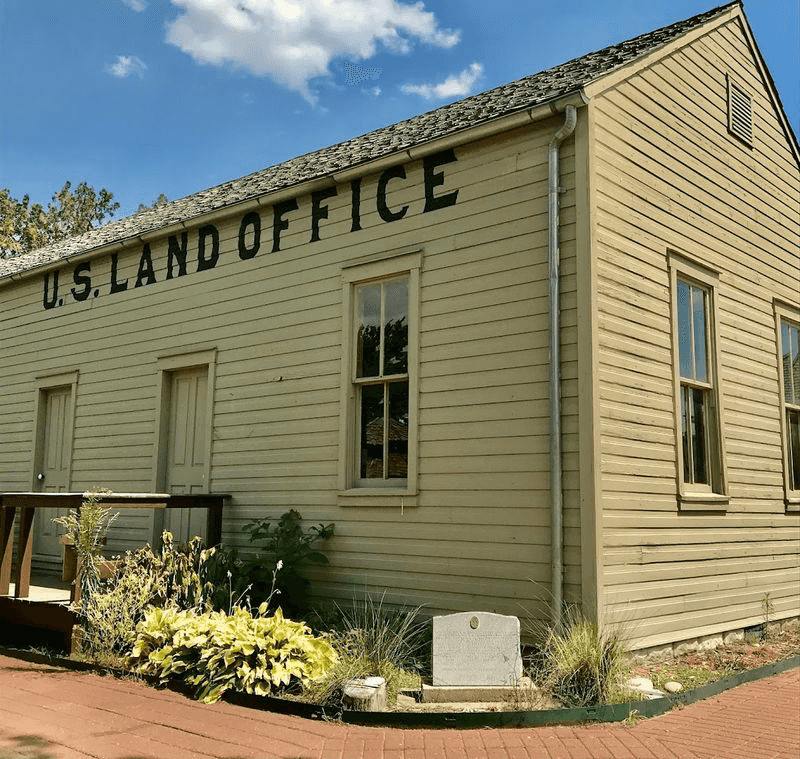
Among all the buildings in the outdoor village, one holds a distinction that makes it truly irreplaceable. The land office on the museum grounds is the only surviving land office that was actually used during the Oklahoma land run era.
There is no other one left.
Land offices were the places where settlers went immediately after claiming a plot during the run. You had to register your claim officially, or you could lose everything.
These small buildings were the nerve centers of an entirely new society being built from scratch in a matter of days.
Standing inside this structure, you feel the weight of that history in a very direct way. The wooden walls, the simple counters, the cramped interior space all speak to how quickly and practically this place was built.
Oklahoma’s entire settlement story ran through rooms exactly like this one. The fact that this specific building survived more than 130 years is remarkable, and the Cherokee Strip Regional Heritage Center deserves real credit for preserving it.
It is the kind of artifact that no museum can simply recreate or replace.
The One-Room Schoolhouse and What It Teaches Today
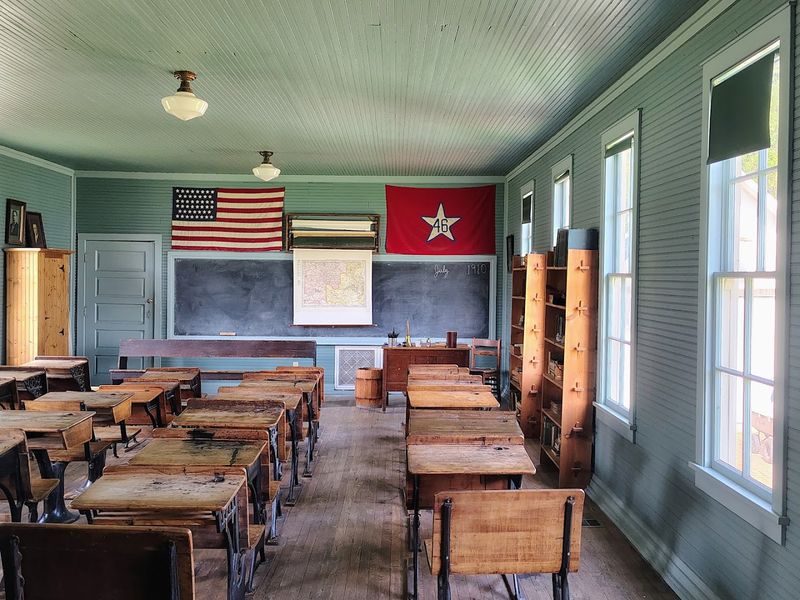
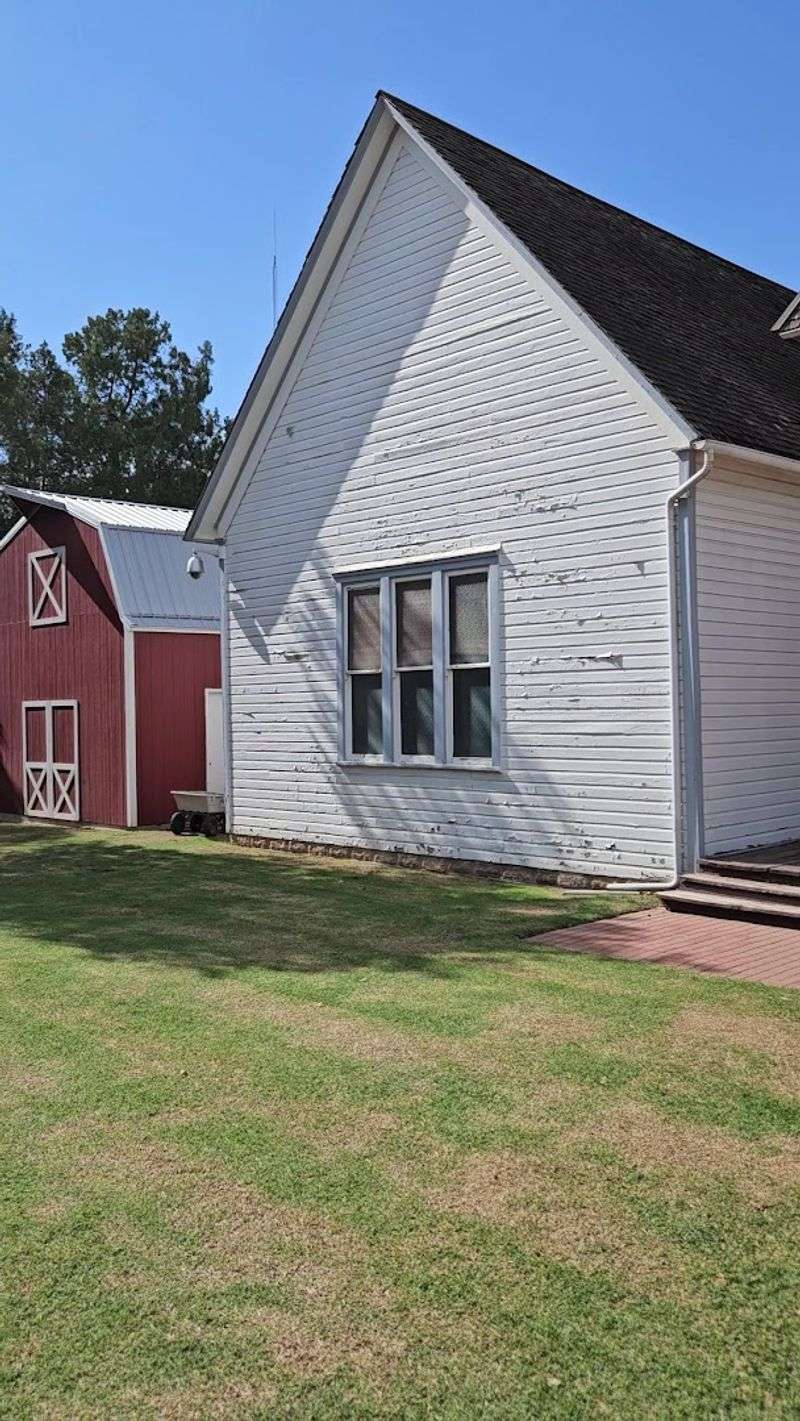
There is something immediately charming about stepping into the one-room schoolhouse on the museum grounds. Small wooden desks face a simple chalkboard, and the room feels ready for a class to walk in at any moment.
It is compact, practical, and full of character.
In early Oklahoma, one-room schools served entire communities across vast stretches of open land. Children of all ages sat together, and one teacher handled every subject and every grade level simultaneously.
It was an enormous responsibility carried out in a very small space.
The schoolhouse at Cherokee Strip Regional Heritage Center is fully furnished and interpreted, so you get the complete picture of what education looked like in the 1890s.
Elementary school groups from across the region actually use this building for living history classes, which means it remains a working educational space rather than just a static display.
Standing at the front of that small room, looking out at those tiny desks, you get a powerful sense of how much effort went into building a future in a brand-new state.
Oklahoma’s earliest classrooms shaped generations, and this one still has stories to share.
The Chapel and the Homestead Cabin Up Close
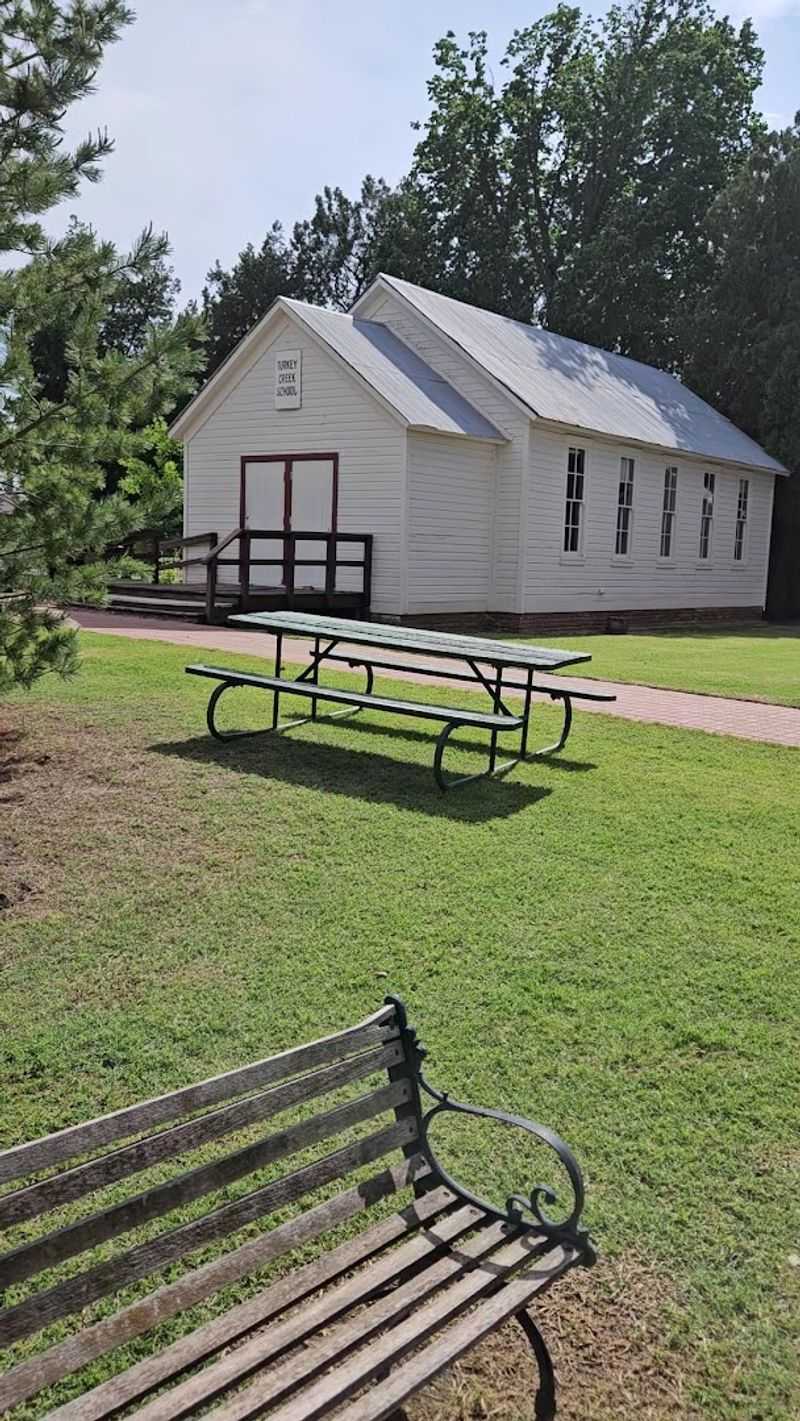
Right alongside the schoolhouse and land office, two more structures complete the outdoor village experience in a deeply personal way. The chapel and the 1905 homestead cabin represent the private, domestic side of pioneer life that often gets overlooked in broader history narratives.
The chapel is simple and spare, with plain wooden pews and clear windows that let in natural light. Early Oklahoma communities built these small churches quickly because they served as gathering places for everything, not just Sunday services.
They were the social centers of frontier settlements.
The homestead cabin offers a different kind of intimacy. Stepping inside, you see exactly how a pioneer family would have arranged their daily life in a very limited space.
The furniture, tools, and household items are all period-appropriate, and the layout shows how creatively people adapted to their circumstances. The cabin came from an actual homestead site in northwestern Oklahoma, which makes every detail inside it historically grounded.
Together, the chapel and the cabin round out the village beautifully, giving the outdoor experience both a spiritual and a domestic dimension that feels genuinely human.
Interactive Exhibits That Keep Every Age Engaged
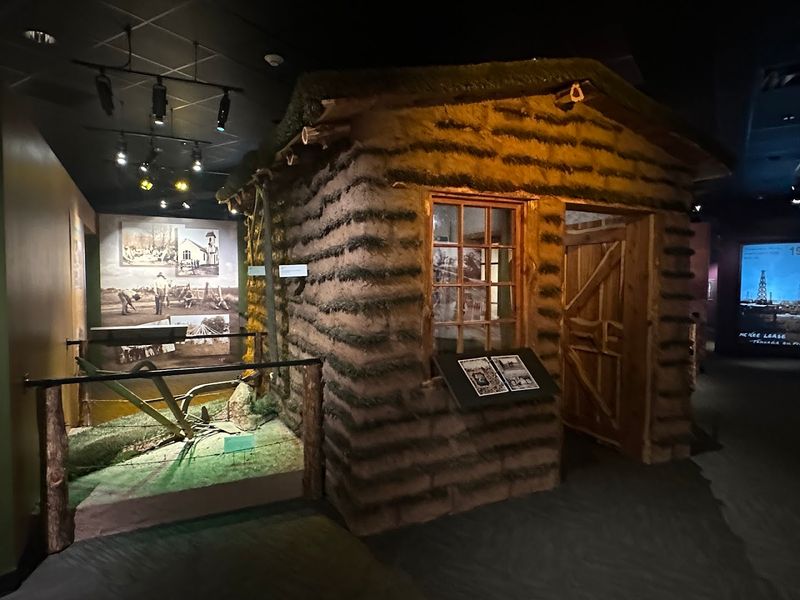
History museums can sometimes feel like they are designed only for people who already love history. The Cherokee Strip Regional Heritage Center in Enid, Oklahoma, takes a different approach, building interactivity into the experience from the very beginning.
Throughout the indoor galleries, you find hands-on elements that invite participation rather than passive observation. There are phones to pick up and listen to recorded historical accounts, buttons that trigger audio or visual presentations, and small books tucked into displays that you can actually open and read.
These details make a big difference, especially if you are visiting with kids or with people who might not consider themselves history enthusiasts.
The interactive elements are not gimmicks layered on top of the real content. They are woven directly into the storytelling, so each one adds something specific and meaningful to the exhibit around it.
The oil and gas history section, for example, uses interactive media to give perspectives from people who lived through that era in Oklahoma. You come away with a much richer understanding than you would from reading a text panel alone.
This is a museum that respects its audience enough to keep them genuinely involved.
The Research Center and Its Genealogy Resources
Not everyone who visits the Cherokee Strip Regional Heritage Center comes purely for the exhibits. For many people, this building holds something far more personal, a connection to their own family history rooted in Oklahoma’s settlement era.
The center includes a dedicated research facility where you can explore genealogical records, historical documents, and archival materials related to the Cherokee Strip region.
If your ancestors participated in the 1893 land run or settled in northwestern Oklahoma in the decades that followed, this is one of the best places in the state to trace that story.
The research resources here are organized and accessible, and the staff who manage the facility bring genuine expertise to the work. Whether you are a casual family history enthusiast or a serious genealogist, the depth of material available is impressive.
Oklahoma’s settlement records from this period are not always easy to find in one place, which makes this archive especially valuable. Planning a research visit in advance is a smart move, since the collection covers a wide geographic area and a broad time span.
It is a quietly powerful resource sitting right next to one of the state’s most engaging public museums.
The Gift Shop and What Makes It Worth Browsing
Museum gift shops can be hit or miss, but the one at Cherokee Strip Regional Heritage Center lands solidly in the win column. It is small and unpretentious, which actually works in its favor.
Everything inside feels curated rather than cluttered.
The selection leans into Oklahoma’s history and regional identity in a satisfying way. You find historical replica items, locally made products, books about the land run and Oklahoma’s settlement era, and a range of souvenirs that actually connect to what you just experienced inside the museum.
Nothing feels generic or out of place.
For families, there are smaller items and replica toys that echo the low-tech playthings of the pioneer era, which makes for a nice full-circle moment after touring the outdoor village.
For adults who want something more substantial, the book selection offers genuine reading material that extends the museum experience well beyond your visit.
The shop is easy to access, friendly in scale, and worth at least a few minutes of your time before you head out.
It is the kind of place where you go in planning to buy nothing and leave with something you are genuinely glad to have found.
Planning Your Visit and Getting the Most From Your Time
Getting the most out of a visit to Cherokee Strip Regional Heritage Center comes down to one simple piece of advice: give yourself more time than you think you need. Most people find that two to three hours is the sweet spot for covering both the indoor galleries and the outdoor village without rushing.
The museum is open Tuesday through Saturday from 10 AM to 5 PM and is closed on Sundays and Mondays. It sits at 507 S 4th St in Enid, Oklahoma, and is easy to find with straightforward parking nearby.
The phone number for the center is 1-580-237-1907, and more information is available at csrhc.org.
Weekday mornings tend to be quieter, which is ideal if you prefer a more relaxed pace through the exhibits. The outdoor village is best enjoyed on a clear day when the light hits the old wooden buildings just right and you can take your time moving between structures.
Bringing curious kids along works well here, since the interactive indoor elements and the fully furnished outdoor buildings hold attention across different age groups.
Oklahoma history rarely gets presented this clearly and this accessibly anywhere else in the region.
The Atmosphere of Enid and the Surrounding Region
Enid itself adds a layer of context to the museum experience that is easy to appreciate once you spend a little time in the city. Northwestern Oklahoma has a particular kind of open, unassuming character that feels connected to its pioneer roots in a very direct way.
The flat, wide landscape around Enid makes it easy to imagine what settlers saw when they arrived in 1893. There were no trees for shade, no established roads, and no existing infrastructure.
Just open land stretching in every direction under a massive sky. The museum captures that historical reality well, but standing outside in Enid and looking at the horizon adds something the indoor exhibits simply cannot replicate.
The city itself is friendly and navigable, with a modest downtown area and a community that takes genuine pride in its history. The Cherokee Strip Regional Heritage Center fits naturally into that identity, serving as both a local landmark and a regional draw for visitors from across Oklahoma and beyond.
Spending a day in Enid means you leave with a fuller understanding of how this particular corner of the state came to be, and why the story of the land run still resonates so strongly here.
Why This Museum Stands Out Among Oklahoma History Sites
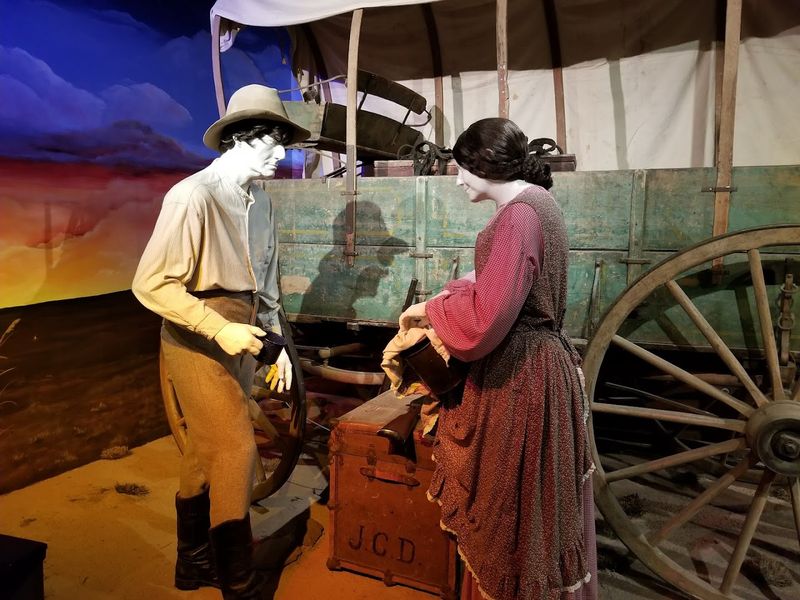
Oklahoma has no shortage of history museums, but the Cherokee Strip Regional Heritage Center occupies a specific and irreplaceable niche among them. It tells a story that is both nationally significant and deeply local, and it does so with a level of care and authenticity that is genuinely hard to match.
The combination of a well-designed indoor museum, an outdoor pioneer village with original historic structures, a genealogy research center, and interactive exhibits for all ages makes this a rare all-in-one destination. Most history sites do one or two of these things well.
This one does all of them.
The focus on the 1893 Cherokee Strip Land Run gives the museum a clear and compelling narrative thread that runs through every part of the experience.
You arrive knowing little and leave understanding a great deal, not just about Oklahoma’s past but about what it actually took to build a community from nothing in a matter of months.
For anyone passing through Enid, or making a dedicated trip to this part of Oklahoma, the Cherokee Strip Regional Heritage Center belongs at the top of the itinerary without any hesitation.
