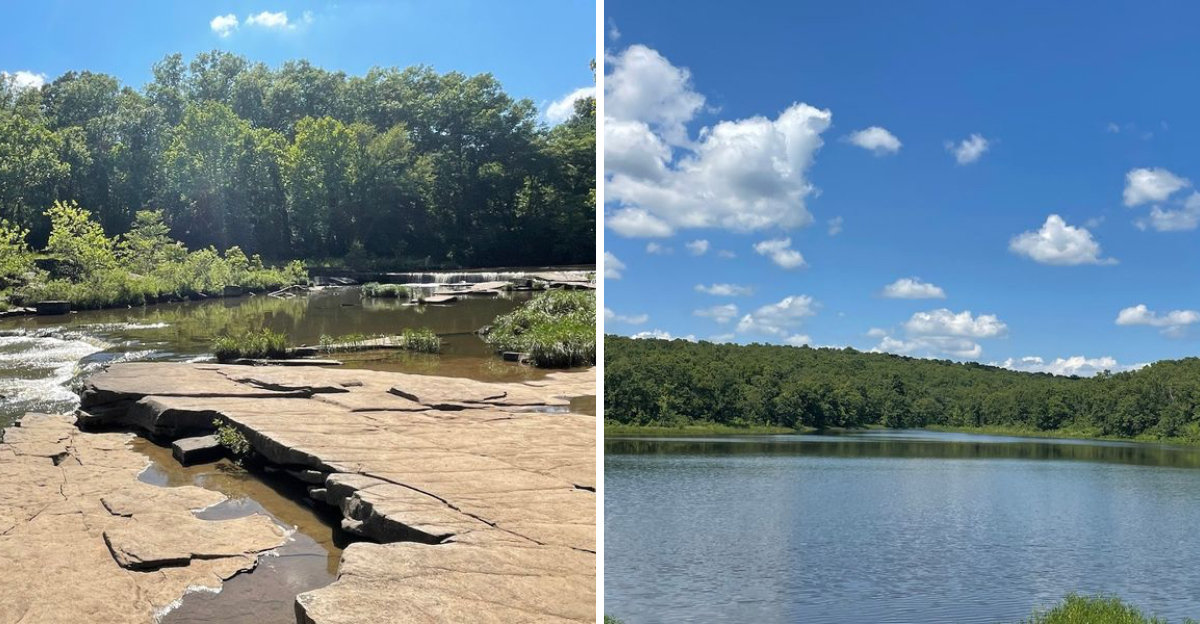
You know those places that sit quietly off the highway, content to let the woods and the water do all the talking? This one is a forested gem in northeastern Oklahoma, where rocky bluffs rise above a winding creek and a still lake waits for anyone with a kayak or a fishing pole.
The trails here are the main attraction, winding through oak forests and leading to spots that feel like they were placed just for you.
A short walk brings you to a waterfall tumbling over ancient limestone, and a longer loop rewards your effort with sweeping views from a lookout tower. Wildlife moves through the shadows, deer, turkey, and the occasional bobcat, all going about their business without a care for your schedule.
Old stone structures from the 1930s blend into the landscape so naturally that you might walk right past them without noticing.
This place swallows sound, leaving only the rustle of leaves and the lapping of water against the shore. It is the kind of peace that stays with you long after you leave.
Bring good shoes and a willingness to slow down. The forest has been waiting, and it knows how to make you forget the clock.
The Landscape That Sets Osage Hills Apart
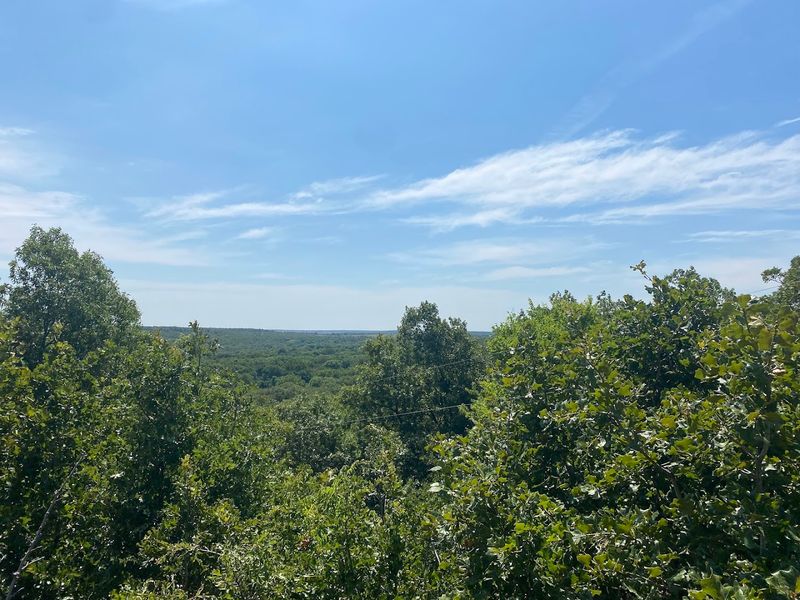
Oklahoma does not always get credit for its forests, but Osage Hills makes a strong case for a second look. The terrain here is a satisfying mix of wooded ridges and open prairie, shaped by the same geological forces that created the broader Osage Hills region of northeastern Oklahoma.
Standing at a high point on the trail, you can see the land roll out in every direction. Blackjack oak and post oak trees cover the slopes, their canopy creating cool, shaded corridors even on warm afternoons.
The tallgrass prairie that surrounds the park adds another layer of beauty. In late spring and early summer, the grasses grow tall and the wildflowers push through in bursts of yellow and purple.
This is not a manicured park with paved paths and gift shops. It is raw Oklahoma land, left mostly to its own rhythm.
The landscape has a quiet drama to it, the kind that builds slowly as you walk deeper into the trees and realize how far the silence stretches.
A Brief History of the Park and Its Origins
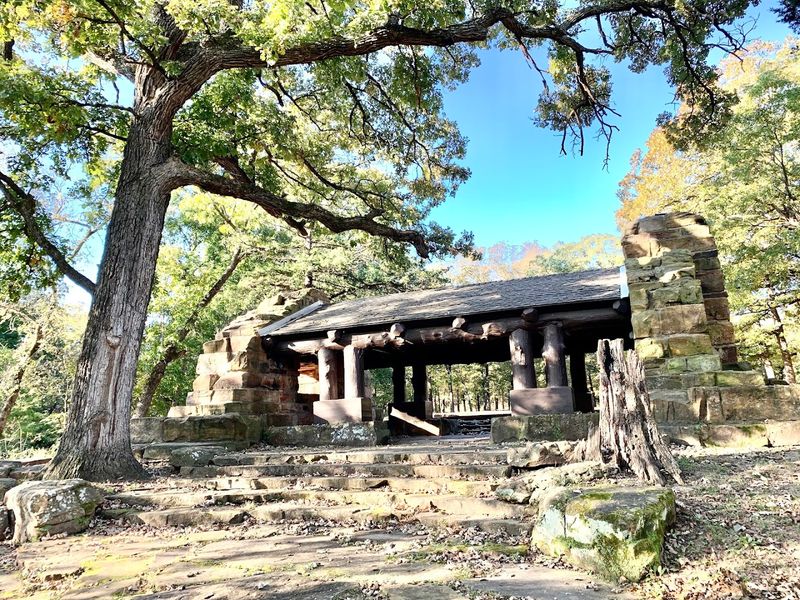
Osage Hills State Park has a history rooted in the New Deal era of the 1930s. The Civilian Conservation Corps, known as the CCC, developed much of the park’s infrastructure during that period, and their craftsmanship is still visible today.
Stone structures built by CCC workers dot the park, blending into the landscape with a naturalness that modern construction rarely achieves. These buildings and features were designed to complement the surroundings rather than overpower them.
The park sits within the traditional homeland of the Osage Nation, and the name of the hills themselves carries that deep historical connection. The Osage people have lived in and around this part of Oklahoma for generations, and the land reflects that enduring presence.
Learning a bit of this background before visiting adds a meaningful layer to the experience. Walking through land that carries this much history, both natural and human, turns a simple hike into something more thoughtful.
The park feels less like a recreational facility and more like a place with real roots, and that distinction matters when you are looking for travel experiences that actually stay with you.
Trails Through the Trees Worth Every Step
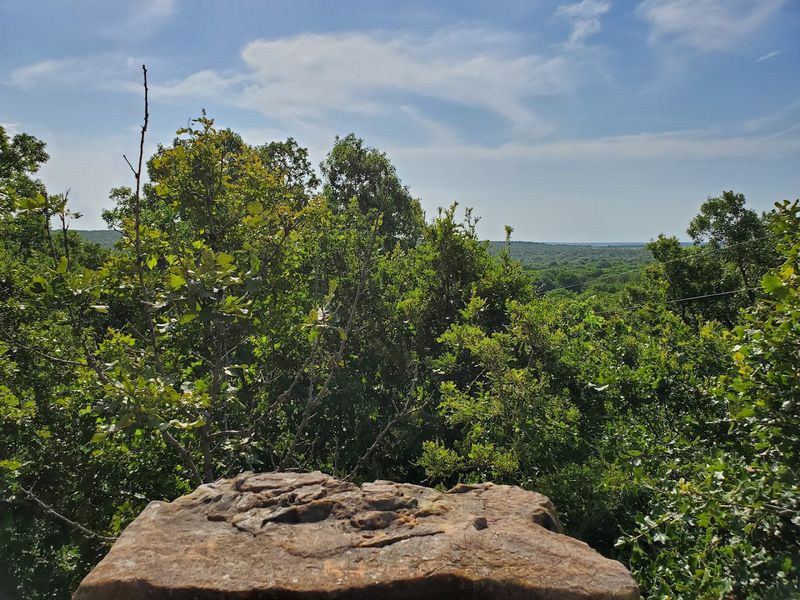
The trail system at Osage Hills is modest in size but generous in character. Paths wind through the oak woodland and across open ridges, offering enough variety to keep a morning hike interesting from start to finish.
The terrain is hilly enough to provide a real workout without being punishing. Elevation changes keep the scenery shifting, and each ridge offers a slightly different view of the surrounding landscape.
One of the best parts of hiking here is the texture of the forest floor. Fallen leaves, exposed roots, and patches of open rock make every step feel deliberate and connected to the land.
There is no pavement, no guardrails, just the trail and the trees.
Birdwatching along these paths is genuinely rewarding. The oak woodland attracts a solid variety of songbirds, woodpeckers, and raptors, especially during the spring and fall migration windows.
Bringing a trail map and comfortable footwear makes the experience much smoother. The paths are well-worn but not always heavily marked, so paying attention to your surroundings is part of the adventure.
The forest rewards those who slow down and look carefully at what is growing and moving around them.
Water Views That Make the Whole Trip Feel Worth It
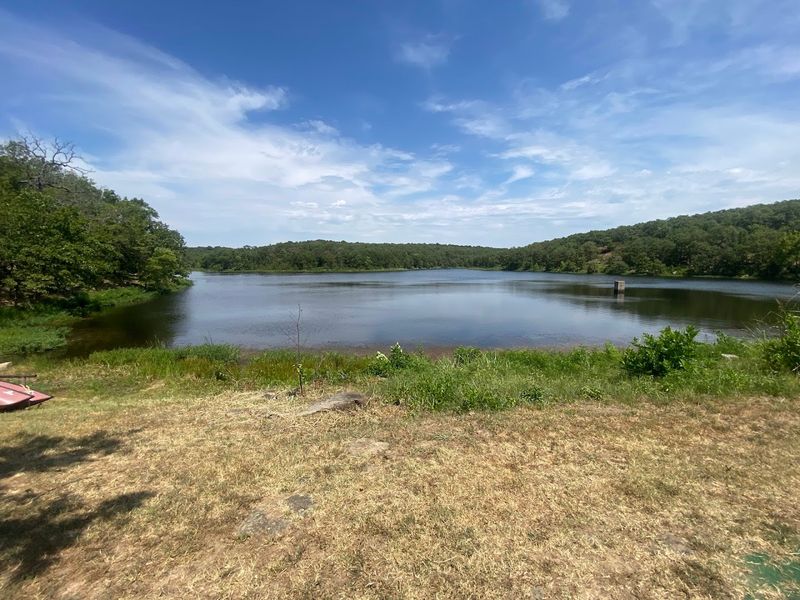
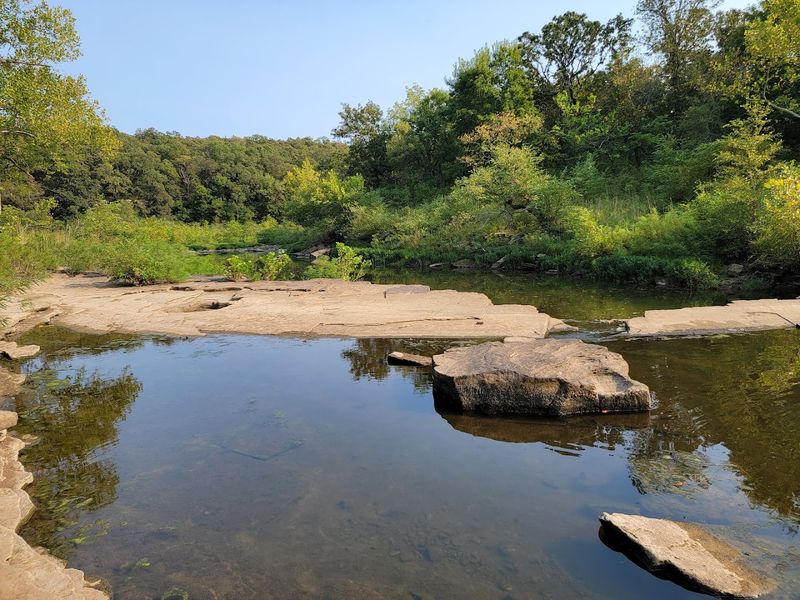
Water has a way of making any landscape feel complete, and Osage Hills delivers on that front with a quiet lake nestled among the wooded hills. Sand Creek Lake sits within the park and provides one of the most peaceful water views in this part of Oklahoma.
The lake is small enough to feel intimate but large enough to create a genuine sense of open space when you stand at its edge. On calm mornings, the surface reflects the surrounding tree line perfectly, creating a mirror image that makes the scene look almost too good to be real.
Fishing is available at the lake, and it draws a steady stream of visitors who prefer their outdoor time to involve a rod and a folding chair. Bass and other freshwater species make the lake worth a cast or two.
Even without a fishing pole, the lake is worth visiting just to sit near the water for a while. There is a stillness here that is hard to manufacture and impossible to replicate in a city park.
The combination of water, trees, and open sky creates a visual balance that keeps you standing at the shoreline longer than you planned, which is exactly the kind of surprise a good travel destination should offer.
Camping Options for Those Who Want to Stay Longer
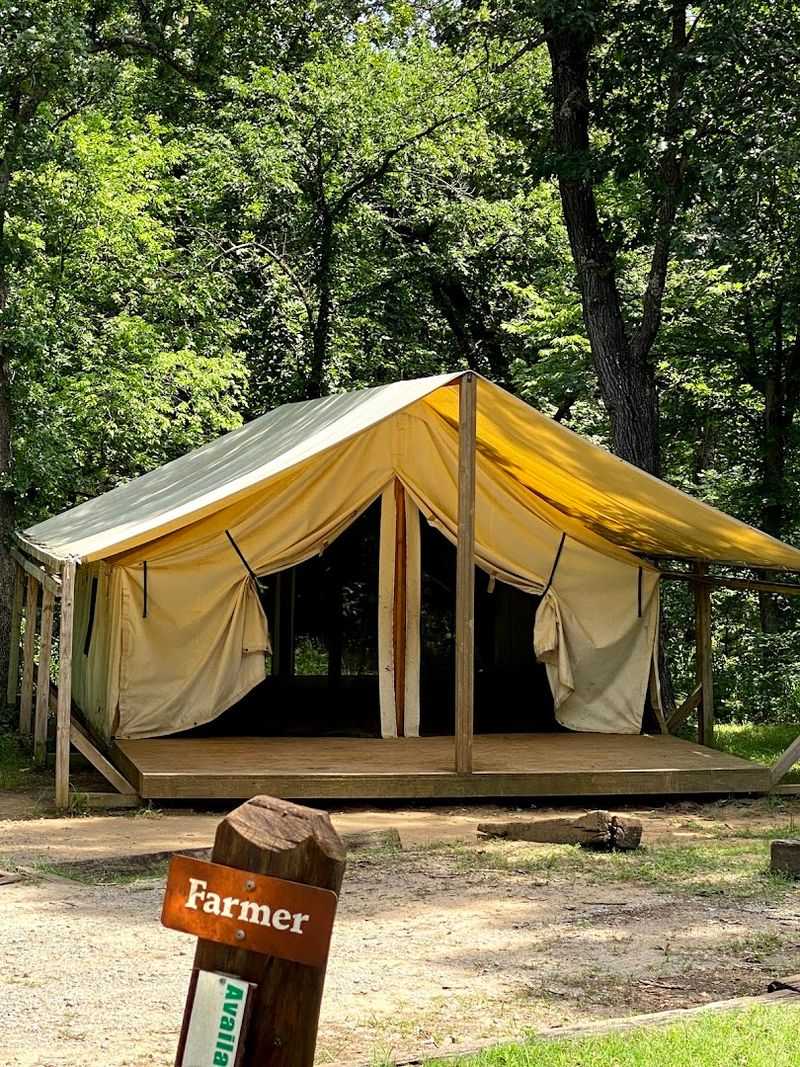
Spending a night at Osage Hills changes the experience in the best possible way. The park offers camping facilities that range from basic tent sites to spots with electrical hookups, giving visitors a range of options depending on how roughed-up they want to get.
Waking up inside the park, before the day hikers arrive, is a completely different version of Osage Hills. The morning light filters through the oak canopy in long, golden shafts, and the birds start their routines well before sunrise.
The campground has a comfortable, unhurried atmosphere. Sites are spread out enough to give each group a sense of privacy, which is not always guaranteed at more popular Oklahoma state parks.
Evenings at the campground are genuinely restorative. Sitting outside after dark, with the forest quiet and the stars visible overhead, is the kind of simple pleasure that travel sometimes forgets to include in its highlight reel.
Reservations can be made through the Oklahoma State Parks system, and booking ahead during peak spring and fall seasons is a smart move. The park is popular enough to fill up on good weather weekends, so planning ahead saves the frustration of arriving without a spot.
The Peaceful Atmosphere Most Travelers Walk Right Past
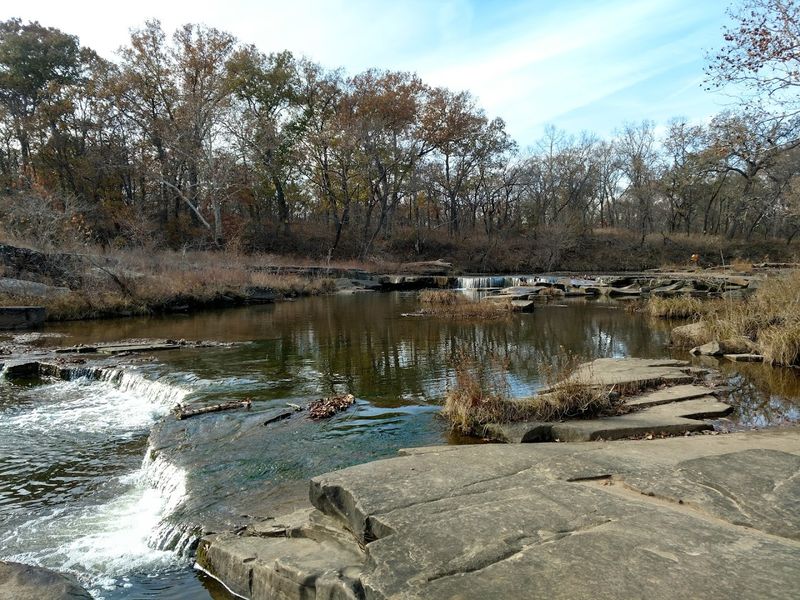
There is a particular kind of quiet at Osage Hills that you do not find at the bigger, more advertised parks. The absence of crowds is not a flaw here; it is the whole point.
On a weekday visit, it is entirely possible to walk the trails for an hour without seeing another person. The forest absorbs sound in a way that makes the whole park feel insulated from the outside world.
Even the wind sounds different when it moves through oak trees instead of traffic.
Part of what makes this atmosphere so rare is the park’s location. Osage Hills sits away from the main tourist corridors of Oklahoma, which means the people who show up here tend to be intentional about it.
They came because they looked for it, not because a billboard pointed them in.
That self-selection creates a certain energy. The park feels unhurried, unperformed, and genuinely relaxed in a way that crowded destinations rarely manage.
For anyone dealing with the mental noise of daily life, a few hours at Osage Hills works like a reset button. The peace here is not just pleasant; it is the kind that actually changes how you feel by the time you leave.
The Tallgrass Prairie Surrounding the Park
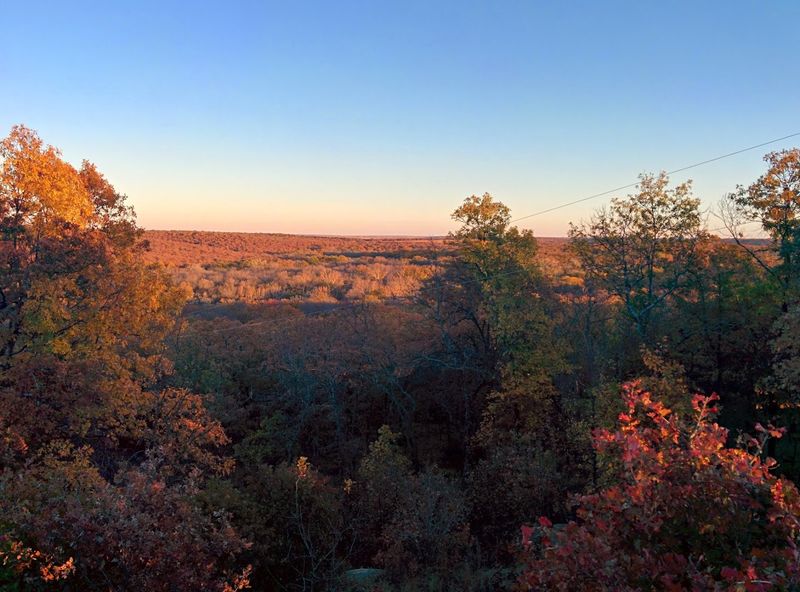
The park does not exist in isolation. Osage Hills sits within one of the largest remaining stretches of tallgrass prairie in North America, and the landscape surrounding the park is just as compelling as the park itself.
Tallgrass prairie is one of the most endangered ecosystems in the world, with the vast majority of the original prairie having been converted to agriculture over the past two centuries. What remains in Osage County, Oklahoma is genuinely rare.
Driving through the prairie on the way to the park, you start to understand why this land was so significant to the Osage people. The grassland stretches to the horizon in every direction, interrupted only by the occasional ridge of trees or a winding creek line.
In late summer, the big bluestem grass can reach well over six feet tall, creating a sea of movement in the wind that is unlike anything else in the state. The prairie also supports an extraordinary variety of wildflowers through the warmer months.
Pairing a visit to Osage Hills with a drive through the surrounding Osage County prairie turns the trip into a full ecological experience, one that connects the park to the much larger landscape it belongs to.
Wildlife Encounters Around Every Bend
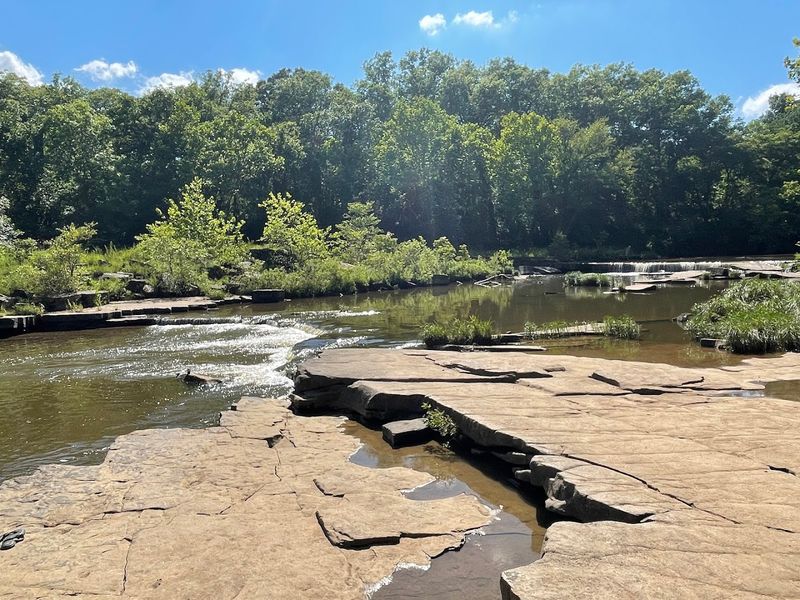
Oklahoma’s wildlife is well represented in and around Osage Hills, and the park gives you a genuine chance to see it without the mediation of a guided tour or a zoo enclosure.
White-tailed deer are common throughout the park, especially in the early morning and late afternoon hours when they move between the woodland and the open prairie edges. Spotting one standing still among the oaks is one of those small travel moments that sticks with you.
Wild turkey are another regular presence, and their size always surprises first-time observers. Watching a group of them move through the underbrush with surprising speed is both amusing and a little humbling.
The bird life here deserves its own category. The oak woodland supports a healthy population of red-headed woodpeckers, great crested flycatchers, and various warblers during migration season.
Bringing binoculars is a genuinely good idea rather than an optional extra.
Reptiles also make appearances on sunny days, particularly on exposed rocks along the trail. Box turtles are a common and charming sight, moving with their characteristic unhurried confidence across the path.
The diversity of wildlife here is one of the park’s most underappreciated assets.
Swimming and Recreation at the Lake
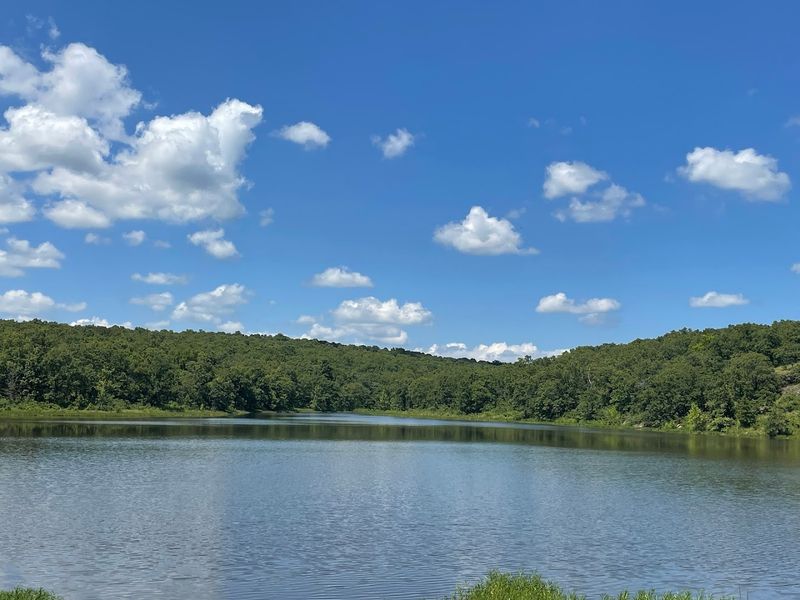
Sand Creek Lake is not just a scenic backdrop at Osage Hills. It serves as a genuine recreational hub for visitors who want more from their park visit than a walk in the woods.
Swimming is available at a designated area of the lake, and on hot Oklahoma summer days, the water becomes the most popular spot in the entire park. The lake is shallow enough in places to be comfortable for families while still offering enough depth for a proper swim.
The picnic areas near the lake are well-positioned to take advantage of the water views. Spreading out a meal with the lake visible through the tree line is a simple pleasure that requires zero planning beyond packing the food.
Paddling on the lake is another option worth considering. Bringing a kayak or canoe opens up a completely different perspective on the park, allowing you to see the forested hills from the water rather than from the shore.
The combination of swimming, fishing, and paddling in one compact location makes the lake the park’s most versatile asset. For visitors who want a full-day experience, the lake alone can anchor the entire itinerary without any need to venture far beyond its shoreline.
Best Times to Plan Your Visit
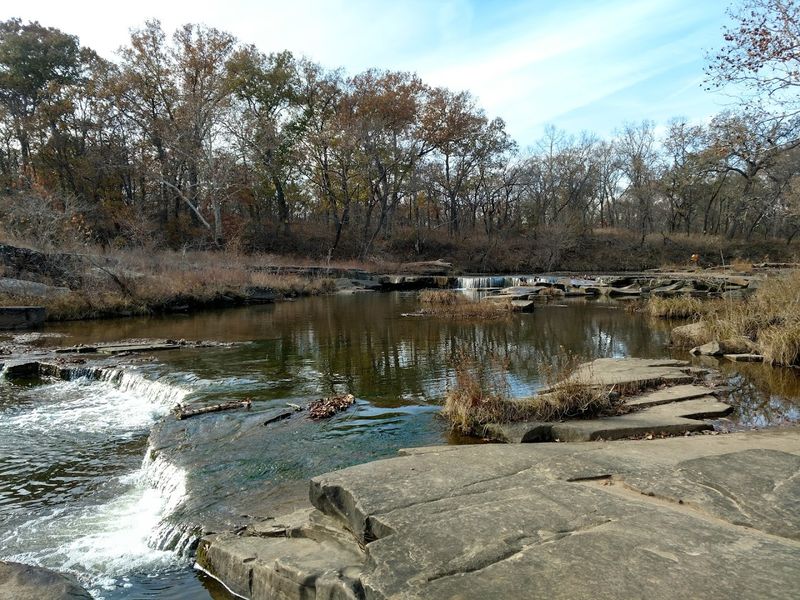
Timing a visit to Osage Hills correctly makes a significant difference in the quality of the experience. The park has distinct seasonal personalities, and each one offers something worth seeing.
Spring is probably the most rewarding season for first-time visitors. Wildflowers bloom across the prairie and woodland edges from April through June, and the temperatures are comfortable for long hikes without the punishing heat of an Oklahoma summer.
Fall brings a different kind of beauty. The oak woodland turns through shades of orange, copper, and deep red from mid-October through November, and the cooler air makes the trails feel particularly inviting.
The fall color display is modest compared to the Appalachians but genuinely lovely in its own right.
Summer visits are best made early in the morning or in the evening hours. Midday heat in Oklahoma can be serious, and the trails offer limited shade in the more open sections near the prairie edges.
Winter is the least-visited season, but it has a stripped-down appeal for those who enjoy solitude and bare-branch woodland views. The park stays open year-round, and a quiet winter walk through the silent forest is a surprisingly satisfying way to experience Osage Hills at its most unfiltered.
Getting There and What to Bring
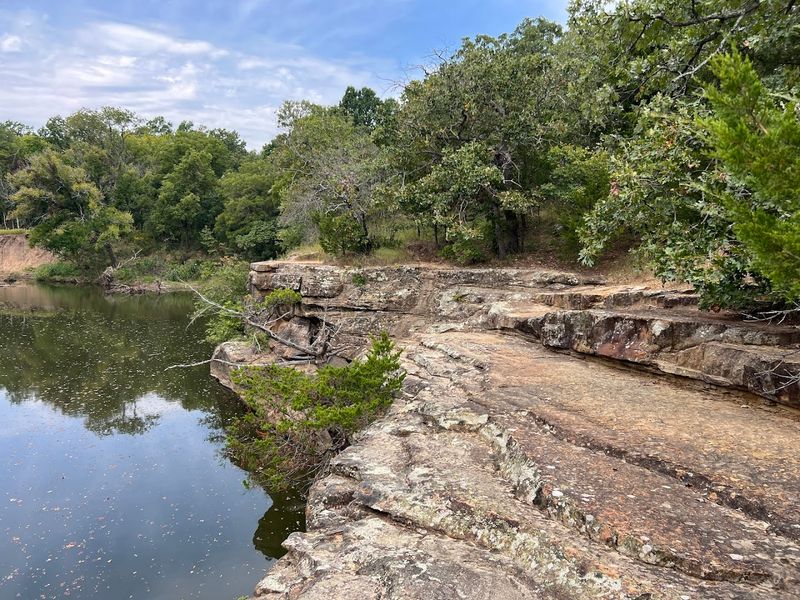
Osage Hills State Park is located in Osage County in northeastern Oklahoma, near the town of Pawhuska. The park address falls within the Oklahoma 74361 area, and it sits at coordinates placing it firmly in the rolling hills country east of Pawhuska.
The drive to the park passes through some of the most open and undeveloped land in the state, which is part of the experience. Allow time for the approach, because the journey through Osage County is not a chore; it is a preview of the landscape waiting for you.
Packing smartly for Osage Hills means thinking about the basics: sturdy footwear for uneven trails, sunscreen for the open prairie sections, and enough water for the duration of your hike. The park does not have a visitor center with a fully stocked store.
Insect repellent is worth including, especially during spring and early summer when ticks are active in the tall grass. Wearing long pants on the trail is a sensible precaution during those months.
A printed or downloaded trail map is helpful since cell service in this part of Oklahoma can be unreliable. Arriving prepared makes the whole visit more relaxed and keeps the focus where it belongs, on the park itself.
Why This Park Deserves a Spot on Your Oklahoma Itinerary
Oklahoma has plenty of well-known parks that draw visitors from across the country, but Osage Hills occupies a different category entirely. It is not competing for attention, and that restraint is exactly what makes it special.
The park offers a genuinely complete outdoor experience: forested trails, water access, wildlife, history, and the kind of open-sky prairie landscape that feels increasingly rare in modern America. All of this exists in one compact, accessible location in northeastern Oklahoma.
For travelers who have already checked off the state’s more famous destinations, Osage Hills represents the kind of discovery that reframes what Oklahoma actually has to offer. The state is more varied, more forested, and more beautiful than its reputation often suggests.
For first-time visitors to the state, the park provides an honest and unhurried introduction to the Oklahoma landscape, one that does not require a long drive or a complicated plan.
The park sits quietly in Osage County, doing exactly what a good natural area should do: offering space, stillness, and the genuine pleasure of moving through a landscape that has not been packaged for mass consumption.
That is a rarer thing than it should be, and Osage Hills delivers it without asking for much in return.
