
Tucked into the rugged folds of the Wichita Mountains in southwestern Oklahoma, Medicine Park exists as a cobblestone curiosity that feels more like a mountain village in the Appalachians than a plains town.
Founded in 1908, this tiny resort community clings to the banks of Bath Lake and Medicine Creek, where native stone architecture and flowing water create an atmosphere that seems frozen somewhere between rustic frontier charm and artisan bohemia.
The town’s founders quarried local cobblestone from the surrounding hillsides, shaping buildings that still stand today with their rounded, earthy facades glowing warm in the afternoon light.
Visitors wander tree-lined streets where galleries, cafes, and vintage storefronts nestle between boulders and wildflowers, giving the whole place an intimate, almost secretive quality.
What makes Medicine Park truly magnetic is its proximity to the Wichita Mountains Wildlife Refuge, a 60,000-acre sanctuary where bison roam freely and granite peaks rise abruptly from the prairie.
The town serves as the gateway to this wild landscape, yet it remains remarkably quiet, cherished by locals who appreciate its unhurried pace and natural beauty.
Artists and retirees have claimed many of the old cobblestone cottages, breathing new life into a place that once thrived as a health resort destination.
Summer evenings bring live music echoing off the stone walls, while autumn paints the surrounding hills in burnt orange and gold.
There is something deeply restorative about Medicine Park, a sense that time moves differently here, shaped by water, stone, and the timeless pull of the mountains.
Bath Lake and Medicine Creek
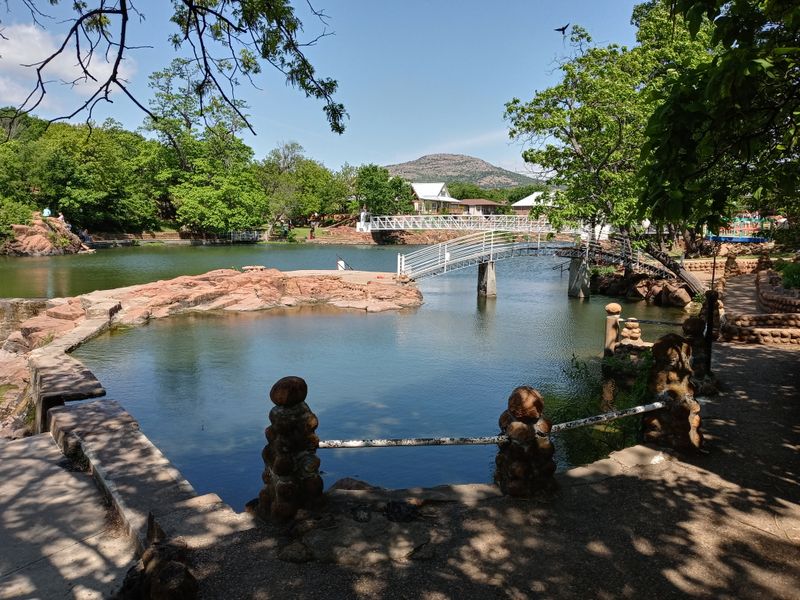
At the heart of Medicine Park flows Medicine Creek, a spring-fed waterway that widens into Bath Lake, creating a watery centerpiece that defines the town’s character.
Clear, cool water tumbles over smooth boulders, forming small cascades and pools where locals have waded for generations.
Families spread blankets along the grassy banks while children splash in the shallows, their laughter mixing with the constant murmur of the current.
The creek runs right through the center of town, accessible from multiple footbridges and stone walkways that invite exploration.
Bath Lake itself stretches out calm and reflective, bordered by cobblestone pathways and shaded picnic areas.
Ducks glide across the surface while turtles sun themselves on partially submerged logs.
The water remains refreshingly cool even in the heat of Oklahoma summers, fed by underground springs that maintain a steady flow year-round.
Locals bring folding chairs and fishing poles, settling in for quiet afternoons where the only urgency comes from the occasional tug on a line.
Walking the perimeter of the lake reveals different perspectives of the town, with cobblestone buildings reflected in the water and the Wichita Mountains rising in the distance.
The sound of moving water becomes a constant companion, a natural soundtrack that drowns out the noise of the wider world.
Early mornings bring mist rising off the surface, creating an almost mystical atmosphere as the sun breaks over the eastern ridges.
This is the place residents treasure most, a cooling oasis where stone, water, and sky converge in perfect harmony.
Address: Medicine Park, Oklahoma
Wichita Mountains Wildlife Refuge Gateway
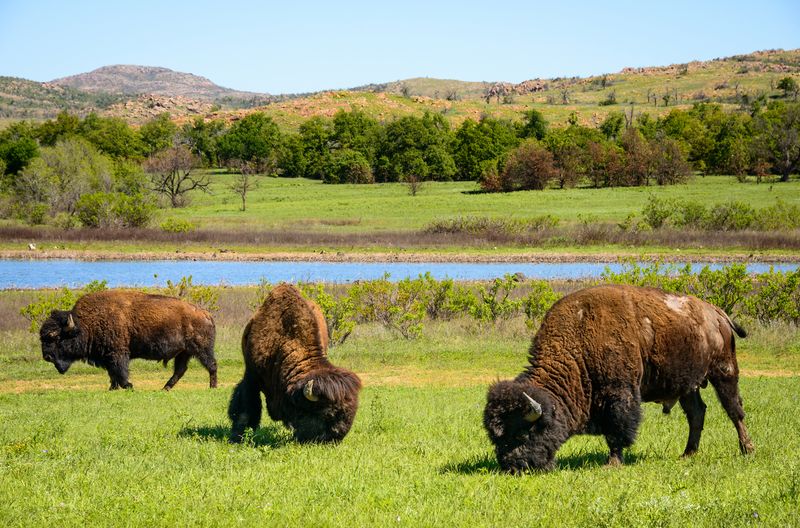
Medicine Park sits at the entrance to the Wichita Mountains Wildlife Refuge, a 60,000-acre protected wilderness that ranks among Oklahoma’s most spectacular natural treasures.
Ancient granite peaks rise abruptly from the surrounding plains, their weathered faces catching the light in shades of pink and gray.
Bison, elk, longhorn cattle, and prairie dogs roam freely across mixed-grass prairie and boulder-strewn hillsides, creating wildlife viewing opportunities that draw visitors from across the region.
The refuge represents one of the oldest managed wildlife preserves in the United States, established in 1901 to protect disappearing species.
From Medicine Park, the refuge entrance lies just minutes away, making the town an ideal base for exploring this remarkable landscape.
Hiking trails wind through granite outcroppings and past hidden lakes, offering routes for every skill level.
The Charon’s Garden Wilderness Area features massive boulder formations that challenge rock climbers, while gentler paths around lakes like Quanah Parker and Elmer Thomas provide accessible nature experiences for families.
Wildlife sightings happen regularly, with bison often visible from roadways and elk bugling during autumn rut season.
The relationship between town and refuge feels symbiotic, with Medicine Park providing services and accommodations while the wilderness offers endless recreational possibilities.
Locals know the best times to spot particular animals and which trails offer the most dramatic views.
They share this knowledge quietly, preferring the refuge remain a place of genuine wilderness experience rather than overcrowded tourist attraction.
Sunrise and sunset transform the granite peaks into glowing monuments, their colors shifting from soft pastels to deep purples.
This is the landscape that defines southwestern Oklahoma, raw and beautiful, accessible yet still wild enough to feel like true escape.
Medicine Park Aquarium and Natural Sciences Center

Housed within a historic cobblestone building, the Medicine Park Aquarium and Natural Sciences Center focuses exclusively on native Oklahoma species, offering an intimate look at the aquatic life inhabiting local waters.
Unlike massive commercial aquariums, this facility maintains a community-centered scale, with exhibits designed to educate visitors about the streams, rivers, and lakes that shape the region’s ecology.
Tanks display everything from tiny darters and shiners to larger catfish and bass, all species that swim in nearby waterways.
The center emphasizes conservation and habitat preservation, explaining how human activities impact water quality and fish populations.
Interactive displays engage younger visitors while providing substantive information for adults genuinely interested in freshwater ecosystems.
Staff members, often locals with deep knowledge of regional natural history, offer context that transforms simple fish viewing into meaningful environmental education.
The facility also houses reptiles and amphibians native to the Wichita Mountains area, including various turtle species and colorful lizards.
What makes this aquarium special is its hyper-local focus.
Rather than showcasing exotic species from distant oceans, every creature on display lives within a short drive of Medicine Park.
This approach fosters appreciation for the biodiversity existing in seemingly ordinary Oklahoma streams and ponds.
Children discover that their own backyard waterways harbor surprising variety and beauty, lessons that encourage environmental stewardship.
The building itself contributes to the experience, with thick cobblestone walls and vintage architectural details creating an atmosphere that feels distinctly Medicine Park.
Visiting the aquarium becomes part of a larger exploration of the town’s commitment to preserving both natural and architectural heritage.
Address: 4 Aquarium Cir, Medicine Park, Oklahoma
Seasonal Festival Atmosphere
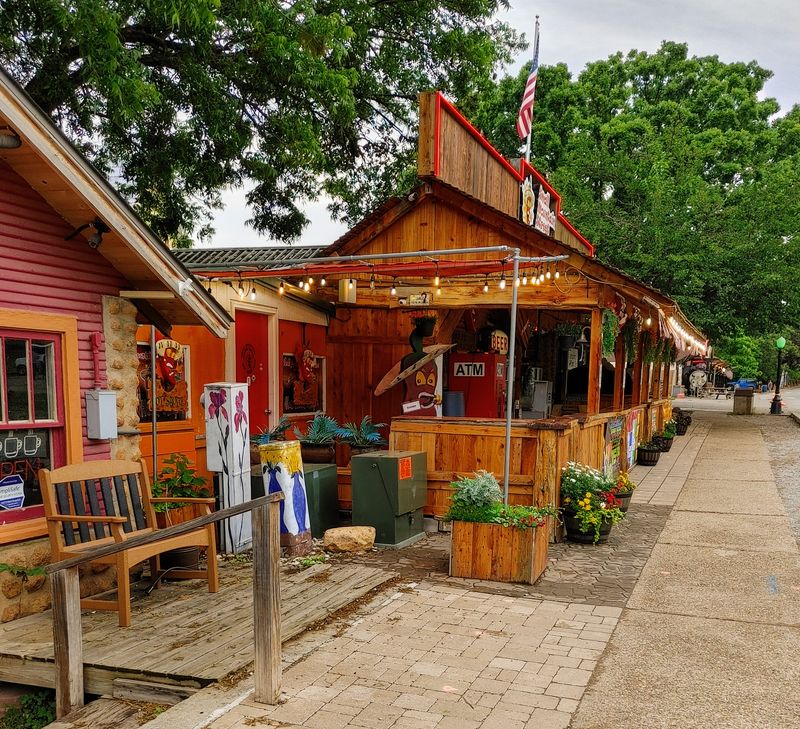
Throughout the year, Medicine Park hosts festivals and events that draw visitors while maintaining the town’s intimate character.
The New Year’s Eve Cannonball celebration has become legendary, with a massive cobblestone ball dropping at midnight as crowds gather around Bath Lake.
Summer brings live music series, with bands performing on outdoor stages while families spread blankets on the grass.
These events feel more like neighborhood gatherings than commercial productions, with locals mixing freely with visitors in an atmosphere of genuine community celebration.
Autumn transforms the surrounding hills into a tapestry of warm colors, making it prime season for photography and hiking.
The town responds with harvest-themed events and art shows that highlight the season’s beauty.
Food vendors set up along the creek, offering everything from barbecue to homemade pies, while craft booths display handmade goods perfect for holiday shopping.
The scale remains manageable, never overwhelming the town’s infrastructure or disrupting the peaceful atmosphere residents cherish.
Spring wildflower season brings its own magic, with bluebonnets and Indian paintbrush carpeting the hillsides.
Guided nature walks introduce visitors to the region’s botanical diversity, while photographers compete for the best shots of flowers framing the granite peaks.
The town’s calendar reflects a deep connection to natural cycles, with events timed to coincide with wildlife migrations, blooming seasons, and optimal weather conditions.
Even during festivals, Medicine Park maintains a relaxed pace.
There are no massive crowds or traffic jams, just a gentle increase in activity that adds energy without destroying the essential tranquility.
This balance represents careful planning by residents determined to share their town without sacrificing what makes it worth sharing in the first place.
Swimming and Water Recreation
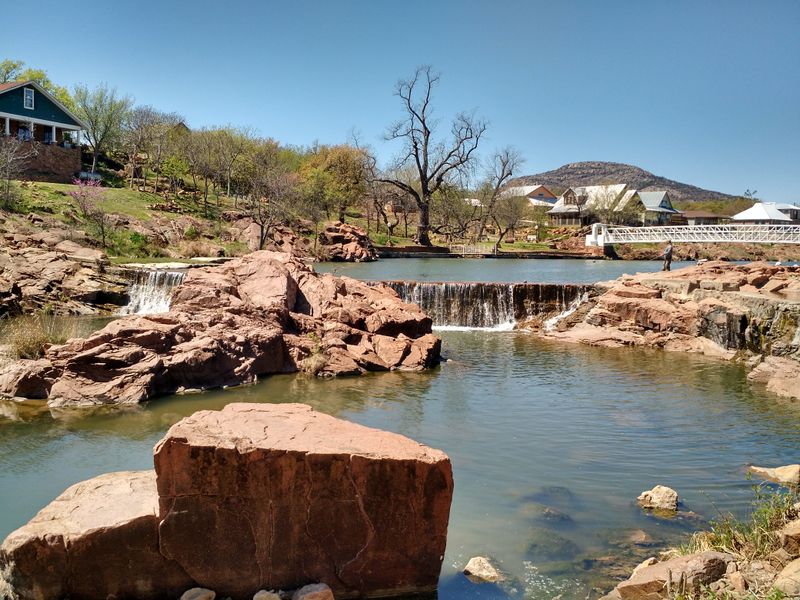
Medicine Creek and Bath Lake provide swimming opportunities that locals guard as precious summer treasures.
The spring-fed water remains cool even during the hottest Oklahoma days, offering genuine relief from triple-digit temperatures.
Designated swimming areas feature gradual entries suitable for young children, while deeper sections accommodate confident swimmers.
The creek’s current adds an element of gentle adventure, with swimmers floating downstream before walking back up the bank to repeat the journey.
Smooth boulders provide natural diving platforms for those seeking a bit more excitement.
Unlike chlorinated public pools or crowded reservoir beaches, swimming in Medicine Park feels more like a natural experience.
Small fish dart between submerged rocks, turtles occasionally surface nearby, and dragonflies skim the water’s surface.
The bottom remains visible through the clear water, allowing swimmers to watch their feet touch smooth stone rather than uncertain mud.
Families claim favorite spots, returning to the same boulders and pools year after year, building traditions around specific locations.
Safety comes from familiarity rather than lifeguards and regulations.
Locals know where currents run stronger and which areas suit different skill levels.
They watch out for each other’s children and offer advice to newcomers about the best entry points.
This informal system works because the community remains small enough for collective responsibility to function effectively.
Evening swims hold particular magic, with the day’s heat radiating from sun-warmed stones while the water provides cooling contrast.
The western sky blazes orange and pink behind the mountains as swimmers float on their backs, watching swallows dive for insects.
These moments capture what residents love most about Medicine Park: simple, timeless pleasures available without admission fees or reservations, just the generous gift of nature freely shared.
Hiking Trails and Nature Access
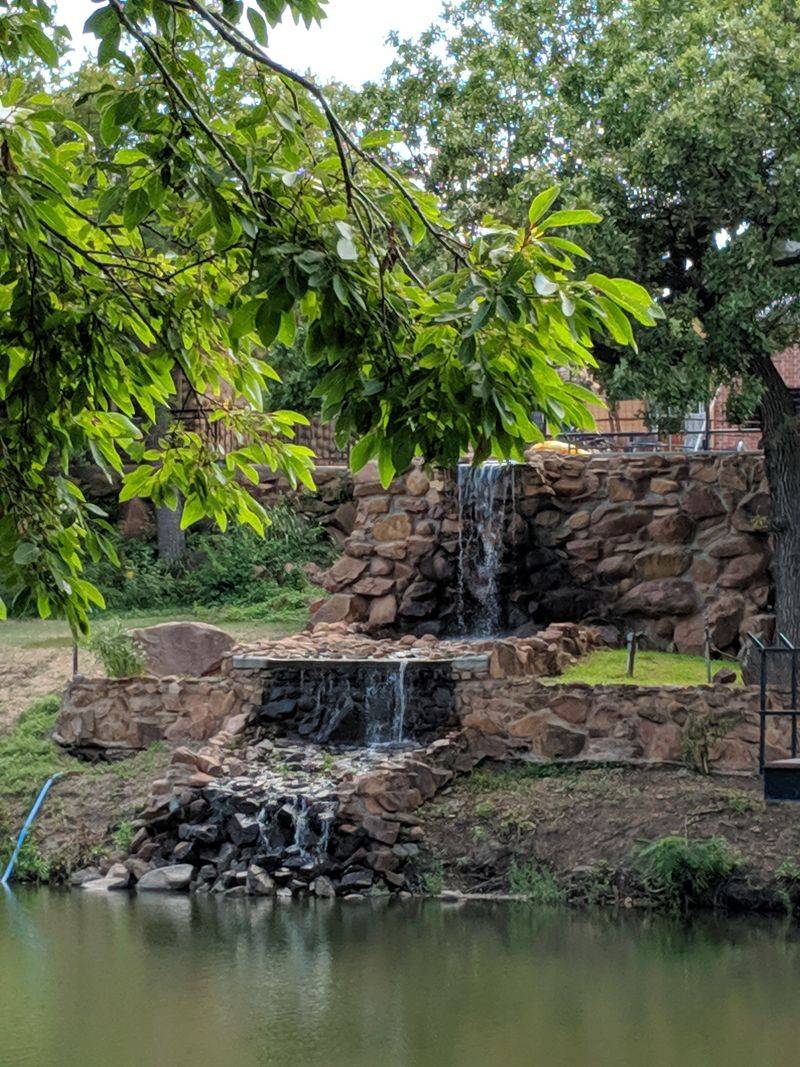
Beyond the immediate town limits, hiking opportunities abound in the surrounding Wichita Mountains landscape.
Trails range from easy walks along lake shores to challenging scrambles up granite peaks that reward effort with panoramic views across southwestern Oklahoma.
The terrain varies dramatically within short distances, transitioning from wooded creek bottoms to exposed boulder fields to prairie grasslands.
This diversity means hikers can experience multiple ecosystems within a single outing, encountering different plant communities and wildlife habitats as elevation and exposure change.
Popular routes include the trail to the top of Mount Scott, the highest peak in the Wichitas, accessible by both hiking path and paved road.
From the summit, views extend for miles in every direction, with Medicine Park visible as a small cluster of buildings nestled against the mountain base.
Other trails explore boulder-choked canyons where seasonal waterfalls cascade after spring rains, creating temporary spectacles that locals anticipate each year.
Wildlife encounters happen regularly, with deer, wild turkeys, and armadillos commonly spotted, while more elusive species like bobcats and mountain lions inhabit the more remote areas.
Medicine Park residents serve as informal trail guides, sharing knowledge about current conditions, seasonal highlights, and hidden spots not marked on official maps.
They recommend routes based on fitness levels and interests, steering families toward child-friendly paths while directing experienced hikers to more demanding terrain.
This local expertise proves invaluable for visitors wanting to maximize their time in the mountains.
The hiking culture here emphasizes respect for the landscape and wildlife.
Trails remain relatively uncrowded even during peak seasons, allowing for genuine wilderness experiences.
Hikers practice leave-no-trace ethics, understanding that preserving the area’s wild character benefits everyone who comes seeking connection with nature.
Small Town Community Character
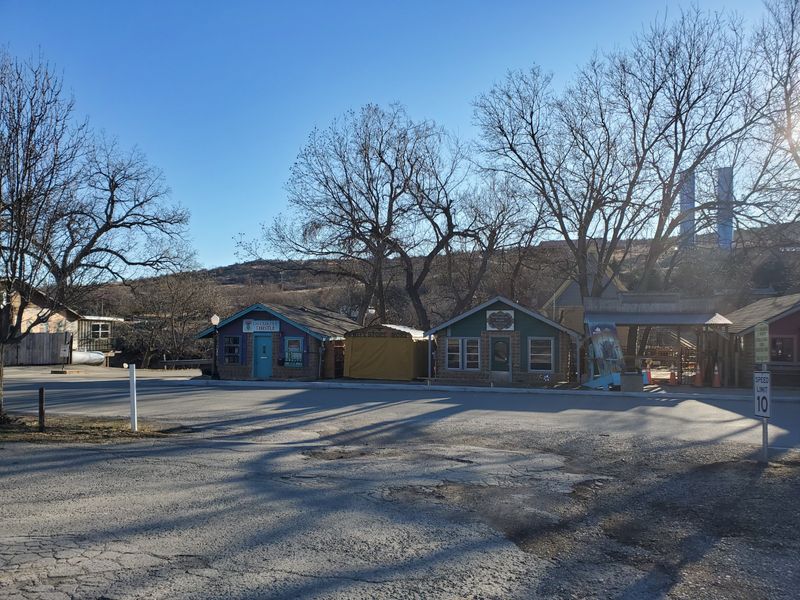
What truly sets Medicine Park apart is its genuine small-town community spirit, a quality increasingly rare in modern America.
Residents know each other by name, watch out for one another, and maintain informal networks of mutual support.
The town lacks chain stores and corporate franchises, with locally owned businesses dominating the commercial landscape.
This creates an economic ecosystem where money circulates within the community rather than flowing out to distant corporate headquarters.
Shop owners live in town, participate in local events, and have genuine stakes in the community’s wellbeing.
The population hovers around 400 permanent residents, a size that allows for real community cohesion while remaining diverse enough to avoid insularity.
Artists, retirees, young families, and longtime Oklahoma natives all find their place in the social fabric.
Conversations happen easily, with strangers greeted warmly and newcomers welcomed into the fold.
The pace of life reflects the flowing water and mountain timelessness rather than the frantic urgency of urban centers.
Community decisions happen through face-to-face discussion rather than impersonal bureaucratic processes.
When issues arise, residents gather to talk them through, seeking solutions that honor both tradition and necessary change.
This direct democracy functions because the scale remains manageable, with stakeholders able to participate meaningfully in shaping their town’s future.
The result is a place that feels genuinely self-determined rather than subject to external forces beyond local control.
Visitors sense this community character immediately.
The atmosphere differs markedly from tourist towns where locals view outsiders primarily as revenue sources.
Here, visitors are welcomed as guests rather than customers, invited to experience Medicine Park as residents do.
This generosity of spirit represents the town’s greatest treasure, the quality residents most want to preserve even as they share their special place with the wider world.
Dear Reader: This page may contain affiliate links which may earn a commission if you click through and make a purchase. Our independent journalism is not influenced by any advertiser or commercial initiative unless it is clearly marked as sponsored content. As travel products change, please be sure to reconfirm all details and stay up to date with current events to ensure a safe and successful trip.
