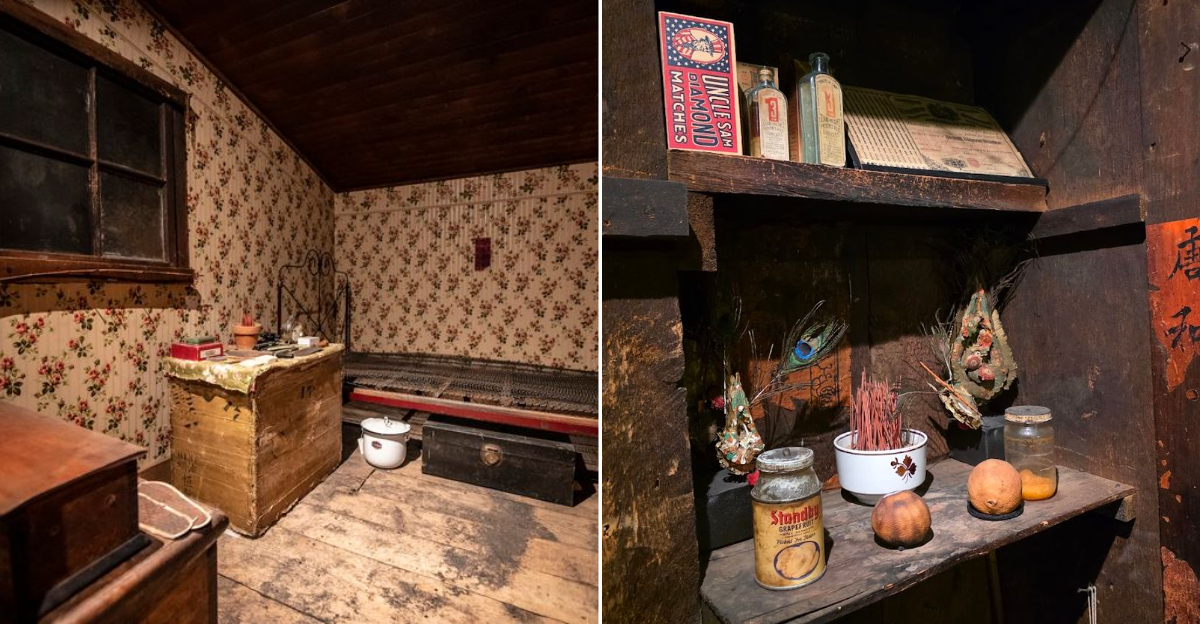
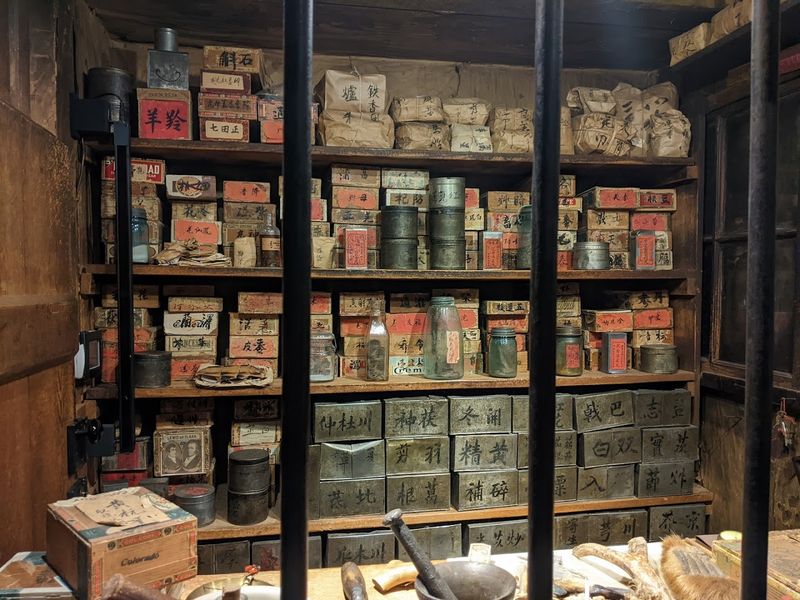
You have never seen a pharmacy like this. The jars on the shelves still wear their original labels, the Chinese characters faded but legible, a language that spoke healing to a frontier town.
This 1865 apothecary in remote Oregon survived decades of abandonment, its doors locked tight until someone finally looked inside and found the 20th century frozen in place.
The man behind the counter was Ing “Doc” Hay, a herbalist who treated both Chinese railroad workers and white ranchers with equal care.
His partner Lung On ran the general store and became one of the richest men in eastern Oregon, yet chose to live in this tiny stone building his whole life. Together they created a social and medical hub that served their community for six decades.
The building holds North America’s largest collection of traditional Chinese medicine, over 500 herbs still sitting in wooden drawers. S
o which dusty Oregon gem hides a perfectly preserved Chinese apothecary, complete with medicine bottles labeled in a script that has not been read aloud in decades?
Walk through the door and step back to 1948.
The First Look Through The Door
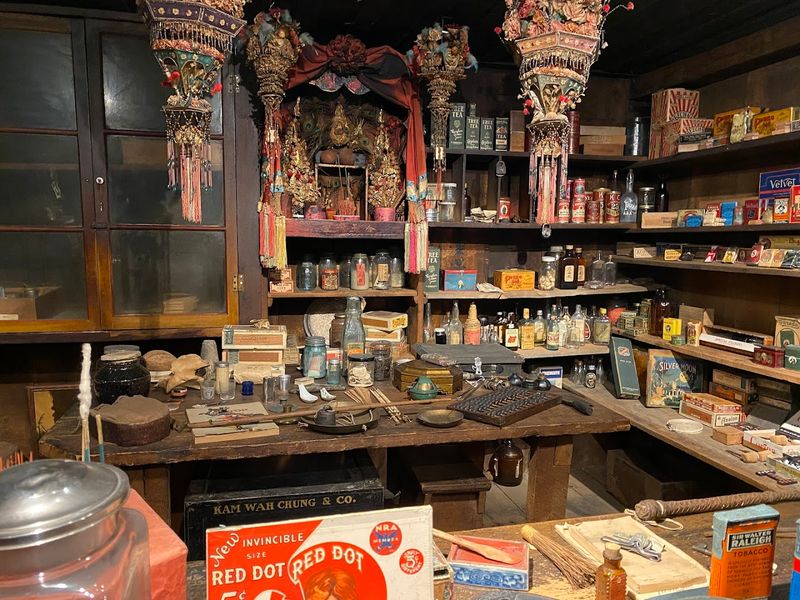
The first thing that hits you is how little separates you from the lives that unfolded here, and that closeness feels almost startling in the best way. This is not one of those polished historic interiors where everything has been stripped down and neatly interpreted for you.
It still feels crowded with purpose, as if every shelf and corner has held onto its original job.
Inside Kam Wah Chung, the room is lined with medicine containers, folded papers, wooden drawers, and all the small practical things that made daily life possible. A lot of those bottles and packets still carry Chinese writing, which gives the whole place a direct, human texture instead of a vague old-time feeling.
You are not just looking at artifacts here, because you are looking at the tools of care, trade, and community.
That is what makes this place in Oregon land so deeply with visitors who might not expect to feel much beyond curiosity. You start noticing how intimate the building feels, and then you realize that intimacy is the story.
By the time your eyes adjust and settle in, the whole apothecary starts reading less like a museum and more like a room that somehow kept breathing.
Where To Find It In John Day
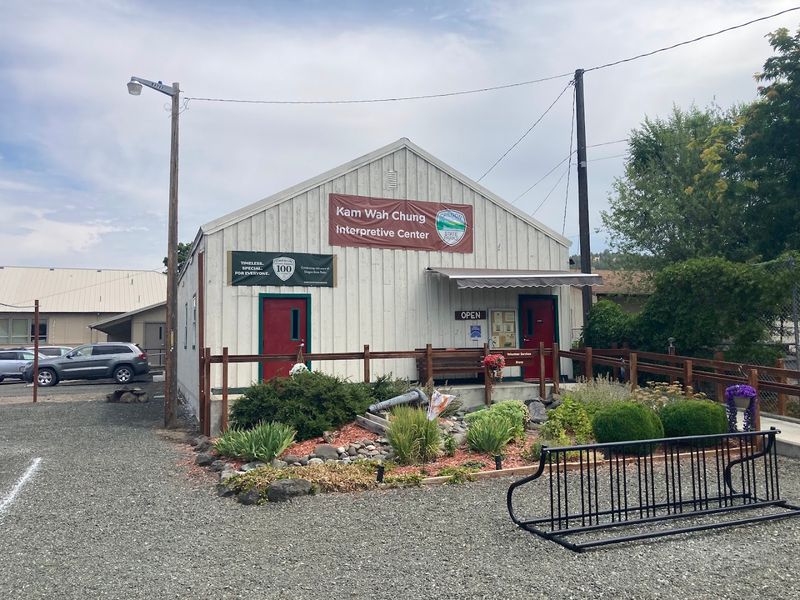
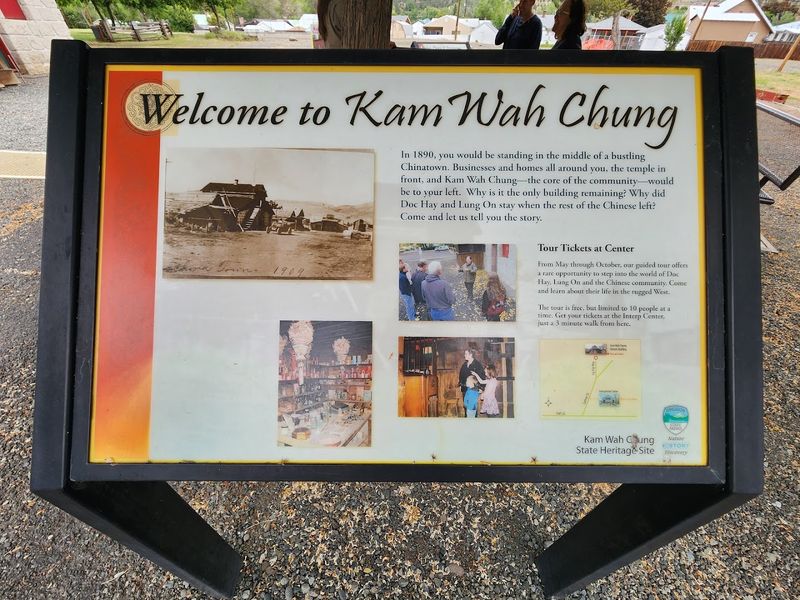
You could drive through John Day and never guess that one of Oregon’s most affecting historic sites is sitting so quietly in plain view. Kam Wah Chung State Heritage Site is at Northwest Canton Street, John Day, Oregon, and the building itself keeps a low profile that somehow makes the experience even better.
It does not announce itself with drama, which feels fitting once you understand the story inside.
The setting matters because this was never meant to be a grand monument separated from ordinary life. It was part of a working town, close to the rhythms of trade, travel, sickness, recovery, conversation, and daily errands.
Standing outside, you get a sense of how naturally this place fit into the community that relied on it.
That everyday quality is a huge part of why the site stays with you after the visit ends. It is easy to imagine people coming here with practical needs, personal worries, and maybe a little hope that someone inside could help.
Before you even step through the door, John Day starts feeling less like a stop on a map and more like a lived-in chapter of the American West.
Why It Feels Frozen In Place
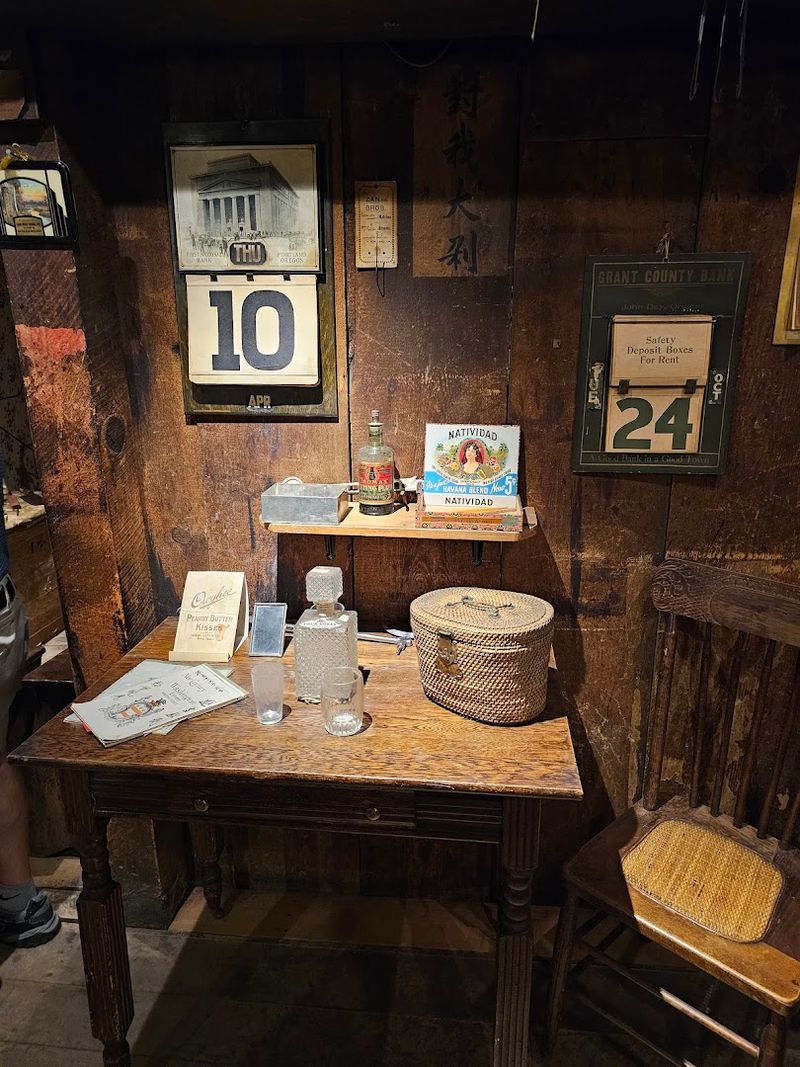
What really gets me is that this place does not merely look old, because it feels paused. Kam Wah Chung became a kind of accidental time capsule after it was closed up and left largely undisturbed for years, and you can sense that almost immediately.
The rooms do not feel reconstructed so much as quietly resumed.
That difference changes the way you look at everything on the shelves. The jars, tins, account books, furnishings, and bits of everyday clutter are not arranged to suggest a life that might have happened here.
They are the leftover rhythm of an actual working place, and that creates a kind of intimacy that staged history just cannot fake.
I kept thinking about how rare it is to encounter a building that still holds its own memory so clearly. Even if you know the broad history before you arrive, the emotional part does not fully register until you are standing there in the preserved stillness.
In Oregon, where so many stories of Chinese immigrant life were scattered or erased, this room feels almost miraculous, because it lets ordinary labor, healing, and community remain visible without softening or simplifying any of it.
The Medicine Bottles Everyone Talks About
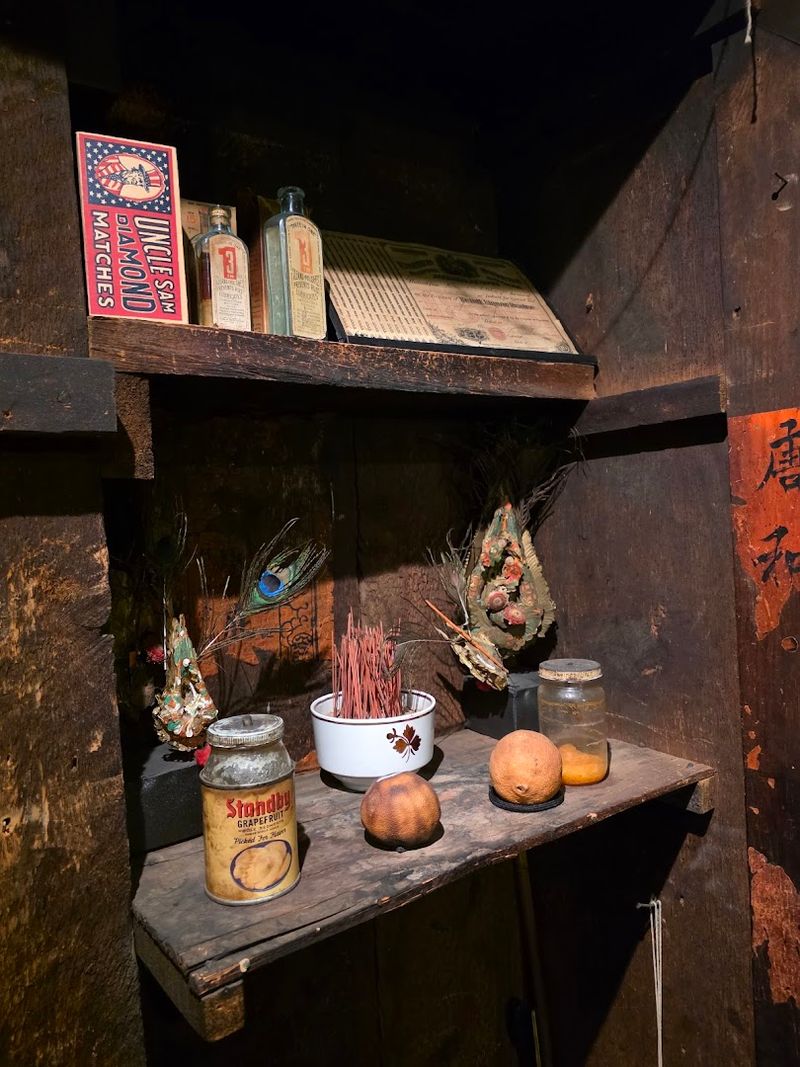
You know those details that sound interesting when you read them, but become completely absorbing in person? The medicine bottles with Chinese labels are exactly that kind of detail.
Once you see them lined up on the shelves, they stop feeling like a fact from a brochure and start feeling like a direct line to the people who worked here.
Some labels are still legible, and that alone carries a surprising amount of emotional weight. They remind you that this was a place of knowledge, care, routine, and trust, built around traditions that Chinese immigrants carried with them and adapted to life in the American West.
The bottles are visually striking, sure, but what really matters is what they represent.
They point to a whole medical practice that served people who might not have had many options, or who simply believed in the skill available here. Doc Hay became known for traditional Chinese herbal medicine, and the preserved herbs, tins, and containers show just how extensive that practice was.
Looking at those shelves, you are not just seeing old packaging, because you are seeing a living system of treatment, memory, and cultural continuity still speaking clearly from inside one modest Oregon building.
Doc Hay And Lung On Still Fill The Rooms
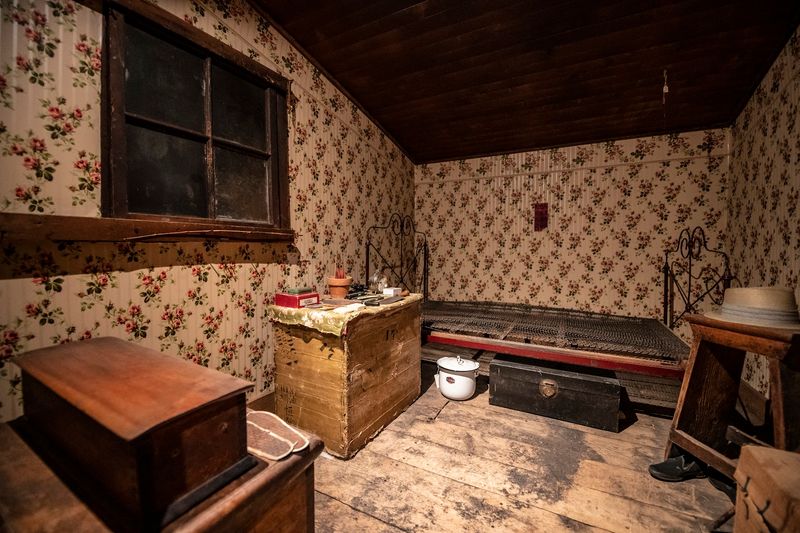
It is impossible to spend time here without feeling the presence of Doc Hay and Lung On in a very real, very grounded way. One handled traditional Chinese medicine, while the other managed the mercantile side of the operation, and together they made this building useful to an entire community.
That usefulness is what gives the place its warmth.
They were not operating a narrow business with a single purpose, and that comes through in every room. Kam Wah Chung functioned as a store, medical center, boarding house, post office, library, and social gathering place for Chinese residents and for others in the region as well.
When you remember all of that at once, the building starts to feel less like a shop and more like a small world.
I think that is why visitors often leave talking about the men themselves, not just the objects left behind. Their work was practical, but it was also connective, and the site still carries that sense of service.
In John Day, you can almost read their partnership in the layout of the space, where commerce, healing, conversation, and daily survival seem folded together so naturally that separating them would make the story feel smaller than it really was.
More Than A Store, More Than A Museum
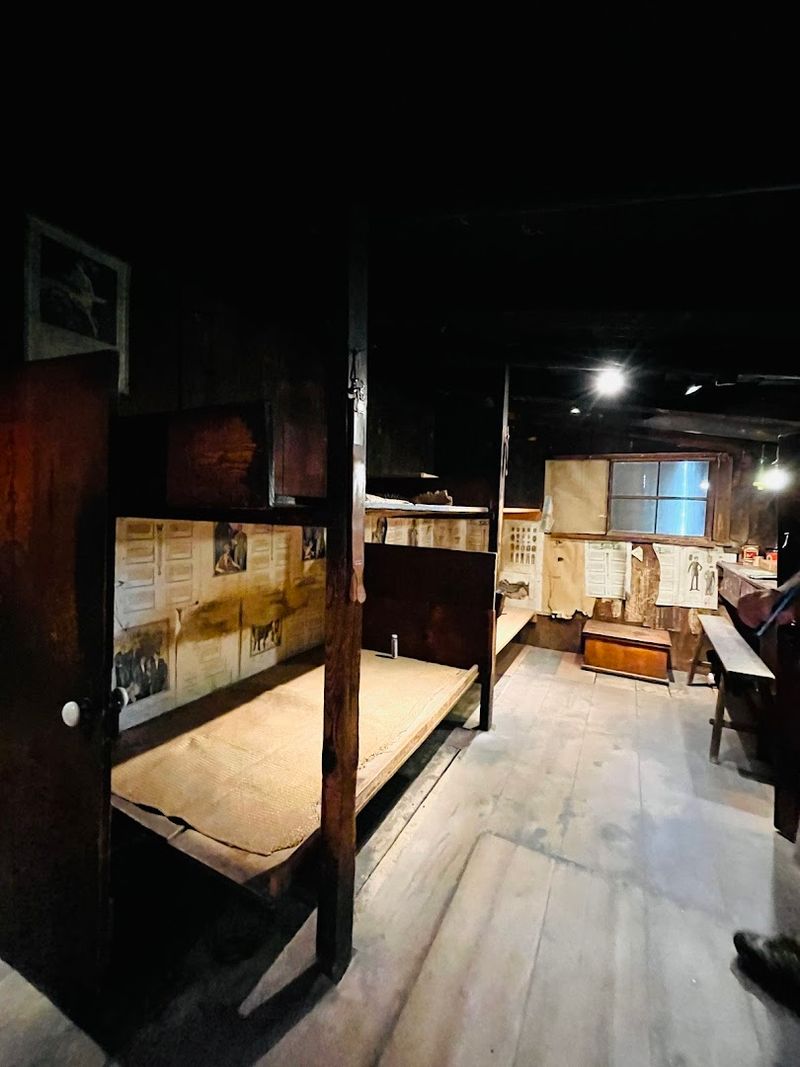
Here is the part I did not fully appreciate until I was standing inside and trying to take it all in at once. This building was never just one thing, and you can feel that layered purpose in the way the rooms still hold so many kinds of objects.
Nothing about it reads as narrow or tidy.
Kam Wah Chung supported everyday life from multiple directions, which probably explains why it feels so human instead of ceremonial. People came here for supplies, for treatment, for mail, for company, and for the comfort of a familiar cultural center in a region that could be isolating.
That practical mix is what makes the site such a powerful window into Chinese community life in the West.
When you move through the space, you start noticing how ordinary functions become the real story. A jar on a shelf, a desk near the wall, a sleeping area, a packet of herbs, and a stack of papers all begin to work together like pieces of one ongoing conversation.
Museums often separate categories for the sake of clarity, but this place resists that impulse in a good way, because life here in Oregon was lived all at once, with trade, care, learning, and belonging sharing the same roof.
The Building Tells Its Own Story
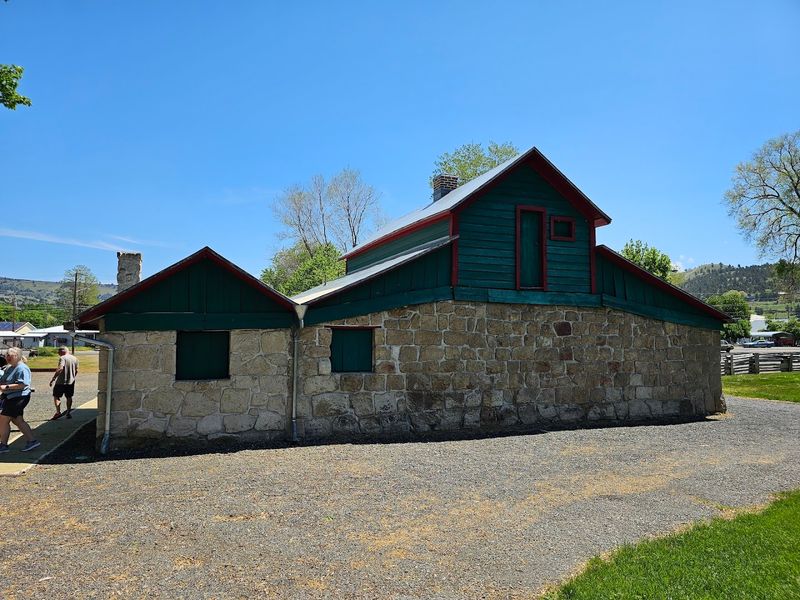
Even before you get caught up in the details inside, the building itself quietly tells you this place has lived several lives. It started out serving practical frontier needs along an important wagon route, and you can still sense that no-nonsense usefulness in its bones.
Nothing about the structure feels ornamental or precious.
That plainness is part of its charm, because it lets the deeper story sneak up on you. The walls held a supply depot, a trading post, and eventually the Kam Wah Chung business that became central to Chinese life in the area.
You end up appreciating how one modest structure could keep adapting without losing the grounded, workmanlike feel that made it valuable in the first place.
I like historic places most when the architecture and the human story actually belong together, and that is absolutely the case here. The building does not overshadow the people who shaped it, but it also does not disappear behind the narrative.
In John Day, it stands there as a practical witness to movement, exchange, care, and endurance, and once you know what happened inside those rooms, the exterior starts feeling almost tender, like a shell that somehow managed to protect far more history than anyone expected.
A Bigger Story About Chinese Oregon
What lingers after the visit is not only the old apothecary atmosphere, though that part is unforgettable. It is the way the site opens up a much bigger story about Chinese immigrants in Oregon and across the American West.
You leave realizing how much everyday history can disappear when no one preserves the places where ordinary work actually happened.
Kam Wah Chung matters because it makes that history tangible without turning it into an abstraction. The preserved herbs, records, furnishings, and domestic details show a community that built systems of mutual support, medical care, commerce, and cultural continuity under real pressure.
That is a serious story, but the site tells it in a human scale that feels close rather than distant.
I found that especially moving because the building does not lecture you into understanding its importance. It simply lets the evidence remain visible long enough for you to connect the dots yourself.
In Oregon, where Chinese contributions were essential to many communities yet often underrecognized, this place gives texture back to lives that might otherwise be reduced to a paragraph in a textbook. By the end, you are not only thinking about one remarkable room, because you are thinking about whose stories get kept and whose almost slipped away.
Why This Place Stays With You
Some places are interesting for an hour and then fade the minute you get back in the car, but this one hangs around. I think it is because Kam Wah Chung feels both deeply specific and strangely intimate, like you have been trusted with a story instead of simply shown one.
That feeling is hard to shake once you leave.
The objects matter, the history matters, and the wider significance definitely matters, yet the emotional pull comes from something even simpler. You can sense care in the rooms, not only medical care, but everyday care expressed through work, order, hospitality, and persistence.
The building preserved that feeling along with the physical artifacts, and that is a rare thing.
If you are driving through eastern Oregon and wondering whether this stop is worth your time, I would say yes without overthinking it. Go for the medicine bottles with Chinese labels, stay for the layered story of community and survival, and leave with a sharper sense of how much history can fit inside one unassuming structure.
It is thoughtful, moving, and refreshingly unpolished in a way that feels honest. Long after John Day is behind you, this quiet old apothecary has a way of coming back to mind when you least expect it.
