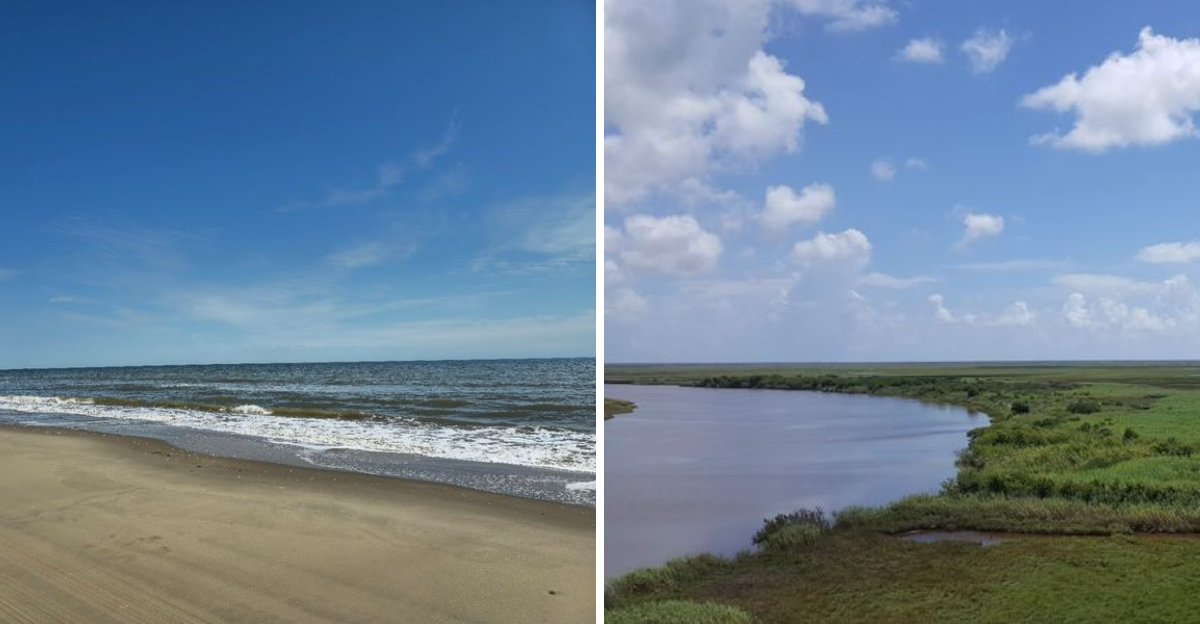
So here is the deal. A person can walk along a Texas beach, look down, and pick up a shark tooth that is millions of years old.
Not a replica. Not a souvenir shop find.
The real thing. This wildlife refuge is known for its birds and coastal views, but the real treasure hides in the sand along a remote stretch of beach.
Fossilized shark teeth are just sitting there, waiting for someone with good eyes and a little patience. No guides, no ropes, just a person, the Gulf breeze, and the thrill of finding something ancient.
The refuge does not advertise this secret, which is probably for the best. A few locals know.
Now you do too.
The Refuge Itself, A Wild and Expansive Texas Treasure
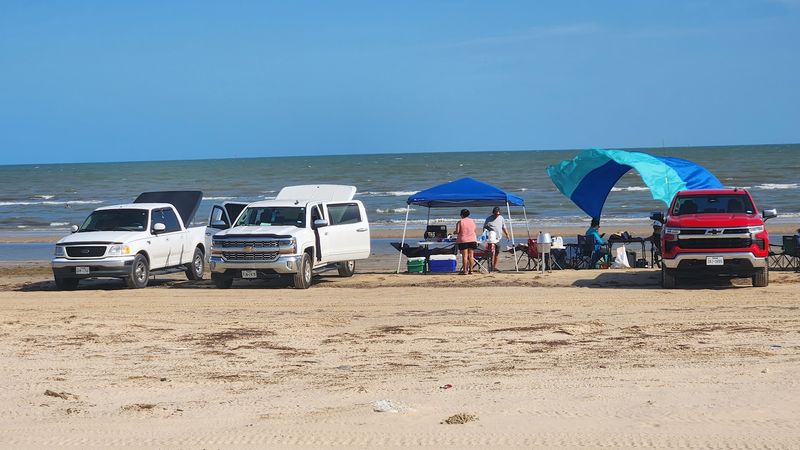
Most people have never heard of McFaddin National Wildlife Refuge, and honestly, that feels like one of its best-kept secrets. Established in 1980, the refuge stretches across more than 58,000 acres of some of the most biologically rich land on the entire Texas Gulf Coast.
It sits near Sabine Pass, hidden between the Louisiana border and the open Gulf, and it carries a kind of untouched energy that is genuinely hard to find anywhere else.
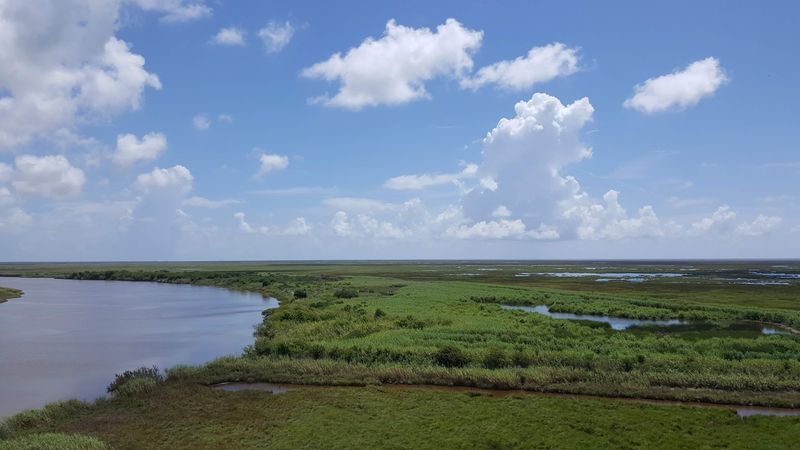
The landscape here is a patchwork of intermediate and brackish marshes, open water, and sandy coastline. The refuge holds the title of the largest remaining freshwater marsh on the Texas Coast, which is a pretty remarkable distinction.
That combination of water types creates a habitat that supports an almost overwhelming variety of wildlife.
Getting here takes a little effort, which might be exactly why it stays so peaceful. The address puts you right at the edge of something vast and unhurried.
Admission is free, and the refuge is open during daylight hours. There are no crowds pushing past you, no ticket lines, and no rush.
Just open sky, rustling marsh grass, and the occasional splash of something large moving through the water. For anyone who loves wild spaces, McFaddin feels less like a destination and more like a discovery.
McFaddin Beach, Where the Gulf Gives Up Its Ancient Secrets
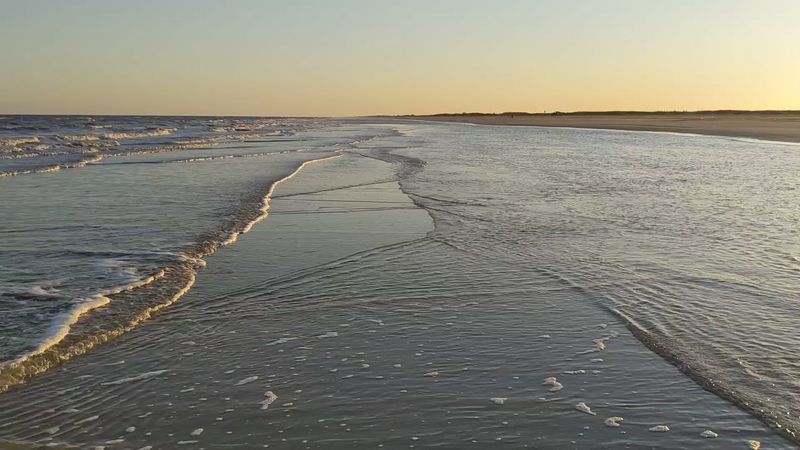
The beach at McFaddin is not your typical Gulf Coast postcard. The sand runs dark in places, the waves push hard, and the shoreline feels raw and unpolished in a way that immediately tells you this is not a resort beach.
It stretches for roughly 32 kilometers, and for most of that length, you might be the only person walking it. That kind of solitude is rare anywhere in Texas.
What makes this beach genuinely extraordinary is what shows up after a storm. Wave action churns up the seafloor offshore, and fossils that have been sitting in the Gulf of Mexico for thousands of years get pushed onto the sand.
Shark teeth are the most common find, but people have also picked up bones from giant ground sloths, ancient camels, giant armadillos, and bison species that no longer exist on Earth. The fossils here range in age from about 28,000 to over 135,000 years old, dating to the late Pleistocene epoch.
That timeline is almost impossible to wrap your head around while you are standing there in your sneakers, scanning the tideline. I found myself crouching down every few feet, turning over dark pebble-shaped objects to check if they had the glossy surface of an old tooth.
Most were just shells or rocks. But the chance that the next one might not be kept me walking for hours.
The beach rewards patience and a sharp eye, and it never feels like a waste of time even when you come up empty.
Prehistoric Shark Teeth, The Stars of the Fossil Beach
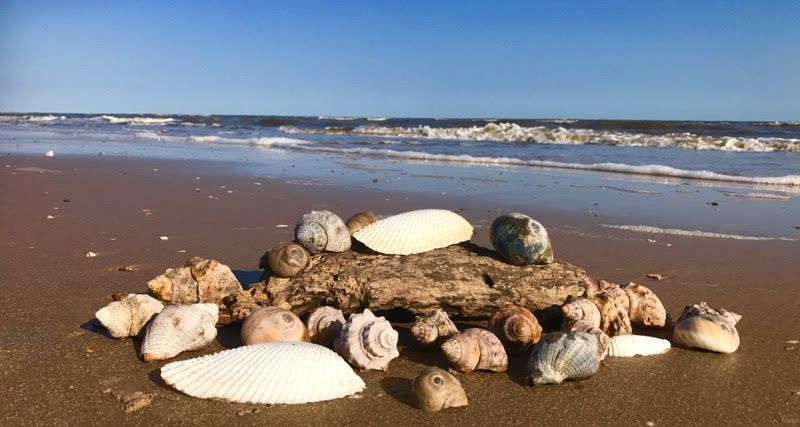
Shark teeth are the crown jewel of a McFaddin Beach fossil hunt, and finding one for the first time is a feeling that is hard to describe without sounding dramatic. These are not little white fragments.
Many of the teeth found here are dark brown or black from the mineralization process, heavy for their size, and shaped with a precision that makes it obvious what they are the moment you hold one. Some belong to species that still swim the Gulf today.
Others come from sharks that have been extinct for millions of years.
The teeth wash ashore because the Gulf of Mexico floor off this stretch of coast is essentially a prehistoric graveyard. Sea levels were much lower during the Pleistocene, meaning land that is now submerged was once dry ground where animals lived and died.
Over millennia, those remains got buried, then flooded, and now storms gradually bring them back up to the surface.
The best time to look is right after a storm passes through, when fresh material has been deposited on the beach. Early morning low tide is also ideal, before other beachcombers have had a chance to sweep through.
You do not need any special equipment, just a keen eye and a willingness to walk slowly and look carefully. Surface collecting, meaning picking up what is already lying on the sand, is the way to go here.
Taking your time and scanning the dark, wet sand near the waterline is where most people find their best pieces.
Ice Age Megafauna Fossils, Giants That Once Roamed This Land
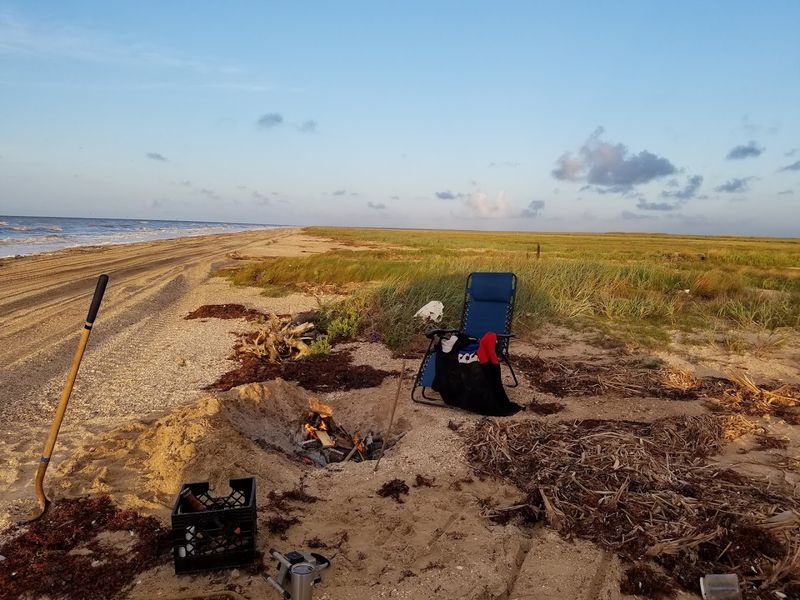
Shark teeth get most of the attention, but the real jaw-dropping finds at McFaddin Beach belong to creatures that once walked the land above the waves. Giant ground sloths, ancient camels, giant armadillos, and extinct bison species all left their bones in what is now the floor of the Gulf of Mexico.
When conditions are right, pieces of those animals end up on the beach, and they are every bit as remarkable as they sound.
Giant ground sloths could reach the size of modern elephants. Ancient camels and horses actually originated in North America before crossing into Asia and Africa via land bridges.
The version of Texas that existed 50,000 years ago looked nothing like it does today, and the fossils at McFaddin are physical proof of that vanished world. Holding a bone fragment from one of those creatures connects you to deep time in a way that no museum exhibit quite replicates.
Most of these larger fossil pieces are not perfectly preserved when they wash ashore. Fragments, partial bones, and worn sections are more common than complete specimens.
But even a fragment carries enormous weight when you understand what it represents. The fossils here range across a staggering span of time, from roughly 28,000 to over 135,000 years old.
That range means some of what you find predates modern humans entirely. It is the kind of thing that makes you stop walking for a moment and just think about how old the world actually is.
Paleoindian Artifacts, Ancient Human History Washing Ashore
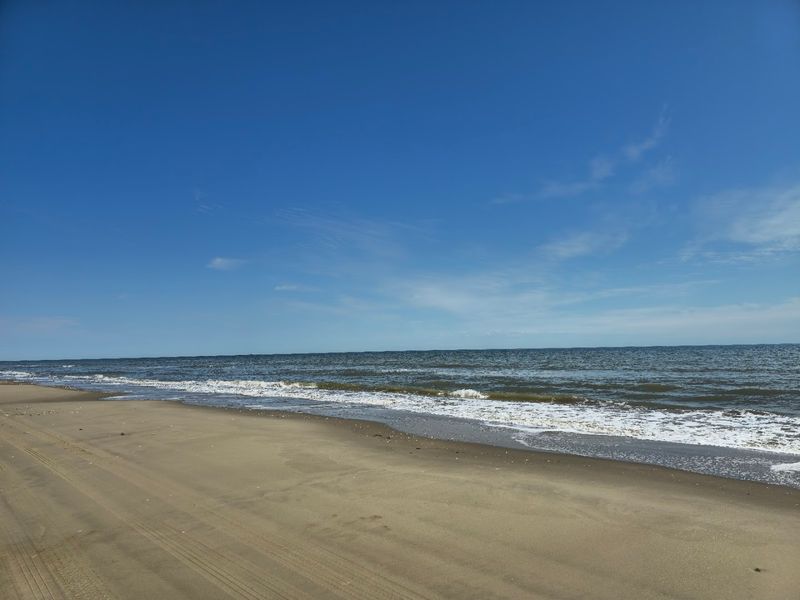
Not many beaches in the world can claim to be a hotspot for ancient human artifacts, but McFaddin Beach holds that distinction with remarkable credibility.
Clovis points, which are finely crafted stone tools made by some of the earliest known people in North America, have been found here in significant numbers.
The concentration is high enough that McFaddin shows up prominently on distribution maps used by archaeologists studying Paleoindian populations.
Clovis points date back roughly 13,000 years and were used by hunter-gatherer groups who lived on the coastal plain that is now submerged beneath the Gulf. As sea levels rose after the last Ice Age, that entire landscape went underwater, taking its archaeological record with it.
Storms slowly churn some of that record back to the surface, depositing it on the modern shoreline for people to find thousands of years later.
The significance of finding a Clovis point is hard to overstate. These are not common objects, and discovering one here is both thrilling and deeply humbling.
It is worth noting that archaeological artifacts on public lands carry strict federal protections, so understanding the rules before you visit is important. Surface observation and photography are always appropriate ways to appreciate what you find.
The fact that these objects exist here at all, washing up from a submerged ancient world, makes McFaddin Beach one of the most genuinely fascinating stretches of shoreline anywhere in the United States.
American Alligators and Wildlife Watching in the Marsh
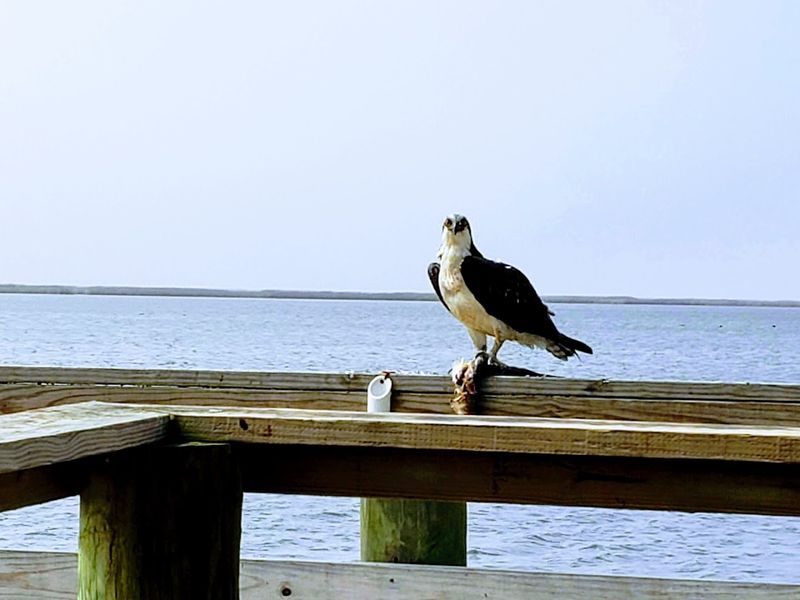
McFaddin National Wildlife Refuge is home to one of the densest populations of American alligators in the entire state of Texas. That fact alone changes how you move through the marsh.
You find yourself scanning the water’s edge more carefully, watching for that distinctive low silhouette, the stillness that somehow looks too still. Seeing a large alligator in its natural habitat, unhurried and completely at ease, is one of those wildlife encounters that stays with you.
Beyond alligators, the refuge is a critical stop on the Central Flyway, one of North America’s major migratory bird routes. During peak migration seasons, the skies and marshes fill with waterfowl in numbers that are almost theatrical.
Ducks, geese, herons, egrets, roseate spoonbills, and dozens of other species move through or take up residence here throughout the year. Birdwatchers come from across the region specifically for this spectacle.
Wildlife photography is another popular reason to visit, and the light over the marsh at sunrise and sunset is genuinely stunning. The flat, open landscape catches color in a way that feels cinematic.
You do not need to be a professional photographer to come away with images that look remarkable. A pair of binoculars and some patience go a long way here.
The wildlife does not perform on a schedule, but if you sit quietly near the water and wait, the refuge has a way of putting on a show that no amount of planning could manufacture.
Fishing, Crabbing, and Getting Your Hands Wet
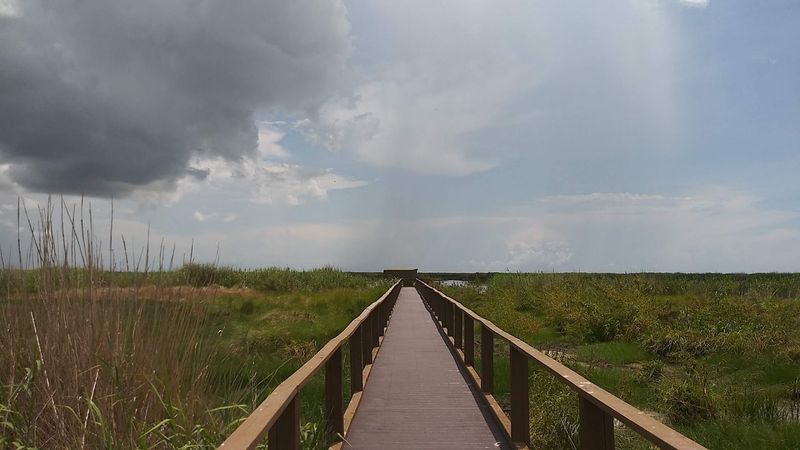
There is something deeply satisfying about fishing in a place that feels this far removed from ordinary life. McFaddin offers access to some productive coastal waters where fishing and crabbing are both permitted activities.
The marsh edges, tidal channels, and Gulf shoreline all provide different fishing environments, and local anglers know this area well for good reason. Redfish and flounder are among the species that draw people out here regularly.
Crabbing is a particularly fun activity for families or anyone who enjoys the low-tech, hands-on approach to spending time near the water. Blue crabs are common in these coastal marshes, and all you really need is a line, some bait, and a bucket.
It is the kind of activity that has no real wrong way to do it, and even a slow day of crabbing beats most other ways to spend an afternoon.
The refuge does not have a marina or bait shop on site, so coming prepared is essential. Bring everything you need before you arrive, including any licenses required under Texas state fishing regulations.
The experience of fishing in a national wildlife refuge, surrounded by marsh grass and alligators and migrating birds, has a quality that is completely different from fishing at a crowded public pier. The pace slows down.
The distractions fall away. And the sound of water moving through the marsh becomes the only background noise you need.
Planning Your Visit, What to Know Before You Go
A visit to McFaddin National Wildlife Refuge rewards preparation. The refuge is open during daylight hours and free to enter, which makes it accessible without any advance booking or fees.
The address is 5632 Clam Lake Rd, Sabine Pass, TX 77655, and getting there involves driving through some genuinely remote coastal Texas terrain. Cell service can be unreliable in places, so downloading offline maps before you leave is a smart move.
The Texas Chenier Plain Refuges visitor center is located in Anahuac, Texas, and it is a worthwhile stop before heading to McFaddin. The center provides maps, wildlife information, and guidance on what to expect during your visit.
Staff there can also give you current conditions and any seasonal updates that might affect your plans.
Weather plays a major role in the experience here. Summer visits mean heat, humidity, and mosquitoes, so lightweight, breathable clothing and strong insect repellent are non-negotiable.
Fall and winter bring migratory birds and cooler temperatures that make outdoor time much more comfortable. Storm season can bring dangerous surf and rough conditions on the beach, but it also means better fossil hunting in the days that follow.
Sturdy shoes, sun protection, and plenty of water are essentials year-round. If fossil hunting is your primary goal, plan your trip in the aftermath of a storm system and head out at low tide in the early morning.
The refuge gives back generously to those who show up ready for it.
