You climb the trail expecting a view. What you get is something else entirely.
The wind moves through this Massachusetts rock formation in a way that feels intentional, like the granite was arranged specifically to catch the air and turn it into sound. Low hums.
Soft whistles. The kind of noise that makes you stop talking and just listen. People have been coming here for generations, not just for the scenery, but for whatever it is that happens when the breeze threads through those narrow passageways.
I stood near the top, eyes closed, and let the wind do its work. The sound followed me home. It stayed in my head for days.
Massachusetts has plenty of landmarks, but this one speaks to you if you are quiet enough to hear it.
The Sacred Story Behind the Stone Face
Long before hikers packed trail snacks and laced up boots, the Wampanoag people of southeastern Massachusetts already knew this rock by heart. The formation, rising roughly 50 feet from the forest floor, bore a striking resemblance to a human profile, one that tribal tradition identified as Chief Massasoit, a powerful and revered sachem of the Wampanoag nation.
That connection was not casual. The rock was seen as a divine representation, a watchful presence that offered protection and continuity to the tribe across generations.
Oral traditions held that this was a gathering place, used for tribal meetings and as a point of spiritual grounding during times of conflict.
King Philip, also known as Metacom and son of Massasoit, reportedly sought inspiration near this very formation during King Philip’s War in the 1670s. Whether you approach this story as history or legend, the weight of it settles on your shoulders the moment you read it.
The land carries those layers quietly. It does not announce them, but you feel them the longer you stay.
What the Bridgewater Triangle Adds to the Atmosphere
Profile Rock does not exist in isolation. It sits within a region locals and paranormal researchers call the Bridgewater Triangle, a roughly 200-square-mile area of southeastern Massachusetts with a reputation for unexplained events, strange lights, and stories that have circulated for decades.
The triangle covers towns including Freetown, Abington, and Rehoboth, and the list of reported phenomena ranges from ghost sightings to unusual sounds deep in the woods. Profile Rock’s corner of this region has its own specific lore.
Visitors have described hearing whispers moving through the trees when no one else was around, and some have reported sounds that resembled drumming or singing with no clear source.
That might sound easy to dismiss in daylight, but the forest around the rock has a particular quality to it, a stillness that feels less like quiet and more like held breath. I am not someone who leans into ghost stories, but even I noticed how sound behaved differently there, muffled in some spots and oddly sharp in others.
The atmosphere is genuinely unusual, and it earns its reputation without needing any embellishment.
The Collapse That Changed Everything in 2019
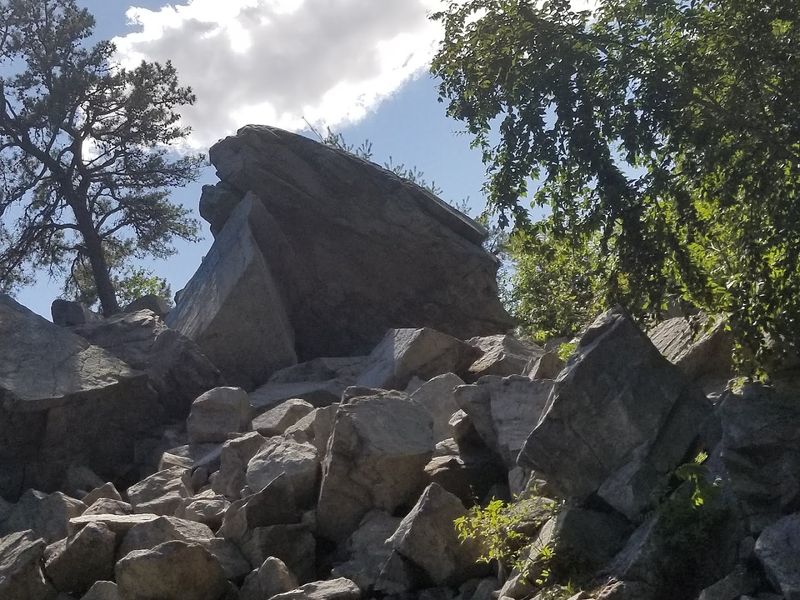
June 2019 brought news that hit local history lovers hard. The iconic profile of Profile Rock, the face that had gazed over the Freetown forest for centuries, collapsed.
Weathering, natural aging, and possible human interference were cited as contributing factors, though the full cause was never pinned to a single event.
For people who had grown up visiting the site, the loss was personal. Reviews left online after the collapse carry a genuine grief, the kind you feel when something irreplaceable disappears quietly without much fanfare.
One visitor noted they had been lucky enough to photograph the rock just weeks before it fell, calling their images some of the last ever taken of it.
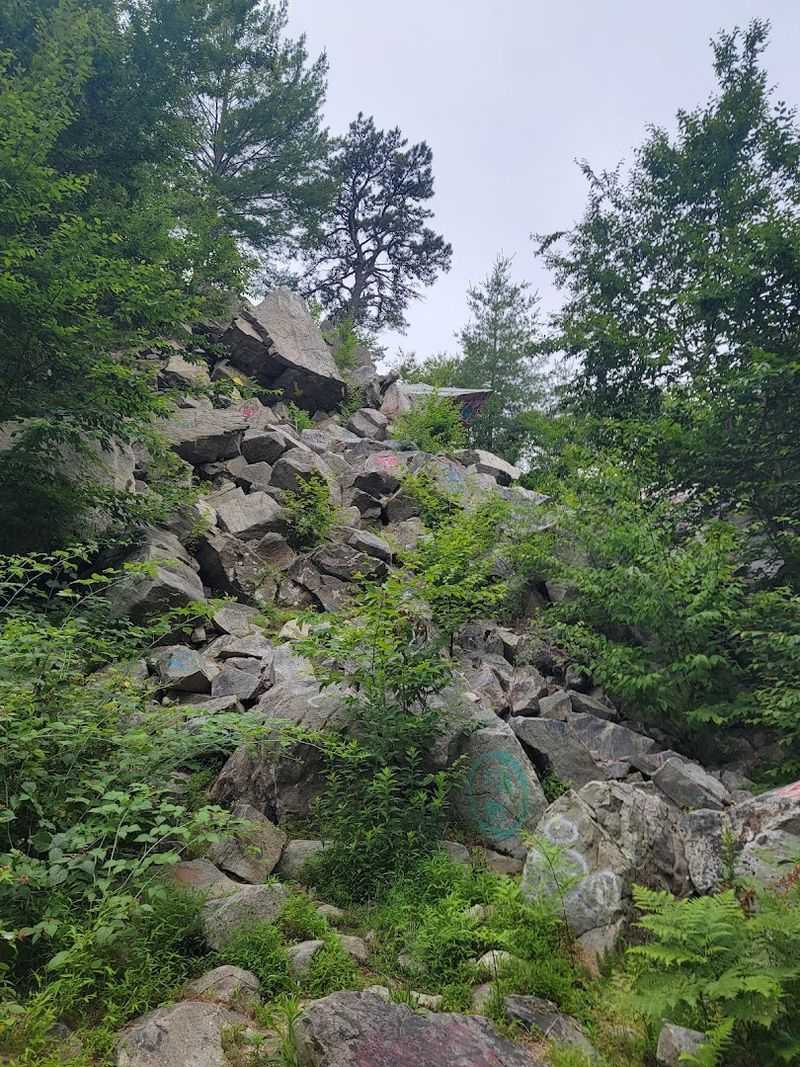
The park area remained accessible as of mid-2023, though its condition drew concern from visitors who found it overgrown and marked with graffiti. The collapse did not erase the location’s significance, but it changed the experience of visiting in a real and tangible way.
What remains is still worth seeing, but it asks something different of you now. It asks you to imagine what stood there, and that act of imagination turns out to be surprisingly powerful.
Hiking to the Site: What the Trail Actually Feels Like
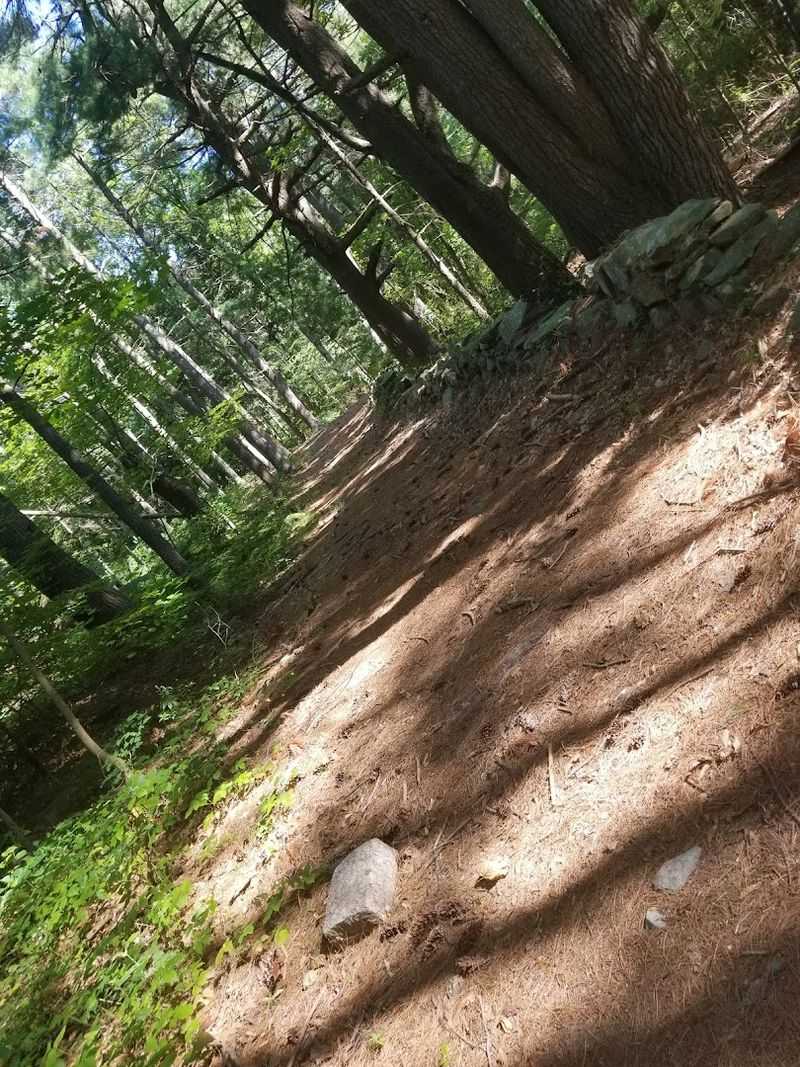
The hike to Profile Rock is short, genuinely short, barely a quarter mile from the parking area to the rock itself. That accessibility made it a favorite for families, and reviews from parents mention kids absolutely loving the climb up the granite surface.
The trail is not technically demanding, but it has enough texture to make you feel like you earned the view.
The path winds through a mixed forest that shifts mood depending on the season. Autumn brings the kind of foliage that makes you stop mid-step just to look around.
Spring softens the whole scene with new growth pushing through the leaf litter, and the smell of damp earth and pine is genuinely grounding.
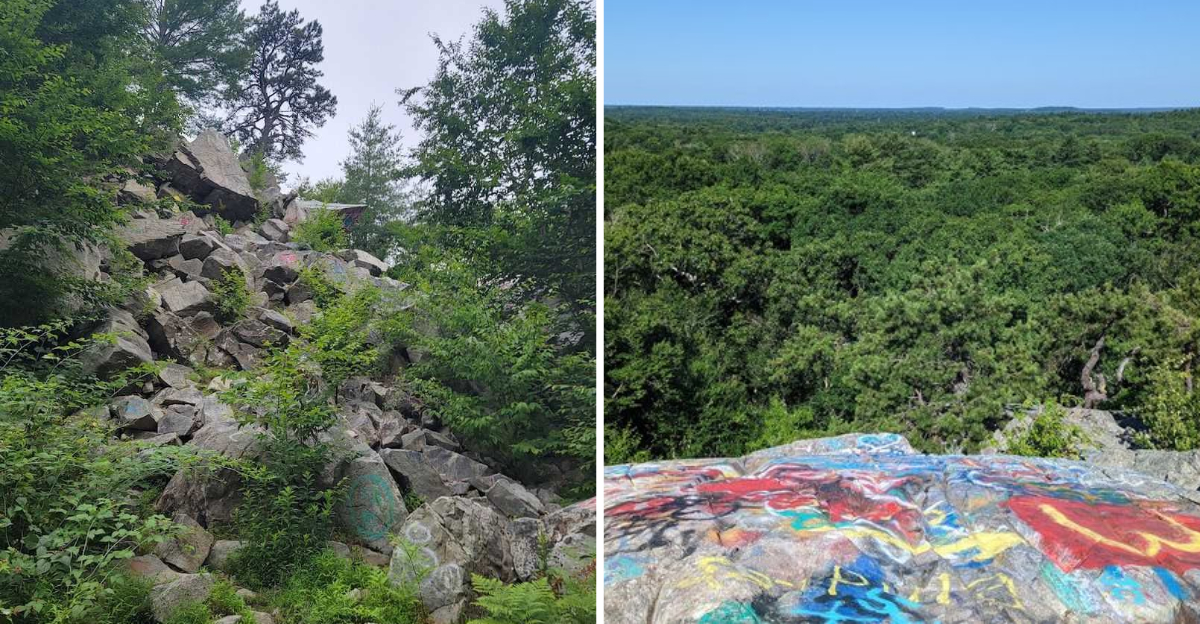
Once you reach the rock, the climb itself is the reward. Even without the famous profile, the granite surface offers a solid scramble and a view from the top that visitors consistently praise.
One reviewer described the view as still worth the trip even after the collapse, and that lines up with what I found. The surrounding forest stretches out below you in a way that makes the short walk feel like it earned you something much bigger.
The View From the Top and Why It Lingers
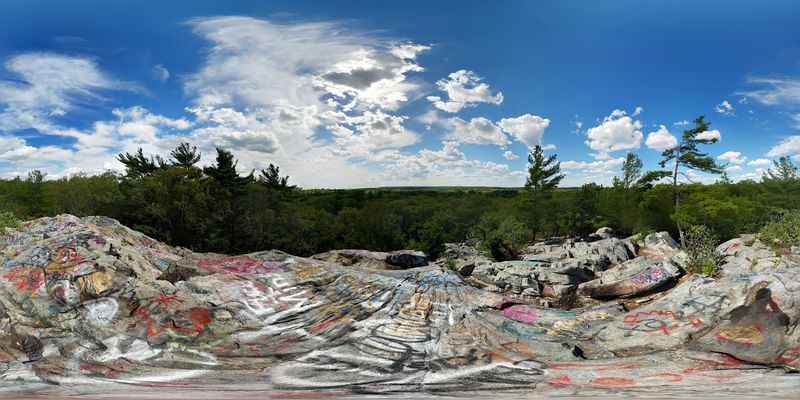
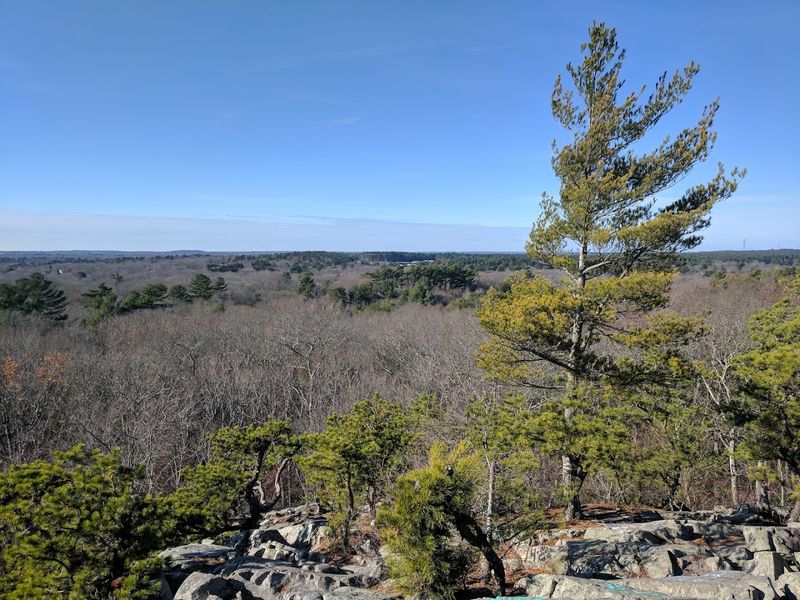
There is something about reaching the top of Profile Rock that recalibrates your sense of scale. The forest below spreads out without interruption, no rooftops, no parking lots visible, just trees running toward the horizon in every direction.
That kind of view is rarer than it should be in southern New England, and it earns a moment of genuine stillness.
People have been climbing this rock for generations. A reviewer mentioned growing up here, and that kind of generational connection to a landscape is something you can almost feel underfoot.
The granite is warm in afternoon sun, solid in a way that feels ancient and dependable, which is a strange comfort given that the famous profile is now gone.
The top also gives you a better sense of the forest’s depth. From ground level, the trees feel like a backdrop.
From up there, they feel like the actual story. The Freetown-Fall River State Forest covers thousands of acres, and the view from this rock is one of the best free windows into that expanse.
Bring water, wear sturdy shoes, and give yourself time to just sit up there for a few minutes without rushing back down.
The Graffiti Problem and What It Means for the Place
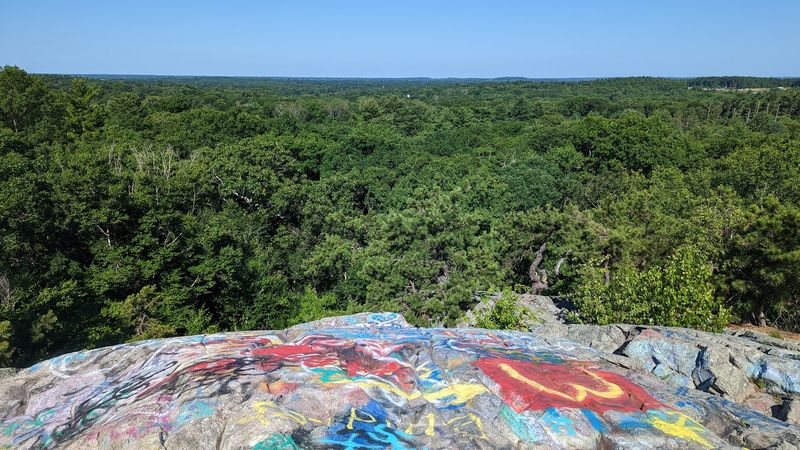
Visiting Profile Rock after the collapse means confronting something uncomfortable. The site has been heavily vandalized, graffiti covering nearly every accessible surface, with broken glass and trash reported by multiple visitors in recent years.
For a location tied to centuries of Indigenous history and natural heritage, the contrast is jarring.
Several reviewers expressed real frustration and sadness about the vandalism, not in a preachy way but in the way you talk when something you love has been carelessly damaged. One person described wishing a mural had been painted instead, something beautiful rather than the scrawled words covering the stone.
That suggestion lands differently when you are standing there looking at it.
The graffiti does not erase the significance of the place, but it does change the emotional texture of the visit. You find yourself looking past it, trying to read the landscape underneath.
There is still something worth protecting here, and the community around Freetown clearly feels that. The calls to restore, maintain, and reopen the site show up repeatedly in visitor feedback.
The place matters to people, and that matters too. Sometimes the grief over a damaged landmark is its own kind of tribute to what it once was.
Why Profile Rock Still Deserves a Place on Your Map
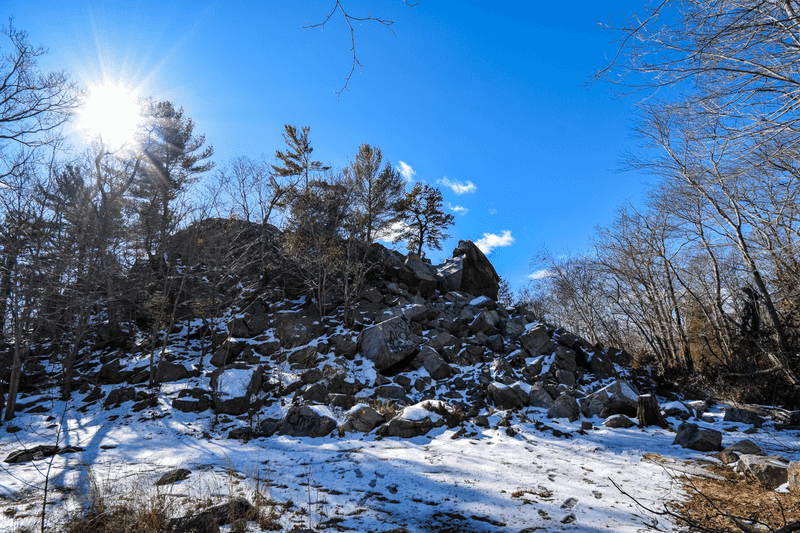
Even in its current state, Profile Rock holds something that most well-maintained tourist spots do not. It asks you to bring your own curiosity.
The famous face is gone, the park has seen better days, and the signage is reportedly overgrown, but the land itself remains quietly insistent about its own importance.
The Wampanoag history embedded in this place does not require a pristine visitor center to be real. The Bridgewater Triangle reputation does not need theatrical presentation to give you chills.
The granite is still there, still climbable, still offering a view that stretches across one of the largest state forests in Massachusetts. Those things persist regardless of maintenance schedules.
Visiting Profile Rock is not about checking a box or grabbing a photo for a feed. It is about spending time in a place where history, nature, and local legend overlap in a way that is genuinely rare.
Go on a weekday morning when the light is low and the forest is quiet. Take the short trail slowly.
Sit at the top for longer than feels necessary. The wind through those trees has been carrying stories for a very long time, and if you are still enough, some of them find their way to you.
Address: Freetown, MA 02702
