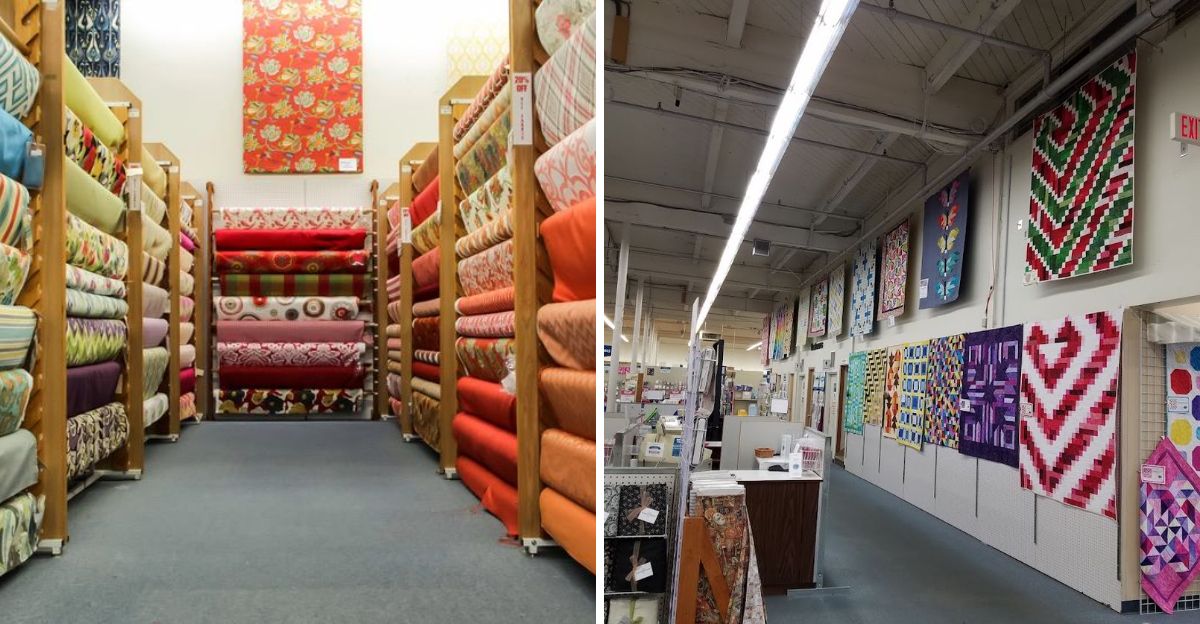
A quick stop for a spool of thread? Good luck with that. This Oregon fabric outlet is the kind of place where time bends and hours disappear without warning.
The warehouse is massive, packed with bolts of every color, texture, and pattern imaginable. Quilters hunt for rare prints, fashion designers dig through remnants, and DIY enthusiasts wander the aisles for inspiration.
The sheer variety is staggering, and the prices make it impossible to leave empty-handed.
You will find yourself planning projects you did not even know you wanted to start. Oregon knows how to keep makers happy. This spot proves that a quick stop is never just a quick stop.
A Store That Earns Its Reputation as the Pacific Northwest Fabric Giant

Few fabric stores in the Pacific Northwest have built the kind of loyal following that Fabric Depot earned over its years in Portland. People drove from Bend, Seattle, and beyond just to spend a few hours inside. That alone says something remarkable about what this place offered.
It was not just big, it was genuinely well-organized, which made the size feel welcoming rather than overwhelming. Sections were clearly labeled by fiber type, so finding what you needed never felt like a guessing game.
For anyone who has ever walked into a generic chain craft store and felt underwhelmed, Fabric Depot was the antidote.
The range here went far beyond basic cotton prints. Specialty occasion fabrics, apparel materials, quilting prints, and home decor textiles all had their own well-stocked corners. It was the kind of store that made you realize how limited everywhere else really was.
Staff Who Actually Knew Their Craft and Were Happy to Prove It
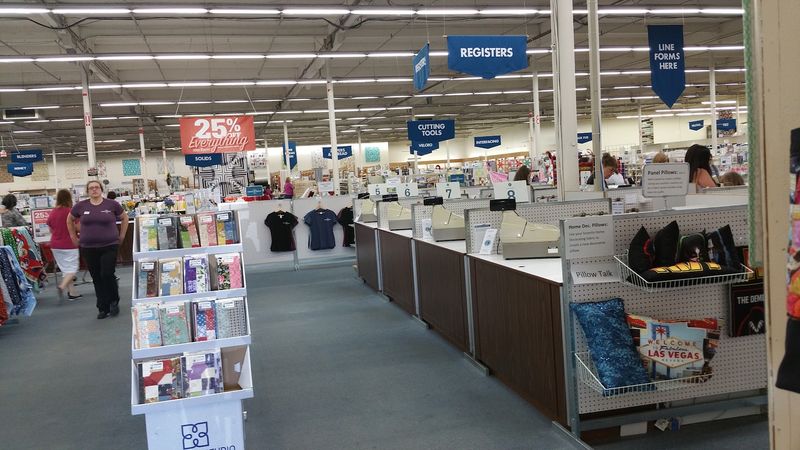
There is a real difference between a store employee who can point you toward the right aisle and one who can actually talk through your project with you. Fabric Depot had a reputation for the latter, and that distinction mattered enormously to the people who shopped there regularly.
Staff members were often sewists themselves, which meant they understood the questions customers were asking on a practical level. Asking about fabric weight for a specific garment or which interfacing worked best for a particular technique rarely resulted in a blank stare.
That kind of knowledgeable, hands-on help is genuinely rare in retail.
The cutting counter staff in particular left an impression on many shoppers. Friendly conversation while fabric was being measured and cut turned a routine transaction into something more enjoyable.
It sounds small. But when you are spending an afternoon on a project plan, having a counter person who actually cares makes the whole experience feel more personal and worthwhile.
The Fabric Selection That Made Every Visit Feel Like a Treasure Hunt
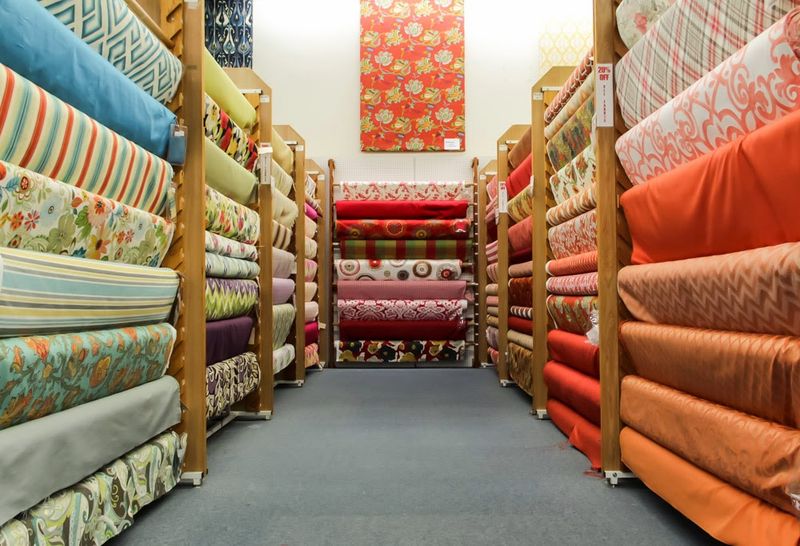
One of the first things longtime shoppers mention about Fabric Depot is the sheer variety. It was not unusual to arrive looking for one specific fabric and leave with something completely unexpected tucked under your arm. That element of discovery was part of the magic.
The quilting fabric section alone was enough to keep you busy for a solid chunk of time. Kona solids, printed cotton blends, seasonal collections, and hard-to-find designer runs all shared shelf space in a way that felt curated rather than chaotic.
Special occasion and bridal fabrics had their own dedicated area, stocked with materials that genuinely rivaled what you might find in larger metropolitan stores.
Apparel sewists also had plenty to work with, though the store leaned heavily toward quilting, which made sense given the demand. The honest truth is that no two visits felt exactly the same. Stock rotated, new collections arrived, and seasonal sales meant fresh finds were always possible.
Going in with an open mind almost always paid off.
Why the Clearance Warehouse Section Was a Destination All on Its Own
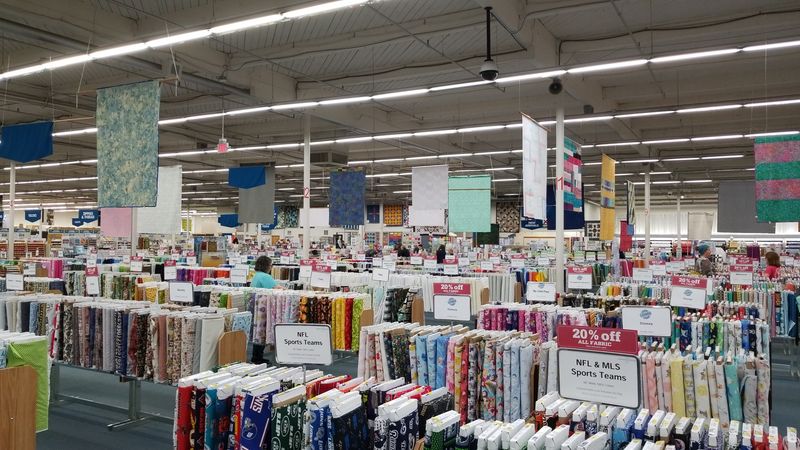
Ask any regular Fabric Depot shopper what their favorite part of the store was, and a surprising number will bring up the clearance warehouse without hesitation. It had a reputation that spread through the Portland crafting community like a well-kept secret that everyone somehow already knew.
Tables loaded with discounted fabric, remnants at reduced prices, and end-of-season materials all found their way into this section. It rewarded patience and a willingness to dig. You never quite knew what you would find, and that unpredictability was genuinely part of the appeal.
Smart shoppers made the clearance area their first stop, not their last. Grabbing a deal on quality fabric before it disappeared felt like a small victory. Some people came specifically for this section and left with armloads of material for future projects.
It was the kind of retail experience that felt more like a scavenger hunt than a shopping trip, and honestly, that was what made it so hard to leave quickly.
Quilting Supplies That Could Keep Any Enthusiast Busy for Hours
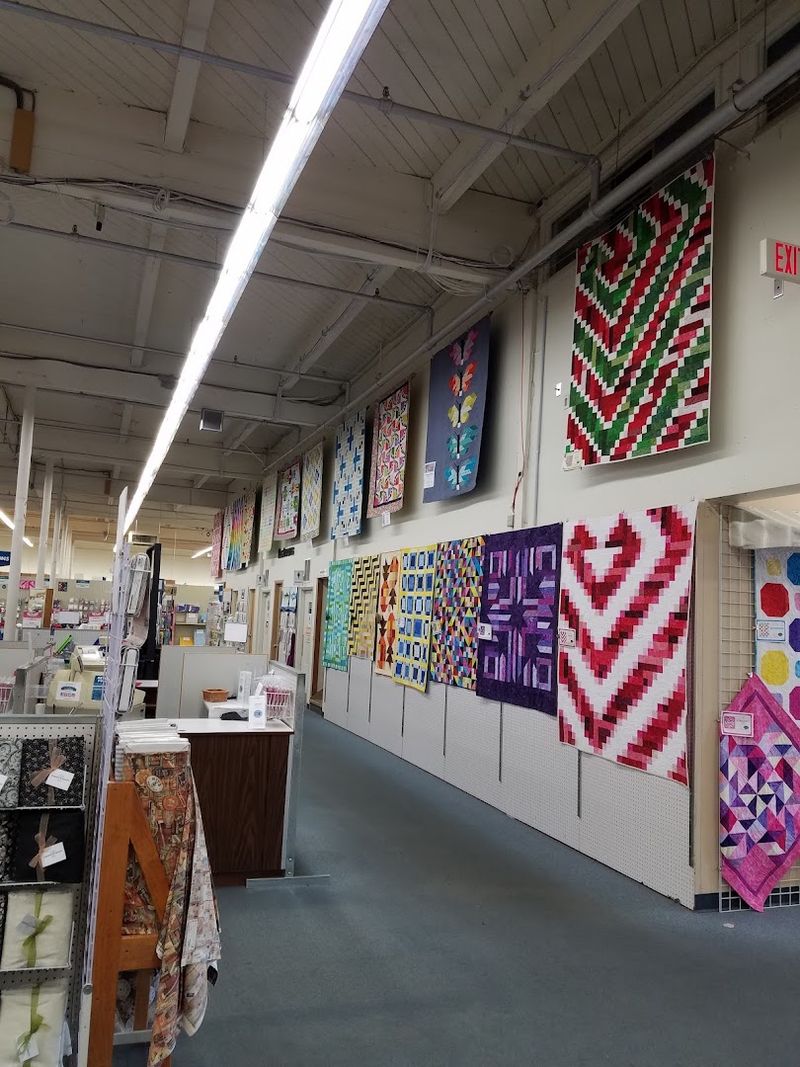
Quilting has always had a devoted community in Oregon, and Fabric Depot understood that audience well. The quilting section of the store was stocked with the kind of depth that serious quilters genuinely appreciated.
Beyond fabric, the notions and tools available for quilters were equally well-considered. Rotary cutters, specialty rulers, batting options, and a solid selection of thread all shared space in a section that felt like it was designed by someone who actually quilted.
Display quilts hung throughout the store, giving visitors visual inspiration and a sense of what finished projects could look like.
For quilters visiting from outside Portland, the store was often a planned stop on any trip into the city. The combination of variety, organization, and knowledgeable staff made it easier to find exactly what a project needed without spending hours guessing.
Sewing Classes and Workshops That Made the Store More Than a Shop
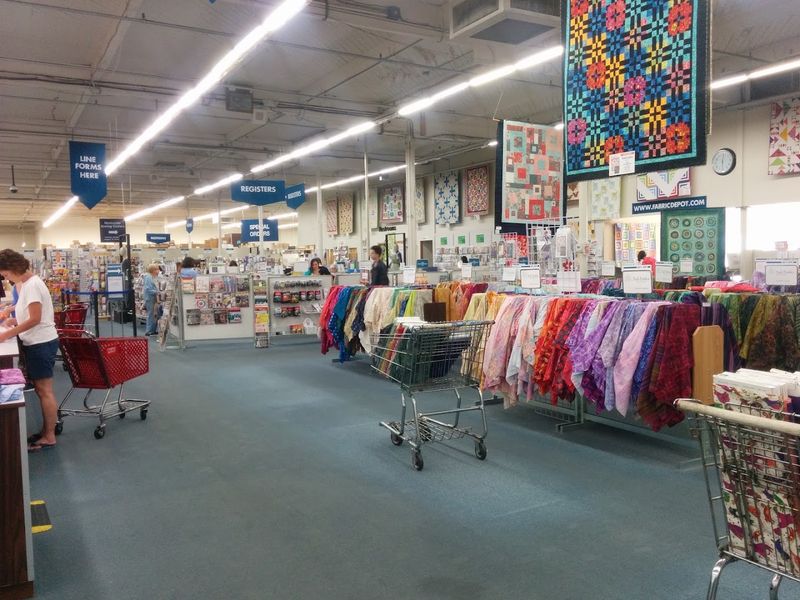
Fabric Depot was never just a place to buy materials. For many Portland crafters, it functioned as a creative hub where skills were built and projects came to life in a structured, supportive environment. The class program added a dimension to the store that no online retailer could replicate.
Workshops covered a wide range of skill levels, from beginners getting comfortable with a sewing machine to more experienced sewists tackling advanced techniques. The store hosted a Palmer Pletsch school, which brought a recognized name in sewing education into the mix.
Classes also served as a reason to come back regularly, not just when a project demanded new supplies. Meeting other sewists, learning a new method, and having a dedicated space to focus on craft all added layers to the Fabric Depot experience.
It turned what could have been a simple shopping errand into something closer to a community activity, which is exactly the kind of thing that builds lasting loyalty.
Yarn and Knitting Supplies for the Crafters Who Do It All
Not everyone who walked through the doors of Fabric Depot came in with a sewing project in mind. Knitters and yarn enthusiasts had their own reasons to make the trip, because the yarn section offered options that simply were not available at standard chain craft stores.
That distinction mattered to people who knew the difference.
Custom and specialty yarns showed up here in varieties that felt genuinely curated. It was not just a token selection tucked into a corner, it was a real offering for people who took their fiber arts seriously. Finding a specific weight or fiber content was far more likely here than at a typical big-box retailer.
For crafters who moved between projects, sewing one week and knitting the next, Fabric Depot made a lot of sense as a single destination. Being able to pick up fabric for one project and yarn for another in the same visit saved time and made the store feel like a genuine creative supply resource.
How Coupons and Sales Made the Store Accessible for Every Budget
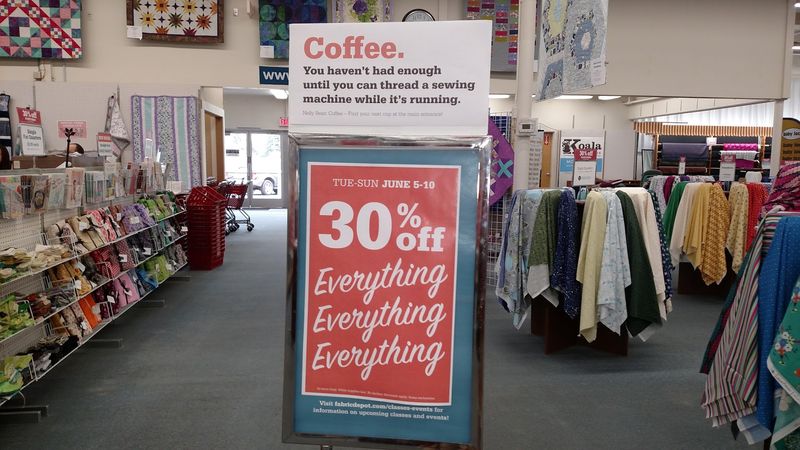
Fabric Depot carried a reputation for quality, and with quality often comes higher price points. That was a reality that regular shoppers acknowledged openly. The saving grace was a consistent rotation of coupons, sales, and clearance events.
Seasonal sales were a real event in the Portland crafting calendar. Knowing when the big clearance tables appeared or when a coupon was available turned casual shoppers into strategic ones.
People planned visits around these moments. The store rewarded that planning with genuine deals on quality materials.
The trade-off was clear to most regulars: you paid a bit more for a far better selection than what chain stores offered, but smart shopping could close that gap considerably. Grabbing a coupon before heading in was practically considered essential advice among the store’s loyal community.
It was the kind of place where a little preparation made the difference between a pricey afternoon and a genuinely satisfying and affordable creative haul.
The Store Layout That Made a Massive Space Feel Manageable
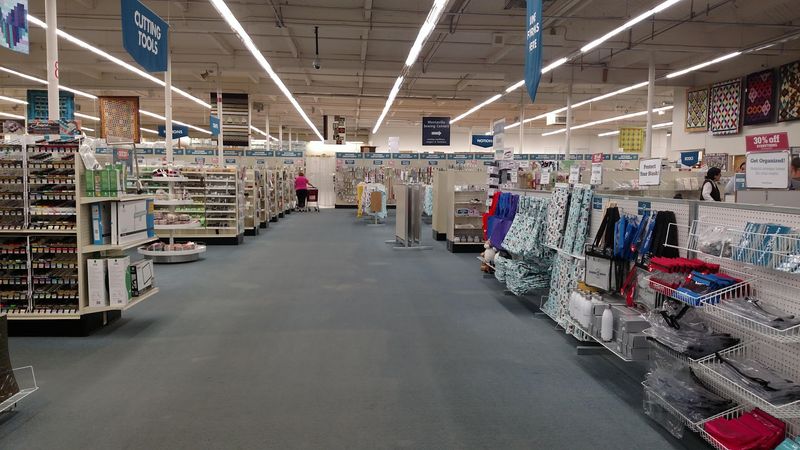
Big stores can feel intimidating, and a fabric store with thousands of bolts has every opportunity to become a confusing maze. What set Fabric Depot apart from similarly large competitors was the genuine effort put into organization.
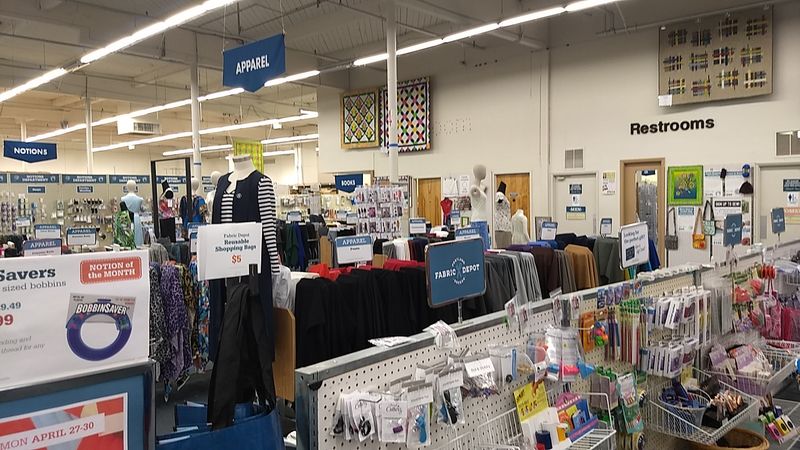
Sections were labeled clearly, and the layout made logical sense to navigate.
Fabric was grouped by fiber content, which sounds simple but makes an enormous practical difference when you are looking for something specific. Finding all the linen in one place, all the knit fabrics together, and specialty materials clearly marked saved real time.
The store also maintained a cleanliness and order that made extended browsing feel comfortable rather than chaotic. Wide aisles gave shoppers room to move without feeling crowded, even during busy periods. For a store of this scale, that kind of thoughtful organization was not accidental.
It reflected a genuine understanding of what crafters needed from a shopping environment, and it contributed directly to the kind of afternoon-long visits the store became known for.
Why Fabric Depot Still Lives in the Memory of Portland Crafters
Some stores leave a mark that outlasts their physical presence, and Fabric Depot is one of those places. Even years after the store’s best days, crafters across the Pacific Northwest still talk about it with a warmth that is hard to manufacture.
That kind of lasting affection does not come from marketing, it comes from genuine experience.
For many Portland sewists, the store represented something that felt increasingly rare: a large, independent fabric retailer that genuinely understood its customers and stocked accordingly.
The combination of variety and a clearance section worth digging through created something that chain stores simply could not replicate.
The legacy of Fabric Depot is a reminder of what a truly dedicated craft retailer can mean to a community. It shaped the creative lives of countless Portland crafters, gave beginners a place to start, and gave experts a reason to keep exploring.
Address: 700 SE 122nd Ave, Portland, OR 97233
