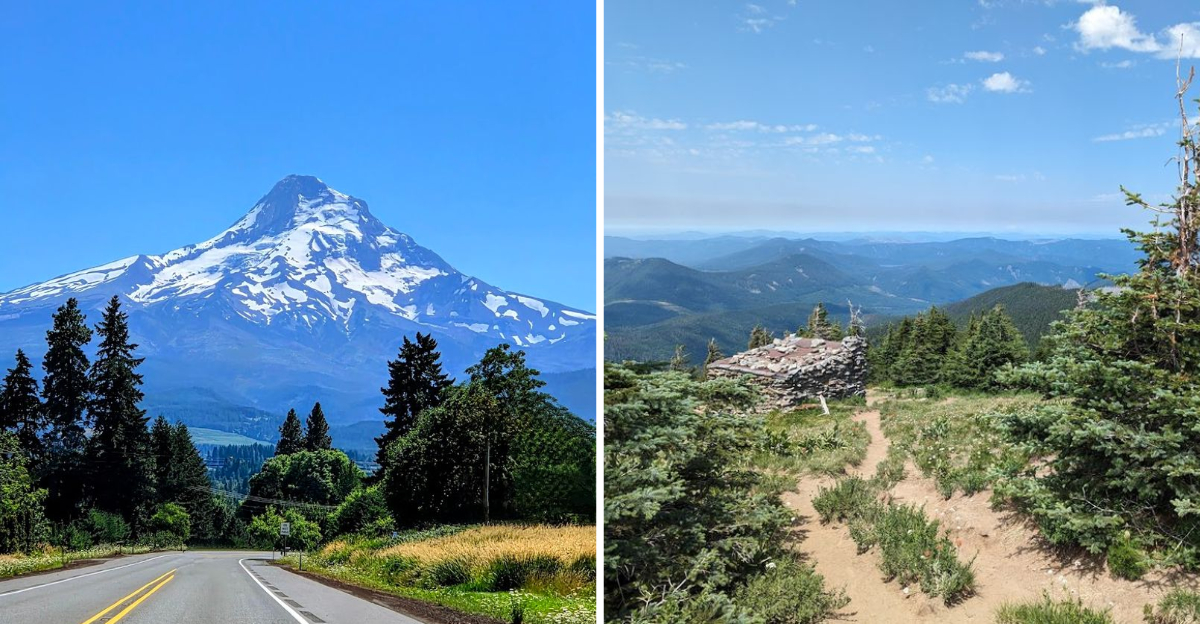
A man named Rolf Skaar built this stone shelter as a prank almost a century ago, stacking rocks by hand in a way that made the Forest Service think they had approved something they never actually authorized. The joke worked.
The shelter stayed. And now, almost a hundred years later, it has become the most photographed spot on the mountain. The hike to reach it is short, winding through old growth forest before opening up to views of the Columbia River Gorge that make you forget you are still in Oregon.
The stone walls are still standing, the roof still holds, and the inside feels cool even on the warmest afternoons. I sat on a rock near the entrance, ate a sandwich, and tried to imagine the look on the ranger’s face when they realized what Skaar had pulled off. Oregon has plenty of scenic trails, but this one comes with a punchline.
The Trailhead: Where the Adventure Quietly Begins
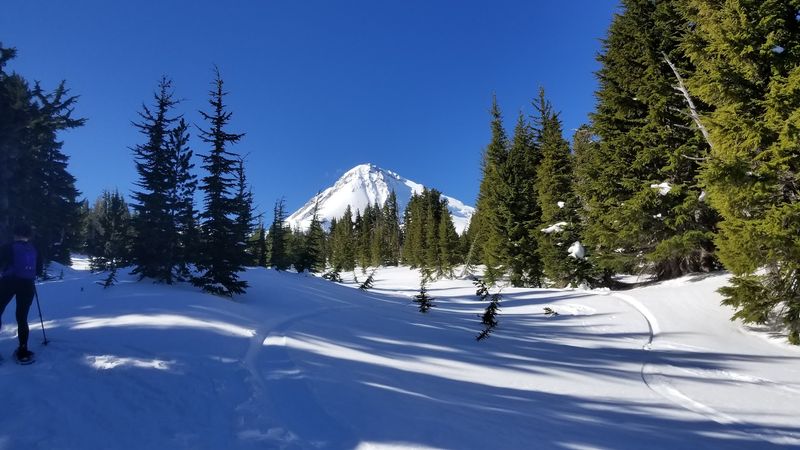
Most great adventures start with a parking lot and a sign, and this one is no different. The trailhead for the hike up toward the Lookout Shelter sits on the slopes of Mount Hood, framed by dense stands of fir and pine that make the air smell like something straight out of a postcard.
Getting here involves a drive up roads that wind and climb in equal measure, and the final stretch is the kind of bumpy gravel road that makes you feel like you have truly earned what comes next.
A Northwest Forest Pass or interagency pass is required to park, so make sure you have one tucked in your dashboard before you arrive. The parking area itself is modest but functional.
Mornings are the best time to pull in, especially on weekends, because this trail draws a steady crowd of photographers, families, and curious day-hikers.
Once you step out of the car, the mountain energy hits immediately. The air is cooler than in the valley, the light filters differently through the trees, and there is this quiet anticipation that something worth seeing is not far ahead.
Lace up well and bring layers, because Mount Hood has its own weather rules.
A Hike That Anyone Can Actually Finish
One of the most refreshing things about this particular hike is that it does not require any special fitness level or technical skill. The trail to the Lookout Shelter area clocks in at roughly 2 miles round trip, with an elevation gain that is noticeable but never punishing.
It is the kind of trail where you find yourself actually looking around instead of staring at your feet the whole time.
The path moves through a mix of open meadow and shaded forest, giving you that satisfying rhythm of sun and shade as you climb. Wildflowers appear along the edges in summer, and in fall, the whole hillside takes on a warm golden tone that feels almost theatrical.
Kids handle this trail well, and so do older hikers who want a meaningful experience without a brutal ascent.
I remember pausing about halfway up just to listen. There were birds, a light wind moving through the treetops, and the distant outline of the summit growing bigger with every step.
That middle section of the trail has this wonderful quality of building anticipation slowly, like the mountain is revealing itself in stages rather than all at once. Comfortable shoes and a water bottle are honestly all you really need.
The Stone Shelter: Built as a Joke, Loved Forever
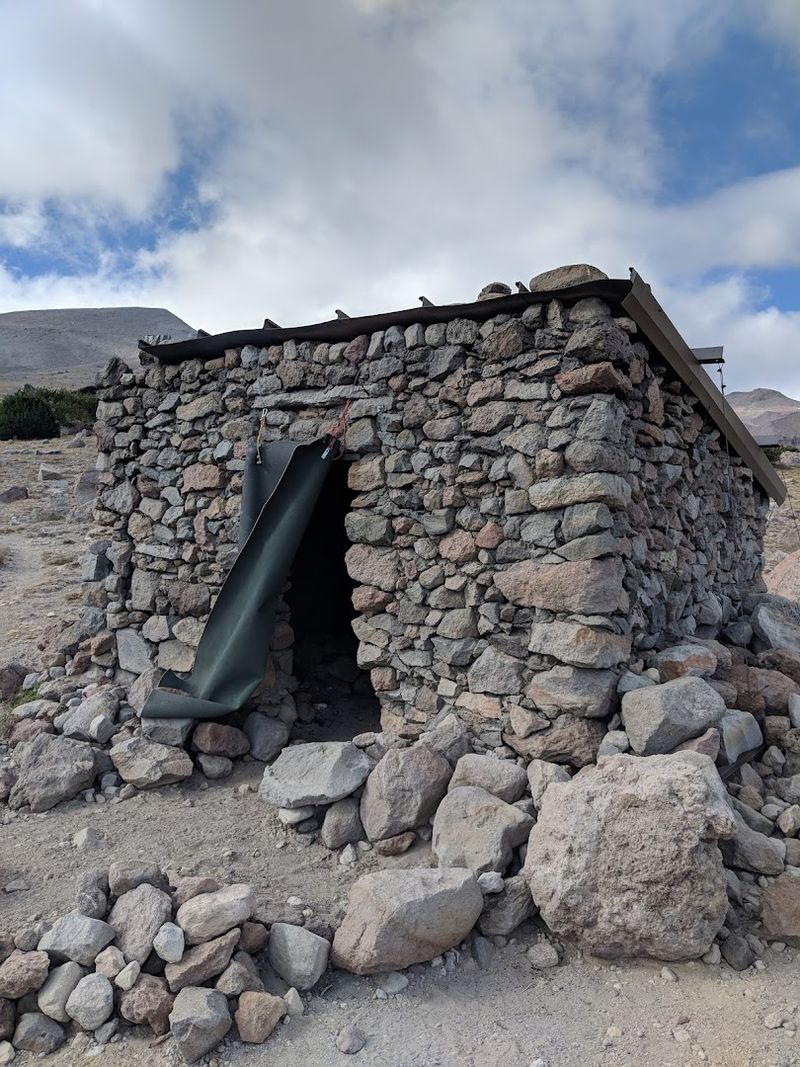
Here is where the story gets genuinely interesting. The stone shelter near the top of this trail was constructed in 1934, and by some accounts, the project started more as a lighthearted challenge than a serious architectural endeavor.
The idea was partly to see if a rugged, functional structure could be assembled from the volcanic rock scattered across the mountain. What began with a bit of humor ended up becoming one of the most enduring landmarks on Mount Hood.
The shelter itself is compact and low to the ground, built from stacked stone that blends into the rocky alpine landscape so naturally you almost walk past it. It was never fancy, and it was never meant to be.
That honest simplicity is a huge part of its charm. Hikers have used it over the decades as a windbreak, a rest stop, and a backdrop for what must be thousands upon thousands of photographs.
There is something deeply satisfying about touching those old stones and knowing they have been sitting in the same spot for nearly ninety years. The craftsmanship is rough and real, shaped by hands that were working without power tools or modern equipment.
It feels less like a monument and more like a quiet piece of mountain history that just kept showing up every day, long after everyone forgot why it started.
Views That Make the Camera Work Overtime
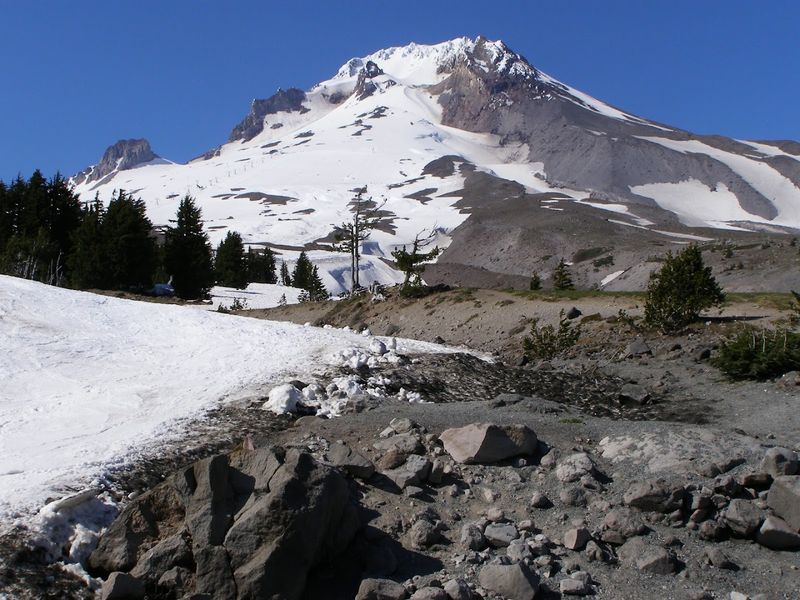
The views from up near the shelter are the kind that make you reach for your phone before you even catch your breath. On a clear day, Oregon’s Mount Hood dominates the foreground in a way that feels almost unreal, like someone placed a perfect volcano just for the shot.
But the real surprise is what surrounds it: Mount St. Helens, Mount Rainier, Mount Adams, and Mount Jefferson all appear on the horizon, lined up like old friends at a reunion.
The light changes constantly up here. Morning visits reward you with soft golden tones and long shadows that make the volcanic rock glow.
Afternoon light flattens things out a bit, but the late afternoon golden hour brings everything back to life in a completely different way. Sunset visits, when weather allows, produce the kind of color gradients that genuinely make people emotional.
Photographers have been making the trek up here for decades specifically because of this vantage point. The shelter sits in the frame just right, adding human scale and historical texture to what would otherwise be a purely geological composition.
It is no accident that this spot has earned a reputation as the most photographed location on the mountain. Every angle up here earns its keep, and the shelter always finds a way into the best shots.
What to Expect in Every Season
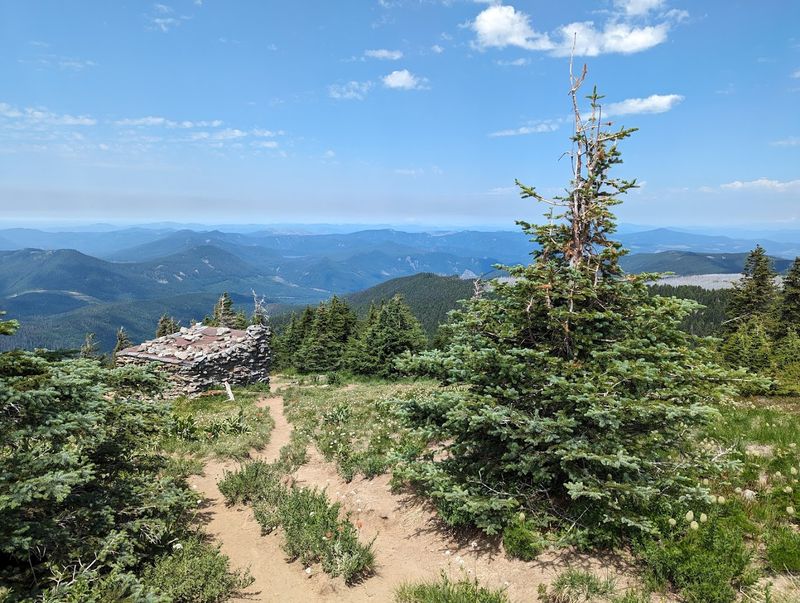
Mount Hood is genuinely a four-season destination, and this hike shifts personality depending on when you show up. Summer brings the most accessible conditions, with the trail clear of snow and wildflowers blooming along the edges of the path.
The air is cool even in July, which makes the climb comfortable and the views crisp. Summer mornings are especially magical up near the shelter, with mist sometimes hanging in the valleys below.
Fall is my personal favorite time to visit. The lower slopes shift to amber and rust, and the contrast between the colorful forest and the gray stone shelter is genuinely striking.
There are fewer crowds in September and October, which means you can actually sit quietly near the shelter and take it all in without competing for the best angle.
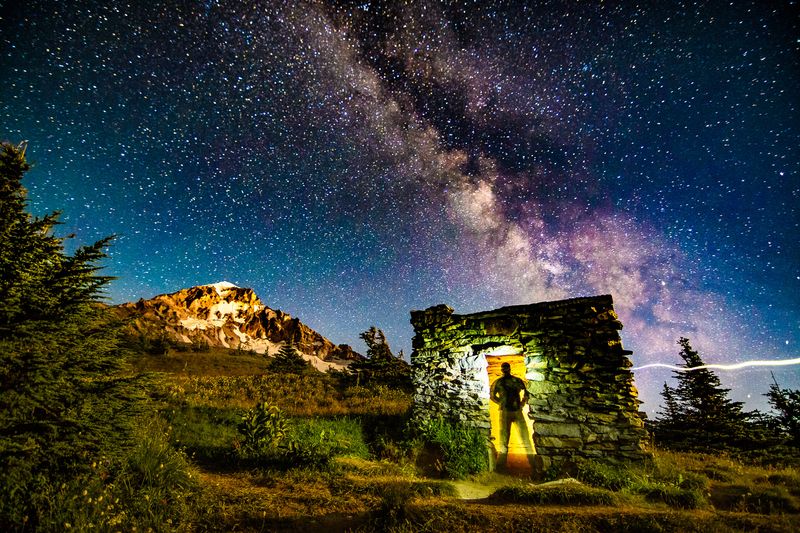
Winter turns this whole area into something dramatic and hushed. Snow covers the volcanic rock and piles up around the shelter walls, creating a scene that looks almost too perfect to be real.
Access becomes more challenging in winter, and the trail requires appropriate footwear and preparation. Spring brings snowmelt and mud, but also a freshness to the air and the first wildflowers pushing through the soil.
No matter the season, the shelter stands exactly where it always has, unbothered by time or weather.
Tips for Making the Most of Your Visit
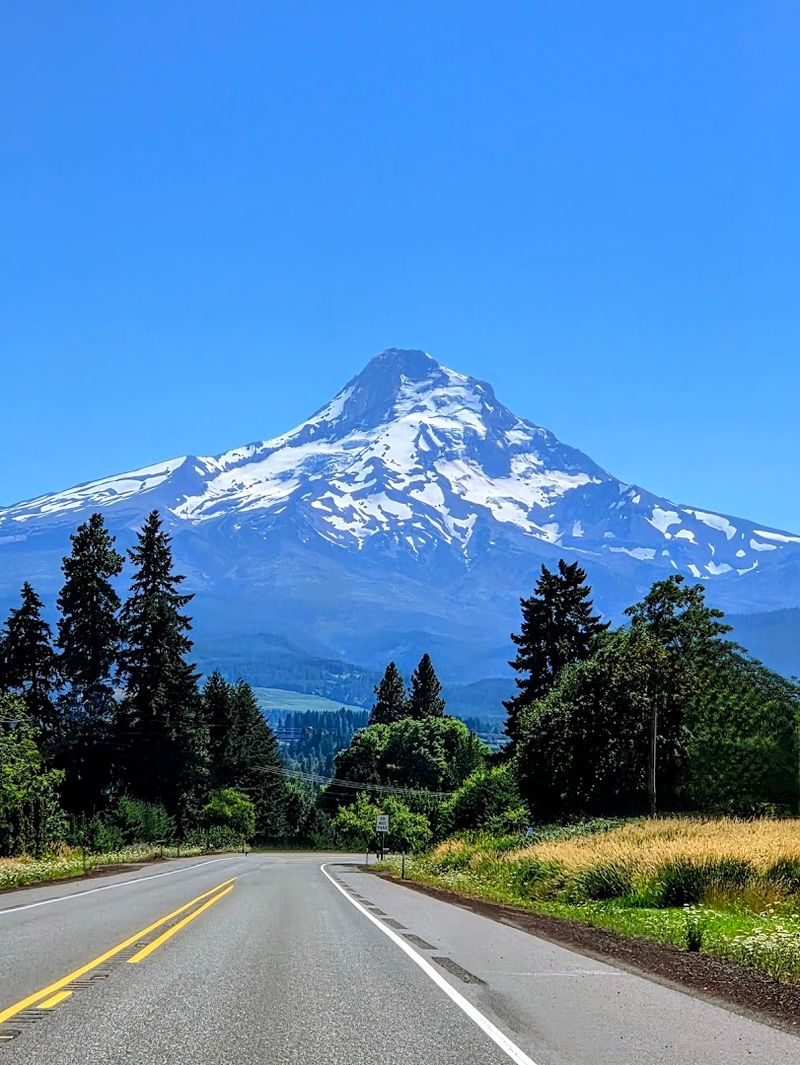
A little planning goes a long way on this hike. Arriving early in the morning is the single best move you can make, both for parking and for light quality.
The trailhead fills up quickly on summer weekends, and once the lot is full, you are either waiting or turning around. Getting there by 7 or 8 in the morning almost always solves that problem entirely.
Layers are non-negotiable on Mount Hood. Even on warm valley days, the temperature near the shelter can drop significantly, and wind picks up without much warning.
A light jacket stuffed into a daypack takes up almost no space and saves a lot of misery. Sunscreen matters too, because the alpine elevation amplifies UV exposure more than most people expect.
Bring more water than you think you need. The hike is short, but the altitude and the dry mountain air pull moisture out of you faster than a flat trail would.
Snacks are always a good idea, especially if you plan to linger near the shelter and soak up the views. There are no facilities at the trailhead beyond basic amenities, so come prepared.
Cell service is unreliable up here, which is honestly part of the charm. Let someone know your plans before you head out, and enjoy the rare gift of being genuinely off-grid for a couple of hours.
Why This Spot Keeps Drawing People Back
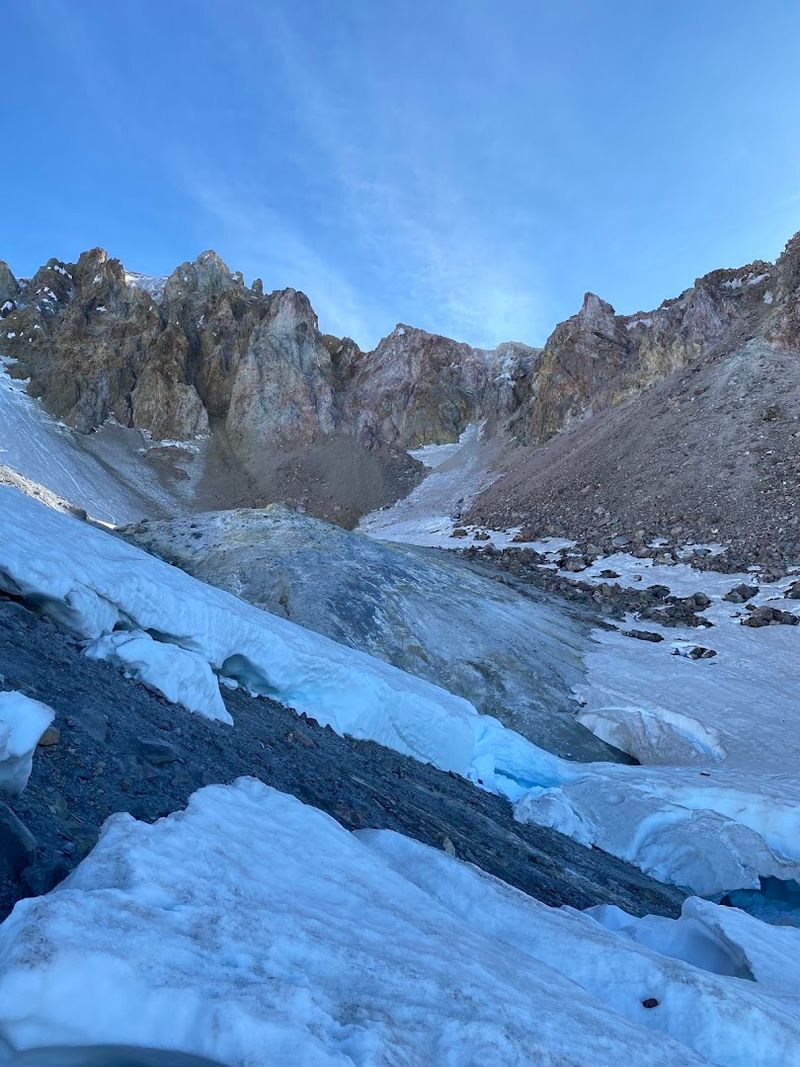
There is a reason people drive hours from Portland, Oregon and beyond just to stand near this particular stone structure on Mount Hood. It is not just the views, though those are extraordinary.
It is the combination of accessibility, history, and raw natural beauty that makes this spot feel genuinely special rather than just scenic. The shelter ties it all together, giving the landscape a human anchor point that makes the whole experience feel more personal.
Return visitors talk about this place with a kind of quiet loyalty. Some come back every season to see how the light and the colors have shifted.
Others bring family members or friends who have never been, almost like introducing someone to a place you feel protective of. That emotional connection is hard to manufacture and impossible to fake.
The shelter itself has never been restored to anything glossy or polished. It remains exactly what it was in 1934, rough and honest and slightly improbable.
That authenticity resonates in an era when so many places feel curated or staged for social media. Up here, the mountain is real, the rock is real, and the shelter is real.
People keep coming back because genuine experiences are rare, and this 2-mile hike delivers one every single time without fail.
Address: Unnamed Road, Mt Hood, OR 97041
