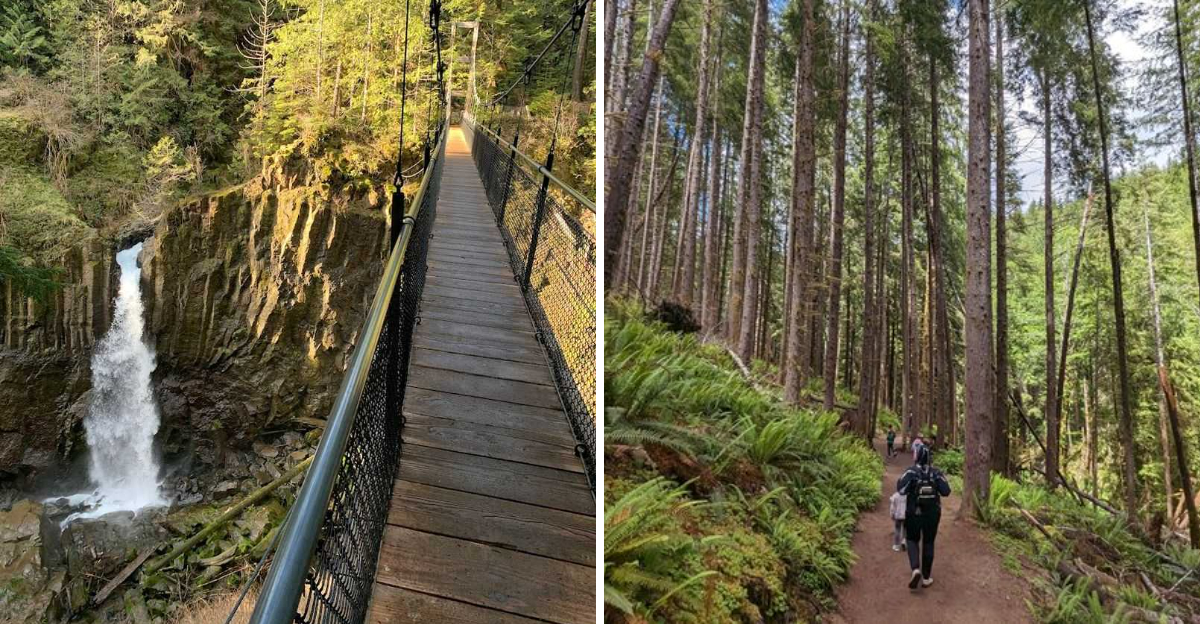
An Oregon suspension bridge hangs high above the forest, swaying just enough to remind you where you are. Below, the trees stretch out like a green sea.
Then the waterfall comes into view. Loud, powerful, and impossible to ignore.
It hits you before you even reach the middle of the bridge.
Every step adds a little more thrill. The height, the movement, the sound of rushing water underneath.
I kept stopping just to look around, even though the bridge keeps daring you to keep moving. It’s the kind of spot that turns a simple walk into a full-on “wow, okay this is real” moment.
The Suspension Bridge Itself
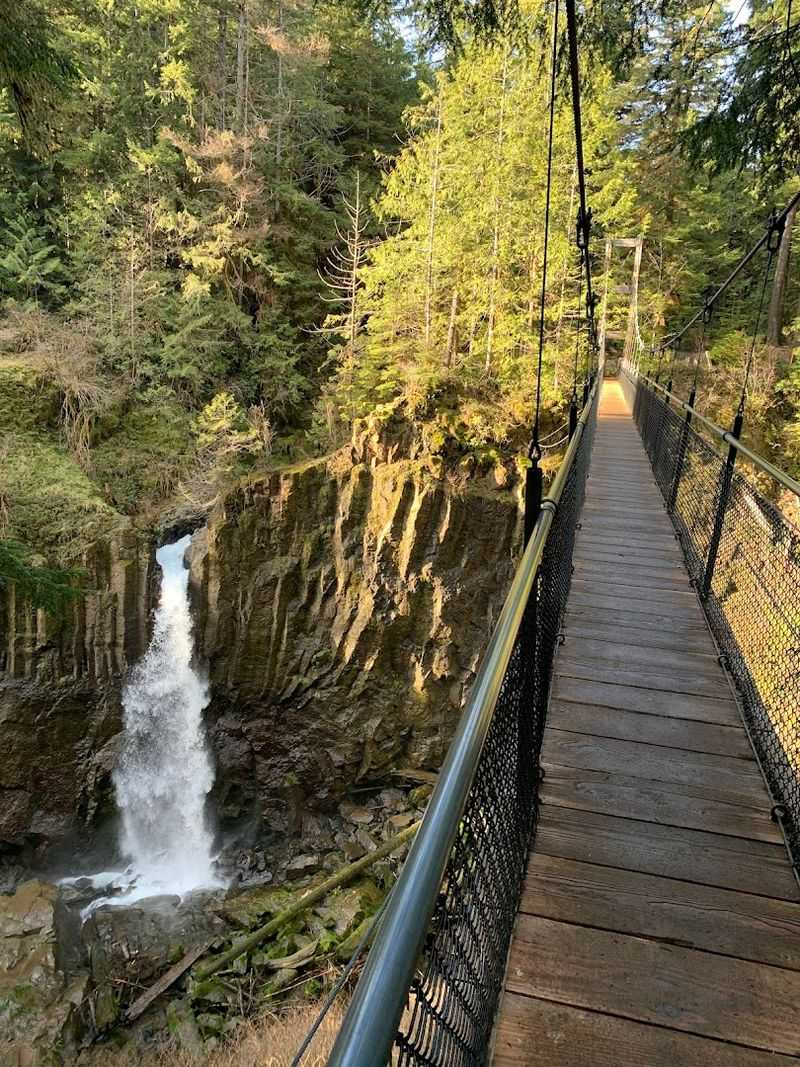
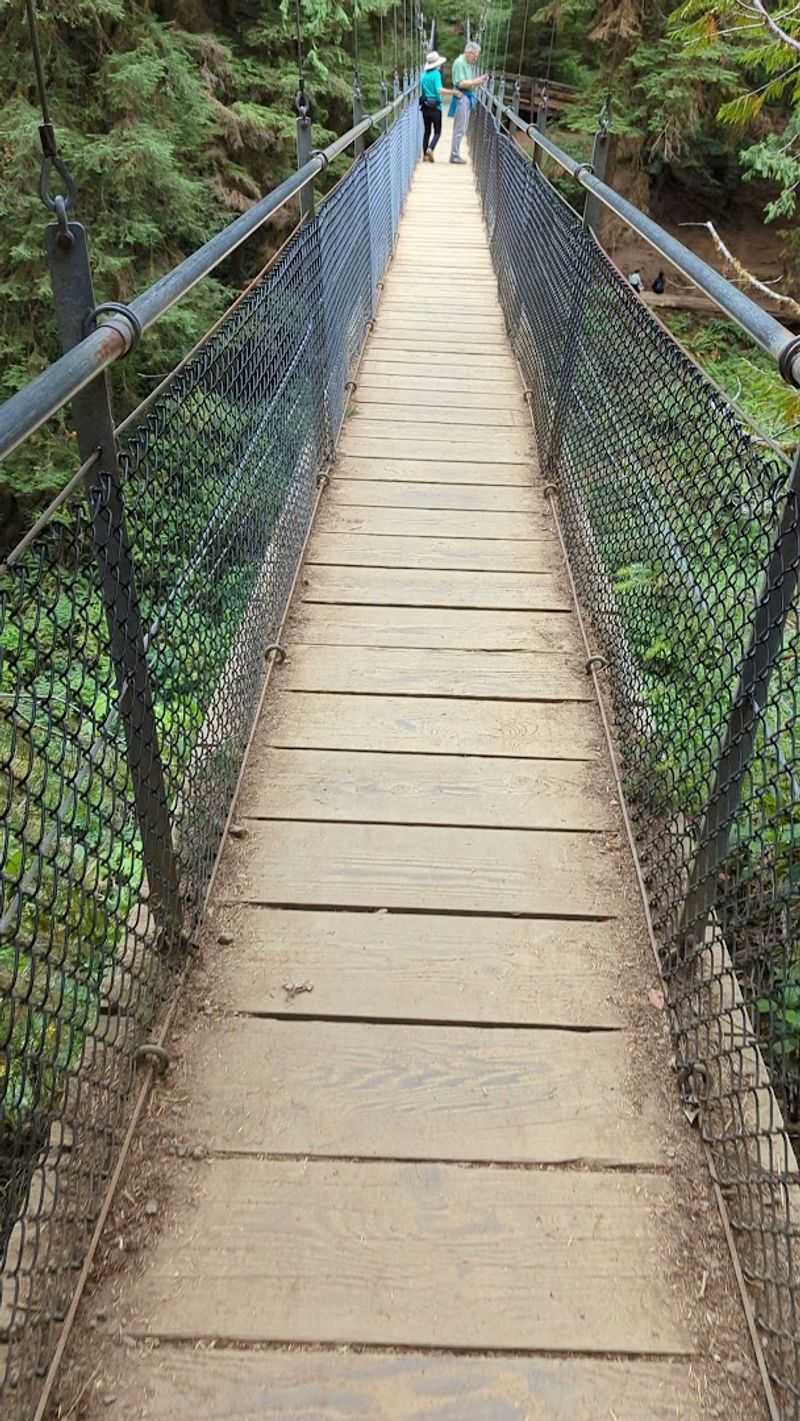
Nothing quite prepares you for the moment the suspension bridge comes into view. It stretches across the canyon like a narrow ribbon, swaying gently in the breeze.
The structure is 240 feet long and sits high above the forest floor below.
Walking across it feels like stepping into a scene from an adventure film. The wooden planks creak softly underfoot.
Looking down through the gaps gives you a real sense of just how high up you are.
The bridge was built to give hikers access to the waterfall on the other side. It does that job beautifully.
It also offers one of the best aerial views of the surrounding old-growth forest you will find anywhere on the Oregon Coast.
Some visitors say it sways more on windy days. That gentle motion actually adds to the thrill.
If you have a fear of heights, take it slow and steady. Most people cross it without trouble and are glad they did.
The 75-Foot Waterfall
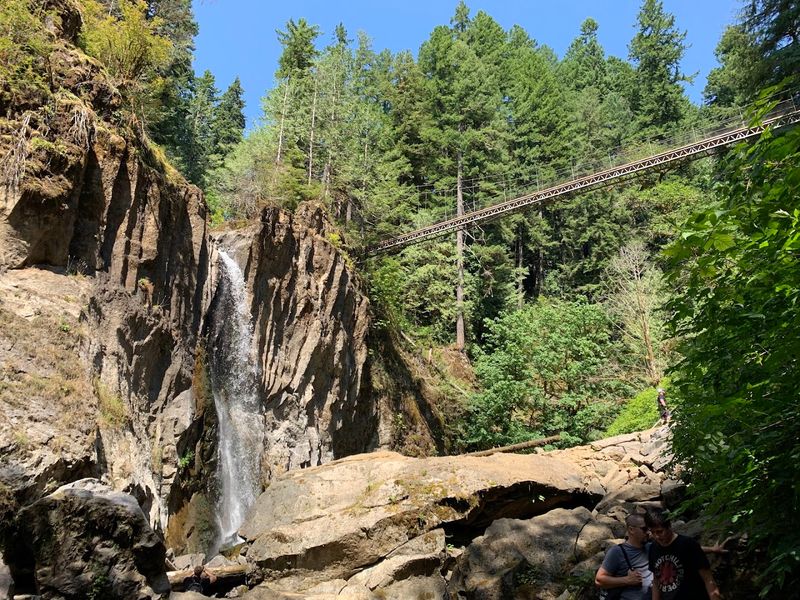
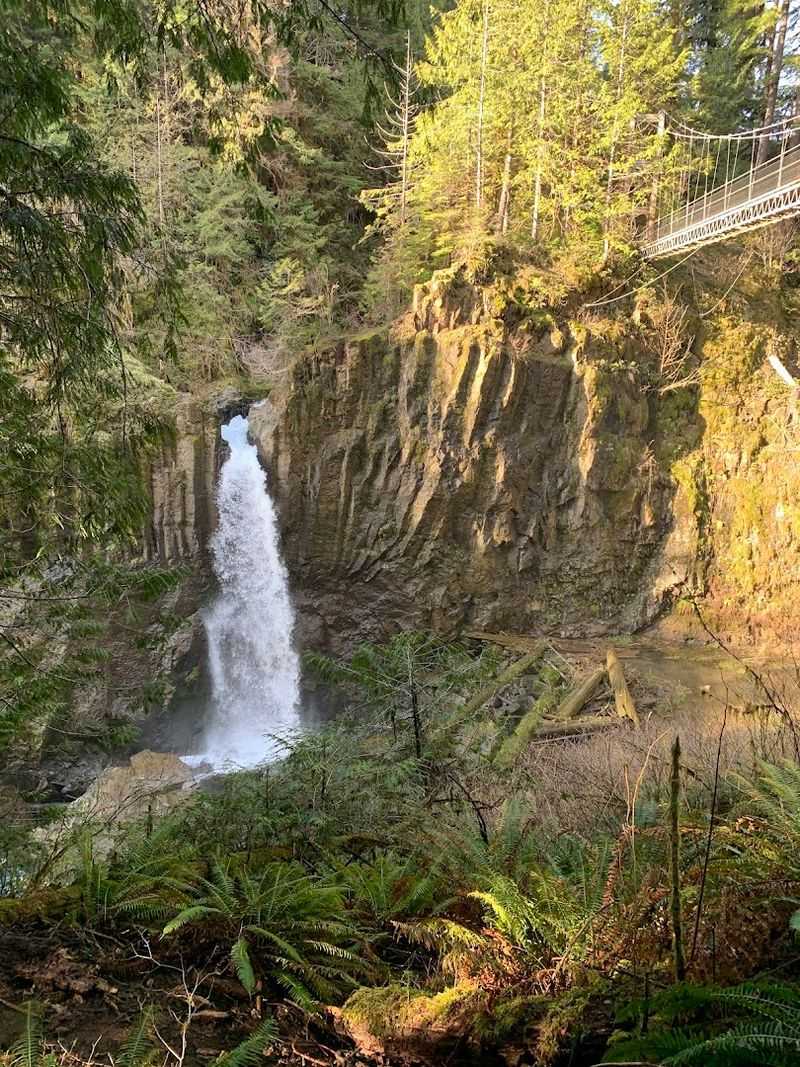
The waterfall at the end of the trail is the kind of sight that makes you stop walking and just stare. It drops 75 feet down a rocky face, sending a fine mist into the air around it.
The sound is deep and steady, almost like white noise for the forest.
Flow is strongest in winter and early spring. Visiting during those months means you get the full dramatic effect.
Summer visits are still beautiful, though the water moves a bit more gently.
Getting to the base of the falls is absolutely worth the extra few minutes of hiking. Big flat rocks line the creek bed below.
Sitting there with the waterfall right in front of you feels genuinely peaceful.
The view looking back up at the suspension bridge from the base is stunning. You can see the full scale of the bridge against the trees.
It is one of those perspectives that makes for an unforgettable photo and an even better memory.
The Forest Trail to the Bridge
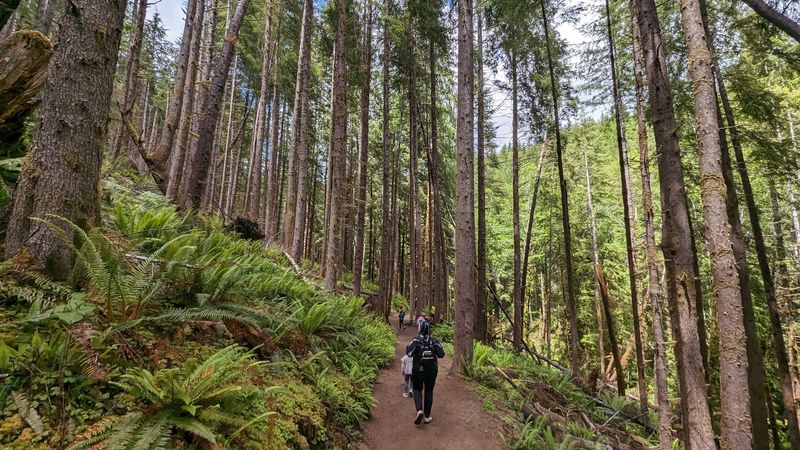
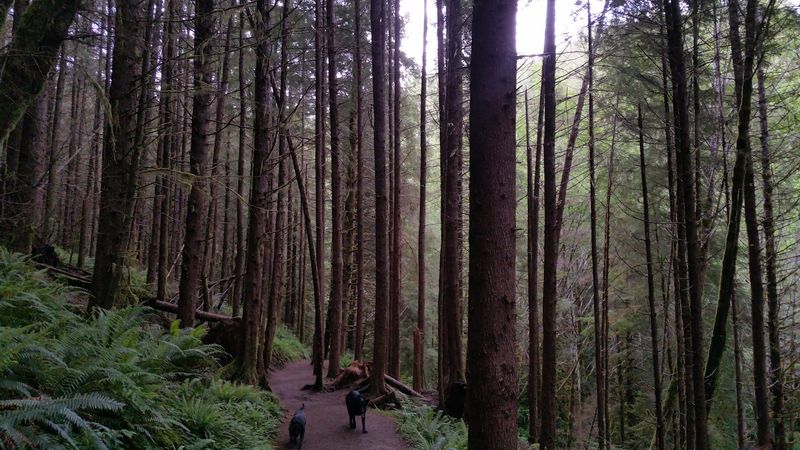
The trail itself sets the mood long before you reach the bridge. Tall Sitka spruce and Douglas Fir trees close in on both sides.
Shade covers the path almost completely, keeping things cool even on warm days.
The route is about 3 miles round trip from the trailhead parking lot. Most of the walk in is downhill, which makes it feel easy and relaxed.
The return hike back up is more of a workout, but nothing too serious.
Wide and well-groomed, the trail has very few roots or rocks to trip over. Two people can walk side by side for most of the route.
That makes it a comfortable option for families with young kids or older hikers.
Dogs on a leash are welcome on the trail. Plenty of hikers bring their pets along.
The forest atmosphere is calm and immersive throughout, with birdsong and the smell of damp earth keeping the experience grounded and refreshing the whole way.
Getting to the Trailhead
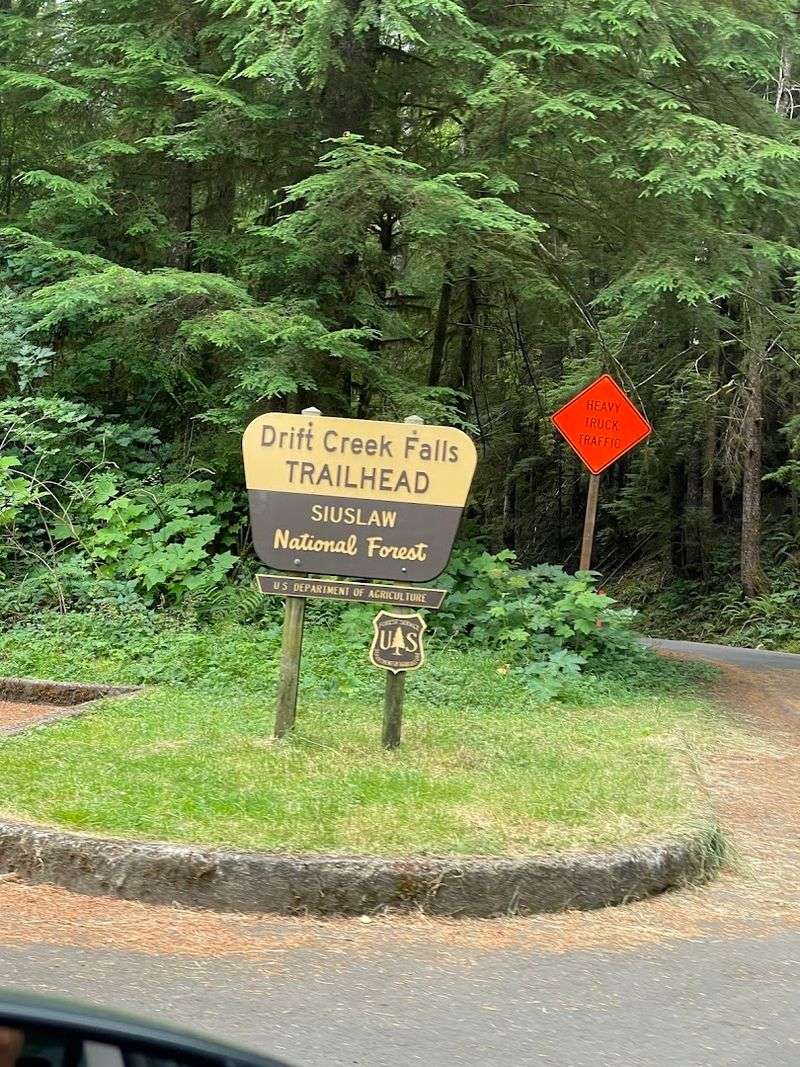
The drive to the trailhead is an adventure all by itself. The road is narrow and winds through dense forest for several miles.
There are pullouts along the way for when cars need to pass each other going opposite directions.
The last stretch before the parking area is mostly paved but tight. Taking it slow is the smart move.
The scenery along the drive is genuinely beautiful, with trees arching over the road on both sides.
From Lincoln City, the trailhead sits about 9.5 miles in on a National Forest road. Plan for the drive to take longer than the mileage suggests.
Curves and narrow sections keep speeds low, but the payoff at the end is well worth it.
There is no cell service at the trailhead. Downloading a map or screenshot of your day pass QR code before leaving town saves a lot of hassle.
Pay for parking online ahead of time to make arrival smooth and stress-free.
Parking and Trailhead Facilities
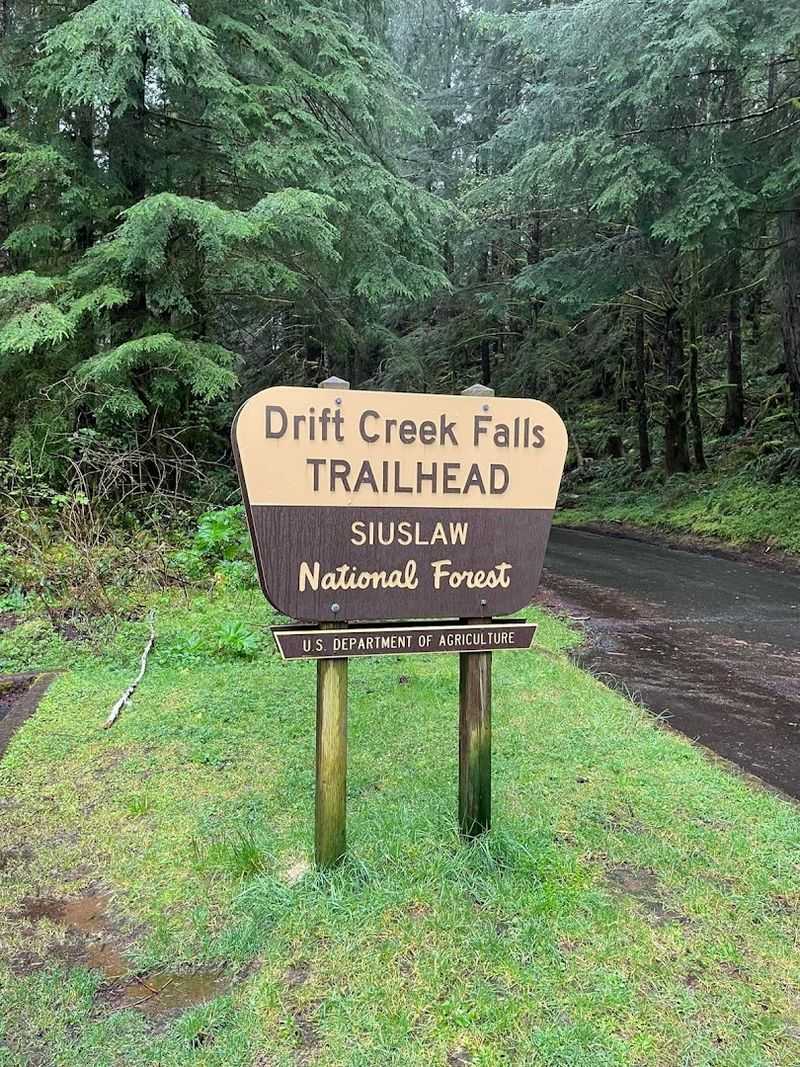
Arriving at the trailhead, you will find a reasonably sized parking lot tucked into the trees. It fills up fast on weekends and during peak summer months.
Getting there early in the morning gives you the best chance of snagging a spot without stress.
Vault-style bathrooms sit near the trailhead. They are basic but functional.
Hikers who have used them say they are about as clean as vault restrooms typically get.
A day-use parking fee applies. The pay station kiosk is located before you reach the main lot.
Paying online in advance and saving a screenshot of your QR code is the easiest approach since there is zero cell service on site.
If the lot is full, some visitors park along the road leading in. The trailhead itself is well-marked and easy to find from the parking area.
Starting with all the logistics sorted means you can focus entirely on the hike and everything waiting at the end.
Difficulty Level and Who Can Do It
One of the best things about this hike is how accessible it genuinely is. Kids, older adults, and first-time hikers all tackle it without too much trouble.
The trail is rated moderate and lives up to that description honestly.
The walk in is mostly downhill. That makes the first half feel almost effortless.
The return trip uphill is where you feel the burn, especially the last half mile back to the trailhead.
Round trip distance runs about 3 to 3.5 miles depending on whether you add the North Fork loop. Most hikers finish the main out-and-back in around two to three hours.
That includes time to linger at the bridge and explore the base of the falls.
Families have brought babies in hiking packs and had a good time. Older parents and grandparents have completed it comfortably.
The trail rewards anyone willing to show up with good shoes and a little patience for the uphill stretch at the end.
Best Time of Year to Visit
Every season brings something different to this trail. Winter and spring offer the most dramatic waterfall flow.
The falls are loud and full during those months, and the forest feels extra lush and alive.
Fall is arguably the most visually striking time to visit. The view from the base of the waterfall looking up at the suspension bridge, framed by autumn color, is genuinely breathtaking.
Many hikers say that perspective in fall is their favorite moment on the trail.
Summer brings the most visitors. Arriving early on summer mornings helps avoid the crowds.
The waterfall is quieter in dry months but still very much worth seeing.
Spring mornings tend to offer a nice balance of good flow and fewer people. The trail can get muddy after rain.
Waterproof shoes or boots are a smart call any time outside of peak summer. No matter when you go, the bridge and forest never disappoint.
The North Fork Loop Trail
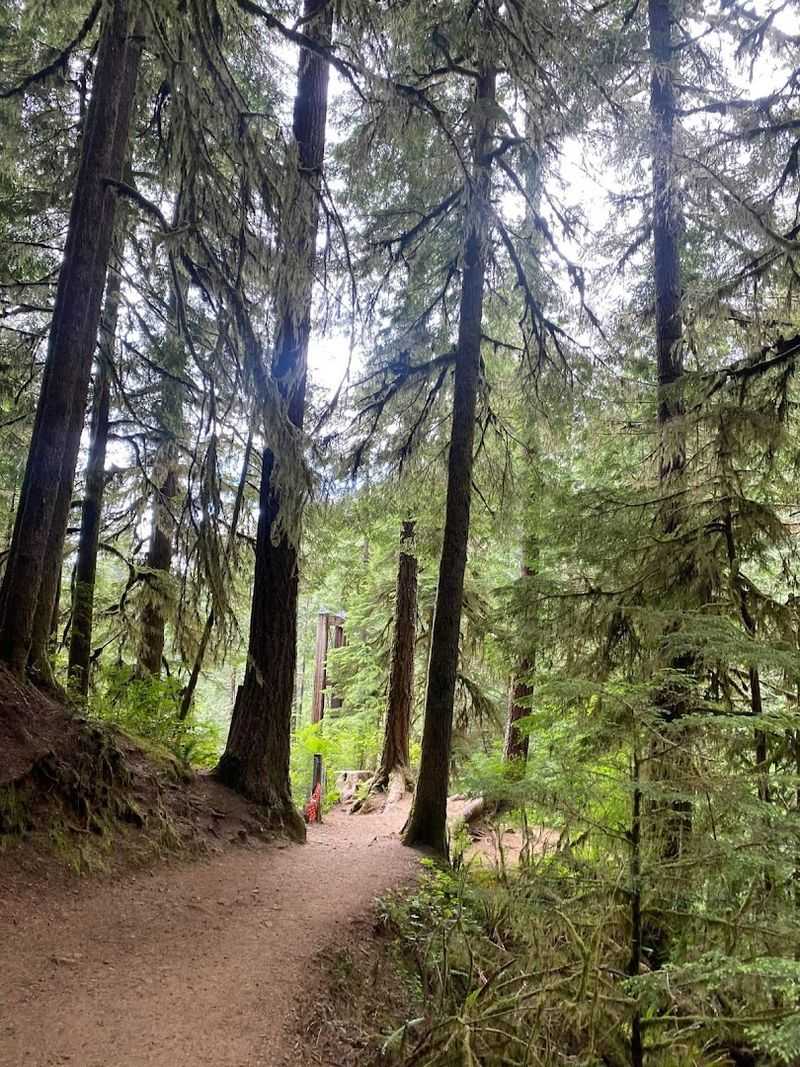
Past the suspension bridge, a second trail option opens up. The North Fork loop takes you through a section of old-growth forest that feels noticeably wilder and more remote.
It is the road less traveled on this hike.
The loop adds extra distance and some steep sections. Hikers who enjoy a bit more challenge tend to love it.
Those who only do the main out-and-back still have a fantastic experience without missing anything essential.
Old-growth Douglas Fir trees dominate this stretch. Some of them are massive, with trunks wider than a car.
Walking among them feels humbling in the best possible way.
The loop connects back to the main trail, so getting lost is not a real concern. Trail markers keep things clear.
Adding this section turns the hike into closer to a 4-mile outing. It is a great option for anyone who wants a little extra time in the forest before heading back to the trailhead.
Tips for a Smooth Visit
A little preparation goes a long way here. No cell service means planning ahead is genuinely important.
Download your trail map and pay for parking online before leaving town.
Bring water and a snack. The hike is not long, but the uphill return can work up a real appetite.
Packing a lunch and eating it by the waterfall is a popular move, and honestly a great one.
Wear layers. The forest trail stays cool and shaded.
Mornings near the coast can be chilly even in summer. A light jacket tucked into your bag takes up almost no space and earns its keep quickly.
Starting early beats the crowds by a wide margin. Weekday visits are noticeably quieter than weekends.
If you do go on a busy day, practicing basic trail etiquette keeps things pleasant for everyone. Step aside for faster hikers.
Keep dogs leashed. Leave the rocks and plants exactly where you found them along the way.
Why This Spot Deserves a Place on Your Oregon Bucket List
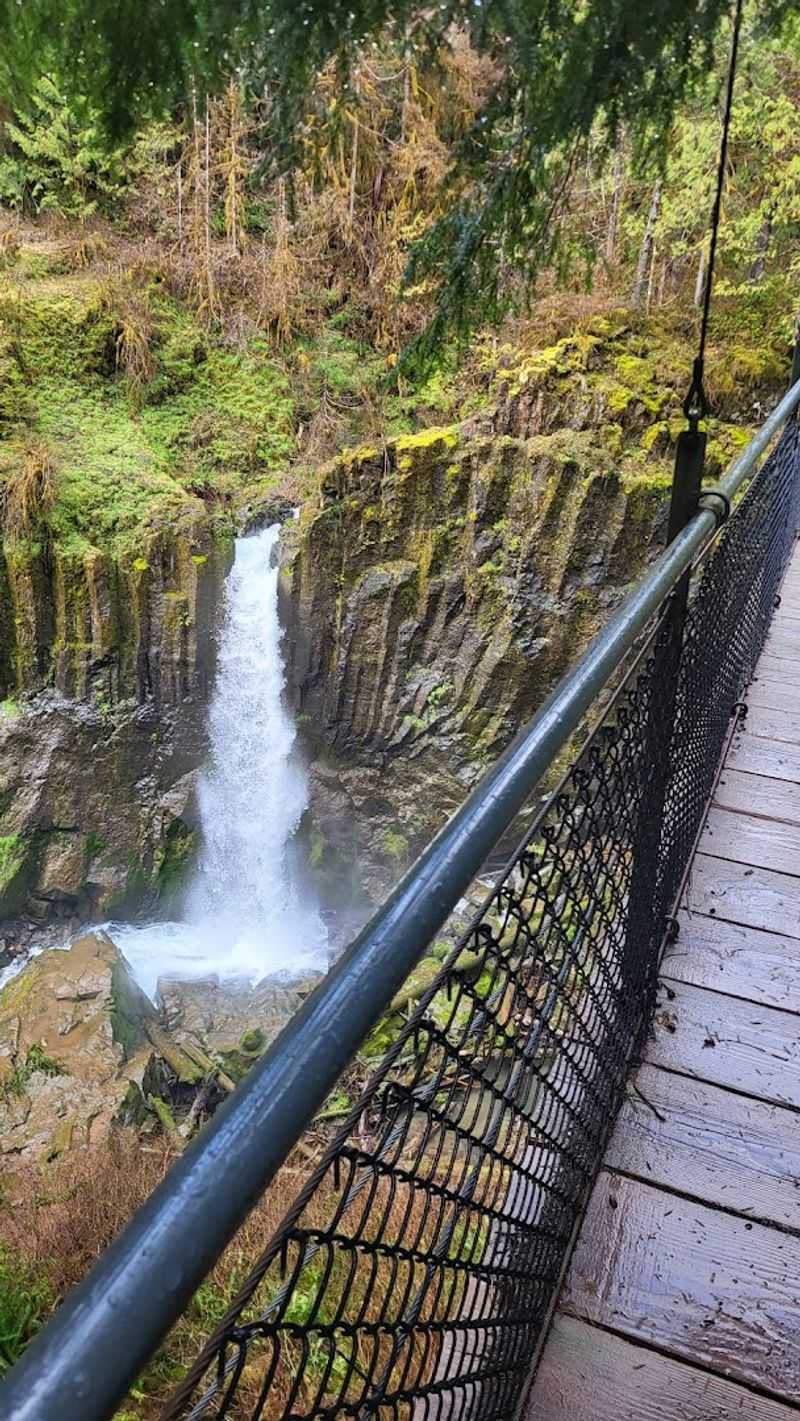
Some places just stick with you after you leave. Drift Creek Falls is one of them.
The combination of a towering suspension bridge, a roaring waterfall, and ancient forest all packed into a short hike is genuinely rare.
It sits close enough to Lincoln City to work perfectly as a half-day side trip. The Oregon Coast is right there when you finish.
Spending a morning in the forest and an afternoon by the ocean is a pretty hard day to beat.
People come back. They bring friends.
They tell strangers about it.
There is something about standing on that bridge, looking down at the falls and up at the sky through a gap in the trees, that feels worth every bit of effort it takes to get there.
