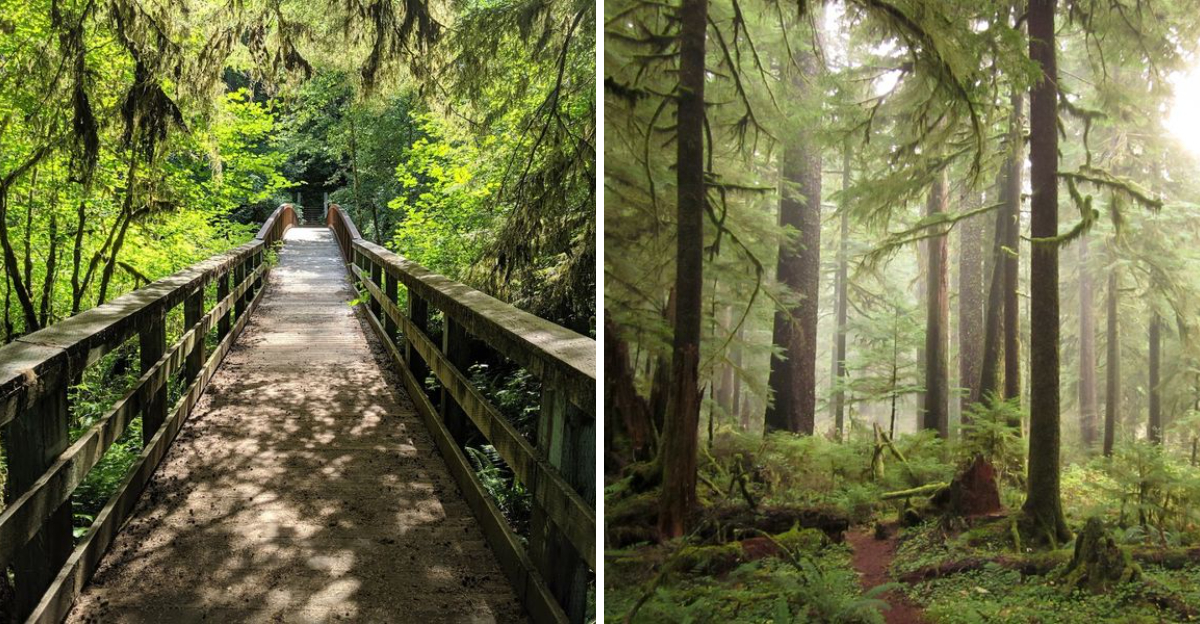
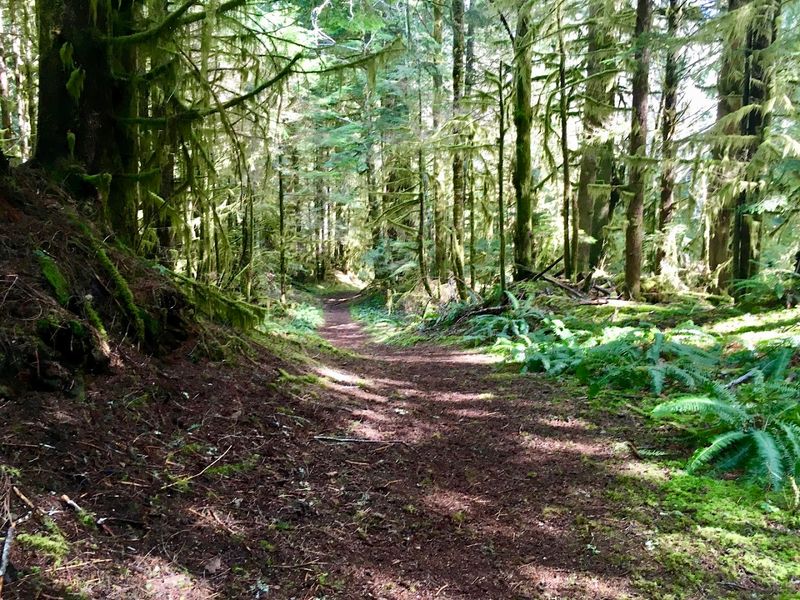
A quiet Oregon trail slips into old-growth forest, and everything changes almost immediately. The trees get taller, thicker, and older, like they’ve been standing guard for centuries.
Light filters through the canopy in soft, shifting patterns. The whole path feels hushed, almost intentional, like the forest is setting the pace for you.
Every step feels a little more removed from the outside world. Moss-covered trunks, winding roots, and sudden clearings make it easy to lose track of time.
There’s a calm, slightly unreal quality to it all. Not dramatic, just quietly magical in a way that sticks with you long after you leave.
The Ancient Douglas Firs That Will Stop You in Your Tracks
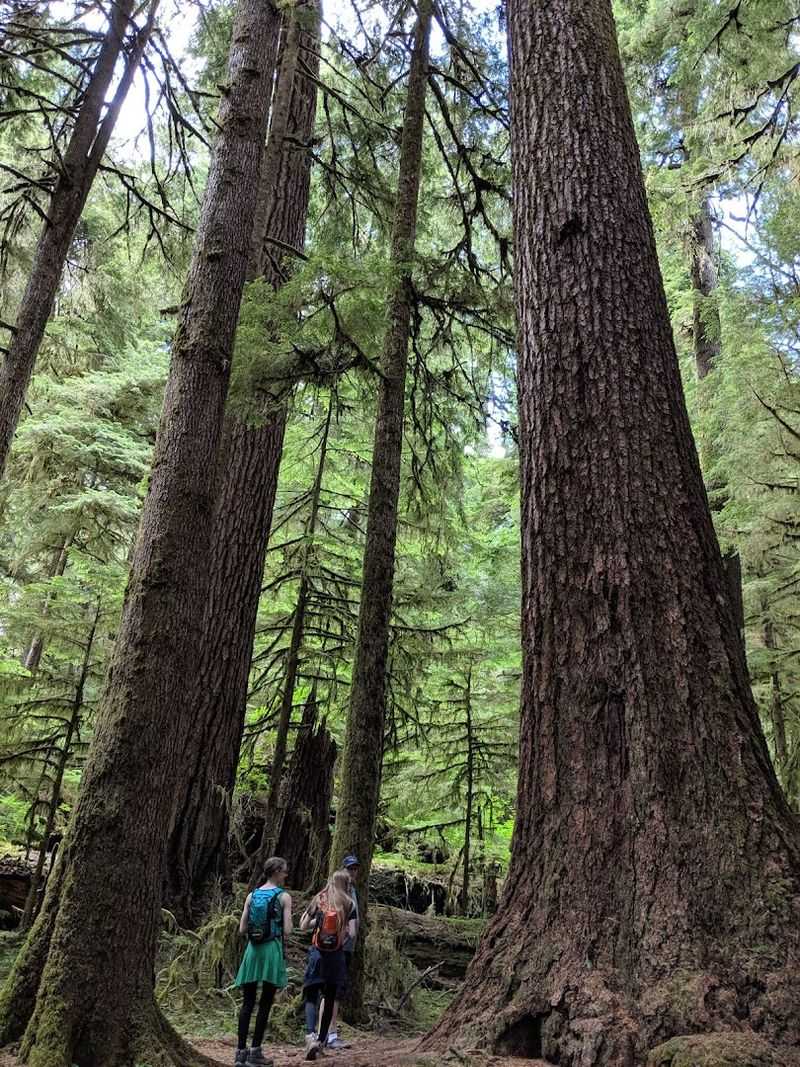
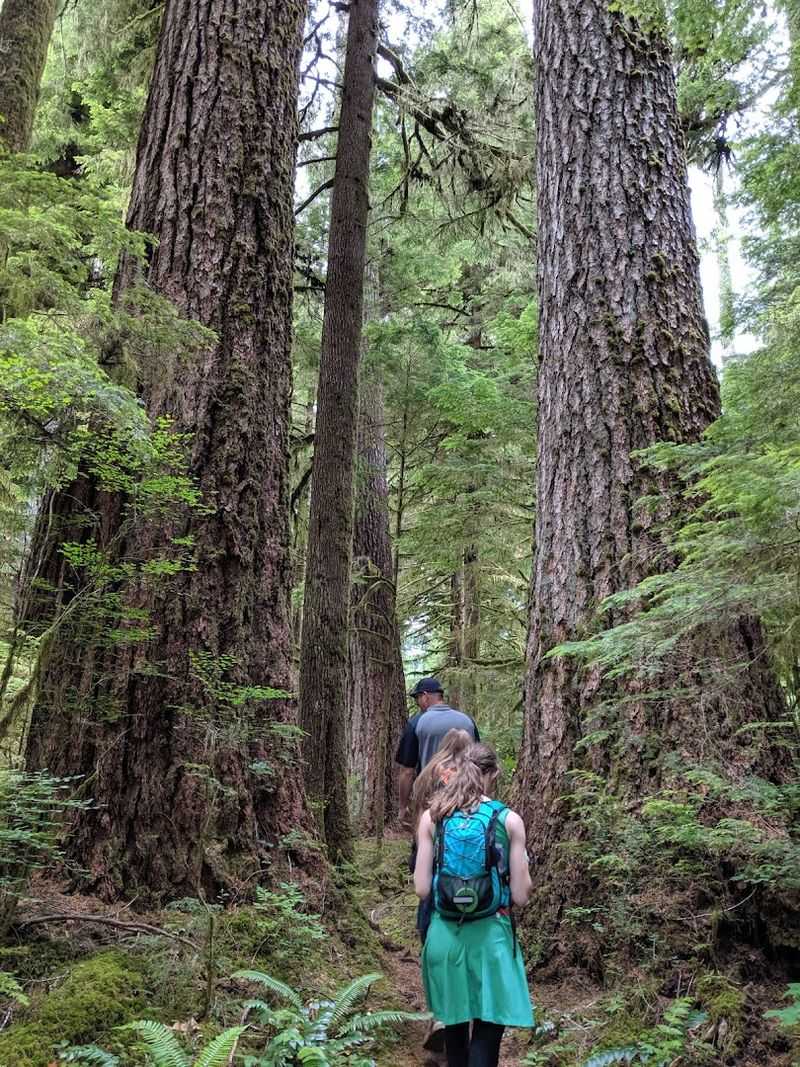
Standing at the base of one of these trees, you realize your whole sense of scale is gone. These Douglas firs can reach over 200 feet tall.
Some of them have been growing since before the United States existed as a country.
The bark is deeply furrowed and thick, almost like armor. Touching it feels strange and grounding at the same time.
You can press your palm flat against the trunk and still not feel its full width.
Hikers who have worked in the timber industry for decades have said these trees left them speechless. That reaction says everything.
The Valley of the Giants holds some of the last old-growth forest in the entire Oregon Coast Range.
Most of the surrounding land has been logged, which makes this small protected pocket feel even more precious. Walking among these giants is not just a hike.
It is a reminder of what the whole region once looked like, wild and untouched and breathtaking.
Getting There Is Half the Adventure
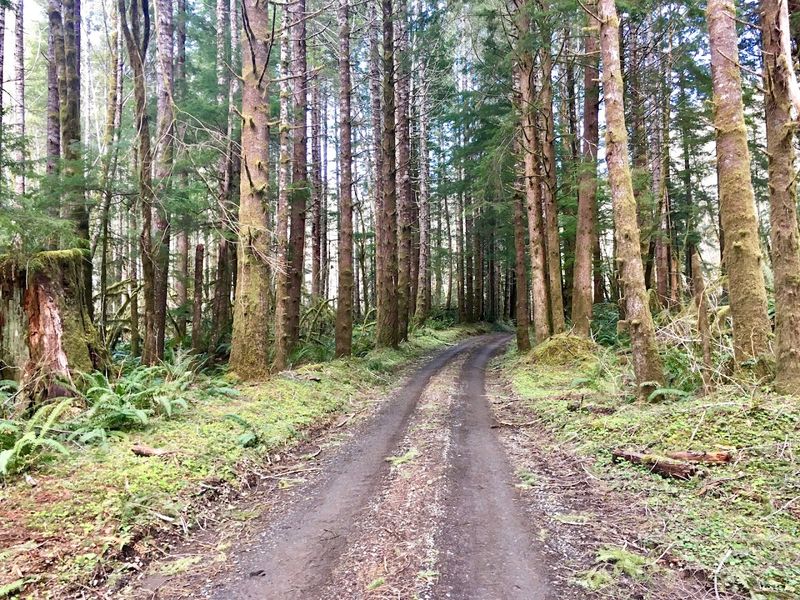
The drive to the Valley of the Giants is legendary among hikers. And not always in the most comfortable way.
About 30 miles of narrow, winding logging roads separate the trailhead from Falls City, Oregon.
Google Maps will mislead you here. Seriously, do not follow it blindly.
The Bureau of Land Management recommends picking up a printed brochure with directions from their Salem office before you go.
Orange road markers labeled VOG appear along the correct route. Spotting one after a long stretch of unmarked roads feels like finding a treasure clue.
Keep your eyes open and your phone downloaded with offline maps before leaving any cell service area.
A vehicle with decent ground clearance makes the trip much more comfortable. The roads are mostly passable, but some sections get rough, especially after rain.
Plan for about 90 minutes of driving from Falls City just to reach the trailhead. Budget extra time and bring snacks.
The journey itself is scenic and worth every slow, careful mile.
The Loop Trail Through a Living Green Cathedral
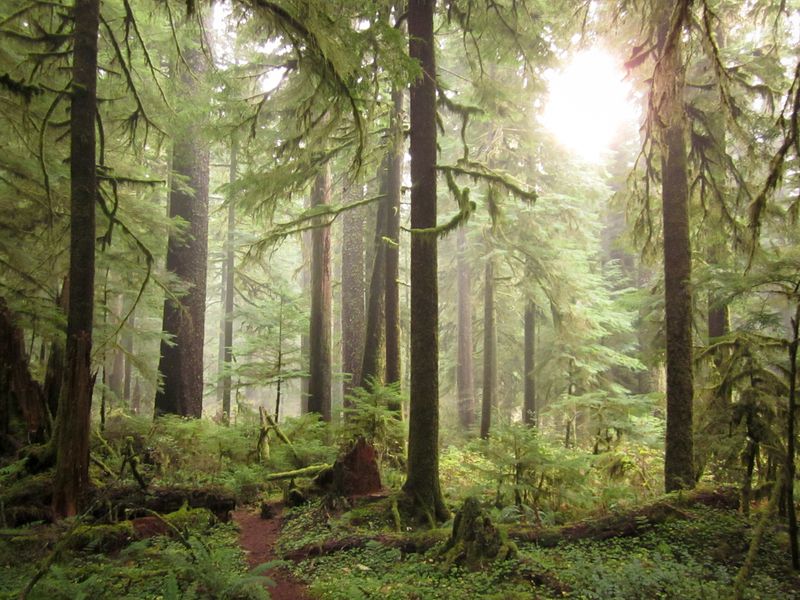
The main loop at the Valley of the Giants runs about 1.3 to 2.2 miles depending on your route. It does not sound like much on paper.
But every step demands your full attention and offers something worth pausing for.
The trail winds through ferns, over roots, and past massive fallen logs draped in thick moss. Some sections are steep and can get slippery after rain.
Wearing shoes with solid grip is a smart call, no matter the season.
You hike down into the valley first, which means the climb back out will get your heart going. The reward for that effort is the loop through the old-growth core, where the trees grow closest together.
That stretch feels genuinely otherworldly.
Roots crisscross the path and can trip you up if you are busy staring upward, which you absolutely will be. Take your time.
This is not a trail to rush. The forest rewards slow walkers who stop often and look carefully at everything around them.
Crossing the Footbridge Over the Siletz River
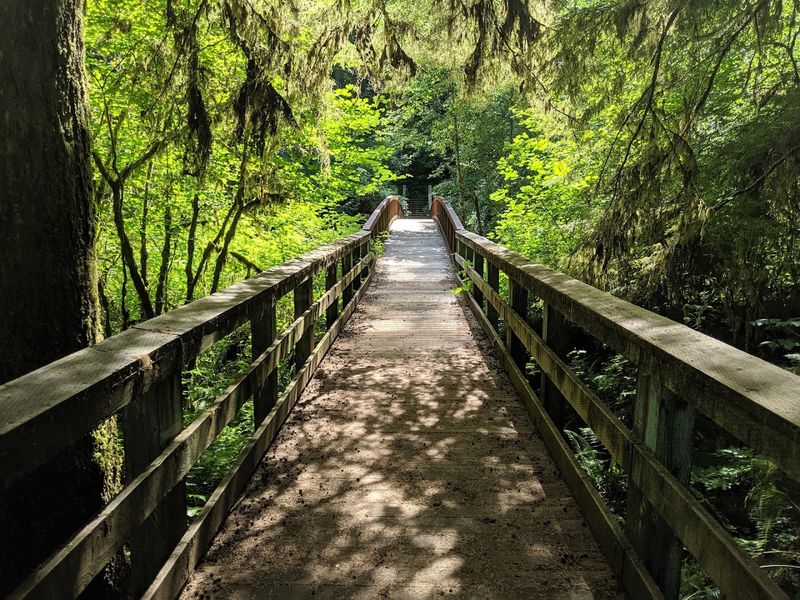
One of the most memorable moments on the trail is crossing the footbridge over the Siletz River. The water below runs clear and cold over smooth stones.
In certain light, it glitters in a way that makes you stop walking just to look.
An old-growth log once served as the original crossing here. That log is long gone now, replaced by a sturdy engineered steel bridge.
But the spirit of the place remains completely unchanged.
The Siletz is a beautiful river throughout this valley. Hikers have waded in during warmer months.
The current is brisk, and the water stays cold even in summer.
Standing on the bridge gives you a rare open view of the sky, a brief break from the dense canopy overhead. It is a natural pause point on the trail.
Many people stop here to eat a snack, take photos, or simply breathe in the cool river air before continuing deeper into the forest. Do not skip this moment.
The Moss-Covered World That Feels Straight Out of a Fantasy Film
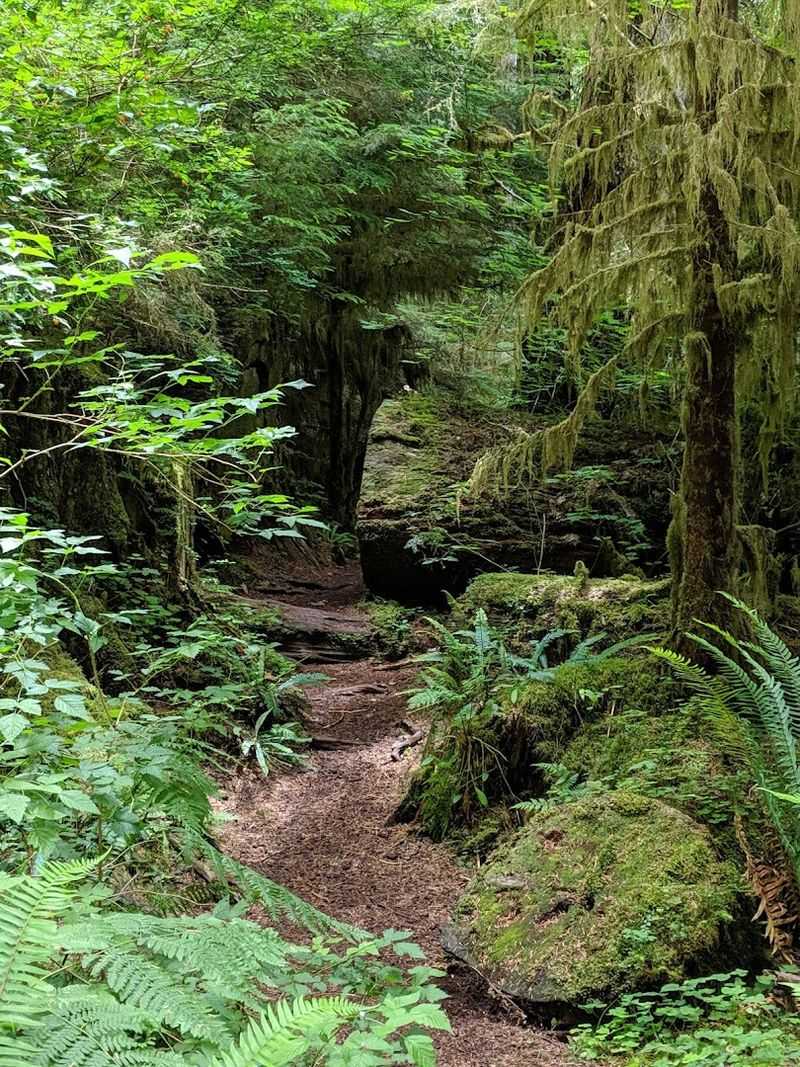
Everything here is green. Not just a little green, but aggressively, almost impossibly green.
Moss blankets the ground, the logs, the rocks, and the lower bark of every tree in sight.
Walking through this section of the trail, it is easy to understand why people compare it to fantasy films or fairy tales. The colors are saturated in a way that feels almost unreal.
Fog sometimes rolls through the canopy and makes the whole scene even more surreal.
That earthy, mossy smell hits you hard in the best way. It is clean and ancient and deeply calming.
Visitors have described it as one of the most memorable sensory experiences of any hike they have done in Oregon.
Sunlight rarely breaks through fully here. The canopy is so dense that the forest floor stays cool and dim even on bright days.
That perpetual twilight is part of the magic. Bring a light layer regardless of the forecast.
The temperature drops noticeably once you are deep inside the valley.
Wildlife Sightings Along the Trail
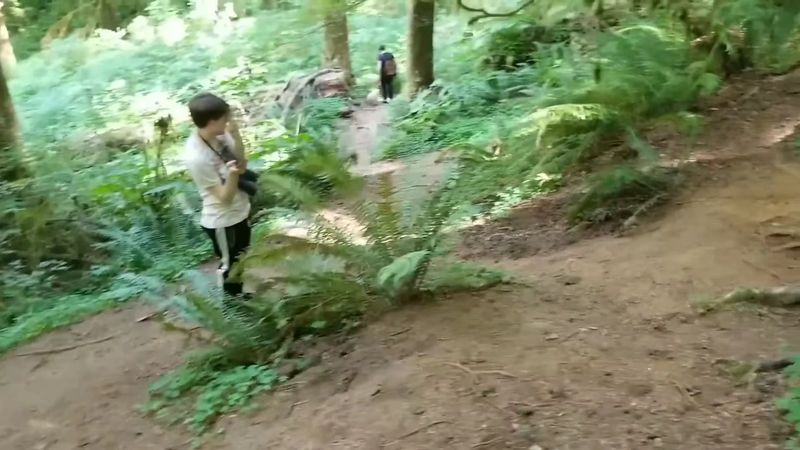
The Valley of the Giants is not just about trees. The surrounding forest supports a range of wildlife that can show up without any warning.
Elk have been spotted near the trail on multiple occasions.
Seeing a Roosevelt elk in person is a genuinely humbling experience. These animals are massive and move through the forest with a quiet ease that seems impossible for their size.
Standing still and watching one cross the trail is the kind of moment you carry with you for years.
Birds fill the canopy with sound, especially in the early morning. Woodpeckers, owls, and various songbirds all call this old-growth ecosystem home.
The forest is alive in every direction if you slow down enough to notice.
Smaller creatures also live here. Salamanders tuck under mossy logs.
Squirrels race through the branches above. The whole forest hums with quiet activity.
Keep your voice low and your movements calm. The more patient you are, the more the valley reveals.
Wildlife sightings are never guaranteed, but they happen often enough to stay alert.
What to Pack for This Remote Hike
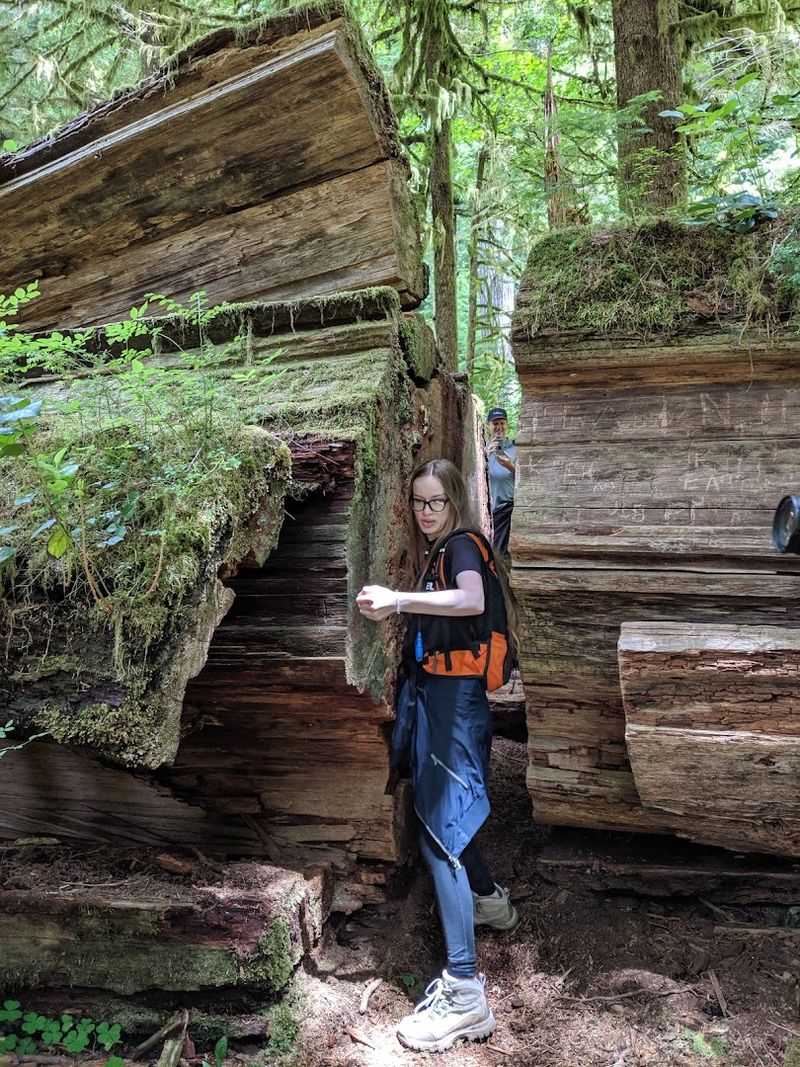
Preparation matters a lot more at the Valley of the Giants than at most trailheads. There are no bathrooms, no water stations, and no cell service once you leave Falls City.
Pack everything you need before you leave.
Water is the most critical item. Bring more than you think you will need.
The hike itself is not extremely long, but the drive is exhausting and the trail can feel demanding in warm weather.
A printed map or downloaded offline directions are essential. Do not count on your phone signal to save you out here.
A physical BLM brochure is genuinely useful and worth grabbing ahead of time.
Rain gear is smart even on sunny days. The Oregon Coast Range is famously unpredictable.
A packable jacket takes up almost no space and can make a huge difference if the weather shifts. Snacks, a charged camera, and sturdy shoes with grip round out the list.
A beanie can be handy at the top. Go prepared and the whole experience feels much more relaxed and enjoyable.
The Best Time of Year to Visit
The Valley of the Giants is open year-round, but each season brings a different version of the experience. Spring and early summer bring lush green growth and wildflowers along the forest floor.
The trail is at its most vibrant during these months.
Summer visits are popular, but the drive can be dusty and hot on the logging roads. Starting early in the morning helps avoid both heat and the heaviest logging truck traffic.
The forest canopy keeps the trail shaded and cooler than you might expect.
Fall is genuinely stunning here. The contrast between the dark green conifers and any deciduous color nearby creates a beautiful visual mix.
Fewer visitors tend to show up in autumn, which makes the solitude even richer.
Winter is possible but not for everyone. Rain makes the trail slippery and the roads muddy.
Always check current road conditions with the Bureau of Land Management before heading out in colder months. Landslides have occasionally closed the only access road.
A quick phone call to the BLM office can save you hours of frustration.
The Emotional Weight of Walking Among 400-Year-Old Trees
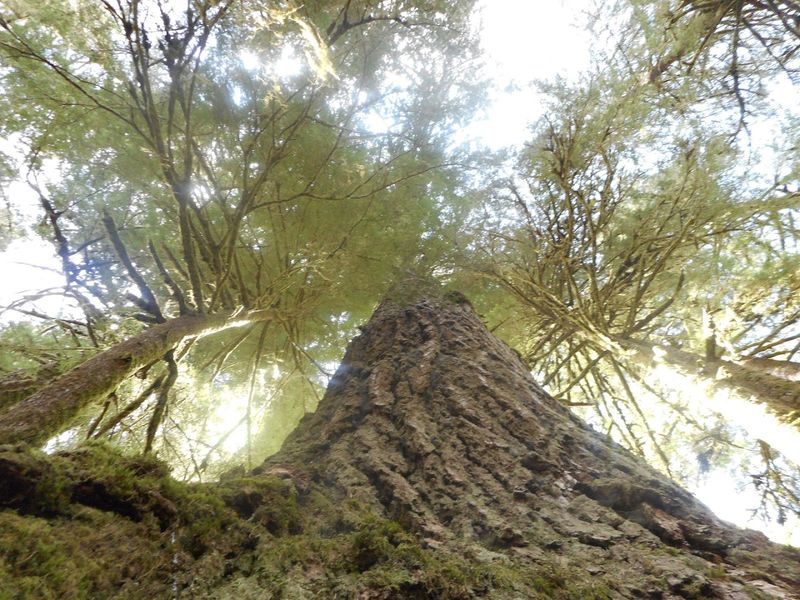
There is something that happens inside you when you stand next to a tree that is four centuries old. It is hard to put into words, but almost everyone who visits the Valley of the Giants tries anyway.
Words like humbling, spiritual, and awestruck come up again and again.
These trees were already enormous when the first European settlers arrived in Oregon. They were growing during events that shaped the entire world.
That kind of age is almost impossible to fully absorb while standing in a forest.
The experience has a way of shrinking your problems down to size. Whatever felt urgent before the hike tends to feel much smaller by the end of it.
That is not a cliche. It is just what old-growth forests do to people.
Visitors with decades of experience in the timber industry have described these trees as unlike anything they expected. That reaction from people who have spent their careers surrounded by wood is telling.
The Valley of the Giants earns every bit of its reputation. Come ready to feel small in the best possible way.
Tips for First-Time Visitors to the Valley of the Giants
First-time visitors should call the Bureau of Land Management office in Salem before making the trip. Road closures happen without much public notice.
A quick call confirms whether the access route is open and passable on the day you plan to go.
Download offline maps and write down the directions by hand if possible. The VOG orange markers along the road are helpful, but knowing the general route in advance prevents a lot of confusion.
Falls City is your last reliable stop for any supplies.
The trailhead parking area fits only a handful of cars. Arriving early on weekends increases your chances of finding a spot without stress.
Weekday visits tend to be quieter overall, which is a real bonus in such a peaceful place.
Give yourself a full day for this adventure. The drive alone takes most of the morning.
Factor in time to explore slowly, eat lunch near the river, and drive back before dark. The gate near the road closes about an hour after sunset.
Knowing that ahead of time means you can plan your return without rushing.
