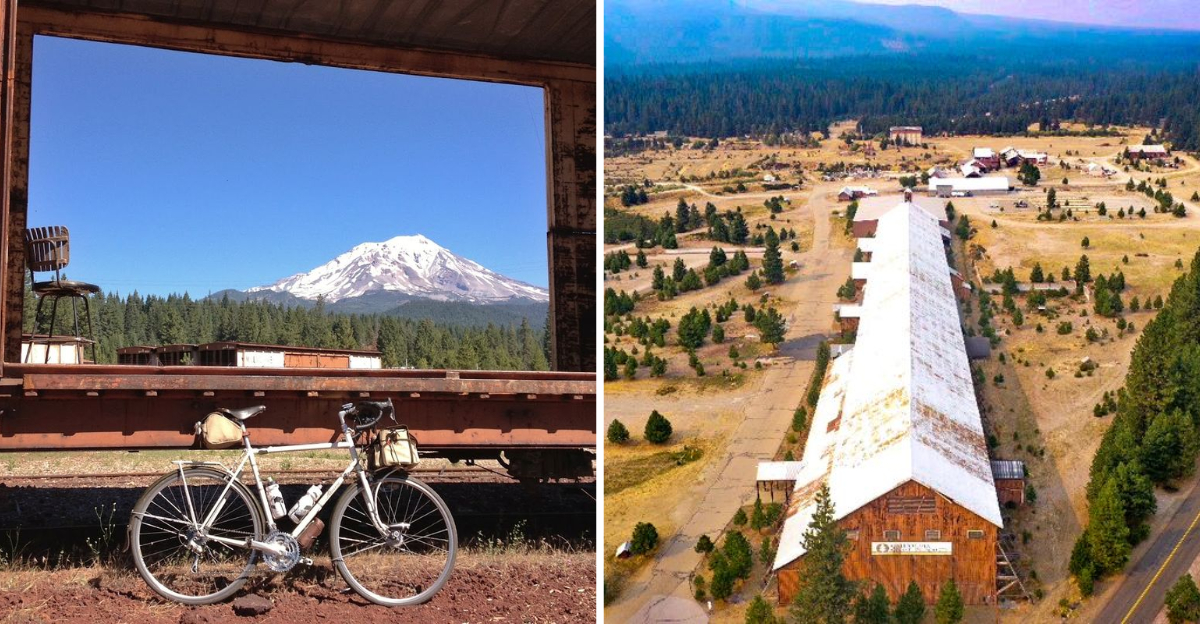
A small town nestled beneath a towering mountain peak feels like it belongs to a different era entirely. Crisp air fills quiet streets while old mill buildings still carry the weight of a story most people have never heard.
I stumbled across this place almost by accident, and what I found blew my mind in the best possible way. This town did not just sit at a mountain’s base.
It actually dug into one, pulling out a resource so valuable it crossed oceans. A volcanic rock called pumice came out of here.
Workers shipped pumice thousands of miles away, where manufacturers used it to stone-wash denim jeans. One single fact turned a sleepy mountain town into one of the most fascinating industrial stories in the entire region.
Volcanic rock touched your grandparents’ jeans. A hole in a mountain connected to fashion across an ocean.
Who knew a quiet place could hide such a wild secret?
The Town That Time Almost Forgot
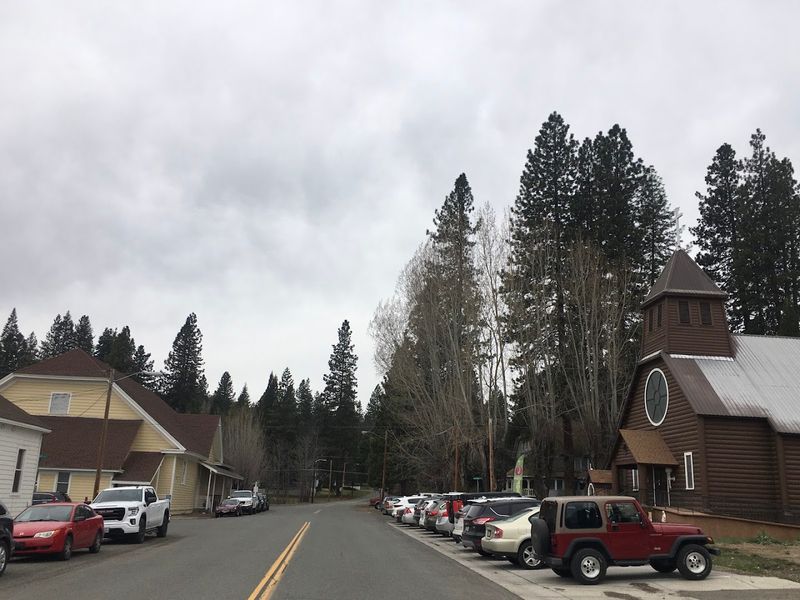
McCloud sits at about 3,300 feet above sea level, tucked into the pines of Siskiyou County like it has something to hide. Most people blow past it on their way to Mount Shasta or Crater Lake, and honestly, that’s their loss.
The town has a population of just over a thousand people, which means everybody knows everybody, and the pace of life here is genuinely unhurried.
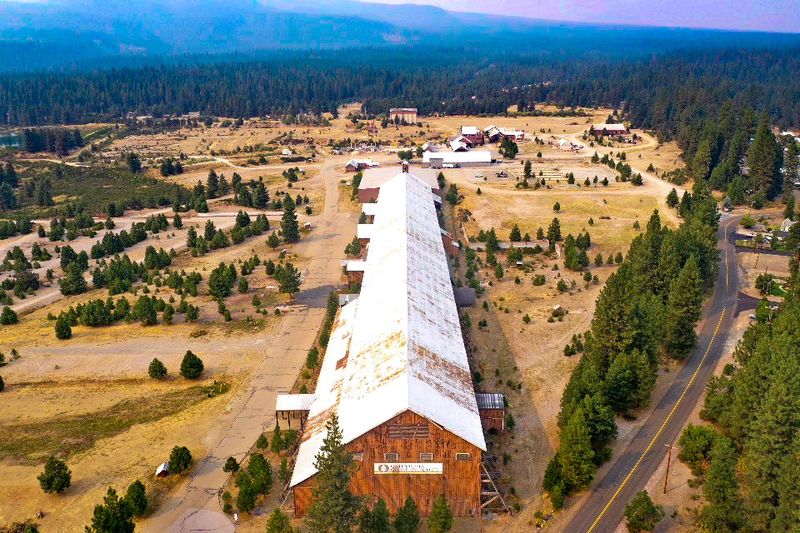
It was originally built as a company town by the McCloud River Lumber Company in the late 1800s. The company owned the houses, the stores, and basically the whole town for decades.
That setup gave McCloud its unusually uniform, well-preserved look, with rows of tidy cottages and wide streets that still feel almost staged.
The lumber industry eventually faded, but the town held on. New industries moved in, and the community found ways to reinvent itself without losing its character.
There’s a warmth to McCloud that’s hard to explain until you’ve spent an afternoon there, chatting with locals on a front porch or watching the light shift through the trees. It’s the kind of place that stays with you.
Mount Shasta’s Hidden Volcanic Secret
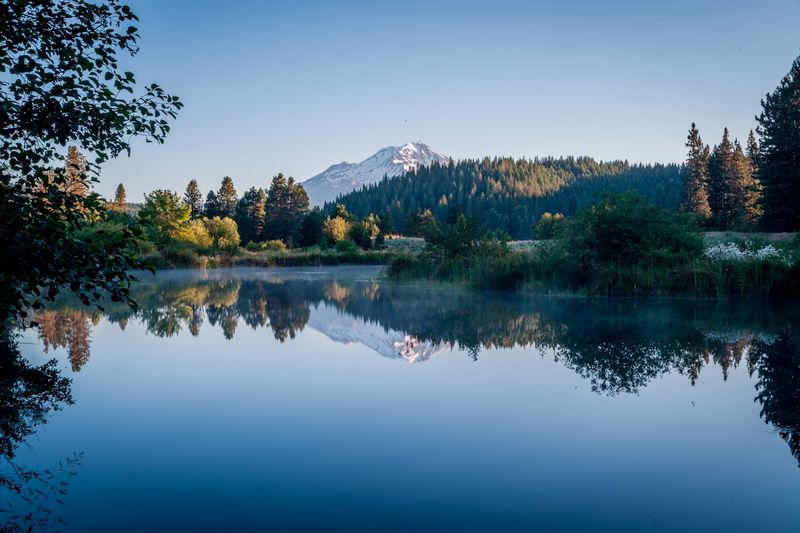
The mountain looming over McCloud isn’t just a postcard backdrop. Mount Shasta is a massive stratovolcano, and its volcanic history left behind something surprisingly useful buried in the surrounding hillsides.
Pumice, a lightweight, porous volcanic rock, formed when lava cooled rapidly and gas bubbles got trapped inside. The result is a rock that feels almost fake because it’s so light it can actually float on water.
Pumice deposits around the McCloud area turned out to be exceptionally high quality. The rock had the right texture, the right density, and the right abrasive properties to make it commercially valuable.
That combination doesn’t happen everywhere, which made this particular location geologically special.
For most of its history, the pumice just sat there, part of the landscape nobody paid much attention to. It wasn’t until the global denim industry started looking for a specific kind of abrasive material that someone looked at those volcanic hillsides and saw a business opportunity.
The mountain had been quietly holding onto something the world would eventually want, and McCloud happened to be sitting right on top of it. That’s the kind of geological luck that changes a small town’s story completely.
How Pumice and Blue Jeans Changed Everything
Stonewashed jeans became a massive fashion trend starting in the 1980s, and behind that look was a surprisingly simple process. Pumice stones were tossed into giant industrial washing machines along with denim fabric.
The abrasive surface of the pumice wore down the denim unevenly, creating that faded, broken-in look that became iconic in fashion worldwide.
The demand for pumice exploded almost overnight. Denim manufacturers needed huge quantities of the right kind of pumice, and not just any volcanic rock would do.
It had to be consistent in texture and density, and the deposits near McCloud fit the requirements almost perfectly.
I find it genuinely remarkable that a fashion trend born on runways and in music videos was quietly powered by a tiny mountain town in Northern California. The pumice mined from the hillsides near McCloud made its way into factories that produced jeans sold in stores around the world.
Every pair of stonewashed jeans from that era had a little piece of a California volcano in its DNA. It’s one of those hidden connections between everyday products and obscure places that makes the world feel both smaller and more interesting at the same time.
The Journey From California to Turkey
Turkey became one of the world’s leading producers of stonewashed denim during the late 20th century. Turkish textile factories were churning out jeans at an enormous scale, and they needed a reliable supply of quality pumice to keep up with demand.
That’s where the McCloud connection comes in.
Pumice mined near McCloud was bagged, loaded onto trucks, and transported to ports where it was shipped across the Pacific and eventually into the hands of Turkish denim manufacturers. The logistics of moving a heavy, bulky volcanic rock across the globe aren’t simple or cheap, but the quality of the material made it worth the effort.
Turkey’s denim industry was competitive and specific about what it needed.
There’s something poetic about a rock formed by a volcano in Northern California ending up in a factory in Istanbul or Bursa, rubbing up against fabric that would eventually be worn by someone in Paris or Tokyo. The supply chain connecting McCloud to Turkey is a perfect example of how global commerce works in unexpected ways.
Small places produce things the world needs, and somehow the logistics figure themselves out. McCloud’s mountain literally traveled the world, one bag of pumice at a time.
Mining Operations on the Mountain
Pumice mining isn’t as dramatic as gold mining, but it’s no small operation either. Near McCloud, the pumice deposits were close enough to the surface that open-pit extraction made sense.
Heavy machinery scraped and scooped the lightweight rock from the hillside, and the material was then processed, sorted, and bagged for shipment.
The environmental footprint of pumice mining is different from hard rock mining. There’s no smelting, no toxic chemical processing, and no massive tailings piles leaching into waterways.
But it still changes the landscape, leaving behind pale gray scars on hillsides that were once covered in pines and volcanic soil.
Local residents had mixed feelings about the operations, as communities near extractive industries often do. The jobs were real and the income mattered, but so did the character of the land.
The mining activity near McCloud was part of a broader pattern of small-scale resource extraction that kept rural Northern California economies alive during decades when logging was in decline. It’s a complicated legacy, one that’s hard to judge cleanly from the outside.
The mountain gave, and the town took, and the world got its blue jeans. That’s the deal that was made.
McCloud Today: A Town Redefining Itself
McCloud has been quietly reinventing itself for years now, and it’s doing a pretty good job. The old company-town infrastructure, which could have felt like a burden, has actually become an asset.
The historic cottages and community buildings give the town a cohesive, photogenic quality that attracts visitors looking for something authentic.
The McCloud Hotel, a beautifully restored historic property, draws travelers who want comfort without the sterile feel of a chain hotel. The surrounding forests offer hiking, fishing, and access to some of the most dramatic scenery in California.
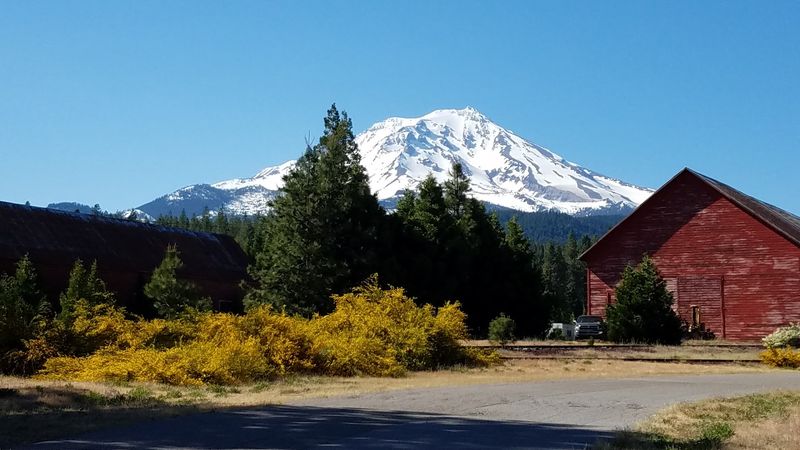
Mount Shasta looms over everything, and on clear days, the view from town is enough to make you stop whatever you’re doing and just look.
Local businesses have leaned into the town’s character rather than trying to modernize it into something generic. There are small shops, a handful of good places to eat, and a genuine sense of community pride.
The mining history isn’t loudly advertised, but locals know the story and will tell it if you ask. McCloud is proof that small towns can find new identities without erasing the ones they already have.
It just takes some patience and a willingness to let the place be itself.
Why McCloud Is Worth the Detour
Most Northern California road trips follow the same script: San Francisco, Napa, maybe up to Redwood National Park if you’re ambitious. McCloud almost never makes the list, and that’s exactly what makes it worth going out of your way for.
The town rewards the kind of traveler who slows down and pays attention.
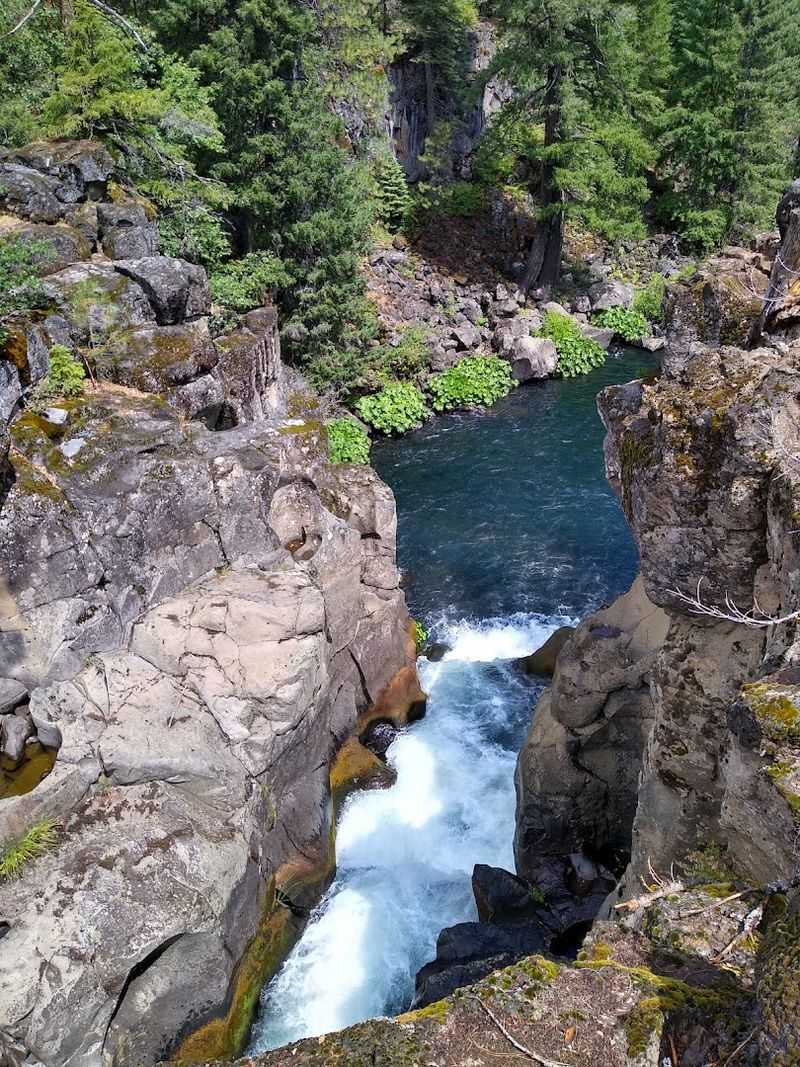
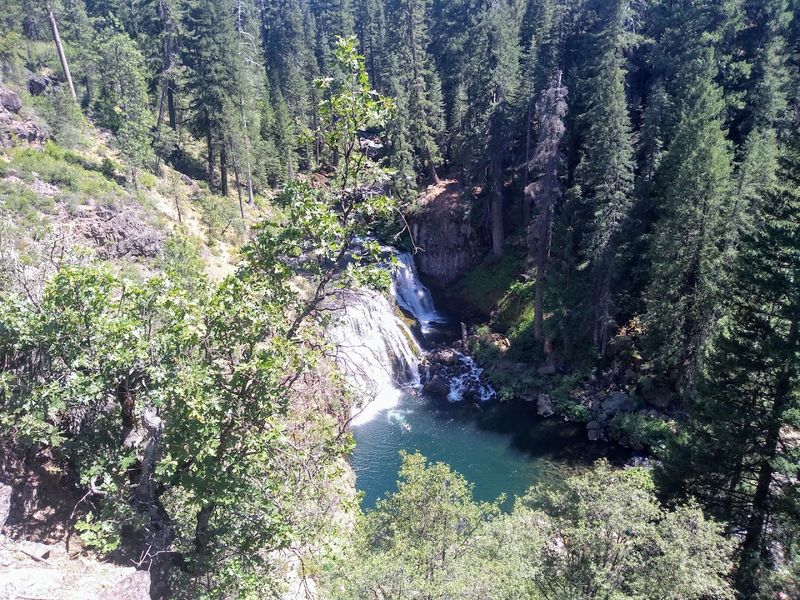
McCloud Falls is one of the legitimate highlights of the area. The trail along the McCloud River passes three separate waterfalls, each with its own personality, and the whole hike is manageable for most fitness levels.
The river itself is cold and clear, fed by snowmelt and springs, and the sound of it running through the forest is deeply calming.
Beyond the natural scenery, there’s the story of the place itself. A town that mined its mountain and sent the results to Turkey to make blue jeans is not a story you hear every day.
It’s the kind of detail that makes a destination feel layered and real, not just scenic. I left McCloud thinking about it for days afterward, which is usually the sign of a place that got under my skin in the best way.
Some towns give you a view. McCloud gives you a whole new way of thinking about where ordinary things come from.
