
You might not expect one of America’s top healthcare systems to be in Oregon, but here we are. This town has quietly built a reputation for medical excellence that draws patients from across the region.
The local hospitals are known for cutting-edge treatments and specialists who are leaders in their fields. Residents have access to care that rivals the best in the country, without the hassle of traveling to a major metropolis.
The system is comprehensive, covering everything from routine checkups to complex surgeries.
Oregon has proven that you do not need to live in a huge city to get world-class medical care. This town is living proof that quality healthcare can thrive anywhere.
Oregon Health and Science University, The Crown Jewel of Portland Medicine

Perched high on Marquam Hill, Oregon Health and Science University feels like its own small city dedicated entirely to healing and discovery. Known widely as OHSU, this institution is Oregon’s only public academic health center, and it punches well above its weight on a national scale.
I remember first seeing the aerial photos of the campus and thinking it looked more like a futuristic research hub than a hospital.
OHSU combines patient care, medical education, and cutting-edge research all under one roof. Its affiliation with top research programs gives Portland patients access to clinical trials and treatments that most smaller cities simply cannot offer.
The tram connects the hilltop campus to the South Waterfront district below. It has become a beloved Portland landmark in its own right.
For anyone dealing with complex medical conditions, OHSU represents a genuine lifeline. The university’s commitment to serving underinsured and rural Oregon patients makes it more than elite. It is a pillar of regional health equity.
Providence Health and Services, A Legacy of Compassionate Care

Providence has been woven into Portland’s healthcare fabric for well over a century. That kind of staying power does not happen by accident. Providence Portland Medical Center sits on the northeast side of the city.
It continues to rank among the region’s top-performing hospitals year after year. There is something reassuring about an institution that has grown alongside the city rather than simply arrived to profit from it.
The Providence system operates multiple facilities across the Portland metro area, making care accessible across neighborhoods with very different demographics and needs. Their cancer care, cardiac services, and neurology programs receive consistent recognition.
It is the kind of breadth that makes a real difference when someone needs specialized help fast.
What stands out most is their community outreach work. Providence invests heavily in programs targeting health disparities, running free clinics and partnering with local nonprofits. That blend of high-level clinical excellence and grassroots community engagement is genuinely rare.
Legacy Health System, Connecting Portland’s Communities Through Medicine

Legacy Health is one of those systems that quietly holds a city together. It operates several hospitals across the Portland metro area. Legacy Emanuel Medical Center on the north side is perhaps their most recognized facility.
It has long earned respect for trauma care and burn treatment. The burn center at Legacy Emanuel is one of the few Level I trauma-designated programs in the Pacific Northwest.
What makes Legacy feel distinct is how spread out and intentional its reach is. Legacy did not cluster everything downtown. Instead, it planted roots across different neighborhoods and even into the suburbs. That means more Portlanders can access quality care without long commutes.
That geographic strategy reflects a genuine understanding of how diverse and sprawling the metro area really is.
Legacy also runs a robust research program and partners with regional universities to keep its clinical practices current. For families navigating serious illnesses, the continuity of care across Legacy’s network is a significant comfort.
I think that kind of seamless coordination is something patients often underestimate until they actually need it.
Portland’s Federally Qualified Health Centers, Care for Every Neighborhood

Not every aspect of Portland’s healthcare excellence shows up in hospital rankings. The city’s network of Federally Qualified Health Centers is proof of that. These clinics serve patients regardless of their ability to pay.
They operate on sliding-scale fees that make primary care accessible to low-income residents, immigrants, and unhoused individuals. That is not a small thing in a city still grappling with serious affordability challenges.
Organizations like Central City Concern and Outside In have built healthcare delivery models that treat the whole person. Addressing mental health, housing instability, and substance recovery alongside traditional medical care.
It is integrated, human-centered medicine at its most practical. I find that model genuinely inspiring because it reflects what healthcare should look like everywhere.
These centers keep Portland’s most vulnerable residents from falling through the cracks of a system that often forgets them. They reduce emergency room overcrowding, catch chronic conditions early, and build real trust within communities that have historically been skeptical of mainstream medicine.
Mental Health Infrastructure, Portland Takes the Crisis Seriously

Mental health has become one of the defining public health conversations of our time, and Portland is not shying away from it. The city has invested in expanding mental health services through a combination of public funding, nonprofit partnerships, and innovative crisis response programs.
Lines for Life, a Portland-based organization, operates crisis hotlines and prevention programs that have served Oregonians for decades.
The city also launched alternative crisis response teams that pair mental health professionals with first responders. Reducing the burden on police and ensuring people in psychological distress get appropriate care rather than criminalization.
It is a model other cities have started watching closely. Progress is never perfectly linear, but Portland is genuinely pushing in the right direction here.
Community mental health clinics, telehealth options, and school-based counseling programs have all expanded in recent years. For a city its size, Portland’s mental health ecosystem is notably layered.
Access remains a challenge, especially for the uninsured, but the infrastructure being built today is meaningfully better than what existed a decade ago.
Doernbecher Children’s Hospital, Where Young Patients Get World-Class Care

Few things say more about a city’s healthcare values than how it treats its youngest and most vulnerable patients. Doernbecher Children’s Hospital, nestled within the OHSU campus, is consistently recognized as one of the top pediatric hospitals in the Pacific Northwest.
Families travel from across Oregon and beyond to access its specialized programs in pediatric oncology, cardiology, and neurology.
What makes Doernbecher feel different from a cold clinical environment is the deliberate effort to make it less intimidating for kids and their families. Local artists have decorated patient rooms, and family support services are woven into the care model from day one.
That attention to emotional wellbeing alongside physical treatment reflects a philosophy that is both modern and deeply humane.
The hospital also runs outreach programs that bring pediatric specialists to rural Oregon communities via telehealth, which is a genuine game-changer for families who cannot easily travel to Portland.
Every child deserves that level of care, not just those lucky enough to live near a major medical center. Doernbecher seems to understand that deeply.
Portland’s Preventive Health Culture, Wellness Built Into Daily Life
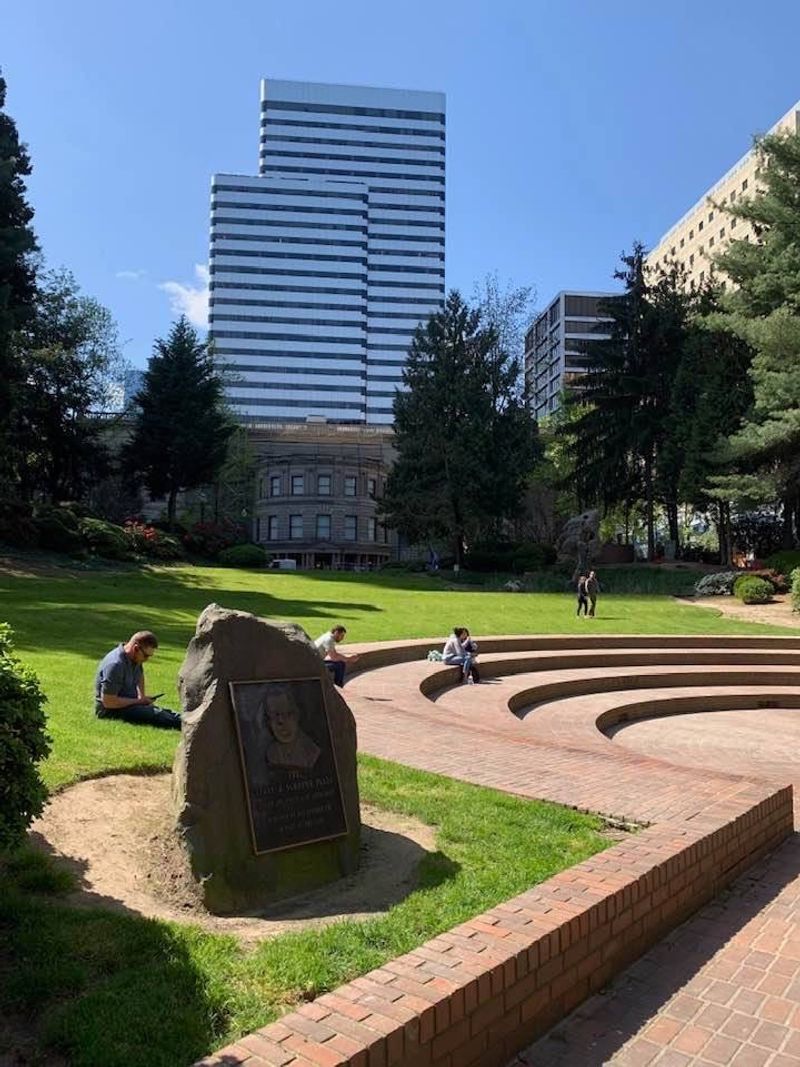
Healthcare quality is not just about what happens inside hospital walls. Portland’s broader culture of physical activity, outdoor engagement, and environmental awareness creates a population that tends to prioritize prevention over reaction.
The city’s extensive network of parks, cycling infrastructure, and walkable neighborhoods genuinely supports healthier daily habits in ways that reduce long-term healthcare burdens.
Portland consistently ranks among the most bike-friendly cities in the country, and that is not just a fun statistic. Active commuting and recreational movement have measurable effects on cardiovascular health, mental wellbeing, and chronic disease rates.
I always notice how many people here seem to treat movement as a natural part of life rather than something that requires a gym membership.
Farmers markets, community gardens, and a strong local food culture also contribute to better nutrition outcomes across the city. The connection between environment and health is something Portland seems to intuitively understand.
Building a healthy city from the ground up, block by block, park by park, is its own form of preventive medicine.
Research and Innovation at OHSU, Pushing Medicine Forward

OHSU’s research enterprise is one of the most compelling reasons Portland earns national recognition in healthcare.
The university attracts hundreds of millions of dollars in research funding annually, supporting work in cancer biology, neuroscience, cardiovascular medicine, and infectious disease. That level of scientific activity has real consequences for patients, both locally and globally.
The Knight Cancer Institute at OHSU, launched with a transformative philanthropic gift, has become a nationally recognized center for early cancer detection research.
The core idea behind its approach is catching cancer before it becomes deadly, which is exactly the kind of bold thinking that defines great medical institutions. It is research with urgency and purpose baked in.
Collaborations between OHSU researchers and Portland’s growing biotech sector have created a small but energetic life sciences ecosystem in the city. Startups, clinical trial programs, and academic partnerships all feed into a cycle of innovation that keeps Portland on the cutting edge.
For a city of its size, that scientific footprint is genuinely impressive and worth celebrating.
Health Equity Initiatives, Portland Confronts Its Disparities Head-On

Portland is not a perfect city when it comes to health equity, and the most honest accounts of its healthcare system acknowledge that openly. Racial and socioeconomic disparities in health outcomes persist here just as they do in most American cities.
But what sets Portland apart is the serious, sustained effort to name those gaps and work toward closing them.
Multnomah County Health Department runs targeted programs addressing maternal health disparities, diabetes management in underserved communities, and culturally specific outreach to immigrant and refugee populations.
These are not token gestures. They are funded, staffed programs with measurable goals and public accountability built in.
Community organizations led by people of color have partnered with larger health systems to deliver care in culturally competent ways that actually reach the communities most in need.
That kind of partnership, between institutional medicine and grassroots community knowledge, is where real progress gets made. Portland still has work to do, but the direction of travel feels genuinely intentional rather than performative.
Why Portland’s Healthcare Ranking Reflects Something Real About the City

Rankings can feel abstract until you connect them to the actual experiences of real people in a real city. Portland’s reputation as a healthcare leader is not built on a single world-famous hospital or one flashy research breakthrough.
It is built on layers: academic medicine, community clinics, preventive culture, mental health infrastructure, pediatric excellence, and a genuine if imperfect commitment to equity.
That combination is harder to achieve than it might sound. Most cities excel in one or two areas while neglecting others. Portland has somehow managed to build something that works across multiple dimensions simultaneously, which is what makes it genuinely worth paying attention to.
It is not perfect, but it is cohesive in a way that matters.
For anyone considering Portland as a place to live, retire, or simply visit, knowing the city has this kind of healthcare backbone adds a layer of reassurance that goes beyond the food carts and forest hikes. Good healthcare is a foundation.
Portland has built one worth trusting, and that says something real about what this city values most.
