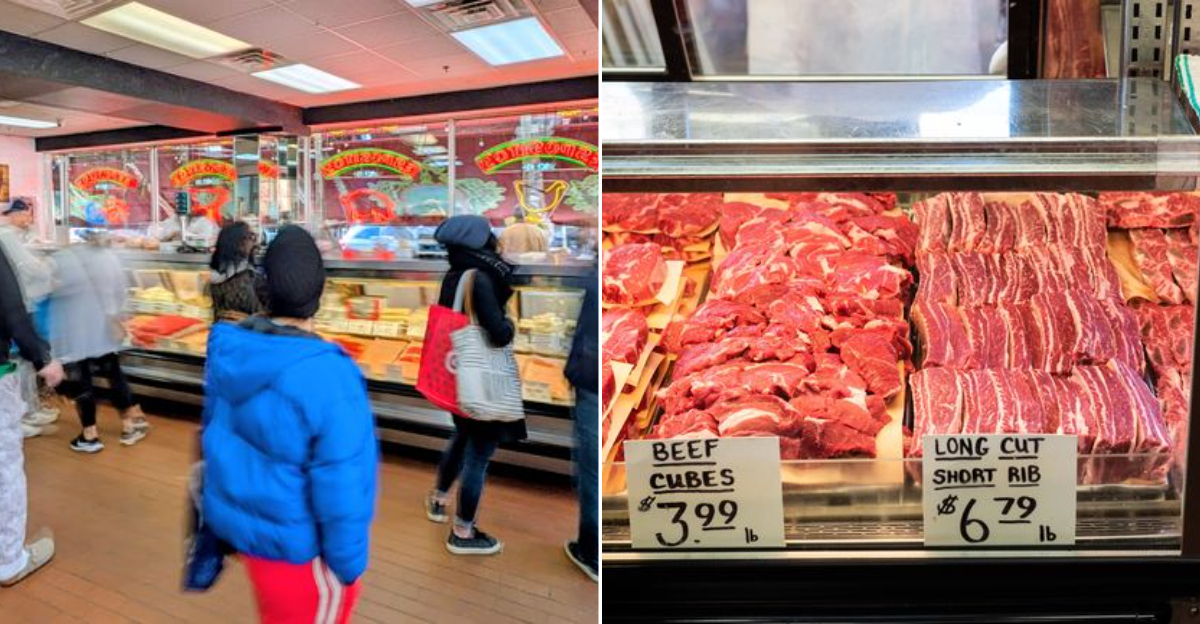
One hundred years. Same family. Same butcher block. Same perfect cut of sausage.
That is what you get at this Pennsylvania Italian market, where the old-school craft has outlived every trend and food fad that came and went.
The butchers do not use fancy displays or marketing tricks. They just know meat.
Sausages are twisted by hand, prosciutto is sliced paper thin, and the smell of garlic and oregano hits you before you even reach the counter.
You can watch them work through a cloud of flour and confidence.
No computers, no apps, no nonsense. Just a century of steady hands and a line of customers who refuse to go anywhere else.
Pennsylvania still has places that refuse to modernize for the sake of it. This is one of the best.
The Market Energy Hits You First
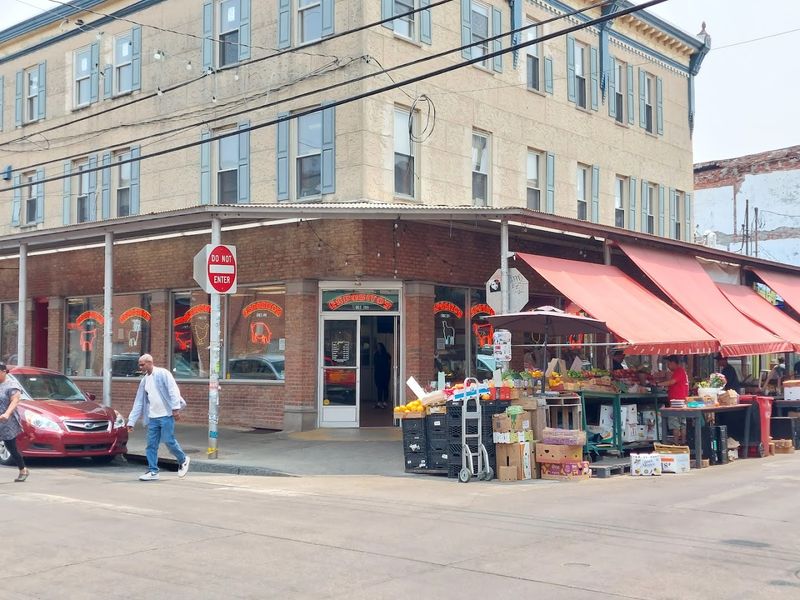
The first thing I would tell you is to let yourself arrive slowly, because this stretch of the Italian Market does not work if you treat it like a quick errand. The block has that busy, familiar Philadelphia energy where people are clearly on a mission, but the old storefronts still make you want to pause and take everything in.
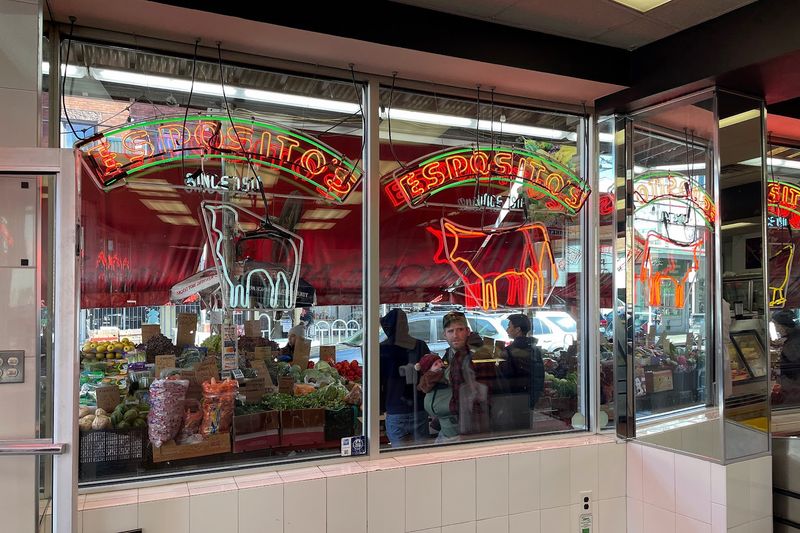
By the time Esposito’s comes into view, you already feel like you have stepped into a piece of Pennsylvania that never stopped doing things the hands-on way.
What makes that feeling stick is the contrast between motion and steadiness, because the street keeps moving while the shop seems deeply settled in its own identity. You notice the market atmosphere around it, then the sense that this butcher has earned its place instead of borrowing charm from the neighborhood.
That difference matters more than people think, and you can feel it before anyone says a word.
I like places that give you a reason to pay attention without begging for it, and this is absolutely one of them. The whole scene feels practical, warm, and unmistakably local in a way that makes you trust your instincts right away.
You are not just looking at an old business here, you are watching a living part of South Philadelphia hold its ground.
Where The Family Story Still Feels Close
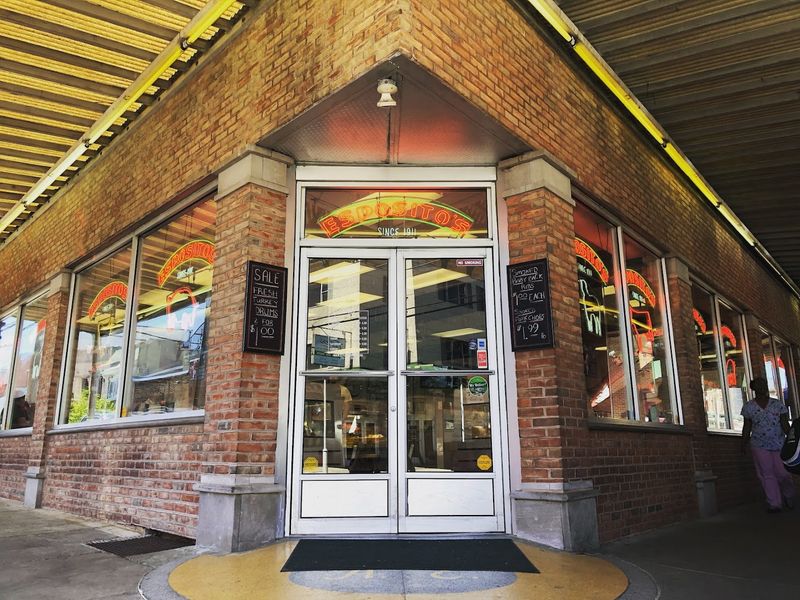
Here is where the story really settles in, because Esposito’s Meats at 1001 S 9th St, Philadelphia, PA 19147 is not floating on reputation alone. This shop traces back through generations of family work, and you can feel that continuity in the way people talk about it, not like a slogan, but like something they have watched endure.
In a city full of food memories, that kind of staying power lands differently.
I always think family-run places reveal themselves through small details, especially when the business has grown without losing its original spine. Esposito’s began with beef, expanded over time into other meats, and built a name around fresh hand-cut work and custom cuts, all while remaining rooted in South Philadelphia.
That mix of adaptation and consistency is probably why it still feels relevant instead of nostalgic.
And honestly, that is what makes this place easy to care about when you visit Pennsylvania with even a little curiosity about food culture. You are not looking at some frozen museum piece, because the shop has kept moving with the needs of the neighborhood and the region.
It still feels like a working butcher shop first, which is exactly why the history carries real weight.
Inside, It Feels Like Work Still Matters
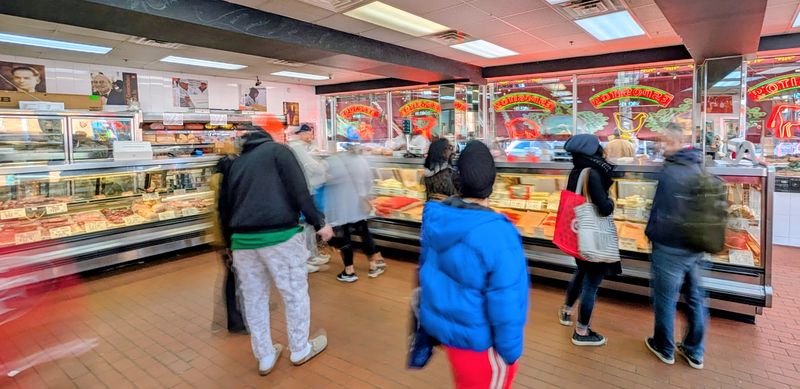
Once you are inside, the mood shifts from street bustle to something more focused, and I mean that in the best possible way. The room feels built around work, not spectacle, with the kind of practical layout that tells you people here are used to handling serious volume without turning the place into a performance.
That old-school atmosphere is exactly what makes the experience stick with you.
You notice the cases, the order, the sense that everything has a purpose, and it all adds up to a shop that respects craft without getting precious about it. I think that is why Esposito’s feels so grounded, because nothing about the place seems arranged to flatter visitors who want a staged version of tradition.
Instead, you get the real thing, which is cleaner, sharper, and more convincing than any themed version could ever be.
There is also something reassuring about a butcher shop that still feels like a butcher shop, especially now when so many food spaces are chasing a softer, more generic look. This one still carries that directness that says the product and the skill come first.
If you care about places with a backbone, South Philadelphia gives you one here without any extra fuss.
The Hand-Cut Tradition Is The Real Draw
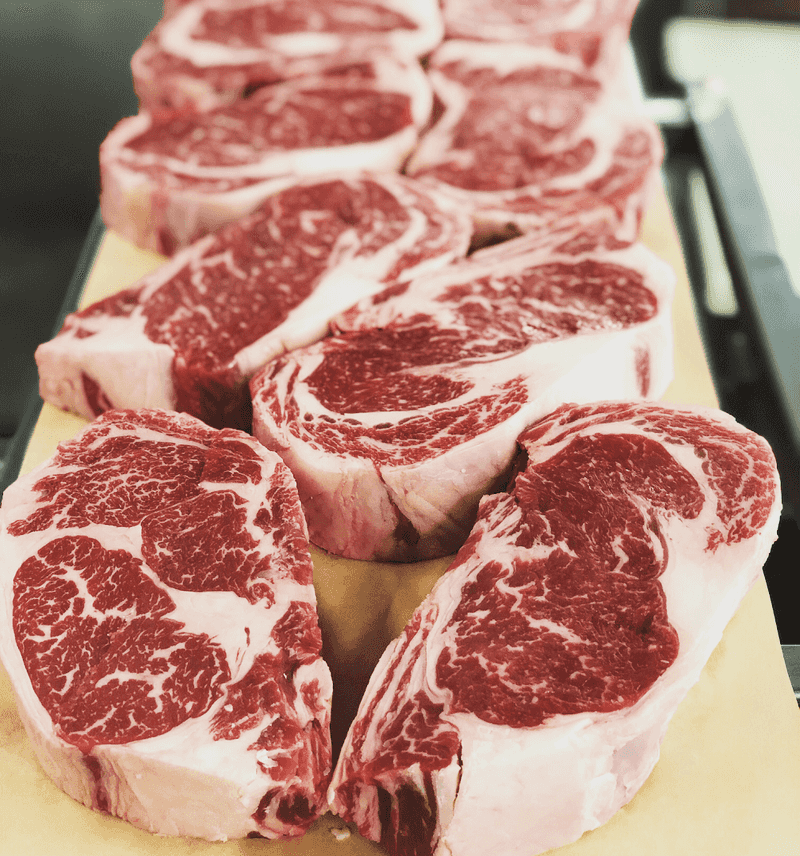
What really pulls me in here is not just the age of the shop, but the fact that the central promise is still hand-cut meat. That phrase gets thrown around too easily these days, yet at Esposito’s it connects to an actual working tradition shaped by experience, repetition, and attention.
You can feel the difference when a place is built on skill instead of speed alone.
They became known for fresh cuts and custom work, and that matters because it tells you the shop was never only about putting standard packages in front of people. It was about knowing what to do with the product, knowing what customers needed, and keeping that relationship practical and personal.
That kind of butcher culture has deep roots in Philadelphia, and here it still feels active rather than decorative.
I think travelers sometimes overlook how moving it can be to see craftsmanship survive in ordinary daily life instead of ceremonial settings. This is not history being recited at you from a plaque, because the method itself is the story.
When a business in Pennsylvania keeps that level of care visible over such a long stretch of time, it becomes more than a place to shop, and more like proof that some traditions stay useful because they are genuinely good.
There Is More Range Here Than You Might Expect
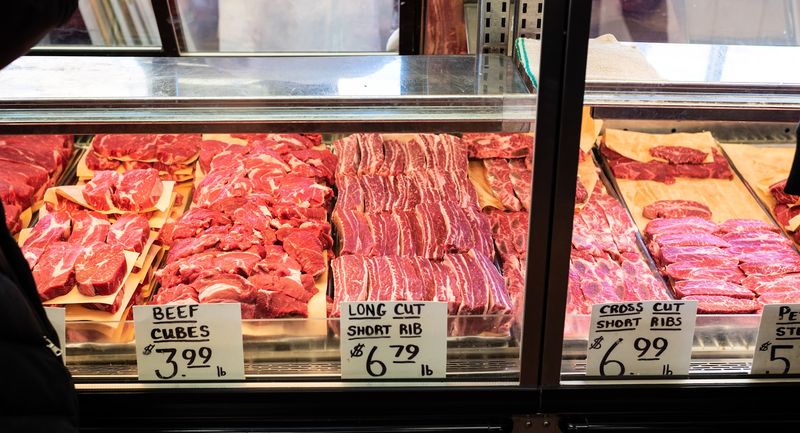
You might walk in expecting a narrow old-school butcher selection, but Esposito’s built its reputation by broadening what it offered while staying true to its core style. The shop started with beef and later expanded into poultry, pork, lamb, seafood, and game meats, which gives the whole place a wider frame than some visitors probably imagine.
That range makes the history feel dynamic instead of stuck in one chapter.
I find that especially interesting because expansion can easily dilute a business if it loses focus, yet that does not seem to be the story here. The variety reads less like a pivot and more like a response to changing cooks, changing kitchens, and a changing city that still wanted dependable butcher knowledge.
It is a smart reminder that tradition is not the same thing as standing still.
For you as a traveler, that means the shop is compelling on two levels at once, because it carries deep roots and a broader food story. You can appreciate the old-market feel, then realize the business stayed alive by meeting needs beyond a single specialty.
In Philadelphia, where food culture constantly layers old habits with new demands, that balance feels honest, and honestly, it makes Esposito’s even more impressive to spend time around.
The Staff Knowledge Gives The Place Its Pulse
A shop can have history on paper and still feel hollow in person, but that is usually not the case when experienced staff have stayed for the long haul. Esposito’s is known for longtime workers whose knowledge grew over decades, and that kind of continuity gives a place a pulse you can actually sense.
Skill settles into the room differently when it has been practiced day after day for years.
What I appreciate is that this sort of expertise rarely needs to announce itself with dramatic language. It shows up in confidence, in pace, in how a shop handles its regular flow without making everything feel rushed or chaotic.
When people have spent that much time learning cuts, routines, and customer habits, the whole business gains a quiet credibility that makes visitors trust what they are seeing.
That matters even if you are just stopping by to understand the market rather than fill a cooler, because atmosphere comes from people as much as architecture. In South Philadelphia, old storefronts can be beautiful, but the human knowledge inside them is what keeps them from becoming scenery.
Here, that living expertise is part of the reason the place feels so sturdy, and why this corner of Pennsylvania comes across as the real thing rather than a nostalgic imitation.
Why This Place Stays With You
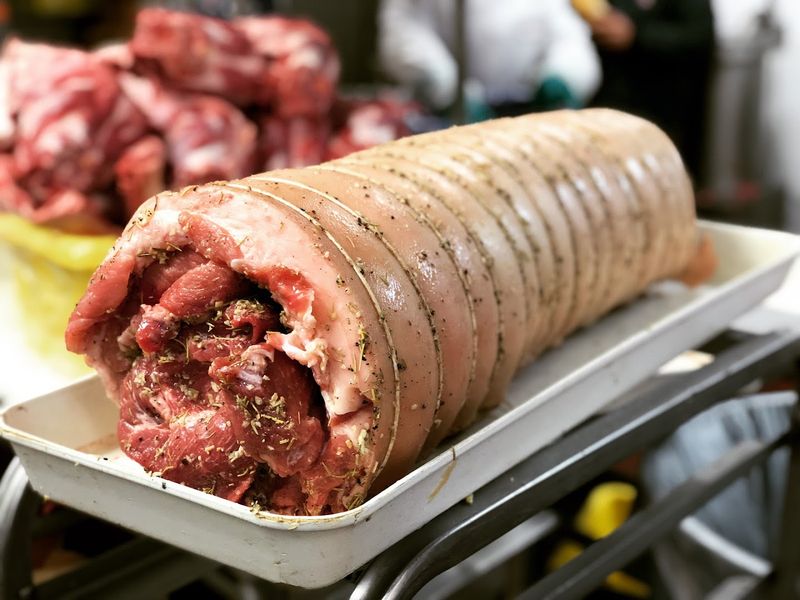
By the time you leave, what stays with you is not one dramatic feature, but the way everything adds up so naturally. The family history, the hand-cut tradition, the longtime staff, the resilient neighborhood support, and the market setting all reinforce each other until the place feels unusually complete.
That is a rare thing, and honestly, it is why Esposito’s lingers in your mind after the visit.
I think we remember spots like this because they still make ordinary work feel meaningful without turning it into theater. Nothing here needs to be overexplained, because the value is already built into the routines, the reputation, and the trust the shop has earned over time.
You walk away feeling like you saw something enduring in its natural habitat, which is much more satisfying than a polished heritage display.
If a friend asked me where to go in Philadelphia for a piece of Pennsylvania food culture that still feels grounded, I would send them here without overcomplicating it. Not because it is flashy, and not because it tries to win you over with nostalgia alone, but because it still carries itself with purpose.
And when a place can do that for this long in the middle of a busy city, you cannot help but respect it.
