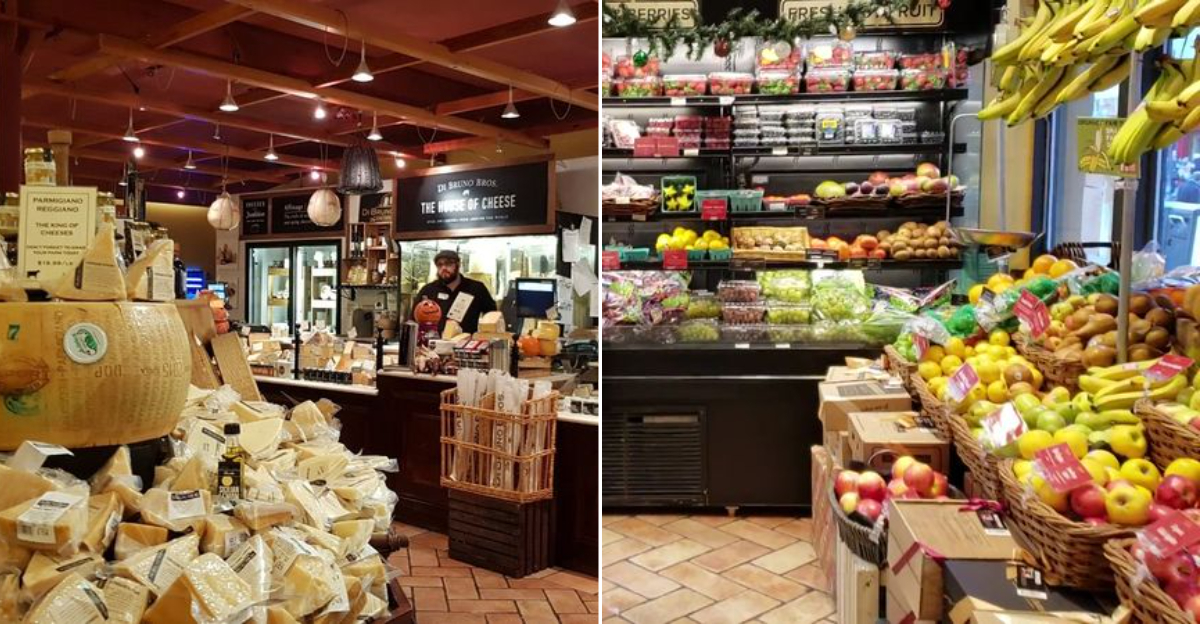
The scent of aged parmigiano and cured meats hits you before your eyes adjust to the low light of a tiny, jam-packed nook. That olfactory welcome belongs to a Philadelphia landmark that has been offering traditional gourmet imports for more than 80 years.
Two Italian immigrant brothers with little more than a third-grade education opened this 900-square-foot shop in 1939. They believed in the power of a free sample, a good story, and a genuine smile.
Today, that same cramped storefront still houses a cheese cave, a charcuterie station, and fifty feet of specialty ingredients from floor to ceiling.
Generations of the same family have run the business, expanding without ever losing the charm of the original location, which the late Anthony Bourdain called an essential stop on any visit to the city.
So which South Philadelphia institution has been enchanting food lovers for nearly a century, turning a passion for cheese into a beloved American dream? Follow the line of customers spilling onto the sidewalk, step into the warm chaos, and taste the history for yourself.
Why The Room Feels So Different
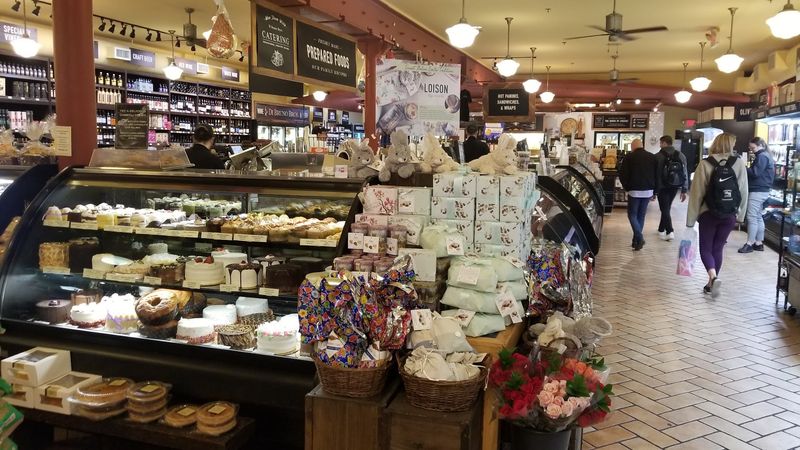
The first thing that got me was not even a specific product, because the whole room has this settled, confident energy that makes you trust it right away. Nothing feels staged for tourists, and that matters, because you can tell people come here to actually shop, wander, ask questions, and leave carrying something they are excited to eat later.
It feels like a market that learned long ago how to be useful and charming at the same time.
There is a kind of visual fullness here that really works on you, with shelves lined in a way that makes every corner feel worth checking twice. You catch jars, boxes, wedges, and wrapped specialties from the side of your eye, and then suddenly you are leaning in closer because something about the label, the color, or the arrangement just pulls you over.
That little rhythm of noticing and circling back is half the fun.
I also love that it still feels rooted in Pennsylvania, even while the whole place is clearly built around Italian flavors and traditions. You are not stepping into a theme, and you are not getting a cleaned-up imitation of a market either, because this one feels genuinely worn in by appetite and habit.
That is why staying a while feels easy.
Where To Find It And Why That Matters
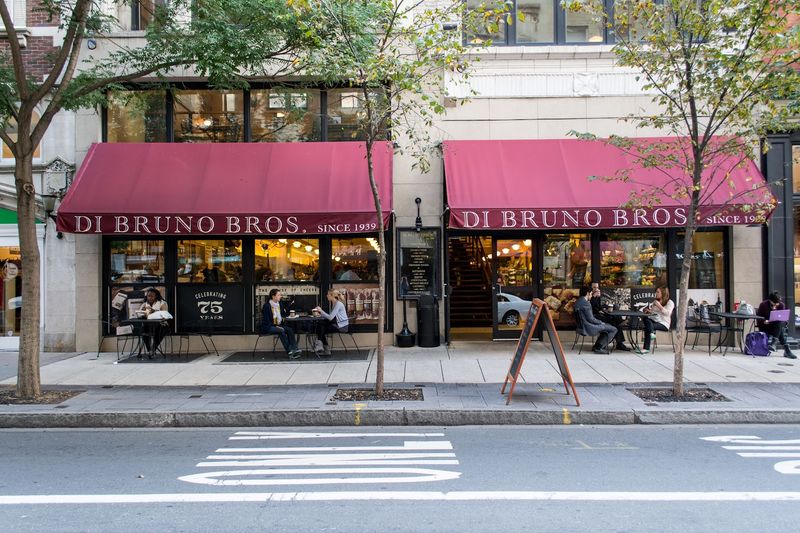
What makes this location especially fun is that it sits right in the middle of a part of Philadelphia where you are already walking, looking around, and half deciding what sounds good next. Di Bruno Bros. is at 1730 Chestnut St, Philadelphia, PA 19103, and it fits that stretch of the city so naturally that stepping inside feels like the next right move instead of a planned mission.
You can drift in casually and still come out feeling like you found the highlight of the afternoon.
Chestnut Street gives it a little extra energy, because there is that familiar Center City mix of movement, storefronts, and people carrying on with their day. Then you open the door and the pace changes just enough to make the visit feel distinct, like the city noise lowers and your attention shifts to what is stacked, sliced, wrapped, and waiting.
I always think places earn their reputation partly by how well they belong to their block, and this one absolutely does.
It also helps that Pennsylvania has a long memory for markets that actually serve neighborhoods, not just passing curiosity. This shop feels plugged into that tradition without making a speech about itself.
It simply lets the experience do the talking, and honestly, that works beautifully.
The Cheese Counter Pulls You In
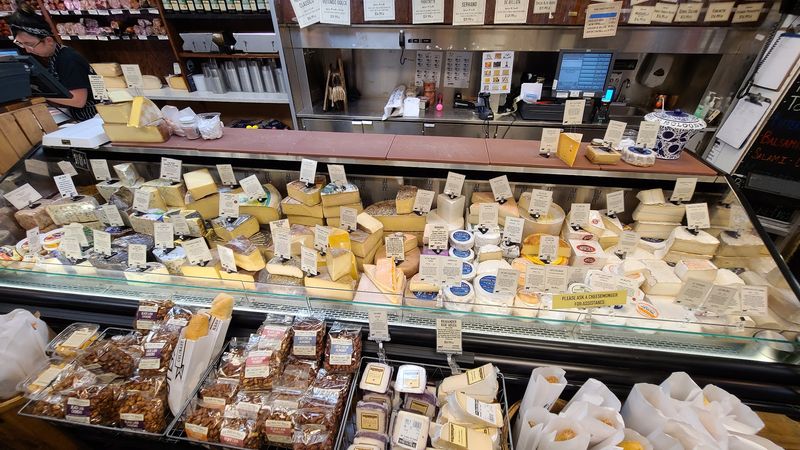
You know that moment when you tell yourself you are just browsing, and then the cheese counter quietly wrecks that plan? That is exactly what happens here, because the display has so much character and variety that it becomes impossible to pass without slowing down and really looking.
Even if you are not a person who talks about cheese all the time, this setup turns you into one for a while.
Part of the charm is that the counter does not feel intimidating, even though the selection clearly knows what it is doing. You can lean in, scan the different textures and colors, and start imagining what would go with bread, olives, fruit, or a very lazy dinner back at your hotel or apartment.
It invites curiosity instead of performance, which is such a relief when food shopping can sometimes feel weirdly showy.
I also think this is where the old gourmet-import identity becomes easiest to understand, because you are looking at something tactile, fragrant, and deeply tied to tradition. Pennsylvania has plenty of good food stops, but few places make specialty shopping feel this grounded and approachable.
You leave the counter feeling a little smarter, a little hungrier, and very glad you stopped in when you did.
The Imported Pantry Is The Real Trap
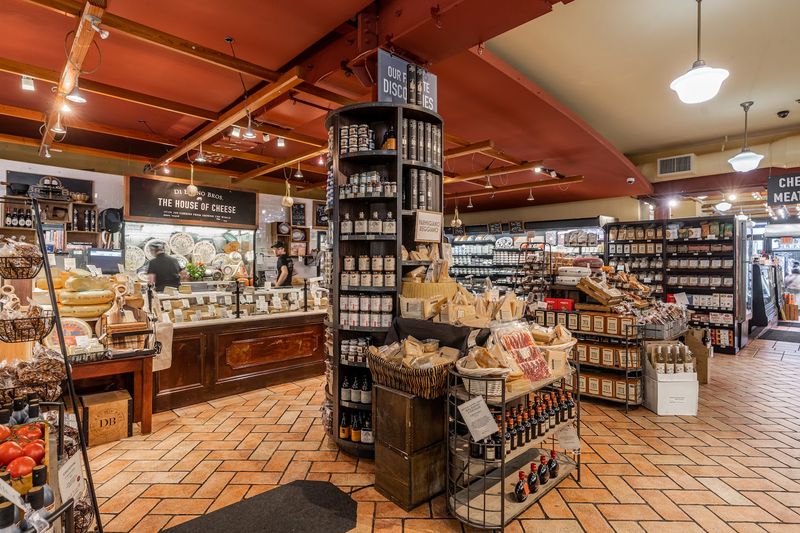
Honestly, the pantry shelves are where self-control starts slipping, because every row seems to hold one more thing that feels easy to justify. You look at pasta, then olive oil, then tomatoes, then biscuits, then some jar you did not plan on buying, and suddenly your basket starts making decisions without asking your permission.
It is that kind of place, and I mean that as a compliment.
What I like most is that the selection feels curated by people who actually cook and eat, not by someone trying to fill space with vaguely Mediterranean-looking packaging. The imports have personality, and the arrangement encourages the kind of browsing where you compare labels, imagine meals, and start building a dinner in your head before you have even left the aisle.
It feels useful first, and stylish only as a side effect.
That matters in Pennsylvania, where plenty of shops sell specialty goods but not all of them feel truly connected to a deeper food tradition. Here, the shelves give you that sense of continuity, like these ingredients belong to a longer story of migration, appetite, and neighborhood habits.
By the time you finish one slow loop, you are already planning who you want to share your haul with later.
It Still Feels Personal Somehow
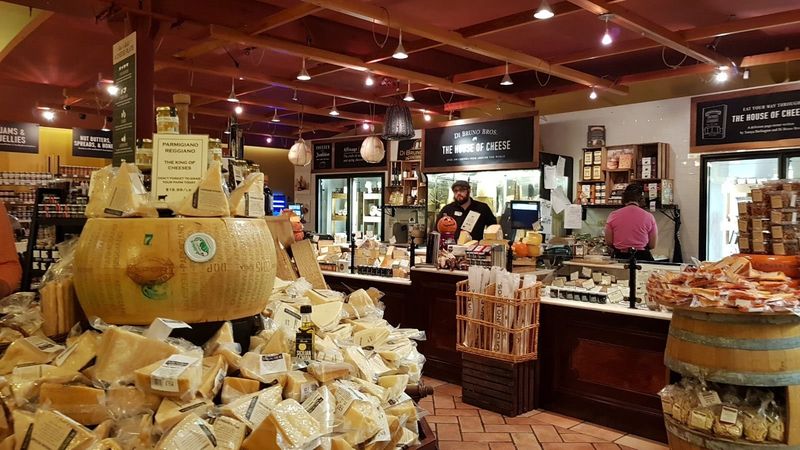
For a place with this much reputation behind it, what surprised me most was how personal it still feels once you settle into the visit. There is nothing icy or overly polished about the atmosphere, and that changes everything, because it lets you browse without feeling rushed or watched.
You get the sense that curiosity is welcome here, which makes the whole experience more relaxed and more memorable.
Some food shops can feel like they are daring you to know the right words before you walk in, and this one does not play that game. Instead, the space feels open to different kinds of shoppers, whether you came in with a list, a craving, or no plan whatsoever beyond seeing what looks good.
That ease is a big part of why the market stays with you after you leave.
I think that personal feeling also comes from the fact that this is not trying to be a museum of Italian food for display purposes. It is alive in the practical sense, full of objects you can take home, share, snack on, and build a meal around without overthinking it.
When a market feels useful and affectionate at once, you remember it, and Di Bruno Bros. absolutely lands in that category for me.
You Can Feel The Long History Without A Lecture
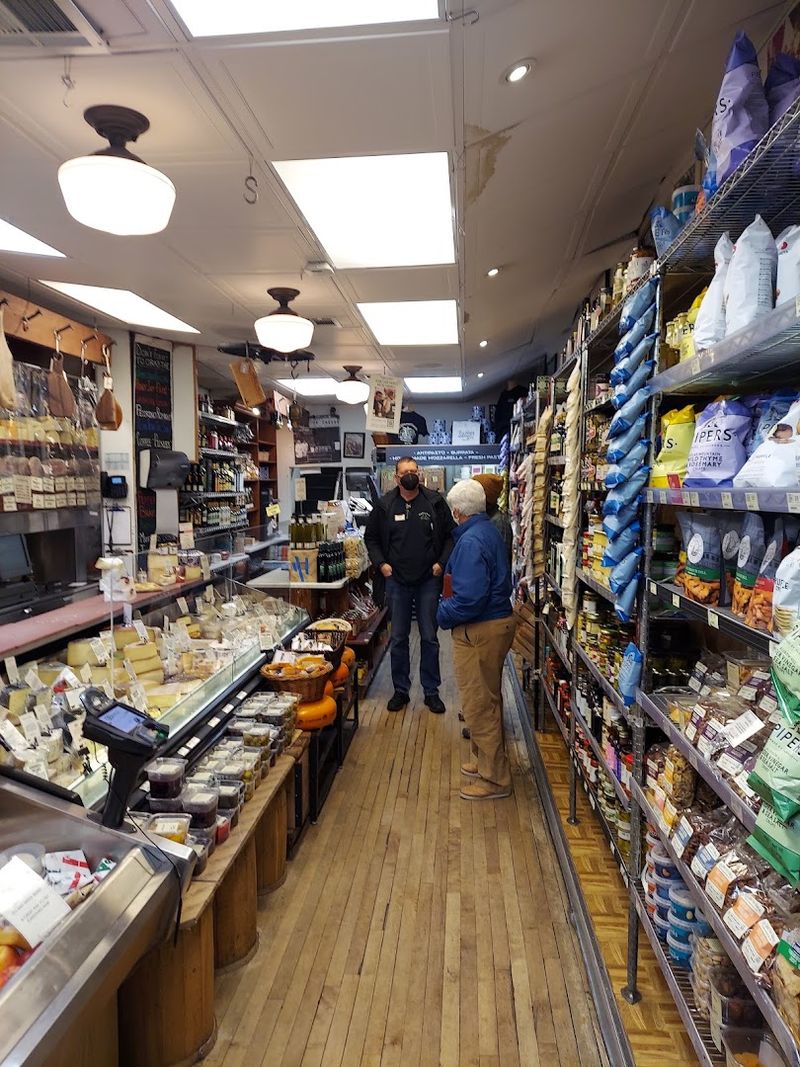
What I appreciate here is that the history comes through without anybody needing to stop and explain it to you in big dramatic terms. You feel it in the confidence of the layout, in the kinds of goods being sold, and in the way the market seems completely at ease being itself.
That is usually the strongest sign that a place has been doing something well for a very long time.
There is a difference between a business that has roots and a business that simply talks about having roots, and Di Bruno Bros. lands firmly in the first category. The old-world import tradition is not treated like decoration, because it is still built into what you actually see and shop for once you are inside.
That makes the visit feel grounded instead of nostalgic in a fake, sentimental way.
I think travelers notice that distinction more than they expect to, especially in Pennsylvania where food history is tied so closely to neighborhoods and immigrant stories. This market feels like part of that wider cultural thread, not a polished side note.
You walk out with groceries, yes, but also with the satisfying sense that you spent time in a place that still knows exactly what it is doing.
It Works Even If You Are Not A Food Person
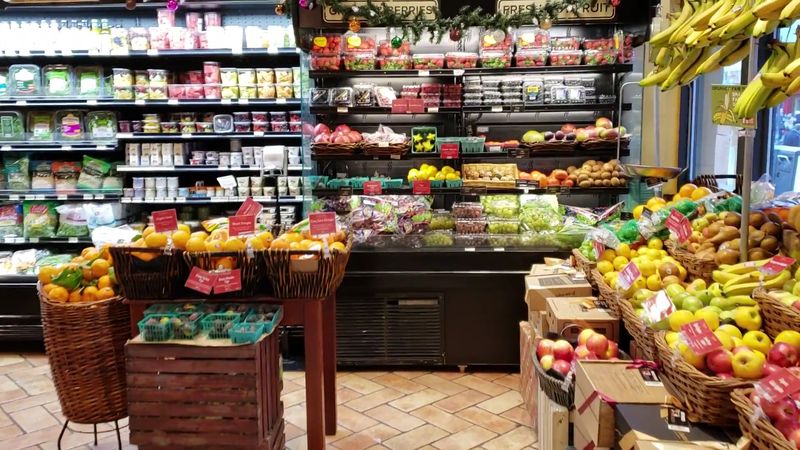
Maybe the best compliment I can give this place is that it works even if you are not the friend in the group who usually plans meals and talks ingredients. You do not need expert knowledge to enjoy being here, because the appeal is broader than that and starts with atmosphere, curiosity, and the simple pleasure of finding something that sounds good.
The market meets you where you are, and that is a real skill.
There is enough visual warmth and everyday energy in the space that you can just wander and absorb it without worrying whether you are shopping the right way. Some people will zero in on specialty items immediately, while others will simply enjoy the shelves, the counters, and the sense that this is part of Philadelphia life rather than a performance put on for visitors.
Both approaches feel natural here.
I honestly think that accessibility is one reason the place stays so beloved in Pennsylvania conversation about food. It respects people who know exactly what they want, but it is just as friendly to people who only know they want to bring home something delicious.
When a market can do both without feeling dumbed down or intimidating, it earns loyalty the old-fashioned way.
Why I Would Send You Here First
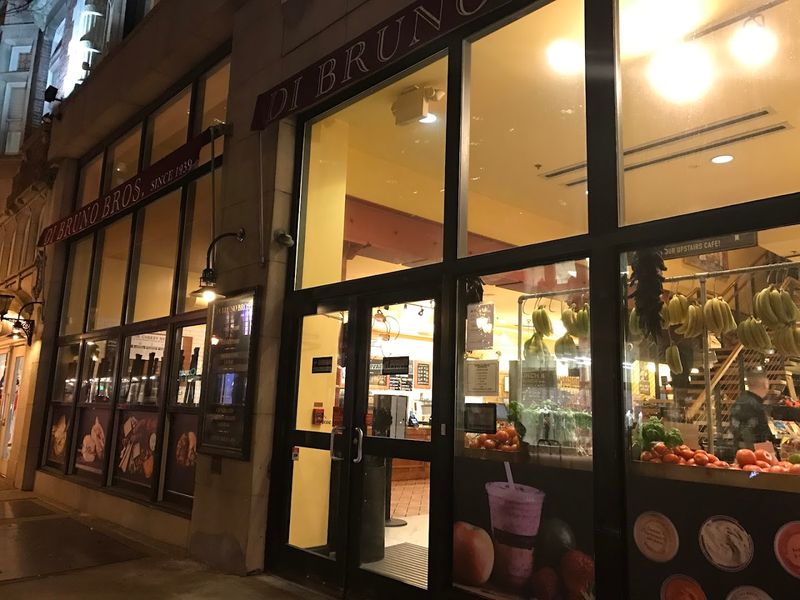
If you asked me where to go for a market experience that actually feels tied to Philadelphia and not just dropped into it, I would send you here very quickly. Di Bruno Bros. has personality, history, useful food, and that hard-to-fake neighborhood credibility that makes a place feel worth your time the minute you step inside.
It is memorable for reasons that keep unfolding as you look around.
I would send you here first because it captures something broader about Pennsylvania food culture without trying to summarize the entire state in one neat little package. You get tradition, yes, but you also get movement, appetite, and the pleasure of seeing old import habits remain very much alive in the present.
That balance keeps the visit from feeling dusty or overly reverent.
Most of all, I would send you here because it is simply enjoyable in a deeply human way. You walk in thinking about snacks or dinner, and you walk out feeling more connected to the city, more tuned in to what people actually buy and love, and maybe a little smug about your excellent choice.
Honestly, that is exactly what I want from a market stop when I travel.
