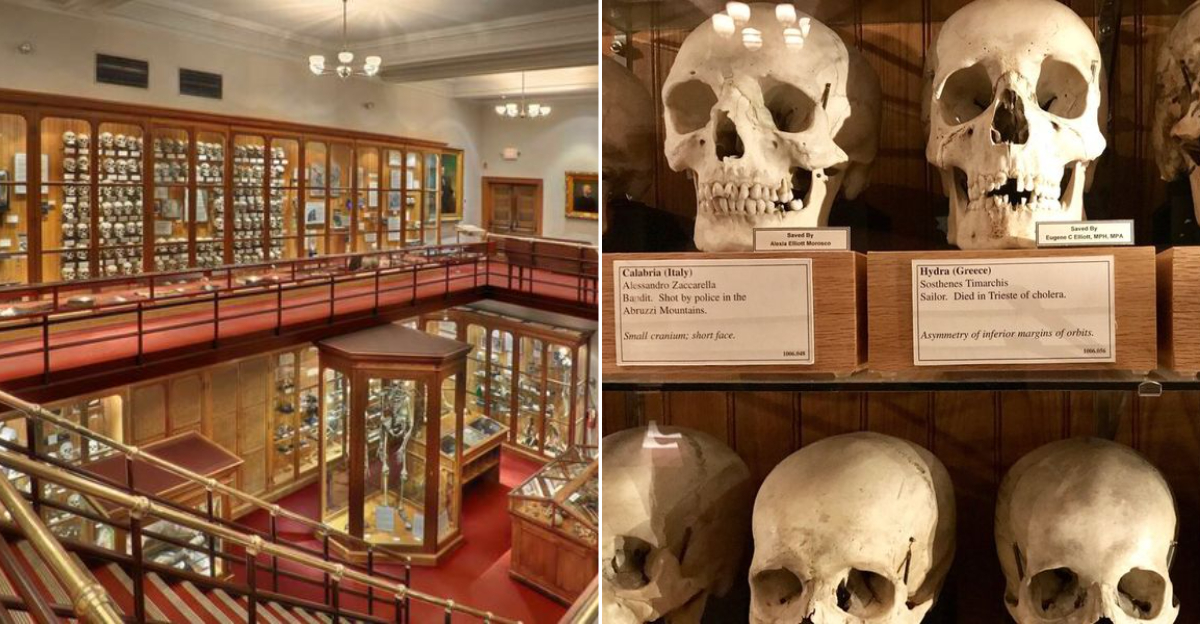
This place keeps a collection of medical oddities that will make you lean closer and step back at the same time, and there is nothing else like it in Pennsylvania.
The Mutter Museum fills its glass cases with real human skulls, preserved organs, and plaster casts of conditions most people have never heard of.
You will see a wall of skulls arranged by age and cause of death, a tray of objects swallowed by patients, and a cast of conjoined twins that stops everyone in their tracks.
The lighting is soft and the room is quiet, because this is not a carnival sideshow, it is a serious archive of medical history.
Doctors and scientists have used these specimens to learn about the human body for over a century. Visitors today walk the same floors, reading labels that explain rare diseases and old treatments.
It is strange, respectful, and deeply fascinating. Walk through slowly, read every card, and leave with a new appreciation for how far medicine has come. Just be prepared to feel a little unsettled along the way.
Why This Place Gets Under Your Skin
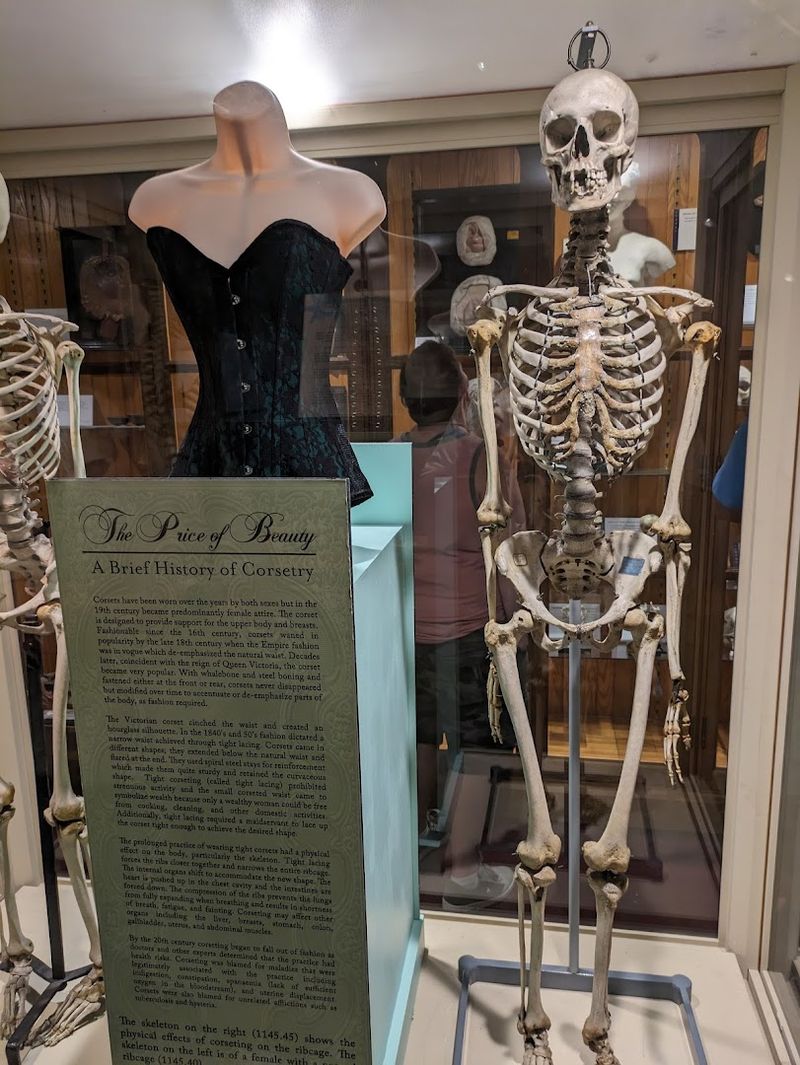
The first thing that hit me was how quickly the museum changes your mood, because you walk in expecting something quirky and leave that expectation at the door almost right away. The rooms feel hushed without being stiff, and the old cabinets give everything a sense of gravity that makes you slow down whether you planned to or not.
It does not play like a stunt, and that matters, because the collection works best when you let yourself be curious instead of bracing for a cheap shock.
What really stayed with me is how personal the whole place feels, even when you are looking at specimens, instruments, and medical oddities behind glass. You are not just seeing unusual objects in Philadelphia, you are seeing evidence of how people suffered, healed, adapted, and tried to make sense of bodies that did not fit neat explanations.
That human layer keeps the museum from feeling distant, and it gives the strangeness a real emotional weight.
If you like museums that leave a mark, this one absolutely will, though maybe not in the way you expect at first. The Mütter Museum in Pennsylvania pulls you into medicine, history, and empathy all at once, and that combination is what makes it so hard to shake later.
I kept thinking about it long after I stepped back outside into the city air.
Finding The Building Changes The Whole Mood
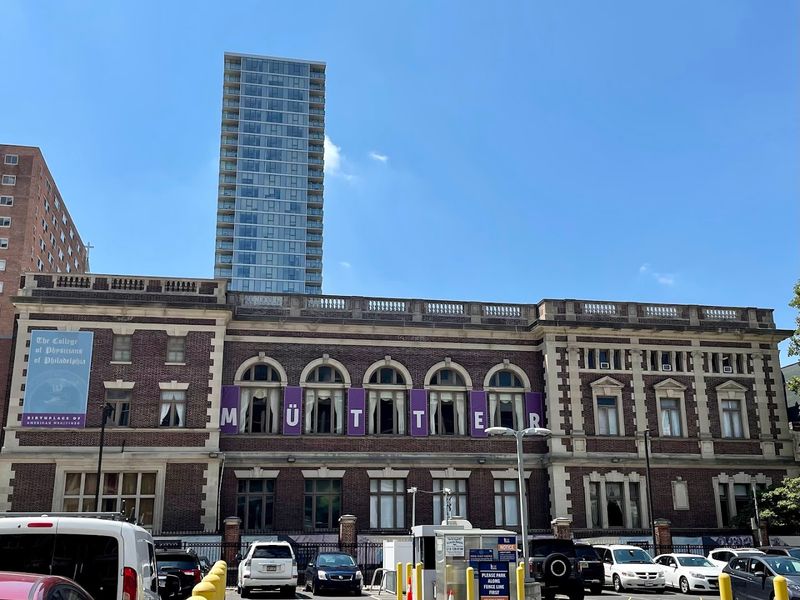
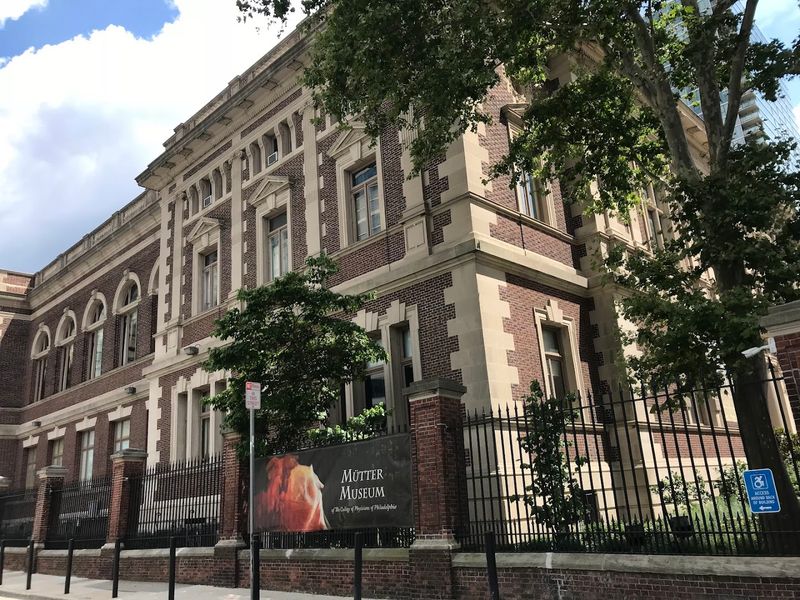
Before you even get inside, there is something oddly grounding about knowing the museum sits at The College of Physicians of Philadelphia, at 19 S 22nd Street, Philadelphia, PA 19103. That context helps, because the collection makes more sense when you remember it grew out of a real medical institution instead of some novelty attraction built to get a reaction.
You arrive expecting a museum, but you also feel like you are stepping into a conversation medicine has been having with itself for a very long time.
The building does not scream for attention, which I honestly appreciate, because the experience already has enough intensity once you are through the doors. Center City can feel busy and fast, yet this place immediately shifts the pace and asks you to look carefully, read slowly, and sit with things a little longer than usual.
That contrast is part of what makes the visit feel so distinct in Pennsylvania.
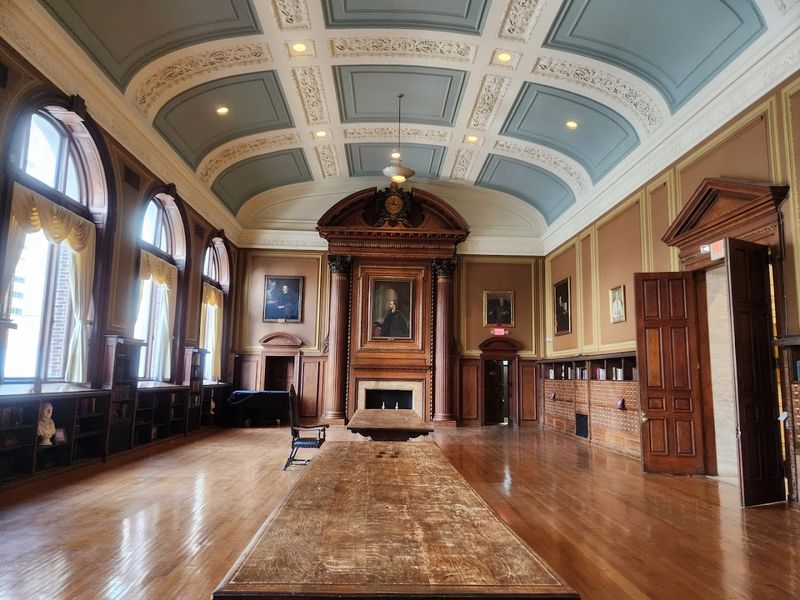
I liked that the setting never tries to overexplain itself before you begin. You simply walk in, start noticing the wood, glass, and soft light, and then the collection starts doing its work on you piece by piece.
By the time I got my bearings, I already knew this was not going to be a casual wander through another museum afternoon.
The Cabinet Style Makes Everything Feel Closer
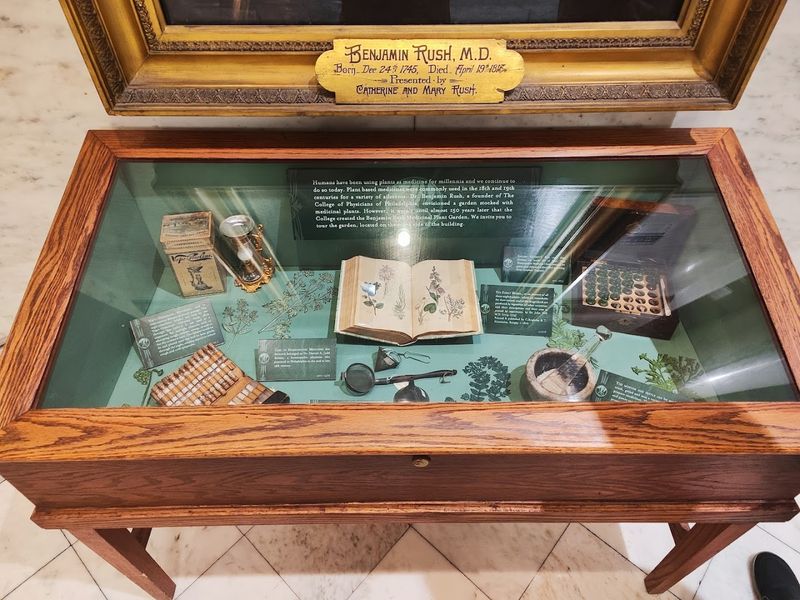
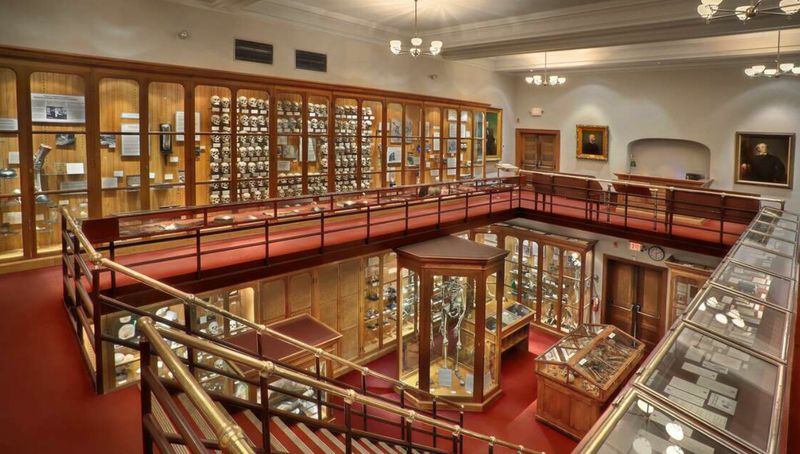
One thing I did not expect was how much the old cabinet style would shape the entire visit, because it changes the way your eyes move through the room. Instead of wide open galleries that let you drift without focus, you get these dense, intimate cases where every shelf seems to hold another question you were not planning to ask.
That closeness creates a kind of concentration that feels almost physical after a while.
The museum is packed with anatomical specimens, wax models, and antique medical instruments, but the setting keeps them from feeling scattered or random. Everything looks like it belongs to a long tradition of study, and even if you are not someone who normally reads every label, you may find yourself leaning in more than usual.
I kept noticing how the design nudged me toward patience, which is not always common in museums.
There is also something honest about seeing these objects in a space that still feels rooted in an earlier way of learning. You can imagine physicians, students, and curious visitors using the same kind of careful looking to understand what they were seeing.
That atmosphere gives the Mütter Museum its distinct pull, and it is a huge part of why the collection feels so memorable rather than merely unusual.
The Skull Collection Stops You Mid Step
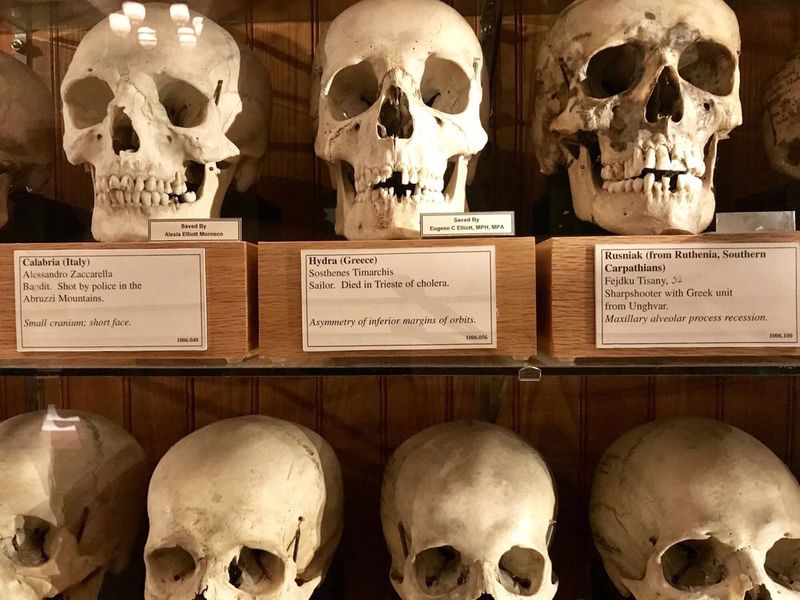
I am telling you, the skull collection is one of those displays that makes you stop mid step and then quietly circle back for another look. The Hyrtl Skull Collection is visually striking right away, but what gives it real force is the idea behind it, because it was assembled to show human variation and push back against phrenology.
Once you know that, the case shifts from eerie curiosity to a much bigger story about science, bias, and the urge to categorize people too neatly.
What I found compelling is how the museum lets the display carry intellectual weight without draining it of emotion. You are looking at actual human remains, and that reality stays present, yet the interpretation guides you toward questions about identity, evidence, and the bad ideas medicine has had to unlearn.
It is the kind of exhibit that gets richer the longer you stand there.
There is also something about the visual repetition that really lands in person, because each skull is individual even within the larger grouping. You notice shape, scale, and subtle difference, and the whole display becomes less about spectacle and more about seeing humanity in a fuller way.
That is when the Mütter Museum feels especially smart, because it trusts you to think and feel at the same time.
The Soap Lady Feels Almost Impossible
Then there is the Soap Lady, which sounds almost made up until you are standing there trying to process what happened. Her remains became adipocere, a soap like substance formed under particular burial conditions, and the result is one of the most talked about displays in the whole museum.
It is undeniably strange, but what surprised me was how reflective the experience felt instead of lurid.
You start thinking about preservation, about how bodies change after death, and about the strange ways ordinary physical processes can create something that feels almost unreal. The exhibit carries a lot of Philadelphia history with it as well, which gives the story a local anchor rather than letting it float off into abstract oddity.
That grounding makes it more affecting, because you are reminded this was a real person with a real place in the world.
I noticed people getting very quiet around this case, and I understood why almost immediately. The display sits right at the edge of science, mystery, and mortality, and it asks you to stay with all three without rushing toward an easy reaction.
If the Mütter Museum has a signature move, it is probably this, taking something bizarre on the surface and revealing how deeply human it actually is once you look longer.
The Giant Skeleton Changes Your Sense Of Scale
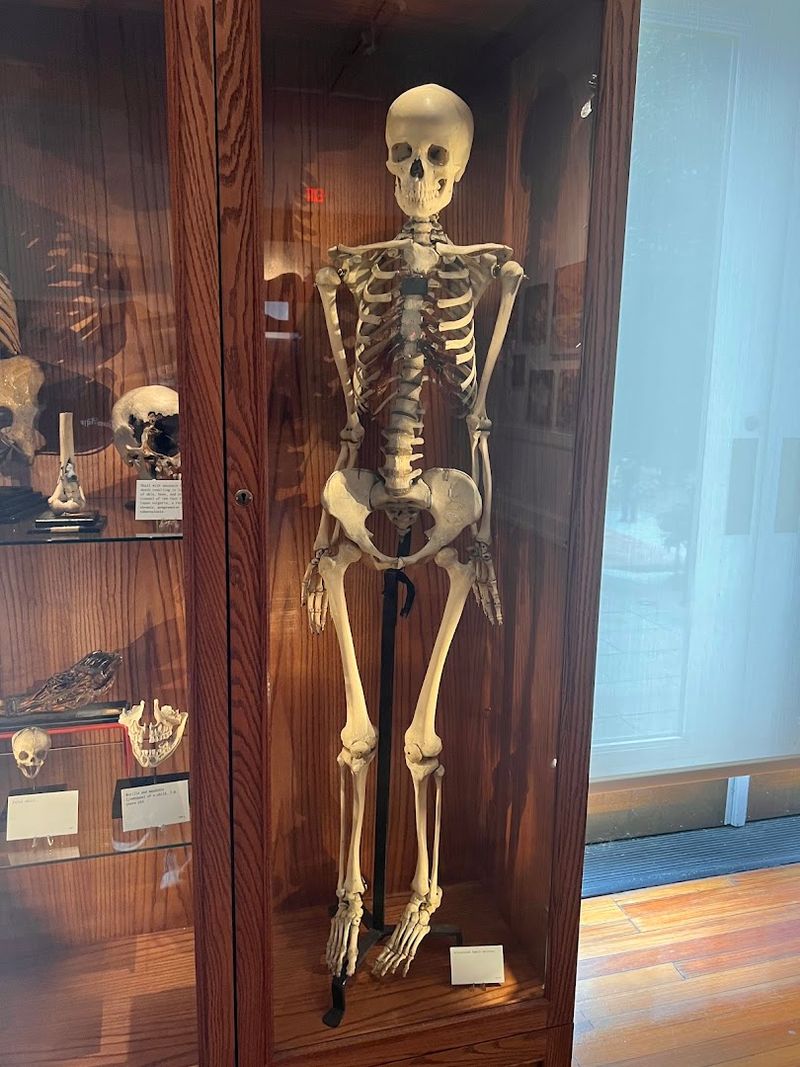
At some point you look up and realize the museum can completely alter your sense of scale, and that moment usually arrives with the giant skeleton. The Mütter American Giant is not just impressive because of height, though that obviously grabs you first, but because the display turns a body into a question about growth, pain, and the limits of what people once understood.
You feel awe, but it is a very grounded kind of awe.
Standing near that skeleton, I kept thinking about how quickly a person can become a story if the body does not follow ordinary expectations. The museum does a good job of pushing past that easy reaction and steering you toward the medical and personal realities behind the exhibit.
That shift matters, because it brings dignity back into a space that could otherwise feel purely dramatic.
There is also a practical effect the display has on the room, which is that everything around it suddenly feels more bodily and more immediate. You become aware of joints, posture, bones, and the ordinary miracle of moving through space without thinking much about it.
That is what I mean when I say this museum gets into your head, because even a single skeleton can send you back into your own body with a different level of attention.
Einsteins Brain Somehow Lives In This Story Too
I had one of those wait, this is here too moments when I got to the slides of Albert Einstein’s brain. It sounds like the kind of detail that would overwhelm everything around it, yet the museum folds it into the broader story of how medicine studies famous bodies, ordinary bodies, and everything in between.
Instead of feeling like a celebrity detour, the display lands as another chapter in the long human effort to explain intelligence, anatomy, and identity.
What I appreciated is that the exhibit does not magically answer the question everyone brings to it. You do not walk away thinking genius has been solved under glass, and that restraint actually makes the display stronger.
It leaves room for wonder, but it also reminds you that scientific objects can carry more fascination than certainty.
That balance is something the Mütter Museum handles very well across the board, and it really comes through here. You get the thrill of recognizing a name almost everyone knows, but then the museum gently redirects your attention toward method, interpretation, and the limits of what can be learned from preserved tissue alone.
I left that case thinking less about fame and more about how badly people want the body to reveal the whole person, even when it cannot quite do that.
The Human Skin Book Raises Hard Questions
I will be honest, the book reportedly bound in human skin is the kind of object that sounds like a rumor until you see it presented in a glass case. Once you are in front of it, though, the shock wears off pretty quickly and gives way to heavier questions about consent, medical collecting, and the way old institutions treated human remains and body materials.
That shift from disbelief to reflection happens fast, and it is one of the reasons this museum stays with people.
The object is deeply uncomfortable, but the discomfort feels useful rather than manipulative because it forces you to think about ethics in a concrete way. Museums can talk abstractly about changing standards all day, yet one artifact like this makes the conversation impossible to keep at a safe distance.
You start asking not only what happened, but who got to decide what was acceptable and who paid the cost.
That is part of what makes the Mütter Museum more than a collection of strange things in Pennsylvania. It is also a place where medicine’s past gets examined with enough honesty to let the public wrestle with it too.
I came away feeling unsettled, yes, but also grateful that the museum does not smooth over the harder parts just to make the visit easier on us.
You Leave Thinking About Bodies Differently
By the time I was heading out, I realized the museum had quietly changed the way I was thinking about bodies in general. Not in some grand dramatic way, but in a more persistent sense that anatomy, illness, and medical history are all tangled up with identity, dignity, and the stories people leave behind.
That kind of shift is hard to manufacture, which is probably why it feels so real when it happens here.
The Mütter Museum does not ask you to be fearless, and it does not require a medical background to work on you. It just asks you to look closely, keep an open mind, and stay present with things that are a little uncomfortable without turning away too quickly.
In return, it gives you one of the most memorable museum experiences in Philadelphia, and honestly one of the most thought provoking afternoons I have had in Pennsylvania.
If you are wondering whether it is worth seeking out, I would say yes, especially if you like places that keep unfolding after you leave. You may walk in for the strangeness, but that is not what follows you back onto the street.
What follows you is the feeling that the human body is far more mysterious, fragile, and fascinating than you usually let yourself remember during an ordinary day.
