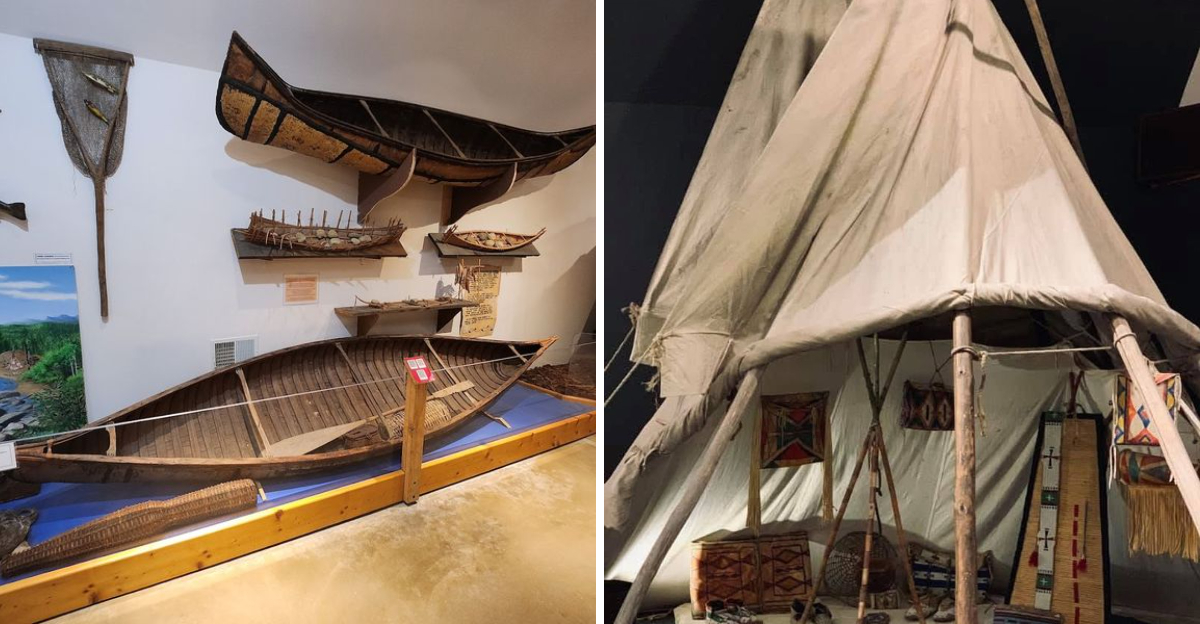
I have been to plenty of museums that tell you facts and dates and names, but I have only been to a few that make you feel something deeper than just learning. This quiet museum in New Hampshire is one of those rare places.
It focuses on Indigenous voices and stories in a way that feels respectful and honest and long overdue, without any of the sterile textbook language that usually shows up in places like this. I walked through slowly and read everything twice because I did not want to miss anything.
The building itself is unassuming from the outside, but what is inside stayed with me for days after I left. New Hampshire has some hidden cultural treasures, and this is near the top of the list.
A Living Museum With Deep Roots In Abenaki Land
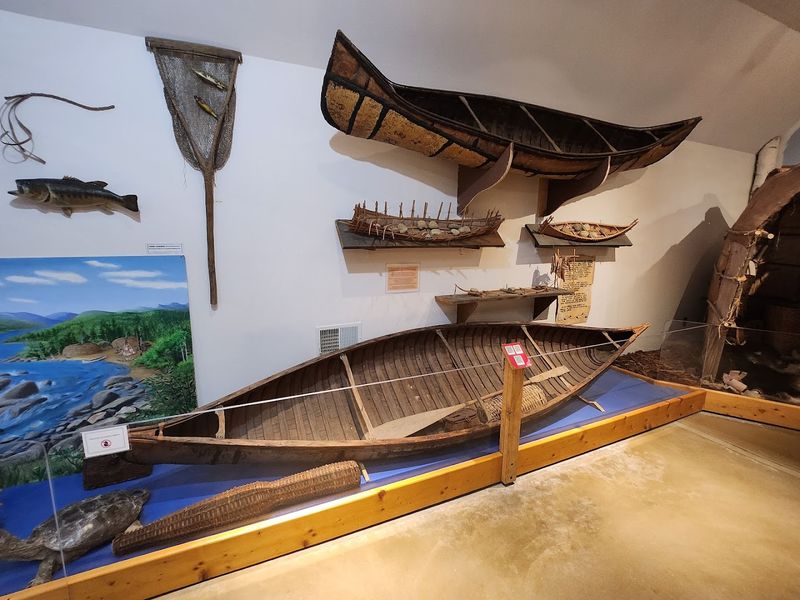
Some places earn their reputation quietly, and the Mt Kearsarge Indian Museum is exactly that kind of place. Situated on the ancestral lands of the Abenaki people, known as N’dakinna, this museum carries a sense of sacred responsibility that you can feel the moment you step onto the grounds.
New Hampshire is often celebrated for its mountains and fall foliage, but this corner of Warner holds something far more layered. The campus stretches across a generous 12.5 acres, and every inch of it feels intentional.
Founded by Charles “Bud” Thompson and his wife Nancy, the museum was inspired by a message from Grand Chief Sachem Silverstar of the Pequot tribe. That message centered on the uniqueness of every individual and the deep interconnectedness of all living things.
That philosophy radiates throughout every exhibit, every trail, and every guided conversation inside these walls. Walking through the entrance feels less like entering a building and more like stepping into a commitment.
Seven Regional Galleries That Span A Continent
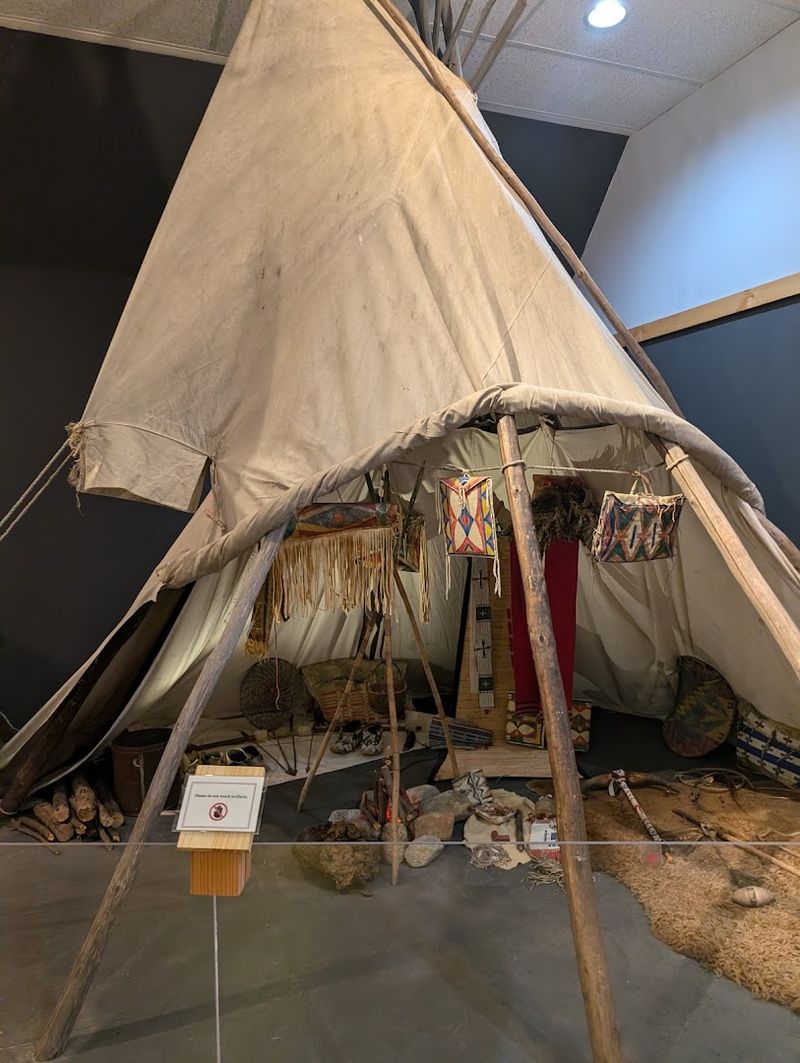
Most museums focus on a single region or tribe, but the Mt Kearsarge Indian Museum takes a much bolder approach. Seven distinct regional galleries spread across the interior, each one dedicated to a different geographic area and the Native peoples who called it home.
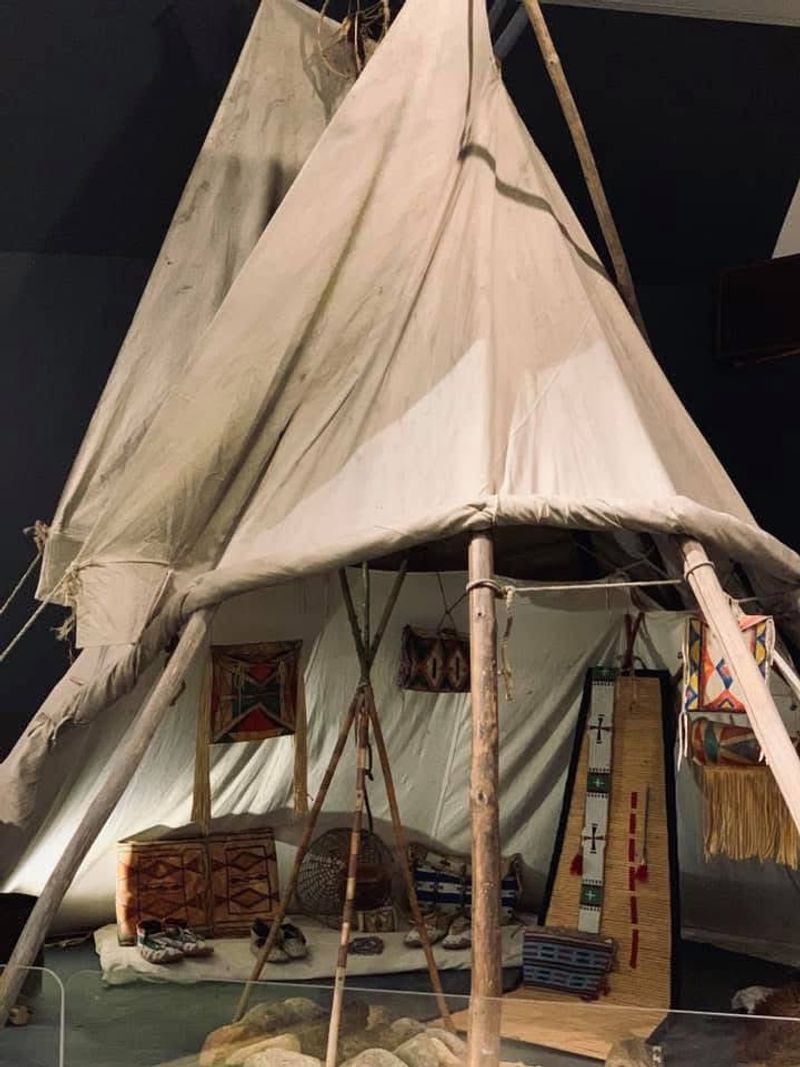
Starting in the Northeast Woodlands, you travel westward through the exhibits, encountering the art, tools, clothing, and traditions of tribes from dramatically different environments. The curation is thoughtful and precise, never reducing any culture to a single artifact or stereotype.
What makes this layout so effective is the geographic logic behind it. Each gallery reflects how the land shaped the people, and how the people shaped their relationship with the land.
You start to notice patterns of ingenuity across wildly different climates, from the dense forests of the Northeast to the sweeping plains of the Midwest and beyond.
By the time you reach the final gallery, you have essentially taken a cross-continental journey without leaving New Hampshire. The breadth of this collection rivals institutions many times its size, which is exactly what makes it so surprising and satisfying.
The Contemporary Art Gallery Proves Native Culture Is Very Much Alive
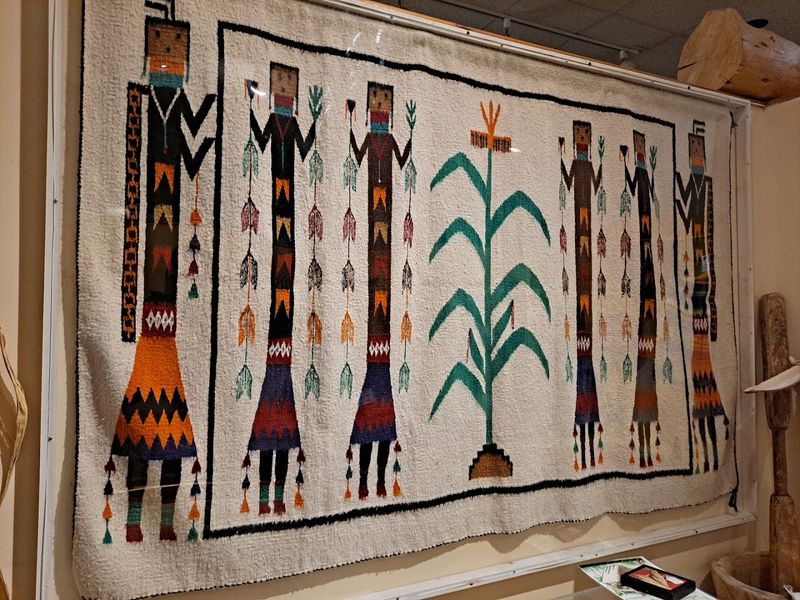
One of the most powerful statements the Mt Kearsarge Indian Museum makes is architectural, literally. A dedicated Contemporary Art Gallery exists specifically to give modern Native artists space to create and exhibit their work.
Established in 2012, it pushes back firmly against the idea that Indigenous culture belongs only in the past.
Walking into this gallery feels like a breath of fresh air after absorbing centuries of history in the regional rooms. The work on display shifts regularly, meaning each visit can offer something entirely new.
Native artists bring contemporary perspectives rooted in ancestral knowledge, and the result is art that speaks across generations.
New Hampshire might not be the first state that comes to mind when you think of cutting-edge Indigenous art, but this museum is quietly changing that perception. The gallery has hosted exhibits that challenge, inspire, and occasionally provoke, all of which feels entirely appropriate.
A current seasonal exhibit, “Quills and Beads: Adornment that Adapts,” showcases how traditional decorative techniques have evolved and adapted over time. It is the kind of exhibit that rewards slow, careful attention rather than a quick walkthrough.
Medicine Woods Trail, Where The Forest Becomes A Classroom
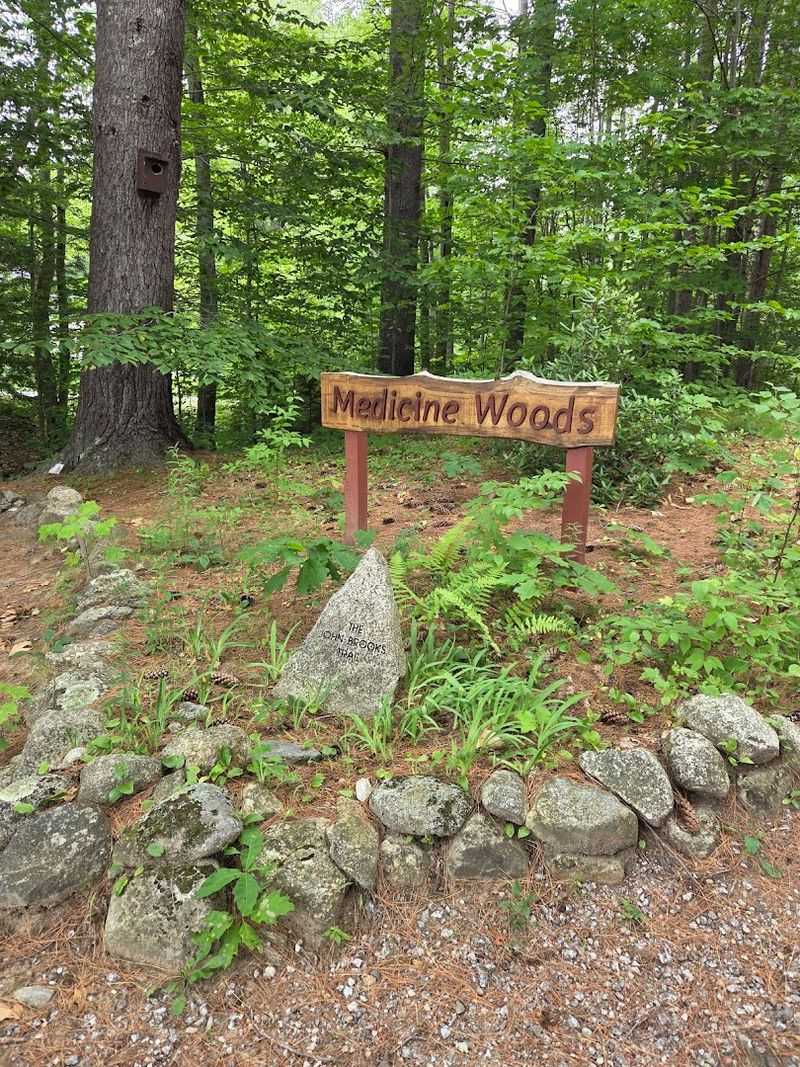
Beyond the museum walls, the 12.5-acre campus opens up into something genuinely magical. The Medicine Woods nature trail is one of those experiences that sneaks up on you, starting as a casual walk and gradually becoming something much more meaningful.
Plants along the trail are identified and explained in the context of how Native peoples used them for food, medicine, tools, and dyes. You walk past what looks like ordinary forest undergrowth and suddenly realize you are surrounded by a centuries-old pharmacy, pantry, and workshop all at once.
I found myself slowing down considerably on this trail, reading each marker with genuine curiosity. The knowledge embedded in these plants is ancient and sophisticated, developed over generations of careful observation.
It reframes how you think about the natural world entirely.
The Betsy Janeway Arboretum also sits on the campus grounds, adding another layer of botanical richness to the experience. Picnicking on the grounds after the trail is practically mandatory.
New Hampshire rarely serves up a more peaceful afternoon than the one you will find here in Warner.
Guided Tours That Actually Change How You See Things
Plenty of museums hand you a brochure and wish you luck. The Mt Kearsarge Indian Museum takes a very different approach.
Guided tours here are led by knowledgeable staff who bring genuine passion and depth to every artifact they discuss.
The tours typically run around ninety minutes, which sounds long until you realize you have been completely absorbed the entire time. Guides walk you through each gallery, explaining the purpose and history of individual pieces, answering questions patiently, and encouraging the kind of thoughtful discussion that most museum visits rarely produce.
What struck me most was how the guides contextualize everything. An item is never just an object.
It is a window into a specific way of life, a particular relationship between a community and its environment, a story that deserves to be told with care and accuracy.
For school groups, family visits, or solo travelers with a serious curiosity, this guided experience is genuinely the best way to absorb what the museum has to offer. The staff’s commitment to accuracy and respect for the cultures on display is evident in every sentence they speak.
Book the tour, always.
The Annual Intertribal Powwow Is Pure, Electric Energy
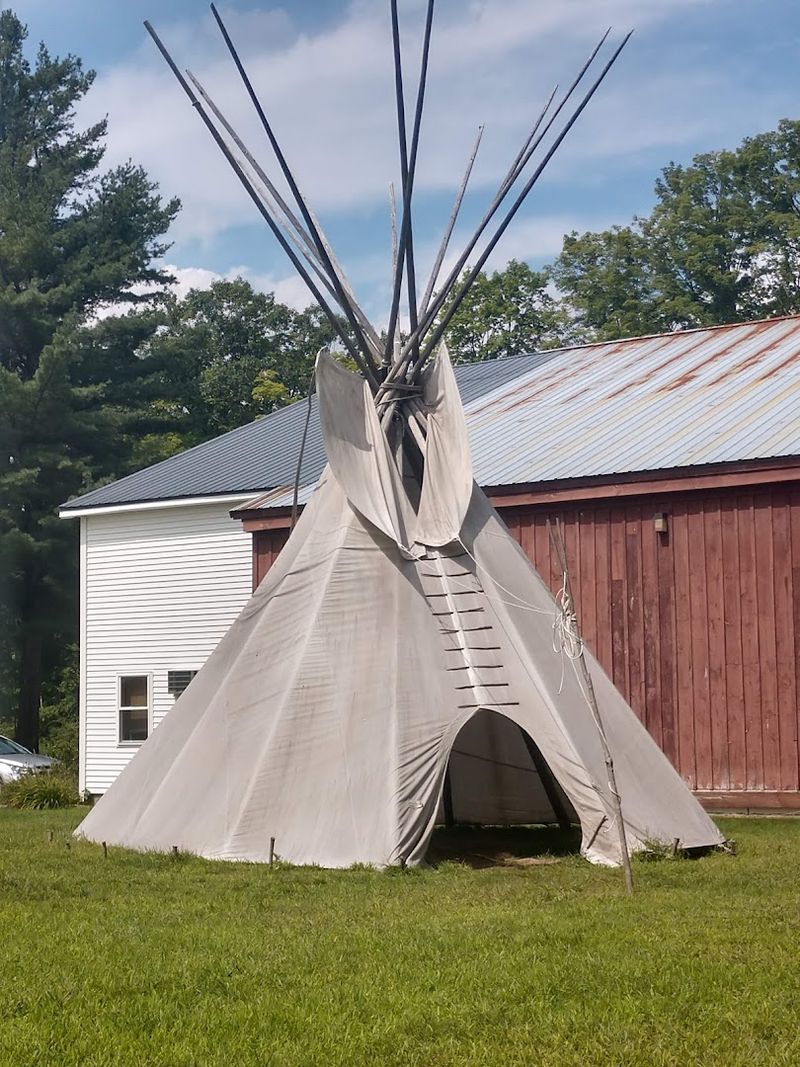
Mark your calendar, because the annual Intertribal Powwow at Mt Kearsarge Indian Museum is one of those events that lodges itself permanently in your memory. Held each July, it transforms the museum’s campus into a vibrant gathering of drumming, dancing, storytelling, and handcrafted artistry.
The powwow draws participants and performers from multiple tribes, creating an atmosphere that is both festive and deeply reverent. Watching dancers move in traditional regalia, each movement precise and purposeful, is genuinely moving.
The drumming carries across the grounds and seems to vibrate somewhere deep in your chest.
Storytellers share narratives that have been passed down through generations, and artisans display handmade crafts that represent extraordinary skill and cultural continuity. This is not a performance staged for outsiders.
It is a living tradition that welcomes all who come with open minds and respectful hearts.
New Hampshire in July is already beautiful, but the powwow adds a dimension of cultural richness that is completely unique. If your visit to this corner of New Hampshire coincides with the powwow weekend, rearrange everything else in your schedule to make it happen.
You absolutely will not regret it.
A Gift Shop Stocked With Authentic, Artist-Made Treasures
Museum gift shops often feel like an afterthought, a row of generic magnets and postcards near the exit. The shop at Mt Kearsarge Indian Museum is a completely different animal.
Every item on the shelves has been selected with the same intentionality that defines the rest of the museum experience.
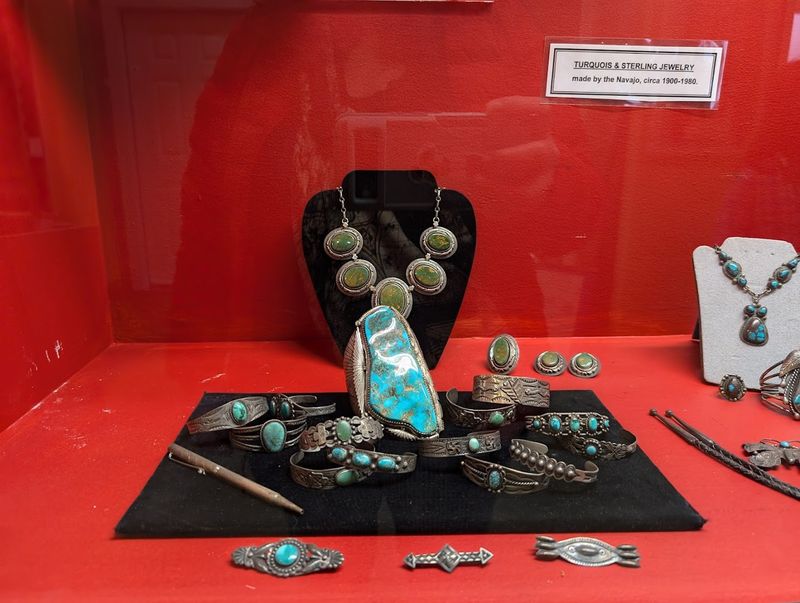
Books cover Native American history, art, and contemporary life, many written by Indigenous authors who bring authentic perspective to subjects that are too often filtered through an outside lens. Jewelry, herbals, toys, and locally made crafts fill the remaining shelves, offering something for every type of visitor.
The pieces here are genuine works of art, not mass-produced souvenirs. Prices reflect that quality, and the value is absolutely real.
Taking something home from this shop feels meaningful in a way that typical souvenir shopping rarely does.
I picked up a book by a Native author and a small piece of handcrafted jewelry, and both have become genuine favorites in my collection. Supporting the museum through the shop is also a direct way to support the Indigenous artists and communities whose work is featured throughout the campus.
Environmental Stewardship Baked Into Every Corner Of The Campus
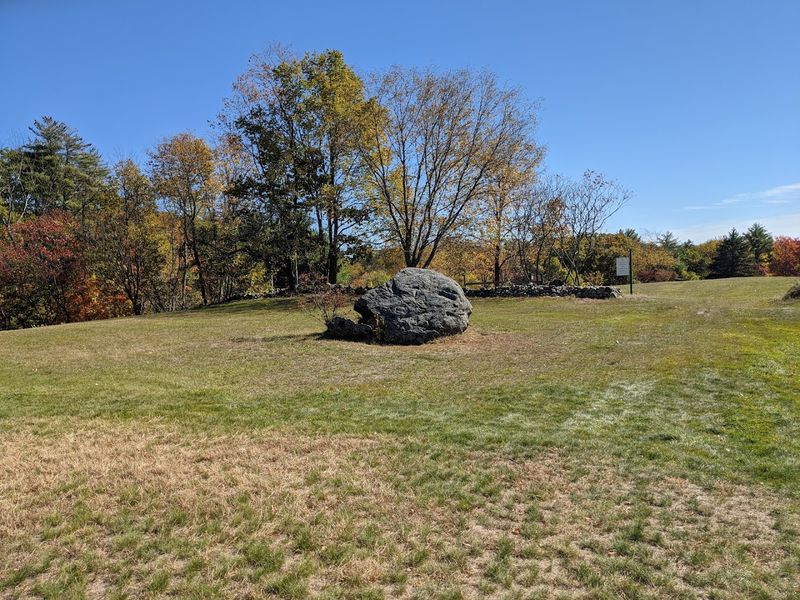
Respect for the natural world is not just a theme at Mt Kearsarge Indian Museum, it is a core operating principle. The museum recently completed a comprehensive clean energy transformation that installed a large solar array and heat pumps across the campus, allowing it to remain open year-round for the very first time.
This shift is deeply meaningful in context. Native philosophies have always centered environmental responsibility and reciprocal care for the land.
By converting to solar energy, the museum aligns its modern operations with the ancient values it celebrates inside its galleries.
The Medicine Woods trail reinforces this philosophy at every turn, demonstrating how Indigenous peoples developed sophisticated, sustainable relationships with their ecosystems long before sustainability became a mainstream conversation. There is no contradiction between the historical exhibits and the solar panels on the roof.
They are part of the same story.
New Hampshire’s commitment to natural beauty makes this campus feel especially appropriate. The grounds breathe with the seasons, and the museum’s environmental choices ensure that future generations can experience this place just as vividly as those visiting today.
It is stewardship practiced, not just preached.
Programming That Keeps The Conversation Going All Year
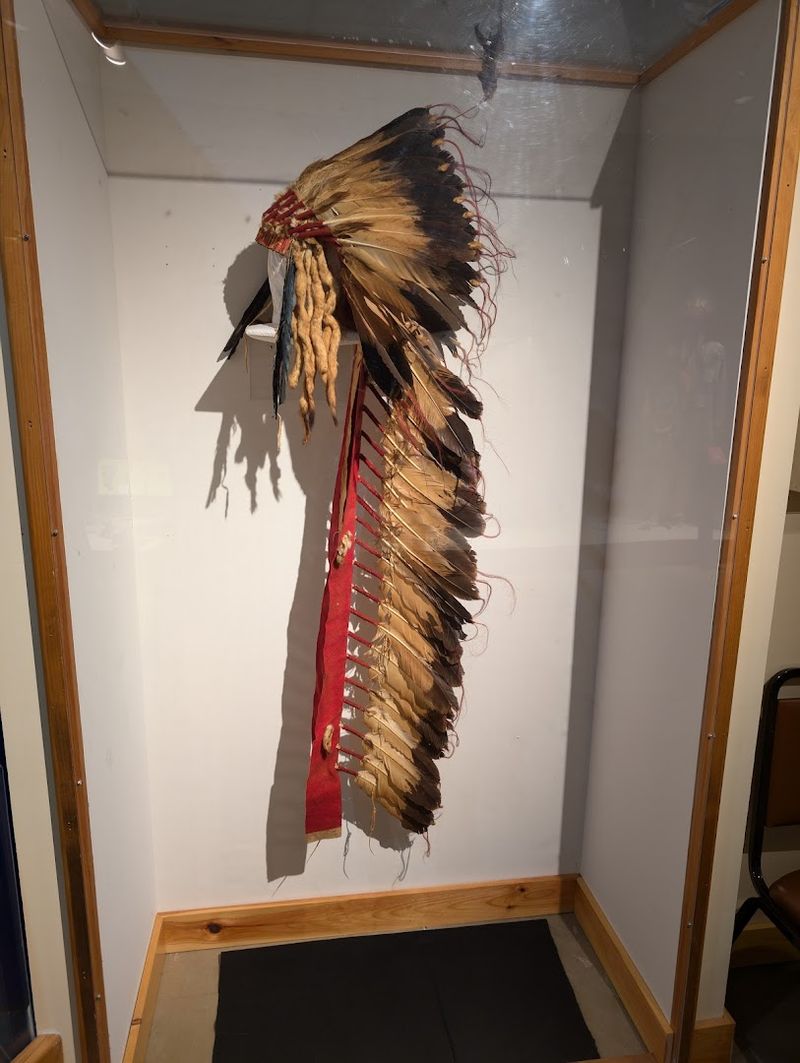
A museum that closes its doors after the exhibits is only doing half the job. Mt Kearsarge Indian Museum understands this completely.
Beyond the galleries, the campus hosts a rich calendar of workshops, lectures, poetry readings, book discussions by Native authors, and family-friendly events that extend the conversation well beyond any single visit.
Snow Snake races, stargazing evenings, and seasonal harvest festivals have all been part of the programming lineup. Each event is designed to connect participants with a specific aspect of Indigenous culture in a hands-on, accessible way.
These are not passive experiences where you sit and absorb. They are participatory and genuinely fun.
The museum’s dedication to amplifying contemporary Indigenous voices runs through all of its programming. Native artists, educators, and storytellers are regularly invited to lead sessions, ensuring that the knowledge shared here comes directly from the communities it represents.
For families with kids, the programming calendar is worth bookmarking months in advance. Events sell out, and for good reason.
Each one is crafted with the same care and cultural accuracy that defines everything else about this remarkable little museum tucked into the hills of Warner, New Hampshire.
Plan Your Visit To 18 Highlawn Road, Warner, New Hampshire
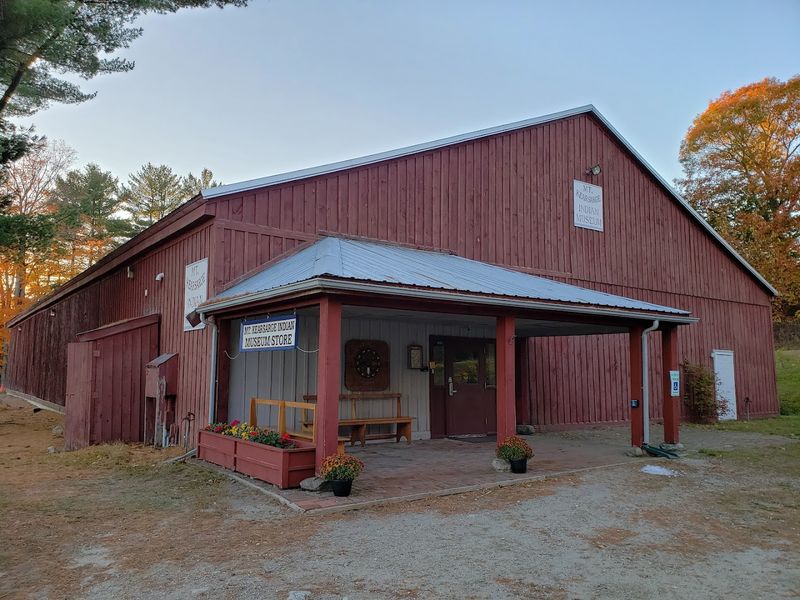
Getting to Mt Kearsarge Indian Museum is part of the pleasure. The drive through Warner and the surrounding New Hampshire countryside is genuinely scenic, especially in fall when the foliage puts on its annual spectacular show.
The address is 18 Highlawn Rd, Warner, NH 03278, and free parking is ample once you arrive.
During the primary season from May through October, the museum opens Monday through Saturday and welcomes afternoon visitors on Sundays. During the winter months, Friday and Saturday hours keep the doors open for those willing to make the journey.
The recent solar installation means the museum can now offer this year-round access reliably.
Calling ahead at +1 603-456-2600 or checking the museum’s website at indianmuseum.org before your visit is always a smart move, especially if you are hoping to catch a specific event or arrange a group tour. The staff are genuinely welcoming and happy to help you plan the best possible experience.
Spend a full morning or afternoon here. Walk the Medicine Woods trail, take the guided tour, browse the gift shop, and let the place work its quiet magic on you.
Some museums inform. This one transforms.
