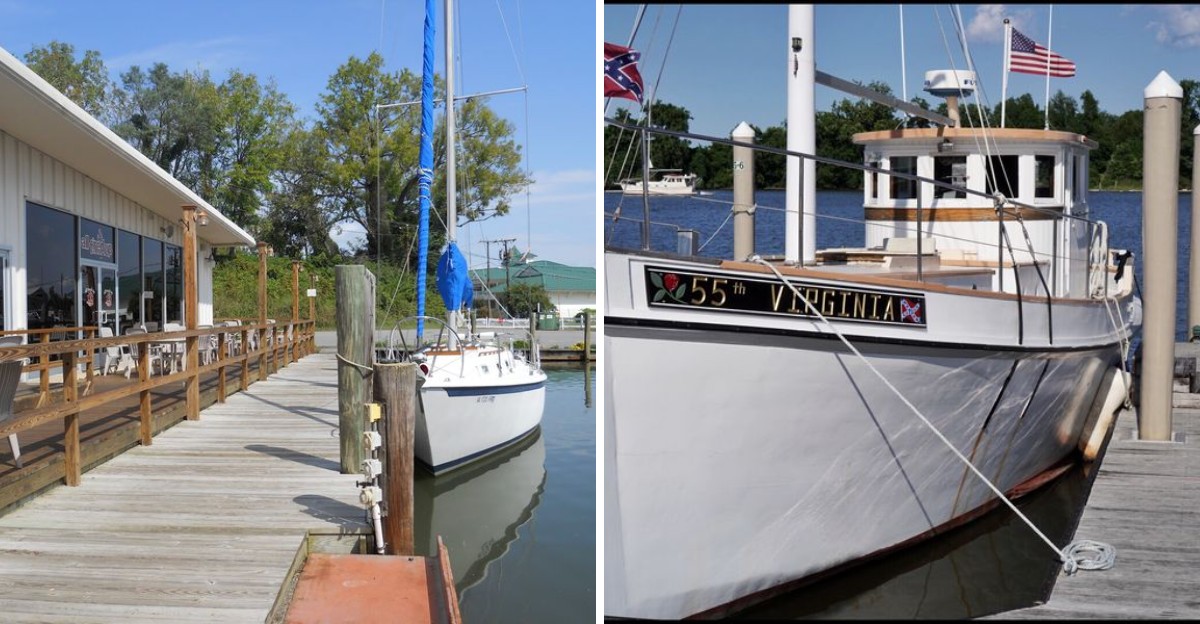
Fall in Virginia brings cooler weather, changing leaves, and something else worth celebrating. Oysters.
The waters along the coast start to cool, and the oysters respond by becoming plump, briny, and full of flavor. This quiet Virginia coastal town is known for having some of the best early fall oysters you will find anywhere.
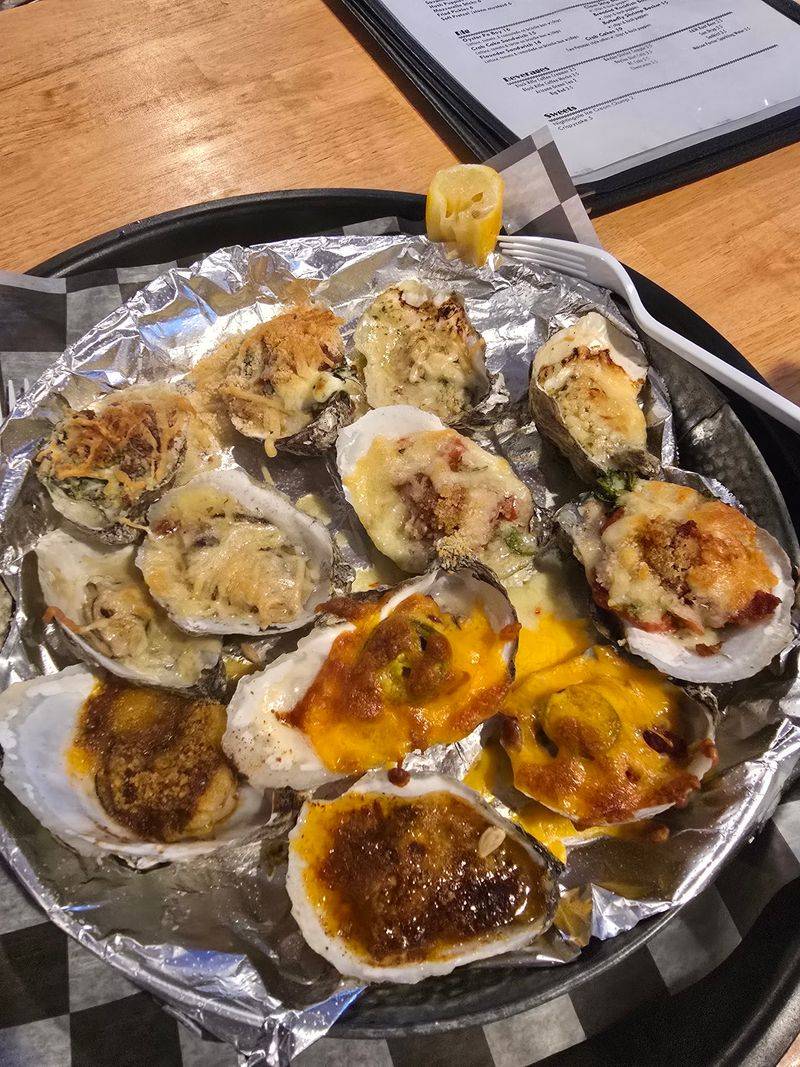
The local watermen know their craft, and the oysters come in fresh from the bay. You can eat them raw, grilled, or fried, and each preparation highlights the quality of the shellfish.
The town itself is small and unassuming, with a waterfront that feels like a step back in time. Oyster lovers make the trip every year, and it is easy to see why.
The season is short, so plan your visit accordingly. Virginia has plenty of coastal towns, but this one knows oysters.
A Colonial Port That Never Stopped Working
Long before highways rerouted traffic elsewhere, this pocket of Middlesex County served as one of Virginia’s official colonial tobacco ports, chartered under an act designed to organize shipping along the Rappahannock.
The name itself translates roughly to City of Anne, a nod to England’s Queen Anne. Not bad for a town whose population would barely fill a high school gym.
Walking the compact grid, you notice how little has been paved over. Brick storehouses, clapboard homes, and old warehouse foundations still hold their ground near the water’s edge.
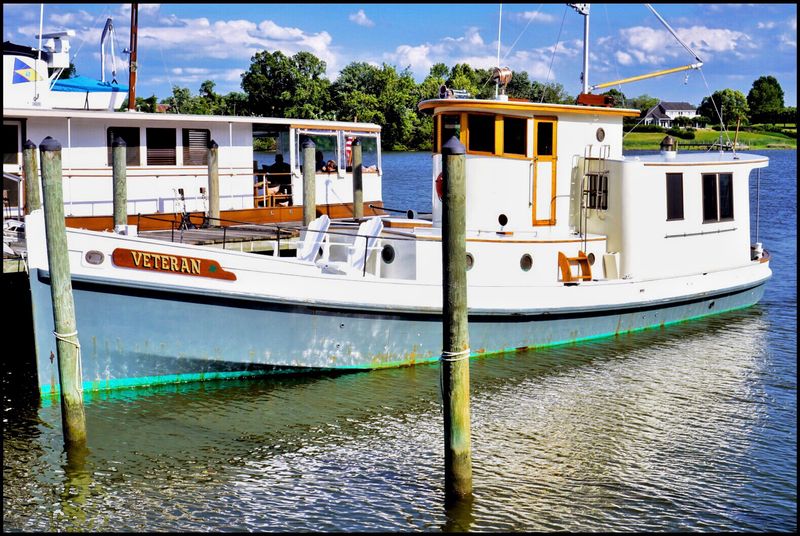
What separates Urbanna from a museum village is that the harbor still functions. Workboats leave before sunrise.
Watermen still tong and dredge. The docks smell like salt and diesel, not gift shop candles.
Early fall sharpens all of it. Humidity drops, light turns golden across the creek, and the whole waterfront seems to exhale after summer.
Give yourself an unhurried hour to wander without a destination. Read the historical markers, peek down side lanes, and let the scale of the place register.
Small towns in Virginia rarely feel this genuinely lived-in, and that authenticity is exactly why oyster season here carries weight.
Why Cooler Water Makes Better Oysters
Old wisdom says eat oysters only in months containing the letter R. There is real science behind that saying, and early fall is when it pays off.
Warm summer water pushes oysters into spawning mode, which leaves them thin, watery, and frankly a little sad. Once temperatures drop, they stop spawning and start storing energy.
The result is a firmer, plumper, sweeter oyster with a clean finish. September and October deliver exactly that transformation.
Virginia’s Chesapeake region produces distinct flavor profiles depending on salinity, and the waters near the Rappahannock sit in a middle range that many chefs love.
Less salt than ocean-side varieties, more mineral character than upriver oysters. Balanced, in other words, without shouting.
You can taste the difference between a September oyster and an August one without any training whatsoever. It is that obvious.
Ask what creek or cove your oysters came from before ordering. Local operations are proud of their growing grounds and will tell you gladly.
Timing a trip to Urbanna for early autumn means arriving precisely when the water, the weather, and the harvest all line up in your favor.
The Oyster Festival That Takes Over Everything
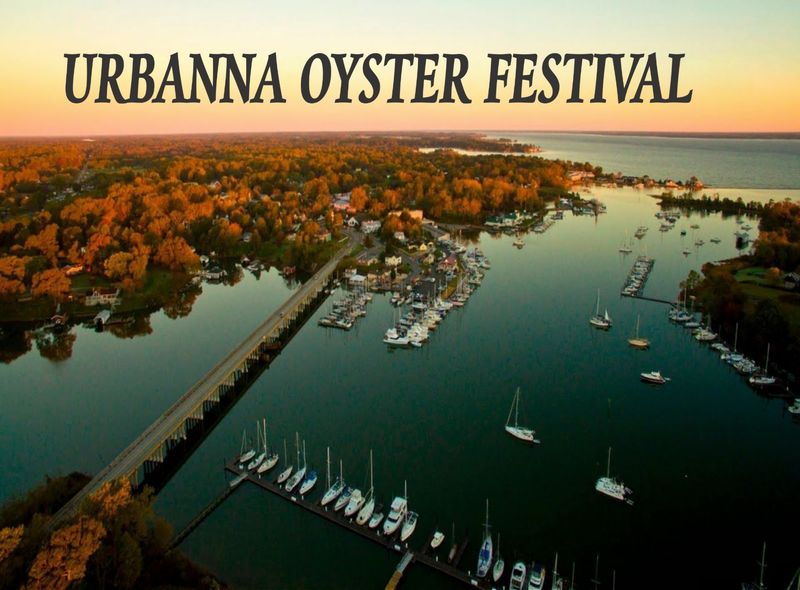
Once a year, a town of fewer than five hundred residents swells into something closer to a small city. The Urbanna Oyster Festival, held the first full weekend of November, is Virginia’s officially designated oyster festival.
Streets close. Tents rise.
Parades roll through. Oyster shucking and shell tossing competitions draw serious competitors who take their craft very seriously indeed.
The Fireman’s Parade and the Oyster Festival Parade anchor the weekend, complete with a crowned Oyster Festival Queen and Little Miss Spat, named after a baby oyster.
Planning matters enormously here. Parking fills fast, shuttle services run from outlying lots, and lodging within reasonable distance books months ahead.
Arriving early on Friday gives you a gentler introduction than diving into Saturday’s peak crush.
Prefer elbow room? Visit in late September or October instead, when the same oysters are available and the sidewalks stay quiet.
Either approach works. One offers spectacle and community pride, the other offers calm and unhurried tasting.
The festival’s endurance says something meaningful about how deeply this Virginia town ties its identity to the water and the harvest it produces.
Urbanna Creek and the Boats That Fill It
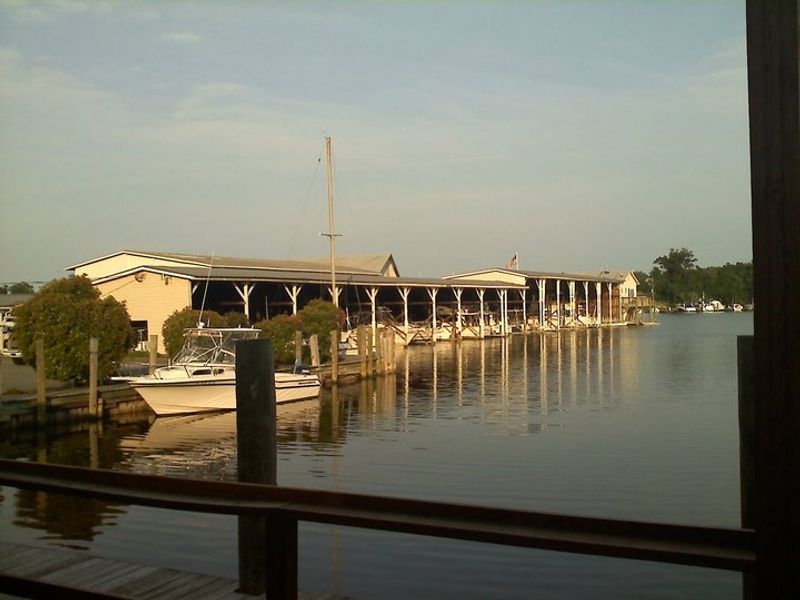
Tucked off the Rappahannock River, Urbanna Creek forms one of the most protected natural harbors on this stretch of the Chesapeake system.
That shelter explains everything about the town’s history. Ships needed safe water, and this creek delivered it reliably.
Today the creek holds a mix of sailing vessels, powerboats, and working craft, with marinas and boatyards lining the banks. Masts cluster together like a floating forest.
Boaters treat the harbor as a favorite stop along the Chesapeake cruising route, and the town welcomes arrivals by water as naturally as arrivals by road.
Autumn light on the creek does remarkable things around late afternoon. Reflections go glassy, the air cools quickly, and everything softens.
Bring a camera and simply follow the shoreline path near the town marina area. The vantage points change every few steps.
Kayaking offers another angle entirely, with quiet coves and marsh edges to explore where herons stalk the shallows.
Watching a loaded workboat ease back toward the dock at day’s end is one of the most grounding sights coastal Virginia offers, and it happens here without any staging or ceremony.
Something Rare Hiding in the Old Tobacco Warehouse
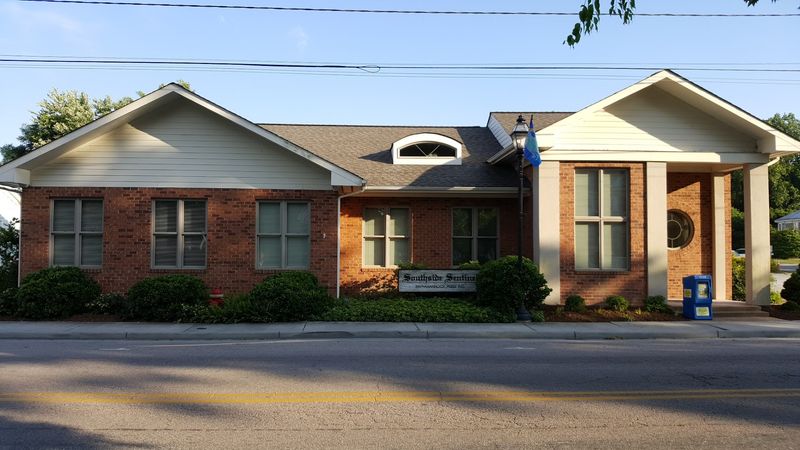
Few small towns can claim a genuine cartographic treasure, yet the historic scale house and old tobacco warehouse here hold exactly that.
Housed within the Urbanna visitor center building is an original printing of the Mitchell Map, a landmark eighteenth century map of British and French holdings in North America.
It is regarded as one of the most important maps in American history, used in boundary negotiations for generations afterward.
Seeing one in a modest Virginia riverside town rather than a major institution feels wonderfully improbable.
The building itself dates to the colonial port era and once handled tobacco inspection, the commerce that justified the town’s founding.
Low ceilings, heavy timber, and worn floors carry more atmosphere than any reconstruction could manufacture.
Stop in near the start of your visit rather than the end. Context makes the rest of the walk far more interesting.
Staff can point you toward other historic structures scattered through the compact downtown, several of which predate the American Revolution.
History here is not roped off behind velvet. It sits a short stroll from the oyster docks, which is precisely the charm.
Waterfront Dining With a View of the Working Docks
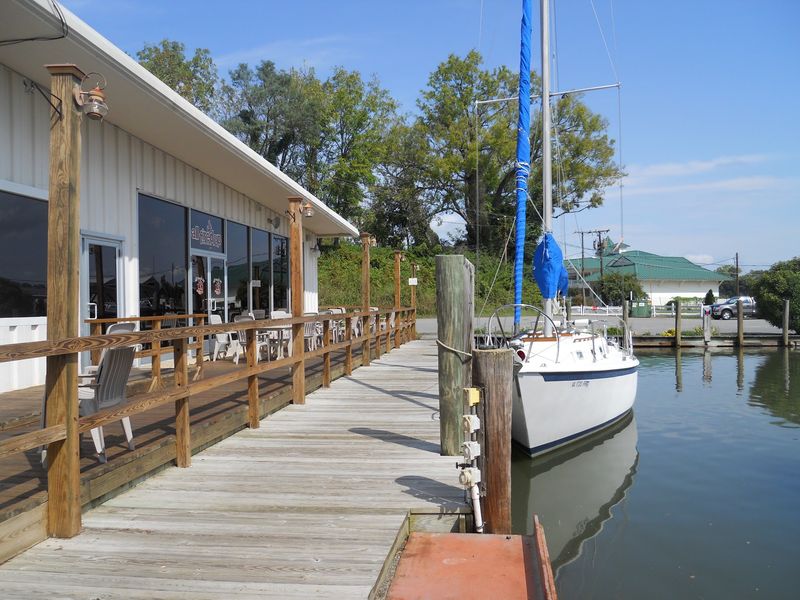
Eating oysters within sight of the boats that gathered them changes the experience completely. Distance shrinks.
The supply chain becomes visible.
Waterfront dining spots around the creek offer decks and windows facing the harbor, where you can track vessels coming and going while you eat.
Something Different, a longtime local favorite, sits near the water and draws consistently strong ratings for its seafood focus and relaxed setting.
Seating tends toward casual. Weathered wood, open air, and unfussy service define the mood rather than white tablecloths.
Early autumn hits the sweet spot for outdoor tables, warm enough at midday and crisp enough by evening to justify a sweater.
Weekends fill quickly, especially during festival season, so arriving at off-peak hours saves you a wait.
Order oysters raw first, then steamed, then fried if you are committed to research. The preparation changes the character dramatically.
Nothing about Urbanna’s food scene tries to impress with theatrics. Freshness carries the whole operation, and that confidence shows in how simply things are served.
Coastal Virginia has fancier dining rooms, certainly, but few with this direct a connection to the water outside.
Small Shops Worth Slowing Down For
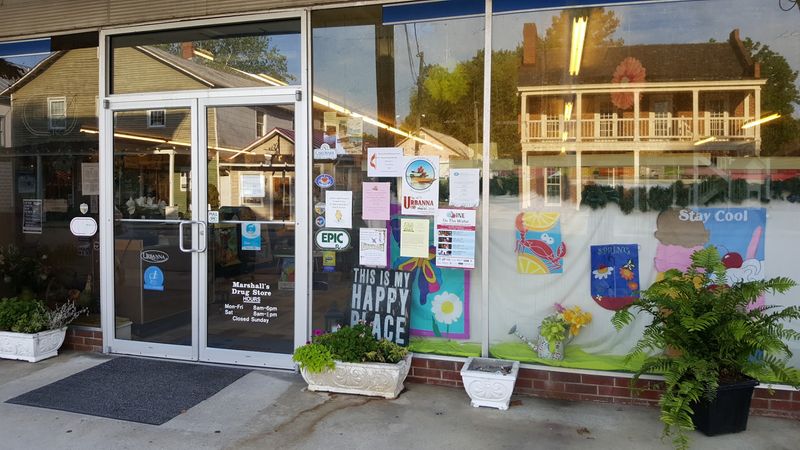
Retail here operates on human scale. No chains, no sprawling parking lots, no fluorescent warehouses.
Independent shops occupy historic storefronts along Virginia Street and Cross Street, selling antiques, coastal home goods, books, gifts, and locally made items.
Marshall’s Drug Store has served the community for generations and remains a genuine gathering point rather than a nostalgia prop.
Browsing takes an afternoon at most, which is exactly right. You can cover the whole commercial district on foot without ever feeling rushed.
Shopkeepers know their inventory and their town, so questions get real answers instead of shrugs.
Autumn brings seasonal displays to the windows, and the cooler air makes strolling between doorways genuinely pleasant.
Look for local artists and makers, since Middlesex County supports a quietly active creative community that sells through these small storefronts.
Carrying cash occasionally helps at smaller operations, though cards are widely accepted now.
What makes shopping in Urbanna satisfying is not selection but character. Each shop reflects an actual person’s taste rather than a corporate planogram.
Spend a little, chat a lot, and you leave understanding the town better than any brochure could manage.
Buying Oysters Straight From Local Growers
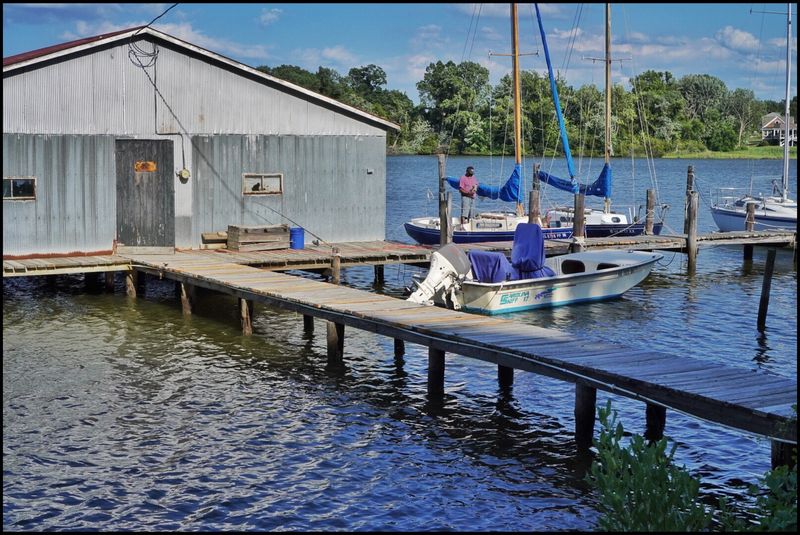
Aquaculture transformed the Chesapeake oyster story, and Virginia now leads the East Coast in farmed oyster production.
Around the Rappahannock and its tributaries, growers raise oysters in cages and floats, controlling conditions to produce consistent shape and flavor.
Rappahannock Oyster Co, one of the region’s best known operations, has roots in these waters and helped bring national attention to Virginia oysters.
Buying directly from local sources gets you shellfish harvested within hours rather than days.
Keep them cold on the drive home, cup side down, covered with a damp cloth rather than sealed in plastic or submerged in fresh water.
Shucking takes practice, so bring a proper knife and a folded towel to protect your palm. Patience beats force every time.
Ask about harvest dates and growing locations. Reputable sellers answer without hesitation.
Early fall purchases travel well because cooler temperatures reduce the risk of spoilage on longer drives.
Taking a cooler of oysters home from Urbanna extends the trip by a few days, and reproducing that briny snap in your own kitchen is oddly satisfying.
Few souvenirs from Virginia taste this good.
Day Trips Along the Rappahannock and Beyond
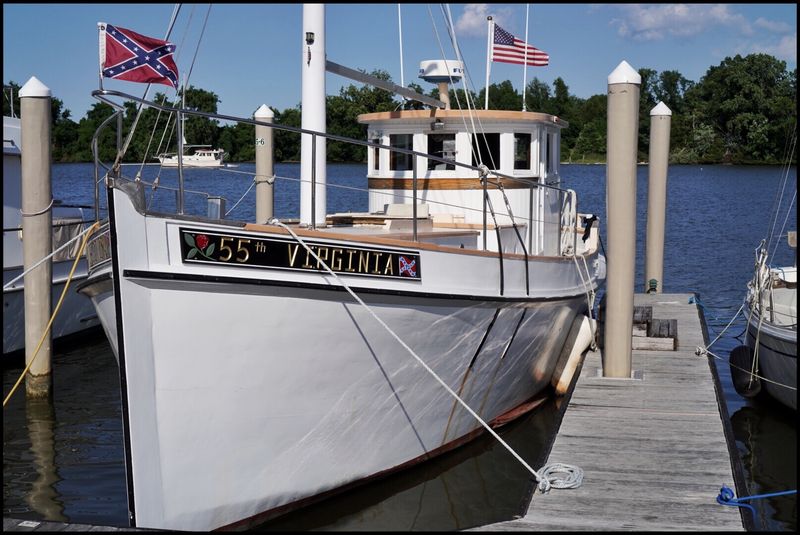
Using this town as a base opens up a whole stretch of quiet Middlesex County countryside.
Deltaville sits nearby at the meeting point of the Rappahannock River and the Chesapeake Bay, long known as a boatbuilding center with a museum devoted to that heritage.
Stingray Point marks the spot where Captain John Smith was famously stung by a ray during his exploration of the bay, a story locals still enjoy telling.
Drives through this peninsula pass working farms, tidal creeks, small churches, and long water views that appear suddenly around bends.
Christ Church in nearby Lancaster County ranks among the finest colonial churches surviving anywhere in America, and it sits within reasonable driving distance.
Autumn foliage in this part of Virginia arrives later than the mountains, extending your color season if you time things right.
Pack a picnic and pull off wherever the view demands it. Traffic is light and the shoulders are forgiving.
Combining Urbanna with a loop through the surrounding countryside turns a single stop into a proper weekend.
Coastal plain scenery rewards slow driving, so resist the urge to hurry between points.
Planning Your Early Autumn Visit
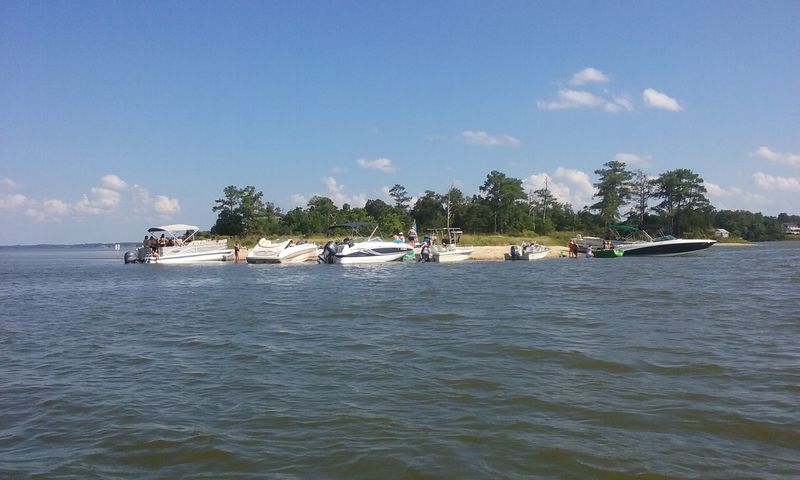
Getting here requires intention, which is precisely what keeps the place unhurried.
Urbanna sits in Middlesex County, Virginia, roughly an hour from Richmond and reachable via Route 17 and Route 227, tucked between the Rappahannock River and its sheltered creek.
Lodging options include small inns and bed and breakfast properties in and around town, plus marina accommodations for arrivals by water.
Booking ahead is essential for festival weekend and smart for any autumn Saturday.
Pack layers. Mornings on the water run cool in September and October, while afternoons can still feel like summer.
Comfortable shoes matter more than anything else, since the pleasure of the town lies in walking it repeatedly.
Weekdays deliver the quietest version of the experience, with open sidewalks and easy parking.
Check schedules for seasonal events before you commit to dates, as the town’s calendar shifts with the harvest.
So here is your assignment. Point the car toward the Rappahannock, arrive hungry, and settle in somewhere with a view of the docks.
Virginia keeps plenty of secrets along its coastline, and this one is served on the half shell.
