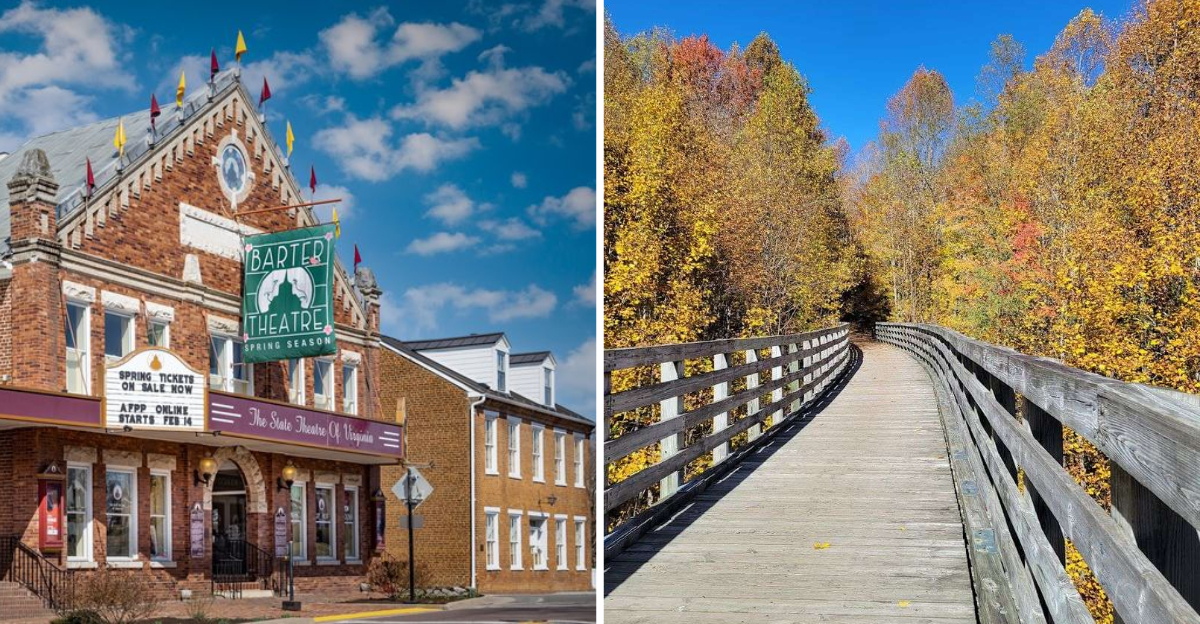
That small town in the far southwest corner of Virginia caught me completely off guard the first time I visited. Brick sidewalks wind past buildings that have stood for centuries, and every corner seems to hold a story worth hearing.
I kept stopping mid-stride just to take it all in, from the painted storefronts to the old theater marquee glowing in the afternoon light.
The town hums with a kind of quiet energy that is hard to explain until you actually feel it, a mix of Appalachian grit, Southern hospitality, and a theatrical flair that makes it unlike any other town its size.
I wandered through the streets on a warm afternoon, finding myself drawn into shops and side alleys I had not planned on exploring. If you have ever wanted a travel destination that surprises you at every turn, this is the one.
The Tavern: Virginia’s Oldest Bar and Living History Landmark
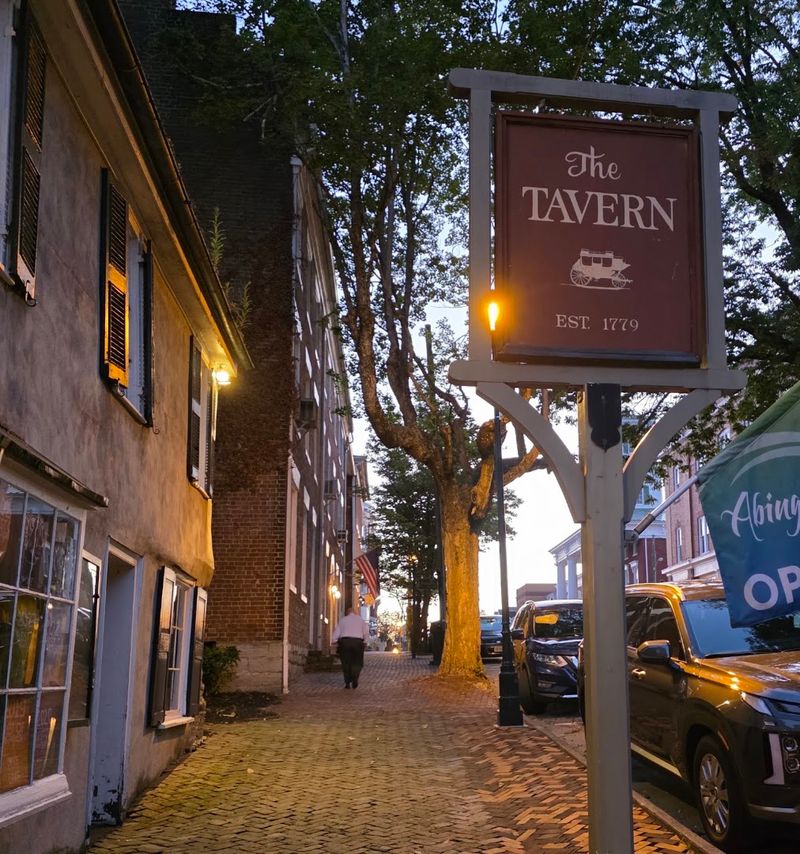
Some buildings carry their age gracefully, and The Tavern on East Main Street carries it with serious style. Built in 1779, it holds the title of Abingdon’s oldest building and is home to the oldest bar in all of Virginia.
That alone is enough to make any history lover stop and stare at its stone facade for a moment longer than planned.
Over the centuries, this single structure has served as an inn for stagecoach travelers, a post office, a bank, a bakery, a general store, a cabinet shop, a barber shop, and even a private residence.
During the Civil War, it was converted into a hospital for both Confederate and Union soldiers.
The walls here have absorbed more human experience than most museums could ever curate.
Notable figures including Henry Clay, President Andrew Jackson, and Pierre Charles L’Enfant, the man who designed Washington D.C., all passed through its doors.
Today, The Tavern operates as a restaurant, serving meals in a space that feels genuinely lived-in rather than staged.
Address: 222 E. Main St., Abingdon, VA 24210.
Martha Washington Inn and Spa: Where History Sleeps and Spirits Linger
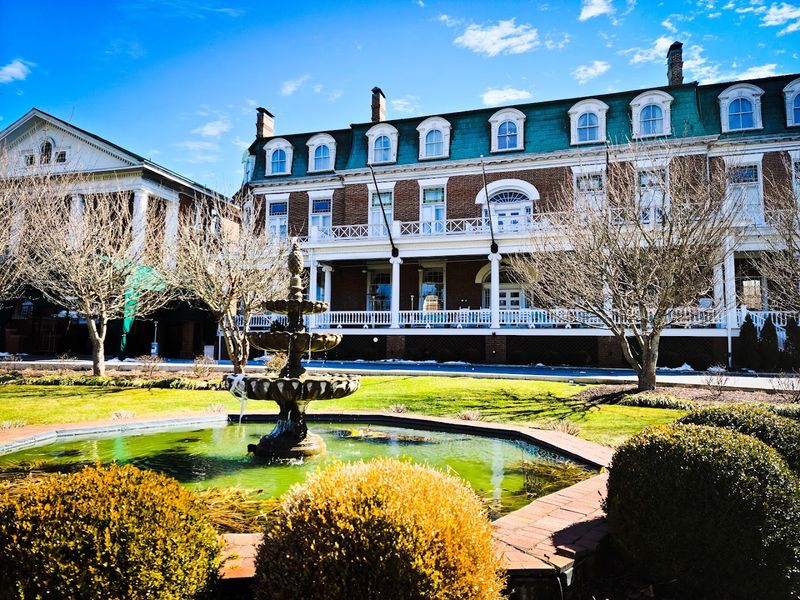
There is a particular kind of thrill that comes from checking into a hotel that might be haunted. The Martha Washington Inn and Spa delivers that thrill wrapped in four-star elegance and more than 190 years of layered history.
Originally built in 1832 as a private home for General Francis Preston, the building later became a women’s college before serving as a Civil War hospital.
The ghost stories here are not vague or generic.
Locals and guests alike have reported hearing the sound of an invisible violin playing on the second floor, said to belong to the spirit of a student named Beth who once played for a Union soldier she loved.
A riderless horse has reportedly been spotted on the south lawn on moonless nights, and an unsettling presence is said to linger in an underground tunnel beneath the hotel.
Recognized as a Historic Hotel of America, the Martha Washington Inn blends genuine supernatural lore with real comfort and craftsmanship. The rooms feel steeped in atmosphere without feeling gimmicky.
Spending a night here is less about being scared and more about feeling connected to something much older than yourself.
Barter Theatre: The Stage That Survived the Great Depression
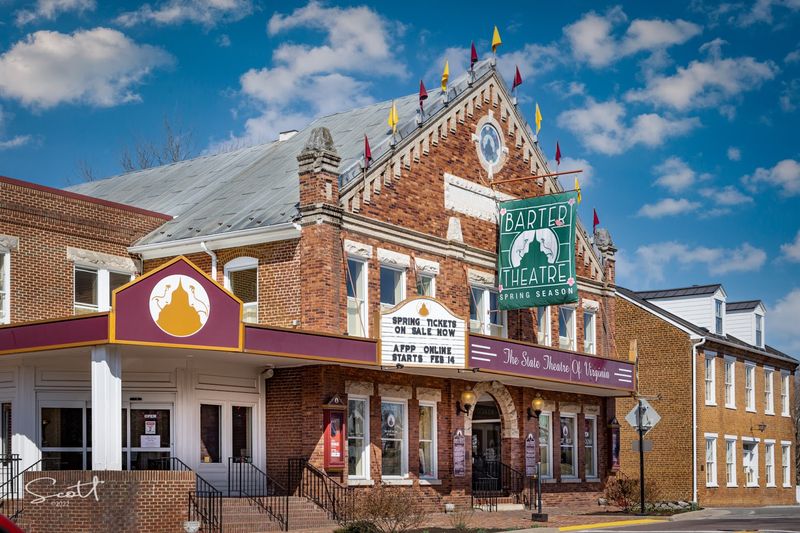
Robert Porterfield had a bold idea in 1933: let people pay for theater tickets with food and farm goods instead of cash. It worked.
The Barter Theatre opened during the deepest years of the Great Depression and never looked back. Today it is recognized as the State Theatre of Virginia and one of the longest-running professional regional theaters in the entire country.
The building itself started life as a church constructed in 1829, which adds a certain reverence to the experience of sitting inside and watching a performance.
Rumor has it that a few former performers never quite left, with staff and visitors occasionally reporting unexplained sounds and movements backstage.
Whether or not you believe in that sort of thing, the atmosphere inside is undeniably electric.
Productions range from beloved classics to fresh contemporary works, and the quality of performance consistently punches well above what you might expect from a small-town venue.
I caught a show on a weeknight and the energy in that room was something I did not anticipate.
Abingdon’s identity is deeply tied to this stage, and seeing a performance here feels like participating in a living tradition rather than just attending an event.
Virginia Creeper Trail: 34 Miles of Pure Appalachian Beauty
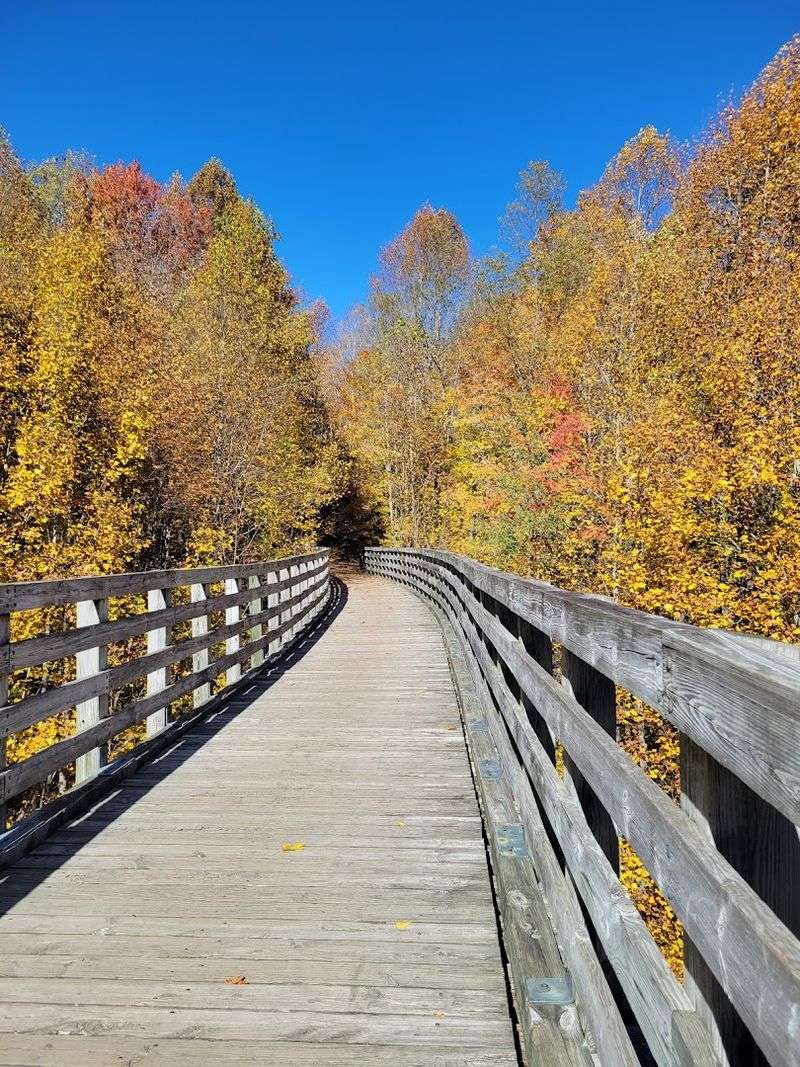
The Virginia Creeper Trail does not ease you in gently. It pulls you into the landscape immediately, surrounding you with dense forest, open farmland, and the kind of quiet that reminds you how loud everyday life usually is.
Stretching 34.3 miles, this converted rail trail runs from Abingdon through the small town of Damascus and up into the mountains toward Whitetop Station.
The section between Abingdon and Damascus is especially popular for cycling because the terrain stays relatively flat and manageable.
Families, solo riders, and groups of friends all share the path, and the pace feels unhurried in the best possible way.
There are dozens of wooden trestle bridges along the route, each one offering its own framed view of the creek below.
Hiking is equally rewarding, though covering the full distance on foot takes real commitment. Many visitors rent bikes in Abingdon, shuttle up to Whitetop, and coast downhill back toward town, letting gravity do most of the work.
The trail passes through ecosystems that shift noticeably as elevation changes, giving the whole journey a sense of genuine variety. It is one of those outdoor experiences that feels effortless even when it is not.
Abingdon’s Historic District: Brick Sidewalks and Two Centuries of Stories
Few towns this size wear their history so openly.
Abingdon’s Historic District covers a 20-square-block area packed with architecture that ranges from Federal-style brick buildings to Victorian storefronts, all connected by the kind of red brick sidewalks that make every walk feel like a slow, deliberate discovery.
The whole district is a designated Virginia Historic Landmark.
The town itself has roots going back to the mid-1700s, when it was originally settled as Black’s Fort, making it the first English-speaking settlement in the Mississippi watershed.
Explorer Daniel Boone reportedly named the surrounding area Wolf Hills in the 1760s after his dogs were attacked by wolves emerging from a nearby cave.
That detail alone says a lot about what early life here must have felt like.
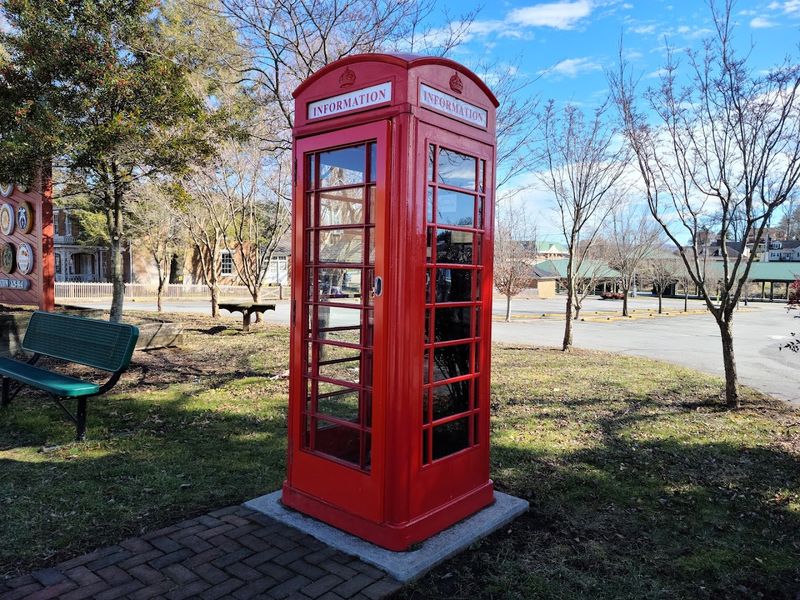
Scattered throughout the district are vintage English phone boxes installed in 2015, repurposed as phone charging stations. They serve as a nod to Abingdon’s sister city relationship with Abingdon-on-Thames in Oxfordshire, England.
Wandering through this district without a specific destination is genuinely one of the better ways to spend an afternoon here.
Every building has a plaque, and every plaque has a story that pulls you a little further into the past.
William King Museum of Art and the Arts Depot: Culture in an Unexpected Place
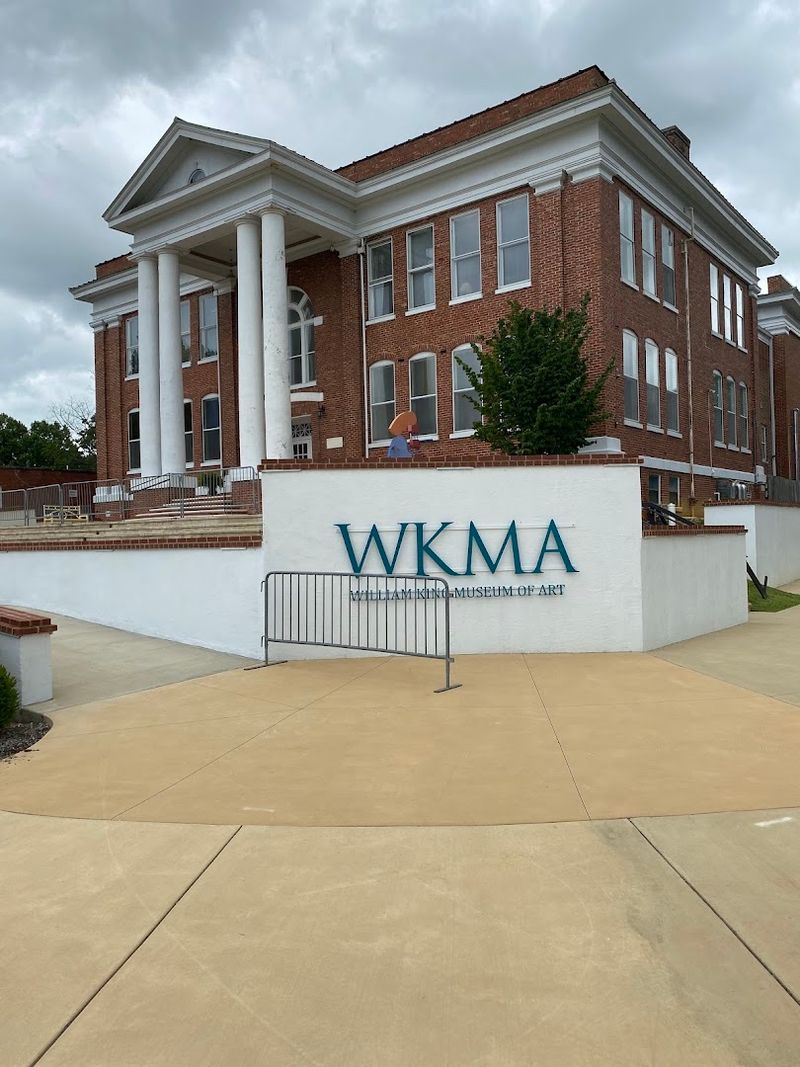
Abingdon has a creative side that sneaks up on you. The William King Museum of Art occupies a striking former high school building and houses a rotating collection of fine art alongside exhibitions spotlighting regional and local artists.
It is the kind of museum that feels welcoming rather than intimidating, with gallery spaces that invite you to slow down and actually look.
Just down the road, the Arts Depot occupies a beautifully restored 1870 railroad station. Working artisans use the space as studios and galleries, so visiting means you might actually catch someone mid-process, throwing clay or stretching canvas.
That kind of access to creative work in progress is rare and genuinely exciting to witness.
Together, these two venues give Abingdon a cultural depth that surprises people who come expecting only history and hiking.
The town was recognized as having one of the best small-town food scenes in the country by USA Today, and the arts scene carries a similar spirit of punching above its weight.
There is also an active Farmers Market and the annual Virginia Highlands Festival, which brings live music, crafts, and community energy into the streets every summer. Creative life here is not a side note.
It is central to how the town breathes.
Sinking Spring Cemetery and the Overmountain Victory Trail: Where Revolution Began
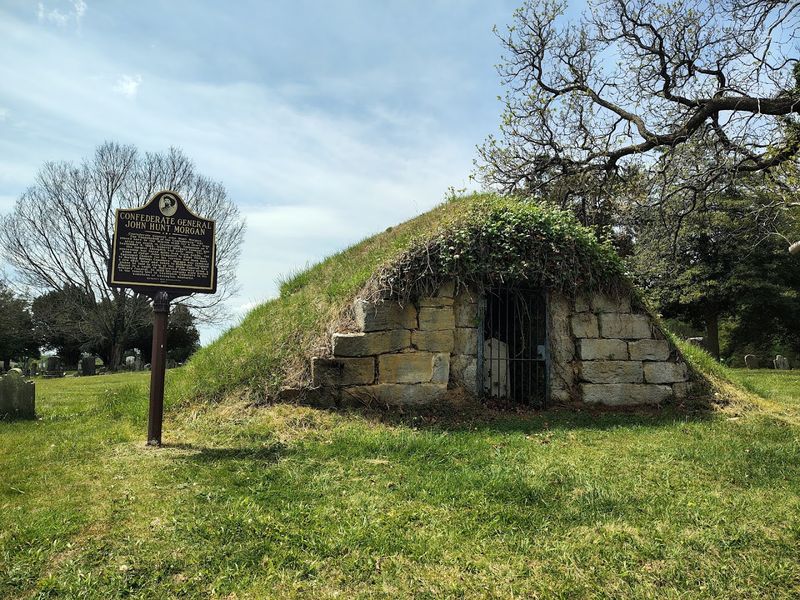
Not every meaningful place announces itself loudly. Sinking Spring Cemetery sits quietly near the center of Abingdon, established around 1773, and contains the graves of veterans from both the Revolutionary War and the Civil War.
The oldest sections feel genuinely ancient, with weathered stones that lean at angles shaped by more than two centuries of seasons.
Nearby, the Abingdon Muster Grounds marks a pivotal moment in American history.
This is where citizen militia members known as the Overmountain Men gathered before marching to fight in the Battle of Kings Mountain during the Revolutionary War.
The site now serves as the official starting point of the Overmountain Victory National Historic Trail, which traces their route across the Appalachian Mountains into South Carolina.
Standing in that space and thinking about ordinary farmers and tradespeople deciding to march hundreds of miles into battle is genuinely humbling.
Abingdon is also a key stop along The Crooked Road, Virginia’s Heritage Music Trail, which celebrates the Appalachian musical traditions that grew from communities just like this one.
For those who want to go further off the beaten path, the Great Channels Hike leads to a nearby sandstone slot canyon that feels like a completely different world.
History and wilderness sit side by side here in a way that feels entirely natural.
