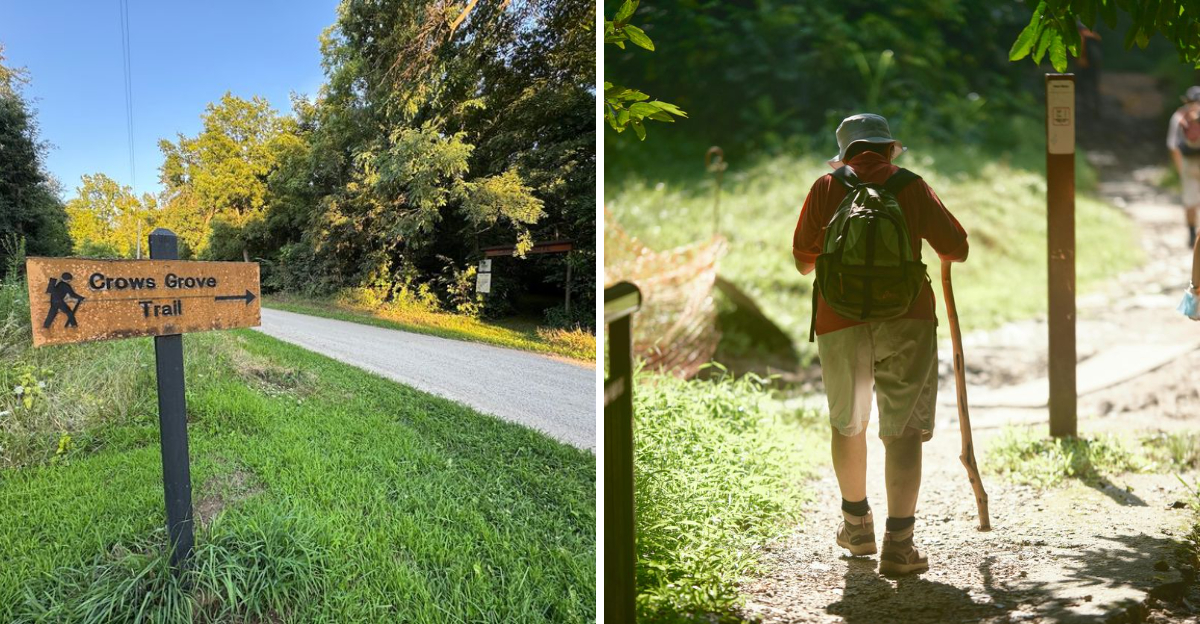
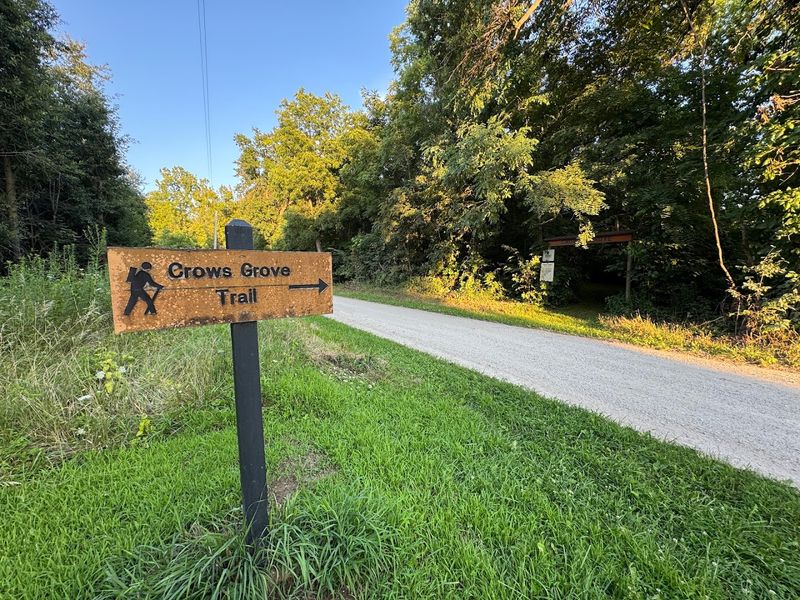
I will be honest with you. Most people driving through Warren County, Indiana have no idea that a small pocket of ancient forest is tucked just off the road near Williamsport.
This nature preserve is the kind of place that makes you stop mid-step and take it all in, with towering old-growth white pines that have stood for centuries and sandstone formations shaped slowly by water over time. Even though it is relatively small, it holds an impressive sense of age and quiet wilderness that feels far removed from everyday roads and towns.
It is the kind of spot where the landscape itself tells the story, and every trail feels like a reminder of how long this part of Indiana has been evolving.
Living Glacial Relics That Have Survived Since the Ice Age
Some trees carry history in their rings. At Crow’s Grove Nature Preserve in Williamsport, Indiana, a rare grove of old-growth white pine trees does something even more remarkable.
These trees are considered glacial relics, meaning they migrated southward during the Pleistocene epoch as glaciers pushed cold-climate species into new territory, and they simply never left when the ice retreated.
Standing beneath them feels different from standing in any ordinary Indiana woodland. The canopy is dense and layered in a way that feels almost boreal, more like something you would expect in northern Canada than central Indiana.
The trunks are wide, the bark deeply furrowed, and the age written into every inch of them is genuinely humbling.
What makes this so special for Indiana nature lovers is that old-growth forest is extraordinarily rare in this state. Most of Indiana’s original forest was cleared for agriculture long ago.
These pines survived, and that survival is not just a botanical curiosity. It is a living connection to a world that existed before humans reshaped this landscape.
Visiting the preserve means standing in the company of trees that predate almost everything around them. For anyone who appreciates natural history, that alone is worth the drive to Warren County.
A Sandstone Ravine and Gorge That Looks Like a Hidden Canyon
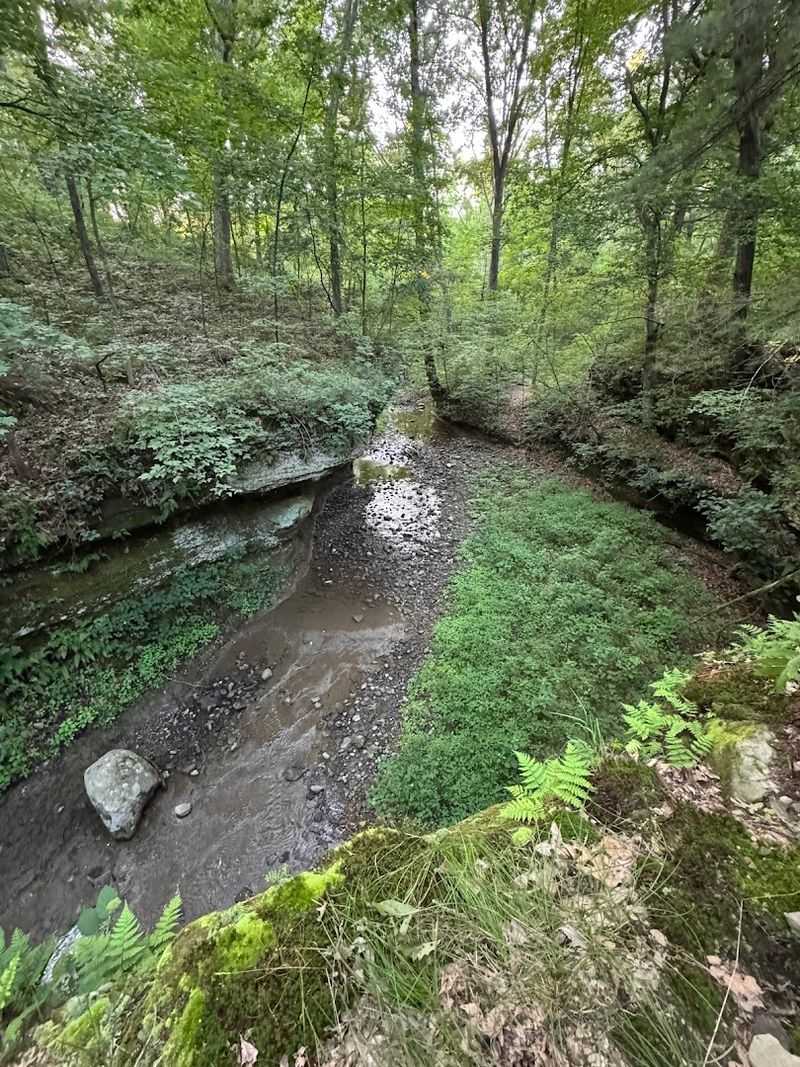
There is a moment on the trail when the ground simply drops away and a canyon opens up in front of you. That is the sandstone ravine at Crow’s Grove, and it is one of the most visually striking geological features in all of Warren County.
A creek has spent thousands of years carving through the rock here, and the result is a gorge with walls reaching 25 to 30 feet on either side.
The exposed rock layers tell a story of time that is hard to wrap your head around. Each stripe in the canyon wall represents a different period of sediment deposit, compressed and hardened over millennia into the sandstone you can reach out and touch today.
It is the kind of geology lesson that no textbook can fully replicate.
Ferns and mosses cling to the damp rock faces along the gorge, softening the edges of the stone with lush green growth. The creek runs along the bottom, its sound echoing off the walls in a way that makes the whole experience feel enclosed and intimate.
For photographers, this spot is an absolute gift. For anyone who just wants to stand somewhere that feels ancient and alive at the same time, the ravine delivers on every level.
It genuinely surprises people who expect flat Indiana terrain and find a canyon instead.
Unique Geological Formations Including Rock Houses and Glacial Cobble
Beyond the main gorge, Crow’s Grove continues to reward curious visitors with geological details that feel almost theatrical. Large rock houses, essentially deep alcoves cut directly into the sandstone walls by centuries of water erosion, line portions of the preserve.
They are big enough to walk into and offer a completely different perspective on how water and stone interact over long stretches of time.
The creek bed itself is another geological highlight. Rather than sand or mud, much of the streambed is covered in glacial cobble, smooth rounded stones carried and deposited here by the movement of ancient glaciers.
Running your hand through those stones is a tactile reminder that this land was shaped by forces far beyond anything in recent human memory.
What makes the geology at Crow’s Grove particularly engaging is how layered it is. You are not looking at one interesting rock feature.
You are moving through an entire sequence of geological events preserved in a 34-acre space. The sandstone exposures, the cobbled stream, and the carved alcoves all tell connected chapters of the same story.
Geology enthusiasts will want to slow down and spend real time here, and even casual visitors tend to find themselves lingering longer than expected. This is the kind of place that turns ordinary curiosity into genuine fascination without requiring any prior knowledge of earth science.
Rare Old-Growth Forest That Is Almost Impossible to Find in Indiana
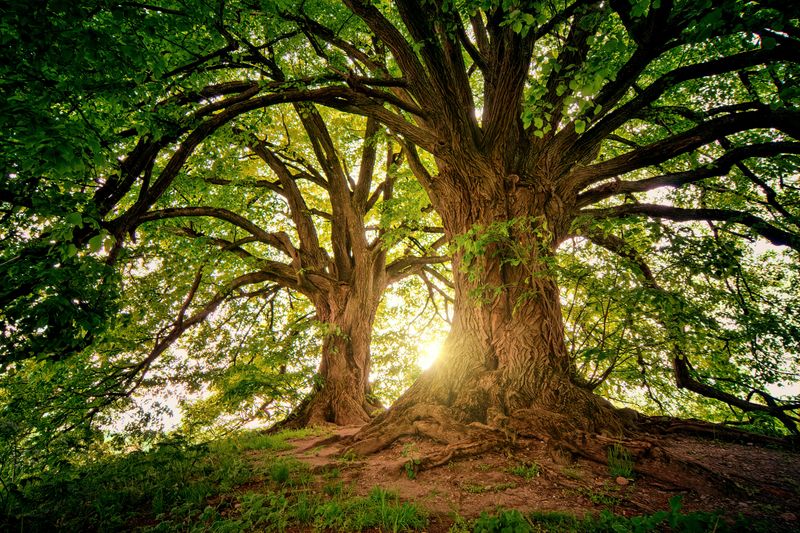
Old-growth forest in Indiana is not something you stumble across often. In fact, it is so rare that most Indiana residents will go their entire lives without ever walking through a stand of trees that has never been logged.
Crow’s Grove offers that experience within a short drive of Williamsport, and that alone sets it apart from nearly every other natural area in the state.
The difference between old-growth and second-growth forest is immediately apparent once you know what to look for. The trunks here are noticeably wider, the bark more deeply textured and complex.
The canopy layers in a way that creates distinct zones of light and shadow, and the forest floor is rich with the accumulated organic material of centuries of undisturbed growth. Biodiversity thrives in environments like this in ways that younger forests simply cannot match.
Walking through old-growth forest has a quieting effect that is hard to describe but easy to feel. The scale of the trees shifts your sense of proportion in a way that feels almost meditative.
I find that places like this have a way of resetting whatever mental noise I arrived with. For Indiana residents who have only ever walked through managed woodlands or state park trails lined with younger trees, the old-growth section of Crow’s Grove is a genuinely eye-opening comparison.
It is worth visiting for this reason alone, completely separate from everything else the preserve offers.
Rich Native American and Early American History Along an Ancient Trail

History runs deep at Crow’s Grove in a way that goes far beyond its geology. The preserve encompasses a portion of an ancient Native American trail that connected Detroit, Michigan to Vincennes, Indiana.
This route was reportedly used by Chief Pontiac, the influential Ottawa leader whose name echoes through the history of the Great Lakes and the Old Northwest Territory.
That same trail later became strategically significant during the early American period. General William Henry Harrison used it during his campaign leading up to the Battle of Tippecanoe in 1811, one of the most consequential military engagements in Indiana history.
Walking through the preserve means walking, at least in part, on the same ground that carried both Indigenous leaders and American military forces during a pivotal era in the region’s story.
For Indiana history enthusiasts, that layering of significance is remarkable. Most natural preserves offer either ecological value or historical context.
Crow’s Grove manages to deliver both in the same footsteps. The trail does not look like much from above, just a path through old trees.
But knowing what it meant to the people who traveled it before us adds a dimension to the visit that no interpretive sign can fully capture. Standing there with that knowledge changes the experience entirely.
It is the kind of historical weight that makes a short hike feel like something much larger and more meaningful.
Rare Plant Communities, Fens, and Spectacular Spring Wildflowers
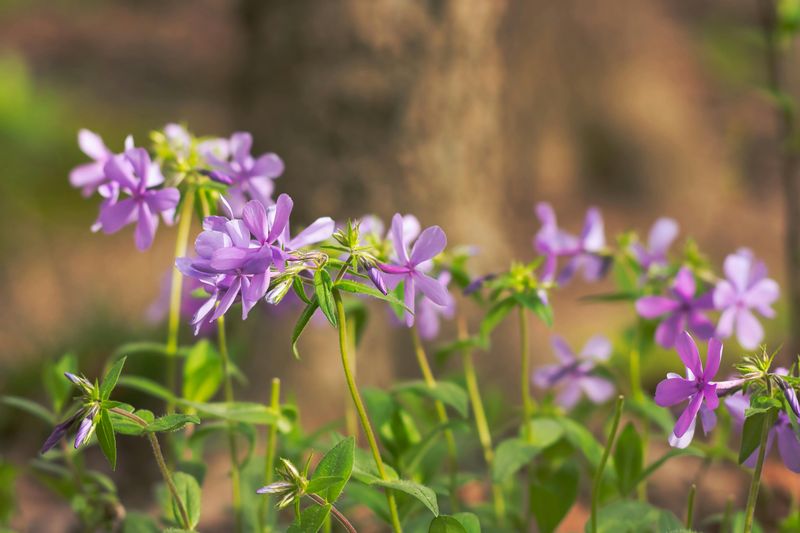
The plant life at Crow’s Grove is as layered and surprising as its geology. Two fens exist within the preserve, which is already unusual for this part of Indiana.
One is a high-quality basin fen where skunk cabbage pushes up through the cold ground in late winter, one of the earliest signs of biological life returning to the forest each year. The other is a hanging fen, a rarer type that clings to sloped terrain and supports its own distinct community of moisture-loving plants.
Along the rock outcrops and ravine walls, boreal plant relics grow alongside ferns, shrubs, and thick carpets of moss. These species are holdovers from cooler climate periods, surviving in the microhabitats created by the canyon’s shade and moisture.
Seeing them here, far south of their typical range, reinforces just how ecologically unusual this small preserve really is.
Spring is an especially rewarding time to visit. Bloodroot, Dutchman’s breeches, trillium, wild ginger, mayapple, and spring beauty all bloom across the forest floor in a sequence that unfolds over several weeks.
For wildflower enthusiasts, the preserve becomes a destination in its own right during April and May. I think there is something genuinely joyful about watching a forest floor that looked bare and brown suddenly erupt in color.
Crow’s Grove delivers that experience with a diversity and quality that is hard to match anywhere else in Warren County.
Peaceful Solitude and a True Hidden Gem Experience in Indiana

Some places earn the label hidden gem honestly. Crow’s Grove Nature Preserve is one of them.
With only a handful of reviews and no social media crowds lining up for photos, it offers something increasingly rare in modern outdoor recreation: genuine quiet. The kind of quiet where you can hear the creek, the wind in the pines, and your own thoughts without interruption.
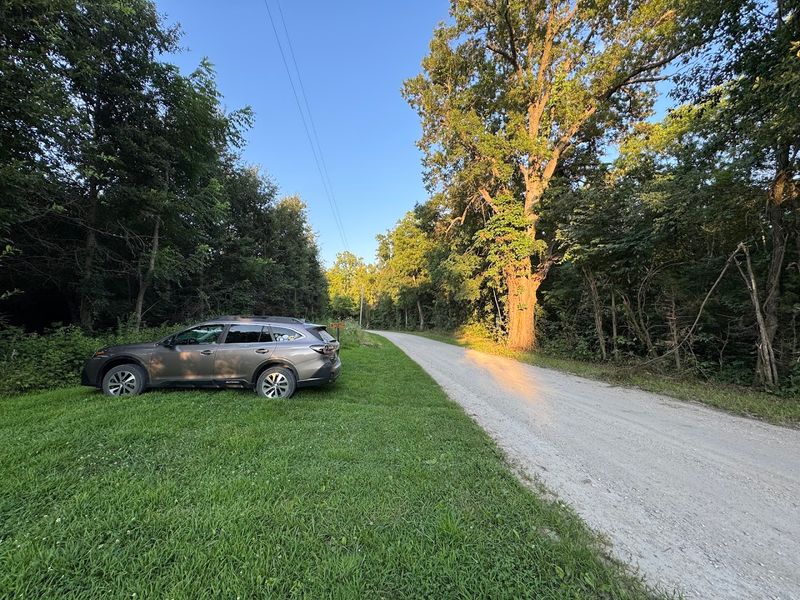
The preserve is managed by Niches Land Trust and is located at 3300 N 050 W in Williamsport, Indiana. It is a short trail experience rather than a full-day hike, which makes it accessible for visitors of most fitness levels.
That accessibility combined with the depth of what the preserve contains makes it an unusually efficient destination for nature lovers who want a lot from a small footprint.
If you are looking for nearby spots to round out your visit to Warren County, the town of Williamsport itself has local character worth exploring. The Williamsport Falls, located along the Kickapoo Creek, is one of Indiana’s wider waterfalls and sits just a short distance away.
The Warren County area rewards slow travel and genuine curiosity rather than rushed itineraries. Crow’s Grove fits perfectly into that kind of day.
I keep coming back to the idea that the best natural places are the ones that ask nothing of you except your attention. This preserve is exactly that kind of place, and Indiana is lucky to have it.
