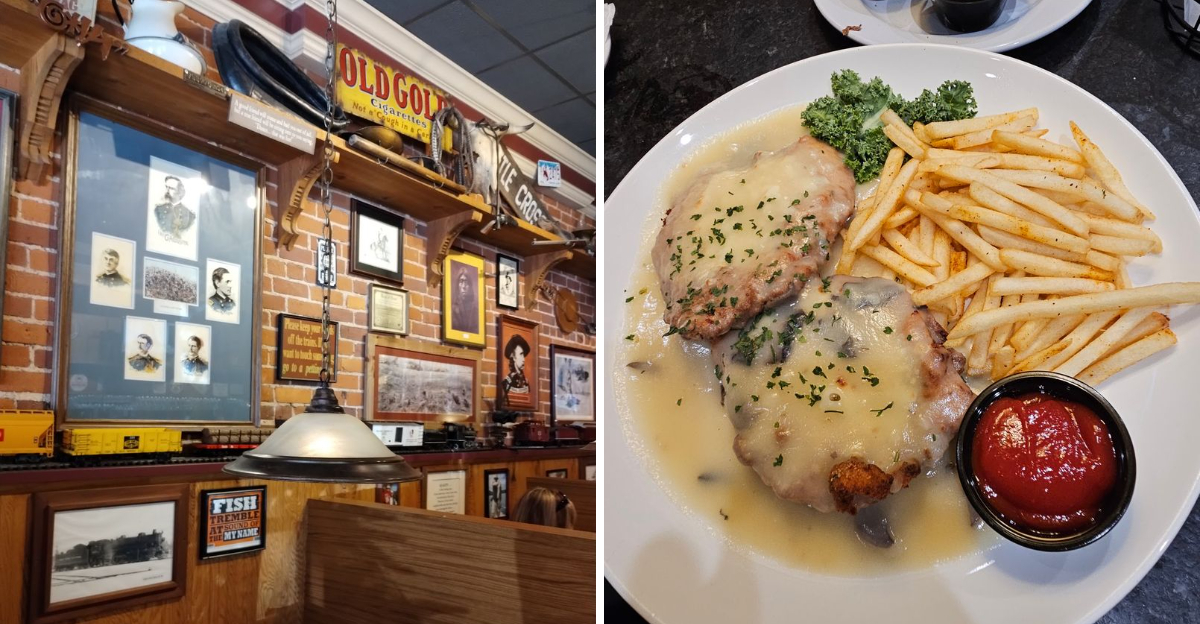
I stopped for a quick meal and somehow ended up spending much longer than planned. There is something about an old town that can make a simple lunch feel like part of the trip, especially when the place has been quietly winning over locals for years.
The restaurant sits inside a historic downtown building, surrounded by limestone facades and streets that slope toward the river. Inside, the atmosphere feels familiar almost immediately, with regulars settling into their usual spots and conversations carrying across the room.
I tried the steak on a stick after hearing it mentioned nearby, and it was good enough to stay on my mind afterward. What really surprised me was how much character waited outside the dining room, too.
Indiana has plenty of small-town food stops, but few feel this rooted in their community. After decades of local love, I had to find out what makes this one so special.
An 1898 Building That Still Wears Its Story
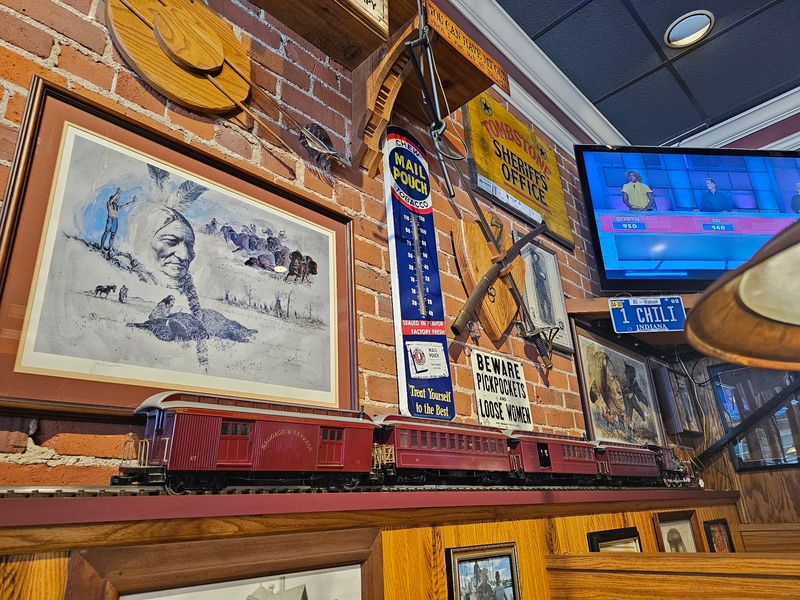
Old buildings usually give themselves away in small details, and here it is the thickness of the walls and the way sound settles differently inside. Market Street Grill occupies a structure raised in 1898, originally known as the S.J.
Payne building.
Downtown Wabash was already busy then, and this corner has been a gathering place ever since. Over the decades the space held a furniture store, a coffee shop, a restaurant under the Payne name, and in the early 1980s a nightspot called the Copper Club.
The grill moved in during 1996 and has kept the thread going. I like that nothing feels overly restored or turned into a museum piece.
The decor leans cool rather than cutesy, with modern touches layered onto original bones.
Sitting at a table near the front, I found myself glancing at the ceiling and the window frames more than the menu, wondering how many conversations this room has absorbed.
Wabash County’s downtown district earned a place on the National Register of Historic Places back in 1986, so the grill is part of a wider preservation story rather than a lone survivor. That context makes the meal feel anchored to something.
You are not just eating in an old building. You are eating in a room that has served this town for well over a century, which is a rare thing to sit inside.
Steaks Locals Will Argue Are The County’s Finest
The kitchen here works from scratch, and you taste that difference almost immediately. Steaks carry the reputation, and people around Wabash County have been calling them the best in the area for a long stretch of years.
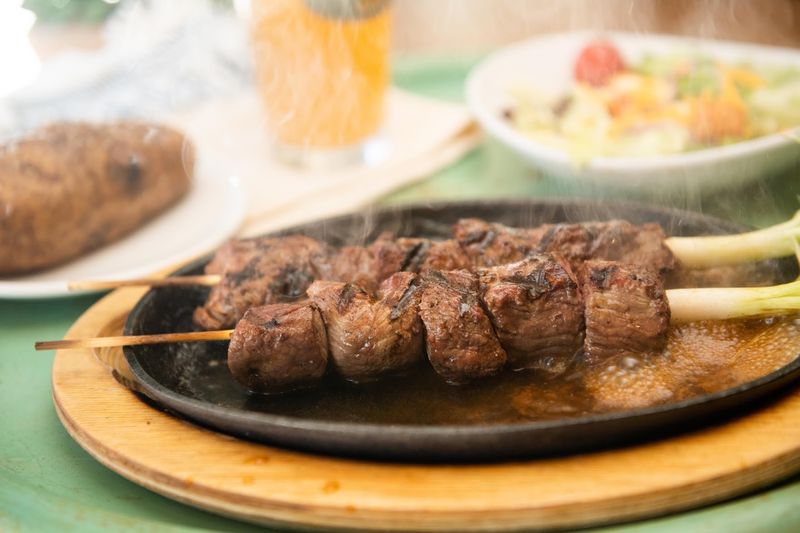
Steak on a stick sounds like fair food. It is not.
What arrives is a genuinely tender cut, skewered and grilled, and it has become the dish regulars point newcomers toward without hesitation.
I paired mine with a baked potato and left absurdly satisfied. Prime rib also comes up constantly in conversation, and the ribeye holds its own for anyone wanting something more traditional on the plate.
What impressed me was consistency across the board rather than one showpiece dish carrying the whole menu.
Sides get real attention too, which is not always the case at steak-focused places. Foot-tall onion rings arrive looking faintly ridiculous, in the best possible way, and sweet potato fries hold their crispness longer than they have any right to.
Stuffed mushroom caps are another appetizer worth ordering before you even glance at entrees.
My practical advice: call ahead for a reservation, especially on Saturday evenings when the dinner service runs from five until ten. The dining room fills quickly, and the parking situation downtown rewards early arrivals.
Weekday lunch runs eleven to two, which is a quieter window if you prefer room to linger.
Drunk’in Chicken And Other Signature Plates Worth Ordering
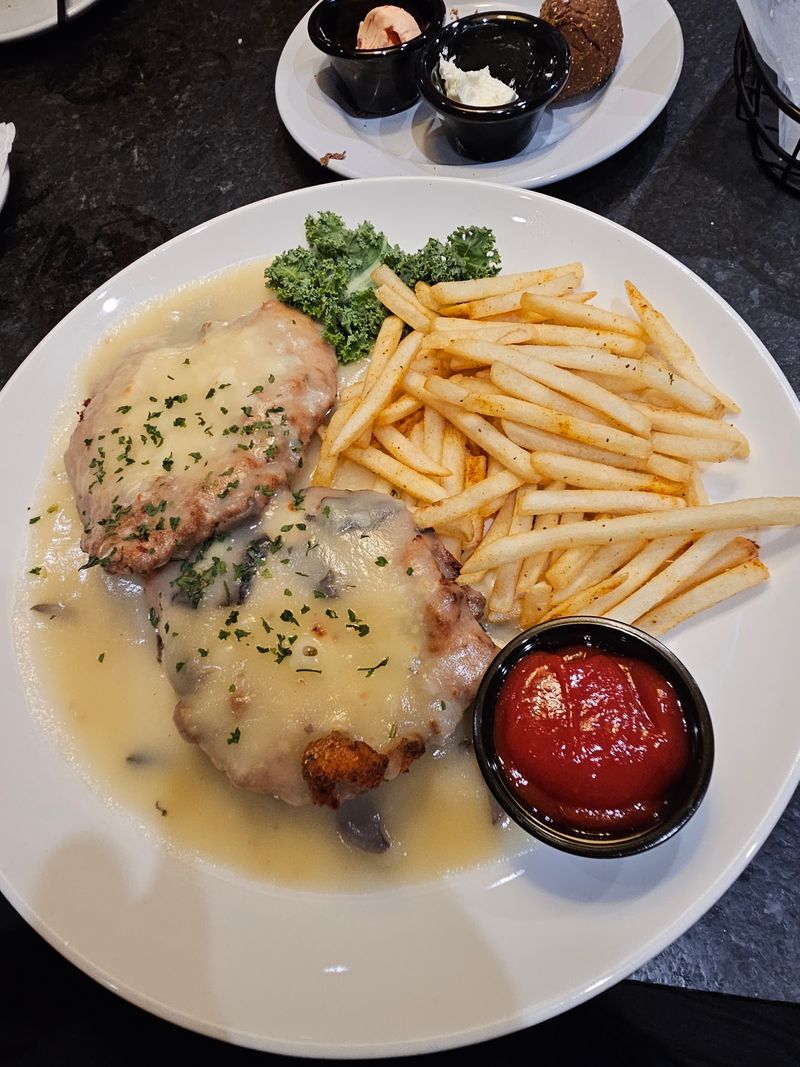
Odd name, serious dish. Drunk’in Chicken is the plate that gets mentioned more than almost anything else on this menu, and after trying it I understood the fuss.
The chicken soaks in buttermilk first, then gets sautéed with butter and a splash of Sauternes for a sauce that turns rich without going heavy. It is the sort of dish that sounds fussy on paper and tastes like comfort on the fork.
Pecan-crusted chicken is the other favorite worth knowing about, with a nutty crust that stays crisp against the tender meat underneath.
Seafood surprised me most. Walleye comes out cleanly cooked, and blackened mahi mahi has its own quiet following among regulars who order it repeatedly.
Crab cakes here have converted people who normally only order them near an ocean, which is a bold claim for landlocked Indiana.
Then there is the breaded pork tenderloin, that Indiana rite of passage. Theirs is well seasoned and properly tender, and I would happily use it as a benchmark against any other in the state.
BLT soup shows up on the lunch bar and deserves its reputation. Lunch also brings a serve-yourself soup and salad setup with rotating hot dishes like tacos, wings, or sliders.
If you cannot decide, that lunch bar is your friend. Sample widely, then plan your dinner order for next time.
Service That Makes Strangers Feel Like Regulars
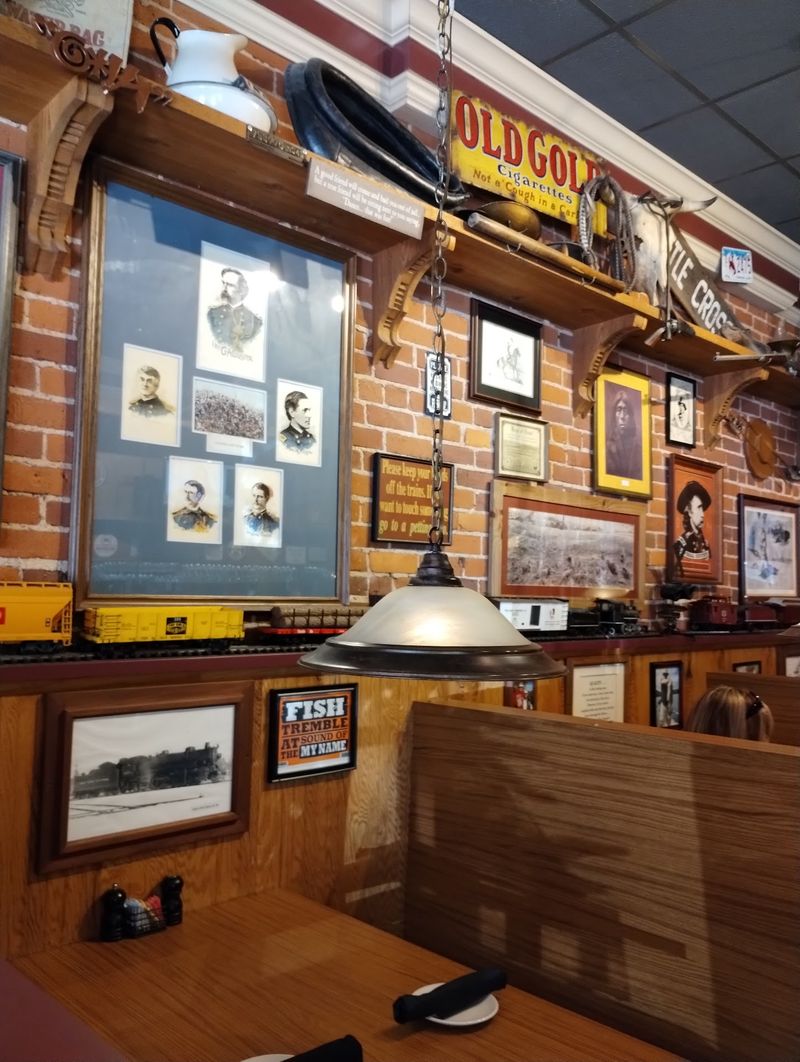
Hospitality is hard to fake, and you can usually tell within two minutes of sitting down. Here the greeting came fast, the specials came explained rather than recited, and suggestions came without any pressure attached.
The staff clearly know the menu inside out, which matters when you are staring at a long list of options for the first time.
I watched servers move between tables of longtime locals and out-of-towners with the same easy manner. Conversations carried across the room.
Someone at the next table was celebrating something, and the whole section seemed vaguely aware of it.
That hum is what makes the place feel less like a restaurant and more like a shared living room for the town.
Refills appeared before I asked. Plates got cleared without hovering.
Those small operational things add up to a meal that flows well instead of dragging.
Reservations are genuinely worth making, and the phone number is easy enough to find. On nights when a big show is running at the nearby Honeywell Center, the kitchen switches to a streamlined show menu to move guests through in time for curtain.
Knowing that ahead of time saves confusion, and the restaurant lists it on their site under menus.
Also note the closures. Sunday and Monday the doors stay shut, so plan your Wabash visit around Tuesday through Saturday.
Peanut Butter Pie Big Enough To Share, Though You Won’t
A dessert tray came to the table before I had finished deciding whether I had room, which is a tactic I respect enormously.
The choices were genuinely difficult. Cookies and cream pie looked tempting, crème brûlée sat there in its little dish, but everyone at neighboring tables seemed to be working through the same thing.
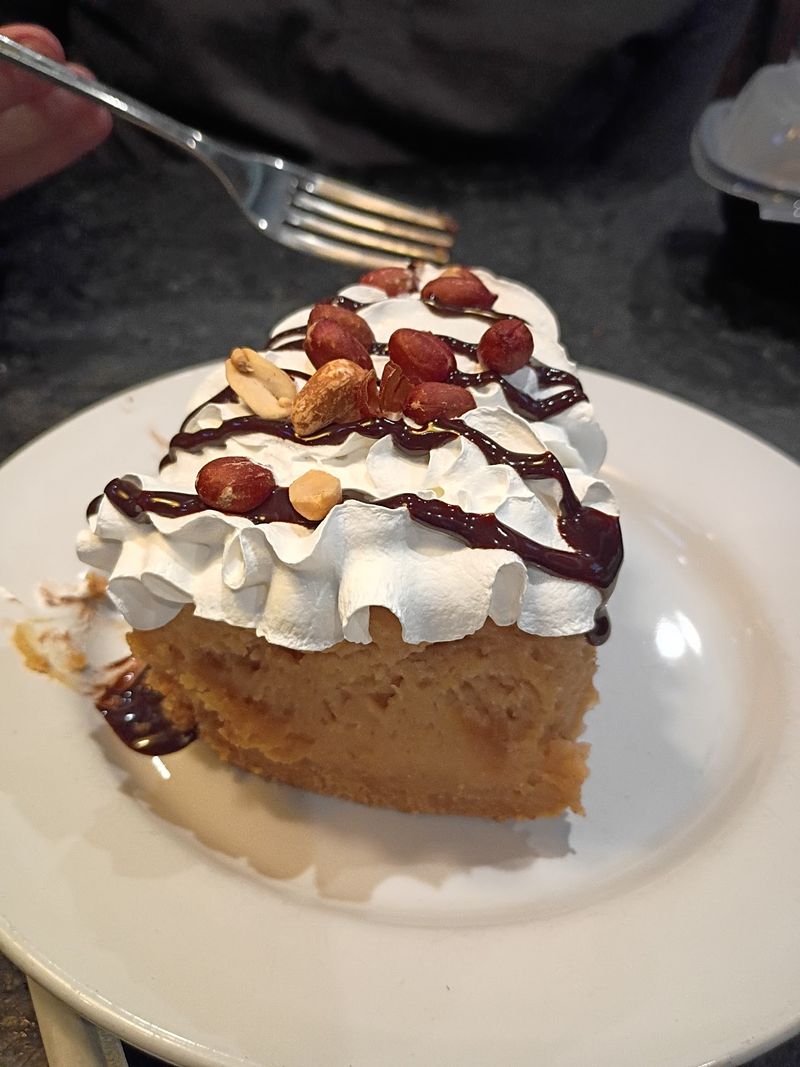
Peanut butter pie. The slab is enormous, dense, and rich in a way that makes conversation stop for a moment.
I split mine and still could not finish it, which felt like a small personal failure. It has been mentioned by diners for years and holds up to every bit of that talk.
What I appreciated is that dessert clearly is not an afterthought bolted onto the end of service. The same scratch-kitchen care that shows up in the entrees carries through to the sweet course.
My tip is simple. Order lighter appetizers if pie is your goal, because the entree portions here are generous and the pie deserves actual stomach real estate.
Coffee alongside cuts the richness nicely. Ask what the dessert lineup looks like when you sit down rather than at the end, so you can pace yourself accordingly.
It is the kind of finish that sends you out onto Market Street a little slower than you arrived, in the happiest possible way.
A Front-Row Seat To Downtown Wabash’s Cultural Scene
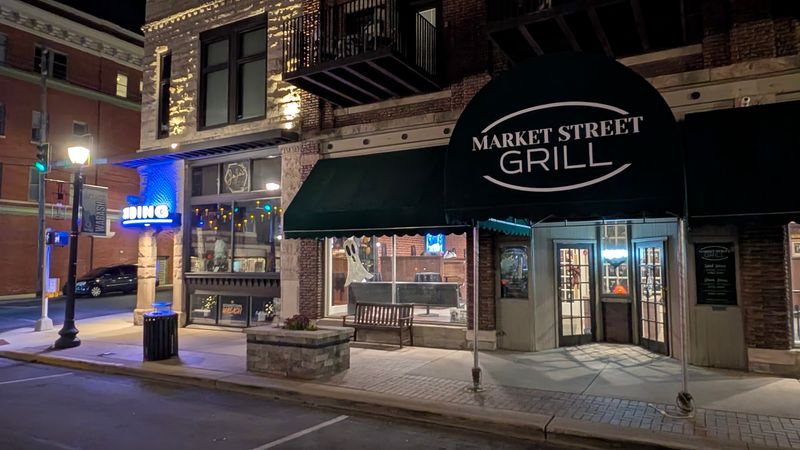
Location does a lot of quiet work for this restaurant. The Honeywell Center, one of Indiana’s better-known performing arts venues, sits a short walk away, and dinner before a show has become a local ritual.
I noticed how the dining room energy shifted as showtime approached, tables turning over in a steady, well-practiced rhythm.
Wabash carries a genuinely fun claim to fame. In 1880 it became the first city in the world lit by electricity, and the town has never quite stopped mentioning it.
The Wabash County Historical Museum handles that story and plenty more with exhibits that hold kids’ attention, which is not a small achievement. Paradise Spring Historical Park offers a calmer stop, green and shaded, tied to important local heritage.
Downtown Wabash was named an Indiana Cultural District in 2021, and you can feel why walking around. Historic limestone buildings sit beside independent shops, and the streets are shaded and easy to wander.
The walkable district stretches roughly two and a half miles, so you can build a whole afternoon around it without moving your car.
First Fridays bring a historic trolley into the mix and a general sense of occasion. Plan lunch at the grill, wander through the museum, then come back for a show and you have a full, unhurried day in a town most people only pass through.
Reservoirs, Trails, And Green Space Just Beyond Town
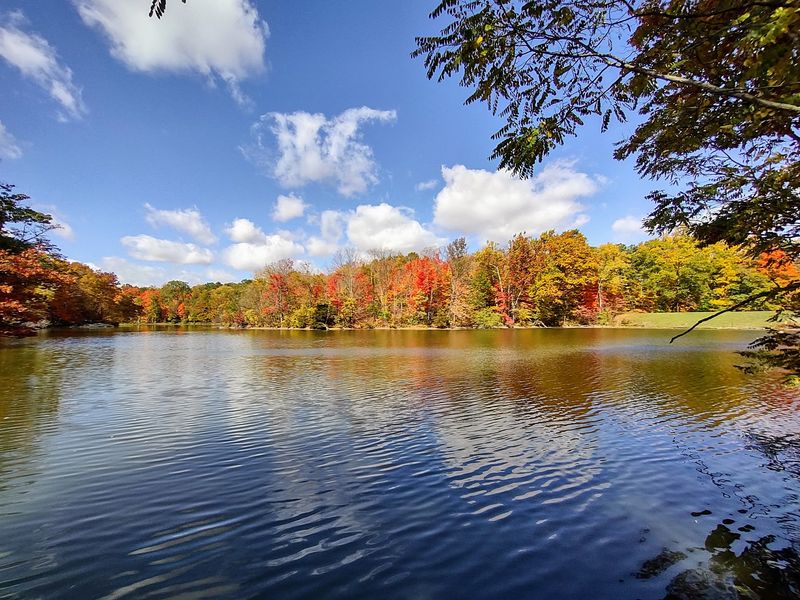
Wabash sits in a rolling, largely rural stretch of Indiana, and the countryside starts almost immediately once you leave the downtown grid.
Salamonie Reservoir and the state park beside it are the big draw for anyone wanting to stretch their legs. Hiking, fishing, and long stretches of quiet water make it an easy pairing with a meal in town.
I drove out after lunch mostly on a whim and ended up walking far longer than planned.
Asherwood Nature Preserve is the gentler option, wooded and calm, good for a slow hour with no particular agenda. Wabash City Trails run closer in, useful if you would rather walk or bike straight from downtown without driving anywhere.
The Wabash River shapes the whole area, and the hills and small streams give the landscape more texture than people expect from Indiana.
Here is how I would structure a visit. Arrive late morning, take the lunch bar at Market Street Grill while the dining room is relaxed, then head out to the reservoir for the afternoon.
Come back into town for the evening if a performance is on the calendar.
That combination of a scratch kitchen inside an 1898 building, a walkable historic district, and open water within a short drive is what keeps Wabash on my list of underrated Indiana stops.
Address: 90 West Market Street, Wabash, IN 46992
