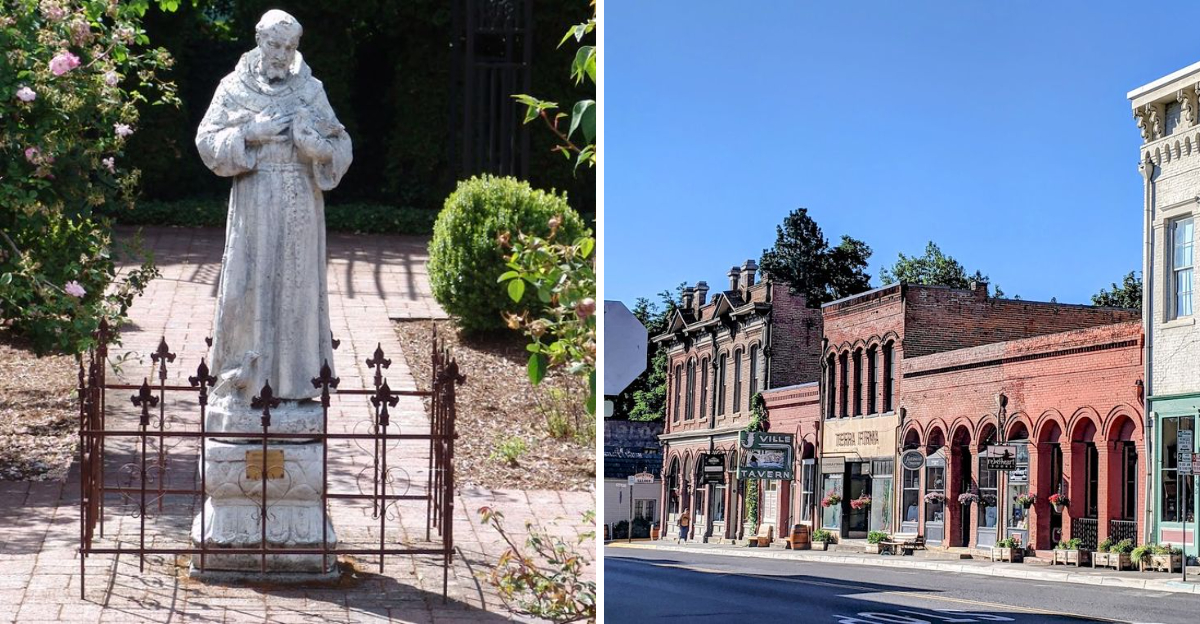
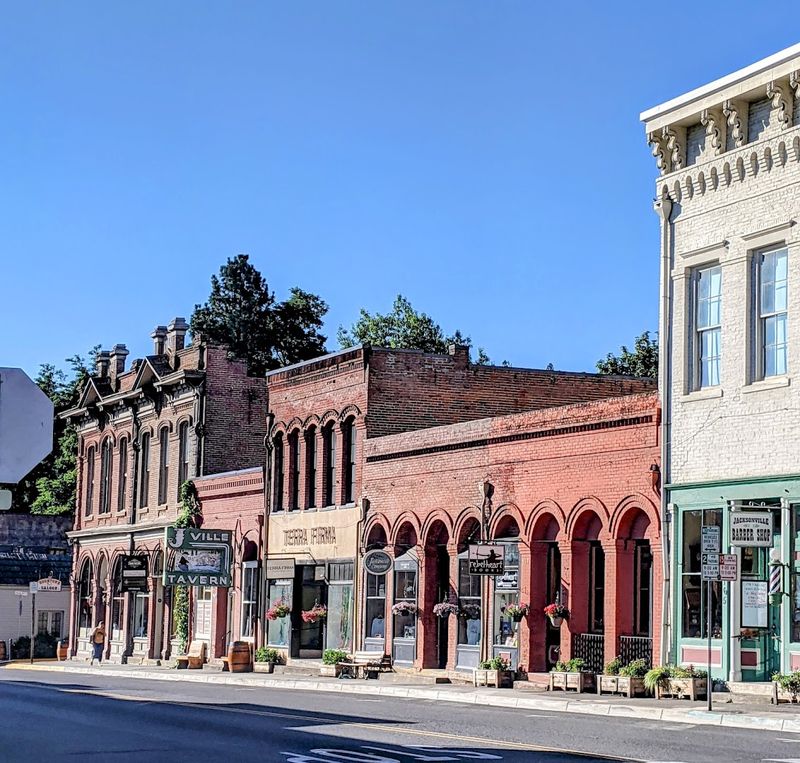
The main street looks like it was plucked straight from a Western film, with wooden storefronts and hitching posts still intact. This tiny town sprang up during the gold rush, and it has never lost its old soul.
You can wander past historic buildings that now house boutique shops and cozy cafes. The saloon still stands, serving drinks in a space that once hosted miners and gamblers.
The brick streets are worn smooth by decades of footsteps and wagon wheels. A preserved courthouse sits at the top of the hill, offering views of the surrounding valley.
The surrounding hills are dotted with old mine shafts and remnants of a busier era. Festivals and events fill the calendar, bringing the community together throughout the year.
The pace is slow and welcoming, exactly what you need for a weekend escape. Oregon has many charming towns, but this one holds a special kind of magic.
It is the kind of place that makes you want to stay just a little longer.
The Historic Downtown District
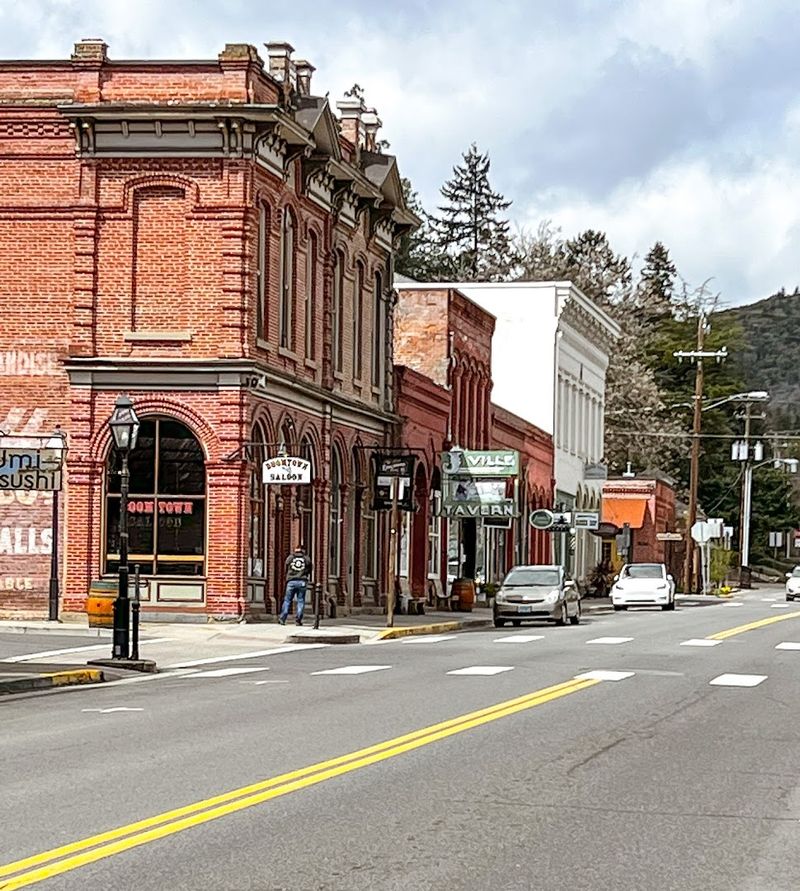
Walking down California Street feels like stepping into a very well-preserved dream. The buildings are not replicas or reconstructions.
They are the real thing, built during the gold rush era and still standing with quiet confidence today.
Jacksonville was added to the National Register of Historic Places back in 1966. The entire town was recognized, not just a single block or landmark.
That kind of blanket protection is incredibly rare across the whole country.
The storefronts hold a mix of local boutiques, art galleries, and cozy cafes. Brick walls and wooden facades line every corner you turn.
The details in the architecture alone could keep a curious traveler busy for hours.
Old iron hitching posts still line parts of the street. Ornate cornices crown the rooflines above modern shop windows.
It is the kind of place where history does not feel like a museum exhibit. It feels like a living, breathing neighborhood that simply kept going.
Jacksonville Museum of Southern Oregon History
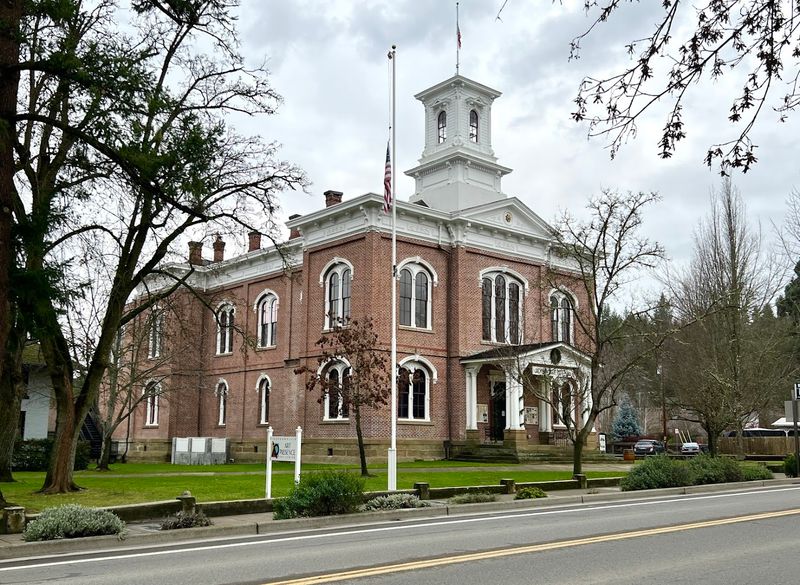
The museum sits inside the old Jackson County Courthouse, a sturdy brick building from 1883. Walking through its doors gives you an instant sense of how serious this town takes its past.
The courthouse itself is worth the visit before you even look at a single exhibit.
Inside, the collection covers the full arc of Southern Oregon history. Gold rush tools, pioneer photographs, and Native American artifacts all share the same carefully curated space. Each room tells a different chapter of a story that spans thousands of years.
The gold rush section is particularly gripping for anyone who loves frontier history. You can see actual placer mining equipment used along Jackson Creek.
Imagining the chaos and hope of those early prospectors becomes surprisingly easy in that room.
Kids and adults both tend to linger longer than expected here. The exhibits are accessible and genuinely interesting across all ages.
Britt Festivals Outdoor Amphitheater
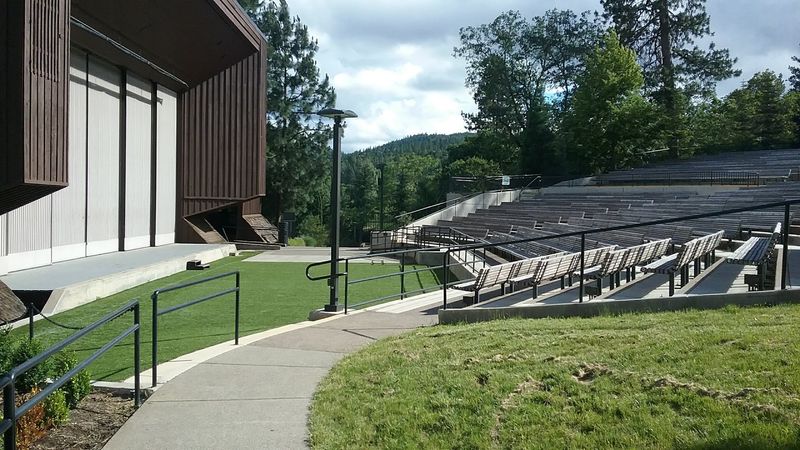
Tucked into a natural hillside setting among old ponderosa pines, the Britt Festivals venue is genuinely one of a kind. The open-air amphitheater uses the landscape itself as part of the experience.
Tall trees frame the stage like a curtain nature designed on purpose.
Peter Britt was a Swiss immigrant photographer and horticulturist who settled in Jacksonville in the 1850s. His former estate grounds became the home of this beloved outdoor music series. The festival now draws nationally known performers across multiple genres every summer.
Audiences bring blankets, lawn chairs, and picnic baskets to spread across the terraced hillside. The atmosphere is relaxed and communal in a way that indoor venues simply cannot replicate. Watching a live performance under a canopy of stars feels like a genuine privilege.
Even the walk up to the grounds is pleasant, winding through shaded paths and historic markers. The setting rewards you before the music even starts.
Address: Britt Festivals, 350 S 1st St, Jacksonville, Oregon.
Jacksonville Cemetery
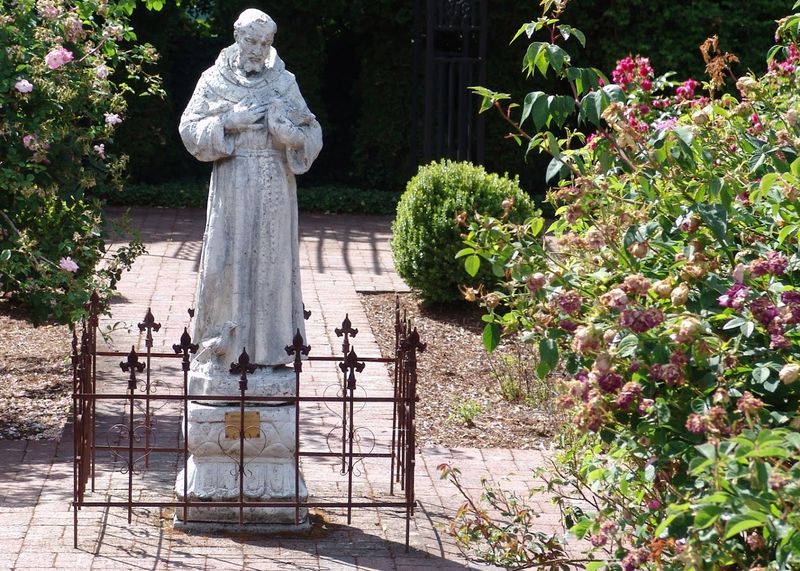
Cemeteries rarely make travel highlight lists, but Jacksonville’s historic cemetery earns its place without any hesitation. Established in the 1850s, it holds the graves of gold rush pioneers, early settlers, and some of the town’s most colorful characters. The headstones read like short stories carved in stone.
The epitaphs range from heartbreaking to surprisingly witty. Some markers are simple wooden posts that have survived against all odds.
Others are elaborate carved monuments that reflect the ambitions of the families who funded them.
Walking the grounds is a genuinely contemplative experience on a quiet morning. You get a strong sense of who built this town and what they sacrificed to stay. The cemetery sits on a gentle hill overlooking the valley, which only adds to the atmosphere.
Self-guided walking tour maps are available in town, helping visitors connect names to the broader history. It is somber, beautiful, and surprisingly moving all at once. The cemetery is located on North Oregon Street in Jacksonville.
Beekman House Living History
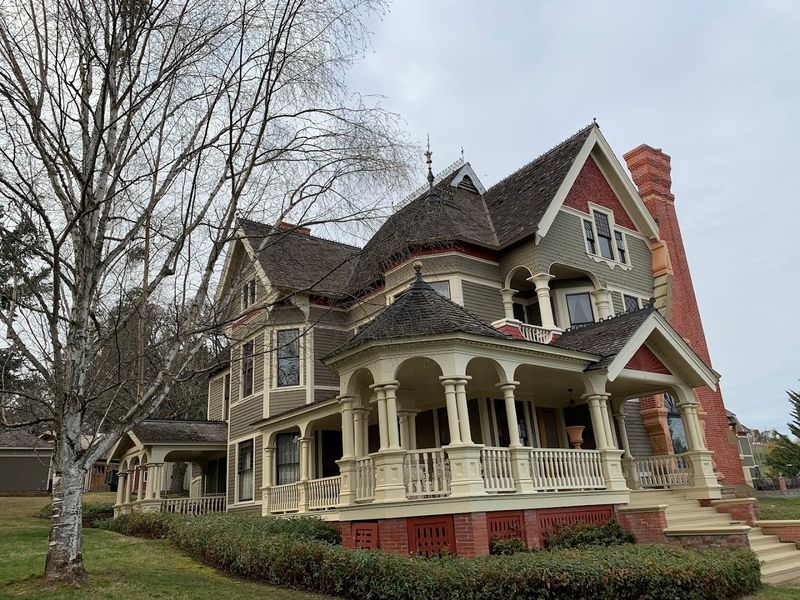
The Beekman House is one of those places that makes history feel genuinely immediate rather than distant. Built in 1875, the home belonged to William Beekman, a banker and Wells Fargo agent who played a central role in Jacksonville’s financial life.
The house has been preserved with extraordinary care and attention to period detail.
Living history programs bring the space to life in a way that static exhibits simply cannot. Costumed interpreters portray members of the Beekman family during summer months, going about daily routines as they would have in the 1880s.
Conversations with them feel surprisingly natural and informative.
The furnishings inside are largely original to the family, which is remarkable for a house of this age. Personal items, kitchen tools, and decorative objects all remained intact through generations. That continuity gives the home an authentic warmth that staged museum recreations rarely achieve.
Children tend to be especially fascinated by the hands-on demonstrations. Adults leave with a much more grounded understanding of frontier domestic life.
Address: Beekman House, 470 E California St, Jacksonville, Oregon.
Hiking the Rich Gulch Trail
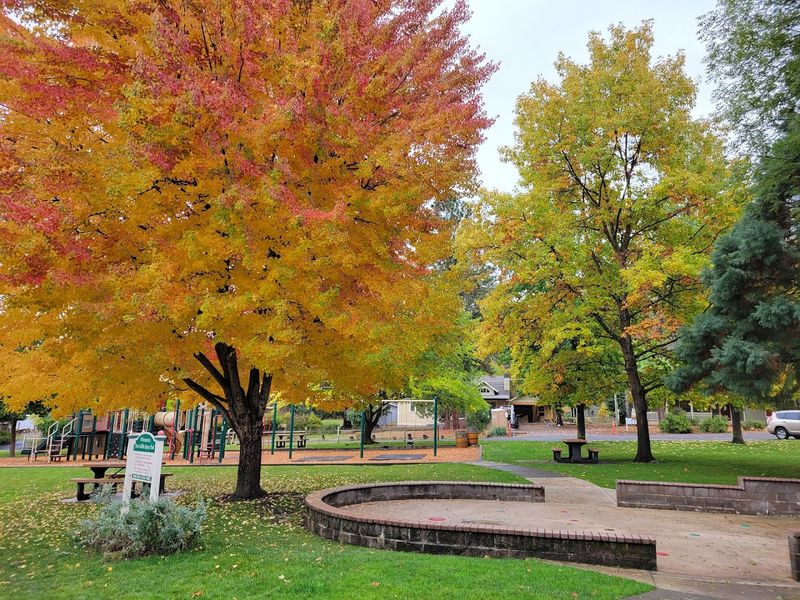
Jacksonville’s surroundings reward anyone willing to lace up a pair of trail shoes. The Rich Gulch Trail is one of the more accessible options close to town, winding through a mix of oak woodlands and open meadows.
The trail follows the same general terrain where early prospectors once searched for gold.
The hike is not particularly strenuous, making it a solid choice for families or casual walkers. Elevation gain is gradual enough to keep the experience enjoyable rather than exhausting. Views of the surrounding valley open up at several points along the route.
Spring is a particularly rewarding time to visit the trail. Wildflowers push through the grassy stretches between tree lines, and the air carries that clean, resinous scent of warming pine.
Birdsong fills the canopy overhead with a density that surprises first-time visitors.
The trailhead connects easily from the edge of town, so there is no long drive required to reach it. Bring water and comfortable footwear, and plan for a leisurely pace. The landscape genuinely deserves your full attention here.
Jacksonville’s Local Art Scene
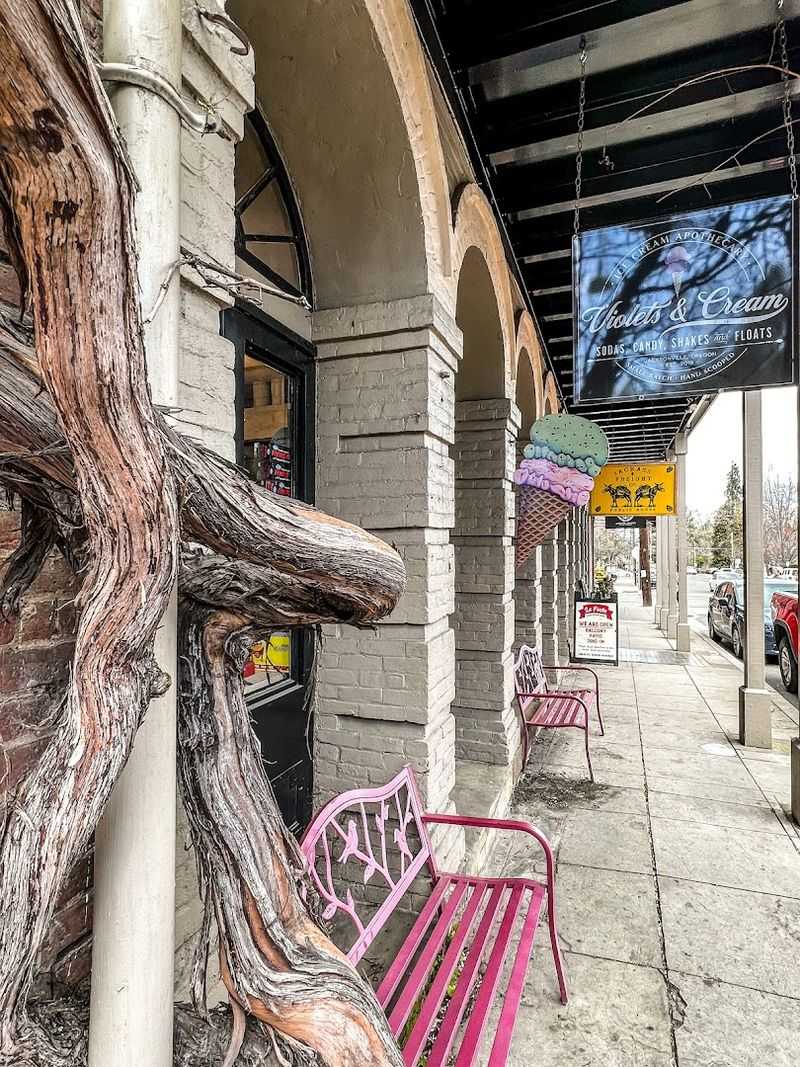
Art has been quietly thriving in Jacksonville for decades, partly because the town itself inspires creativity at every turn. Galleries cluster along California Street and the surrounding blocks, offering work from both regional and nationally recognized artists.
The quality tends to run higher than you might expect from a town of fewer than four thousand people.
Landscape painting is particularly strong here, which makes complete sense given the scenery surrounding the valley. Artists working in oil, watercolor, and mixed media all find inspiration in the same rolling hills and creek-lined corridors.
The results reflect a deep familiarity with this specific place.
Ceramic studios and photography galleries round out the creative offerings in a satisfying way. Several artists maintain working studios that welcome visitors during open hours.
Watching someone shape clay or print photographs in a small studio space adds a layer of authenticity to the gallery experience.
First Friday events bring the community together around new exhibitions each month. The energy on those evenings is warm and genuinely social. Art here feels like a conversation rather than a transaction.
Dining on Organic and Farm-Fresh Food
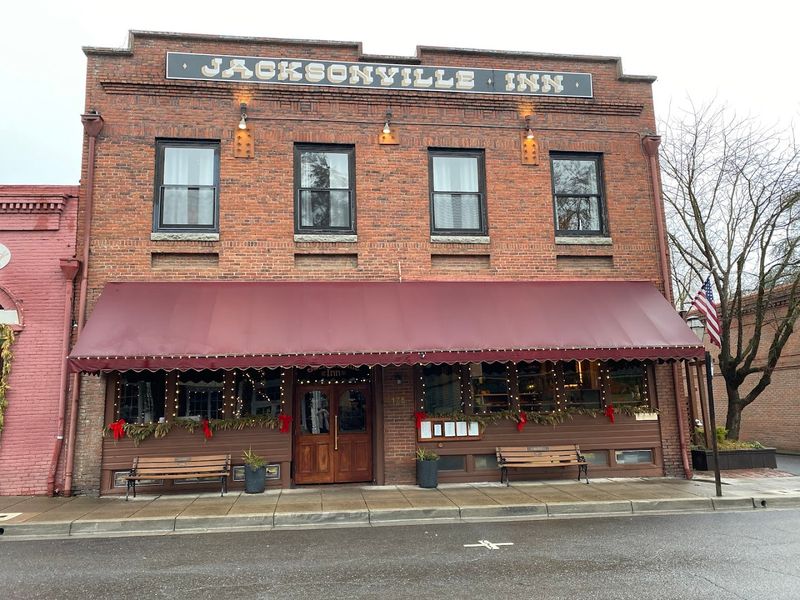
Jacksonville punches well above its weight when it comes to food. The restaurant scene here has developed a strong farm-to-table identity that feels earned rather than marketed.
Proximity to the Applegate and Rogue valleys means that fresh produce, local meats, and artisan products flow into kitchens with real regularity.
Several restaurants source their menus directly from nearby farms, changing offerings based on what is actually in season. That approach means the food you eat in July will taste noticeably different from what you find in October. Both visits will be worth making.
The Jacksonville Inn is one of the town’s most beloved dining destinations, known for its carefully sourced ingredients and warm atmosphere. The building dates back to 1861, adding a layer of historical texture to every meal.
Address: Jacksonville Inn, 175 E California St, Jacksonville, Oregon.
Smaller cafes and bakeries scattered through town offer excellent morning options. Fresh pastries, locally roasted coffee, and breakfast plates made with care set the tone for a good day. Eating well here is genuinely easy and consistently satisfying.
Gold Panning and Pioneer Heritage Experiences
Gold was the reason Jacksonville exists at all, and the town has not forgotten that foundational fact. Gold panning experiences are available for visitors who want a hands-on connection to the original rush that started everything.
Jackson Creek, the very waterway where gold was first found in 1851, still runs through the area.
Guided experiences introduce participants to the basics of placer mining using period-appropriate equipment. The process is more meditative than competitive, involving patience and a careful eye for glinting flecks in the sediment.
Kids take to it immediately, and adults usually find themselves equally absorbed.
Finding even a tiny speck of real gold carries a disproportionate thrill that is hard to explain until it happens to you. The experience connects you to the thousands of hopeful prospectors who stood in this same water over 170 years ago.
That historical thread makes the moment feel larger than it might otherwise.
Several heritage programs in Jacksonville pair gold panning with storytelling about the town’s founding years. The combination creates a richer, more grounded understanding of why this place matters. It is history you can hold in your hand.
