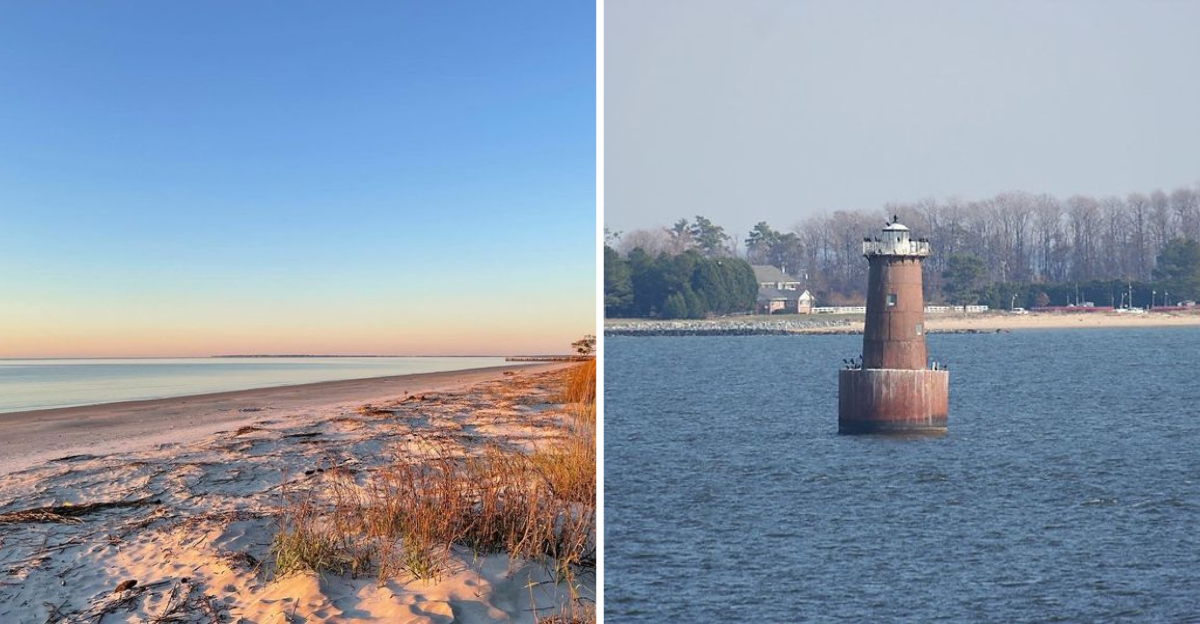
South Carolina has an island where the roads are made of dirt, golf carts outnumber cars, and the ocean feels like it belongs entirely to you.
The moment the ferry pulls away from the dock, the rest of the world genuinely starts to feel far away.
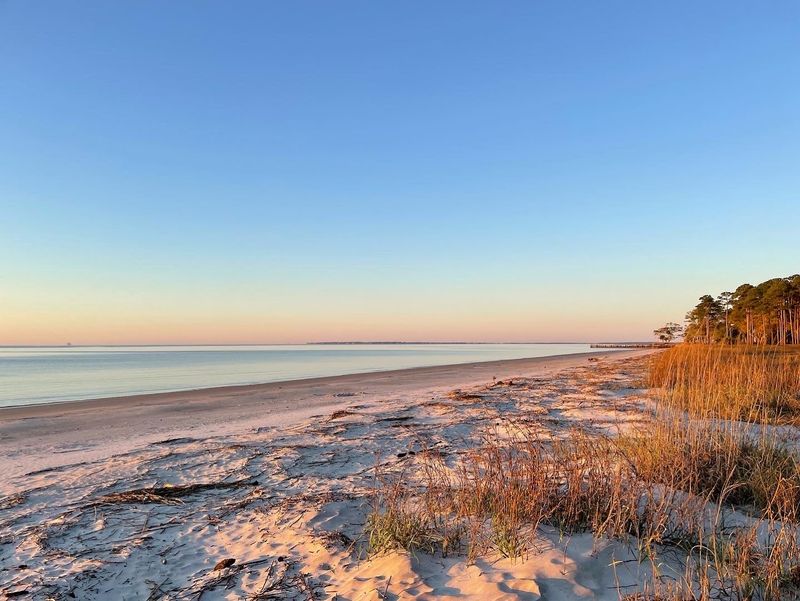
I remember the first time the shoreline came into view, wide and golden with no hotels stacked along it, no beach umbrellas crammed together, just open sand stretching as far as I could see.
That island covers roughly eight square miles, yet it holds centuries of Gullah history, two historic lighthouses, ancient live oaks draped in Spanish moss, and beaches that feel untouched by time.
I spent a day wandering those dirt roads, the only sound the wind in the trees and the distant crash of waves, and felt my heartbeat slow to match the island’s pace.
If you have ever wanted to experience a coastal destination that feels genuinely wild and real, this is exactly that place.
Miles of Undeveloped Shoreline That Feels Like a Private Discovery
Most beaches on the East Coast come with a side of noise, crowds, and a row of condominiums blocking the horizon.
Daufuskie Island, South Carolina is nothing like that.
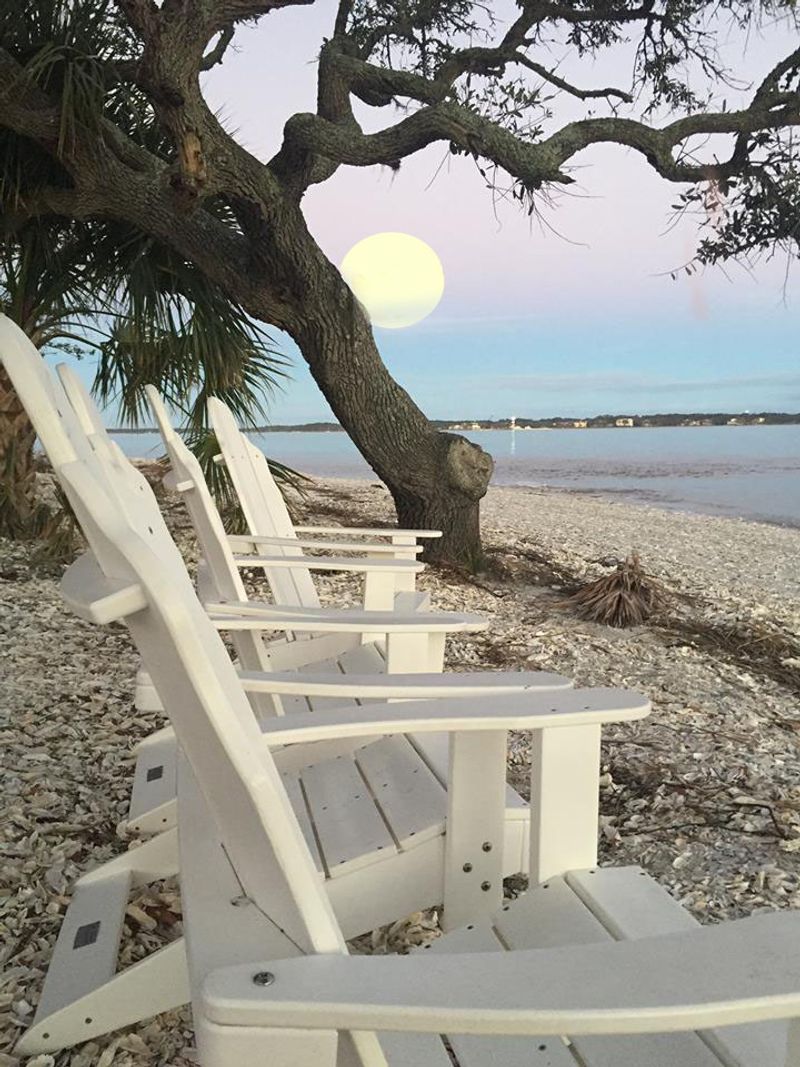
The island boasts over three miles of beachfront, and all of it is designated as public property, meaning no private resort can wall off the sand from curious visitors.
Bloody Point Beach is one of the most popular access points, located at 2 Cresting Wave Lane on the southern end of the island.
The sand there is wide, the water is generally calm, and the only soundtrack you are likely to hear is wind and birds.
Beach Marker 21 at 175 Avenue of Oaks offers another entry point into this quiet coastal world.
What makes these beaches feel so different is not just the lack of crowds.
It is the sense that nature is still running the show here.
Loggerhead sea turtles nest along these shores from May through October, making the beach an active wildlife habitat, not just a scenic backdrop.
Shorebirds patrol the tide line, dolphins appear in the water without warning, and the shells you find here are unbroken because foot traffic is light.
Exploring the shoreline by bicycle or on foot gives you the best feel for how vast and unhurried this place really is.
There are no vendors, no beach bars, and no amplified music competing for your attention.
Just the Atlantic doing what it has always done, quietly and magnificently.
Haig Point Lighthouse and the Stories It Has Kept Since 1873
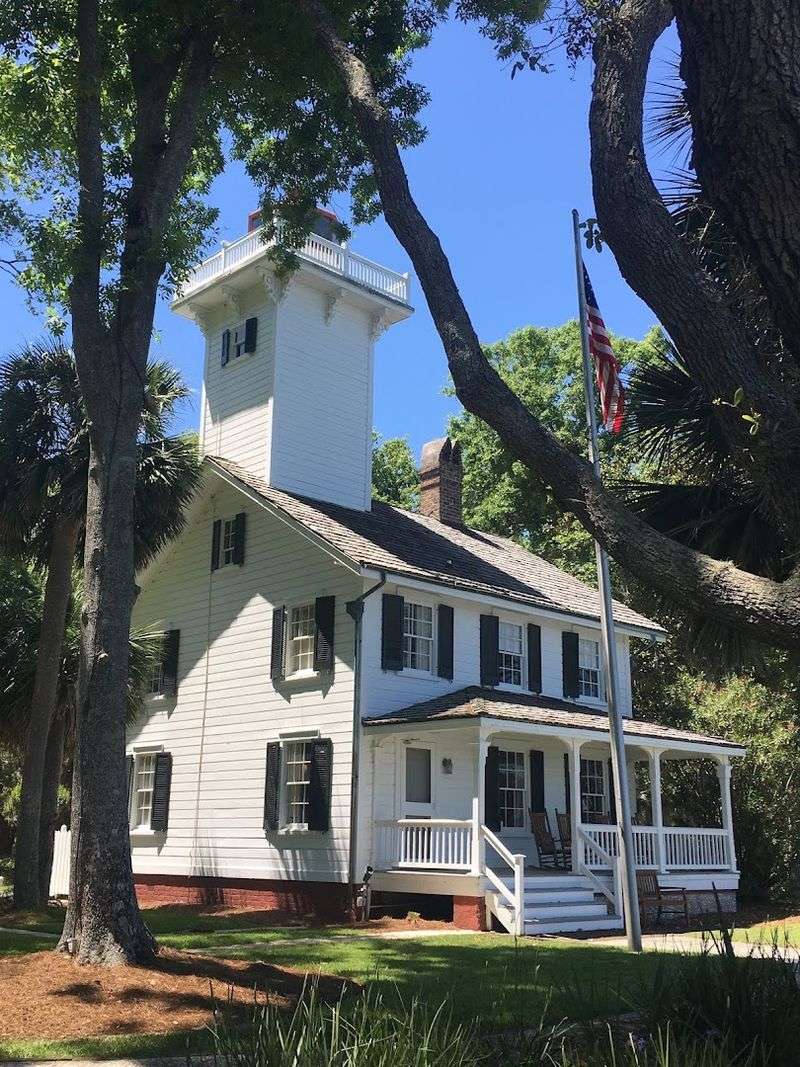
Built in 1872 and first lit in 1873, the Haig Point Lighthouse sits on the northern tip of Daufuskie Island like a quiet guardian that has seen far more than it lets on.
The 40-foot tower was designed as a range light, meaning it worked in partnership with a taller back light to help ship captains safely navigate the shifting shoals of Calibogue Sound.
That kind of precision mattered enormously when maritime trade was the lifeblood of the region.
The lighthouse operated for over five decades before being decommissioned in 1924.
After years of neglect and weather damage, it was privately acquired and carefully restored in the 1980s, preserving a structure that might otherwise have been lost entirely.
Today it sits within the gated Haig Point community, which also contains tabby ruins, the remains of former slave quarters built from a mixture of burnt oyster shells, sand, water, and ash.
Local legend adds a layer of warmth to the place.
A friendly presence known as Maggie, said to be a former keeper’s daughter, is rumored to linger within the lighthouse walls.
Whether you believe in such things or not, the story fits the atmosphere perfectly.
There is something about old lighthouses that invites the imagination to wander.
Seeing the Haig Point Lighthouse in person, framed by ancient live oaks and salt air, is one of those moments that makes you feel genuinely connected to a place that has been standing long before any of us arrived.
Bloody Point Lighthouse, the One That Hides in Plain Sight
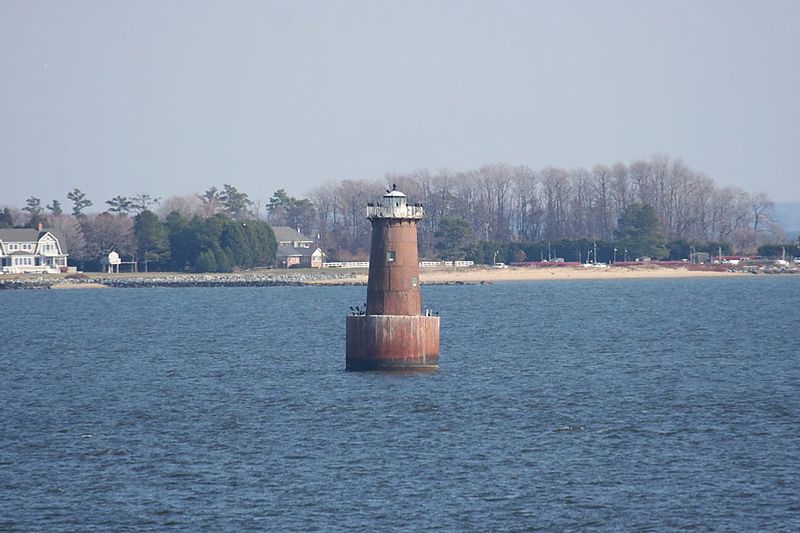
Not every lighthouse looks the part, and Bloody Point Lighthouse is proof of that.
Built in 1883 on the southern end of Daufuskie Island, this lighthouse does not announce itself with a dramatic tower reaching into the sky.
Instead, the light was housed inside a dormer window of the keeper’s two-story residence, making it one of the more unusual lighthouse designs on the entire East Coast.
Like its counterpart at Haig Point, Bloody Point functioned as a range light system, this one guiding vessels into the Savannah River Channel.
It was deactivated in 1922, and the small outbuilding originally used to store kerosene for the light was later converted into a winery.
Today, the lighthouse operates as a museum, giving visitors a chance to learn about the maritime history that shaped this island’s identity.
The name Bloody Point itself carries weight.
The area earned that sobering designation from skirmishes between Native American tribes and early European settlers in the early 1700s, a reminder that this island’s history is layered with conflict as much as beauty.
Standing near the lighthouse, looking out toward the water, it is easy to feel the passage of centuries in a single quiet moment.
Visiting the Bloody Point Lighthouse museum is one of the most rewarding things you can do on the island.
The exhibits are thoughtful, the building is genuinely historic, and the surrounding landscape, wide open and salt-brushed, gives the whole experience a sense of real place rather than curated attraction.
Gullah Culture and the Community That Kept It Alive
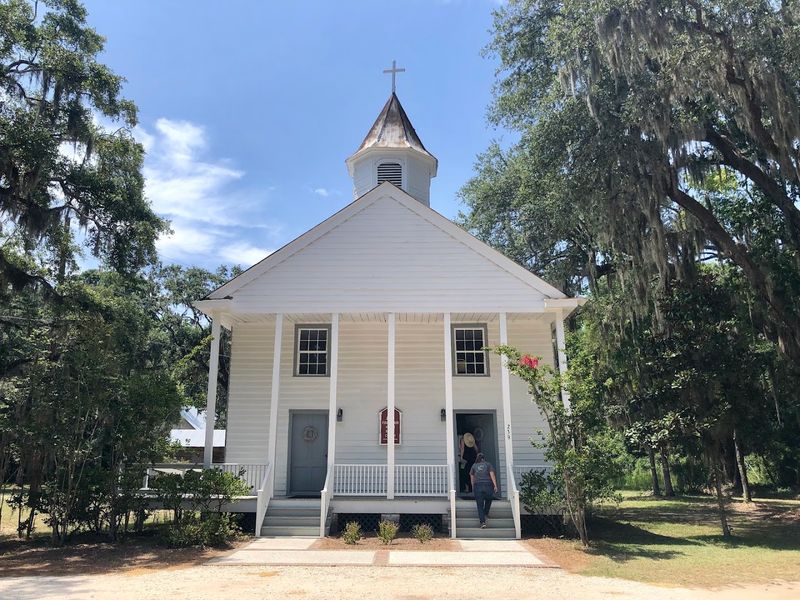
Daufuskie Island is recognized as a historic district on the National Register of Historic Places, and a significant reason for that designation is its deeply preserved Gullah heritage.
The Gullah people are descendants of enslaved Africans brought from West Africa’s Rice Coast to work on Lowcountry plantations.
Because of the island’s geographical isolation after the Civil War, this community was able to hold onto their language, traditions, arts, and customs in ways that most other places could not.
One of the most visible expressions of Gullah culture on the island is architectural.
Some homes still feature shutters and trim painted in a particular shade of blue, a traditional practice believed to ward off evil spirits.
The color has a name in local tradition, heaven blue, and seeing it on a weathered wooden house framed by Spanish moss is genuinely moving.
The First Union African Baptist Church, founded in 1881, is the oldest standing building on the island and remains an active place of worship.
Its continued use is a testament to the resilience of the community that built it.
The Mary Fields School, where author Pat Conroy taught in the late 1960s and later wrote about in his memoir, now houses Daufuskie Blues, an indigo-dyeing artisan shop, and School Grounds Coffee.
The Daufuskie Island Historical Foundation Museum, located in Mt.
Carmel Baptist Church No. 2, rounds out the cultural experience with artifacts spanning pre-colonial times through the island’s once-thriving oyster industry.
History here is not behind glass, it is still being lived.
Wildlife and Wild Spaces That Make Naturalists Feel Right at Home
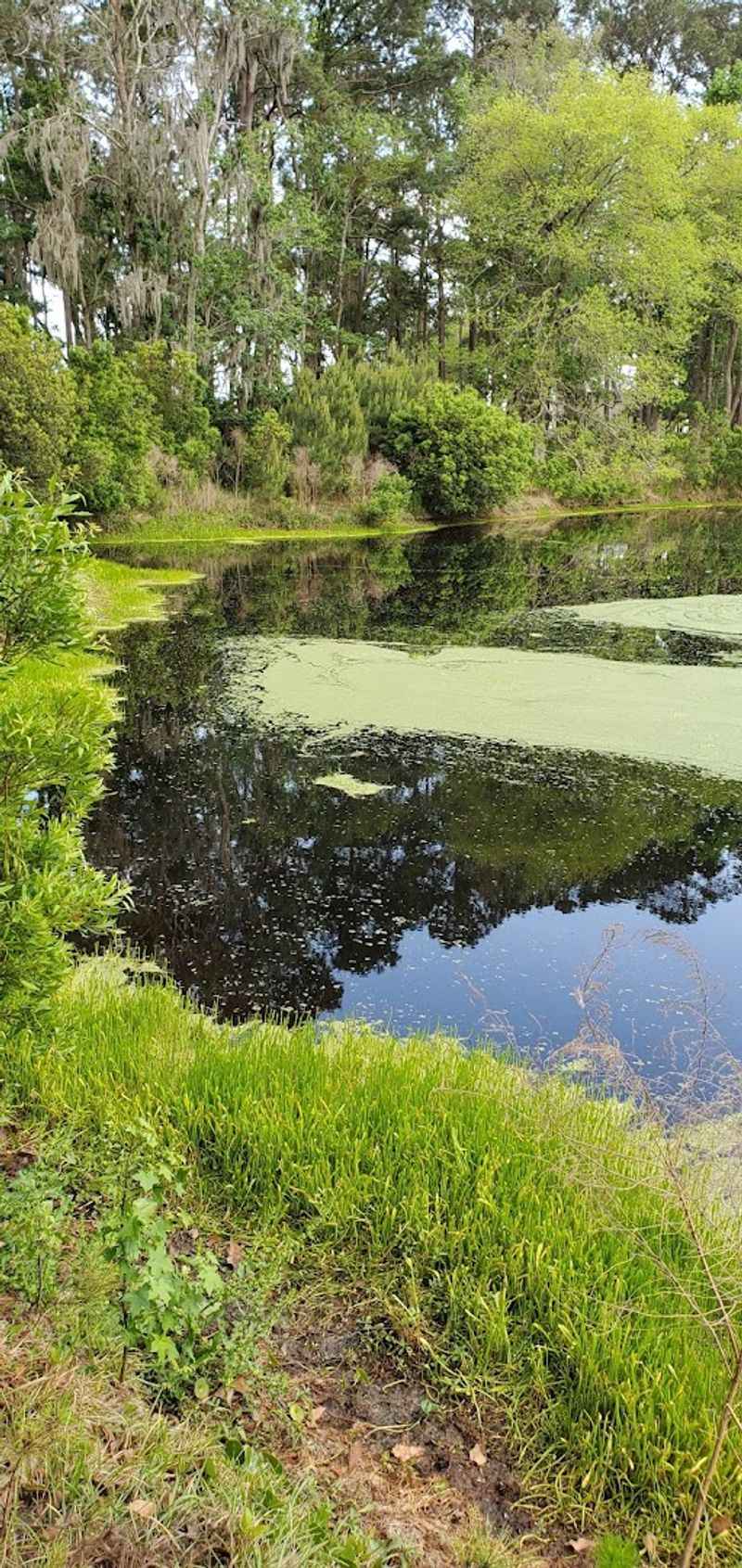
The natural world on Daufuskie Island does not hold back.
From the moment you arrive, the ecosystem announces itself in small, vivid ways.
A great blue heron standing motionless at the edge of a marsh.
An alligator barely visible at the surface of a freshwater pond.
The rustle of a white-tailed deer disappearing into a palmetto grove before you even have time to reach for your camera.
The island supports over 60 bird species, including bald eagles, wood storks, egrets, and herons.
Birdwatchers find the island genuinely rewarding because the habitats are varied, mature hardwood forests, saltwater marshes, freshwater wetlands, and open beachfront all exist within a compact area.
River otters, raccoons, and even armadillos round out the terrestrial wildlife roster in ways that tend to surprise first-time visitors.
Out in the surrounding waters, Atlantic bottlenose dolphins are a regular sight, especially along the sound-facing shoreline.
The rare right whale has also been spotted offshore, and various shark species patrol the deeper water beyond the beach.
Loggerhead sea turtles use the island’s beaches as nesting grounds from May through October, and the Daufuskie Island Conservancy works actively to protect those nests and educate visitors about responsible beach behavior during nesting season.
Guided kayak and paddleboard tours are among the best ways to experience the island’s waterways up close.
The pace is slow, the scenery is extraordinary, and the wildlife encounters feel genuinely unscripted.
Nature here operates on its own schedule, and that is exactly the point.
Getting There and Getting Around on an Island That Rewards the Curious
Reaching South Carolina’s Daufuskie Island requires a little planning, and that is honestly part of what makes it feel special.
There are no bridges connecting the island to the mainland.
The only way in is by ferry or water taxi, with services departing from Hilton Head Island, Bluffton, and Savannah.
Booking transportation in advance is strongly recommended, especially during warmer months when visitor interest picks up.
Once you step off the ferry, the island immediately operates by its own rules.
Golf carts are the primary mode of transportation, and renting one is one of the more enjoyable parts of the experience.
The roads are unpaved, shaded by canopies of live oaks, and largely free of any traffic worth worrying about.
Bicycles are also a popular choice for visitors who prefer to move at an even slower pace through the landscape.
The network of dirt roads and quiet pathways that crisscross the island makes it easy to stumble onto something unexpected, a tabby ruin half-hidden by vegetation, a stretch of beach with no one else on it, or a painted blue shutter on an old Gullah home.
Exploration here feels genuinely rewarding rather than curated.
For those who want a bit of structure, horseback riding tours offer oceanfront excursions that are hard to find anywhere else on the East Coast.
The Bloody Point Golf Club is open to the public for those who want to play a round surrounded by coastal scenery.
Daufuskie moves slowly, and the more you match that pace, the more the island gives back.
