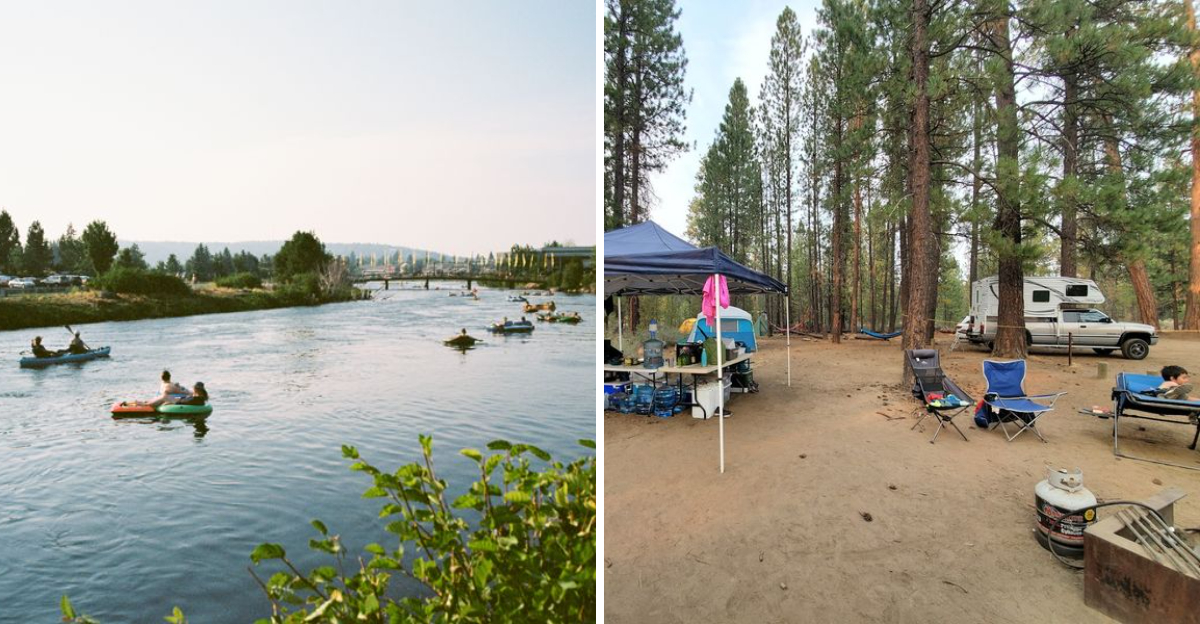
This hidden Oregon water park is a dream for anyone who loves the outdoors. Tucked along a scenic river, it offers the perfect base for a weekend of swimming, paddling, and camping.
You can easily spend your days floating on the calm current, casting a line for trout, or just relaxing by the water’s edge. The river is renowned for its fishing and offers great swimming and non-motorized boating opportunities. A boat ramp provides easy access for your own kayak or canoe.
With plenty of nearby trails and volcanic landscapes to explore, there is no shortage of adventure. Oregon has a way of hiding its best spots, and this one is a true water lover’s paradise.
The Deschutes River Access That Makes Everything Worth It
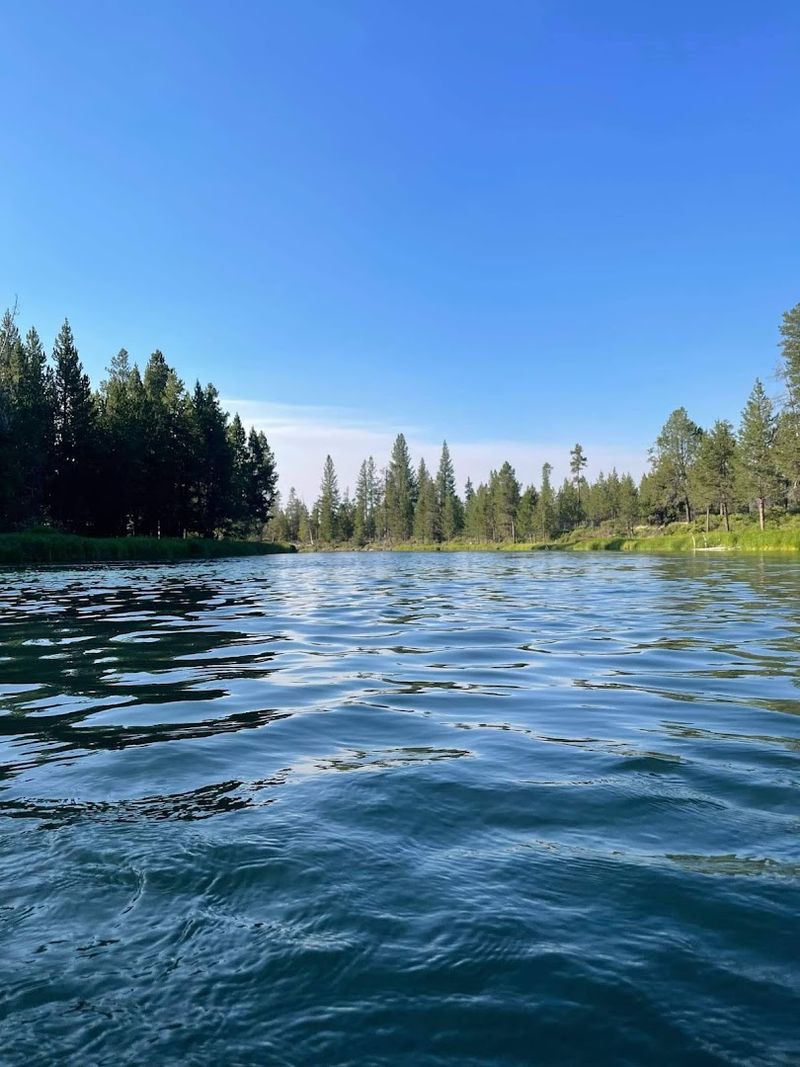
Getting to the water here takes less than two minutes from any campsite, and that kind of easy river access changes the whole rhythm of your stay. You are not hiking to find the good stuff. The river is right there, practically at your feet, and it sets the tone from the moment you arrive.
The Deschutes runs calm and inviting along this section, making it a solid spot for floating on a tube or just wading in on a hot afternoon. The current is gentle enough that kids and casual swimmers can enjoy it without stress. It is the kind of water that encourages you to slow down.
One camper described the float as nice and peaceful, and that pretty much nails it. There is something deeply satisfying about a river you can actually use, not just look at from a distance. Big River Campground puts you right in it, and that alone makes the drive.
Floating the River, One Lazy Afternoon at a Time
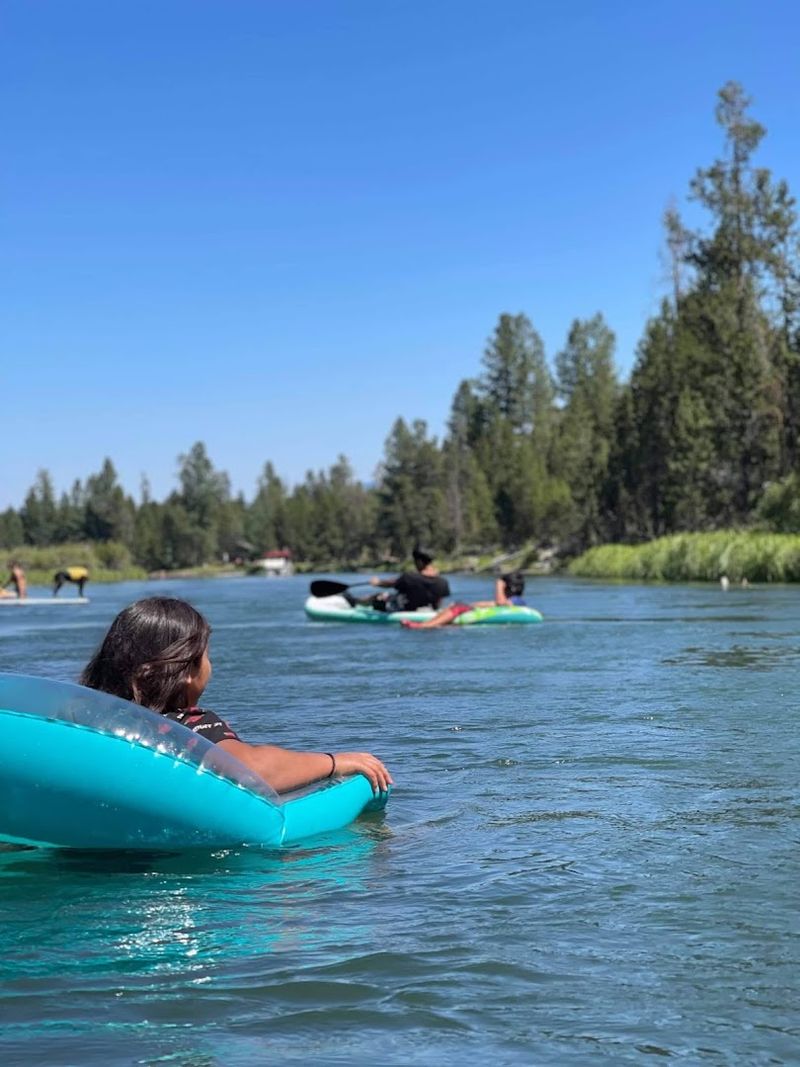
Few things beat drifting downriver with no particular agenda and nowhere urgent to be. The float at Big River Campground is one of those simple pleasures that somehow feels like a highlight even after the weekend is over. You just get in and let the current do the work.
The river moves at a pace that feels almost conversational, unhurried and easy. Bring a tube or an inflatable kayak and you are set for hours. The tree cover along the banks keeps things cool, and the scenery shifts just enough to stay interesting without ever feeling overwhelming.
It is worth noting that the water can have some bugs and natural sediment, so keep that in mind if you prefer pristine conditions. That said, most visitors find the trade-off more than fair given the setting.
Floating here is less about perfect conditions and more about the kind of afternoon that you will keep telling people about for years after.
Camping Under the Pines at a Small and Intimate Spot
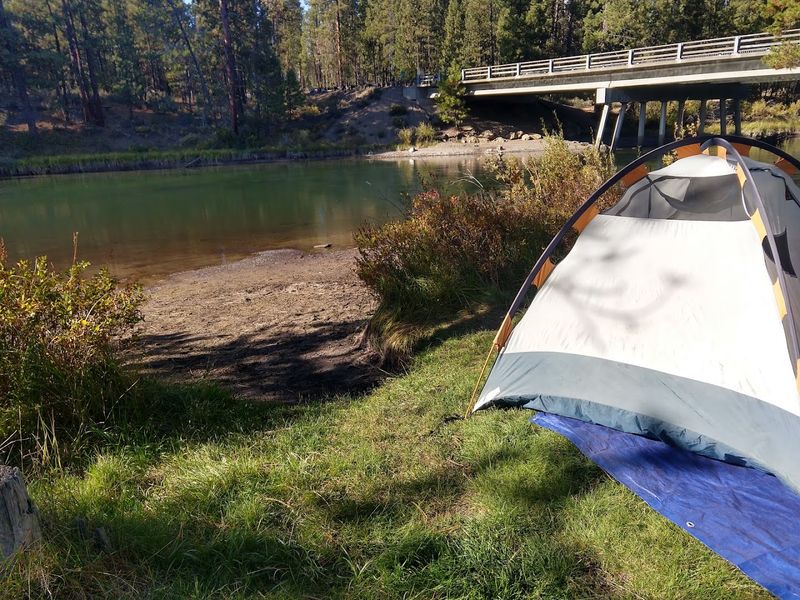
Big River Campground only has ten sites, and that limited number is actually part of what makes it special. There is no sprawling RV maze here, no endless rows of identical spots. Each campsite has a large picnic table and a metal fire ring, and many of them sit on sandy ground.
Most spots have partial shade throughout the day, which matters more than you might think when afternoon temperatures climb in central Oregon. The sites are spacious, though privacy between neighbors is limited.
If you end up next to a quiet group, the setup feels ideal. Loud neighbors are more noticeable without natural buffers between you.
The campground has a genuinely primitive feel that appeals to people who want fewer amenities and more atmosphere. There is no electricity, no running water, and no camp host on site. What you do get is a beautiful bend of the river, tall trees overhead, and a fire crackling after dark.
Paddling and Wildlife Spotting Along the Riverbank
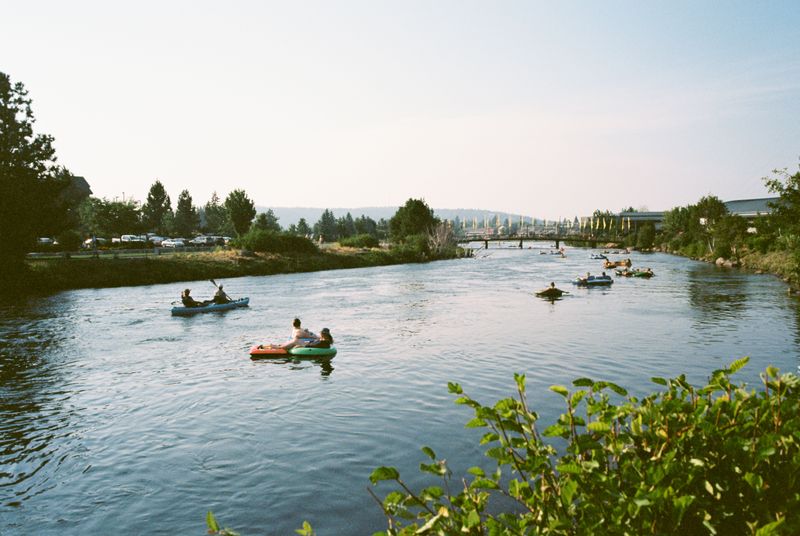
Paddlers have a genuinely good time at Big River Campground. The calm water and wooded banks create the kind of environment where you are always scanning the shoreline for something unexpected.
You might see Canadian geese drifting in formation or a great blue heron standing perfectly still near the reeds.
One of the most memorable sightings reported by campers here is a bald eagle perched along the river in the early morning. That kind of moment is hard to manufacture. It just happens when you are quiet enough and patient enough to be present.
A kayak or canoe fits this stretch of river perfectly. The water is not technical or challenging, so even newer paddlers can feel comfortable exploring upstream or drifting downstream at their own pace. Bring binoculars if you have them.
The wildlife activity along this section of the Deschutes is one of those unexpected bonuses that turns a regular camping trip into something genuinely memorable and worth repeating.
Campfire Nights and the Sound of the River
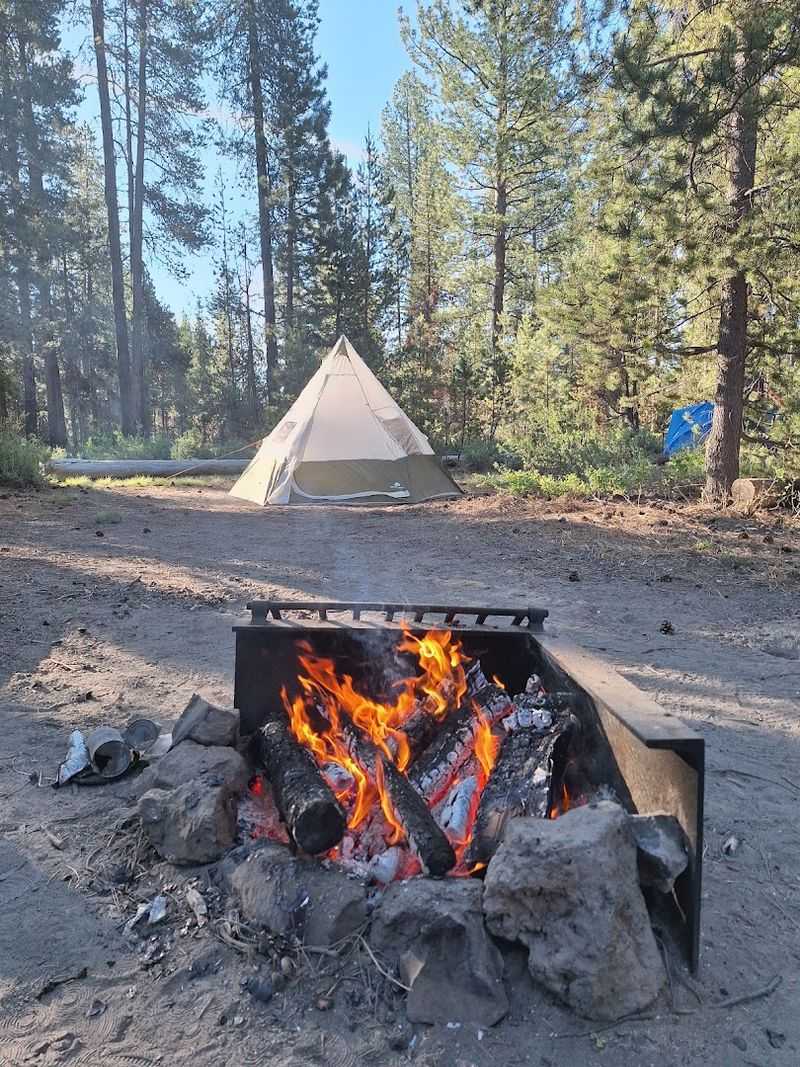
There is a particular kind of quiet that settles over Big River Campground once the sun drops behind the pines. The river keeps its steady background murmur, and if you have a fire going, the whole scene takes on a warmth that is hard to replicate anywhere else.
It is the kind of evening that makes conversation feel easier.
The metal fire rings at each site are well-placed and solid, and gathering around one after a day on the water is practically a ritual here. Campers have mentioned having campfires as one of the simple highlights of their stay. Nothing fancy, just fire and trees and river sounds.
Keep in mind that fire restrictions apply in this part of Oregon during dry summer months, so always check current conditions before you arrive. A campfire that is not allowed is a disappointing discovery at nightfall.
Plan ahead, bring the right gear, and you will find that evenings at Big River have a natural, unhurried magic that feels genuinely restorative after a full day outdoors.
What to Pack Since There Is No Running Water On Site
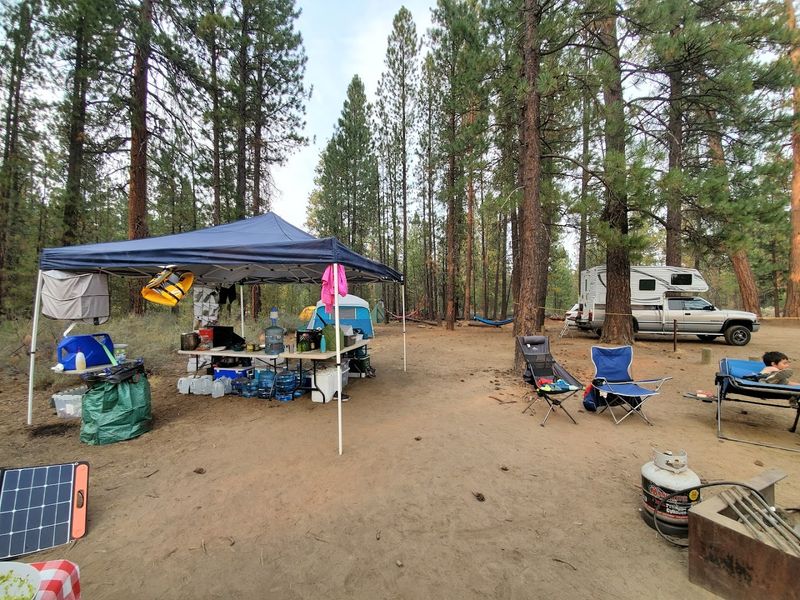
Big River Campground is fully primitive, and that means no running water on site at all. This is the single most important thing to plan for before you show up. Every drop of drinking water, cooking water, and washing water needs to come with you from home or from a fill station on the way.
A good rule of thumb is to bring more water than you think you need. Two gallons per person per day is a solid baseline for a summer weekend. Collapsible jugs are easy to pack and take up less space when empty. A water filter is also a smart backup if you are comfortable treating river water.
Beyond water, pack food that does not require much prep, a headlamp for navigating after dark, and sunscreen for the river hours when the sun reflects off the water. There is no store nearby, and the campground has no amenities to fill in the gaps.
The more self-sufficient your kit, the more relaxed your whole weekend will feel once you settle in.
Reservations and Knowing When to Book Ahead
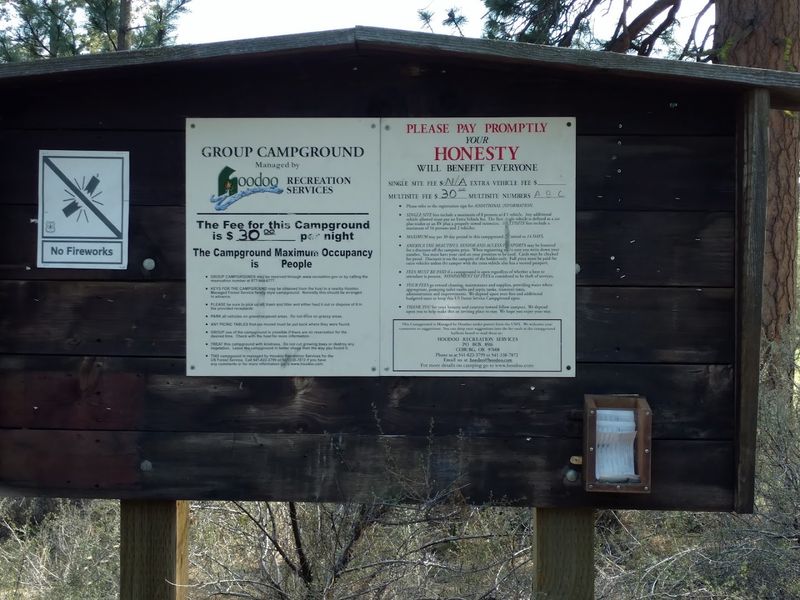
Getting a spot at Big River Campground is not always straightforward, and arriving without a reservation is a gamble that does not always pay off. Most sites are reservable, and the campground can fill up quickly during summer weekends when the Deschutes River is at its most appealing.
Some campers have shown up expecting open spots and found everything marked reserved.
The campground is managed through the Deschutes National Forest, and reservations can be made through the Recreation.gov system. Booking a few weeks ahead during peak season is a smart move. Shoulder season visits in late spring or early fall tend to have more availability.
A handful of spots have historically been listed as non-reservable, but availability on those changes. Do not count on a walk-in spot on a Friday evening in July. Check the Forest Service website ahead of your trip for current reservation details, site availability, and any temporary closures.
A little planning upfront saves a lot of frustration at the gate.
Road Noise and What to Realistically Expect
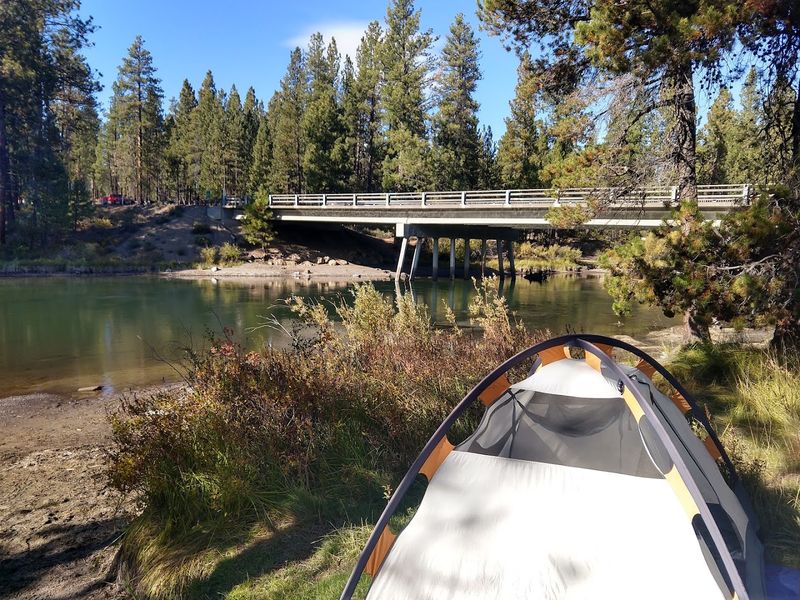
Big River Campground sits close to a road, and that is worth knowing before you pack your lightest sleeping bag and expect total wilderness silence. You will hear cars passing at night, especially near the bridge.
It is not constant, but it is noticeable, particularly in the quiet hours before dawn when everything else is still.
Most campers find it easy to tune out once they settle in, especially after a full day on the water. The river sound does a decent job of softening the background road noise. That said, if you are a light sleeper or noise-sensitive, earplugs are a genuinely useful addition to your kit.
The trade-off feels fair for what the campground offers. You get river access, shade, spacious sites, and a truly beautiful natural setting, all within a reasonable drive from Bend. A little road noise is a minor footnote compared to the overall experience.
Go in with realistic expectations and you will likely leave more satisfied than you expected. Most people who visit want to come back.
Wildlife Encounters That Make This Place Feel Alive
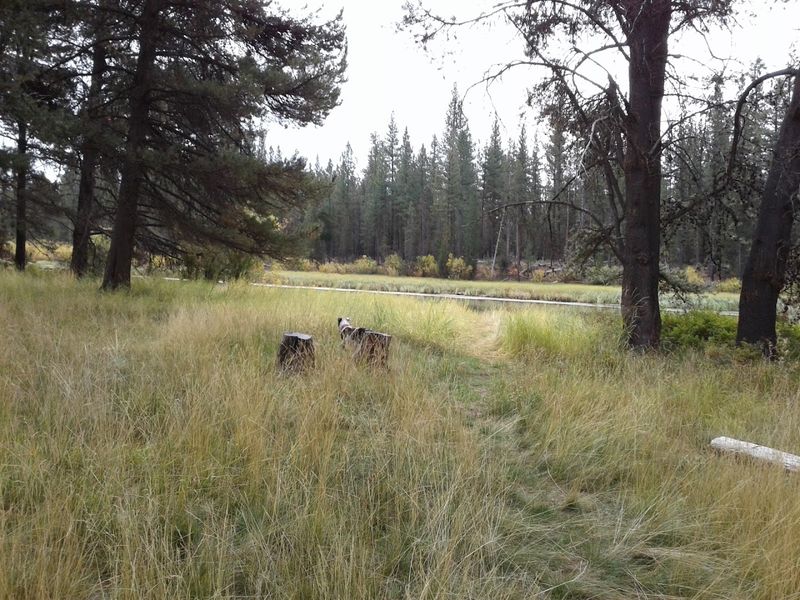
The wildlife at Big River Campground is one of those aspects that sneaks up on you. You come for the river and the camping, and then a bald eagle shows up on a branch twenty feet away and suddenly you are completely absorbed in something you did not plan for.
That is the kind of experience this place offers regularly.
Canadian geese drift past on the water in small groups, and deer have been spotted wandering through the campsites in the early morning. One camper even mentioned a buck walking through camp at night, which is the sort of thing that makes a trip feel genuinely wild rather than just scenic.
Two domestic rabbits were also spotted roaming the campground at one point, apparently left behind by a previous visitor. That detail is both a little sad and oddly charming. The broader point is that the wildlife activity here is real and varied.
Bring a camera with a decent zoom lens and keep it accessible. You will not regret having it ready.
Making the Drive from Bend and Finding the Campground
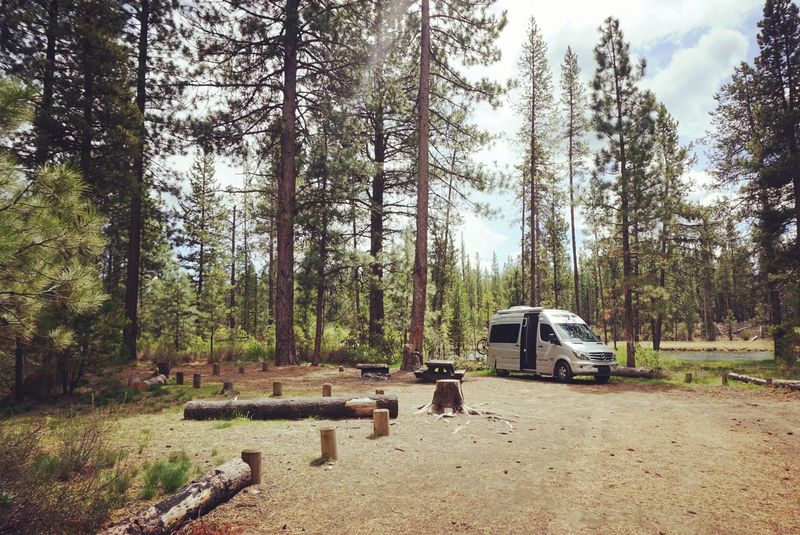
Big River Campground sits south of Bend and south of Sunriver, tucked along the Deschutes River in the Deschutes National Forest. The drive from downtown Bend takes roughly 45 minutes depending on your starting point.
The roads are paved and easy to navigate, though the final stretch into the campground can feel a bit unexpected if you are not watching closely.
Cell service gets spotty as you get closer, so download your directions and any maps before you leave town. It is also worth filling up on gas and grabbing any last-minute supplies in Bend or Sunriver before heading south. Once you are at the campground, you are committed to what you brought.
The address for the campground is listed under the Deschutes National Forest recreation area, and the Forest Service website has the most current access and road condition information. Give yourself a little extra time on the first visit.
Getting there is part of the experience, and the drive through the forest corridor is genuinely pleasant on a clear Oregon summer day.
