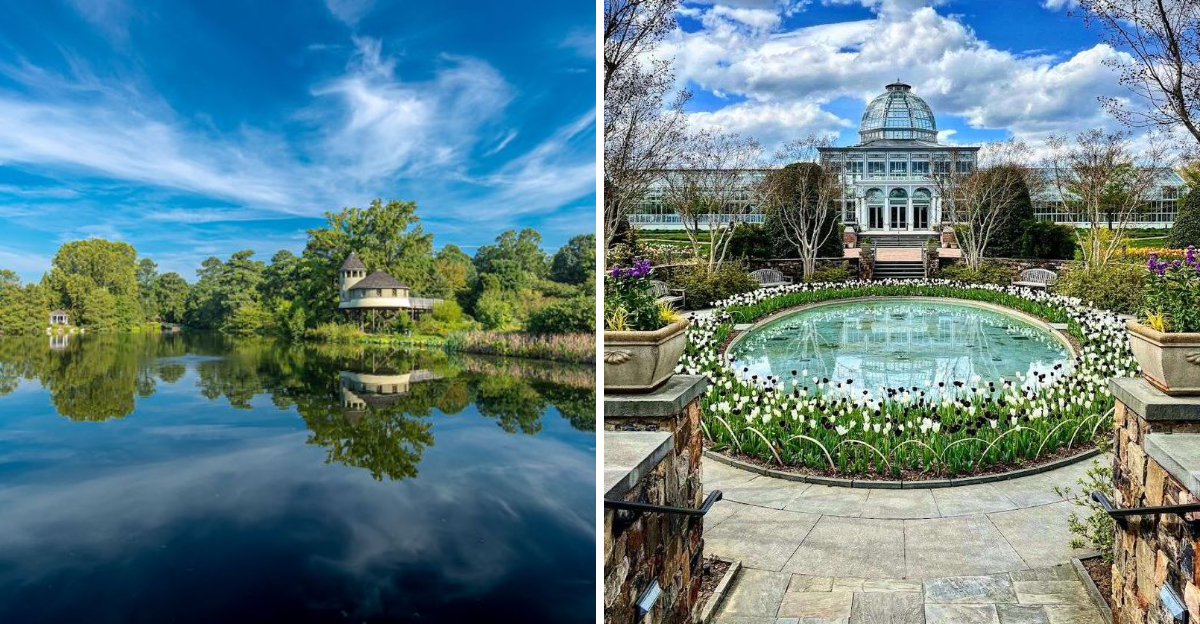
It has been growing for 125 years, a living masterpiece that changes with the seasons. This stunning new Virginia exhibit features a living treasure that has been alive since the 1800s, a specimen that has seen decades of history.
I walked through the greenhouse and stood in front of it, trying to wrap my head around its age. The botanical garden has created a beautiful space around this ancient plant, with informative displays and seating where you can sit and admire it.
The rest of the garden is equally stunning, with themed gardens and walking paths. Virginia has plenty of gardens, but this exhibit is a highlight.
Go see something that has been growing since your great-grandparents were young.
The Grand Reopening That Changed Everything
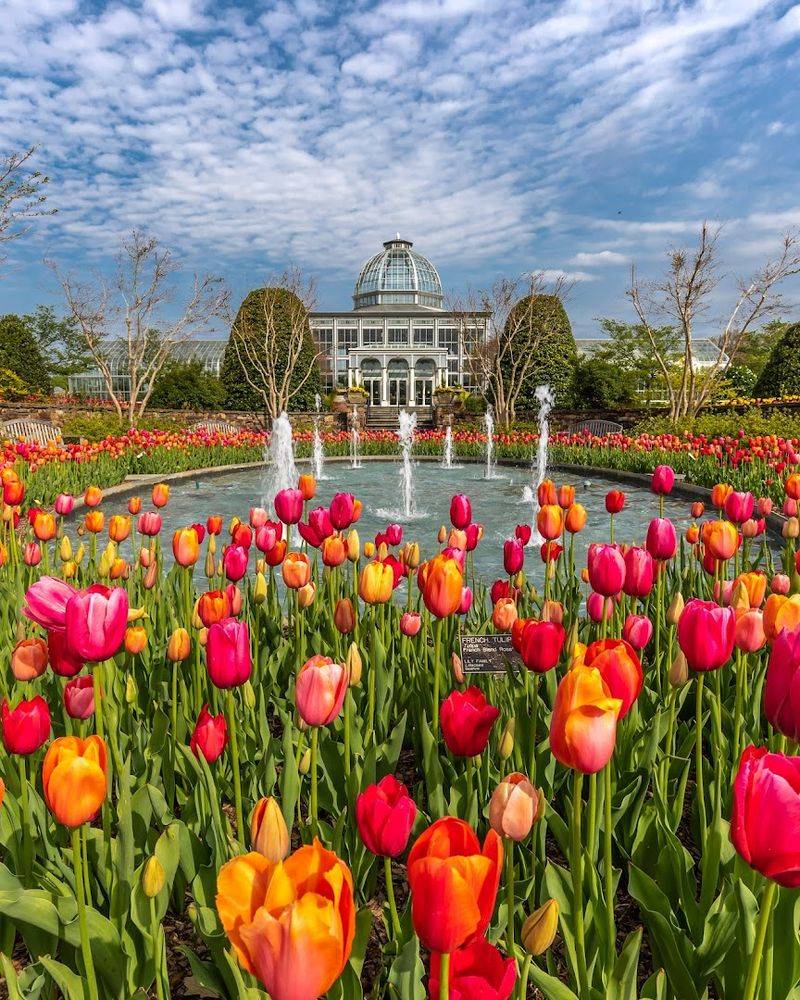
Something extraordinary happened in Richmond, Virginia, in the spring of 2026. Lewis Ginter Botanical Garden flung open the doors to its newly transformed campus, and the city collectively gasped in delight.
The transformation was years in the making, and the results are nothing short of jaw-dropping. The beloved Conservatory more than doubled in size, stretching across a sprawling expanse of enclosed growing space filled with plants from across the globe.
Walking through the entrance now feels like stepping into an entirely different world. The scale is ambitious, the design is thoughtful, and every corner seems to offer a new discovery.
For longtime fans of this Richmond institution, the reopening felt like reuniting with a favorite place that had quietly leveled up. New pathways, new gardens, and new lakes now weave together into a cohesive, immersive landscape that rewards slow exploration.
Virginia has no shortage of beautiful outdoor destinations, but this expansion firmly places Lewis Ginter Botanical Garden in a league of its own. The garden’s transformation is a testament to what happens when vision, passion, and a deep love of nature come together in spectacular fashion.
Four Climate Zones Under One Roof
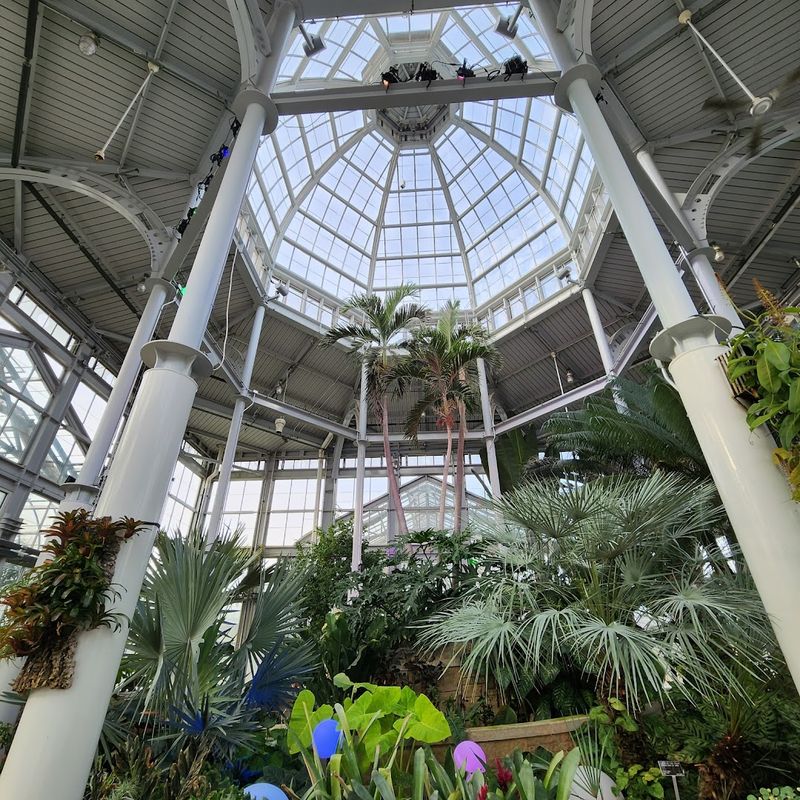
Imagine walking from a sun-scorched desert into a lush Mediterranean grove, then stepping directly into a steamy tropical rainforest, all without ever leaving the building. That is exactly what the expanded Conservatory at Lewis Ginter Botanical Garden now offers.
Four distinct climate zones have been created inside the more than 24,000 square feet of enclosed growing space.
Desert, Mediterranean, Tropical, and Subtropical ecosystems each have their own dedicated environment, complete with the plants, humidity levels, and atmospheres that make them feel completely authentic.
The Desert zone is particularly striking, with dramatic sculptural cacti and succulents casting long shadows across sandy-colored pathways. Shift into the Mediterranean section and the air changes completely, carrying the soft fragrance of lavender and rosemary.
Plant enthusiasts will find themselves lingering far longer than planned, pausing to read labels, snap photos, and simply absorb the sheer diversity on display.
The Tropical and Subtropical zones are genuinely immersive, with canopy-level foliage and the kind of lush, layered greenery that makes you feel miles from Virginia.
For families, curious kids, and nature lovers of every stripe, the Conservatory’s new layout is a masterclass in botanical storytelling done right.
Butterflies Bloom, A Year-Round Wonder
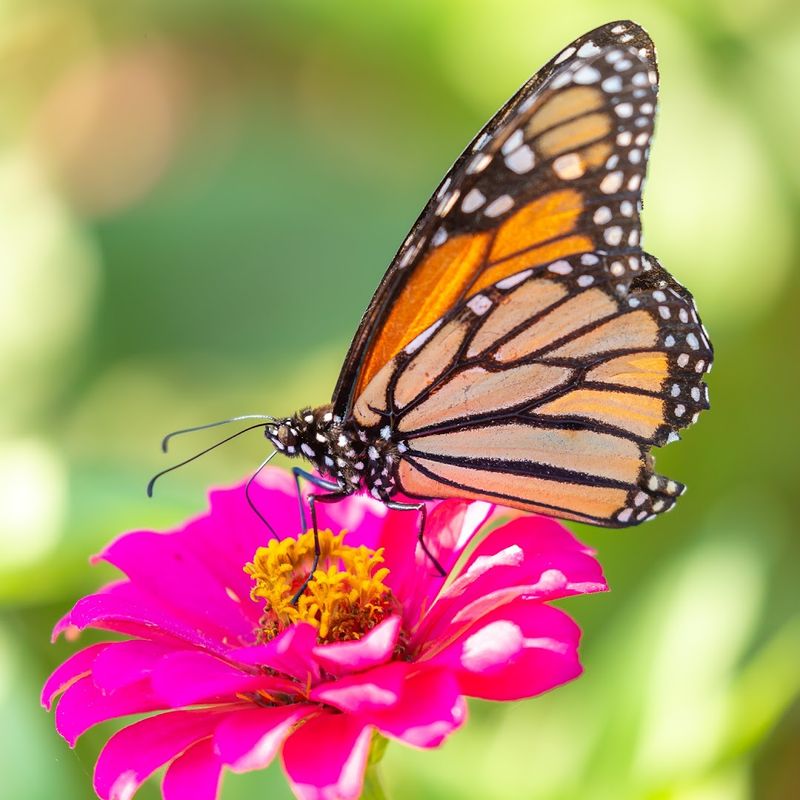
There is something genuinely magical about standing in a room where hundreds of butterflies drift past your shoulders like living confetti. The new Butterflies Bloom exhibit inside the Subtropical House is exactly that kind of magic, available every single day of the year.
Opened as a permanent feature in May 2026, this live butterfly exhibit brings together tropical and native species in a free-flight environment that feels wonderfully untamed. Butterflies land on flowers, flutter through shafts of light, and occasionally pause long enough for a truly memorable photograph.
Beyond the spectacle, the exhibit is genuinely educational. Visitors get a behind-the-scenes look at how pupae are cared for and how emerging butterflies are introduced into the space, which is fascinating for kids and adults alike.
The life cycle displays add real depth to the experience, transforming a visually stunning attraction into something with genuine scientific substance. Virginia schools have already been buzzing about field trip possibilities.
Lewis Ginter Botanical Garden has always had a gift for creating experiences that feel both beautiful and meaningful. Butterflies Bloom continues that tradition with style, offering a permanent exhibit that will delight first-time visitors and bring regulars back again and again.
Ann Lee’s Meadow, Nature Shaped Like Art
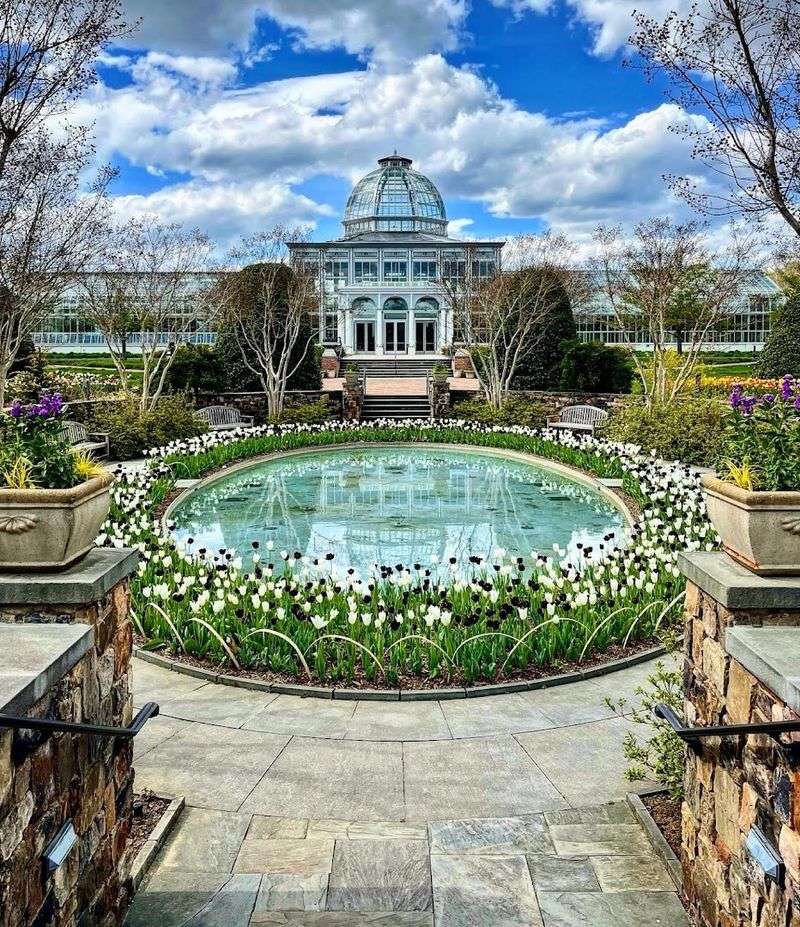
Not every garden element announces itself with fanfare, but Ann Lee’s Meadow earns its applause the moment you catch a glimpse of its shape. Designed in the outline of a butterfly, this new 7.5-acre landscape addition is as poetic as it is practical.
The meadow introduces a sweeping, naturalistic aesthetic that contrasts beautifully with the more formal garden sections nearby. Grasses, native wildflowers, and carefully selected plantings create a habitat that buzzes with pollinators throughout the warmer months.
Walking through it feels unhurried and contemplative, the kind of experience that makes city stress simply evaporate. The meadow’s butterfly shape is most appreciated from elevated vantage points, where the full design reveals itself like a piece of living land art.
Ecologically, the meadow is doing serious work. It supports local wildlife, attracts native pollinators, and contributes to the broader environmental health of the Lewis Ginter Botanical Garden campus.
Virginia’s natural landscape has always inspired creative design, and Ann Lee’s Meadow is a beautiful example of that tradition continuing. It is simultaneously a garden feature, a wildlife habitat, and a quiet tribute to the enduring power of thoughtful landscape architecture done with genuine heart.
Wick Lake Gets a Stunning Makeover
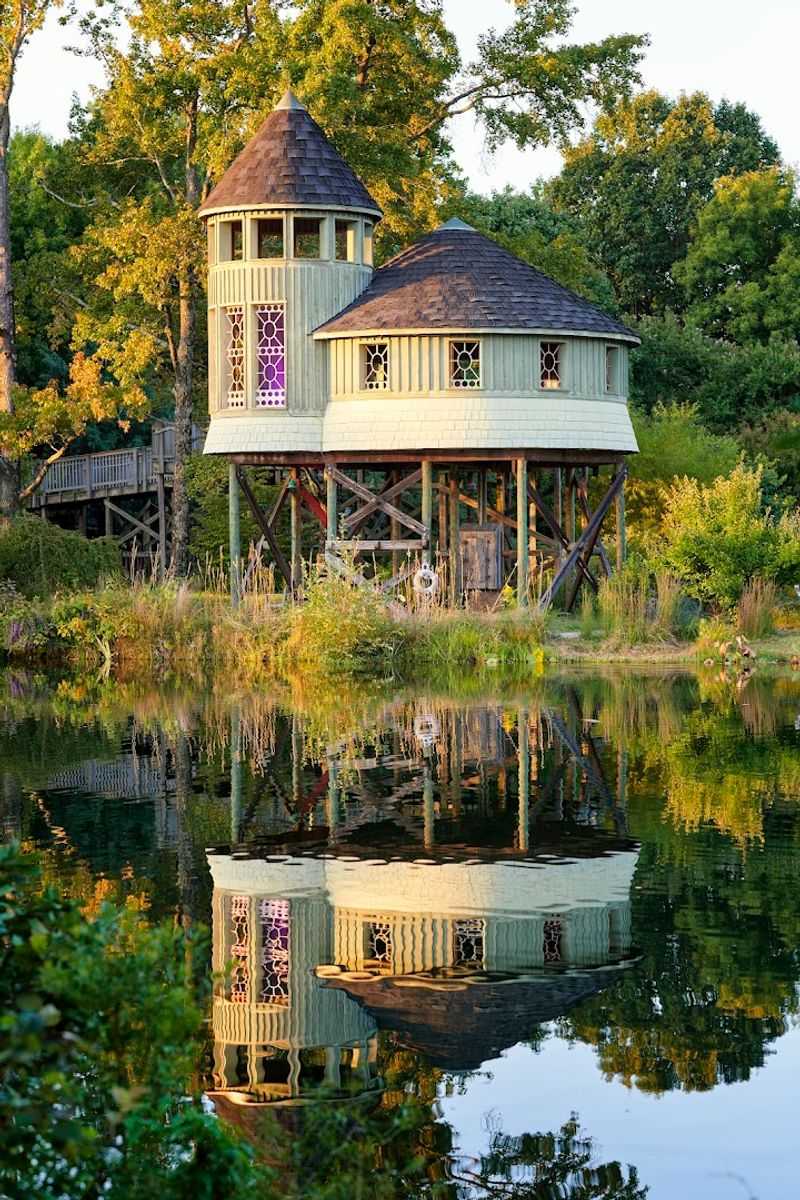
Water has a way of making any landscape feel more alive, and the expanded Wick Lake at Lewis Ginter Botanical Garden is proof of that principle at its finest. The lake received a significant upgrade as part of the 2026 expansion, and the results are quietly spectacular.
Beyond its obvious visual appeal, Wick Lake now serves a practical ecological purpose as a stormwater management resource. Designed to capture and filter rainwater naturally, it supports the health of the surrounding landscape while also creating a thriving wildlife habitat.
Herons, turtles, and a variety of aquatic birds have already made themselves at home along its banks. Watching a heron stand perfectly still at the water’s edge while butterflies drift past overhead is the kind of moment that makes you reach for your camera instinctively.
Martha’s Way, a new walking trail that winds along the lake’s perimeter, adds another layer of accessibility and enjoyment to the water feature. The trail is smooth, shaded in places, and genuinely lovely at any time of day.
Richmond locals have quickly claimed it as a favorite spot for morning walks, quiet reflection, and impromptu nature photography sessions that somehow always take longer than planned.
Martha’s Way, the Trail Everyone Is Talking About
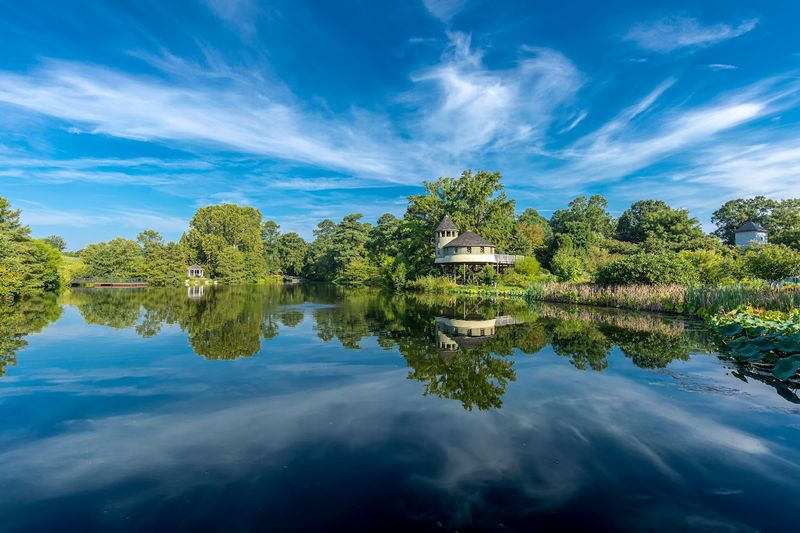
A great walking trail has the power to transform an ordinary visit into something genuinely memorable, and Martha’s Way delivers that transformation with every step. Winding alongside the expanded Wick Lake, this new pathway is one of the freshest additions to the Lewis Ginter Botanical Garden campus.
The trail feels thoughtfully designed rather than simply functional. Native plantings border the path, seasonal blooms appear at regular intervals, and the lake views shift and change as you move through the landscape.
Morning light on the water is particularly beautiful here, casting soft reflections that make the entire scene feel almost painterly. Photographers have already discovered that Martha’s Way offers some of the most photogenic angles on the entire expanded campus.
The surface is accessible and well-maintained, making it suitable for a wide range of visitors. Families with strollers, seniors enjoying a relaxed pace, and enthusiastic walkers covering the full loop all share the trail comfortably.
Virginia’s outdoor spaces have always had a certain unhurried charm, and Martha’s Way captures that spirit perfectly. It is the kind of trail that invites you to slow down, look closely, and appreciate the small details that make a botanical garden so endlessly rewarding to explore.
ALEBRIJES, Where Mexican Folk Art Meets Botanical Beauty
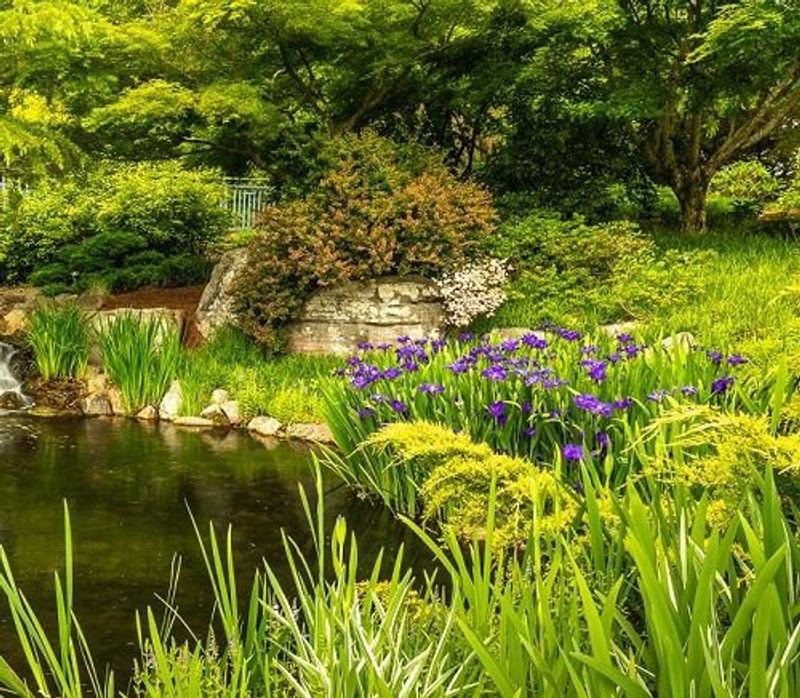
Picture enormous, vividly colored Mexican folk art creatures nestled among flowering plants and garden pathways. That is the surprising and delightful reality of the ALEBRIJES: CREATURES OF A DREAMWORLD exhibit currently running at Lewis Ginter Botanical Garden.
Alebrijes are fantastical creatures from Mexican artistic tradition, combining elements of different animals into wildly imaginative hybrid forms. Rendered here in intricate paper mache with bold, eye-catching color palettes, they create an almost surreal contrast against the garden’s natural greenery.
The exhibit transforms the garden into something that feels part outdoor gallery, part storybook landscape. Children are absolutely captivated, and honestly, adults are too.
There is something irresistibly playful about rounding a corner and coming face-to-face with a brilliantly painted dragon-butterfly-fox creature.
The cultural dimension adds genuine depth to the experience. Informational displays explain the origins and significance of alebrije art within Mexican craft traditions, giving visitors a meaningful connection to the works beyond their visual impact.
Richmond has developed a wonderful reputation for blending art and nature in unexpected ways, and this exhibit is a perfect example of that creative spirit. Lewis Ginter Botanical Garden continues to prove that a botanical garden can be so much more than just plants.
The Children’s Garden, Pure Joy in Green Form
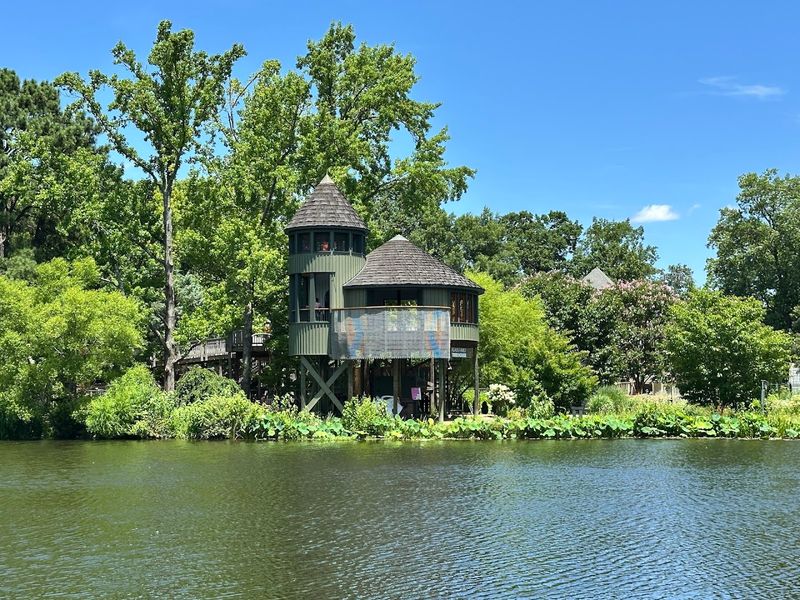
Some places have a children’s area. Lewis Ginter Botanical Garden has a children’s paradise, and the difference is immediately obvious the moment you arrive with a small person in tow.
The Children’s Garden features a magnificent treehouse-style fort that immediately triggers imagination overdrive in kids of all ages. Climbing structures, winding pathways, and discovery stations keep energy levels high and attention fully engaged throughout the visit.
A splash area provides welcome relief on warm Virginia days, and the sandbox is exactly the kind of open-ended play space that children can lose themselves in for surprising lengths of time. Parents tend to find a nearby bench and simply enjoy watching the fun unfold.
The garden sections within the children’s area are designed specifically to engage young curiosity about plants, insects, and the natural world. Everything is labeled at kid-friendly heights, and the plantings are chosen to be tactile, fragrant, and visually stimulating.
Families visiting Richmond with young children consistently rate this section as a highlight of the entire trip. The thoughtful design ensures that kids are genuinely learning while having an absolute blast, which is the kind of educational magic that every parent quietly hopes for on a day out.
The Living Masterpiece Over 125 Years in the Making
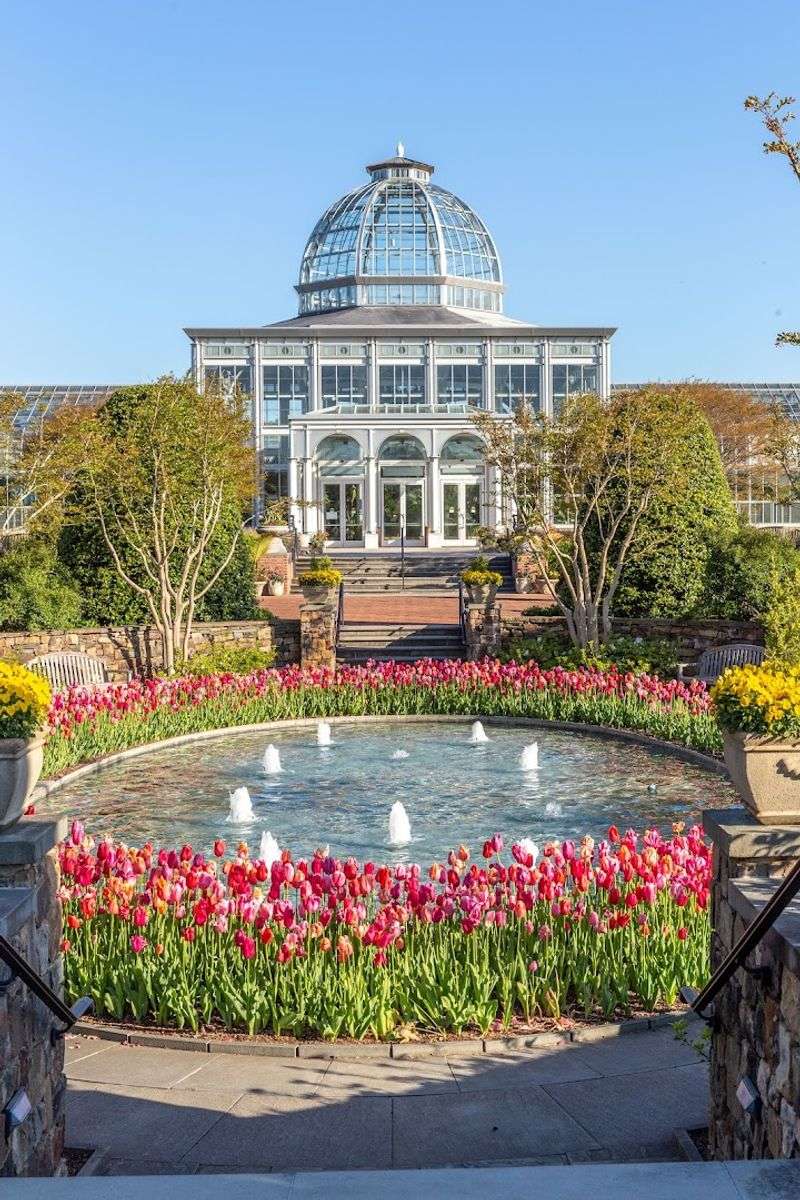
At the heart of what makes Lewis Ginter Botanical Garden so extraordinary is its living heritage, the plants, trees, and botanical specimens that have been growing on this estate since the 19th century. Some of the garden’s most remarkable residents have been quietly thriving here for well over 125 years.
The garden was founded on the historic estate of Lewis Ginter himself, a Richmond businessman and philanthropist whose legacy is woven into every acre of the landscape. The oldest specimens on the grounds predate the formal garden by decades, standing as silent witnesses to generations of change.
Walking past a tree or plant that has been growing since the 1800s carries a particular kind of emotional weight. Virginia has deep historical roots, and the garden’s living heritage connects visitors to that history in a way that no museum exhibit quite replicates.
The garden team works carefully to preserve and protect these ancient specimens, ensuring that future generations will have the same opportunity to stand in their presence. Conservation is treated not as a side project but as a core mission.
That commitment to honoring living history while simultaneously creating new experiences is precisely what makes Lewis Ginter Botanical Garden one of the most compelling destinations in all of Virginia.
Plan Your Visit to 1800 Lakeside Ave, Henrico
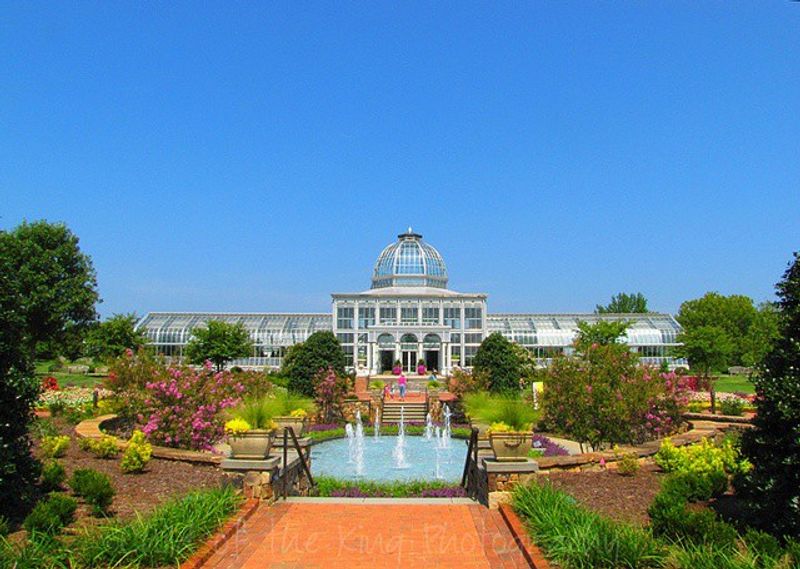
Getting to Lewis Ginter Botanical Garden is straightforward, and once you arrive at 1800 Lakeside Ave, Henrico, VA 23228, the experience begins immediately. The grounds are open daily, welcoming visitors from morning until late afternoon throughout the week.
Parking is conveniently located, and the entrance area sets the tone beautifully with manicured plantings and a welcoming atmosphere that instantly signals you are somewhere special. The gift shop near the entrance is worth a browse, stocked with botanical gifts, garden accessories, and locally inspired items.
On-site dining provides a relaxed option for extending your visit without leaving the grounds. Both indoor and outdoor seating are available, making it a pleasant spot to recharge between garden explorations.
Guided tours are available and genuinely worthwhile, particularly for first-time visitors who want context and stories to go along with the stunning scenery. The garden team is knowledgeable and enthusiastic, which makes a real difference to the overall experience.
Virginia travel writers and local enthusiasts alike have been raving about the post-expansion campus, and the enthusiasm is completely justified.
Whether you are a Richmond local rediscovering a favorite destination or a visitor experiencing Lewis Ginter Botanical Garden for the very first time, you will leave already planning your return trip.
