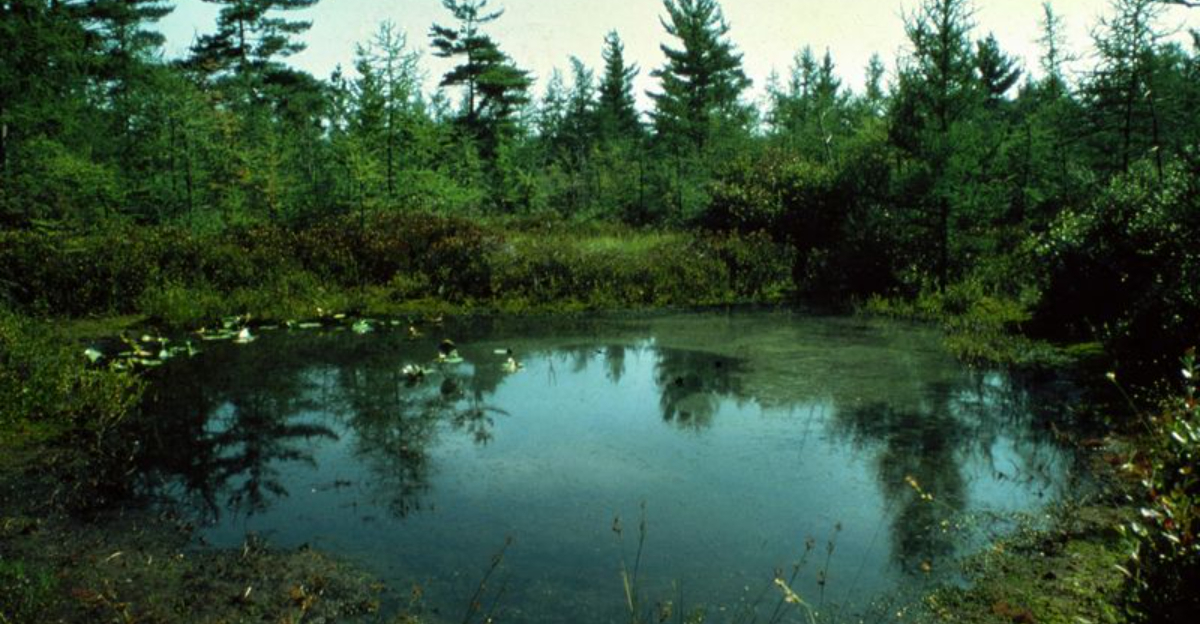
Hidden in LaPorte, Indiana, a trail winds through ancient forest toward one of the strangest landscapes in the Midwest. This unique natural area is part of Indiana Dunes National Park and sits above a sunken basin that has been slowly forming for roughly 14,000 years.
The bog below feels like another world, quiet, eerie, and alive with rare plants you will not find anywhere else in the state. A wooden boardwalk leads visitors through this unusual ecosystem, offering a glimpse into a landscape shaped by thousands of years of natural change.
Whether you love nature, science, or simply discovering places that feel completely unexpected, this destination offers a memorable adventure unlike any other. It is a hidden gem where ancient history and wild beauty come together.
Feel the Ground Shake on a Floating Moss Mat
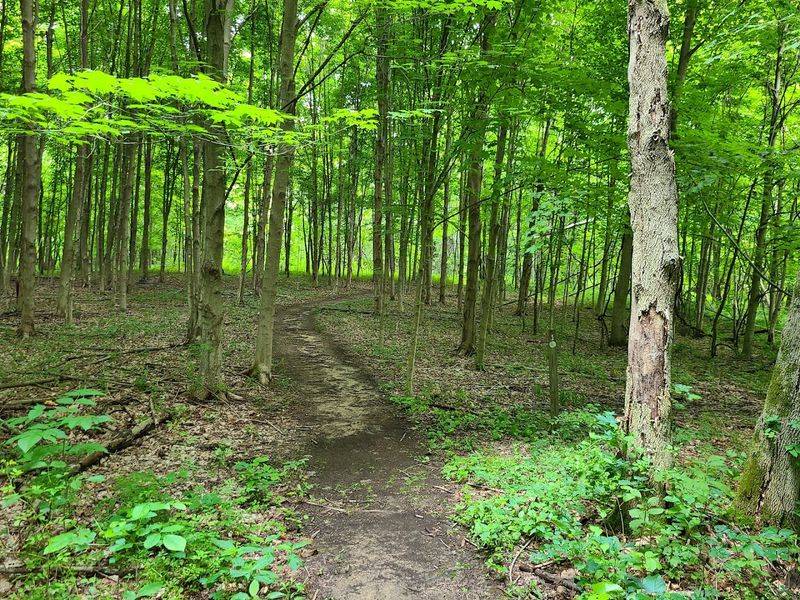
Most trails feel solid under your boots. At Pinhook Bog, that changes the moment you step onto the boardwalk.
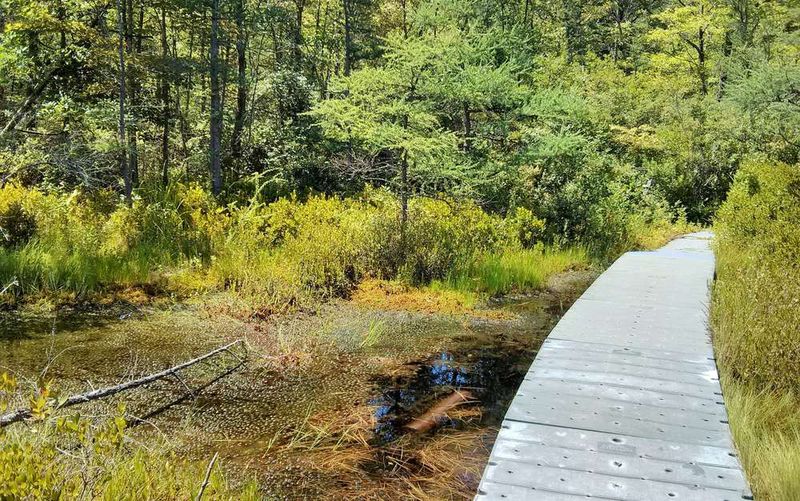
Beneath the wooden planks, a thick mat of sphagnum moss floats on top of dark, still water. When you walk, the ground moves.
Not dramatically, but enough to make you pause and look down.
Rangers describe it as an unearthly sensation, and that is exactly right. Even mature trees rooted in this floating mat will tremble when the water below shifts.
The boardwalk itself can partially submerge during wet periods, which is why waterproof boots are strongly recommended before you visit.
This quaking surface is one of the most memorable parts of any bog experience. It reminds you that the ground is not as permanent as it looks.
The moss mat has been building for thousands of years, layer upon layer, slowly thickening over the open water below. Older moss at the bottom becomes compressed and eventually turns into peat.
Some bog peat deposits elsewhere in the world preserve ancient animals and plants for centuries. Pinhook Bog carries that same quiet power.
You are not just hiking across solid ground. You are walking on a living, breathing, slowly shifting landscape that has been growing since before recorded history.
That alone makes the trip worth every muddy step.
Come See Carnivorous Plants Trap Their Prey
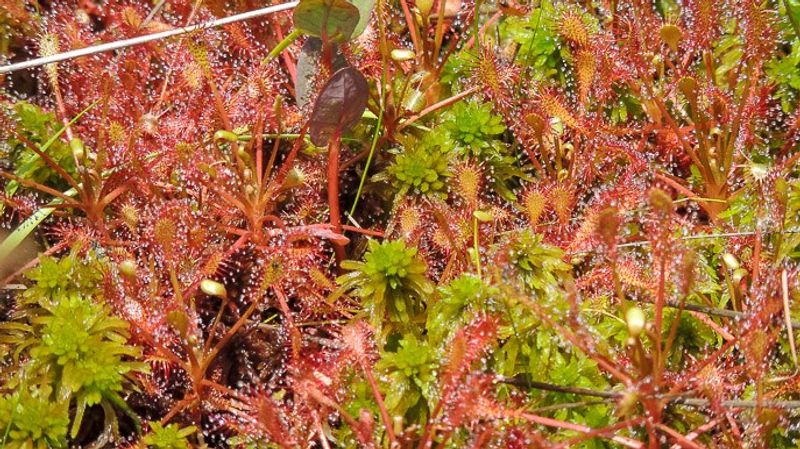
Carnivorous plants sound like something from a science fiction movie. At Pinhook Bog, they are completely real and growing right along the boardwalk.
The bog’s acidic, nutrient-starved water forces plants to get creative about feeding themselves, and several species here have evolved remarkable ways to catch insects.
Pitcher plants are perhaps the most striking. Their cup-shaped leaves fill with digestive fluid, and any insect that slips inside cannot escape.
Sundews take a different approach, using tiny tentacles tipped with sticky droplets to grab and hold their prey. Bladderworts, including horned and hidden-fruited varieties, use small vacuum-like bladders to suck in microscopic organisms from the water and soil.
Seeing these plants in person hits differently than reading about them. They are small, often overlooked at first glance, but once a ranger points them out, you cannot stop noticing them.
The bog trail is only 0.9 miles long and takes about an hour to complete, but that hour is packed with moments like these. Every few steps brings something new to look at.
The carnivorous plants alone are worth the effort of joining a ranger-led tour. They grow in clusters throughout the moss mat, quiet and patient, waiting for their next meal in one of the most unusual ecosystems left in the American Midwest.
You Will Find Rare Orchids Growing Wild Here
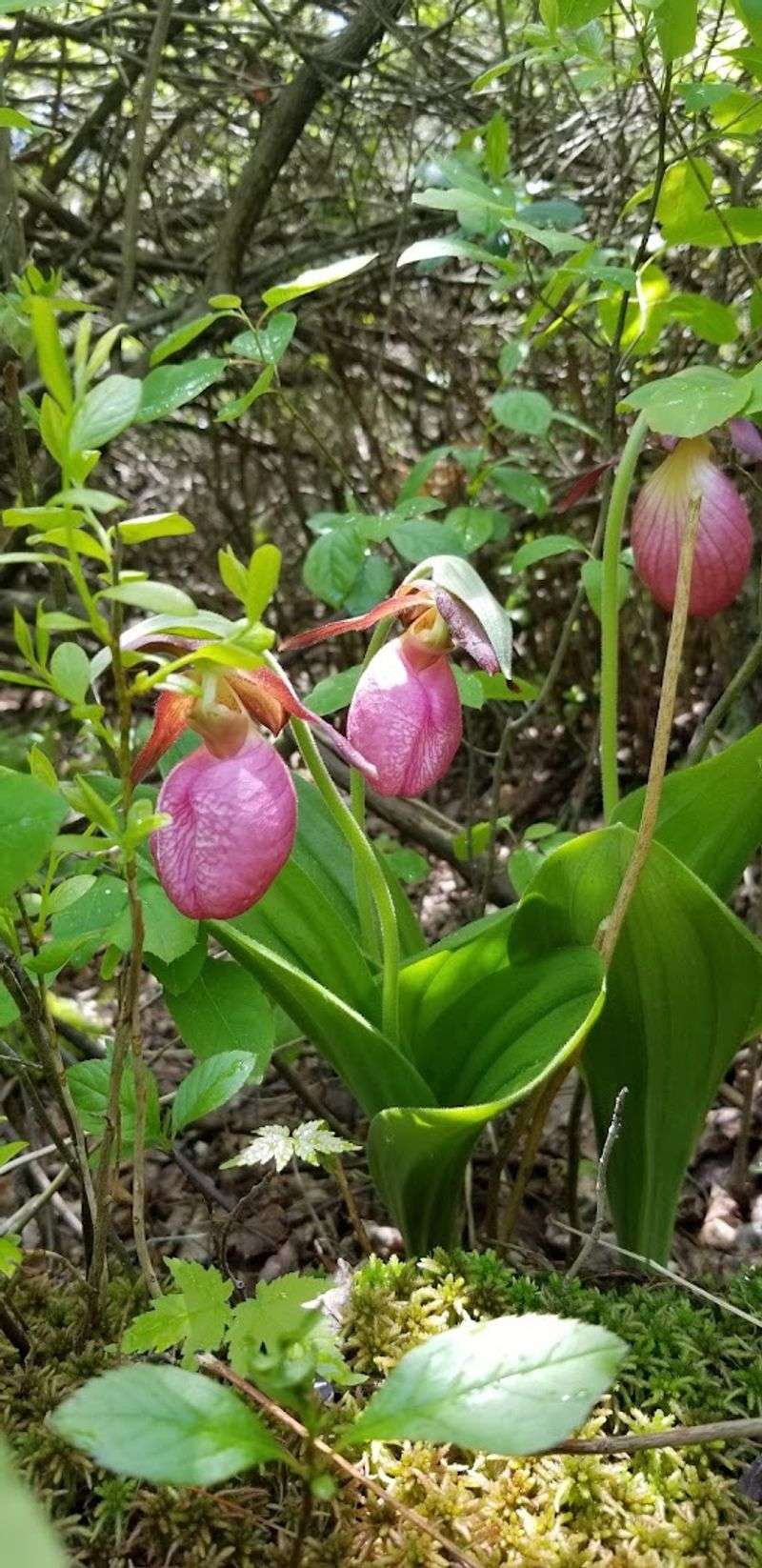
Pinhook Bog is home to one-third of all rare or endangered plant species found in Indiana. That number is staggering when you consider how small the bog actually is.
Among those 21 state-listed rare plants are wild orchids that bloom in the bog each season, including pink lady’s slippers, orange-fringed orchids, and rose pogonias.
Finding a wild orchid growing naturally in Indiana is not something most people expect. These flowers tend to be associated with tropical rainforests or carefully controlled greenhouses.
Seeing them rooted in a mossy bog in LaPorte feels almost surreal. They are delicate, colorful, and surprisingly easy to miss if you are not looking carefully.
Beyond the orchids, tamarack trees line the bog’s interior. These are coniferous trees that behave like deciduous ones, dropping their needles every fall after they turn a brilliant gold color.
In winter, they stand bare and skeletal against the sky, which is a big part of what gives the bog its ghostly reputation. Wild blueberries and cranberries also grow along the edges, adding bursts of color through the warmer months.
The plant life here is genuinely unlike anything else in the region. Botanists and casual hikers alike find something new every visit.
The bog rewards slow, careful walking and an eye for small details hidden along the trail.
Discover an Ancient Ice-Age Basin Beneath Your Feet
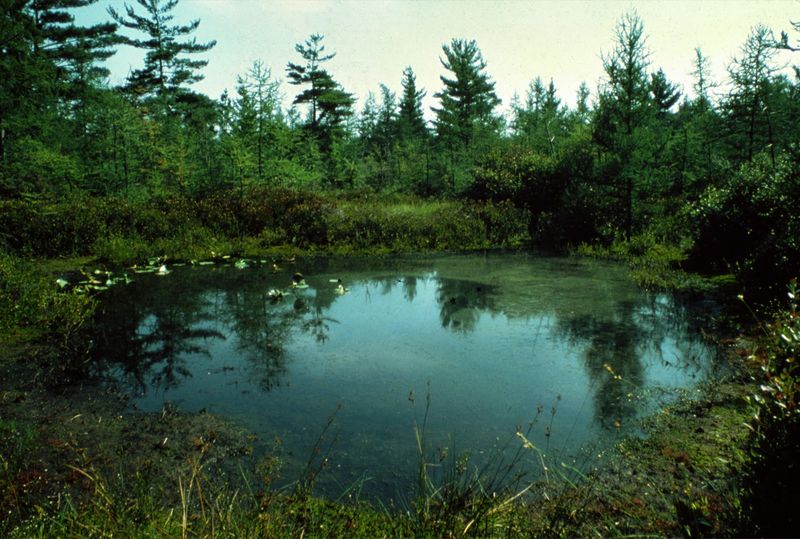
Around 14,000 years ago, a massive chunk of glacier broke off and buried itself in the earth near what is now LaPorte, Indiana. When it finally melted, it left behind a deep, bowl-shaped hole sealed by thick clay soil.
That hole became Pinhook Bog, one of only two true bogs in the entire state of Indiana.
What makes this place so unusual is how it works. The clay bottom cuts the basin off from groundwater completely.
The only water that enters comes from rain and snow. Over thousands of years, that standing water turned acidic and low in nutrients, creating conditions most plants simply cannot survive.
Walking the Upland Trail at 945 N Wozniak Rd, La Porte, IN 46350, you circle the outer edge of this ancient formation. You can feel the land slope downward toward the bog, and you start to understand just how deep and old this depression really is.
It is not just a pretty wetland. It is a living relic from the last Ice Age, preserved almost perfectly in the middle of the Midwest.
Few places in the United States, especially this far south, still hold an ecosystem like this one. Coming here means standing at the edge of geological time in a way that feels both humbling and genuinely exciting.
Plan Your Visit to a National Natural Landmark
Pinhook Bog earned its designation as a National Natural Landmark in 1974. That status reflects how scientifically significant this place really is.
It is not just a pretty trail. It is a protected ecosystem recognized at the federal level for its rarity and ecological value.
As part of Indiana Dunes National Park, Pinhook Bog contributes to one of the most biodiverse national parks in the country. The park ranks seventh out of more than 400 national park destinations for biodiversity, which is an impressive number for a Midwestern location.
The bog itself supports dragonfly species including the elfin skimmer, the smallest dragonfly in North America. Spotted turtles can sometimes be seen near the boardwalk wetland areas.
The Upland Trail surrounding the bog runs 2.1 miles and takes roughly 1.5 hours to complete at a comfortable pace. It winds through old-growth beech and maple forest along a glacial moraine.
The trail is open daily from 6 AM to 11 PM. A National Park pass is required for entry.
You can call the Indiana Dunes Checking the park website or Facebook page before your visit helps you catch an open house and get full access to the bog boardwalk trail.
Skip Nothing on a Ranger-Led Bog Exploration
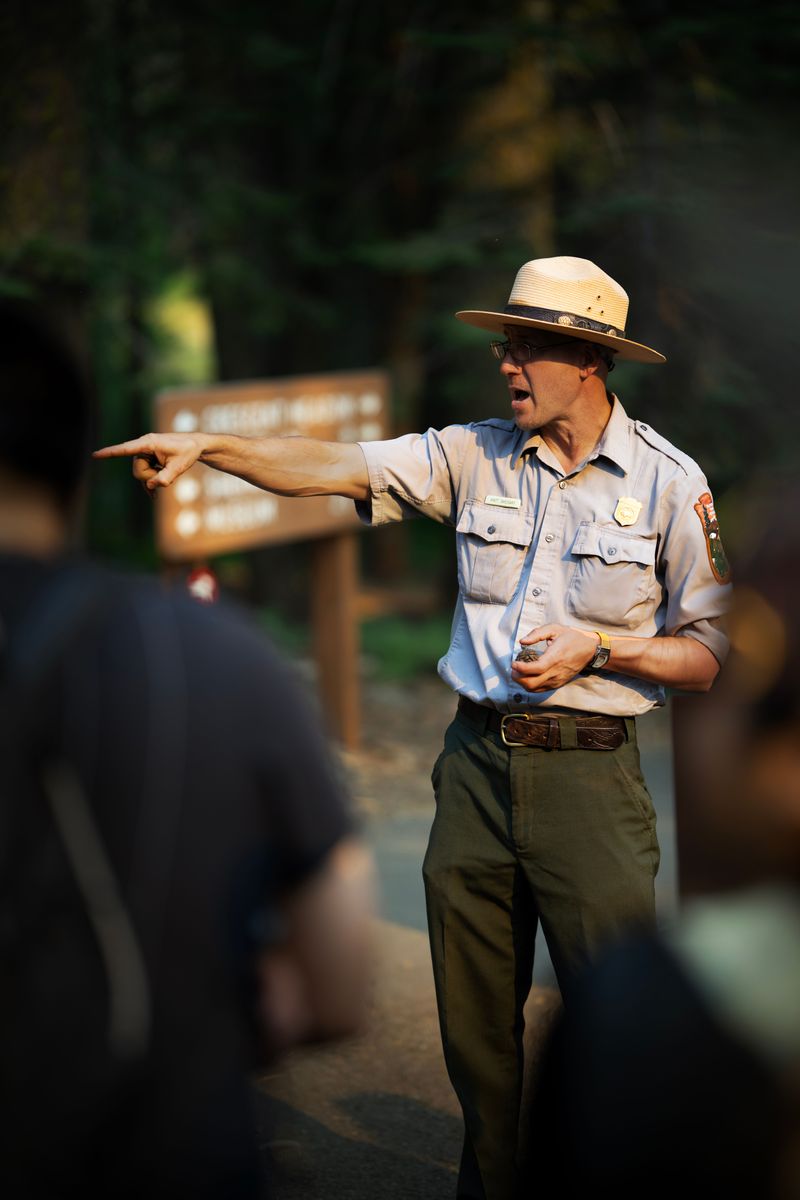
The Bog Trail is not open to independent hikers. Access is limited to ranger-led tours, and that restriction exists for a good reason.
The bog’s ecosystem is extraordinarily fragile. Even minor disturbances to the sphagnum moss mat or the surrounding plant life can cause damage that takes decades to reverse.
Joining a guided tour changes the whole experience. Rangers explain how the bog formed, what keeps it acidic, and why the plants here evolved such unusual survival strategies.
They point out carnivorous plants you would easily walk past on your own. They describe the difference between a bog and a marsh in ways that actually stick with you long after you leave the trail.
Tours run during ranger-led open houses on summer weekends. Group sizes can be around 25 people, so arriving early gives you a better spot near the front where you can hear and see everything clearly.
Waterproof boots are a must since the boardwalk can partially submerge. The 0.9-mile trail takes about an hour, but the information shared along the way makes it feel much richer than a simple walk.
This is one of those rare guided experiences where the format genuinely adds to what you see rather than slowing it down.
Try Walking Where Ghostly Trees Guard the Trail
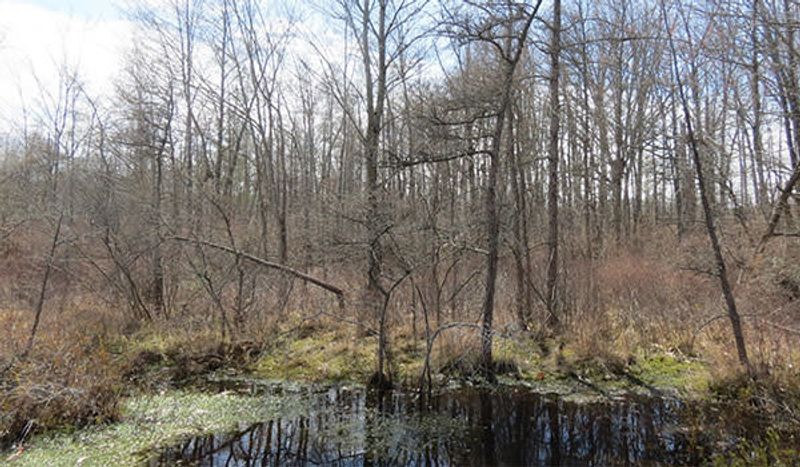
There is something undeniably eerie about Pinhook Bog, especially in the colder months. The tamarack trees that grow rooted in the floating moss mat drop their golden needles every fall and spend winter as bare, silver-gray silhouettes rising out of the dark water.
From a distance, they look like sentinels standing guard over something ancient and hidden.
No documented ghost stories are tied to this place, but the atmosphere does not need them. The combination of quaking ground, still black water, twisted bare branches, and near-total silence creates a mood that most horror films spend a lot of money trying to recreate.
First-time visitors often describe feeling watched, even when the trail is completely empty.
That sense of mystery is part of what makes Pinhook Bog so memorable. It connects you to 14,000 years of geological time in a way that feels personal and slightly unsettling.
The fog that sometimes settles over the bog in early morning adds another layer of atmosphere. Visiting at dawn, when mist hangs low over the moss mat and the tamaracks stand pale against the sky, is a genuinely striking experience.
The Upland Trail opens at 6 AM daily, making an early morning walk entirely possible. Bring a camera, wear your waterproof boots, and give yourself time to stand still and just absorb the strange, quiet power of this place.
