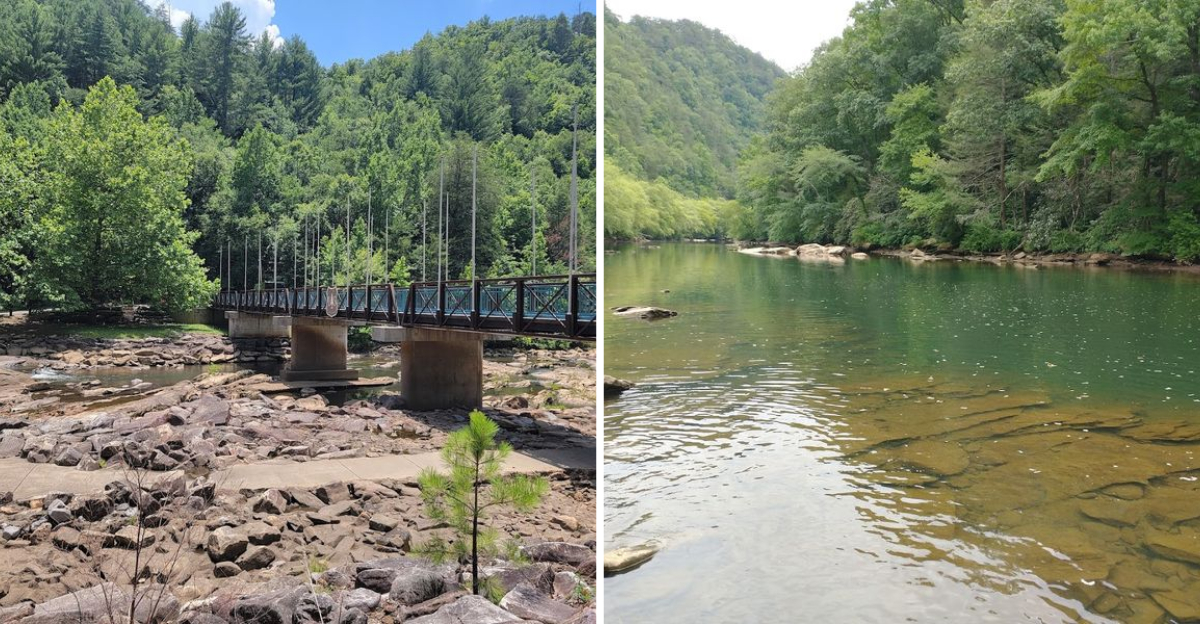
That Tennessee spot along the Ocoee River stopped me mid-step the moment it came into view. Ancient rock walls rise around a series of cool, clear pools, forming a natural amphitheater that feels both wild and intimate at the same time.
The geology here tells a story that goes back roughly 750 million years, and the Cherokee people knew and honored this river long before roads or dams ever existed.
I had heard about this place from a friend who kept saying the underwater views alone were worth the trip.
I slipped into that cold water on a hot afternoon, surrounded by cliffs and the sound of rushing water, and felt like I had discovered something sacred. Honestly, that turned out to be an understatement.
The Natural Rock Amphitheater That Took 750 Million Years to Build
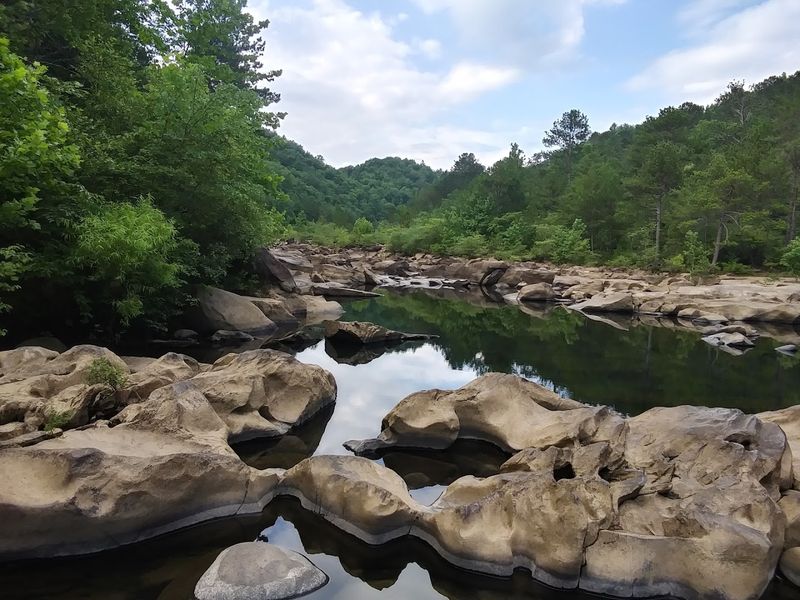
The first thing you notice about Blue Hole is not the water. It is the rock.
Massive, layered walls of ancient stone curve around the swimming area in a shape that genuinely resembles a theater, and the effect is stunning even before you step a single foot into the river.
The bedrock here belongs to what geologists call the Ocoee Supergroup, made up primarily of argillite and metagraywacke. These rocks started out as sediments resting on a prehistoric sea floor roughly 750 million years ago.
That is a number so large it is almost hard to hold in your head.
Between 330 and 270 million years ago, the North American and African continents collided in a slow, colossal crunch. That collision buckled and folded the rock layers, thrusting them westward and eventually building the Appalachian Mountains we know today.
The nearly vertical orientation of the rock layers you can see at Blue Hole is a direct result of that ancient tectonic drama.
The Ocoee River has been slicing through this gorge ever since, smoothing the riverbed, shaping ledges, and carving out the interconnected pools swimmers love today.
Some of the lighter, coarser rock layers are more resistant to erosion, which is why they form those dramatic ledges and natural jumping platforms along the water’s edge.
Sitting on a sun-warmed boulder and looking at those walls, you get the strange, quiet feeling of being very small in a very old world. It is humbling in the best possible way.
Cherokee Roots and the Ancient Name Behind the River
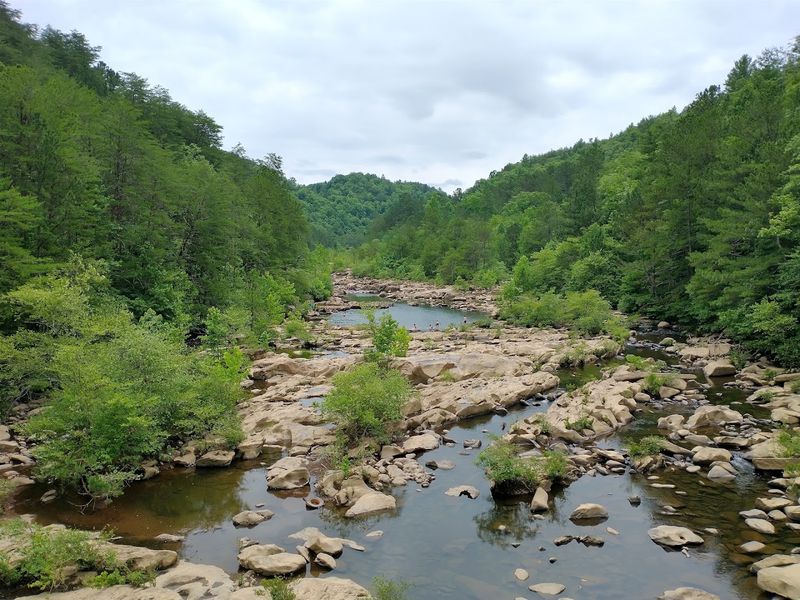
Long before whitewater rafters and weekend swimmers discovered this stretch of river, the Cherokee people called this place home.
The name Ocoee itself comes from the Cherokee language and is generally understood to mean apricot vine place, a reference to the native passionflower, also known as maypop, that grows abundantly throughout the region.
That is a beautifully specific name. It tells you something real about how the Cherokee related to this landscape, paying attention to the plants, the patterns, and the particular character of each place rather than naming things in abstract ways.
For centuries, the Ocoee River provided the Cherokee with water, food, and a route through the mountains.
The path that eventually became US Highway 64 through the Ocoee Gorge follows an ancient trail used by Native Americans long before European settlers arrived.
That same trail later became known as the Old Copper Road, used by miners hauling copper ore out of the hills around Ducktown.
Thinking about that history while you float in the Blue Hole adds a layer to the experience that a lot of swimming spots simply do not have. The water flowing around you has been flowing here, shaping this same stone, for longer than most civilizations have existed.
The passionflower still blooms along the riverbanks in summer. It is a small, living connection to the name the Cherokee gave this river, and spotting one feels like a quiet nod across centuries of time.
Olympic History Carved Right Into the Riverbed
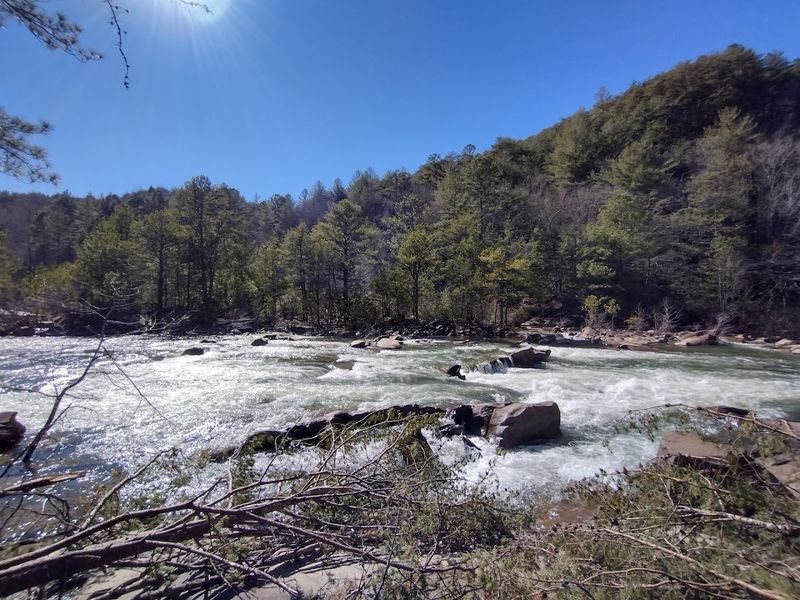
Not many swimming holes can claim a connection to the Olympic Games, but Blue Hole sits just a short walk from a stretch of river that hosted the canoe and kayak slalom events during the 1996 Atlanta Olympics. That is a genuinely remarkable piece of local history hiding in plain sight inside a national forest.
For those Games, engineers specifically modified and narrowed a section of the Upper Ocoee riverbed to increase the speed and intensity of the rapids.
The goal was to create a technically demanding course that would challenge the world’s best paddlers.
The result was a course that became famous among whitewater athletes globally.
The Ocoee Whitewater Center was built to support those events and continued operating as a recreational hub for years afterward.
A fire damaged the center building in 2022, but the surrounding grounds remain open, and visitors still park there to access the river, including the Blue Hole upstream.
There is something genuinely cool about swimming in a river where Olympic history happened. The modifications made to the riverbed for the Games are still visible in places, and the energy of the gorge still feels electric, even on a quiet weekday afternoon when the water is low and calm.
Standing near those rapids and knowing world-class athletes once competed there gives the whole area an added sense of significance.
Blue Hole benefits from that context, sitting quietly upstream like a reward waiting at the end of a great story.
What Swimming in the Blue Hole Actually Feels Like
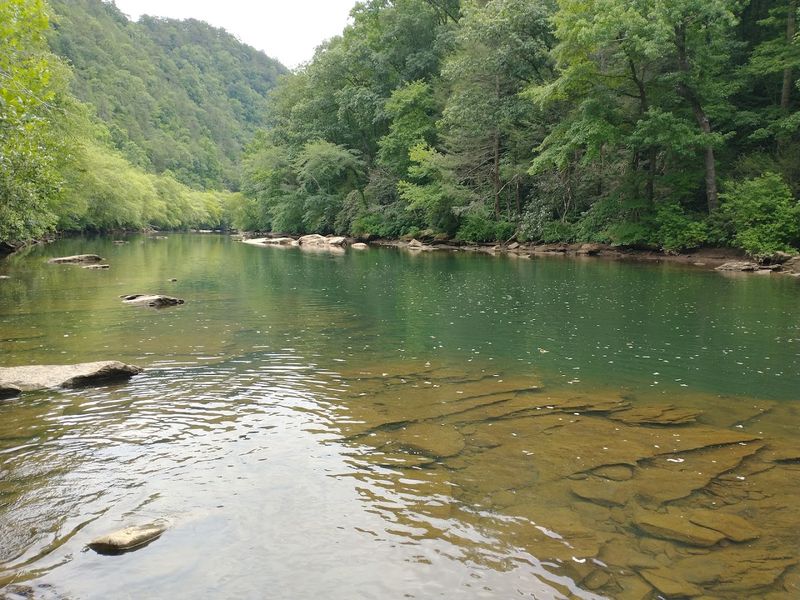
The water at Blue Hole is cold. Not unpleasantly cold, but the kind of cold that makes you gasp a little on entry and then immediately feel grateful once your body adjusts.
On a hot Tennessee summer day, that first plunge is one of the most satisfying feelings imaginable.
The pools are interconnected, and the riverbed has been worn smooth over millennia by the current.
There are natural ledges at varying heights for jumping, shallow areas perfect for wading with kids, and deeper sections where the water takes on that distinctive dark blue-green color that gives the spot its name.
Bringing a pair of goggles or a snorkel mask is genuinely worth it. Underwater, the rock formations are just as dramatic as they are above the surface.
The smooth channels, carved passages, and layered stone walls create an almost otherworldly landscape beneath the waterline that most visitors never bother to explore.
There are also rock tunnels that swimmers can move through when water levels are appropriate, which adds an element of exploration that makes Blue Hole feel more like an adventure than a typical swimming spot.
You can spend a couple of hours here and still feel like you have not seen everything.
The forest canopy overhead filters the sunlight into shifting patterns on the water’s surface.
It is the kind of sensory detail that sticks with you long after you have dried off and driven home, the sort of memory that makes you want to come back next summer.
Timing Your Visit Around TVA Water Releases
Here is the single most important thing to know before you make the drive out to Blue Hole: the Ocoee River is regulated by the Tennessee Valley Authority’s Ocoee Number 3 Dam, and that means the water level can change dramatically depending on scheduled releases.
On summer weekends, TVA typically increases water flow to support the whitewater rafting and kayaking operations that run through the gorge.
When that happens, the river transforms from a calm, swimmable stretch into a powerful, fast-moving current that is genuinely dangerous for swimmers.
Blue Hole, which looks so inviting at low water, becomes a very different and much riskier place.
The smart move is to visit on a weekday, especially during summer months, when releases are generally lower and the swimming conditions are far more suitable.
Checking the TVA’s release schedule online before you go is a habit worth building.
It takes about two minutes and can save a wasted trip or worse, a dangerous situation.
Even at lower water levels, the natural rock structures at Blue Hole include undercuts and sieves that deserve respect. These are features where water flows beneath or through rock in ways that can trap swimmers unexpectedly.
Always read any posted warning signs at the site and use good judgment about where you enter the water.
Visiting on a calm weekday morning, when the light is soft and the crowds are thin, is honestly the best version of this experience. The place feels entirely yours, and the water is perfectly still.
Getting There and Making the Most of Your Time
Getting to Blue Hole is straightforward, and the approach itself is part of the charm. You park at the Ocoee Whitewater Center lot off US Highway 64, pay the small daily parking fee, and then make your way upriver on foot.
The walk is short and easy, passing through shaded forest with the sound of the river growing louder as you go.
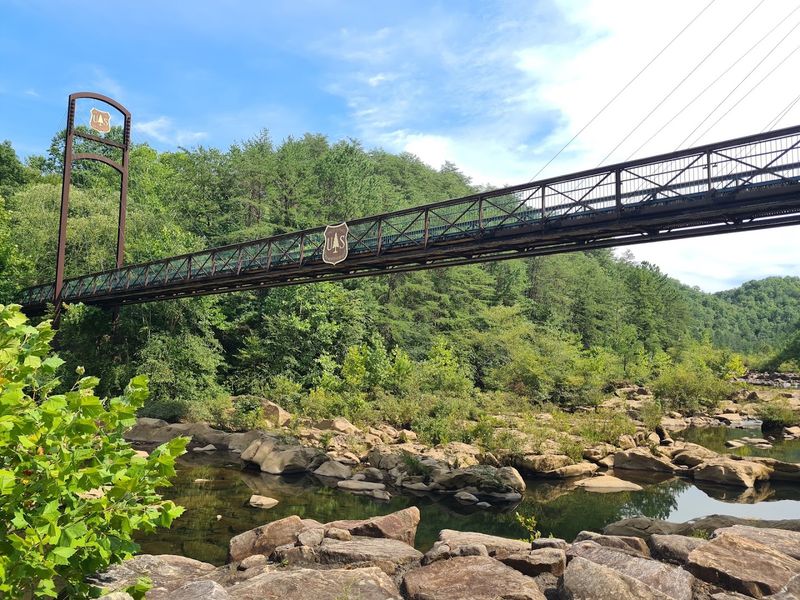
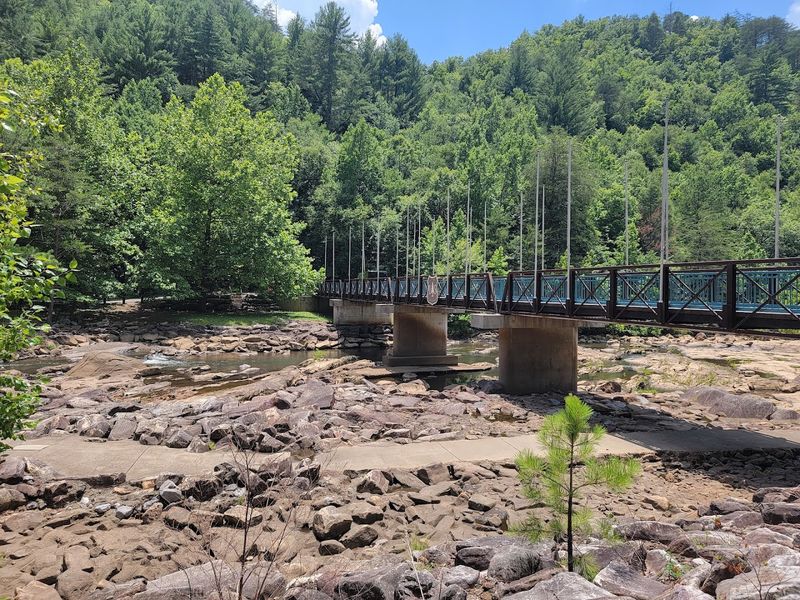
Depending on the current water level, you may pass under a bridge or alongside a suspension bridge as you head upstream toward the swimming area.
The whole approach takes maybe ten to fifteen minutes at a relaxed pace, and it sets a nice tone for the visit.
Pack accordingly. Water shoes with good grip are helpful on the smooth, wet rock surfaces around the pools.
A dry bag for your phone and valuables is a smart addition, especially if you plan to move between pools. Sunscreen matters too, since the open sections of rock can reflect a lot of sun.
If you want more solitude, walking further upstream past the main Blue Hole area reveals additional secluded pools that see far fewer visitors.
The deeper you go into the gorge, the quieter and more remote it feels, which is a genuinely rewarding payoff for a little extra effort on foot.
The surrounding Cherokee National Forest also offers hiking and mountain biking trails near the Whitewater Center, so you can easily build a full day around the visit. Blue Hole is the centerpiece, but the whole area deserves your time.
Address: US Highway 64, Ocoee, TN
