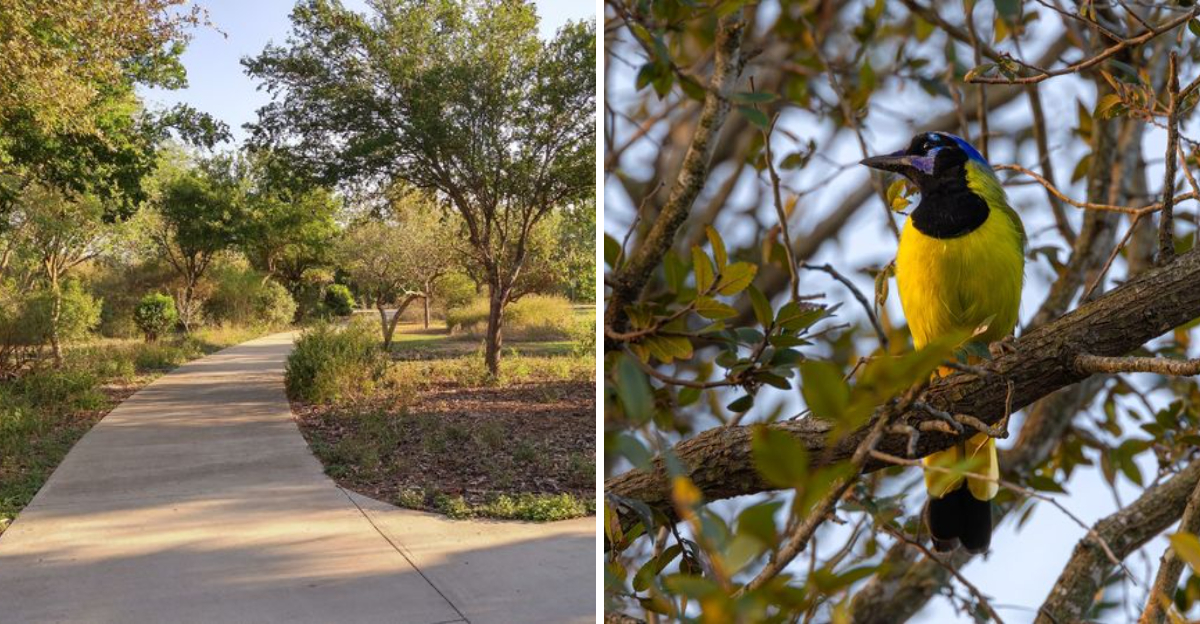
July is when this place turns into a birdwatcher’s dream. The trees fill up with color, the air fills with calls, and suddenly you are craning your neck at everything that flies by.
This wildlife refuge becomes a pit stop for hundreds of species making their way north, which means every corner holds a new sighting. You do not need to be an expert to enjoy it, just bring some binoculars and a little patience.
The trails are easy to follow, the viewing blinds put you right in the action, and the birds seem to know they are the stars of the show. Pack a hat, some water, and maybe a field guide if you want to show off.
July is the month to be here, do not miss it.
Why July Is the Magic Month for Birdwatching Here
July has this reputation in birdwatching circles that is hard to fully explain until you actually experience it yourself. By this point in the season, many of the winter migrants have moved on, but the resident species are in full nesting mode.
That means behavior, color, and song are all dialed up to maximum intensity.
The Altamira Oriole, one of the park’s most celebrated residents, is busy weaving its long hanging nest from the tips of tree branches. You can spot the males flashing brilliant orange against the green canopy, and they are not exactly shy about it.
The Great Kiskadee is another bird that seems especially loud and bold in July, calling its own name from every perch it can find.
Temperatures are warm but not yet brutal, and early morning visits reward you with the most activity. The park opens at dawn, and that first hour of light is genuinely worth setting an alarm for.
I have seen more species in a single July morning walk here than I managed in full days at other parks. The Rio Grande Valley in July is simply birding at its most alive.
The Hawk Observation Tower Experience
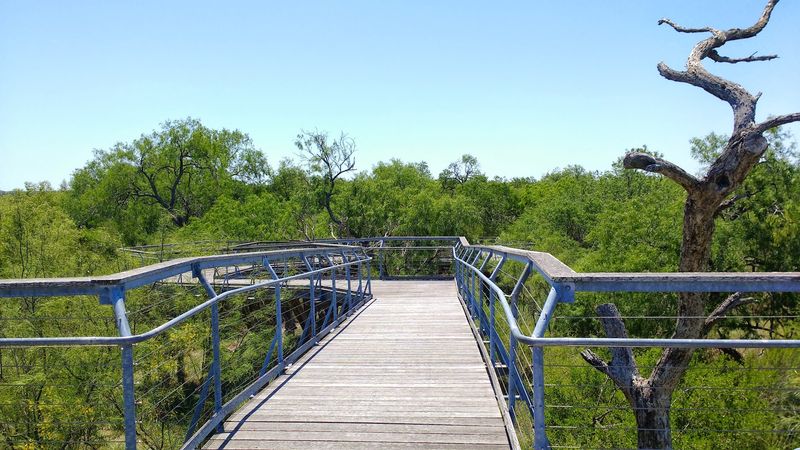
Climbing up to the Hawk Observation Tower is one of those moments that quietly reframes how you see the landscape. From ground level, the park looks like dense, tangled brush.
From the top of the tower, it opens up into something completely different.
You get a sweeping view of the Rio Grande floodplain, the canopy below you, and the river itself glinting in the distance. Raptors cruise at eye level here, which is a genuinely strange and wonderful thing to experience.
In July, Harris’s Hawks are commonly spotted riding thermals not far above the tower platform.
The tower is also a great spot for scanning the treetops for warblers and flycatchers that are otherwise hidden in the leafy tangle below. I spent almost an hour up there one morning just watching the canopy move and catching flashes of color.
Bring a good pair of binoculars and a hat because the sun hits that platform with full force once it climbs. The view alone makes the short walk to the tower completely worth it, even before a single bird shows up.
Over 360 Bird Species and How to Find Them
The species count is the kind of number that makes birders do a double take. More than 360 recorded species have been documented within the park boundaries, and that figure keeps growing as more observers visit and log their sightings.
For context, that is more bird diversity than most entire states can claim.
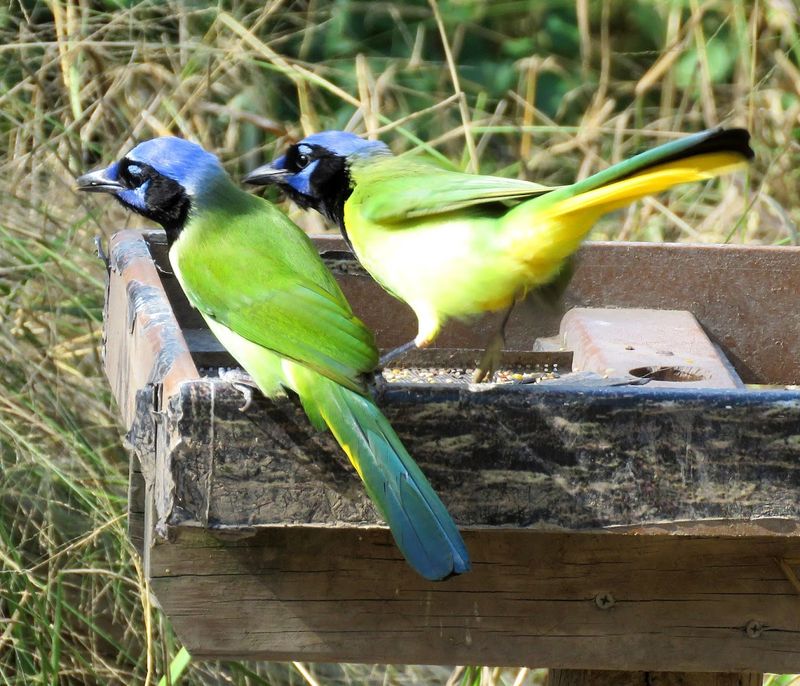
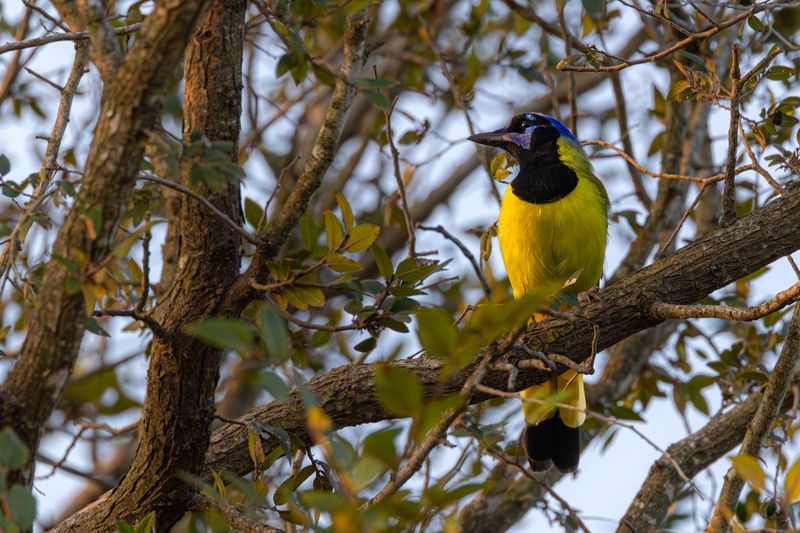
Green Jays are practically guaranteed sightings near the feeders at the visitor center. These birds are outrageously beautiful, with their blue heads and bright yellow-green bodies, and they show up with zero hesitation.
The Plain Chachalaca, Texas’s only native member of the curassow family, tends to move in rowdy groups through the brush and announces itself loudly before you ever see it.
The park has a well-maintained trail system that winds through different habitat types, from riparian forest near the river to denser thorn scrub inland. Each habitat tends to hold different species, so moving between them pays off.
Picking up a checklist at the visitor center helps you stay focused and track what you have seen. Experienced birders and total beginners alike find something genuinely exciting here, which says a lot about the sheer variety this place holds.
The Butterfly Gardens Are Just as Impressive
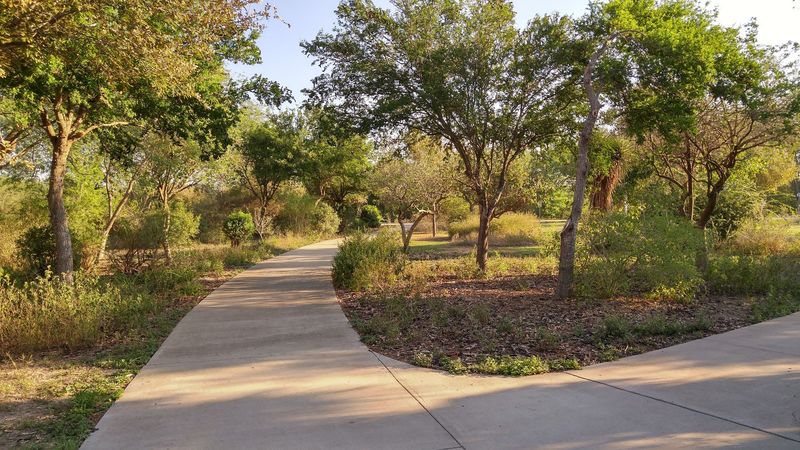
Birdwatching gets most of the headlines, but the butterfly situation here is genuinely spectacular in its own right. The park has recorded more than 250 butterfly species, a number that rivals dedicated butterfly preserves across the country.
July is a productive month for butterflies too, with many species active and nectaring on the flowering plants throughout the gardens.
The National Butterfly Center is located just next door, making this corner of Mission, Texas one of the most significant butterfly destinations in North America.
The plantings near the visitor center attract species like the Queen, the Zebra Longwing, and various skipper species that you would be hard pressed to find anywhere north of the Rio Grande Valley.
There is something meditative about watching butterflies work a patch of flowers. It slows you down in a way that feels good.
I found myself standing still for long stretches just watching the wings open and close in the warm July sun. Kids especially seem to light up around the butterfly gardens, which makes this a genuinely great family stop.
The combination of birds and butterflies in one compact park is honestly a little ridiculous in the best possible way.
Hiking and Biking the Trail System
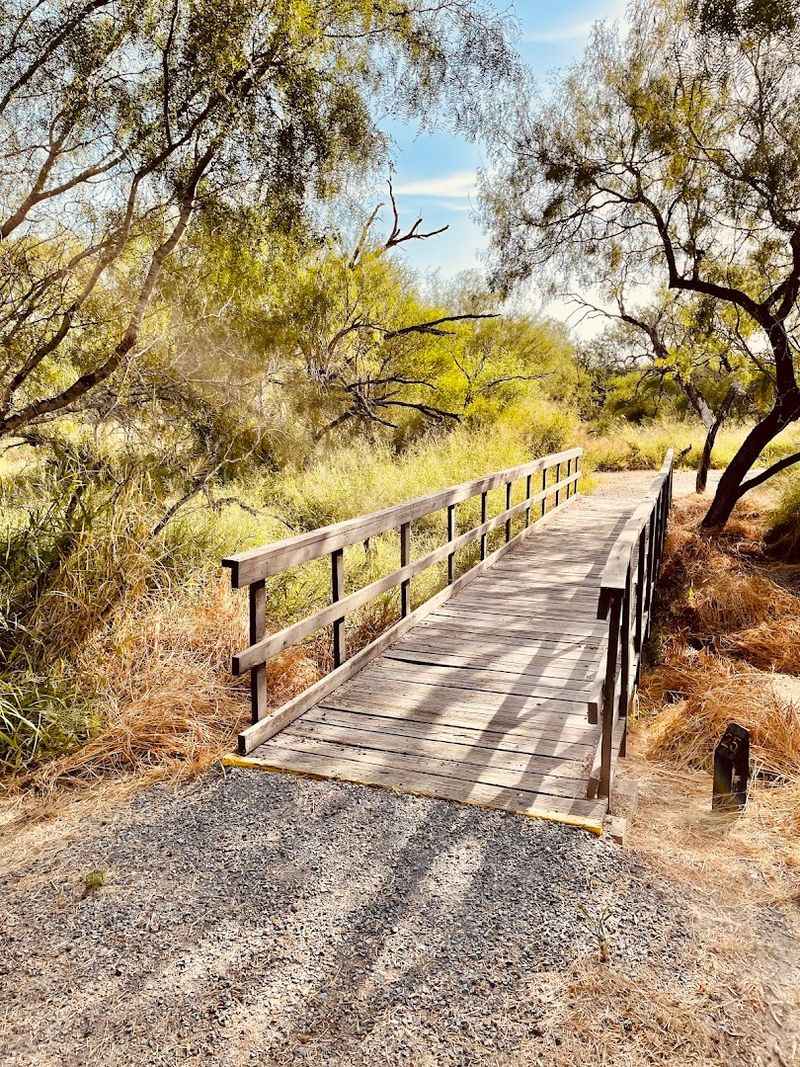
The trail system is thoughtfully laid out for both walkers and cyclists, which keeps things moving at a comfortable pace for everyone. The main loop trail is paved and accessible, running through the heart of the park and connecting the major habitat zones and viewing areas.
Tram service is also available for those who want to cover more ground without walking the whole route.
Biking through the park in July feels surprisingly peaceful. The trails are shaded in many sections by tall Montezuma bald cypress and native brush, which keeps the temperature manageable even when the sun is high.
You move quietly enough on a bike that wildlife does not scatter before you get a good look.
The unpaved side trails get into thicker habitat and reward slower, more deliberate exploration. These are the spots where you are more likely to stumble across a Groove-billed Ani perched low in the brush or catch a glimpse of a Ringed Kingfisher along the resaca.
Bring water, wear comfortable shoes, and plan to spend at least a few hours if you want to do the trail system justice. The park covers a lot of ground and every stretch feels worth your time.
What to Bring for a Successful Visit
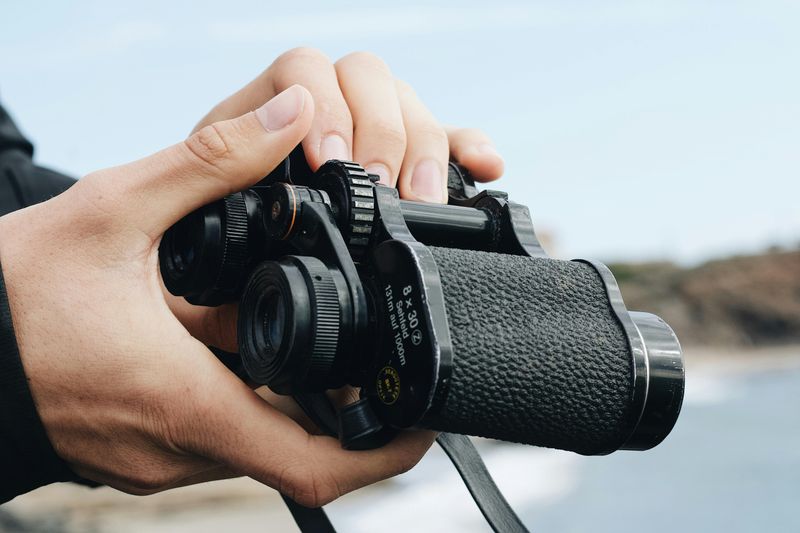
Preparation makes a real difference at a park like this one, especially in July when the heat starts to build. Mornings are the sweet spot for wildlife activity, so arriving right at opening time gives you the best conditions.
By midday the temperature climbs and many birds go quiet, retreating into the shade just like you will want to.
A good pair of binoculars is the single most important thing you can bring. You do not need an expensive setup to enjoy the birds here, but something in the 8×42 range gives you a nice balance of magnification and brightness.
A basic field guide specific to Texas or the Rio Grande Valley will help you put names to the dozens of species you encounter.
Sun protection is non-negotiable. A wide-brimmed hat, sunscreen, and light long sleeves keep you comfortable and let you stay out longer.
Insect repellent is a smart addition, particularly near the resacas and river areas where mosquitoes can be active. A refillable water bottle is a must since the Texas sun is not subtle.
Comfortable closed-toe shoes handle the trails well, and a small backpack keeps your hands free for binoculars and a camera. Packing smart means spending more time watching and less time dealing with discomfort.
The Resacas and Riparian Forest Along the Rio Grande
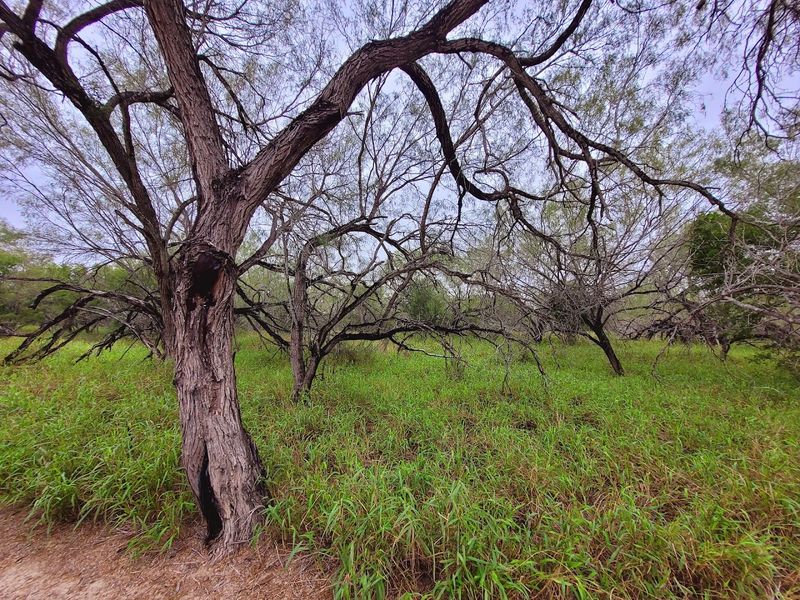
The resacas are one of the park’s most distinctive features, and not everyone knows to look for them. These are old oxbow lakes formed when the Rio Grande shifted course over centuries, leaving behind crescent-shaped pockets of still water surrounded by lush vegetation.
They create habitat that is entirely different from the surrounding brush and attract a whole separate cast of wildlife.
Great Blue Herons and Great Egrets work the shallow edges with patient precision. Anhingas spread their wings on low branches to dry in the sun, looking prehistoric and unbothered.
In July, the water levels are generally stable and the vegetation around the resacas is thick and green, making them some of the most photogenic spots in the park.
The riparian forest along the actual river corridor is another layer of habitat worth exploring. The old-growth trees here create a canopy that filters the light into something almost cathedral-like in the early morning.
Warblers, vireos, and tanagers move through this zone during the tail end of spring migration, adding an element of surprise to any walk along the river trail. The resacas and river forest together give this park a depth and variety that keeps even experienced naturalists finding something new on every visit.
The Visitor Center and Its Famous Feeders
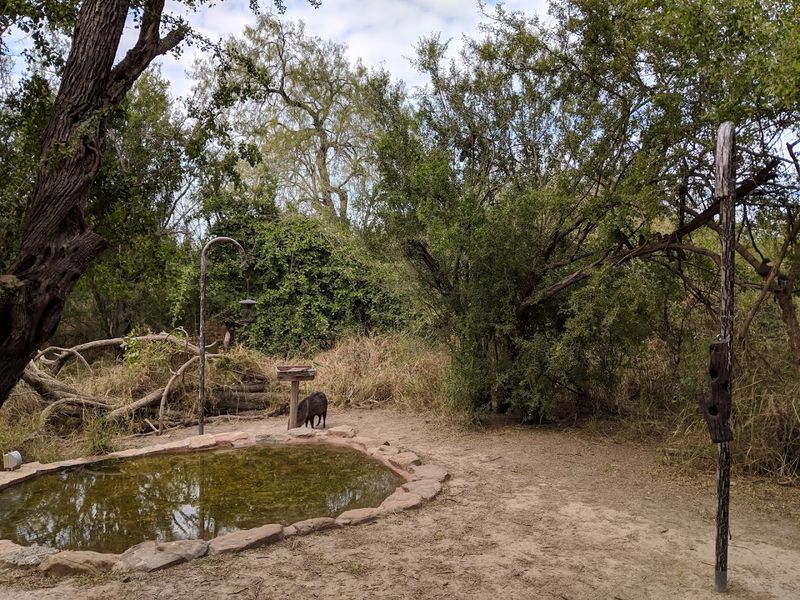
The visitor center is a great first stop for any visit, and not just for picking up maps and checklists. The feeders set up around the building are consistently active and give you an immediate, close-up introduction to some of the park’s most iconic species.
Green Jays, Plain Chachalacas, and White-tipped Doves show up here with reliable regularity.
Watching the feeder area is a surprisingly social experience. Other visitors gather here too, and conversations about what people have spotted that morning happen naturally.
I picked up some genuinely useful tips from a fellow visitor near the feeders who had been coming for years and knew exactly where to look for harder-to-find species.
The staff and volunteers at the visitor center are knowledgeable and genuinely enthusiastic about helping visitors make the most of their time. They can point you toward recent sightings and let you know which trails have been most productive.
The center also has exhibits about the park’s ecology and the broader Rio Grande Valley ecosystem. Spending fifteen or twenty minutes there before heading out on the trails helps orient you to what you are about to experience.
It sets the tone for the whole visit in a really positive way.
Camping Under the Stars in the Rio Grande Valley
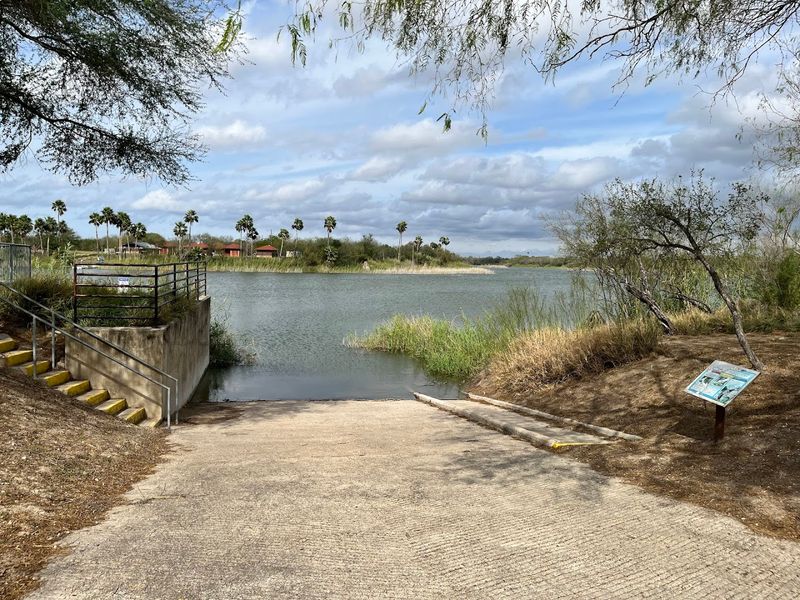
Spending a night here changes the experience entirely. The park has campsites available, and waking up before dawn already inside the park means you are positioned perfectly for that magical first hour of morning bird activity.
There is no rushing from a hotel parking lot or scrambling to find a spot at the gate.
The nighttime sounds are worth the camping experience on their own. Eastern Screech-Owls call from the trees after dark, and the Common Pauraque, a nocturnal bird that is almost impossible to find by day, becomes suddenly audible after sunset.
Its distinctive purring call drifts through the brush in a way that feels genuinely otherworldly if you have never heard it before.
The sky out here gets remarkably dark compared to nearby cities, and on a clear July night the stars are vivid and plentiful. Camping at the park also gives you time to slow down and notice things that a day visitor might rush past, like a gecko moving across the picnic table or the way the resaca reflects the moonlight.
It is a different pace and a different kind of connection to the place. Reservations are recommended, especially on weekends.
Planning Your Trip to Mission, Texas
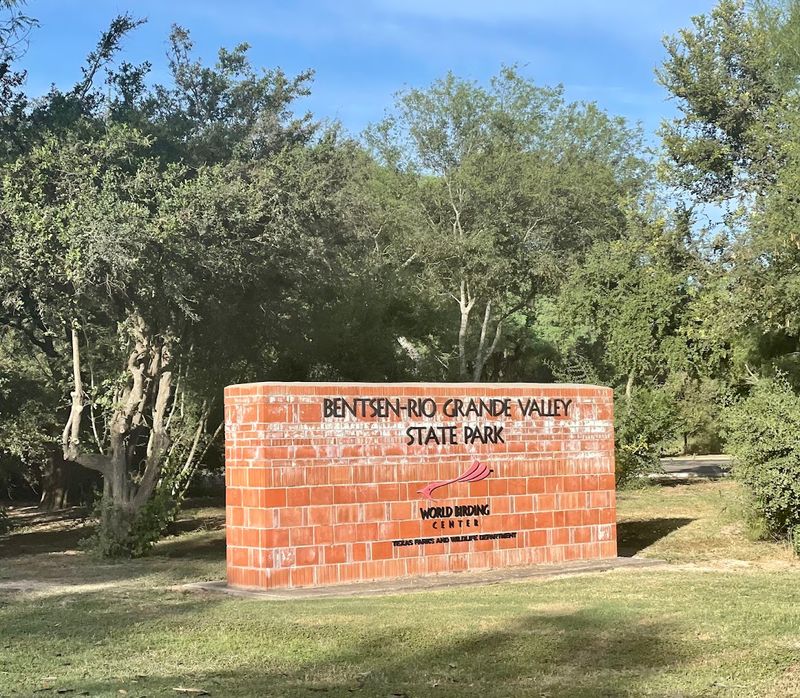
Mission, Texas is a small city with a big reputation among birders and nature travelers, and Bentsen is the main reason people make the trip.
The town itself is easy to navigate and has everything you need for a comfortable stay, from hotels and motels to local restaurants serving some genuinely excellent Rio Grande Valley cuisine.
The park is located at 2800 S. Bentsen Palm Drive and is well-signed from the main roads.
Getting there is straightforward from the McAllen-Miller International Airport, which is the closest major airport and sits about twenty minutes away. If you are driving from San Antonio or Houston, the route south on US-83 takes you right through the heart of the Valley.
July is a smart time to visit because it avoids the biggest winter birding crowds while still delivering excellent wildlife activity. Booking accommodations a few weeks in advance is a good idea since the area draws steady visitor traffic.
The park itself requires a Texas State Parks Pass or a day-use fee, and both are easy to arrange. A two or three day visit gives you enough time to explore the trails properly, spend time at the feeders, and still make it up to the observation tower more than once.
Address: 2800 S Bentsen Palm Dr, Mission, TX 78572.
