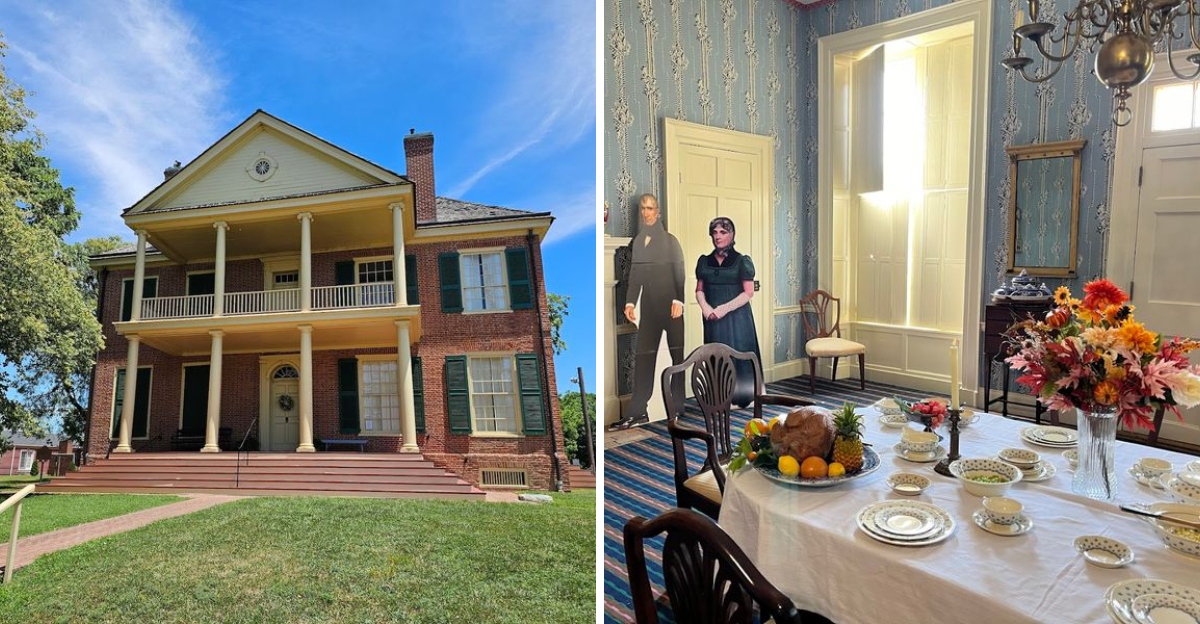
Imagine walking up to a red-brick mansion built in the early 1800s, knowing it once doubled as a fortress on the American frontier. A historic home in Vincennes is exactly that kind of place.
It was once the residence of William Henry Harrison, the first governor of the Indiana Territory and later the ninth U.S. President, and it carries stories that rarely make it into standard history lessons.
Thick brick walls, defensive features from a more uncertain era, and formal rooms built for political gatherings all reflect its unusual dual purpose as both home and stronghold. Inside, period furnishings and preserved spaces help recreate life on the frontier during the early days of the United States.
From ceremonial rooms designed to host large gatherings to architectural details shaped by security concerns of the time, this landmark offers a rare glimpse into a pivotal chapter of early American history.
The Musket Ports Built Right Into the Walls
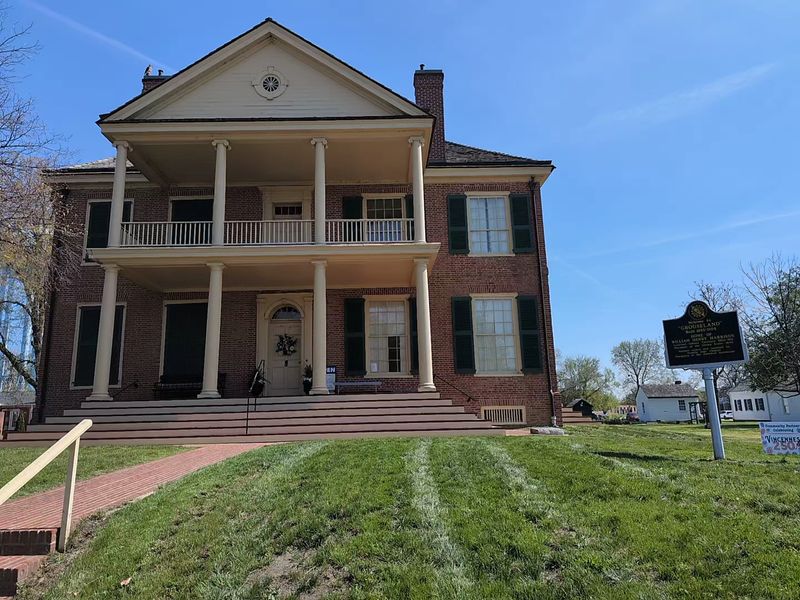
Most mansions were built to impress visitors. Grouseland was built to survive them.
When William Henry Harrison had this Federal-style brick home constructed between 1802 and 1804, he made sure it could hold off an attack. The walls were fitted with narrow firing slots, also called musket ports, so defenders inside could shoot outward without fully exposing themselves to enemy fire.
These details are not decorations. They were real, working defensive features built during a time when the Indiana Territory was a genuinely dangerous place to live.
Tensions between settlers and Native American tribes were high, and Harrison knew that his position as territorial governor made him a target. The musket ports were a practical response to a real threat.
Standing inside and looking at those slots in the walls gives you a completely different feeling than visiting a typical historic home. You realize this place was designed for survival, not just comfort.
The basement also included an arsenal and a freshwater well so the household could hold out during a prolonged siege. Grouseland sits at 3 W Scott St, Vincennes, IN 47591, and seeing these features in person makes history feel immediate and real in a way that no textbook ever could.
The First Brick Building in the Indiana Territory
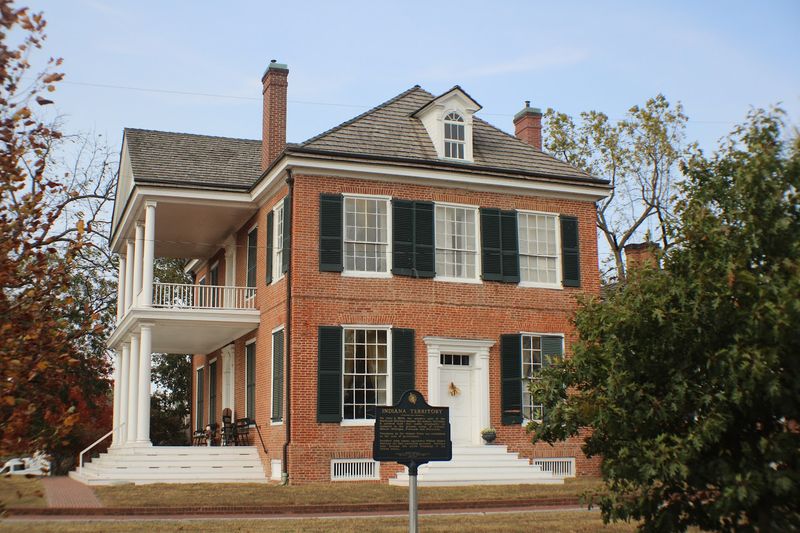
Before Grouseland went up, nearly everything around it was built from logs. The frontier was rough, and permanent structures were rare.
Harrison chose red brick on purpose. He wanted to send a clear message that civilization had arrived in the Indiana Territory, and that the new American government was here to stay.
The mansion was designed by architect William Lindsay in the Federal style, which was popular along the East Coast at the time. Bringing that kind of refined design to the edge of the frontier was a bold move.
It cost Harrison a significant amount of his own money, but the result was something no one in the region had ever seen before. People called it the “Whitehouse of the West,” and that nickname stuck.
Walking up to the building today, you can still feel the weight of that intention. The symmetrical facade, the carefully laid brickwork, and the tall windows all speak to a man who believed deeply in the future of this territory.
Indiana was not yet a state when this house was built, and yet here stood a structure that looked like it belonged in Philadelphia or Virginia. That contrast between wilderness and elegance is part of what makes Grouseland so compelling to visit.
It is a physical argument made in brick and mortar about what America was becoming.
A Ballroom That Could Hold 100 Frontier Guests
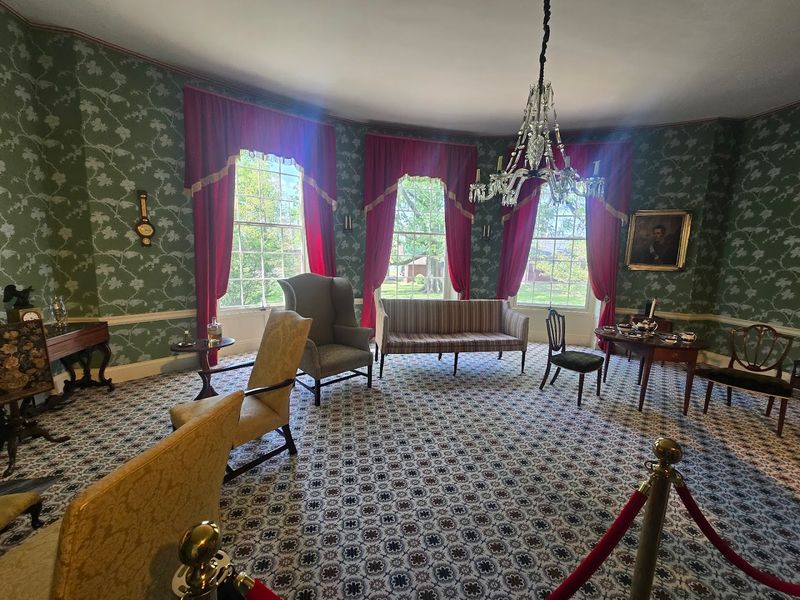
Not everything about Grouseland was about defense. The second floor held a ballroom large enough to accommodate up to 100 people, which was an extraordinary thing to have on the frontier in 1804.
Harrison used this space to host gatherings, build political relationships, and project the kind of authority that came with being the most powerful man in the Indiana Territory.
Think about what that would have looked like. Guests arriving by horseback or wagon, stepping into a candlelit room with polished floors and formal furnishings, surrounded by wilderness just outside the walls.
The contrast must have been stunning. Social events at Grouseland were not just parties.
They were political tools, and the ballroom was the stage where Harrison performed the role of governor with full confidence.
Today, visitors can walk through that same space and feel the scale of what Harrison created. The room is large by any standard, and knowing its history adds a layer of meaning that makes it feel alive.
Guides at the mansion are skilled at painting a picture of what those evenings looked like, drawing on real historical details to bring the era back to life.
If you enjoy history that goes beyond battles and treaties, the social world that played out in this ballroom is a fascinating window into early American frontier life at its most ambitious.
Where Lewis and Clark and Aaron Burr Once Slept
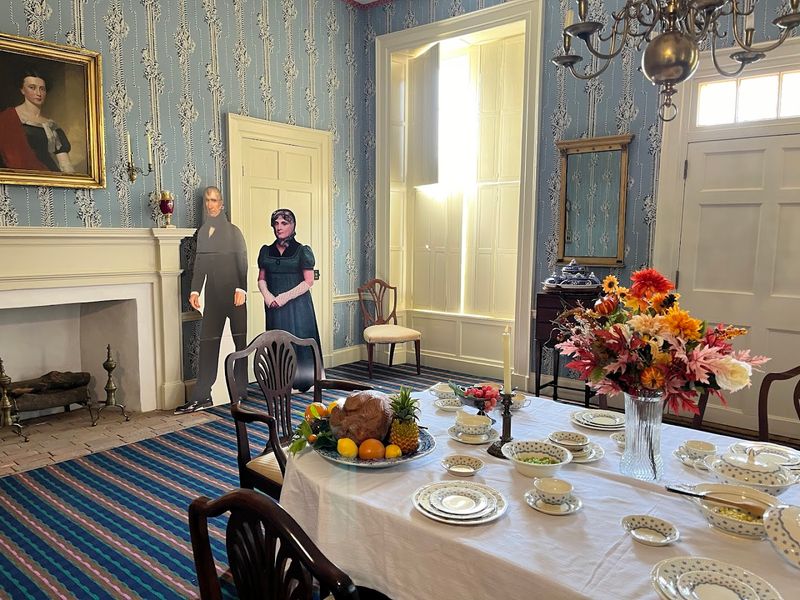
Some houses carry famous names in their walls, and Grouseland is one of them. During Harrison’s time as governor, the mansion welcomed some of the most recognized figures in early American history.
Lewis and Clark stopped here during their famous expedition. Aaron Burr, the sitting Vice President who had just killed Alexander Hamilton in a duel, also visited and stayed at Grouseland.
That list of guests tells you a lot about the role this house played in early American history. Vincennes was the territorial capital, and Grouseland was the center of official life.
Anyone traveling through the region on government business, military matters, or political missions would have had reason to stop here. Harrison’s home was not just a private residence.
It was a hub of power and connection in a young and rapidly expanding nation.
Knowing that people like Lewis and Clark once sat in these rooms, ate at this table, and slept under this roof gives every corner of the mansion a kind of electricity. You are not just looking at old furniture.
You are standing in a space that shaped the course of American exploration and politics. The guides at the mansion do a wonderful job of connecting these famous names to specific rooms and stories, making the visit feel like a conversation with history rather than a lecture about it.
The Council Chamber Where Treaties Were Signed
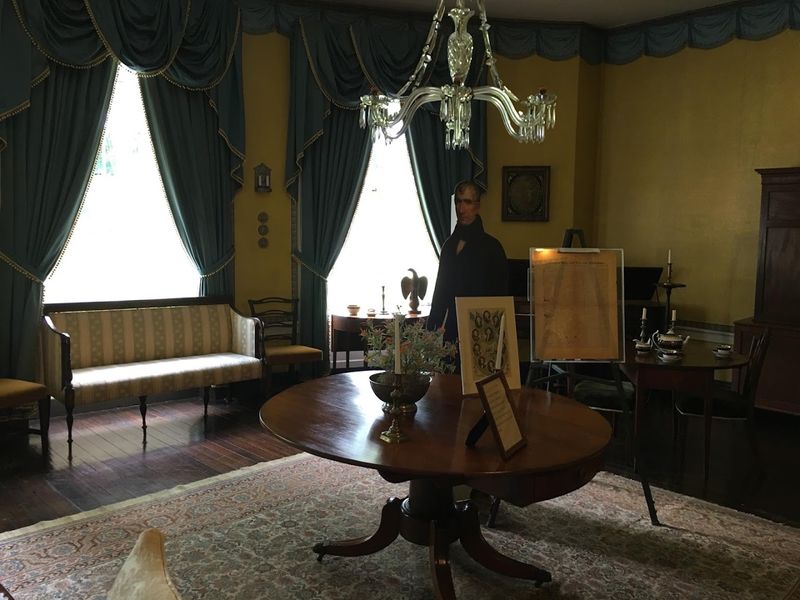
One of the most significant rooms in Grouseland served a double purpose. The formal parlor on the first floor also functioned as the council chamber where Harrison met with Native American leaders to negotiate land treaties.
The 1805 Treaty of Grouseland was signed right here, transferring millions of acres of land and reshaping the future of the entire region.
Standing in that room today, you feel the weight of those decisions. These were not small negotiations.
They involved entire nations, vast territories, and the lives of countless people on both sides. Harrison was a skilled and often controversial negotiator, and this room was where much of that work happened.
The mix of domestic furnishings and political history makes the space feel layered and complex in a way that is genuinely thought-provoking.
Learning about these treaties does not require a background in history. The guides at Grouseland explain the context clearly and honestly, giving visitors a fuller picture of what this era looked like from multiple perspectives.
The room itself is preserved with period-appropriate furniture and portraits that help set the scene. For anyone interested in the complicated story of how the American Midwest came to be, this council chamber is one of the most important rooms you can visit in all of Indiana.
It holds real history in every square foot.
You Can See Indiana’s Official State Rifle Here
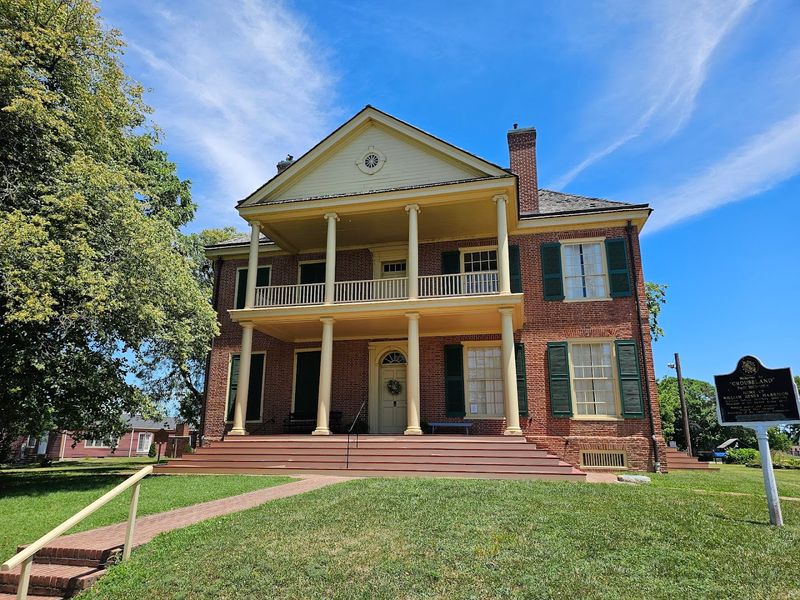
Few visitors expect to find Indiana’s official state rifle hanging on the wall of a presidential mansion, but that is exactly what waits for you at Grouseland. The Grouseland Rifle was crafted by Colonel John Small sometime between 1803 and 1812, right in the heart of the frontier era.
It was later designated as the official state rifle of Indiana, and the mansion is where it calls home.
The rifle is a genuine piece of craftsmanship from an era when a good gun was as important as any tool a person owned. On the frontier, accuracy and reliability were not preferences.
They were survival requirements. Seeing this rifle in person, in the building where it has historical ties, connects the object to its time and place in a way that a display case in a generic museum never quite could.
For visitors who appreciate American history, military history, or just the craftsmanship of early American makers, this is a highlight of the tour.
The guides can speak to the rifle’s history and significance with real depth, explaining why it was chosen as the state rifle and what it represents about Indiana’s frontier identity.
It is one of those unexpected details that makes a visit to Grouseland feel full of pleasant surprises. You come expecting a presidential home and leave with a much richer picture of what life on this frontier was really like.
Saved From Demolition by the Daughters of the American Revolution
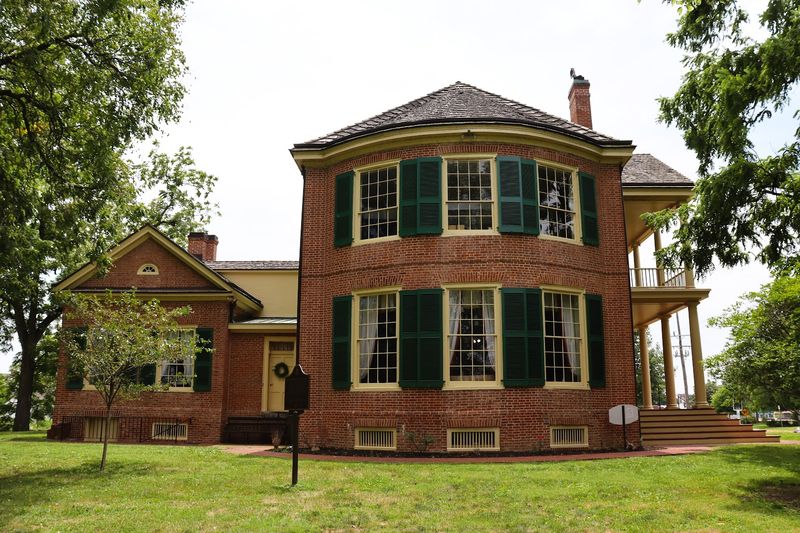
By 1909, Grouseland was in serious trouble. The mansion had fallen into disrepair, and there were real plans to tear it down.
A group of determined women from the Francis Vigo Chapter of the Daughters of the American Revolution stepped in and refused to let that happen. They raised the money, organized the effort, and saved the building from demolition.
By 1911, it had opened as a museum.
That story of preservation is worth knowing before you walk through the door. Someone fought hard to make sure you could have this experience.
The Grouseland Foundation has managed the property since 1999, and the work of keeping a 220-year-old brick mansion in good condition is ongoing.
The building was designated a National Historic Landmark in 1960 and added to the National Register of Historic Places in 1966, giving it layers of official recognition that reflect its genuine importance.
Visiting Grouseland is partly an act of appreciation for everyone who kept it standing. The mansion is open Tuesday through Saturday, with hours generally running from 11 AM or noon until 4 PM.
The tour runs about 45 to 60 minutes and covers the full history of the home, the Harrison family, and the remarkable story of how this piece of Indiana history survived against the odds.
