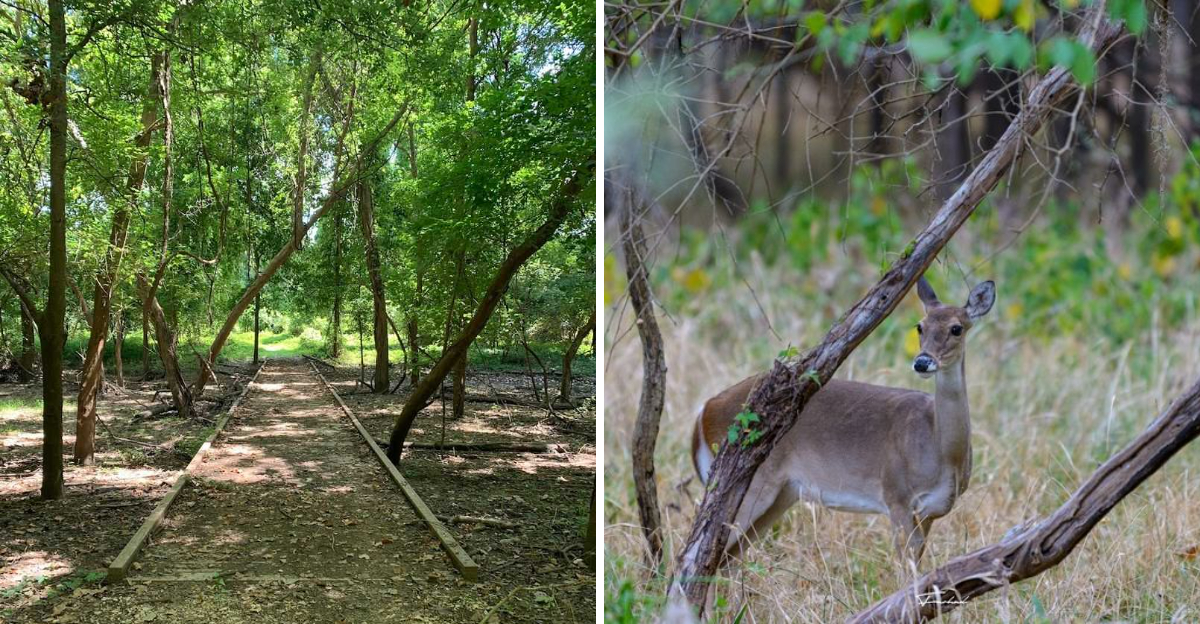
Bigger is not always better, and this park proves it. It is small compared to the famous ones, but every inch punches above its weight.
You walk under oak trees that were planted by the “Father of Texas” himself, still standing and spreading shade like they own the place. The trails wind through quiet woods where you might hear nothing but birds and your own footsteps.
History buffs will geek out over the old townsite and the stories buried here. Campers get peaceful spots without fighting for reservations months in advance.
It is tiny, it is mighty, and it is too good to keep a secret.
A History That Shaped an Entire Nation
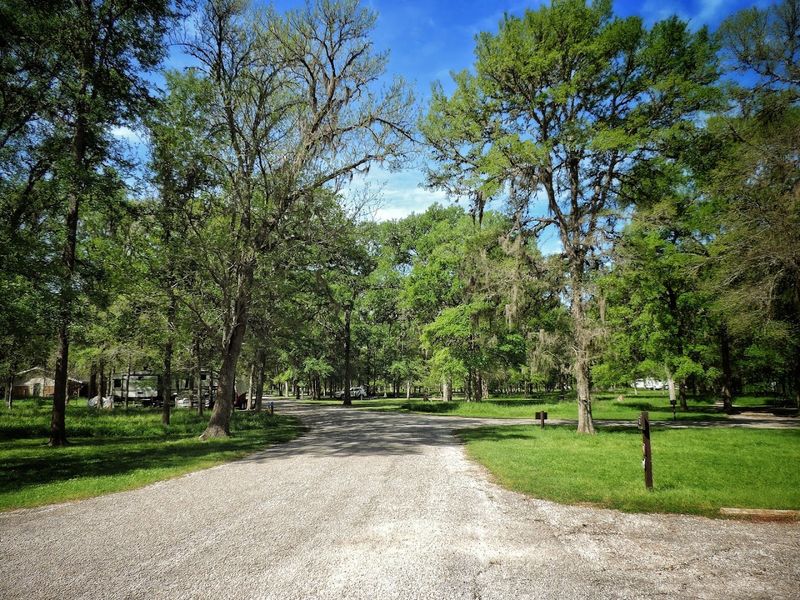
Few parks in America sit on ground this historically loaded. San Felipe de Austin, the town that once stood here, was founded in 1823 by Stephen F.
Austin as the colonial capital of Texas. It became the beating heart of Anglo-American settlement and earned the nickname the “Cradle of Texas Liberty” for good reason.
This was the place where colonists gathered, argued, planned, and ultimately pushed toward independence. The park is named after Austin himself, widely known as the “Father of Texas,” and that title is not just ceremonial.
His work organizing and sustaining early Texas colonies changed the entire trajectory of American history.
The land was deeded to Texas in 1940 by the San Felipe de Austin Corporation, and the park opened to the public that same year. Visiting today, you get this quiet but powerful sense that the ground beneath your feet has carried some serious weight.
History does not always come with fanfare. Sometimes it comes with a shady trail, a bronze statue, and the sound of wind moving through old trees.
The Brazos River Runs Right Through It
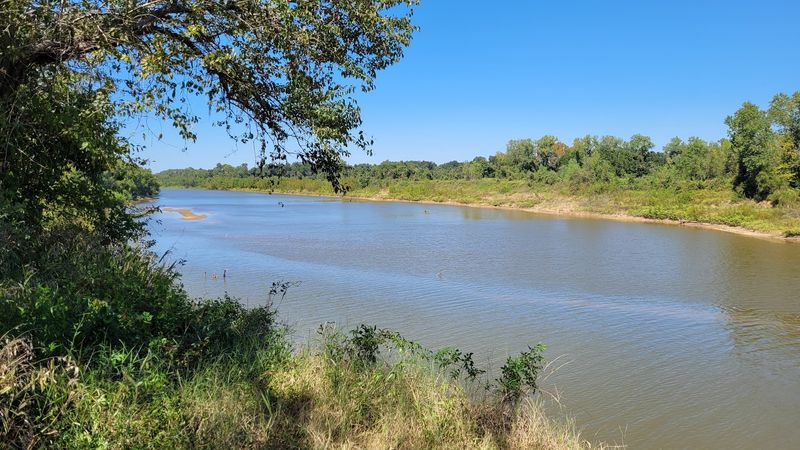
The Brazos River is not just a backdrop here. It is the whole mood.
Running along the edge of the park, the river gives the landscape a living, breathing quality that you simply cannot manufacture. The water moves with purpose, sometimes slow and glassy, other times surging with quiet force after a good rain.
Fishing is one of the most popular things to do along the riverbank, and flathead catfish are common catches for those who know how to read the water.
The river access points are easy to reach, making it a relaxed morning activity whether you are an experienced angler or just someone who enjoys sitting near moving water with a line in.
Swimming is not recommended here due to strong currents and unpredictable water levels, and that is worth taking seriously. But just sitting on the bank and watching the river do its thing is its own kind of reward.
There is something grounding about being near a river this old. The Brazos has been flowing through Texas longer than the state has existed, and spending time beside it puts everything in perspective.
Trails That Feel Like a Real Forest Adventure
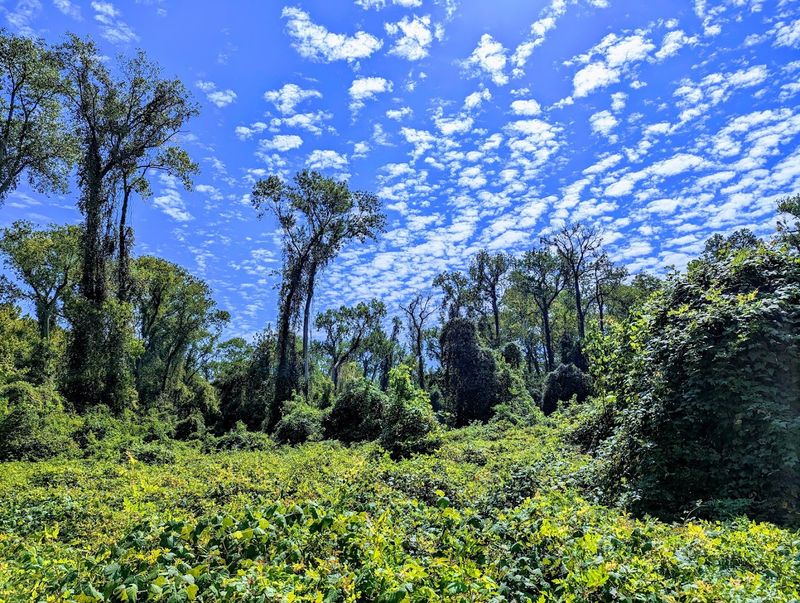
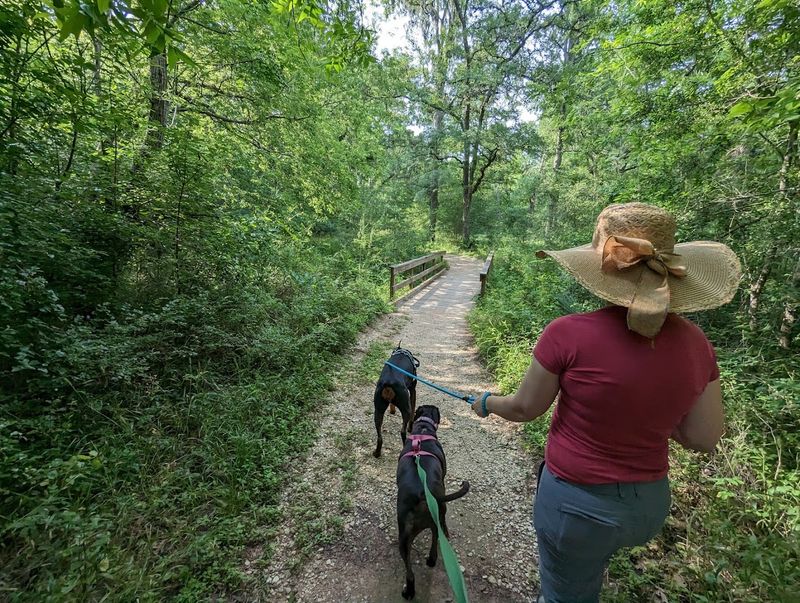
Over five miles of hiking and biking trails wind through this park, and they are genuinely fun to explore. The paths cut through hardwood forests, upland swamps, and riparian zones that shift in character every quarter mile or so.
You never feel like you are just walking in circles.
Most trails here are rated easy, which makes them accessible to a wide range of visitors. Families with strollers can manage several of the flatter sections, and the 0.12-mile Nature Trail is a great starting point for first-timers.
It features interpretive signs that explain the native plants growing alongside the path, which turns a casual stroll into something genuinely educational.
Bikers enjoy the trails too, especially in the cooler months when the canopy is thick and the air is crisp. The terrain is not technical, so it is more about enjoying the surroundings than pushing physical limits.
What makes these trails memorable is the atmosphere. There is a quiet here that feels earned, like the forest is rewarding you for showing up.
Even a short walk leaves you feeling refreshed in a way that is hard to explain but easy to appreciate.
Wildlife That Will Genuinely Surprise You
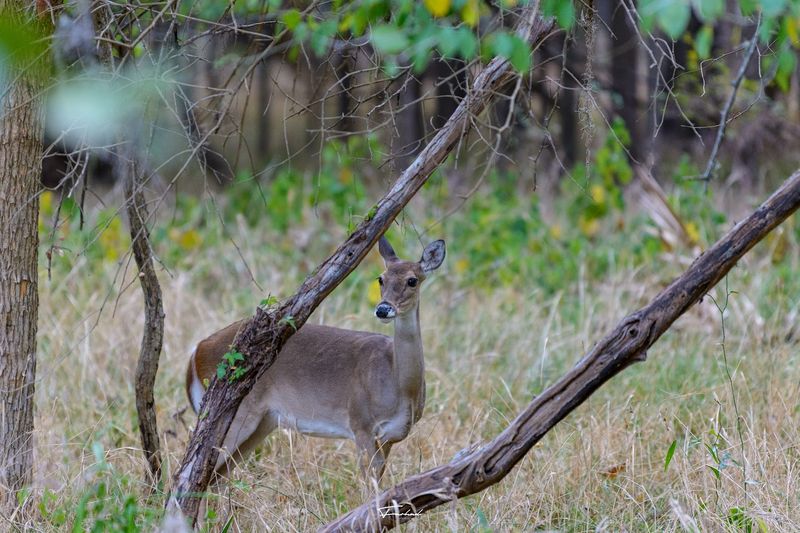
The wildlife situation at this park is no joke. White-tailed deer are a common sight, especially in the early morning and around dusk when they move through the forest edges with casual confidence.
Raccoons, opossums, armadillos, rabbits, foxes, and squirrels are all regular residents, and if you are patient and quiet, you stand a good chance of spotting several on a single visit.
The real treat for wildlife lovers is the possibility of seeing a bobcat. They are elusive and not guaranteed, but the park habitat is ideal for them.
Just knowing they are out there adds a certain electricity to a quiet trail walk.
Birdwatching is where this park truly shines, though. Over 100 bird species have been recorded here, including Mississippi kites, northern parulas, barred owls, and pileated woodpeckers.
That list alone would make serious birders drive hours out of their way. And then there are the fireflies.
In May and early June, the park lights up at night with thousands of them blinking through the understory. It is one of those experiences that feels almost too magical to be real, but it happens every single year right here in Austin County.
Camping Options That Actually Impress
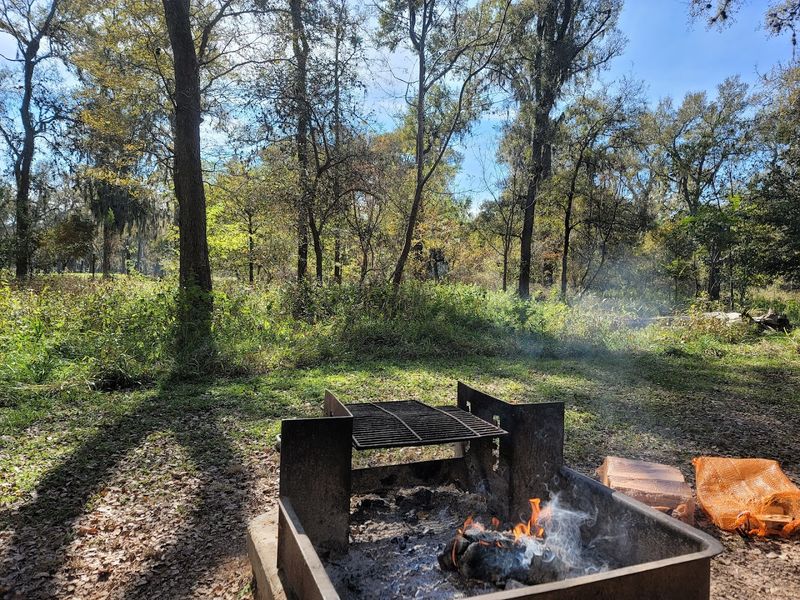
Camping at this park is one of its strongest selling points, and the variety of options is genuinely impressive for a park this size. There are full hookup RV sites, electrical hookup sites, tent sites, screened shelters, group barracks, a group camp area, and even a cabin.
No matter what kind of outdoor sleeper you are, there is something here that fits.
Every campsite comes equipped with a fire pit and picnic table, which sounds basic until you are actually sitting around a fire at night listening to owls call across the forest. Pets are welcome on-leash throughout the campground, which is a big deal for families who do not want to leave their dogs behind.
Reservations are strongly recommended, especially during spring and fall when the park sees its highest traffic. The screened shelters are a particularly smart choice for people who want to sleep outdoors without the full commitment of tent camping.
They offer protection from insects and light rain while still letting you feel connected to the environment. Waking up in the middle of this hardwood forest, coffee in hand, with deer wandering past your site, is the kind of morning that makes you wonder why you do not do this more often.
The San Felipe de Austin State Historic Site Next Door
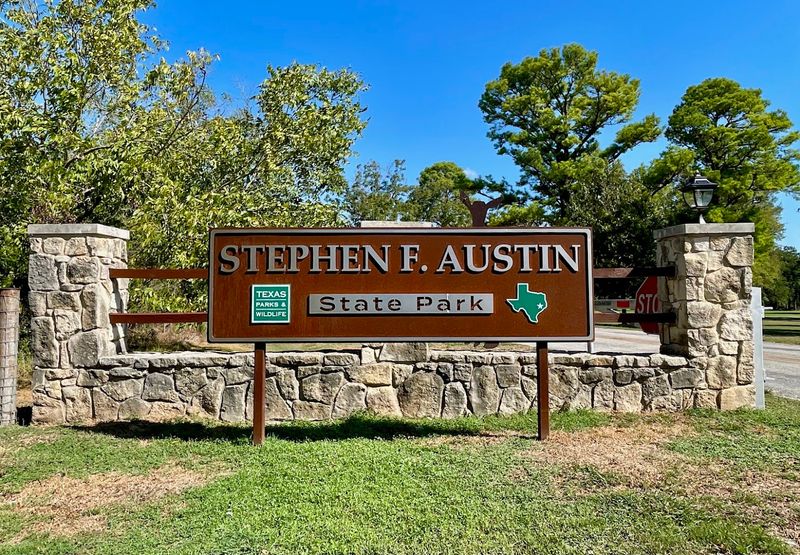
Right next to the park sits the San Felipe de Austin State Historic Site, and pairing the two together makes for one of the most layered day trips in the region.
The site commemorates the original townsite of San Felipe de Austin, the colonial capital that once buzzed with the energy of a society being built from scratch.
Highlights include a replica of Austin’s original cabin, a bronze statue and monument honoring Stephen F. Austin, and the public town well, which holds the distinction of being the only surviving pre-Revolutionary structure from the original settlement.
That well has been standing since before Texas was Texas.
The J.J. Josey General Store Museum, built in 1847, adds another layer of history to the experience.
It is a well-preserved glimpse into 19th-century Texas commerce and daily life. The site transferred to the Texas Historical Commission in 2008, which is why the park itself was reduced from its original 663 acres to the current 473.
Spending an afternoon moving between the park and the historic site feels like reading two chapters of the same incredible story, and both chapters are worth your full attention.
Family Fun That Goes Beyond the Usual
This park has a surprising range of activities that go well beyond hiking and camping, which makes it a fantastic choice for families with kids of varying ages and energy levels.
A playground gives younger children a place to burn off steam, while a basketball court, volleyball court, and horseshoe pit provide casual entertainment for older kids and adults alike.
Geocaching is a hidden gem activity here, literally. The park has geocaching opportunities that turn a regular walk into a treasure hunt, which is a fantastic way to get kids genuinely excited about exploring nature.
The orienteering course adds another layer of adventure for those who want to practice navigation skills in a real forest setting.
The park also runs interpretive programs, guided hikes, and summer camps for children between the ages of 8 and 11. Junior Ranger activity journals and Explorer Packs are available for younger visitors, giving kids a structured and engaging way to interact with the park’s natural and historical features.
Picnicking spots are plentiful and well-shaded, making a full-day family visit not just possible but genuinely enjoyable from start to finish.
Stargazing and Quiet Nights Under the Canopy
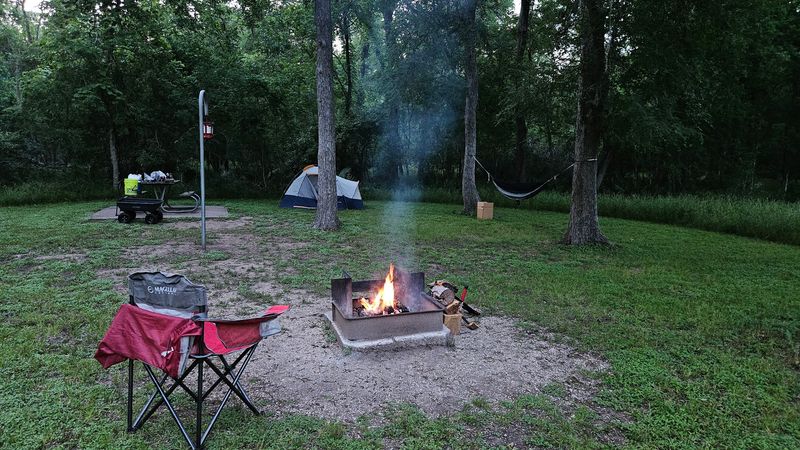
One of the most underrated things about this park is what happens after the sun goes down. Away from the light pollution of Houston, the night sky here opens up in a way that surprises people who have spent most of their lives in or near a city.
Stargazing is listed as one of the park’s activities, and once you experience it, you understand why.
The hardwood canopy that feels so enclosed during the day creates natural framing for the sky at night. Find a clearing or an open campsite, lay back, and let your eyes adjust.
Within minutes the stars multiply, and on a clear night the Milky Way becomes genuinely visible.
Adding to the nighttime magic is the sound design of the forest itself. Barred owls call back and forth across the dark.
Frogs fill the low areas near the river with a steady rhythm. The occasional rustling in the underbrush reminds you that the wildlife does not sleep just because you want to.
There is a particular kind of peace that comes from lying in a sleeping bag under an open sky, listening to a forest do its thing. This park delivers that experience without any fuss or fanfare.
Best Times to Visit and What to Expect
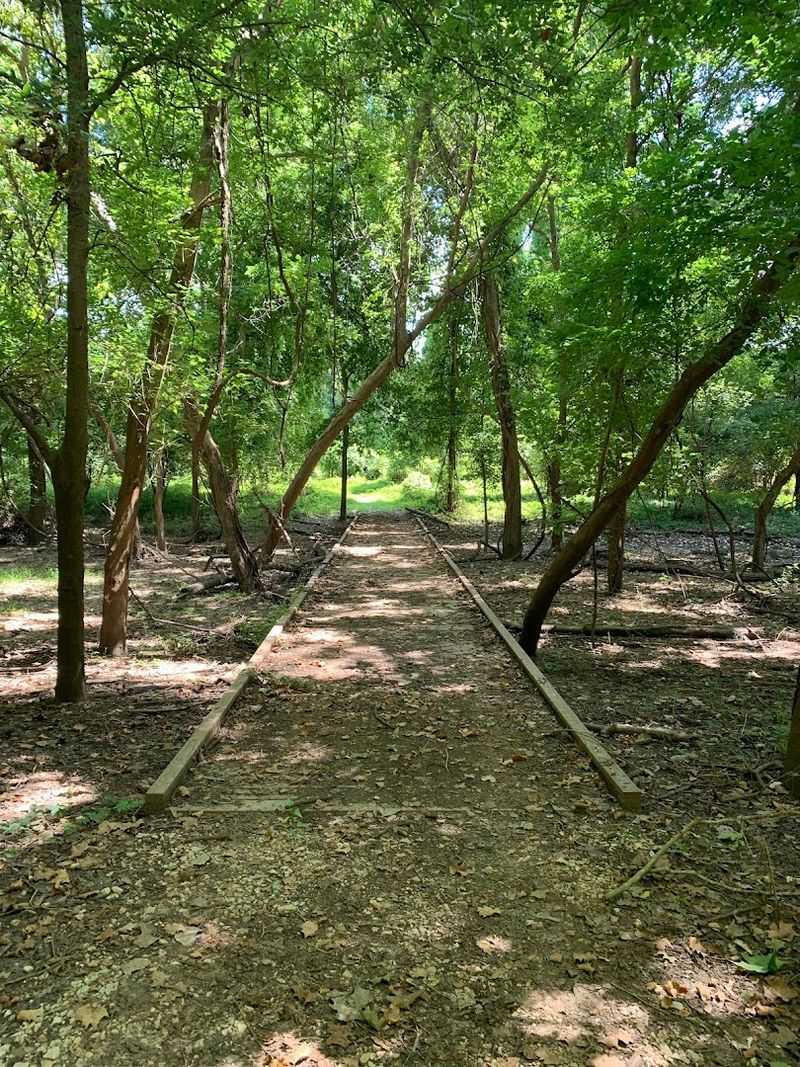
Spring and fall are widely considered the best seasons to visit, and for good reason. Temperatures are mild, the wildflowers put on a real show in spring, and the fall foliage gives the hardwood forest a warm, rich color palette that makes every photo look effortless.
Summer visits are possible but come with heat and humidity that demand early morning starts.
The park is open daily from 8 a.m. to 10 p.m., which gives you plenty of time to explore without feeling rushed. Entrance fees are reasonable, with children 12 and under getting in free, making it an accessible option for budget-conscious families.
Packing smart makes a big difference here. Good walking shoes, insect repellent, sunscreen, and plenty of water are the basics.
Binoculars are worth bringing for birdwatching, and a headlamp is useful if you plan to be out near dusk. The park is pet-friendly, so leashed dogs are welcome on trails and at campsites.
If you are planning a weekend trip, book your campsite well in advance, especially for spring visits when demand is highest. First-timers should stop by the park office for maps and current trail conditions before heading out.
Address: Park Rd 38, San Felipe, TX 77473
