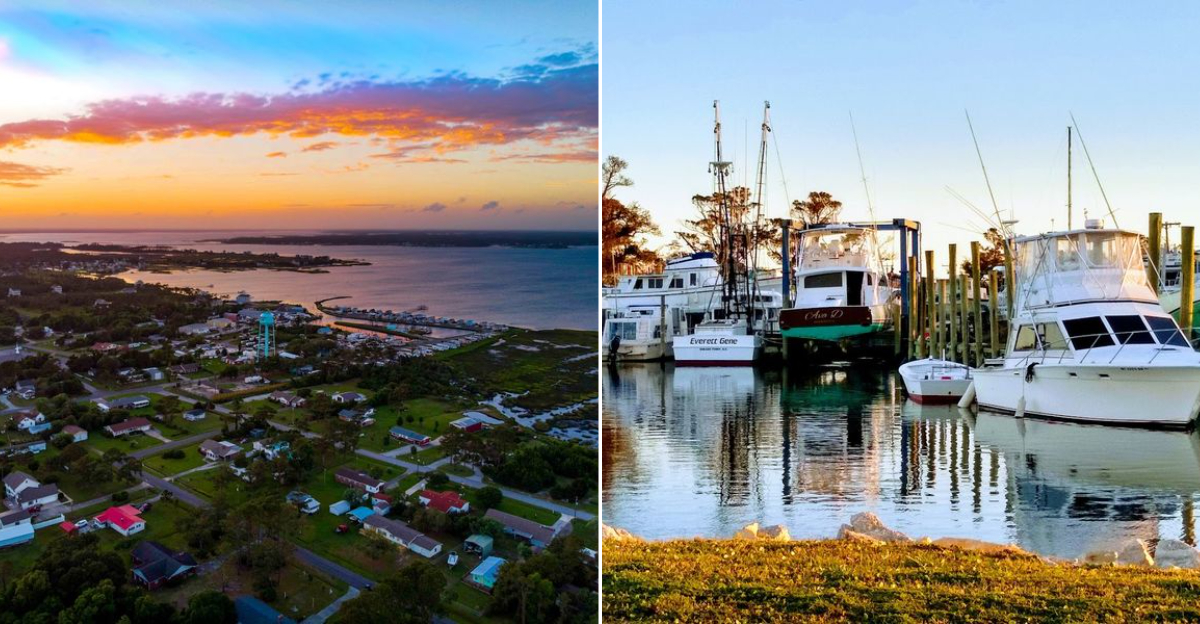
Step onto Harkers Island and you immediately feel the clock turn backward. This tiny North Carolina island was reachable only by boat until 1941, when a wooden bridge finally connected it to the mainland.
Locals still speak a unique Elizabethan era dialect called High Tider, where “high tide” becomes “hoi toide.” When that first bridge opened on New Year’s Day, islanders called it both the best and worst day in their history.
Generations have built wooden boats without blueprints, using memory and a distinctive flared bow technique.
After the Great Hurricane of 1899, families floated their houses across Back Sound to resettle here permanently.
At Shell Point, a 30-foot mound of oyster shells and bones left by the Coree tribe still stands, its purpose unknown. And that mystery is just one reason this island stays with you long after you cross the bridge back to the mainland.
A Narrow Road Across The Marsh And Sound
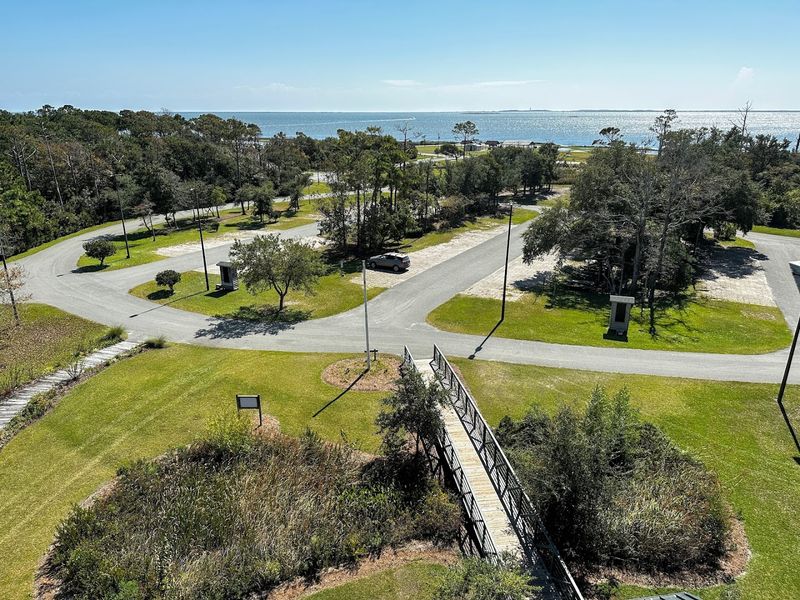
You roll out across the marsh and it feels like the road is just barely agreeing to stay above water, which is exactly the kind of arrival that resets a day. The guardrails click by, the grass leans into the wind, and the surface of Core Sound blinks silver as if it is thinking out loud.
You are not hurrying, because this stretch convinces you that time eases up when the land thins and the water widens.
Look to the side and you will spot fiddler crabs scribbling along the mud, with herons holding that patient statue pose that always looks like advice. A shrimp boat crawls the horizon line, and the light takes on that North Carolina softness that makes even the signposts look kind.
It is a simple drive, but it puts your thoughts in order and tells you you are getting close.
What I like most is how the road teaches you the island before you even reach it, showing you flats, channels, and the quiet work the tide does all day. It feels like an introduction that remembers your name and does not rush the handshake.
By the time the rooftops peek up, you are already in the rhythm.
The Gatekeeper To A Five Mile Stretch Of Land
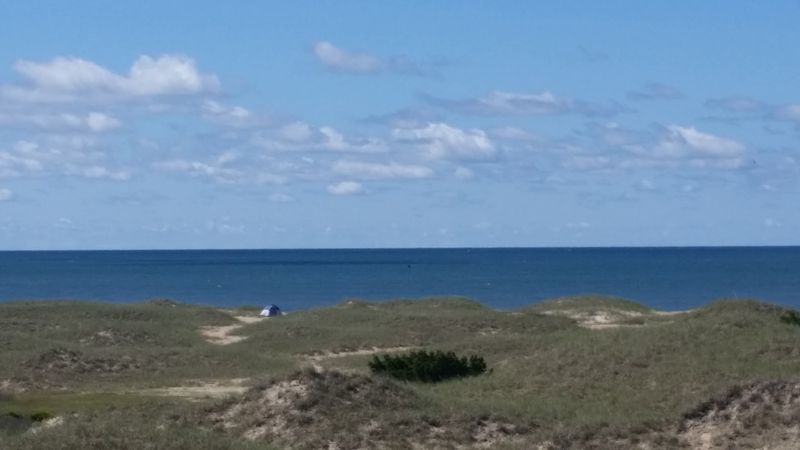
Here is the funny thing about Harkers Island, it feels small until you realize it is the front porch to so much open shoreline. Stand at the docks and look toward the seashore, and you can almost trace the sand arcs with your eyes.
The island steadies you, then points you outward like a gentle usher.
Boats are the punctuation here, little skiffs and workboats sliding out across Core Sound with that steady hum you feel more than hear. Some days the water is slick as glass, and other days it ruffles like corduroy, but either way it pulls you toward Cape Lookout.
You start thinking in distances measured by channels and shoals instead of street names.
If you love the feeling of being close to a big, uncomplicated edge, this is the place that gets you there without noise. North Carolina does edges well, and this one is kind and roomy.
You stand on Harkers Island and know you are exactly one good boat ride from a long, quiet walk.
Once A Thriving Fishing And Boat Building Village
You can still hear the old rhythm in the sheds and yards, the tap of a mallet, the soft rasp of a plane, and the easy talk that follows work done well. Harkers Island grew up on boats and the water that made them necessary, and that history is not a museum piece, it is a living habit.
Walk past a skiff on blocks and you will catch that cedar smell that sticks to your jacket in the best way.
The boats here were built smart and low, made to slide across shallow sounds and dodge shoals without fuss. That practicality becomes its own kind of beauty, a line drawn for a reason that happens to look graceful.
Ask a question at a yard, and someone will likely answer with a story that solves three other questions too.
I like how the work shows in the details, in a stem that sits right, a chine that throws spray clean, and a transom that meets the water square. It is the kind of craft that respects both the paycheck and the weather.
North Carolina coastal towns carry this knowledge like a shared toolkit, and Harkers Island keeps it close.
Homes Built One Wall At A Time, One Room At A Time
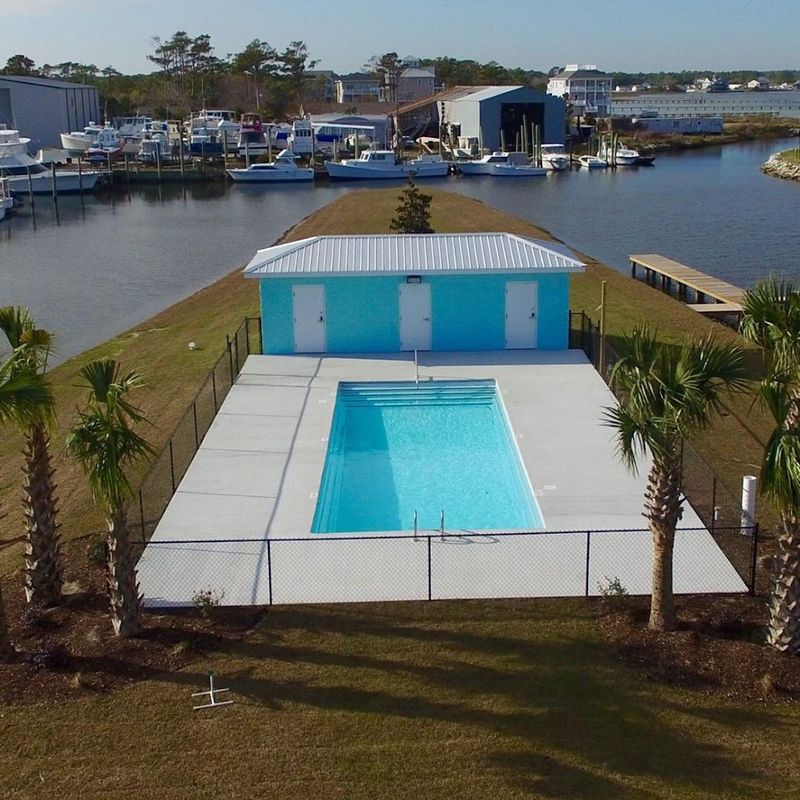
Take a slow drive down the neighborhood lanes and you will notice the houses tell their own story in stages. A room added, a porch enclosed, a roofline nudged up a little, and then another bit years later when the family grew.
It is practical building shaped by seasons and savings, and it reads as honest on a quiet afternoon.
There is charm in the straightforward choices, like metal roofs that know the score and porches that handle wind without drama. Yard edges hold boats on trailers, crab pots tucked under steps, and the kind of small sheds that seem to collect exactly what is needed.
Nothing is trying to impress you, which is why it sneaks up and does.
When you walk by, you can picture evenings with the screen door slapping once, then silence except for marsh sounds and a radio low in the kitchen. The houses feel lived in rather than staged, and that makes the street feel steady.
This is the North Carolina coast doing what it does best, looking after itself and leaving room for weather.
The Core Sound Waterfowl Museum Celebrates Decoy Carving
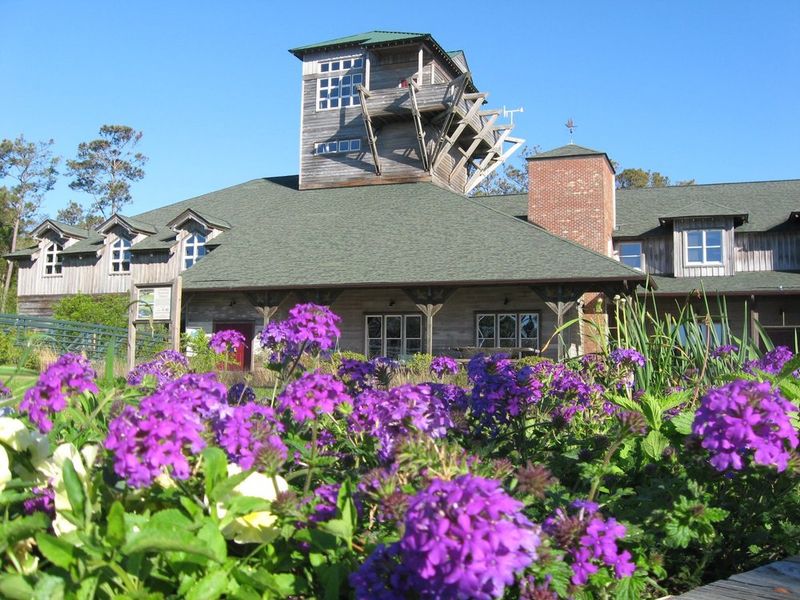
If you want to understand the art that grew straight out of the marsh, walk into the Core Sound Waterfowl Museum and listen with your eyes. The decoys carry tool marks that feel like signatures, and every curve remembers wind, tide, and flight.
You end up whispering without meaning to, the way you do in places that hold work and care.
What gets me are the small details, like paint rubbed thin where a hand would naturally lift a rig, or the tail set just so to balance a chop. It is practical beauty, born so birds would come in close, but it holds its own as sculpture too.
You can feel decades of mornings baked into each piece.
Guides and panels fill in the rest, connecting families, blinds, seasons, and the shared language of the decoy bench. It is all stitched into Harkers Island life, not separate from it.
If you love North Carolina craft that still smells faintly of salt and wood, this room will make you smile.
Nearly Half The Island Shares The Last Name Willis
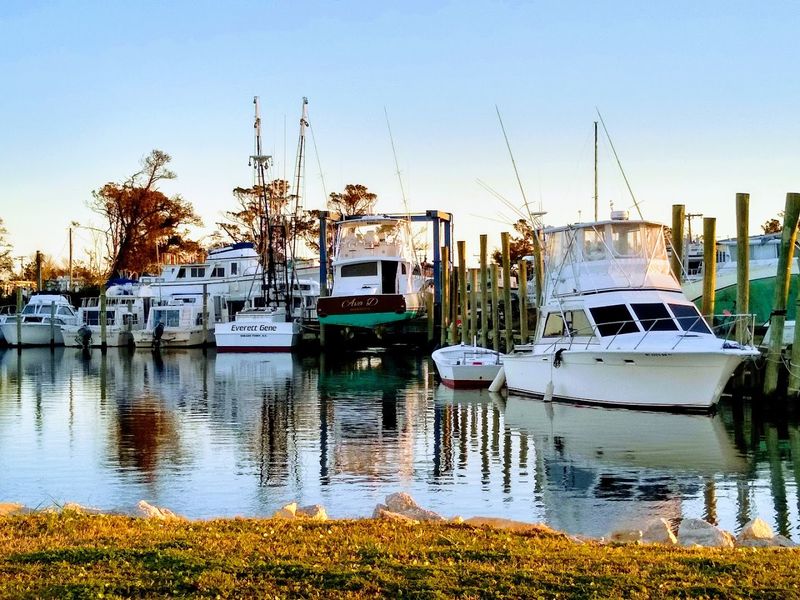
You will hear it in conversations at the dock or after church, how many cousins and branches twist off the Willis family tree here. Names repeat like familiar songs, and it gives the island a stitched-together feeling you can sense even as a visitor.
It makes directions easier too, since someone always knows which Willis you mean.
This kind of closeness shows up in everyday ways, like shared tools, a quick check after a blow, or a story traded across a hood in the grocery lot. There is a calm generosity in it, a sense that the island remembers you if you have been here before.
You cannot fake that, and you cannot rush it either.
When a place holds that many shared names, it carries shared memory as well, and it softens your own pace while you are around it. You look up more, wave first, and settle into the rhythm people already know.
North Carolina coastal communities do kinship like this, steady and kind, and it feels good to step into it for a while.
A Distinct Dialect Known As Hoi Toider
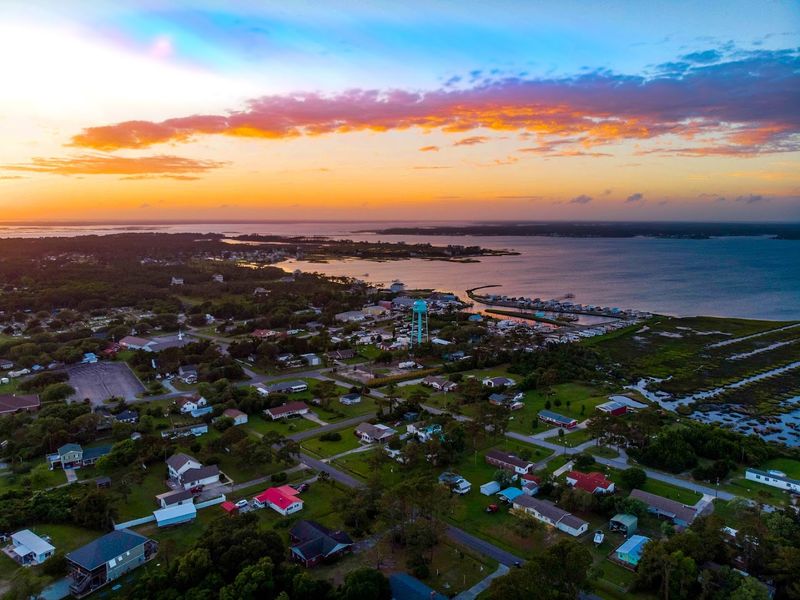
You will catch the music of it first, the round vowels and the salt-air swing, and then a word or two turns your ear in the best way. Folks call it Hoi Toider, and it sits in the mouth like wind across a shoal, shaped by isolation and water routes more than roads.
It is friendly, unhurried, and full of phrases that work because they grew up here.
Ask about weather, fish, or ferry timing, and you will hear sentences that carry both information and a little grace. The dialect does not perform for you, it just does its job and keeps moving.
If you listen with curiosity, people meet you halfway and tell you exactly what you need to know.
Language this anchored to place reminds you that the coast is not just scenery, it is a teacher. It holds memory, humor, and a sense of how to get through a day when the forecast wobbles.
North Carolina English has many rooms, and this one smells like tide and cedar.
The Gateway To Cape Lookout’s Wild Horses And Lighthouse
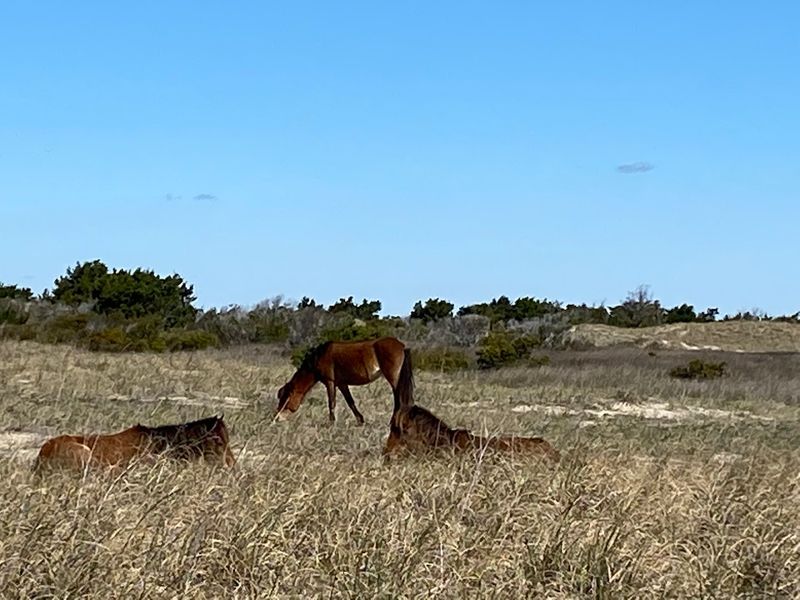
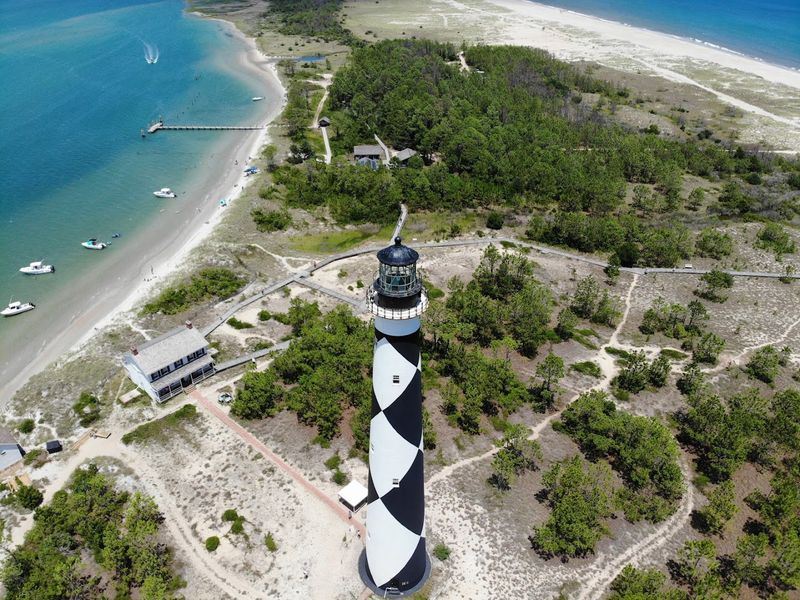
Standing by the visitor center dock, you can feel Cape Lookout calling from across Core Sound, with that diamond-pattern lighthouse like a quiet metronome on the horizon. The ride is short and steady, and when you step onto the sand, the day changes speed.
Wind writes its own plans out there, and you happily follow along.
Every now and then you will spot the wild horses moving the dunes like weather, unbothered and deliberate. Give them space, let the camera work from a respectful distance, and just take in the way their shapes sit against the sky.
It is a scene that knocks the clutter out of your head without even trying.
Back on Harkers Island later, the docks feel different because you brought a piece of that edge home with you. The lighthouse stays in your mind, steadying things in a quiet way.
It is one of those North Carolina days that hits both adventure and calm without making a big deal of either.
The Quietest Sunset Over The Sound Before The Ferry Departs
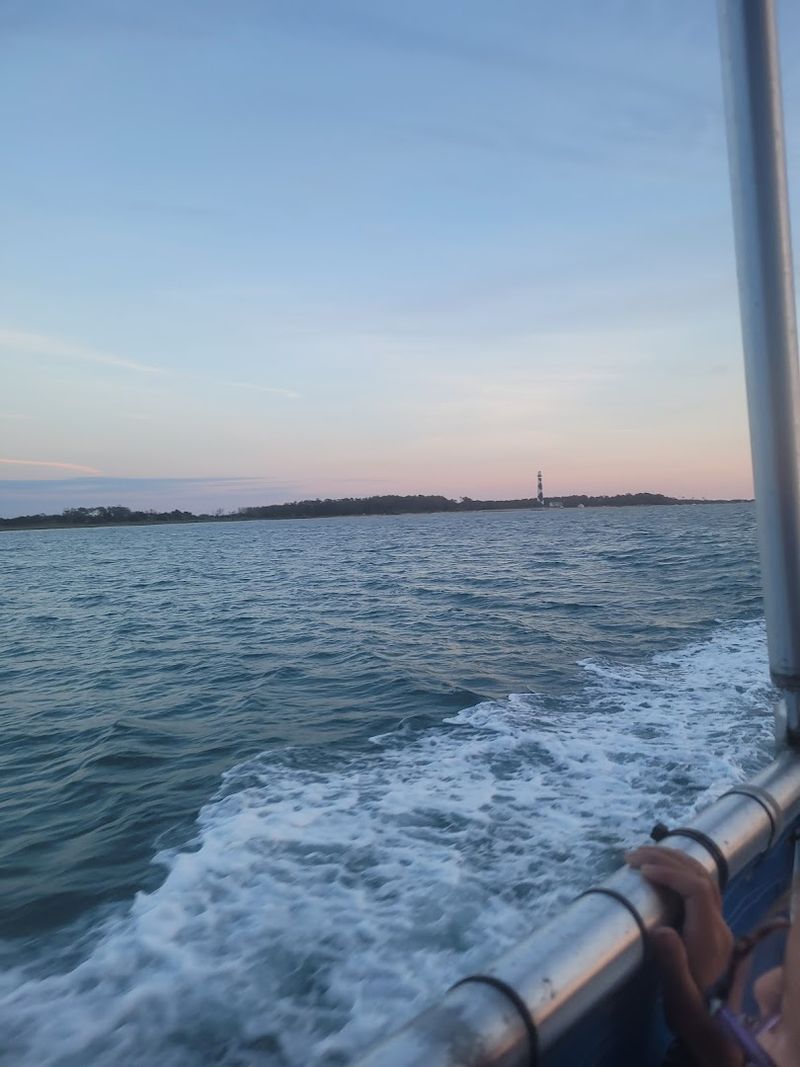
If you can time it, catch the last light at the dock before the evening run, and let the sky settle your plans. The colors go gentle out here, pink to blue to that soft gray that tells everyone it is time to head home.
You hear rope creak, gulls trade a few last words, and then it is just water breathing.
Benches face the sound like they already know the show by heart, and folks sit easy, no rush, just looking. A skiff noses the pilings, the captain calls something friendly, and it feels like the island itself nods back.
You realize you are speaking quieter without deciding to.
When the ferry pulls away, the wake writes a short poem that fades almost as soon as it is read. You stand there a second longer than you planned, then start thinking about coming back.
That is North Carolina magic, the kind that does not need fanfare to stick with you.
