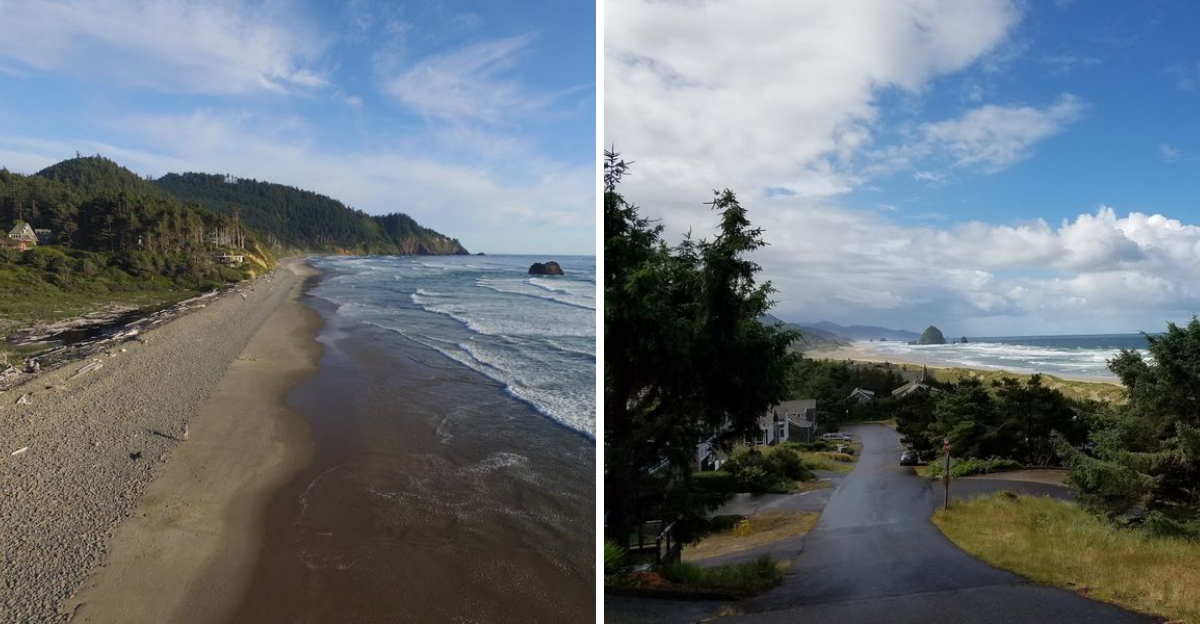
A beach town so small that two hundred fifty people call it home and everyone probably knows everyone’s name. I drove past the turnoff twice before finally spotting the quiet road leading toward the ocean.
Oregon hides a stretch of sand that stays peaceful while other beaches fill up with summer crowds. The two and a half miles of shoreline feel like your own private discovery when you finally find the right path.
I walked along the water with only the sound of waves and seagulls keeping me company. The sand is soft and the driftwood creates little forts perfect for a quiet picnic with a good book.
Oregon really tucked away a tiny paradise where you can still find solitude on a sunny afternoon. Families build sandcastles without stepping on anyone’s blanket because there is room for everyone to spread out.
Locals wave from their porches like they are happy you found their secret but not too happy. You leave with salty hair and a quiet heart and the feeling of having discovered something special.
Arch Cape Itself: The Rock Formation Behind The Name
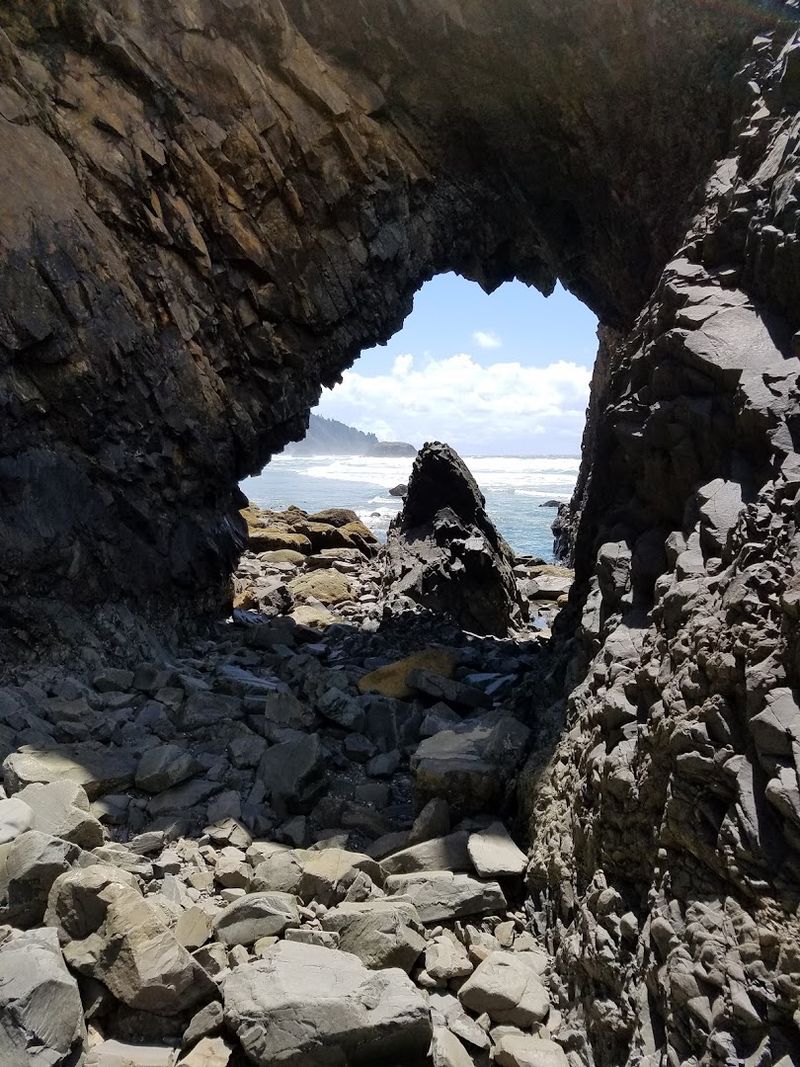
The town gets its name from something real and spectacular. A natural arch carved into the coastal basalt rock sits near the southern headland, shaped by centuries of relentless Pacific wave action.
Seeing it up close feels genuinely impressive.
The arch is not always accessible depending on the tide. Low tide is the best window to get close.
Timing your visit using a tide chart makes a real difference here.
Standing near the arch, you hear the ocean in a completely different way. Waves funnel through the opening and create a deep, hollow sound.
It echoes off the surrounding rock walls in a way that is hard to describe but easy to remember.
This is the kind of landmark that does not show up in most travel guides. It rewards the curious traveler who digs a little deeper.
The arch is a reminder that sometimes the most remarkable things are hiding in plain sight, just waiting for someone to notice them.
Oswald West State Park: The Wild Neighbor Next Door
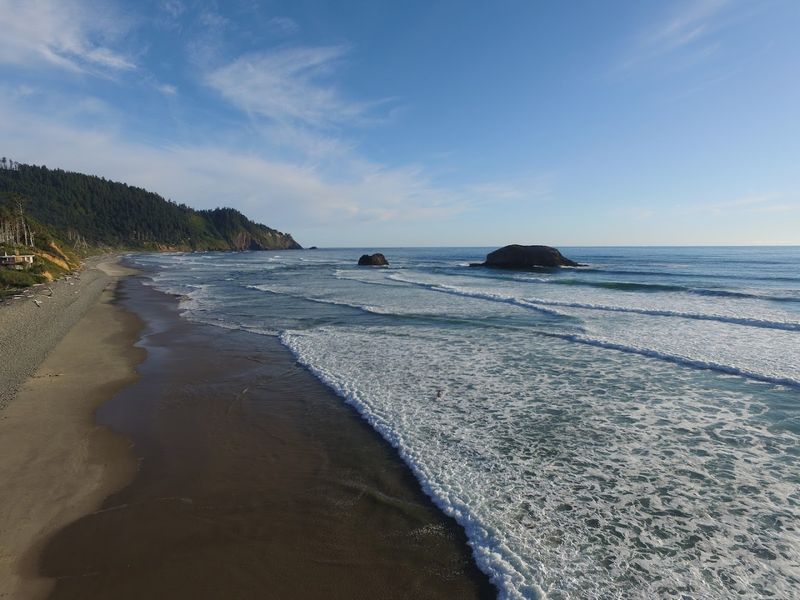
Arch Cape sits right on the edge of Oswald West State Park, one of the most underrated state parks in the entire Pacific Northwest. The park protects thousands of acres of old-growth coastal forest, dramatic headlands, and pristine shoreline.
Trails wind through massive Sitka spruce and western red cedar trees. Some of those trees are hundreds of years old.
Walking among them feels humbling in the best possible way.
Short Sand Beach, also called Shorty’s, sits within the park and draws surfers year-round. The cove is naturally sheltered, which creates surprisingly consistent wave conditions.
It is a small but lively spot with a very different energy than Arch Cape’s quieter beach.
The park also offers backcountry camping for those who want to go deeper. Primitive sites near the creek are especially popular with hikers.
Having this much protected wilderness right next to a tiny beach town is genuinely rare, and it makes Arch Cape feel like a true outdoor basecamp.
A Town Of Only 250 Residents: What Life Looks Like Here
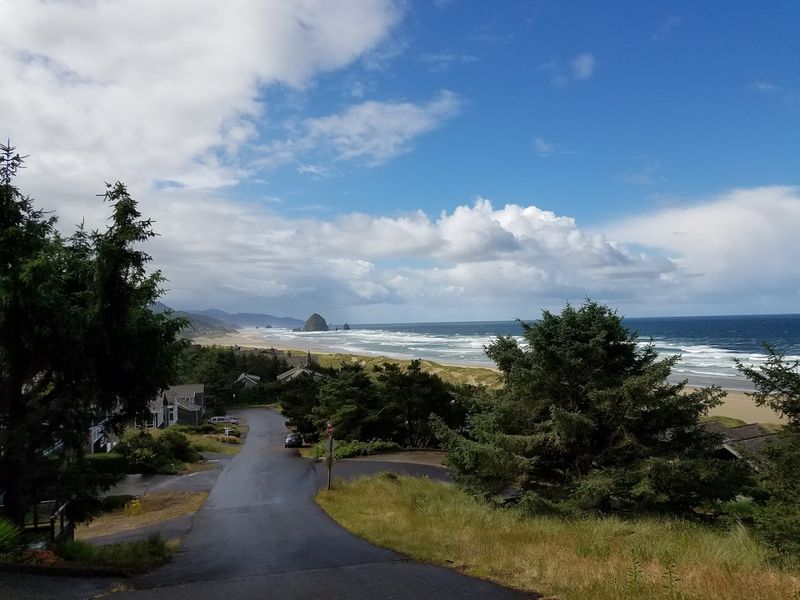
Living in Arch Cape means choosing a very specific kind of life. The permanent population hovers around 250 people.
Neighbors know each other by name, and the pace of daily life runs slow on purpose.
There are no stoplights in town. No chain restaurants, no big box stores nearby.
Most residents drive to Cannon Beach or Seaside for major shopping and errands.
The homes here range from modest beach cottages to beautifully weathered cedar houses tucked into the forest. Many properties sit right against the tree line, half-hidden by ferns and spruce branches.
It gives the whole community a tucked-away, storybook quality.
Community connection runs deep in small towns like this. People look out for each other in a way that larger coastal towns have largely lost.
Visiting Arch Cape, even briefly, gives you a small taste of what that kind of life actually feels like. Quiet, grounded, and genuinely unhurried in every direction you look.
The Hidden 2.5-Mile Beach That Tourists Miss
Most people blow right past Arch Cape on Highway 101 without a second glance. That is honestly their loss.
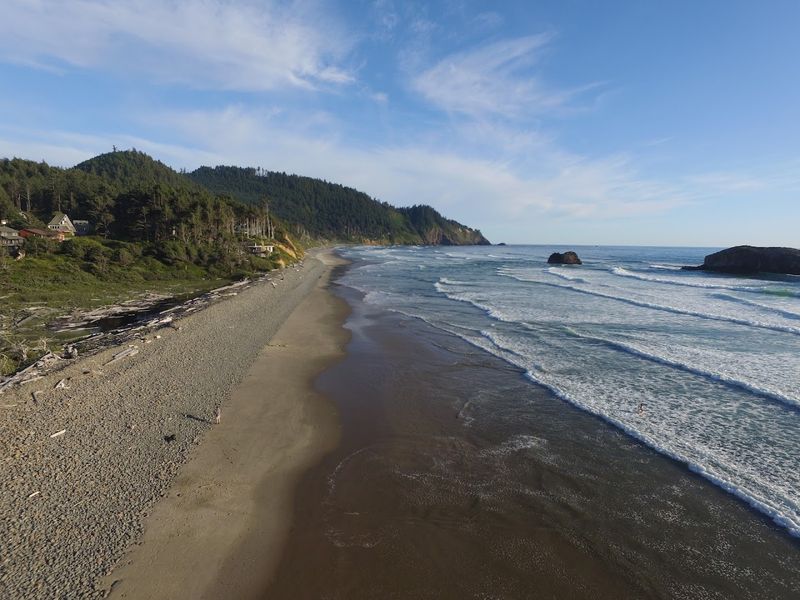
The beach here runs nearly 2.5 miles of raw, uninterrupted Oregon coastline, and it rarely sees more than a dozen visitors at once.
Getting down to the sand takes a short walk through a residential path. No big parking lot, no entrance booth.
Just a quiet trail leading to one of the most peaceful stretches of beach on the entire coast.
The sand is dark and coarse, the way Pacific Northwest beaches tend to be. Tide pools appear at low tide, full of sea stars, anemones, and tiny crabs.
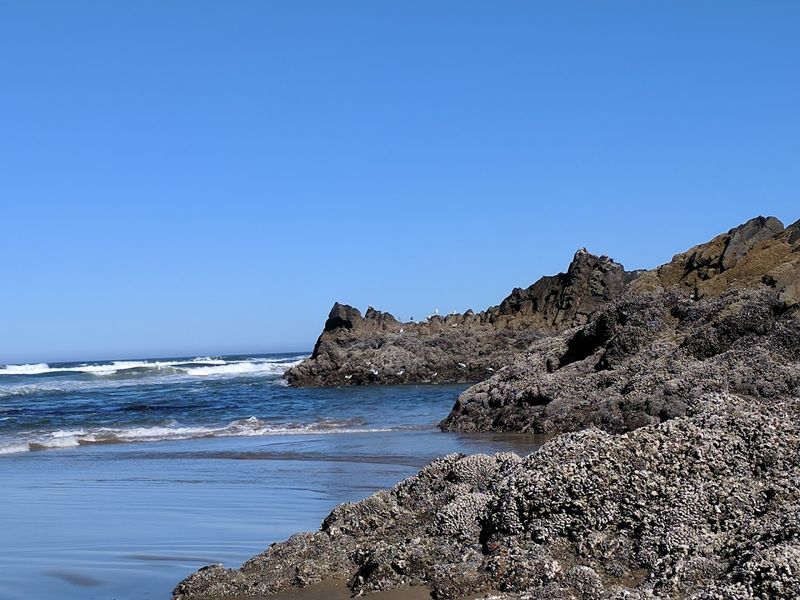
Waves crash hard against the basalt rocks at each end of the beach.
It feels untouched in a way that is rare now. Morning light hits the water at a low angle and turns everything golden.
Spending an afternoon here without seeing a crowd feels almost unreal by modern travel standards.
Arch Cape Tunnel: A Concrete Gateway Through The Headland
Not many small towns can claim a full highway tunnel as part of their identity. The Arch Cape tunnel cuts directly through the headland on Highway 101, connecting the community to the coast road on both sides.
It was completed in 1940 and still carries traffic today.
Driving through it feels surprisingly dramatic for such a short stretch. The tunnel is narrow, just one lane in each direction, and the rock walls press close.
Headlights bounce off the damp interior as you pass through.
On the other side, the view opens up immediately. Ocean light floods in and the landscape shifts from dense forest to open coastal bluff.
That contrast happens in just a few seconds of driving.
The tunnel is also a practical boundary marker. Many locals consider it the informal entry point into the Arch Cape community.
Cyclists and pedestrians use a separate path alongside it. It is a small but memorable detail that makes arriving here feel like crossing into somewhere genuinely set apart from the rest of the coast.
Birdwatching And Wildlife Along The Shoreline
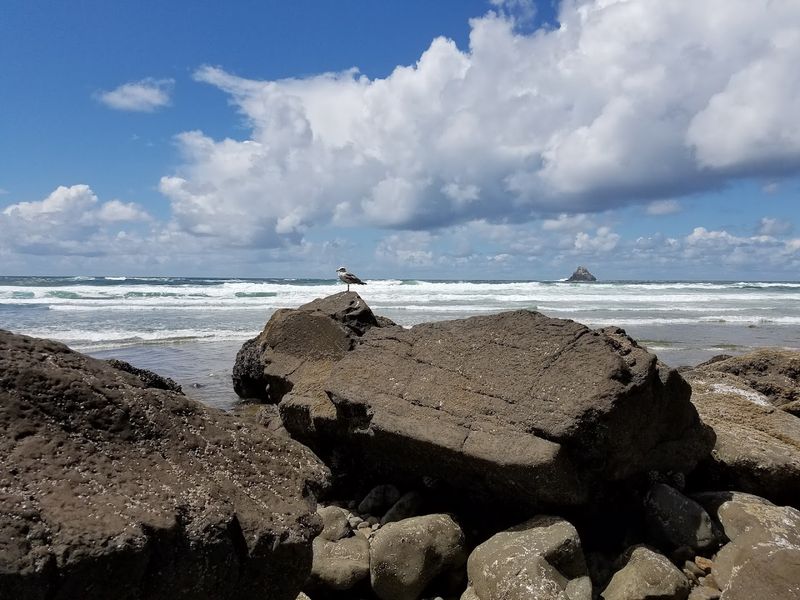
The beach at Arch Cape is remarkably alive with wildlife. Brown pelicans cruise low over the surf in tight formations.
Sanderlings sprint back and forth at the water’s edge, chasing each retreating wave with focused determination.
Harbor seals occasionally haul themselves onto the rocks near the headlands. They are easy to spot if you scan the boulders at low tide.
Keeping a respectful distance is important, and the seals seem to appreciate the low foot traffic here.
Bald eagles pass over the tree line regularly, especially in the mornings. The forest edge behind the beach creates a natural corridor that raptors use throughout the year.
Bringing a pair of binoculars makes a noticeable difference in what you can observe.
Gray whales migrate along this stretch of coast twice a year, in spring and late fall. Standing on the beach during peak migration and spotting a spout offshore is one of those experiences that sticks with you.
Arch Cape’s low crowd levels make wildlife encounters feel genuinely intimate and unforced.
Cannon Beach Is Close, But Arch Cape Feels A World Away
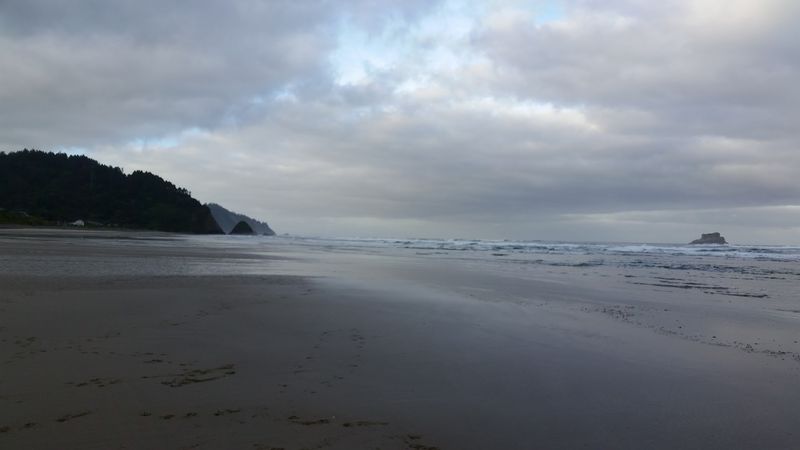
Cannon Beach sits just a few miles north of Arch Cape, and the difference between the two is striking. Cannon Beach is famous, busy, and lined with galleries, boutique hotels, and weekend crowds.
Arch Cape is none of those things, and that is precisely the point.
Driving south from Cannon Beach takes maybe ten minutes. The highway narrows, the trees close in, and the tourist infrastructure simply disappears.
It is a short drive that feels like a complete shift in atmosphere.
Many visitors to Cannon Beach have no idea Arch Cape exists. That gap in awareness is what keeps the beach here so uncrowded.
Locals seem happy with the arrangement, and honestly, it is hard to blame them.
Using Arch Cape as a base while day-tripping to Cannon Beach is a smart approach. You get access to the restaurants and shops up the road, then return to actual quiet at the end of the day.
The best of both worlds without any compromise on peace.
Hiking The Clatsop Loop And Coastal Trails Nearby
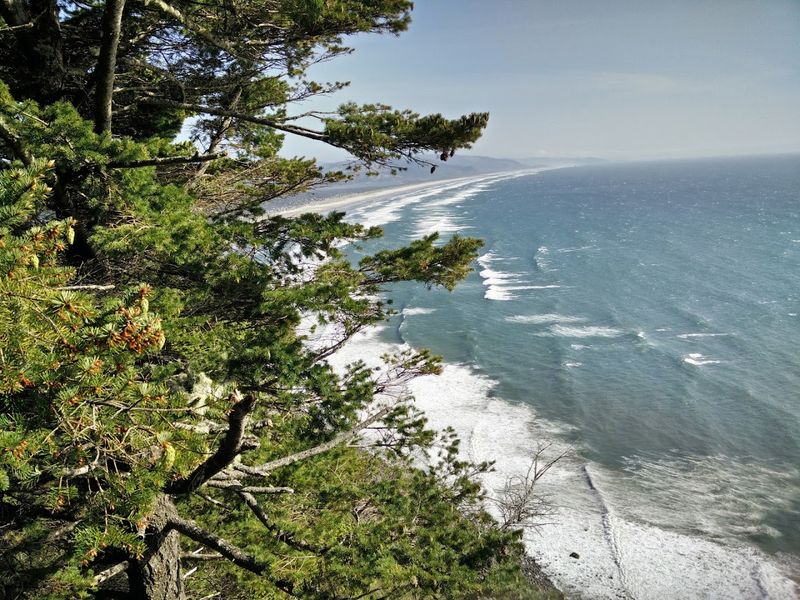
The trail options around Arch Cape reward people who like to explore on foot. The Clatsop Loop Trail runs through old-growth forest inside Oswald West State Park, just south of town.
It is one of the more satisfying short hikes on the northern Oregon coast.
The loop covers several miles of forest trail with consistent tree cover. Tall Sitka spruce create a canopy that filters the light into soft green tones.
Mud is common in the wet season, so waterproof boots are a practical choice.
Shorter trail spurs lead to viewpoints above the ocean. On clear days, the views stretch far down the coast.
On foggy days, the forest feels intimate and almost otherworldly in its stillness.
Trail access points near Arch Cape are easy to find with a basic map or downloaded trail app. Most trails start with minimal elevation gain before climbing the headlands.
The physical effort is modest, but the payoff in scenery and solitude is consistently high for anyone willing to lace up and go.
Tide Pooling At The Basalt Rock Shelves
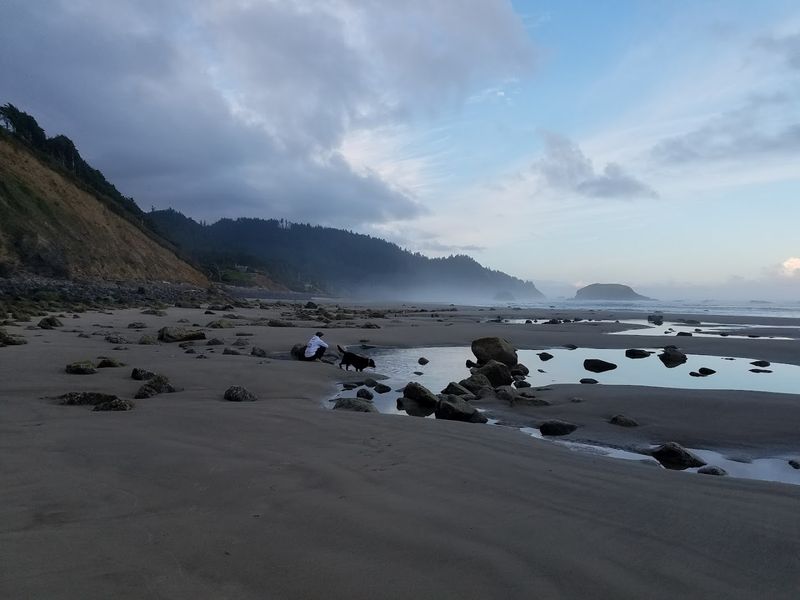
The basalt rock shelves at both ends of Arch Cape Beach are extraordinary at low tide. Purple sea urchins nestle in carved-out depressions.
Bright green anemones open their tentacles in shallow pools of clear, cold seawater.
Hermit crabs drag their borrowed shells across the rock surface in a slow, purposeful way. Mussels cluster in thick black mats across the mid-tide zone.
The whole scene operates like a miniature ecosystem playing out in real time.
Checking a tide chart before visiting is essential. The best pools are only accessible during minus or very low tides.
Arriving at the right time can make the difference between a spectacular visit and missing most of the action entirely.
Wearing shoes with good grip matters a lot here. Wet basalt is slippery in a way that catches people off guard.
Moving slowly and watching each step keeps the experience enjoyable rather than stressful.
Getting To Arch Cape And Making The Most Of Your Visit
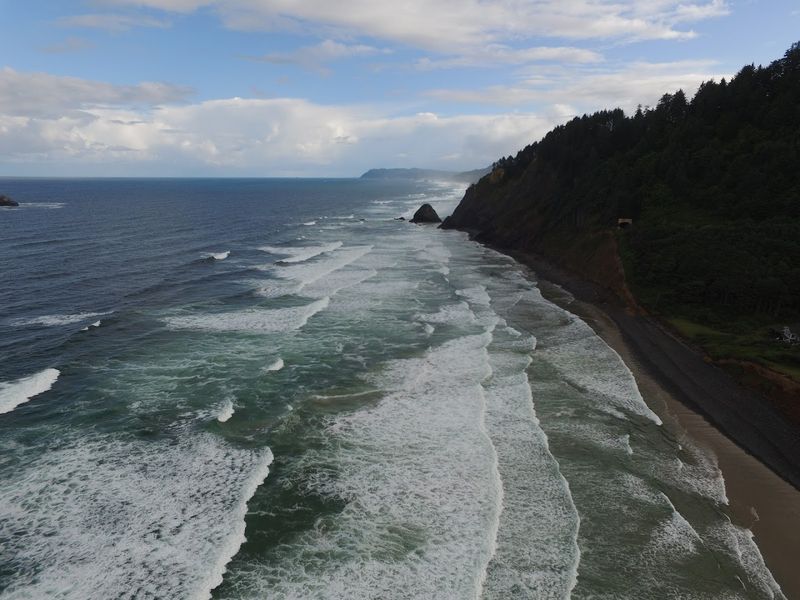
Arch Cape sits along Highway 101 between Cannon Beach to the north and Manzanita to the south. The drive from Portland takes roughly two hours depending on traffic and the season.
It is an easy road trip that rewards the effort immediately upon arrival.
Parking near the beach access paths is limited. Arriving early in the morning avoids most of the competition for spots, even on holiday weekends.
The town has no formal visitor center, so doing a little research beforehand helps.
Cell service is spotty in some parts of Arch Cape. Downloading offline maps before you leave is a genuinely useful habit here.
The limited connectivity actually adds to the feeling of being properly away from everything.
Staying overnight in a rental cottage makes the experience significantly richer. Waking up to the sound of the ocean with no crowds outside the window is a rare thing on the Oregon coast.
