Before Richmond, before Williamsburg, there was a muddy little village that started it all. You have probably heard the name, but you might not realize just how tiny and scrappy this place really was.
It held the very first capital of the Virginia colony, which is a wild thing to picture given how quiet it feels today. Walking around now, you almost have to squint to imagine the chaos, the politics, and the desperation.
A few original clues remain if you know where to look. It is history without the polish, just the bones of a very ambitious beginning.
And honestly, that is way more interesting than a shiny museum.
The Birth of a Colony: How Jamestown Started It All
Picture three small wooden ships landing on a marshy riverbank in May 1607, carrying English settlers who had absolutely no idea what they were getting into. That moment launched Jamestown as the first permanent English settlement in North America, and the sheer audacity of it still gives me chills.
The Virginia Company of London funded the expedition, hoping to strike it rich in the New World. What they found instead was a brutal fight for survival against disease, famine, and conflict with the Powhatan Confederacy.
Jamestown became the capital of the Virginia Colony almost immediately, serving as the political and social center of English life in the Americas for nearly a century. The settlement’s early years were defined by desperation, but the colonists held on.
Walking the grounds today, you can almost feel the weight of those first years pressing down on you. The site preserves the original footprint of the fort, and ongoing archaeology keeps revealing new stories buried just beneath the soil.
Virginia doesn’t just claim this history, it actively unearths it, and every new discovery adds another chapter to one of the most dramatic origin stories ever told on American soil.
James Fort Ruins and What the Ground Still Hides
Archaeologists have been digging at Jamestown since the 1990s, and they keep finding things that rewrite what we thought we knew. The original James Fort, long believed lost to the James River, turned out to be right here, hiding just beneath a thin layer of earth.
I watched a team carefully brushing soil away from a centuries-old artifact, and the focus on their faces told me everything. This isn’t just academic work, it’s a living excavation of the American story.
The fort’s triangular outline has been mapped through painstaking fieldwork by the Jamestown Rediscovery project, which operates under Preservation Virginia. Postholes, building foundations, and thousands of artifacts have emerged from this ground over the years.
One of the most jaw-dropping finds was the skeletal remains of early settlers, including a young woman whose bones showed signs of survival cannibalism during the brutal Starving Time of 1609 to 1610. History here is not sanitized.
Standing inside what was once the fort perimeter feels genuinely surreal. Virginia holds many historic sites, but nowhere else do you stand quite so directly on the bones of the nation’s earliest chapter.
The Archaearium: Where Centuries of Artifacts Come Alive
The Archaearium at Historic Jamestowne is one of the most unexpectedly gripping museums I have ever walked through. Built directly over an active archaeological site, its glass floors let you peer down at the actual excavation layers beneath your feet.
Thousands of artifacts recovered from the fort site are displayed here, including armor, trade goods, weapons, and personal items that once belonged to the original settlers. Each object tells a story that no textbook fully captures.
A suit of armor worn by a colonist sits in a case nearby a collection of copper trade items meant for exchange with the Powhatan people. The complexity of early colonial life becomes tangible in a way that photographs never quite achieve.
The museum also presents the harder truths of Jamestown’s history, including the documented evidence of the Starving Time and the violent tensions between colonists and Indigenous communities. Nothing is glossed over, and that honesty makes the experience more powerful.
For anyone visiting Jamestown, VA, skipping the Archaearium would be a genuine mistake. It transforms a walk around old ruins into a deeply personal encounter with the people who actually lived, struggled, and sometimes didn’t survive here in early Virginia.
The Old Church Tower: The Last Standing Structure
There is something almost defiant about the old church tower at Jamestowne. It has been standing since the late 1600s, surviving everything Virginia’s climate and centuries of neglect could throw at it, and it still rises above the landscape with quiet authority.
This tower is the only standing 17th-century structure at the site, making it one of the oldest pieces of English colonial architecture in all of North America. Just looking at it anchors you to a specific, real moment in time.
Inside the adjacent memorial church, built in 1907 to mark the 300th anniversary of the settlement, you can see the foundations of the original 1617 church where the first representative legislative assembly in America met in 1619. That meeting, the General Assembly, was a genuinely historic turning point.
The church grounds are also a burial site, with graves of early settlers marked by simple stones. I spent a long time reading the names and trying to imagine the lives behind them.
The tower is free to view as part of your site admission, and it photographs beautifully at any time of day. For me, it was the single most emotionally resonant spot in all of Jamestown, VA.
The Jamestown Settlement Living History Museum
Just down the road from the archaeological site sits Jamestown Settlement, a living history museum operated by the Jamestown-Yorktown Foundation, and it is a completely different kind of experience. This place brings the colony’s earliest years to life in ways that feel almost theatrical in the best possible sense.
Full-scale replicas of the three ships that carried the original settlers, the Susan Constant, Godspeed, and Discovery, are docked at the waterfront. Climbing aboard and squeezing into the tiny crew quarters makes you immediately appreciate just how insane that transatlantic crossing must have been.
On land, a recreated fort shows what daily colonial life looked like, from the cramped sleeping quarters to the communal fire pit at the center. Costumed interpreters demonstrate period crafts, cooking techniques, and military drills with genuine enthusiasm.
A recreated Powhatan Indian village sits nearby, offering a counterpoint perspective on the colonial encounter. The museum takes care to present both sides of the story with respect and accuracy.
Jamestown Settlement is especially fantastic for families, but honestly, adults get just as absorbed. Virginia does living history particularly well, and this museum is one of the clearest examples of that commitment to education and storytelling.
Pocahontas, John Smith, and the Powhatan World
The story of Jamestown cannot be told without the Powhatan Confederacy, the powerful network of tribes that already called this land home long before any English ship appeared on the horizon. Their world was sophisticated, their politics complex, and their response to the colonists was a mixture of curiosity, generosity, and eventually, deep conflict.
Chief Wahunsenaca, known to the English as Powhatan, led a confederacy of roughly thirty tribes across the Chesapeake region. His daughter Amonute, better known to history as Pocahontas, became one of the most famous and most misrepresented figures in American folklore.
The real story is far more nuanced than any Hollywood version. Pocahontas was likely a teenager when she interacted with the colonists, and her later life, including her conversion to Christianity, marriage to tobacco planter John Rolfe, and death in England, is genuinely heartbreaking.
At Jamestown Settlement’s Powhatan village recreation, interpreters share accurate information about the culture, agriculture, and daily rhythms of the people who shaped this landscape for thousands of years before 1607.
Spending time with this part of the story is not optional if you want to truly understand what Jamestown, VA represents in the full sweep of American history.
The James River Views That Made This Location Strategic
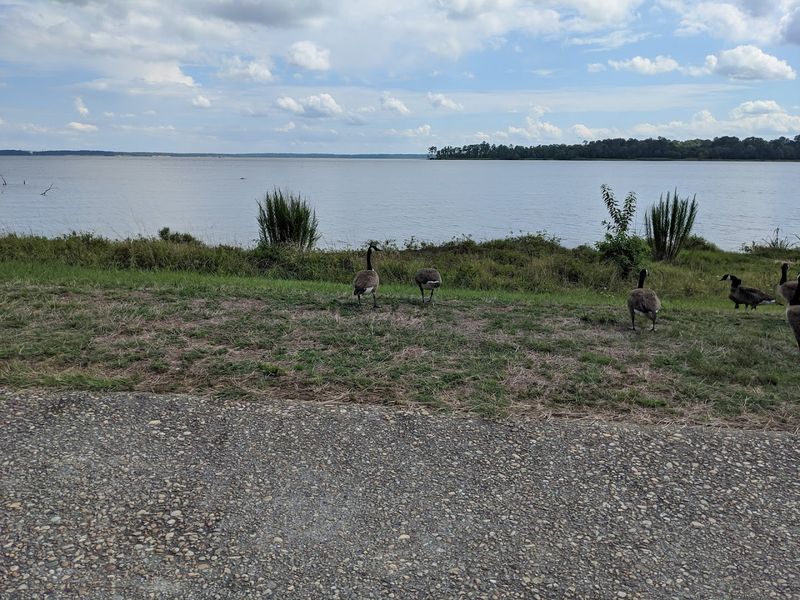
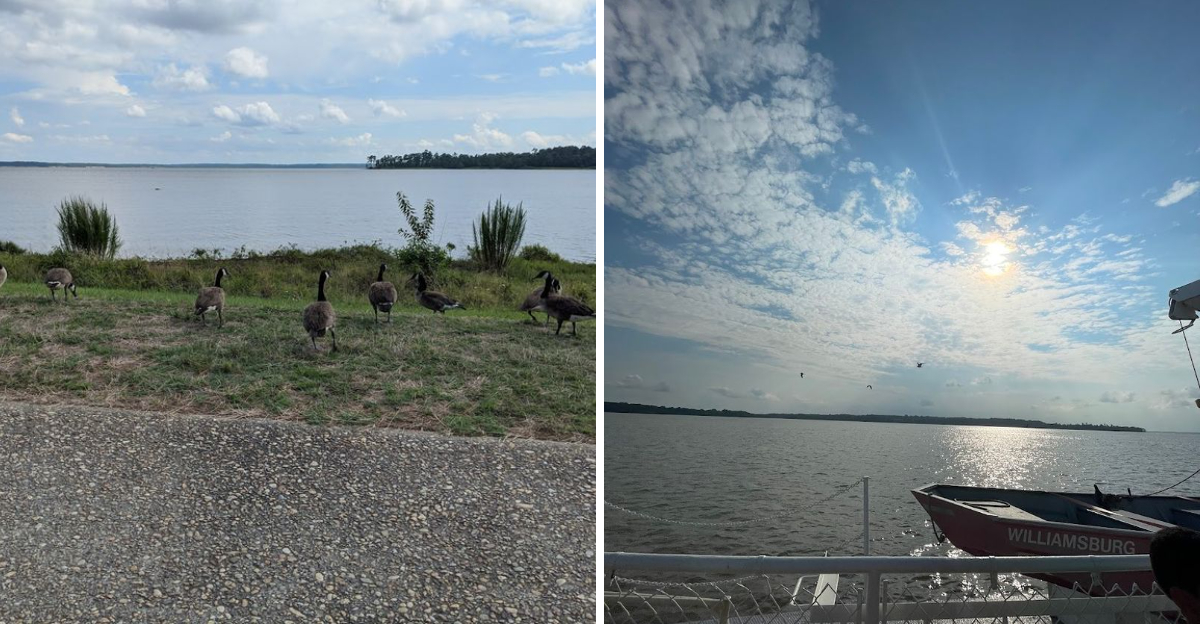
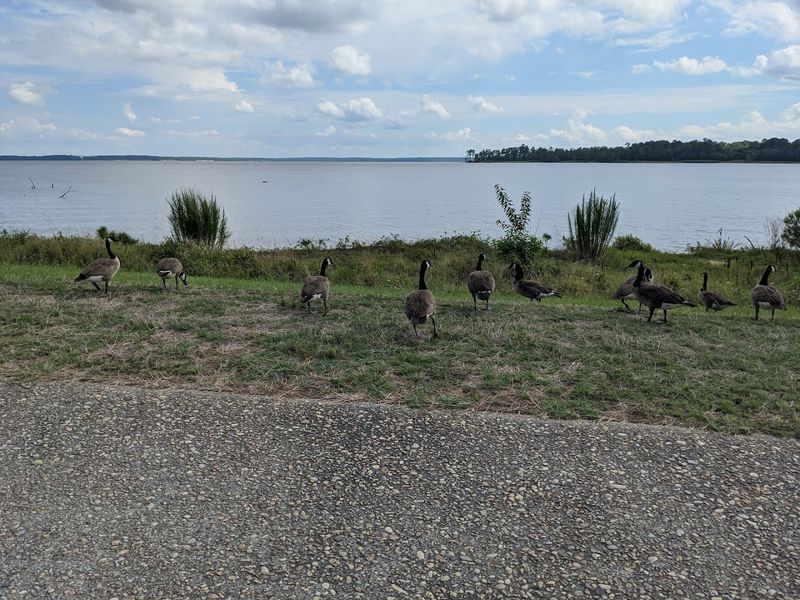
Standing on the Jamestowne shoreline and looking out over the James River, it becomes immediately obvious why the settlers chose this spot. The river is wide, the current is strong, and the view in both directions gives you a commanding sense of the waterway that served as Virginia’s original highway.
The colonists picked this location partly because the deep water allowed their ships to anchor close to shore, and partly because the peninsula offered a defensible position. What they didn’t fully account for was the brackish water and the mosquitoes, both of which contributed heavily to early mortality rates.
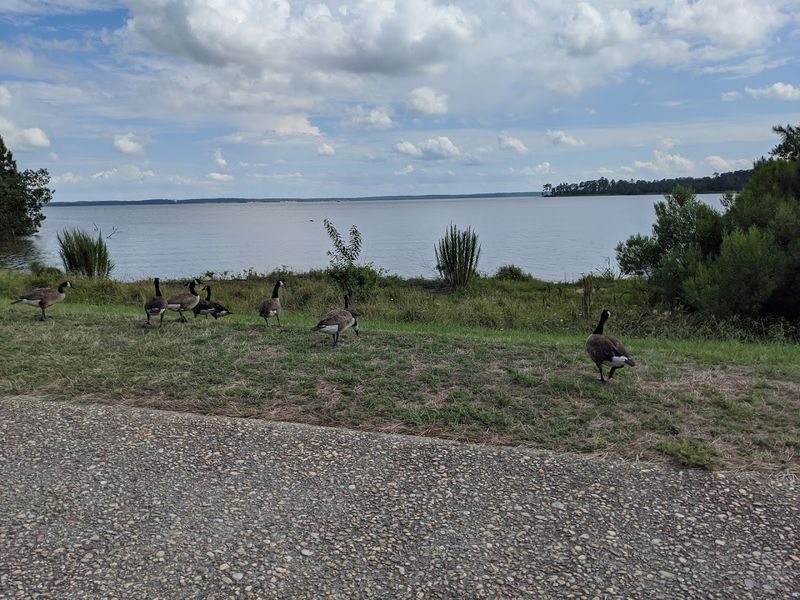
Today the riverbank is peaceful and gorgeous. A walking path follows the shoreline, offering uninterrupted views across the water to the forested banks on the opposite side.
Sunset here is genuinely spectacular. The light turns the river copper and gold, and the ruins of the old fort glow in a way that makes the whole scene feel almost cinematic.
The James River remains central to Virginia’s identity, flowing from the Blue Ridge Mountains all the way to the Chesapeake Bay. At Jamestown, you’re standing at one of its most historically loaded points, where an entire civilization took its first uncertain steps.
Colonial Williamsburg: The Neighbor That Stole the Capital
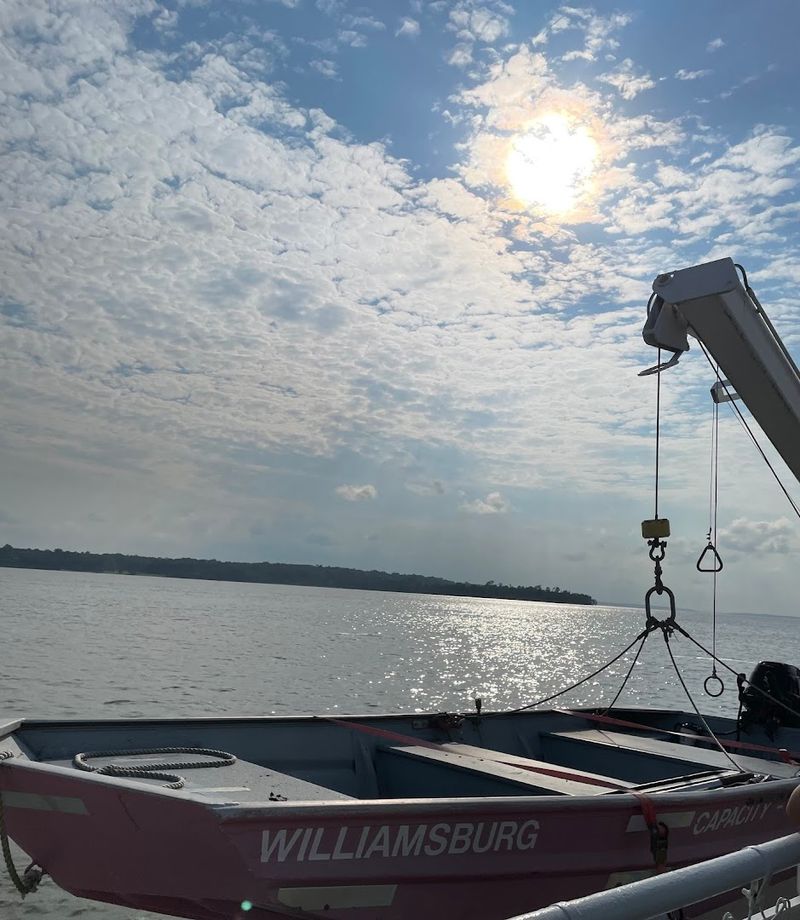
In 1699, the Virginia colonial capital packed up and moved to a place called Middle Plantation, which was promptly renamed Williamsburg. And just like that, Jamestown’s days as the political center of colonial Virginia were over.
The move happened partly because of a fire that destroyed the statehouse at Jamestown, and partly because Williamsburg offered higher ground, better air, and a more central location within the growing colony. Practical reasons, but they ended an era.
Williamsburg is only about five miles from Jamestown, VA, making it an easy and logical addition to any visit. Colonial Williamsburg’s historic district is one of the most immersive living history experiences in the entire country, with hundreds of restored and recreated 18th-century buildings spread across a walkable area.
The contrast between the two sites is fascinating. Jamestown is raw and archaeological, a place of ruins and quiet reflection.
Williamsburg is polished and theatrical, a place where history performs itself daily for wide-eyed audiences.
Together they tell a continuous story of Virginia’s colonial development, from desperate survival in 1607 to a thriving, ambitious society by the early 1700s. Visiting both in the same trip is absolutely worth the extra time and energy.
The Starving Time: Jamestown’s Darkest Chapter
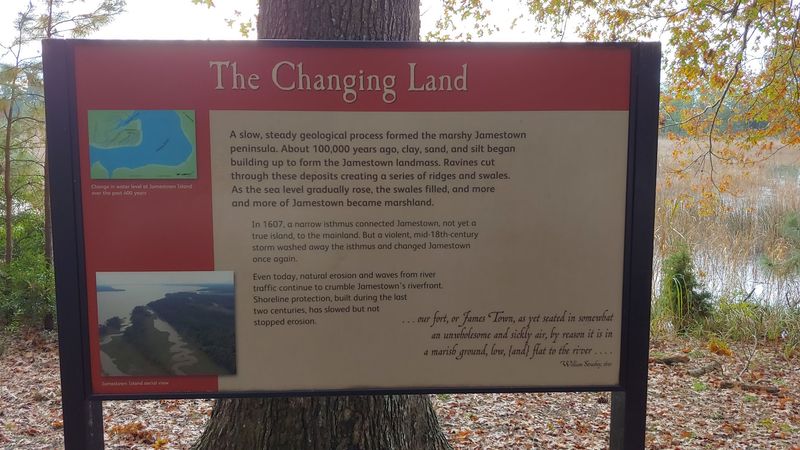
Few episodes in early American history are as grim or as revealing as the Starving Time of 1609 to 1610. When supply ships were delayed and relations with the Powhatan Confederacy collapsed, the colonists at Jamestown found themselves trapped inside the fort with rapidly dwindling food supplies.
Of the roughly 500 colonists present at the start of that winter, only about 60 survived to see the spring. The death toll was catastrophic, and the methods of survival pushed people to extremes that historians are still analyzing today.
Forensic evidence recovered from the Jamestown site confirmed what had long been suspected: some colonists resorted to consuming the dead to survive. The discovery of Jane, a 14-year-old girl whose bones showed clear evidence of post-mortem processing, made international headlines when it was announced.
The Starving Time is not a comfortable story, but it is an essential one. It reveals the true cost of colonization and the brutal reality behind the triumphant narrative of American founding.
The Archaearium at Jamestown, VA presents this history directly and without flinching. That unflinching honesty is part of what makes this site so different from the sanitized versions of history you often encounter elsewhere in Virginia.
Plan Your Visit: Getting to Jamestown, VA
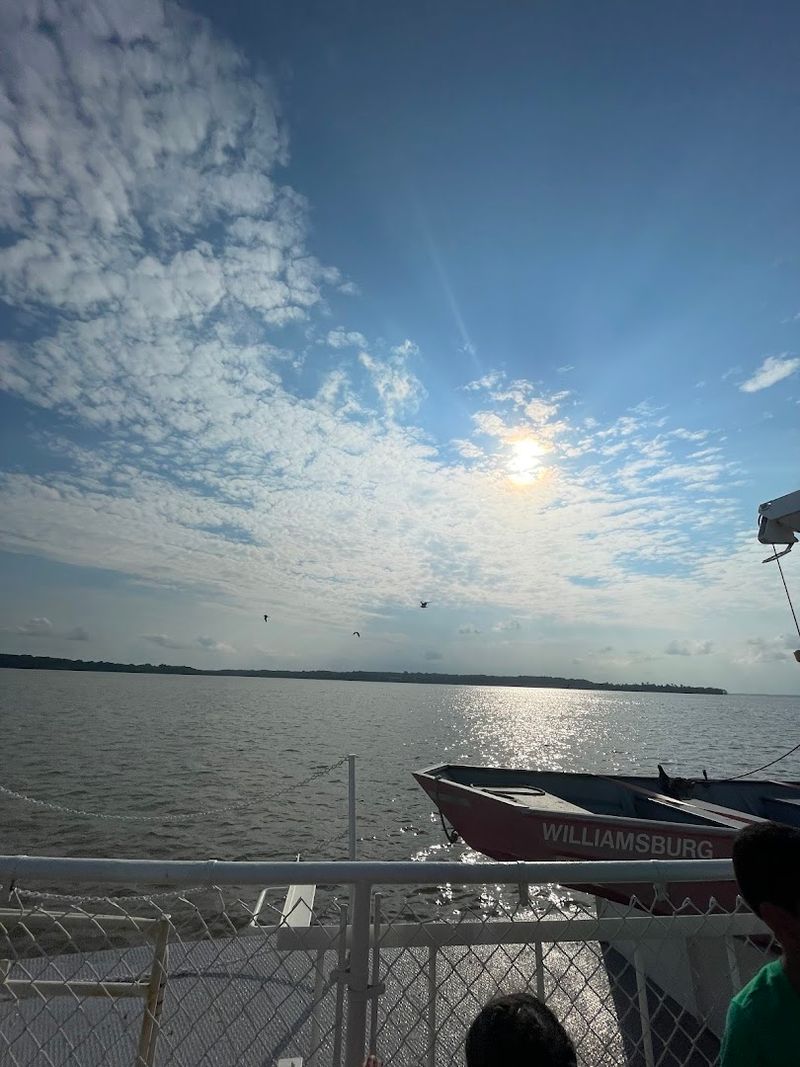
Getting to Jamestown is straightforward, and the logistics are genuinely part of the adventure. The site sits along the Colonial Parkway, one of the most scenic drives in all of Virginia, connecting Jamestown, Williamsburg, and Yorktown in a single gorgeous stretch of road through forested lowlands and river views.
Historic Jamestowne is managed jointly by the National Park Service and Preservation Virginia, and admission covers access to the archaeological site, the Archaearium, and the church ruins. A separate ticket is required for Jamestown Settlement next door, operated by the Jamestown-Yorktown Foundation.
Spring and fall are the best seasons to visit. Summer brings heat and humidity that the original colonists would have recognized all too well, and the crowds are heavier.
A weekday visit in October is practically perfect.
Plan for at least half a day at Historic Jamestowne alone, and a full day if you want to include Jamestown Settlement and a drive into Williamsburg. There is genuinely more here than you can absorb in a single visit.
The address for Historic Jamestowne is 1368 Colonial Parkway, Jamestown, VA 23081. Pack comfortable walking shoes, bring water, and come ready to have your understanding of American history thoroughly rearranged.
