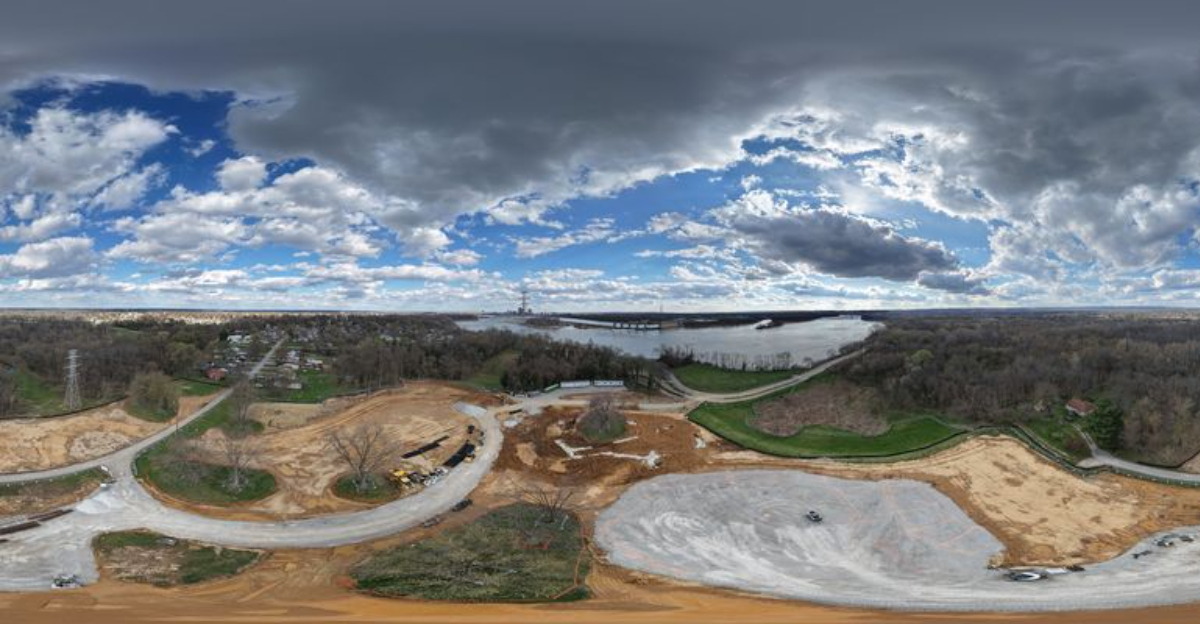
I grew up in southern Indiana knowing the Ohio River shoreline as a stretch of rusted fences, overgrown lots, and land that felt forgotten. So when I first heard about a major riverfront transformation in Clarksville, I honestly did not believe it.
The idea of turning neglected industrial ground along the river into a large-scale public nature and recreation space sounded almost impossible. But what is unfolding there is real, and the change is striking.
Areas that were once heavily degraded are being reworked into a connected landscape of trails, restored habitats, and outdoor recreation space designed to bring people back to the riverfront in a new way. The vision goes far beyond simple park space, with plans that blend nature, access to the water, and active outdoor experiences into one continuous corridor.
Even in its early stages, the shift is noticeable, both in the land itself and in how people are starting to reconnect with it.
Wildwater Adventure Center Will Bring Olympic-Level Rapids to Indiana
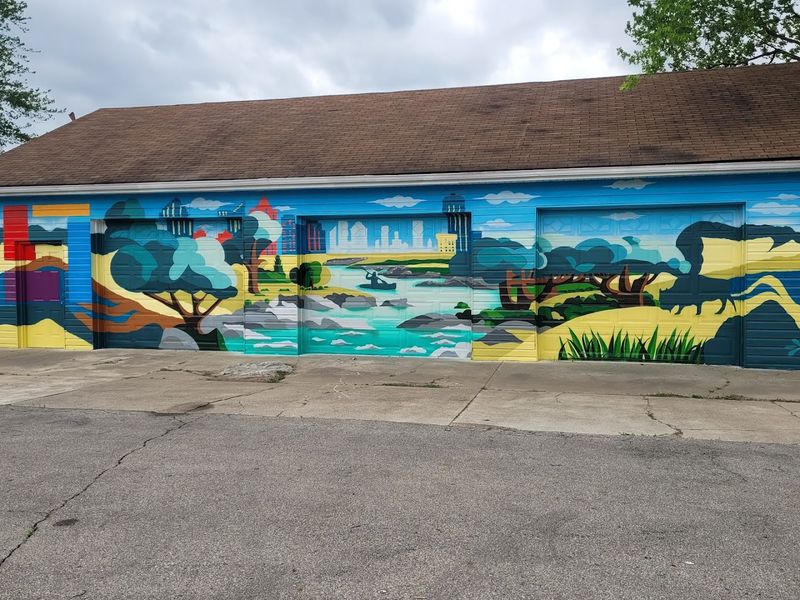
Picture Olympic-caliber whitewater rapids in the middle of Indiana, built on top of what used to be a landfill. That is exactly what the Wildwater at Origin Park facility is planned to deliver, and the specs are genuinely impressive.
The design calls for 1,700 feet of competitive kayaking course and 2,500 feet of recreational whitewater rafting. Whether you are a serious paddler chasing competition-grade water or a family looking for a thrilling afternoon on the river, this facility is being built with both in mind.
The projected completion date is 2029, which gives the project time to get the engineering right on a site with complex environmental history.
Building a world-class whitewater center on former landfill land requires serious remediation work before a single rapid can be shaped. The River Heritage Conservancy has been laying that groundwork carefully, and the vision is ambitious in the best possible way.
Southern Indiana has never had anything like this. Whitewater parks of this caliber typically exist in places like Charlotte, North Carolina, or Bend, Oregon.
The idea that Clarksville could join that conversation is exciting for the entire region. For local paddlers who currently drive hours to find quality whitewater, this development is personal.
It changes what is possible right here at home, and that is worth paying close attention to as construction milestones approach.
Buttonbush Woods Is Already a Wildlife Sanctuary Worth Exploring
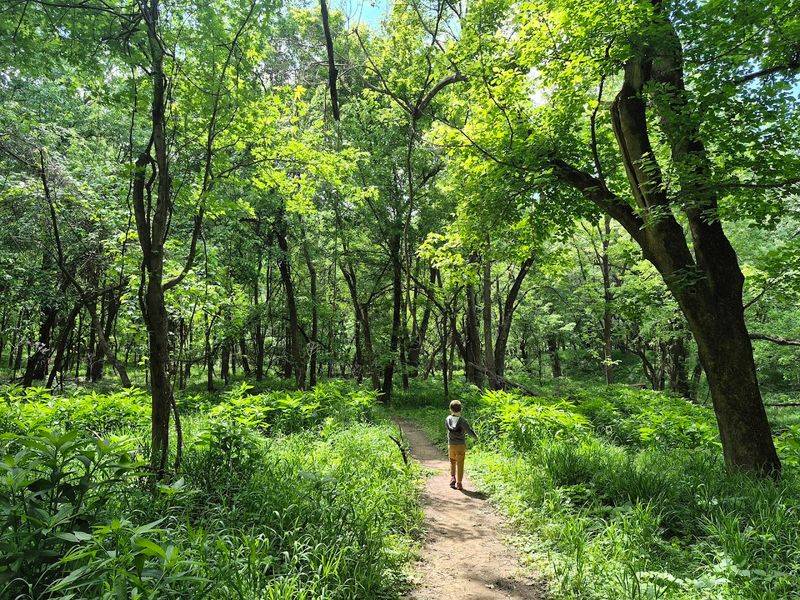
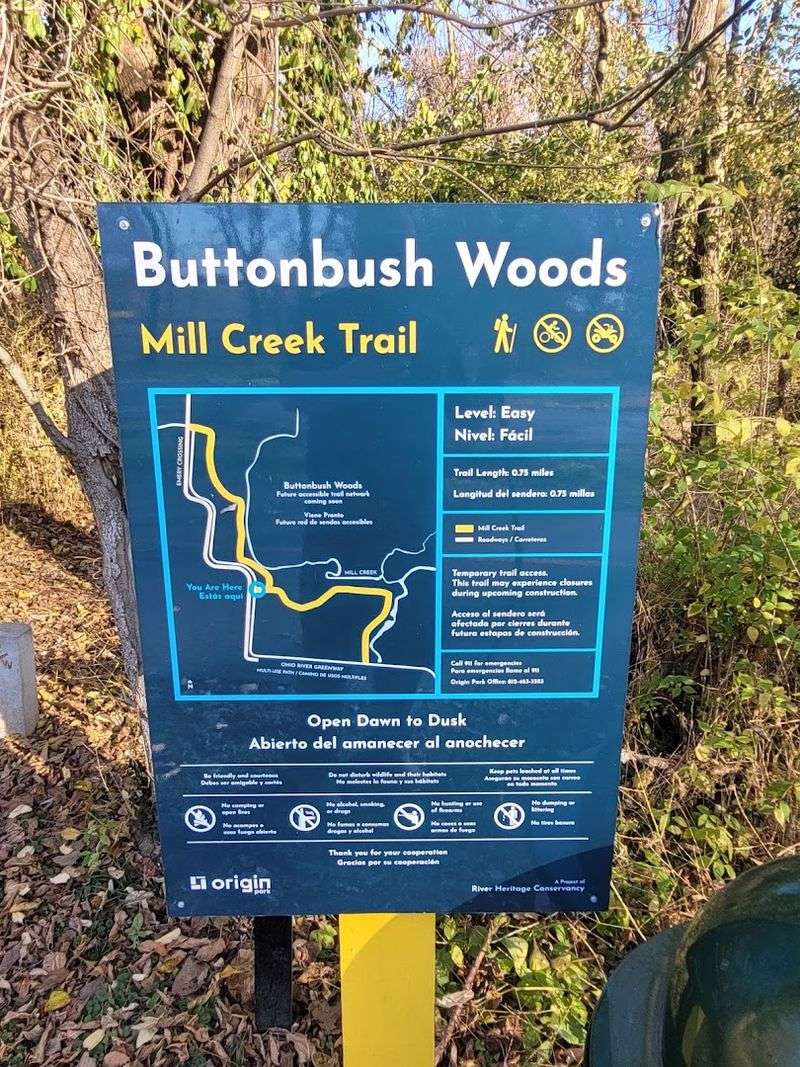
Long before the whitewater center opens or the event venue welcomes its first crowd, Buttonbush Woods is already doing quiet, important work inside Origin Park. This 103-acre natural area is one of the most ecologically rich corners of the entire project, and it deserves its own spotlight.
Over 180 bird species have been documented here, making it a legitimate destination for birders across the region. The restoration plan includes 10,000 linear feet of new trails winding through the woods, along with ADA-accessible elevated pathways designed to remain usable even during Ohio River flood events.
That kind of thoughtful, flood-resilient design reflects how seriously the planners are taking the river’s natural behavior rather than fighting it.
Walking through Buttonbush Woods gives you a real sense of what this entire park is becoming. The canopy is dense, the understory is recovering, and the biodiversity is measurable and growing.
For anyone who cares about native ecosystems in Indiana, this section of Origin Park is already worth a visit on its own terms.
Nature photography workshops have been held here, drawing participants who want to capture the habitat as it heals. I find something genuinely moving about the idea of documenting a landscape in the middle of its own recovery.
Buttonbush Woods is living proof that restoration ecology is not just theory. It is happening right now in our region.
A Massive Environmental Comeback Story Right in Our Backyard
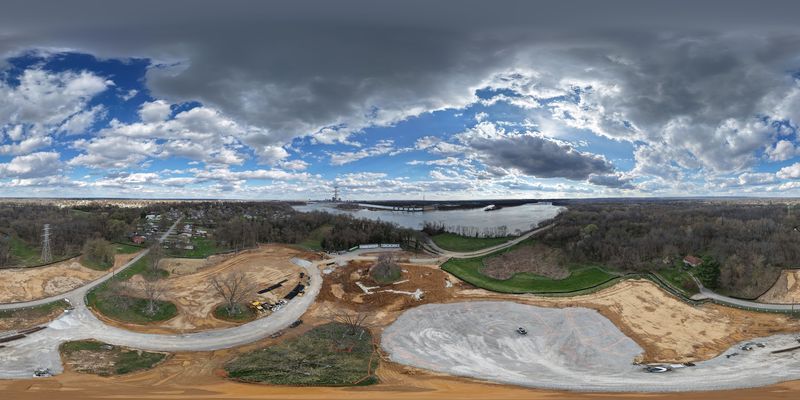
Some places carry a history so heavy you can almost feel it in the soil. Origin Park, located at 398 Emery Crossing, Clarksville, IN 47129, sits on land that spent decades absorbing the worst of industrial neglect, from active junkyards to capped landfills, all along the Ohio River’s north shore in Clarksville, Indiana.
What makes this project genuinely remarkable is the scale of the environmental turnaround. The River Heritage Conservancy has been systematically remediating contaminated land, restoring natural ecosystems, and returning a battered stretch of riverfront to something the community can actually use and be proud of.
As of mid-2025, only one junkyard remained to be fully remediated.
That kind of progress on land this compromised is not common. Most contaminated industrial sites sit in legal and financial limbo for generations.
Origin Park is moving with real momentum, and the ecological recovery already visible on-site is proof that intentional restoration works.
Over 80 percent of the necessary land has been secured, and the master plan covers 430 to 450 acres spanning Clarksville, Jeffersonville, and New Albany. For Indiana locals who watched this land sit idle and polluted for years, seeing it reclaimed feels like a genuine win.
It is the kind of project that reminds you that communities can choose a different future for the places they share, even the ones that seem beyond saving.
22 Miles of Trails for Hikers, Runners, and Cyclists
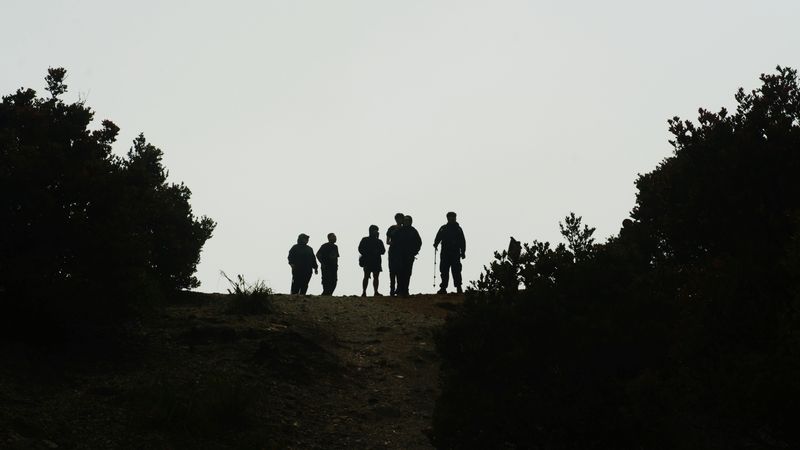
Few things change how people relate to a landscape more than a well-designed trail network. Origin Park’s master plan includes 22 miles of trails for hiking, running, and biking, spread across a landscape that transitions from restored woodland to open riverfront terrain.
For local runners and cyclists who have spent years hunting for quality routes in southern Indiana, that number is significant. Twenty-two miles of varied, connected trail on the Ohio River shoreline would immediately become one of the premier outdoor recreation assets in the entire Louisville metro area, Indiana side included.
The trail system is being designed to work with the river’s natural flood cycles rather than against them. Elevated sections, flood-resilient surfaces, and smart routing are all part of how the park approaches a landscape that the Ohio River will always have a say in shaping.
That honesty about the environment makes the trails feel more authentic and durable than a typical municipal path project.
A public paddling launch on Silver Creek opened in April 2023, adding 4.5 miles of water trails for canoeing and kayaking to the mix. So the trail experience at Origin Park is not limited to dry land.
Getting on the water is already possible, and the combination of land and water trails creates a recreational range that is genuinely rare this close to home. For outdoor enthusiasts in the region, this is a trail network worth watching closely as Phase I moves toward its 2026 target.
The Vista Event Center Is Coming and It Looks Seriously Impressive
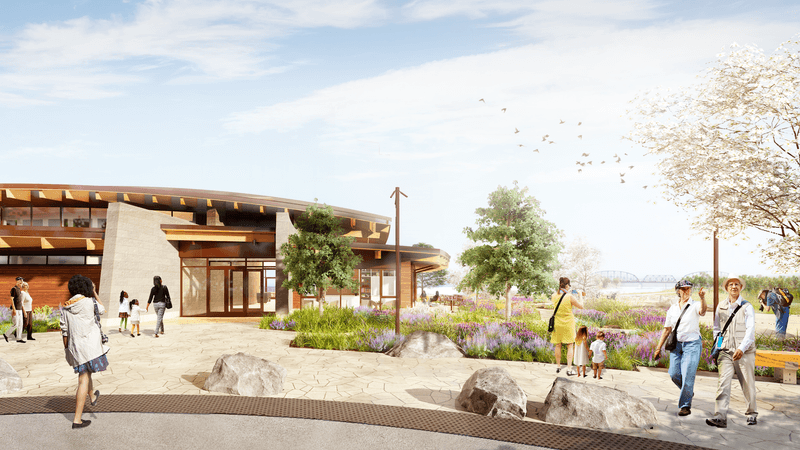
Not every part of Origin Park is rugged and wild. The Vista Event Center is bringing a polished, large-scale venue to the park, and it is designed to serve the community in a very practical way while also funding the park’s long-term sustainability.
At 14,000 square feet and built to accommodate 350 people, The Vista is no small gathering space. It is designed for weddings, corporate events, community gatherings, and everything in between, all with the backdrop of the Ohio River and the park’s evolving landscape.
The projected opening is May 2026, which puts it in line with Phase I of the park’s broader development timeline.
Revenue from The Vista is intended to help sustain the park financially, which is a smart and transparent approach to funding ongoing conservation and programming. Rather than relying entirely on grants or government support, the park is building earned revenue into its model from the beginning.
That kind of financial thinking makes the long-term vision more credible.
For southern Indiana residents looking for a distinctive event venue with genuine character, The Vista will offer something the region currently lacks. A riverside setting inside a living restoration project is a compelling backdrop for any occasion.
I appreciate that the designers are connecting the venue’s identity directly to the park’s mission rather than treating it as a separate commercial add-on. It feels like a cohesive part of the whole story Origin Park is telling.
Aerial Adventures, Zip Lines, and Climbing Walls Are Part of the Plan
Origin Park is not positioning itself as just a passive green space. The master plan includes an aerial adventure course, zip lines, and climbing walls, elements that push the park firmly into adventure destination territory.
For families with kids who need more than a nature walk to stay engaged, this side of the park’s vision is worth getting excited about. An aerial course built into a restored riverfront landscape, with the Ohio River as your backdrop, is the kind of experience that does not exist anywhere else in southern Indiana right now.
When these components come online, they will give the park a draw that reaches well beyond the local community.
Adventure infrastructure like this also creates opportunities for organized programs, school field trips, team-building events, and youth outdoor education. Origin Park has always framed its mission around community benefit, and active adventure programming is a direct extension of that commitment.
Getting kids outside and physically challenged in a natural setting has long-term value that goes beyond recreation.
There is something poetic about the fact that land once used for dumping and industrial waste is being rebuilt into a place where people climb, zip, and fly through the air. The contrast between what this land was and what it is becoming is part of what makes Origin Park’s story so compelling.
Every zip line strung above a former junkyard is its own small act of reclamation, and I think that matters more than it might seem at first glance.
A Deep Connection to Indigenous History and the Lewis and Clark Expedition
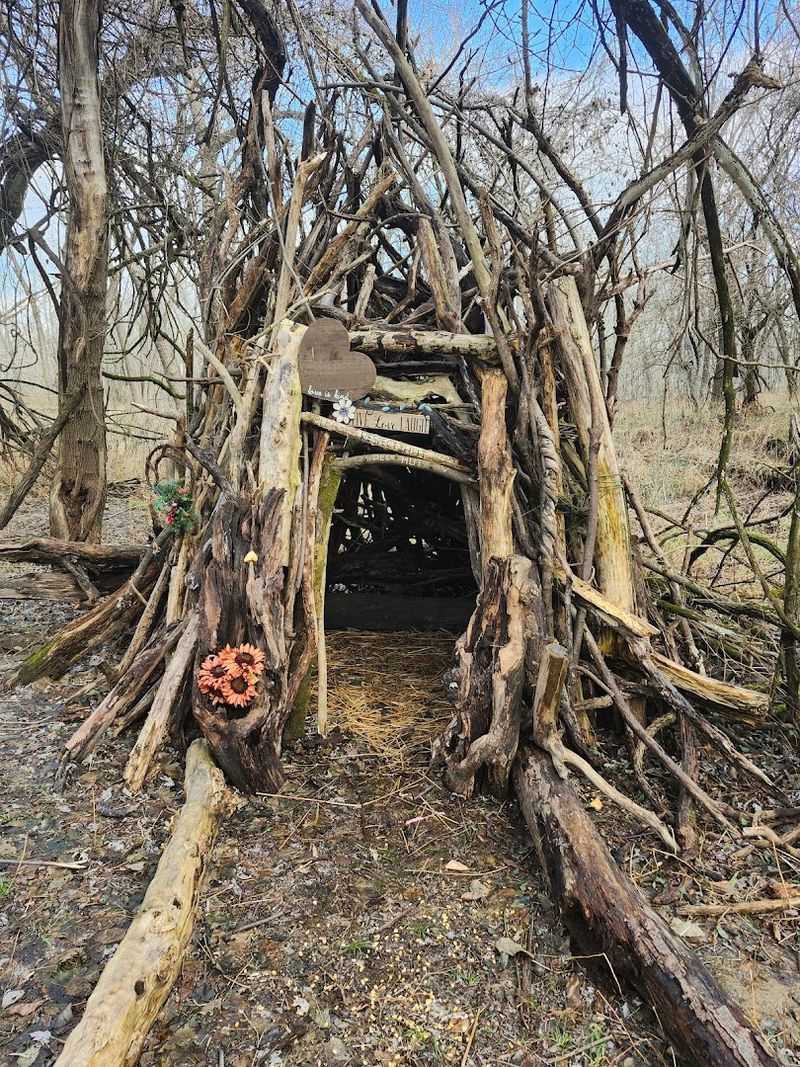
Origin Park is not just a place to hike or paddle. It sits on land layered with cultural and historical significance that the River Heritage Conservancy is actively working to honor and interpret for visitors.
The park’s design incorporates the region’s connections to Indigenous communities and the Lewis and Clark expedition, both of which are part of the Ohio River’s genuine history in this area. Rather than treating these stories as decorative footnotes, the planning team has made ecological and cultural preservation central to the park’s identity.
That approach gives Origin Park a depth that most outdoor recreation projects simply do not have.
Clarksville itself is named for George Rogers Clark, whose legacy is woven into the founding history of the Northwest Territory. The land along this stretch of river has witnessed centuries of human activity, from Native American settlement to frontier exploration to industrial development and now restoration.
Origin Park is choosing to hold all of that history rather than erase it.
For visitors who want more than a workout or a thrill, the interpretive and cultural programming planned for the park offers a genuinely enriching experience. Nature photography workshops are already drawing participants to the site, and as the park expands, educational programming around ecology, history, and conservation will grow with it.
If you are looking for nearby places to round out a visit, the Falls of the Ohio State Park at 201 W Riverside Dr, Clarksville, IN 47129 adds even more geological and natural history to the day.
