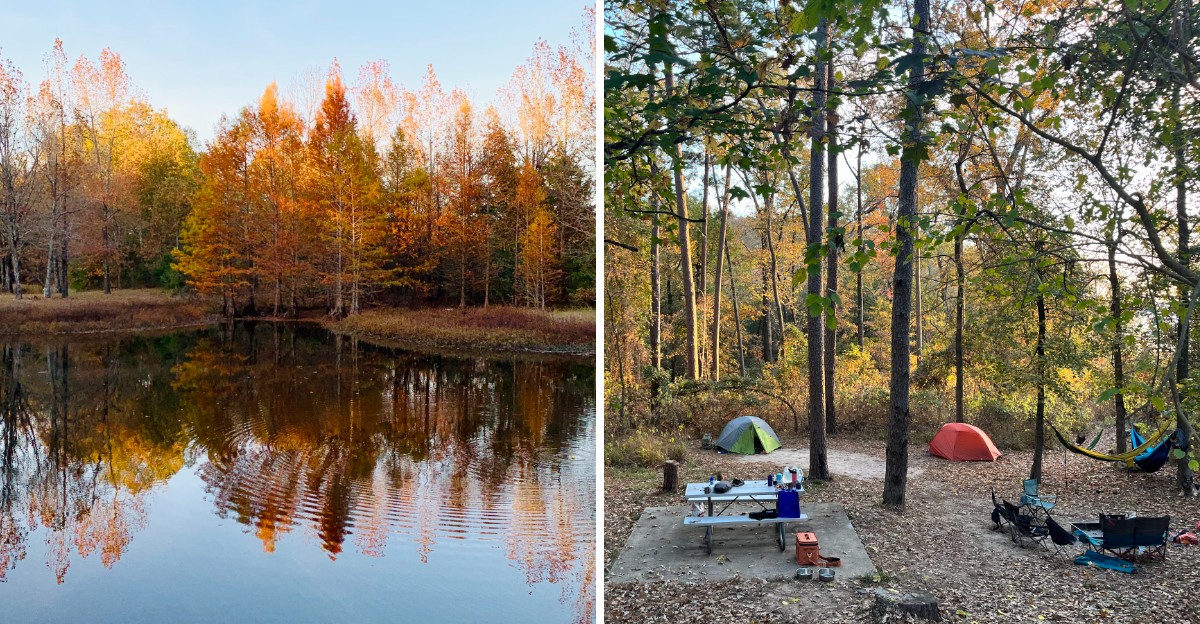
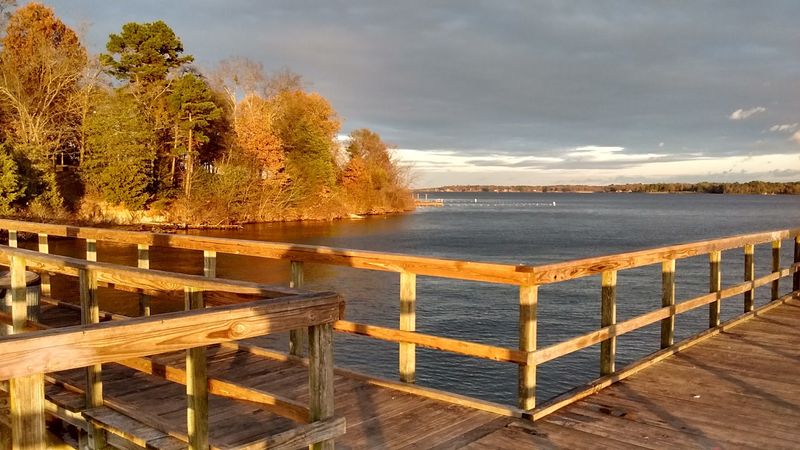
A fishing pier stays lit after dark, but the real show at this Texas park comes when maples, hickories, and oaks turn red and gold. The colorful trees frame a lake covering roughly 9,000 acres, giving autumn plenty of room to show off.
You can explore more than three miles of wooded trails, including an easy loop near the shoreline. Fishing, kayaking, and picnicking are also options, so the day doesn’t have to revolve around a long hike.
I like how you can make the outing as active or relaxed as you please. Wander beneath the changing leaves, look for birds near the water, or find a spot to enjoy the lake views.
And when those autumn colors reflect across the water, it’s easy to see why this park deserves more attention.
The Leaves Put On A Show You Won’t Want To Miss
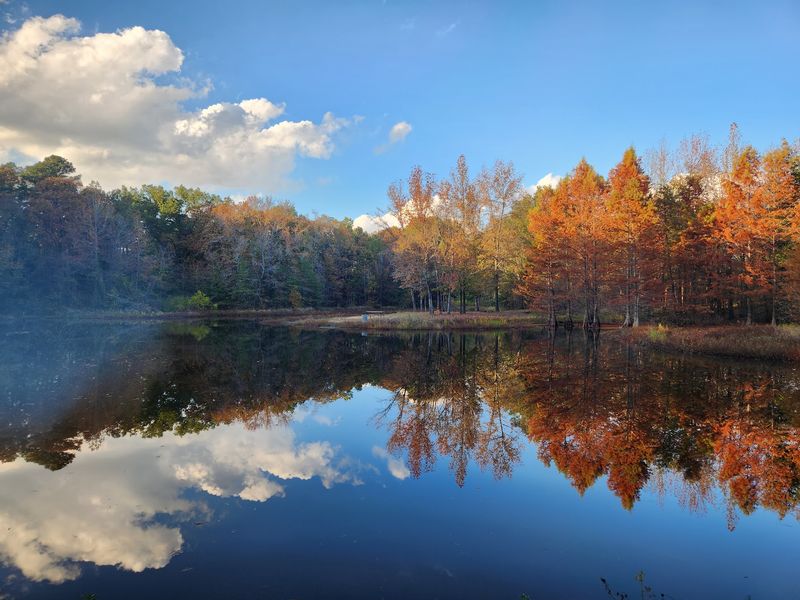
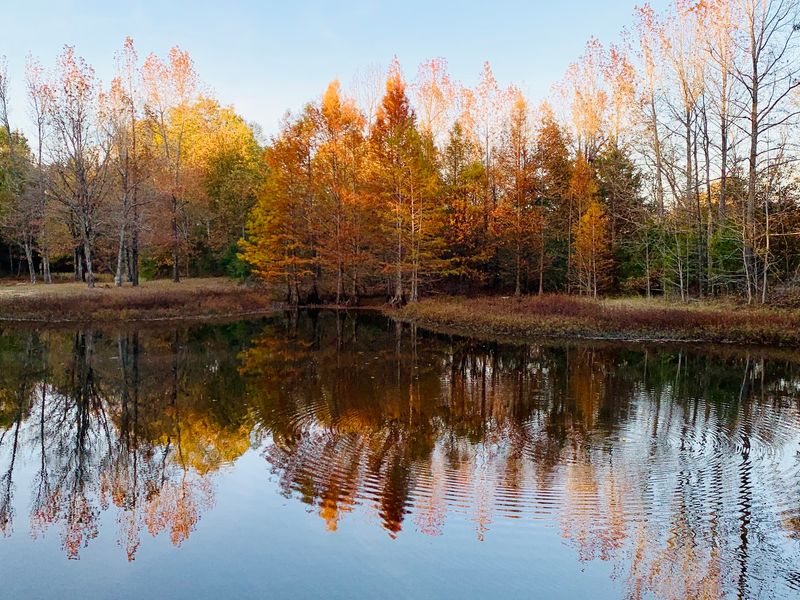
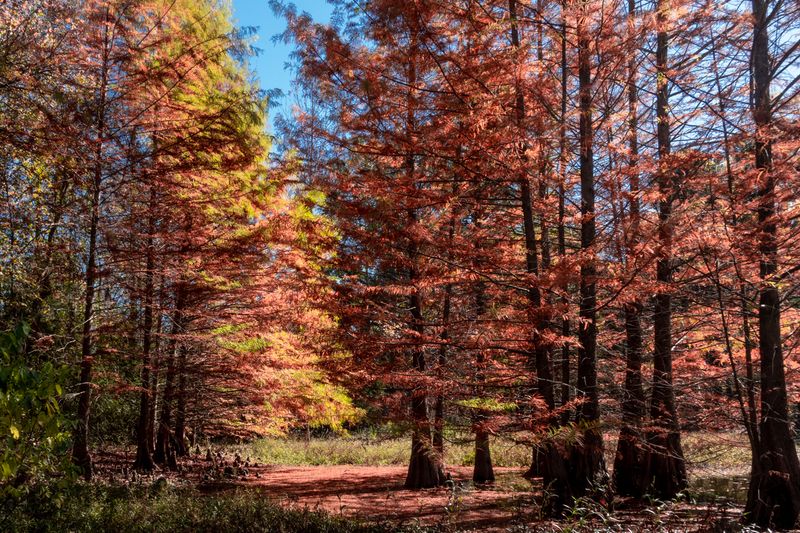
Autumn at Lake Bob Sandlin State Park looks like someone knocked over a box of crayons. Yellows, golds, oranges, reds, and rusty browns cover the trees from shore to trail.
The secret is the mix of trees growing here. Oak, elm, cedar, pine, hickory, redbud, dogwood, maple, and sweetgum all share the same woods.
Each tree turns a little differently, so the colors never feel flat. Evergreen pines and cedars stay green, which makes the bright leaves pop even more.
It’s like nature added its own frame.
Timing matters if you want the best view. Peak color usually runs from mid-October to mid-November in this part of Texas.
That window is fairly wide, which gives you some breathing room for planning. Still, weather can nudge the timing earlier or later each year.
The lake adds a bonus most leaf-peeping spots can’t match. On a calm day, the water can mirror the trees along the shoreline.
Bring a camera, but also leave time to simply sit and look. A picnic table under the trees works nicely for that.
Pack a jacket too, since fall mornings near the water can feel crisp before the sun climbs higher.
That 9,000-Acre Lake Is Bigger Than You’re Expecting
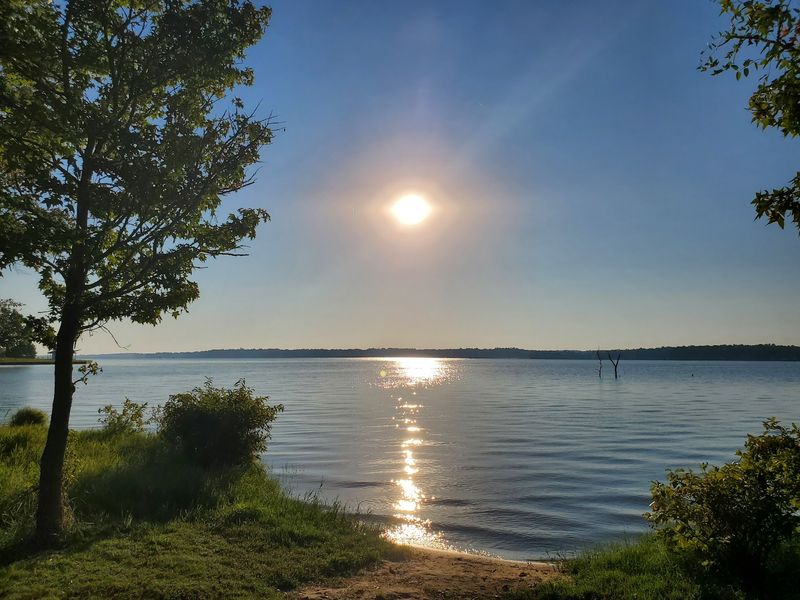
Seventy-five miles of shoreline. That number sounds made up until you see how the water curls into coves and inlets around the park.
Lake Bob Sandlin covers about 9,000 acres, and the state park sits on its northern shore. In its deepest spots, the lake reaches around 65 feet.
The lake wasn’t always here, though. It formed in 1977 after the Fort Sherman Dam went up on Big Cypress Creek.
Its name honors Bob Sandlin, a local businessman. Not every Texas lake gets named after someone from just down the road, which gives this one a hometown feel.
For visitors, all that water means plenty of room to spread out. Kayakers can explore quiet edges while swimmers stick to designated areas near shore.
Kayak rentals are available at the park, which helps if yours is stuck in the garage at home. Paddling along the wooded banks is a peaceful way to see the scenery.
One heads-up matters right now. Low lake levels closed the boat ramp, fishing pier, and one swimming area in April 2026.
Swimming is still allowed in designated parts of the lake, so check conditions before you load up the car.
Grab A Pole, Even If You Forgot Yours
Good news for casual anglers: you don’t need a fishing license to fish from the shore inside a Texas state park. That one rule makes spontaneous fishing much easier.
Lake Bob Sandlin holds largemouth bass, catfish, and crappie. Serious anglers come for the bass, while families often enjoy the steady action of panfish.
Forgot your gear? The park loans out fishing poles, so you can still give it a try.
That’s a lifesaver for anyone who packed snacks but not tackle.
A fish cleaning station is also on site. It saves you from turning your campsite into a messy fish market after a good day.
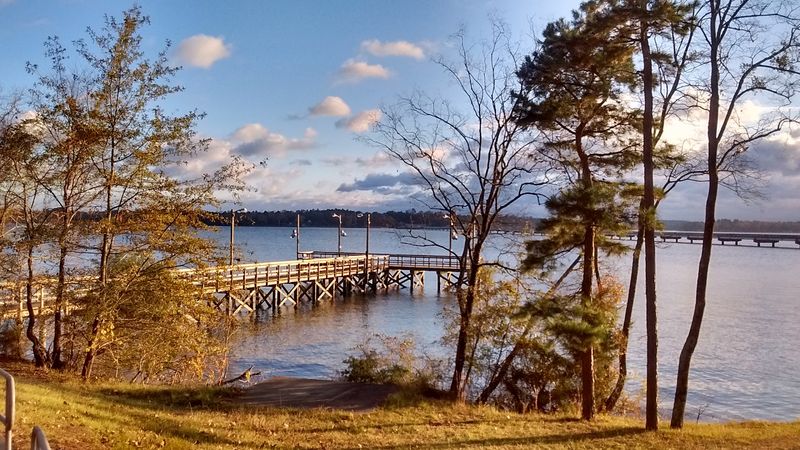
The park normally offers a lighted fishing pier for night fishing. However, low water closed the pier in April 2026, so plan on shore fishing until it reopens.
Bait and ice are sold at park headquarters, which is handy for early starts. Head there first and you’ll be casting much sooner.
Patience still helps, of course. Fish rarely care about your schedule, and some days they simply refuse to cooperate.
Still, sitting by the water under tall trees isn’t a bad way to wait.
Rainbow Trout Show Up When Winter Rolls In
Trout in East Texas? It sounds odd, since these fish usually love cold mountain streams.
Yet each winter, rainbow trout get stocked at the park.
Texas Parks and Wildlife stocks the fish when water temperatures drop low enough. The park’s trout pond becomes a popular stop once the season starts.
A trail leads right to the pond, so getting there feels like part of the fun. It’s an easy walk through the woods with a fishing reward at the end.
Kids often love this kind of fishing. A smaller pond feels less overwhelming than a huge lake, and the trout are often eager.
Rainbow trout are also known for their pretty, speckled sides. Catching one in Texas makes a pretty good story for school on Monday.
Remember there are daily limits on how many trout you can keep. Check the current rules before you go, since they can change from year to year.
Winter brings another perk too. Bald eagles sometimes visit the area during colder months.
So while you’re watching your line, keep glancing at the sky. You might spot a different kind of fisherman cruising overhead.
Trails Are Short, Shady, And Easy On Tired Legs
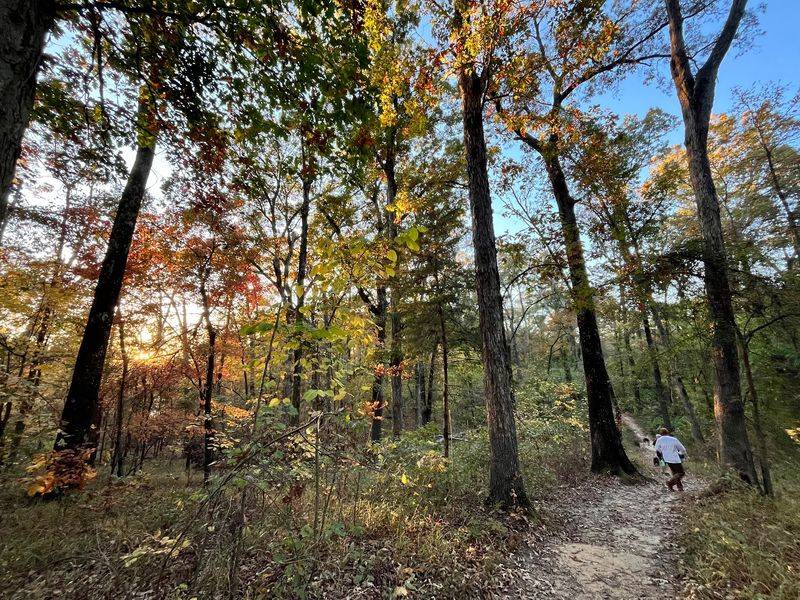
More than 3 miles of wooded trails loop through Lake Bob Sandlin State Park. That isn’t a marathon, and honestly, that’s part of the charm.
Hikers and mountain bikers share these paths. The routes stay manageable, which makes them friendly for families and casual walkers.
The woods here are interesting for a reason. The park sits where the Post Oak Savannah meets the Piney Woods of East Texas.
That blend creates a mix of hardwoods and evergreens along the trails. In fall, the walk becomes a slow parade of changing colors.
Wildlife may cross your path too. Deer, raccoons, coyotes, gray foxes, and bobcats all live in the area.
Most animals stay shy, so don’t expect a bobcat to pose for photos. Moving quietly gives you the best chance to see something.
Bring bug spray and wear long pants, especially in warmer months. Ticks can be a real issue in wooded Texas parks, and checking yourself and pets afterward is smart.
Geocaching is another fun option on the trails. Hunting for hidden containers turns a simple walk into a treasure game.
It’s also a clever way to keep restless kids moving.
Campsites Sit Close Enough To Hear The Water
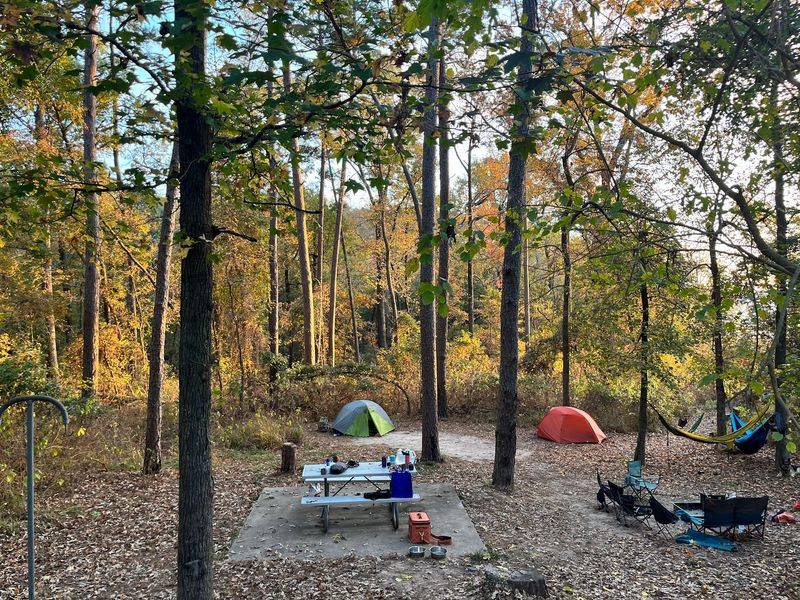
Seventy-five campsites with water and electricity give campers plenty of choices here. Some sites sit right near the water, which feels like winning a small lottery.
Tent campers aren’t left out. Primitive sites offer a quieter, more rustic option for people who like keeping things simple.
Tall trees shade much of the camping area. That cover helps on warm Texas afternoons and adds a cozy, tucked-away feel.
Restrooms with showers are available for campers. After a day of hiking or paddling, a hot shower feels like pure luxury.
Reservations are highly recommended. The park often reaches capacity, especially during busy seasons like fall color time.
Booking early is the best move if you have favorite dates. Nobody wants to drive out only to find the gate full.
Gate hours run from 6 a.m. to 10 p.m. daily. The office stays open from 8 a.m. to 4:30 p.m., so plan your arrival with that in mind.
One current rule matters for campfire fans. A burn ban took effect in October 2026, blocking wood and charcoal fires.
Propane stoves are still allowed, so your hot dogs aren’t doomed.
Cabins And Screened Shelters Make Camping Feel Easier
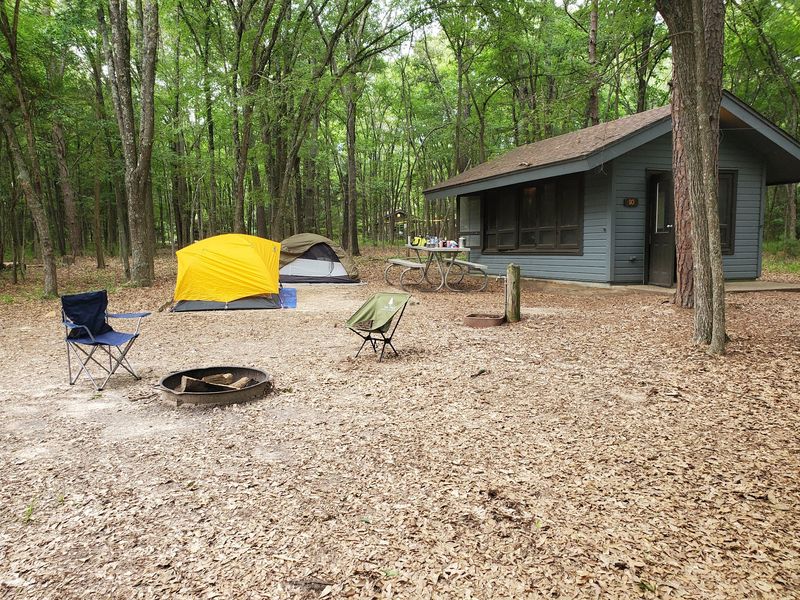
Not everyone wants to wrestle a tent in the dark. Lake Bob Sandlin State Park offers cabins and screened shelters for people who like a little more comfort.
The cabins come with air conditioning and electric heaters. That means summer heat and chilly fall nights are both easier to handle.
Outside, each cabin has a picnic table, outdoor grill, fire ring, and water. It’s a nice middle ground between camping and a hotel stay.
There’s one catch to know about. The cabins don’t have bathrooms inside, though restrooms with showers are nearby.
Screened shelters offer another option. They keep bugs out while still letting the breeze and forest sounds drift in.
Pets are not allowed in the cabins. If your dog travels with you, a campsite may be a better fit.
Bring your own bedding and supplies, since these aren’t fully stocked rentals. Think of them as sturdy rooms in the woods, not fancy suites.
Fall might be the best season for these stays. Waking up to cool air and colorful trees outside the door is hard to beat in this corner of Texas.
A Frontier Fort And Old Cemeteries Hide In The Story
Long before kayaks and campsites, the Caddo people lived on this land. They called the area home until the mid-1800s.
Later, the Republic of Texas built a stockade here called Fort Sherman. It was established by 1838, back when Texas was its own country.
Settlers eventually moved in to farm and ranch. Their history still shows up inside the park boundaries.
Two cemeteries rest within the park: a Fort Sherman cemetery and Miller Cemetery. They’re quiet reminders that people shaped this land for generations.
Visit them with respect, just as you would any burial ground. These spots connect today’s parkland to real families and real lives.
The park itself is much younger. Texas Parks and Wildlife bought the land between 1979 and 1985.
Lake Bob Sandlin State Park officially opened in 1987. It covers about 640 acres, which keeps it compact and easy to explore.
Knowing this history changes how the walk feels. A trail through the trees becomes a path across centuries of stories.
That’s a pretty good bonus for a park most people only know for fishing.
Getting There Is Easier Than You’d Guess
Plug 341 State Park Road 2117, Pittsburg, TX 75686, into your map app. You’ll land at Lake Bob Sandlin State Park in Titus County.
The park sits about 12 miles southwest of Mount Pleasant on FM 21. That keeps it close to town without feeling crowded.
It’s open year-round, so every season brings a reason to visit. Fall leaves, winter trout, spring trails, and summer swims all take turns.
Day trips work well here. Pack a lunch, grab a picnic spot near the shore, and let the afternoon slip by.
Families with younger kids will find a playground on site. Picnic areas make it easy to refuel between adventures.
Bird watchers should bring binoculars. Red-shouldered hawks show up, and bald eagles may appear in winter.
Reserve day passes ahead of time, too. The park can fill up, and that rule applies to day visitors, not only campers.
For a Texas getaway with water, woods, and history, this one deserves a spot on your list. Just maybe don’t tell everyone.
It’s nice keeping it a little underrated.
