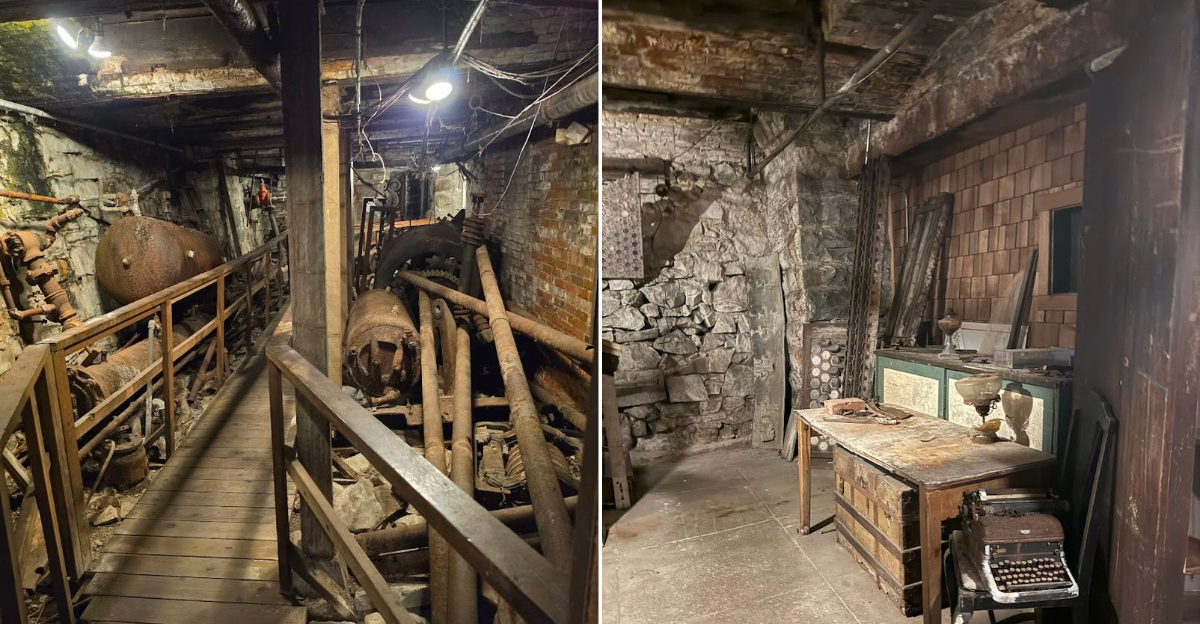
Right beneath your feet, a buried city waits. The sidewalks you walk, the streets you drive, they all sit on top of an underground network in Washington where old storefronts and crumbling brick sidewalks tell a stranger, funnier story.
You step off a crowded Seattle sidewalk, walk down a flight of stairs, and suddenly you are in a dim, dusty world that time forgot. Sunlight filters through rusted grates above.
Brick arches stretch overhead. Your guide cracks jokes about why the city raised its streets and where old toilets used to dump.
You can touch the history, peer into glassless windows, and imagine horse carts rattling past. This is not a dry museum tour.
It is weird, witty, and wonderfully strange. Washington hides its best secrets below the pavement, and once you see them, you will never look at a city street the same way again.
Bring a jacket and your curiosity. The underground is waiting.
The First Steps Into Another Seattle
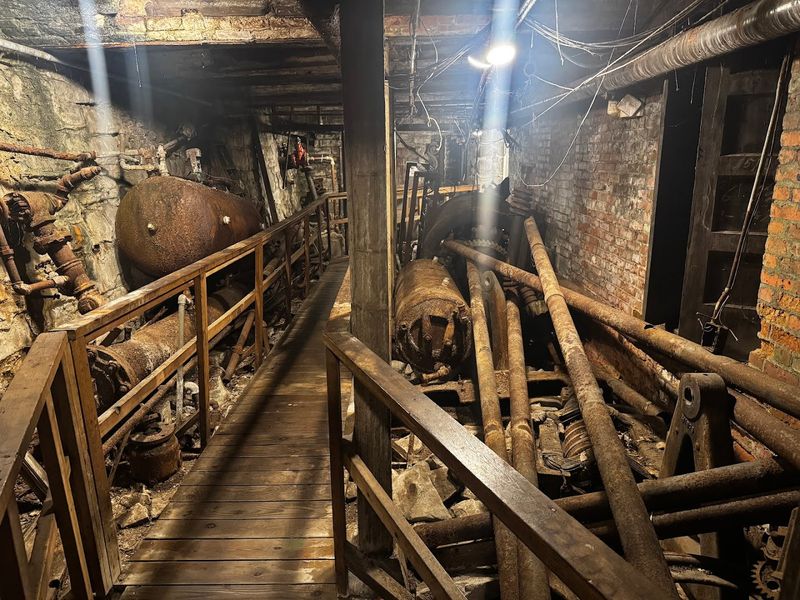
The first thing that gets you is how fast regular Seattle disappears once you head downstairs and let your eyes adjust. You go from busy streets and everyday noise to brick, dust, old wood, and a silence that feels almost staged, except it is completely real.
That shift alone makes the place memorable, because your brain keeps trying to connect the living city above with the one sitting below it.
What I liked most is that this underground network does not feel frozen behind glass, the way some historic places can. You are walking through pieces of the original city grid, where sidewalks, storefronts, and passages still trace the shape of daily life from another era in Washington.
It feels less like visiting a museum and more like borrowing somebody else’s memory for a little while.
There is also something wonderfully strange about standing in a buried streetscape and realizing the modern neighborhood kept moving on overhead. You start to notice details you would normally miss, like worn thresholds, old windows, and the way light lands in these enclosed spaces.
By the time the tour gets going, you are not just hearing history anymore, you are standing inside its leftover bones.
Finding The Doorway In Pioneer Square
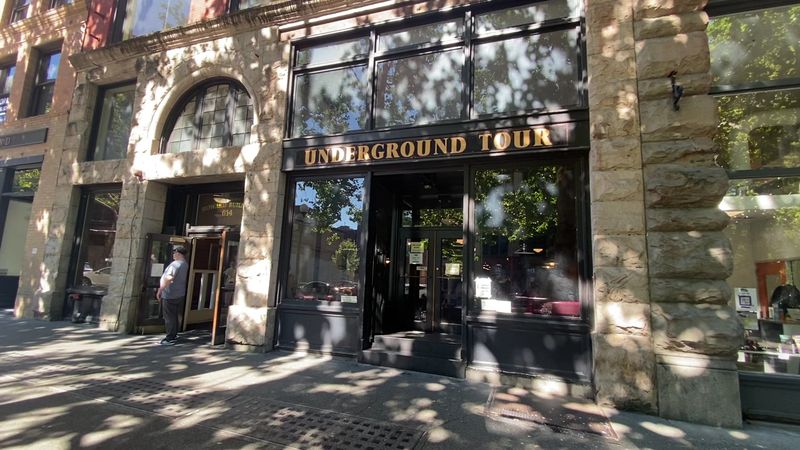
Honestly, part of the fun is that the entrance feels almost too ordinary for what waits below. Bill Speidel’s Underground Tour is at 614 1st Ave, Seattle, WA 98104, right in Pioneer Square where the neighborhood already feels steeped in earlier versions of itself.
You come in from the street expecting a history tour, and then suddenly you are being introduced to a completely different level of the city.
Pioneer Square is the right setting for this because it still carries that older Seattle texture above ground too. The brick buildings, the streetscape, and the sense of layered time make the transition feel natural, as if the district has been hinting at its underground half all along.
Even before the tour begins, you get this feeling that the neighborhood is keeping a secret without trying very hard to hide it.
I also think the location matters because it makes the story easier to understand in your body, not just in your head. You are not hearing about some distant site in Washington, you are standing exactly where the city had to rethink itself after catastrophe and mud and tidal mess.
That physical closeness gives the whole experience real weight.
Why The Streets Ended Up Above The City
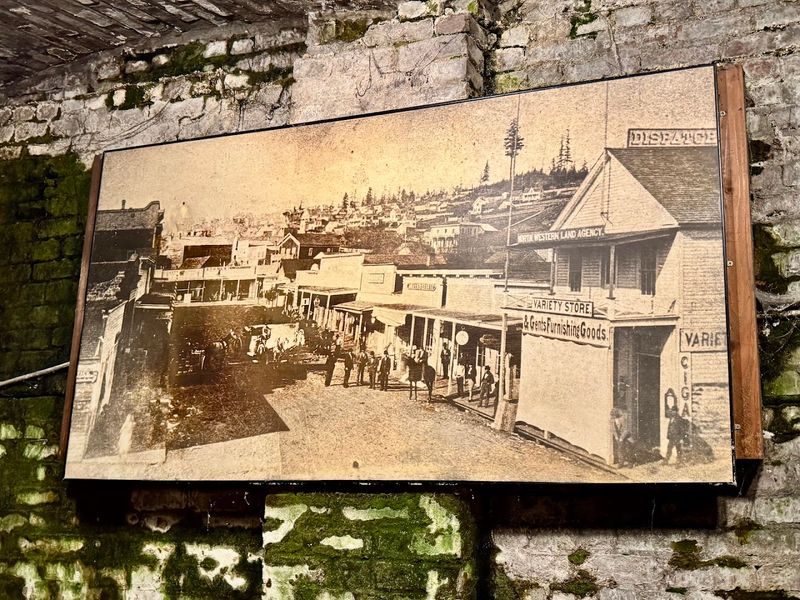
Here is the part of the story that really makes people lean in, because it sounds almost made up at first. Early Seattle had serious drainage problems, and high tides could push sewage backward in ways that made daily life miserable and unsanitary.
After the Great Seattle Fire destroyed much of downtown, rebuilding gave the city a chance to fix problems that had already become impossible to ignore.
So instead of simply replacing what had burned, planners raised the street level and rebuilt the neighborhood higher up. Retaining walls went in, spaces were filled, and the former ground floor world was gradually enclosed beneath the new city.
What you see on the tour is not a random basement maze, but the preserved remains of that dramatic urban reset.
I think that is why the underground hits differently than ordinary local history, because the logic behind it was so practical and so bold. Seattle, Washington did not just rebuild after disaster, it literally stacked one version of itself over another.
Once you understand that, every stairway down feels like a shortcut into the moment when the city decided survival meant becoming physically taller, cleaner, and stranger.
The Storefronts That Never Really Left
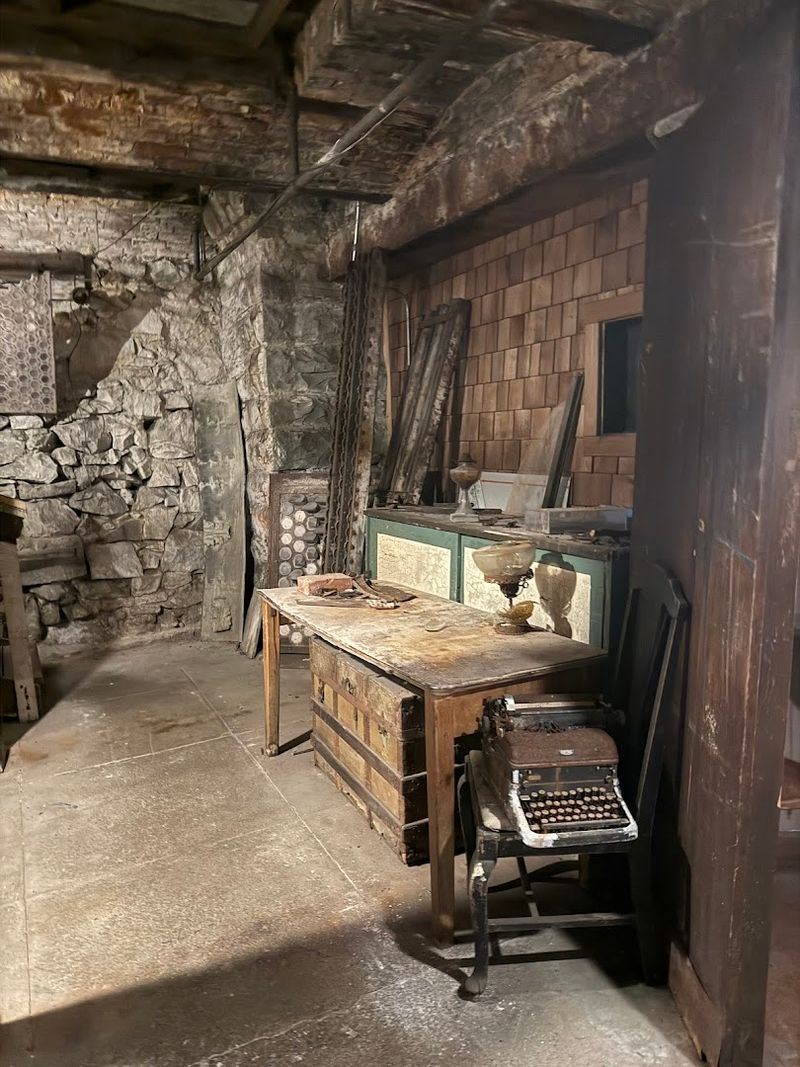
This is the section of the tour that really got under my skin, in the best way. You come across old storefront windows, doors, and facades that still look like they are waiting for somebody to unlock them and start the day.
Even when you know exactly what you are seeing, there is something unsettling and fascinating about businesses being preserved in this half-buried state.
What makes it work is that the spaces still read as places meant for ordinary life. They are not grand monuments or polished exhibits, but remnants of shops and workspaces where people once handled errands, gossip, deliveries, and all the small things that make a neighborhood real.
That everyday quality gives the underground a lot of emotional pull, because you are not just looking at architecture, you are brushing up against routine.
I found myself imagining voices carrying through these passages and light landing in the windows before the streets above changed forever. The tour does a good job of keeping the history grounded, so you never lose sight of the people who actually used these spaces.
By then, Seattle starts to feel less like a timeline and more like a place where older lives are still faintly pressing outward from the walls.
The Sidewalks Hidden Under Sidewalks
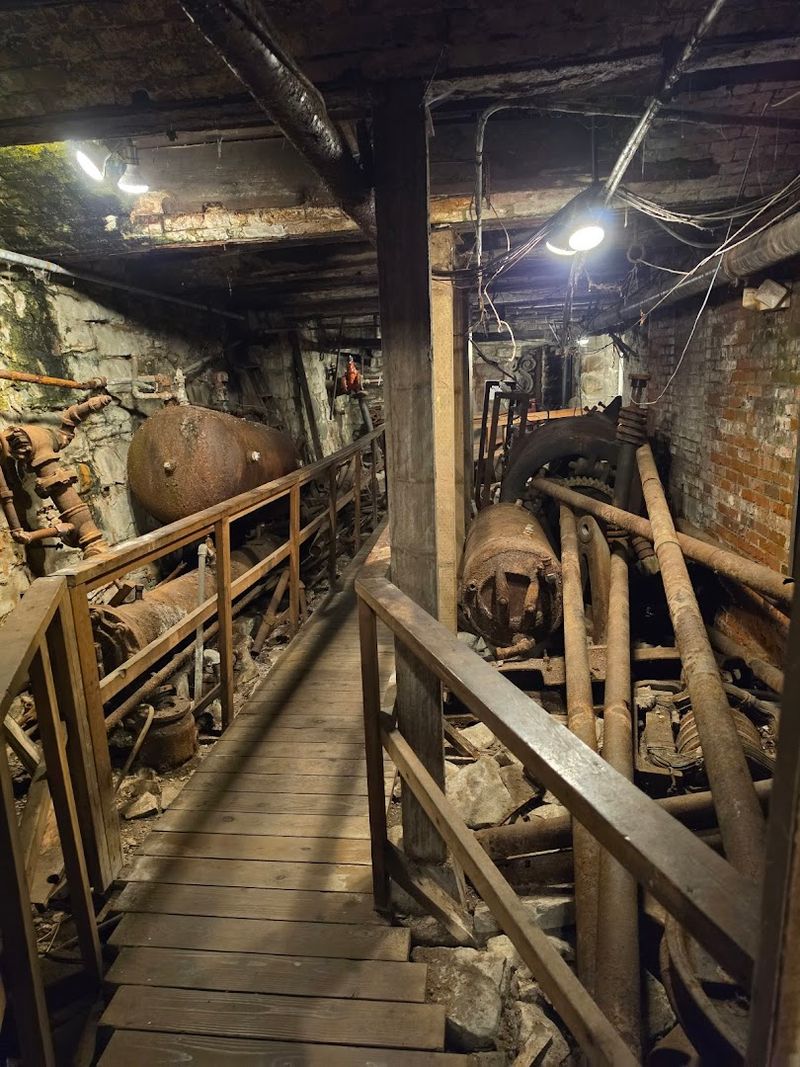
There is something especially wild about realizing you are walking on what used to be part of the city at street level. The old sidewalks down there make the whole story click, because they are such familiar pieces of urban life and yet they are now tucked beneath the version of Seattle people use every day.
That layering feels bizarre in a way maps and photos never really capture.
You can picture the awkward transition period when people had to navigate a city being rebuilt upward around them. For a while, businesses and pedestrians were dealing with ladders, uneven grades, and streets that must have felt temporary and inconvenient in every possible direction.
The underground preserves that sense of improvisation, which makes the place feel alive rather than neatly resolved.
I think this is where the tour becomes more than a history lesson and starts feeling almost physical, like you are tracing the city’s muscle memory. Sidewalks are ordinary, but buried sidewalks are another thing entirely, because they show how public life once flowed through spaces now hidden from view.
In Washington state, there are plenty of places with dramatic stories, but very few let you literally stand on a former city surface and feel the shift so directly.
Bill Speidel And The City He Helped Save
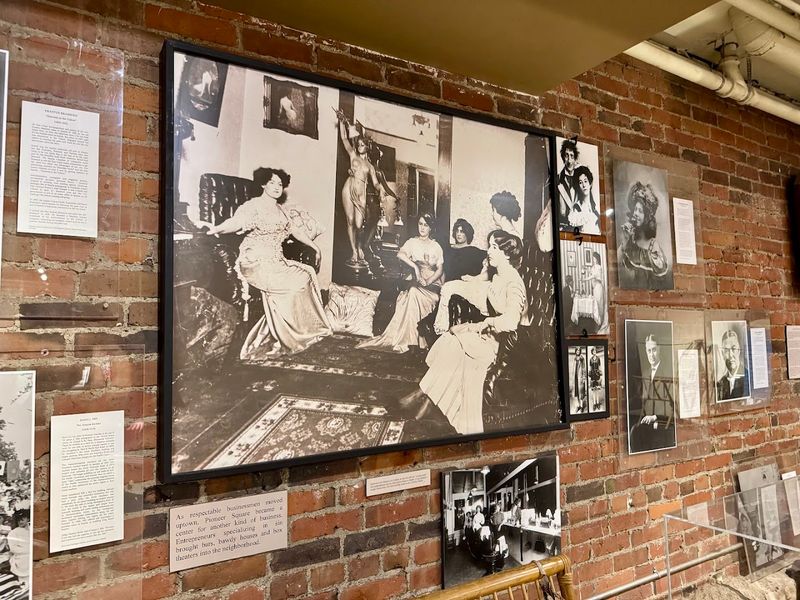
What keeps this whole place from becoming just an odd curiosity is the fact that somebody cared enough to fight for it. Bill Speidel helped draw attention to Pioneer Square when the neighborhood was not getting much love, and that effort turned the underground from neglected leftovers into something people could actually experience.
Without that push, a lot of this story might have stayed sealed off or been forgotten under routine city change.
I appreciate that part of the tour because preservation can sound dry until you are standing inside what was saved. Then it becomes obvious that protecting a place like this is not about nostalgia for its own sake, but about keeping a city’s weirdness and memory intact.
Seattle has changed constantly, yet this space still lets you feel the improvisation, damage, ambition, and grit that shaped it.
There is also something very Seattle about the rescue story itself, with local stubbornness turning into cultural memory. In Washington, the places people remember best are often the ones somebody decided were too interesting to lose, even when they looked shabby or impractical at first.
By the end of this part, the underground feels less accidental and more like a hard-won piece of civic honesty that survived because someone insisted it mattered.
The Neighborhood Living Right Above Your Head
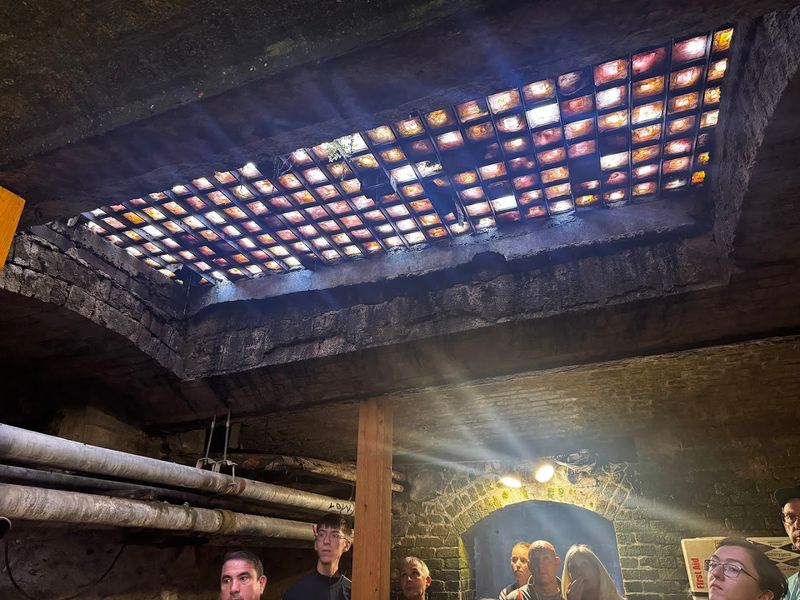
At some point, you stop thinking only about what is around you and start thinking about what is overhead. That is when the underground becomes really fun, because you know ordinary Pioneer Square is carrying on above while you stand inside this older, quieter version of the same neighborhood.
The contrast makes every sound and story feel sharper, as if the city is speaking in two different registers at once.
I kept picturing people outside heading to work, meeting friends, or hurrying through the day with no clue how much old Seattle still lingers directly below. That tension between visible and hidden space gives the tour its strange energy, and it is a big reason the place sticks in your memory.
You are not off in some remote ruin, but beneath active city streets that never fully erased what came before.
Places like this remind you that urban history is not always neatly replaced when a city modernizes. Sometimes it gets compressed, covered, and quietly carried forward in ways that make the present feel less stable and more layered.
Standing down there in Seattle, Washington, I had that rare feeling of understanding a neighborhood better by seeing the part of it most people never notice at all.
What The Tour Actually Feels Like
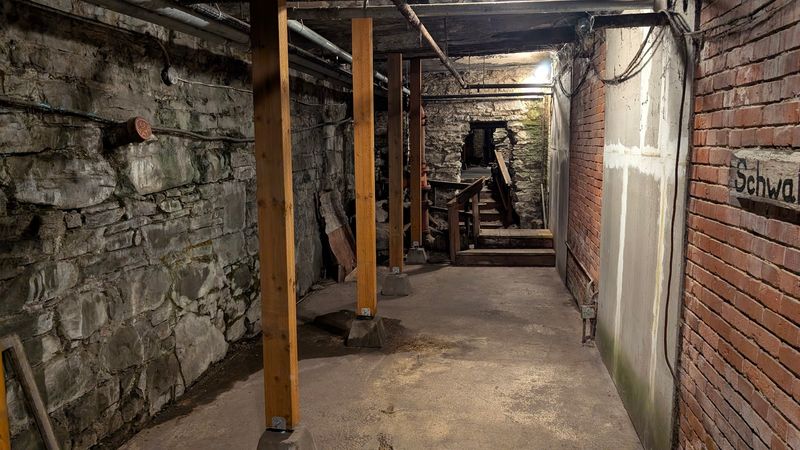
If you are wondering whether this feels spooky, funny, historical, or just plain odd, the answer is yes to all of it. The experience shifts constantly between learning, imagining, and simply looking around in disbelief that such a place still exists beneath downtown Seattle.
That changing mood keeps the tour from ever feeling too polished or overly solemn, which I appreciated.
There are moments when you are focused on city engineering and sanitation, and then a minute later you are staring at an old passage and filling in the human details yourself. Because the spaces are so specific, the stories land in a more personal way than they do in many traditional museums.
You are not passively absorbing facts so much as letting the physical setting nudge your imagination into motion.
I would also say this is one of those rare attractions where the setting does a lot of the storytelling before anyone says another word. The smell of old masonry, the dimness, the enclosed walkways, and the visible marks of former use all give the place texture.
By the time you head back toward daylight, it feels like you have spent time in an alternate Seattle that stayed close enough to the surface to keep whispering.
Why You Keep Thinking About It Later
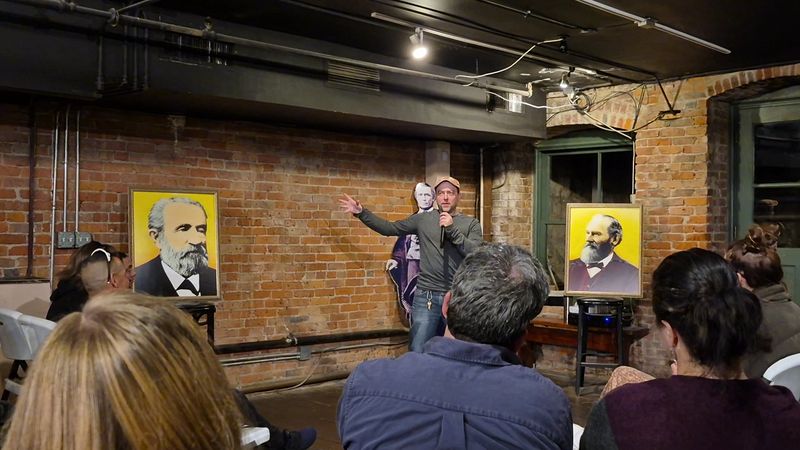
The reason this place stays with you is not just that it is unusual, although it definitely is. It stays with you because it reveals a city as something layered, improvised, and a little haunted by its own practical decisions.
Once you have walked those buried passages, ordinary streets above start feeling less fixed and more like the latest draft of an ongoing story.
I found myself replaying little details afterward, especially the sidewalks, storefronts, and the logic of building upward while pieces of daily life remained below. That combination of catastrophe, engineering, and accidental preservation gives the Seattle Underground a texture that is hard to shake.
It feels intimate rather than epic, which somehow makes it more affecting.
If you already like urban history, this tour gives you plenty to chew on, but even if you do not, the physical experience carries it. You do not need to arrive with expert knowledge to feel the odd beauty of standing inside a previous version of Washington’s biggest city.
Long after you leave Pioneer Square, there is a good chance you will catch yourself glancing at the pavement and wondering what else a city might be quietly keeping under its feet.
