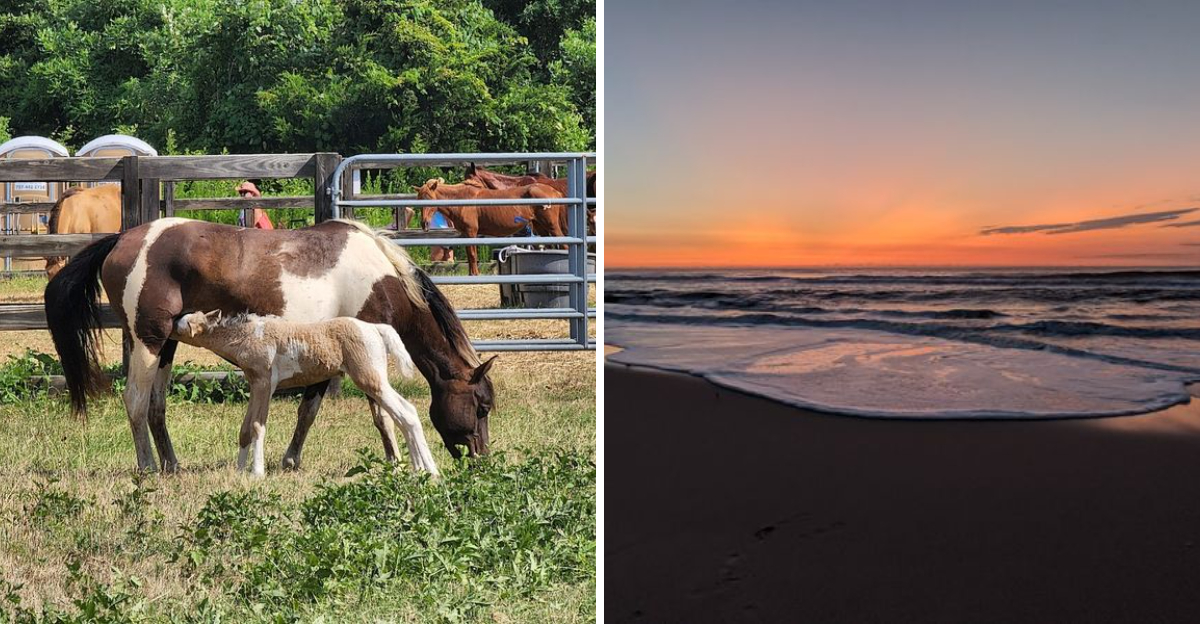
Wild ponies are the reason most people visit this particular Virginia island. But seeing them is not guaranteed.
They roam freely across the landscape, and finding them takes patience and a little luck. This Virginia coastal trail is the best place to try.
The path winds through dunes and marshes, with views of the water on both sides. I walked it slowly, scanning the distance, and then I saw them.
A small herd, grazing calmly, completely unbothered by the humans watching from a respectful distance. The trail is easy, the scenery is stunning, and the ponies are the reward.
Virginia has plenty of wildlife viewing spots. This one is magical.
The Wild Ponies of Assateague Island
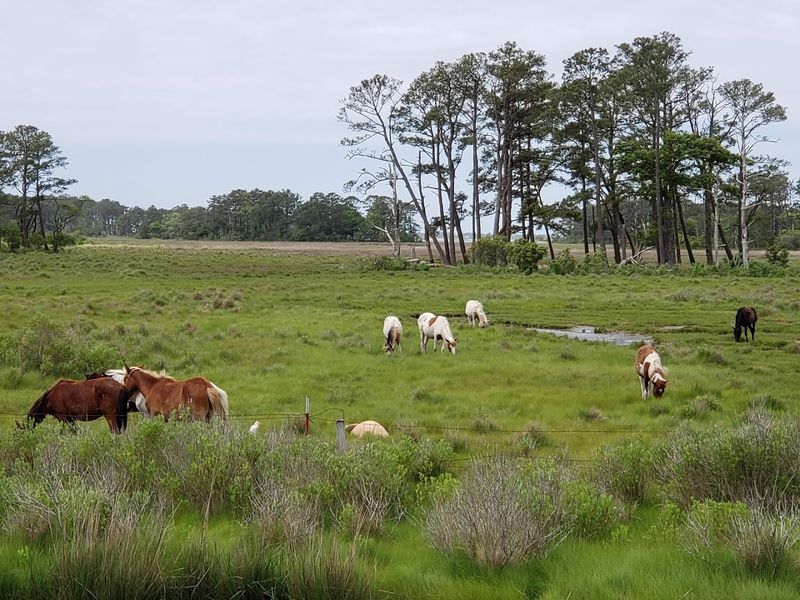
Few wildlife encounters on the entire East Coast can match the jaw-dropping thrill of watching wild ponies roam freely through the salt marshes of Assateague Island. These sturdy, compact animals have called this barrier island home for centuries, and their story is as fascinating as their windswept appearance.
Popular legend says they descended from horses that survived a Spanish shipwreck off the Virginia coast. Historians also suggest early settlers may have brought them here to dodge livestock taxes.
Either way, the result is a herd of genuinely wild ponies living life entirely on their own terms.
Their diet of coarse saltmarsh cordgrass and American beachgrass gives them a slightly rounded look, since the salty food makes them drink nearly twice as much fresh water as domestic horses. The Virginia herd, owned and managed by the Chincoteague Volunteer Fire Company under a federal grazing permit, numbers around 150 adult ponies at any given time.
Spotting them standing knee-deep in a marsh at sunrise, manes blowing in the coastal breeze, is the kind of moment that stops you completely in your tracks.
The Wildlife Loop Trail for Pony Spotting
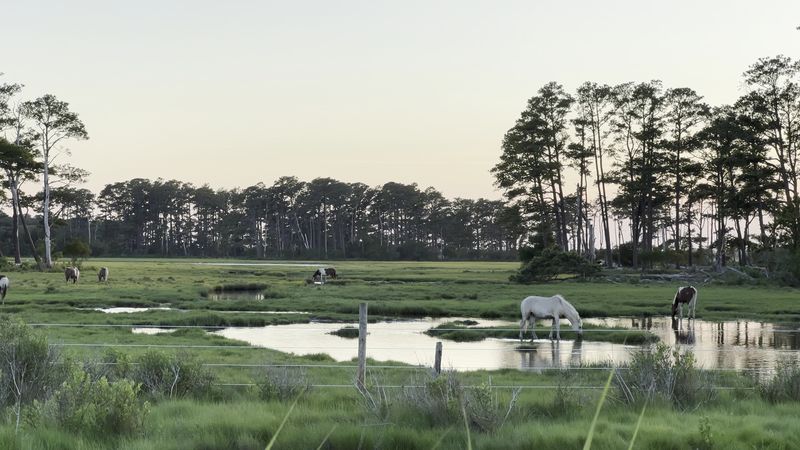
The Wildlife Loop Trail is arguably the most popular route inside Chincoteague National Wildlife Refuge, and for very good reason. This flat, scenic loop winds through open marshland and coastal habitats where wild ponies frequently wander into plain view, especially during the quieter morning hours.
Cyclists and walkers both love this trail for its accessibility and the sheer variety of wildlife visible along the way. Egrets, herons, and various shorebirds are practically guaranteed sightings, and the ponies often graze close enough to the trail edge to make for spectacular photos without needing a telephoto lens.
One important tip worth knowing before you go: vehicles are only permitted on the Wildlife Loop after 3 PM on most days, so arriving earlier on foot or by bike gives you a much more peaceful and rewarding experience. Renting a bike from one of the local outfitters in Chincoteague is a smart move, since covering the full loop on two wheels is both faster and way more fun.
Bring water, sunscreen, and a solid layer of bug spray, because the mosquitoes along this trail are not shy.
The Woodland Trail and Its Pony Overlook
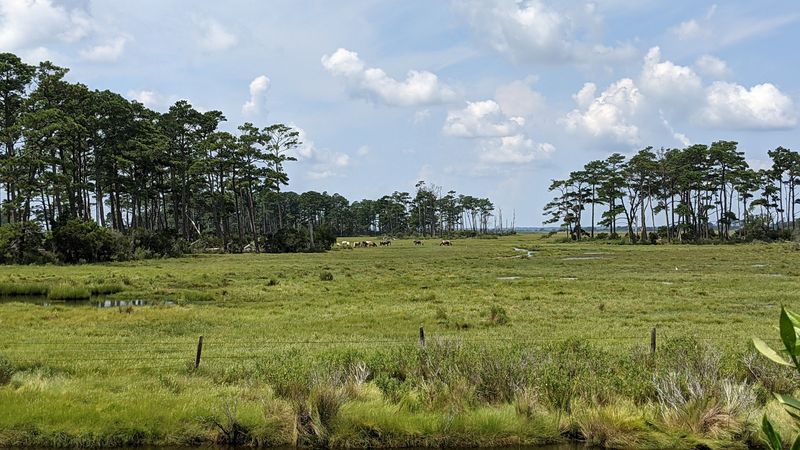
Stepping onto the Woodland Trail feels like entering a completely different world from the open beach. Tall loblolly pines and dense coastal shrubs create a shaded canopy overhead, and the whole atmosphere shifts into something quieter and more secretive.
This trail is a favorite among serious wildlife watchers, partly because it leads to a dedicated pony overlook where the southern herd can sometimes be spotted grazing in the marsh below. Binoculars are genuinely useful here, since the ponies often keep a respectful distance and blend into the tall grasses with surprising ease.
The Woodland Trail is also where the legendary Chincoteague fox squirrel occasionally makes an appearance, a creature so enormous that first-time spotters often mistake it for a small beaver. That alone is worth the walk.
Bug spray is absolutely non-negotiable on this trail, particularly from late spring through early fall when mosquitoes and horseflies patrol the path in full force. Wear long sleeves, stay on the marked route, and move slowly.
The more patient you are, the more wildlife rewards this trail quietly offers up.
The Annual Pony Penning Tradition
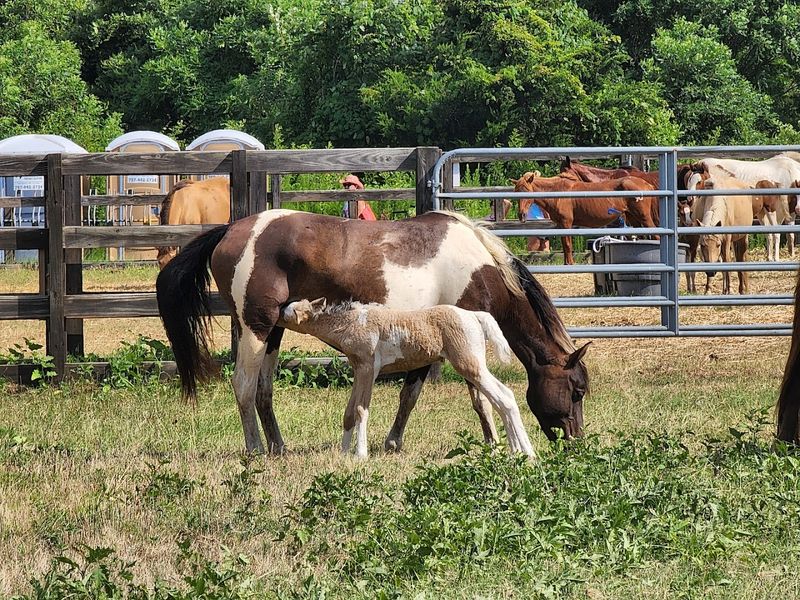
Once a year, the quiet rhythms of Chincoteague Island explode into one of the most uniquely American spectacles you will ever witness. The annual Pony Penning, held every July, is a week-long event where the Chincoteague Volunteer Fire Company organizes a swim across the channel from Assateague Island to Chincoteague Island.
Local riders known as saltwater cowboys herd the wild ponies into the water for the famous crossing, a moment that draws enormous crowds of onlookers to the shoreline. Once on Chincoteague, some of the foals are auctioned off to manage the size of the herd and raise funds for the fire company.
It is a tradition that has continued for generations.
The event gained worldwide fame through Marguerite Henry’s beloved novel “Misty of Chincoteague,” which introduced countless readers to these remarkable animals and this corner of Virginia. Even if you visit outside of July, the legacy of Pony Penning is woven into every part of the island’s identity.
The local shops, murals, and museums all celebrate it proudly, making it impossible to miss even on a quiet off-season afternoon.
The Assateague Lighthouse and Its Surrounding Trails
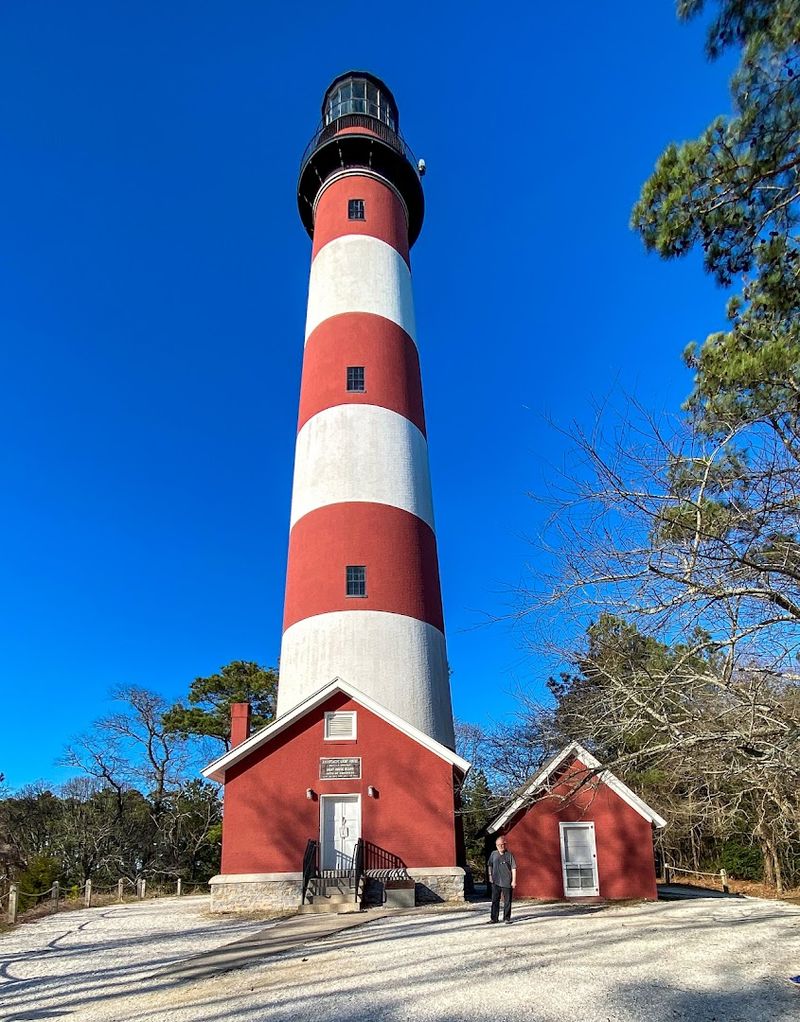
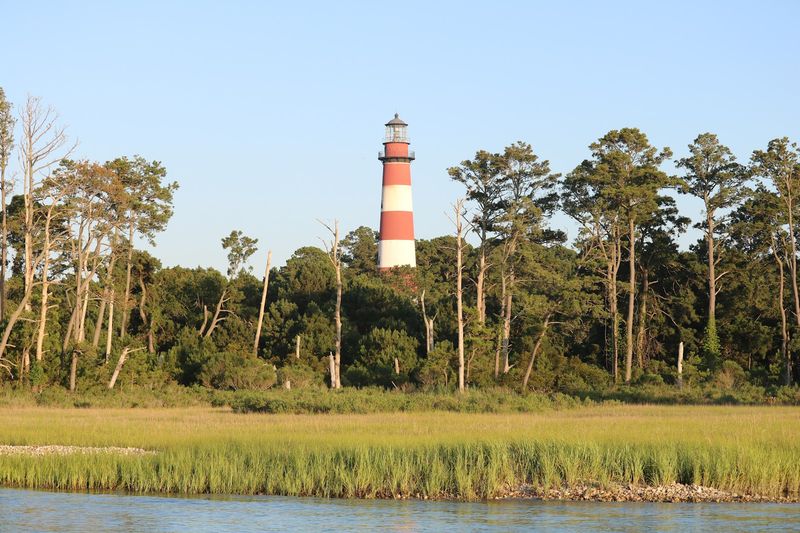
Standing tall above the maritime forest of Assateague Island, the Assateague Lighthouse is one of the most photogenic landmarks in all of Virginia. Its bold red and white spiral stripes make it instantly recognizable, and climbing to the top rewards you with sweeping views of the island, the marsh, and the Atlantic Ocean stretching endlessly to the east.
The climb involves roughly 140 feet of spiral stairs, so comfortable shoes and a decent level of fitness are helpful. At the top, the panoramic view of the refuge below is absolutely worth every step.
On clear days you can spot the marshes where the ponies roam, making it a surprisingly strategic pony-spotting vantage point.
The trails surrounding the lighthouse weave through coastal shrub habitats where bald eagles and osprey are frequently spotted circling overhead. This area of the refuge feels particularly timeless, with the lighthouse anchoring the landscape against the surrounding wilderness.
Chincoteague National Wildlife Refuge does a wonderful job of maintaining access to the lighthouse while preserving the natural character of the land around it. Plan to spend at least an hour exploring this corner of the refuge properly.
Birding Paradise Along the Swan Cove Trail
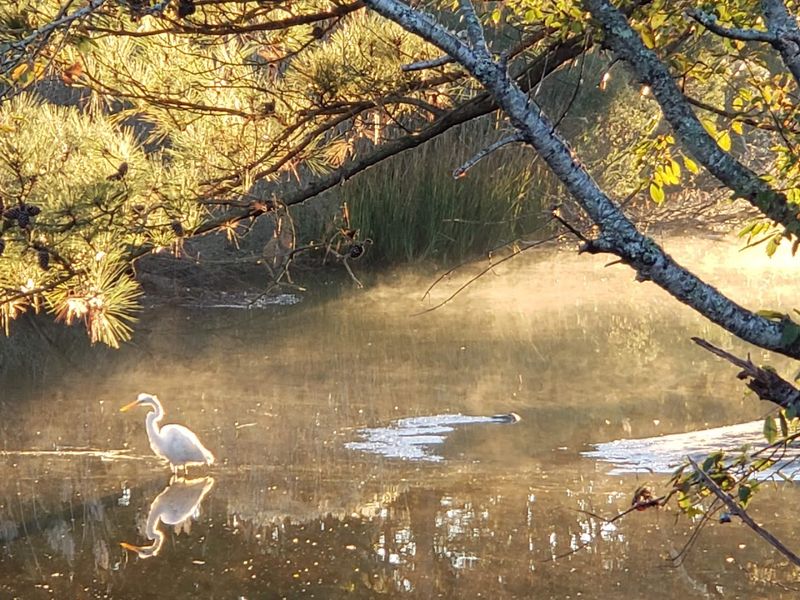
Chincoteague National Wildlife Refuge was originally established to protect migratory birds, and the Swan Cove Trail is living proof that this mission has been wildly successful. This coastal trail winds along a stretch of beach and marsh that feels almost untouched, even after major storms have battered the surrounding shoreline.
Plovers, cormorants, egrets, bald eagles, and countless songbirds treat this trail like their personal runway. Birders with zoom lenses and serious life lists absolutely love this corner of the refuge.
The trail is quieter than the Wildlife Loop, which means the birds here tend to be more relaxed and easier to observe up close.
Swans, as the trail name suggests, do appear here with some regularity, and spotting one gliding through the calm marsh water is a genuinely magical moment. The refuge hosts a remarkable variety of species across all four seasons, making it a year-round destination for anyone with even a casual interest in birds.
Early morning visits reward the most patient observers, when the light is soft, the air is still, and the marsh practically hums with activity. Virginia birding does not get much better than this.
Biking Through the Refuge on Two Wheels
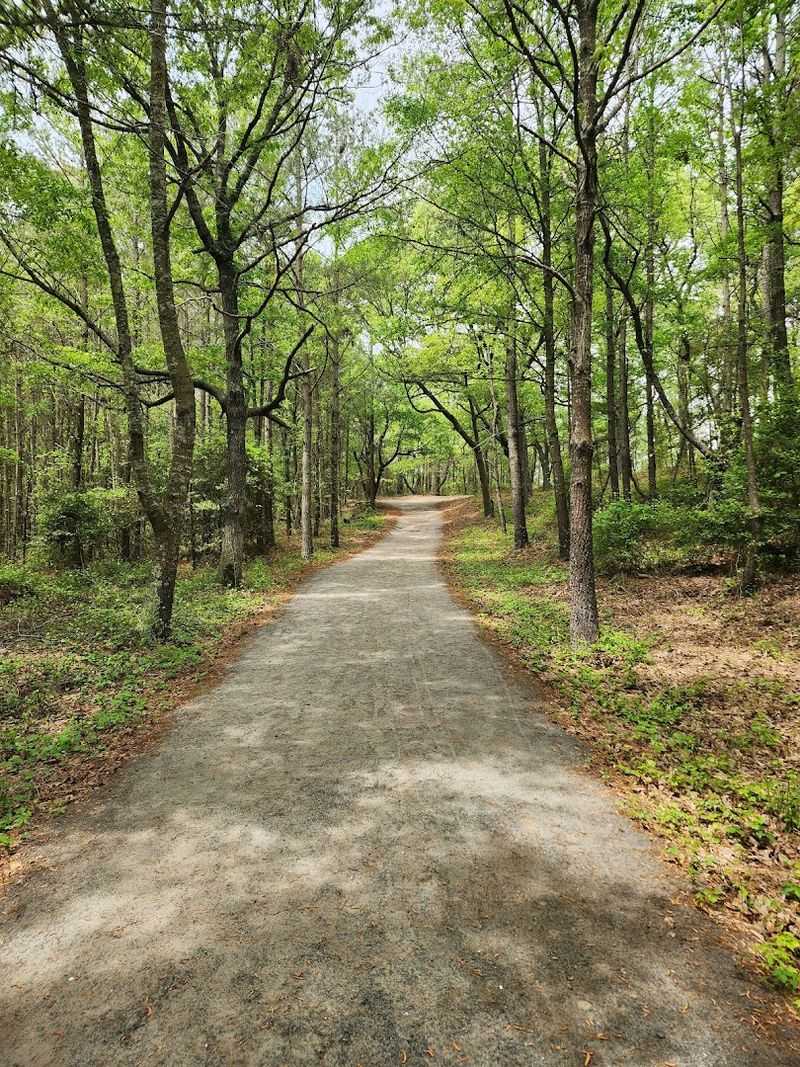
Honestly, biking might be the single best way to experience the full scope of Chincoteague National Wildlife Refuge. The network of paved and gravel paths stretches across the island, giving cyclists access to marshes, forests, beach approaches, and pony-grazing zones that foot traffic alone cannot easily cover in a single day.
Road bikes handle the paved Wildlife Loop and Beach Road beautifully, while mountain or gravel bikes open up the longer gravel service roads leading toward the northern herd. That northern route is a roughly seven-and-a-half-mile one-way gravel path, and reaching the ponies at the end of it feels like a genuine adventure earned.
Local outfitters in Chincoteague town rent bikes by the hour or by the day, making it easy to gear up even if you arrive without your own wheels. Cycling also has one major practical advantage over walking: moving faster through the buggier sections of trail means fewer mosquito encounters, which is a very real quality-of-life upgrade in summer.
The combination of fresh salt air, quiet paths, and the occasional wild pony appearing around a bend makes every pedal stroke feel completely worthwhile.
The Pristine Beach at Chincoteague National Wildlife Refuge
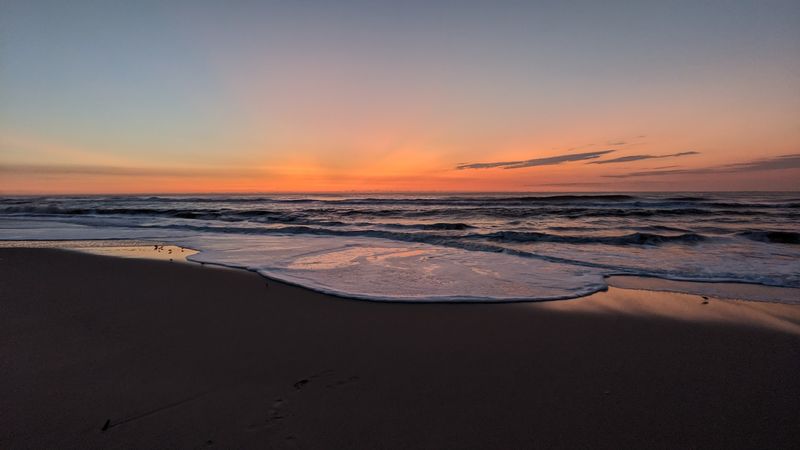
Not every great beach comes with a parking lot full of umbrellas and a playlist blasting from the next blanket over. The beach inside Chincoteague National Wildlife Refuge is the kind of coastline that makes you exhale the moment you step onto it.
No boardwalks, no loud music, no food vendors hawking overpriced snacks. Just wide, clean sand, the Atlantic rolling in steadily, and the kind of peaceful emptiness that feels increasingly rare along the East Coast.
The refuge manages access carefully to protect the nesting habitats of shorebirds and sea turtles, which keeps crowds naturally in check.
Swimming is allowed at designated beach areas, and the water quality here is consistently excellent. Sunrise visits are particularly spectacular, when the sky turns pink and orange over the ocean and the only footprints in the sand are yours.
The beach also offers a completely different perspective on the refuge itself, since looking back toward the island from the water’s edge reveals the full sweep of dunes, maritime forest, and marsh that make this place so special. Virginia’s coastline has plenty of beautiful spots, but few match the raw, undisturbed character of this one.
The Refuge Trek Bus Tour for Easy Pony Viewing
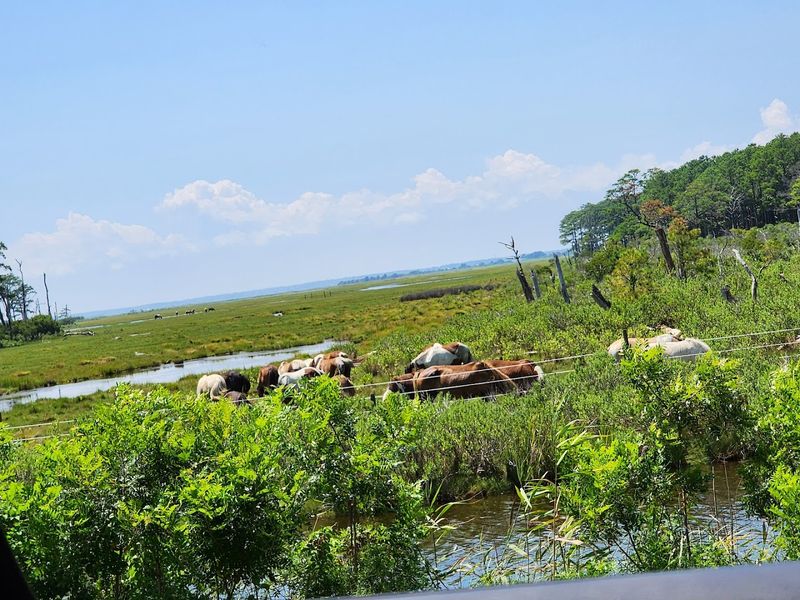
Not everyone wants to hike several miles through mosquito territory to catch a glimpse of wild ponies, and that is completely understandable. The Refuge Trek Bus Tour exists precisely for those moments, offering a guided ride through the refuge that takes visitors into areas not easily reached by foot or personal vehicle.
The bus tours are a genuinely smart option for families with young kids, anyone with limited mobility, or first-time visitors who want a solid orientation to the refuge before exploring independently. Knowledgeable guides point out wildlife along the route and share context about the ponies, the birds, and the ecological importance of the island’s various habitats.
Pony sightings on these tours are not guaranteed, because the animals roam freely and follow no schedule. That said, the guides know the refuge well and navigate toward areas where the herds are most likely to be active on any given day.
Combining a bus tour on your first visit with independent biking or hiking on a second day is a strategy that works extremely well for getting the most out of Chincoteague National Wildlife Refuge. Booking ahead during peak summer months is a smart move to avoid disappointment.
Planning Your Visit to Chincoteague National Wildlife Refuge
Getting the most out of a trip to Chincoteague National Wildlife Refuge takes a little planning, and the effort pays off enormously. The refuge is open daily from 6 AM to 6 PM, giving early risers a fantastic advantage when it comes to wildlife sightings in the calm morning light.
Admission is charged during peak season, so arriving with cash or card is wise. Dogs are not permitted inside the refuge, which is worth knowing before loading up the family car.
Bug spray with DEET is not optional here, especially on the wooded and marshy trails from late spring through early fall. Pack it generously and reapply often.
Binoculars and a camera with a decent zoom lens dramatically improve the experience, since the ponies often graze several hundred yards from the trail. The refuge is located at 8231 Beach Road, Chincoteague, Virginia 23336, and can be reached by phone at 757-336-6122.
The official website at fws.gov/refuge/chincoteague has updated information on seasonal conditions and special events. Virginia nature travel rarely delivers this much variety in one place, from wild ponies and migratory birds to lighthouse climbs and pristine Atlantic beaches, all wrapped up in one unforgettable coastal refuge.
