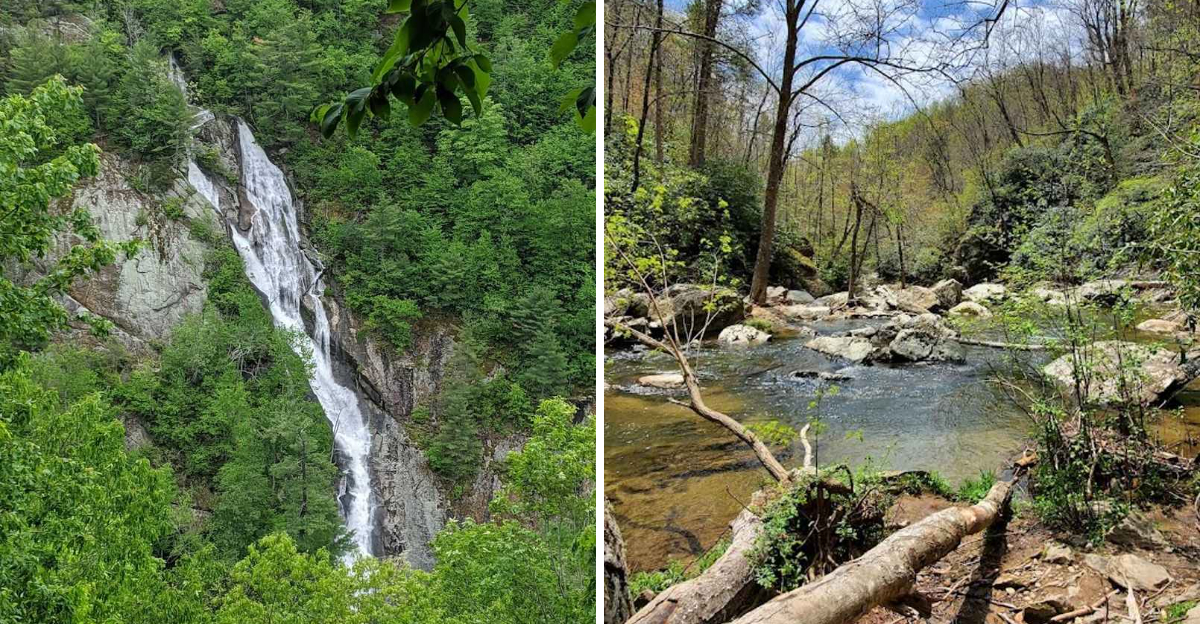
You would walk right past this place if you did not know any better. That is the whole charm of it.
The trail drops you into a hidden pocket of the world where trees have been standing for centuries without bragging about it. Then you hear the roar long before you see the water.
The second highest waterfall in the state just appears like a surprise guest who actually improves the party. The old hemlocks overhead make everything feel cool, quiet, and slightly magical.
It is the kind of hike that makes you feel like you discovered something, even though the map knew it all along.
Bent Mountain Falls: Virginia’s Jaw-Dropping Second Act
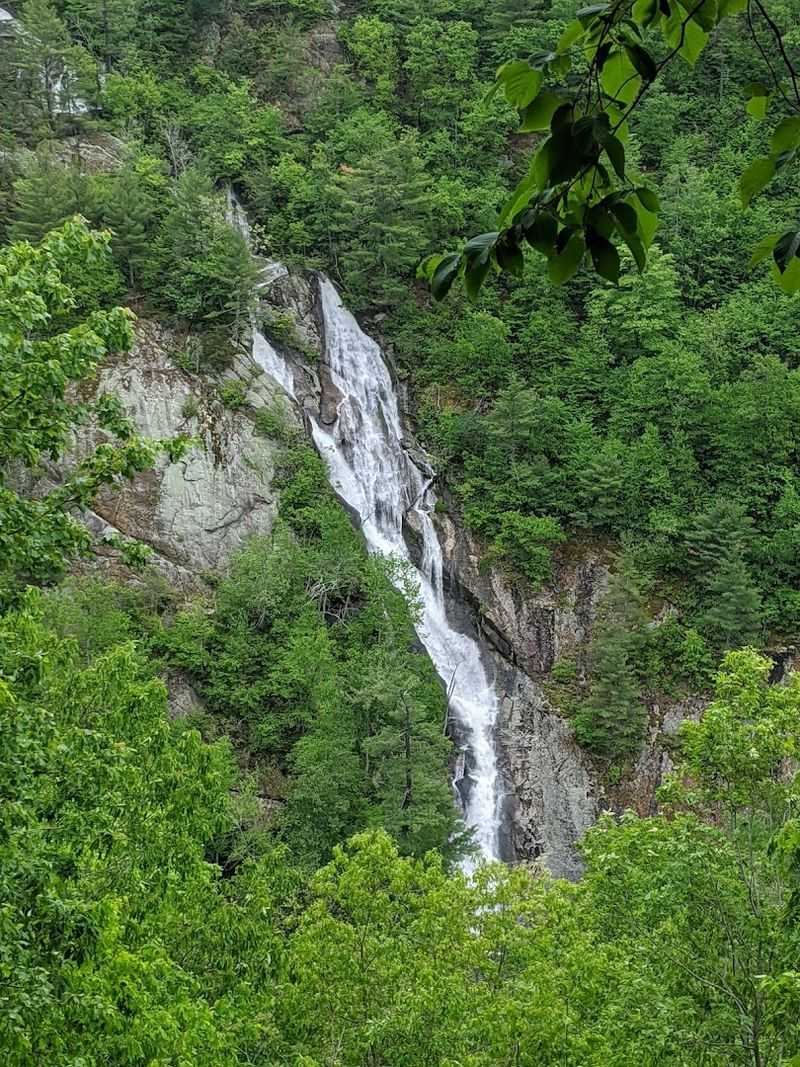
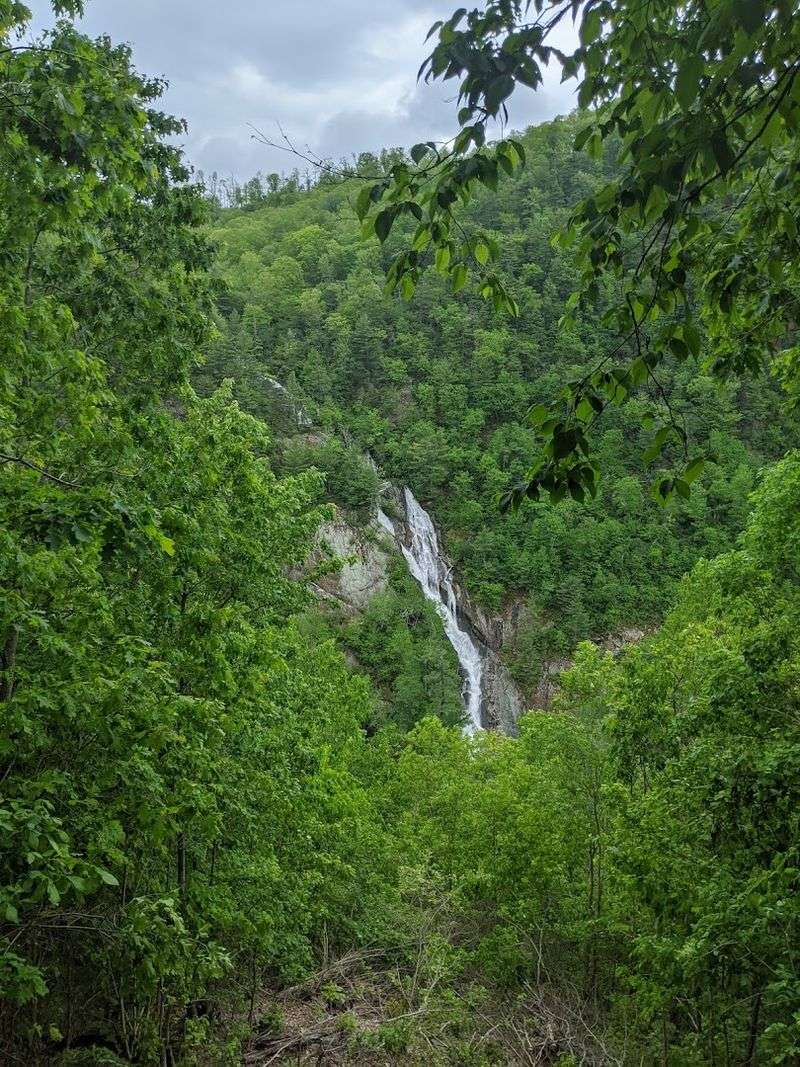
Standing at the overlook above Bent Mountain Falls, I genuinely forgot to breathe for a moment. Camp Creek hurls itself off the ridge and drops nearly 200 feet into Bottom Creek below, making this the second-highest single-drop waterfall in all of Virginia.
The sheer scale of it is something photographs simply cannot capture honestly.
The falls are formed where Camp Creek meets the edge of the gorge and surrenders completely to gravity. Mist floats upward from the base, and the roar of the water echoes through the surrounding forest in a way that feels almost theatrical.
Visiting after heavy rainfall rewards you with maximum volume and power.
No railings exist at the overlook, so the drop-off is real and immediate. Keep a firm grip on curious kids and stay well back from the edge.
The natural seating along the rocky overlook makes it a perfect spot to sit, stare, and fully absorb one of Virginia’s most underrated natural spectacles. Seriously, this waterfall deserves far more fanfare than it gets.
The Old-Growth Hemlock Forest That Time Forgot
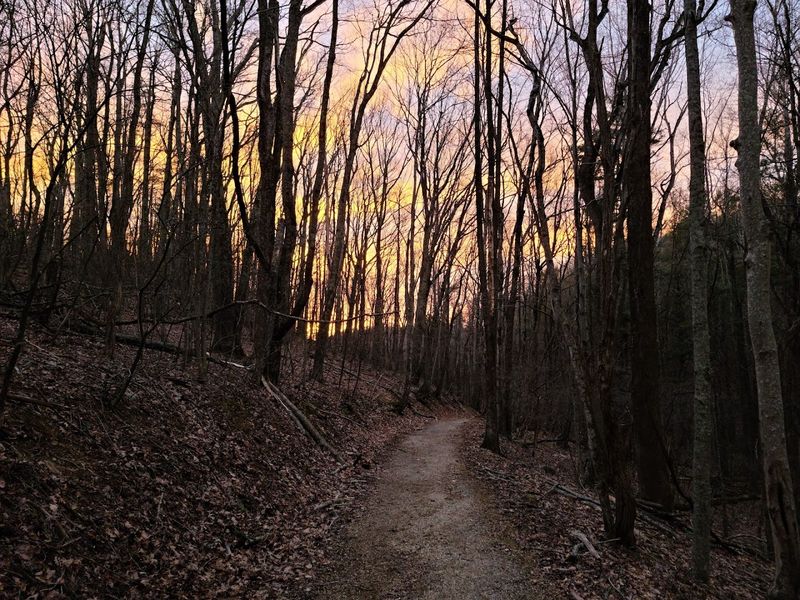
Most forests in Virginia have been logged, cleared, or reshaped by human hands at some point in history. The hemlock forest inside Bottom Creek Gorge Preserve is a rare exception, and walking through it feels genuinely different from any other woodland experience in the state.
These trees have been growing, falling, and regenerating on their own terms for centuries.
The gorge’s steep and rugged terrain made logging impractical, which accidentally turned this place into a living time capsule. Eastern hemlocks tower overhead, their feathery branches creating a cool, cathedral-like canopy that blocks out most of the sky.
The forest floor underneath is layered with moss, ferns, and decomposing wood, all teeming with life.
Old-growth forests like this one provide critical habitat for species that cannot survive in younger, managed woodlands. Rare plants, nesting birds, and specialized insects all depend on the complex structure that only centuries of undisturbed growth can create.
The Nature Conservancy manages Bottom Creek Gorge Preserve specifically to protect ecosystems this irreplaceable. Walking through here is not just a hike, it is a privilege that very few Virginians even know exists.
The Three Trails That Each Tell a Different Story
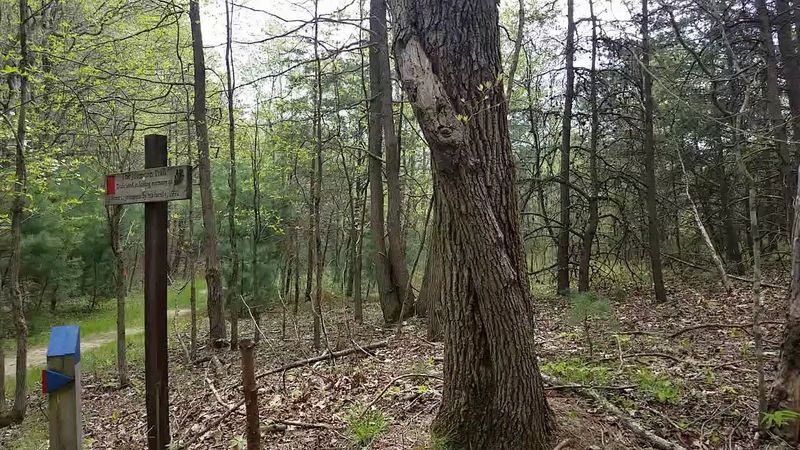
Bottom Creek Gorge Preserve offers three distinct trails, and each one rewards you with a completely different perspective on this remarkable landscape. The Knight Trail, blazed in yellow, winds down toward Bottom Creek itself, where rocky outcrops and rushing water make for some seriously satisfying creek-side wandering.
Stone stairs carved into the hillside add a charming, old-world touch.
The Johnston Trail, marked in red, is the route to take if Bent Mountain Falls is your main goal. It leads to the gorge overlook and offers the most dramatic views in the preserve.
Expect some elevation change and a few sections that will get your heart rate up in the best possible way.
The Duval Trail, blazed in blue, is a more contemplative experience. It meanders through quieter parts of the preserve, passing remnants of old structures and a historic cemetery that adds unexpected layers of human history to the natural setting.
Stringing all three trails together into a full loop covers around four miles total, hitting every highlight the preserve has to offer. Trail markers are clear and consistent, so getting turned around is unlikely even for first-timers at Bottom Creek Gorge Preserve.
The Kettles: Where the Creek Gets Dramatically Creative
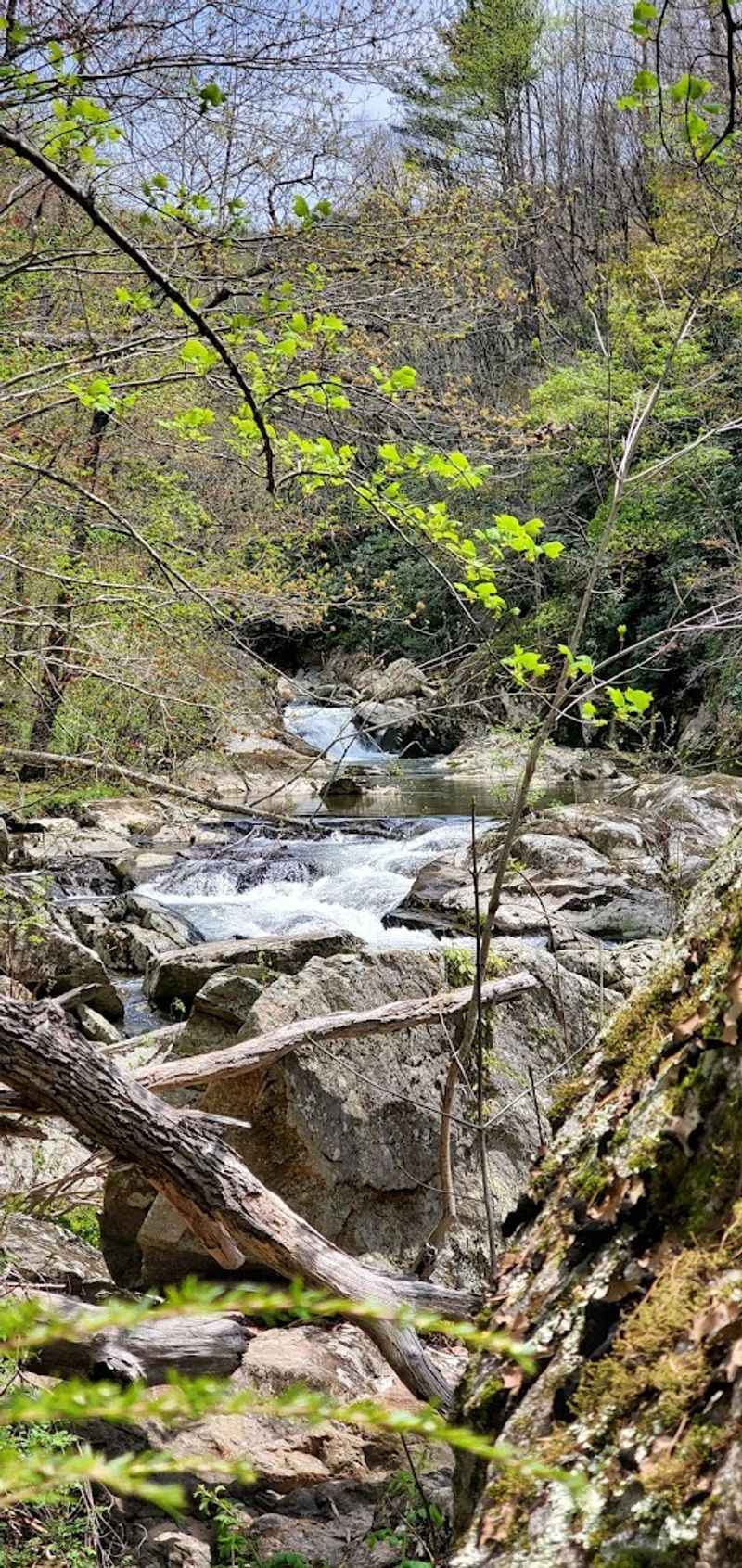
Bent Mountain Falls gets most of the attention, but Bottom Creek has another trick up its sleeve that stops hikers cold. Along the yellow-blazed Knight Trail, the creek creates a series of broad-basin waterfalls known as the Kettles, where water swirls into smooth, bowl-shaped depressions carved by centuries of erosion.
The effect is hypnotic.
Each Kettle formation is slightly different in shape and scale, and the sound of water cascading through them creates a layered, almost musical backdrop to the hike. Rocky spots along the bank invite you to sit right at the water’s edge, dangle your feet, and soak in the scenery at a pace that actually lets your brain decompress.
The Kettles section of the trail is also one of the most photogenic stretches in the entire preserve. Light filters through the hemlock canopy and hits the water at angles that make every shot look intentional.
Even on a grey day, the contrast between dark rock and white rushing water is striking. For anyone who loves moving water in its most playful form, this stretch of Bottom Creek Gorge Preserve absolutely delivers.
Pack extra memory cards for your camera.
Wildlife and Plant Life That Will Genuinely Surprise You
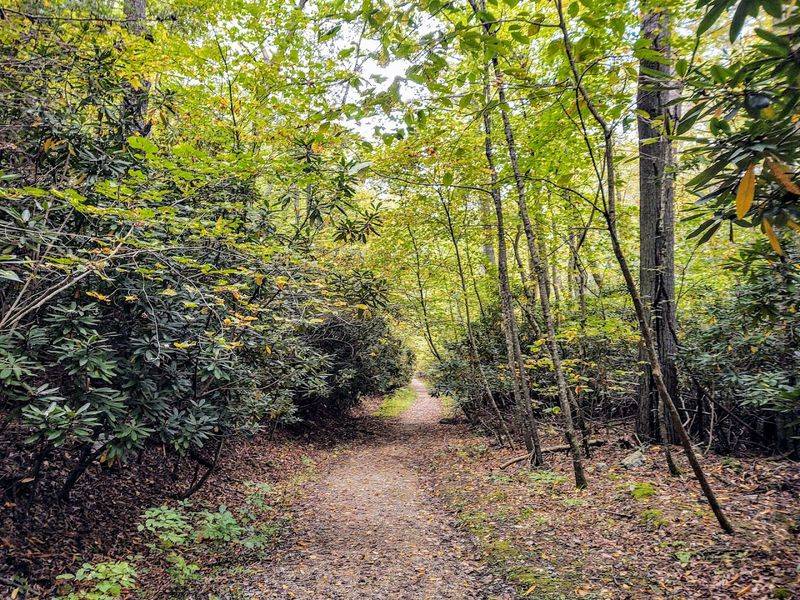
The ecological diversity packed into Bottom Creek Gorge Preserve is genuinely staggering for a place of its size. The combination of a deep gorge, old-growth forest, and clean flowing water creates a mosaic of microhabitats that support an extraordinary range of species.
Rhododendron thickets line the creek banks and bloom spectacularly in late spring.
White-tailed deer appear regularly along the back trails, especially during early morning and late evening hours. The preserve’s undisturbed character makes wildlife sightings far more common here than on busier public trails.
Birders will find the hemlock canopy particularly productive, as species that depend on mature conifer habitat concentrate here in notable numbers.
The plant diversity alone is worth the trip for anyone with even a passing interest in botany. Rare fern species, native wildflowers, and specialized mosses colonize every available surface throughout the gorge.
The Nature Conservancy protects this preserve precisely because its ecological complexity cannot be replicated or easily restored once disturbed. Virginia has many beautiful natural areas, but few that pack this level of biological richness into a single accessible location.
Bottom Creek Gorge Preserve is genuinely one of the state’s most important living laboratories.
A Historic Cemetery Hidden Along the Blue Trail
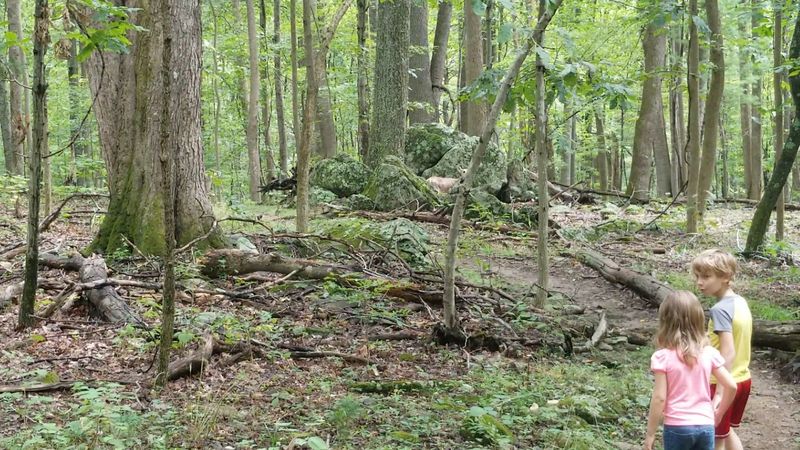
Not every surprise inside Bottom Creek Gorge Preserve involves water or wildlife. Tucked along the blue-blazed Duval Trail, a historic cemetery sits quietly among the trees, its weathered markers almost completely absorbed by the surrounding forest.
It is the kind of discovery that stops you mid-stride and makes the whole hike feel suddenly bigger and more layered.
The cemetery is believed to be connected to an old settlement in the area, with remnants of log cabin structures scattered nearby along the trail. These crumbling foundations and stone walls tell a story of people who lived and worked in this gorge long before it became a protected natural area.
History and nature overlap here in a way that feels genuinely moving.
Stumbling across this graveyard during an otherwise standard forest hike is the sort of unexpected moment that makes outdoor exploration so addictive. It adds a quiet, reflective dimension to the Duval Trail that contrasts beautifully with the more dramatic scenery elsewhere in the preserve.
Virginia has a deep and complicated history woven into its landscapes, and Bottom Creek Gorge Preserve carries some of that weight in its most hidden corners. Walk slowly on this trail.
You will want to.
The Preserve’s Seasonal Moods: Every Visit Feels Brand New
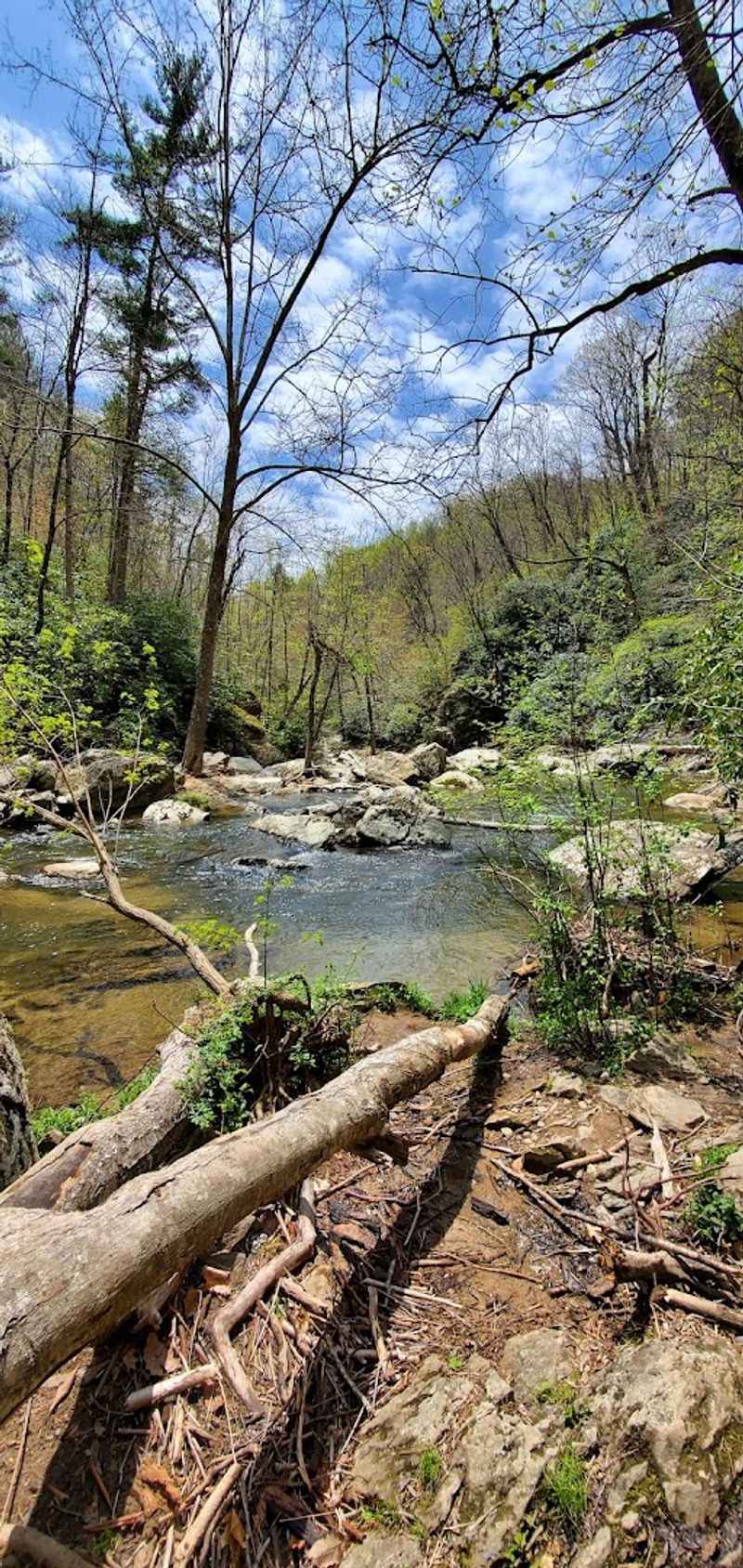
Few places in Virginia shift personalities as dramatically with the seasons as Bottom Creek Gorge Preserve. Spring brings an explosion of wildflowers and rhododendron blooms, and the creek runs full and fast from snowmelt and rain.
The forest canopy is just leafing out, letting light reach the trail floor in ways that feel almost celebratory.
Summer wraps the gorge in a thick green canopy that creates welcome shade on hot days. The hemlock forest in particular stays noticeably cooler than the surrounding landscape, making midsummer hikes here far more comfortable than you might expect.
Creek access along the yellow trail turns into a natural cooling station.
Autumn is arguably the showstopper season. Foliage strips back the canopy and suddenly Bent Mountain Falls becomes dramatically more visible from the overlook, framed by bare branches and patches of brilliant color clinging to the gorge walls.
A Christmas Day hike here delivers a completely stripped-down, raw version of the landscape that has its own stark beauty. Winter visits often mean having the entire preserve to yourself, which is its own remarkable reward.
Bottom Creek Gorge Preserve earns its magic year-round without even trying particularly hard.
What to Know Before You Hike: Rules and Practical Tips
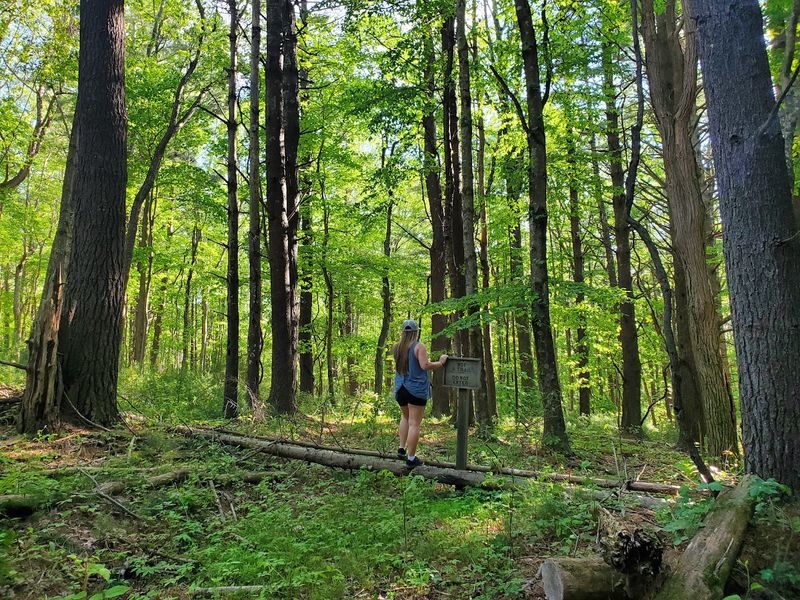
A few ground rules at Bottom Creek Gorge Preserve are worth knowing before you show up at the gate. Dogs are not permitted anywhere in the preserve, and this is a firm rule enforced to protect the sensitive plant communities along the trails.
Canine waste and territorial marking can disrupt soil chemistry in ways that genuinely harm rare vegetation. Leave your furry companions home for this one.
The preserve opens daily at 9 AM and closes at 8 PM, so early morning and late afternoon visits are both very workable. Parking is limited to a small gravel area near the gate, and from there you walk about half a mile up a gravel road before reaching the actual trailheads.
Arriving early on weekends is smart, as the lot fills quickly during peak seasons.
Cell service is unreliable or completely absent inside the gorge, so downloading a trail map before you leave home is genuinely useful advice rather than optional caution. Wear sturdy shoes with real grip, especially for the red trail near the overlook.
The terrain near the waterfall viewpoint drops steeply with no barriers. Bottom Creek Gorge Preserve rewards prepared hikers generously, and the experience is well worth the modest effort of planning ahead.
Why The Nature Conservancy Chose This Gorge to Protect
The Nature Conservancy does not protect just any pretty patch of forest. Bottom Creek Gorge Preserve earned its place in their portfolio because of a convergence of rare ecological features that simply do not occur together very often in Virginia.
The old-growth hemlock forest alone would justify protection, but pair it with a major waterfall, pristine creek water, and rare plant communities, and the case becomes overwhelming.
Bottom Creek itself is recognized as one of the cleanest and most ecologically intact streams in the entire region. The water quality here supports sensitive aquatic species that vanish quickly when pollution or development enters a watershed.
Protecting the land around the creek is essentially protecting the creek itself, and everything downstream that depends on it.
The preserve spans over 1,600 acres, giving the ecosystem enough room to function naturally without the pressures of fragmentation that threaten smaller protected areas. Virginia has lost enormous amounts of its original forest cover over the centuries, making intact landscapes like Bottom Creek Gorge Preserve increasingly rare and increasingly valuable.
The Nature Conservancy’s stewardship here represents exactly the kind of long-term thinking that keeps extraordinary places extraordinary for future generations who will be glad someone cared enough to act.
Getting There and Making the Most of Your Visit
Reaching Bottom Creek Gorge Preserve takes a little navigation, but the drive through Montgomery County’s rolling countryside is genuinely part of the experience. From Roanoke, head south on Route 419 through Salem, then connect to Route 221 at Cave Spring and follow it south.
Eventually Route 644, County Line Road, leads you toward the preserve entrance on Route 669, Patterson Drive.
The preserve address is located near Shawsville, Virginia, and the gravel driveway leads up to a gate where parking is available roadside. From there, a half-mile walk up the gravel access road brings you to the trailheads.
Budget at least three hours for a thorough exploration of all three trails and the waterfall overlook.
Pack water, snacks, and comfortable layers regardless of the season, since the gorge creates its own microclimate that can feel several degrees cooler than the surrounding area. A downloadable trail map from The Nature Conservancy’s website is your best navigation tool given the spotty cell coverage.
The preserve address is n37 91298 w80 83627, near Shawsville, VA 24162. Virginia rewards those who venture off the main roads, and Bottom Creek Gorge Preserve is proof that the state’s most spectacular natural places are often the ones hiding in plain sight.
Go find it for yourself.
