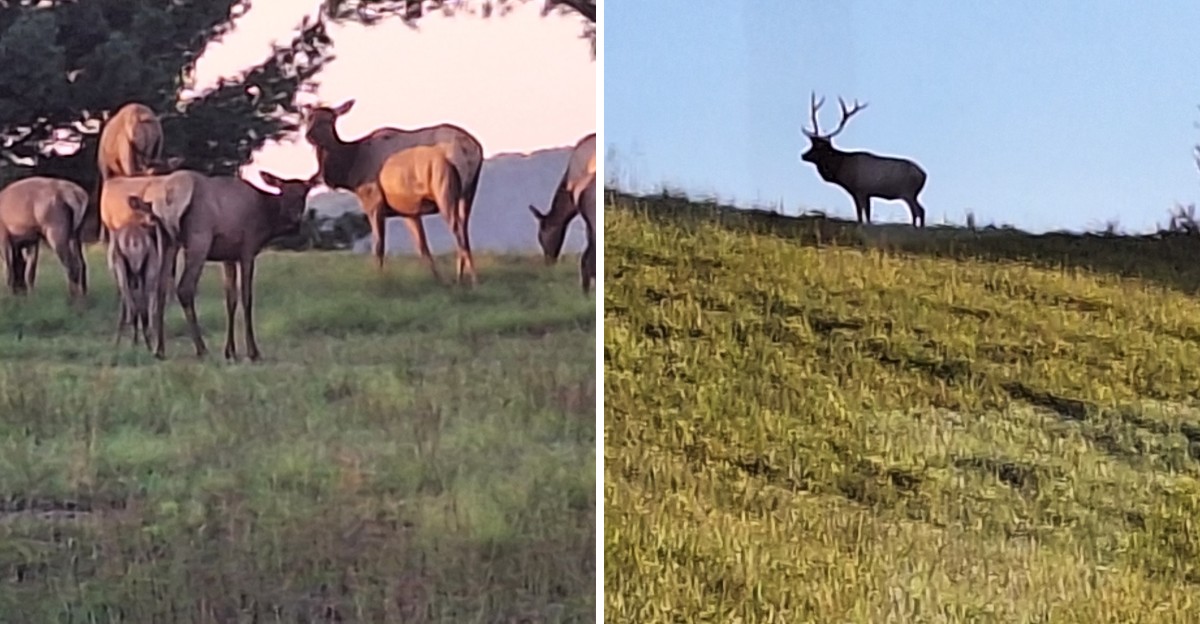
Hearing an elk bugle is one of those experiences that stays with you. The sound carries across the meadow, deep and haunting, a call that echoes off the surrounding hills.
This Virginia meadow is one of the best places to hear it, especially in the fall when the mating season begins. The viewing area is set up for visitors, with pull-offs and observation points where you can watch the elk without disturbing them.
Early morning and late evening are the best times to visit, when the animals are most active. Bring binoculars and a camera, and dress for the weather.
The meadow is quiet and peaceful, a reminder of the wild places that still exist in the state. Virginia has plenty of wildlife spots, but this one offers a sound you will not forget.
The Bugle That Sounds Nothing Like You Expect
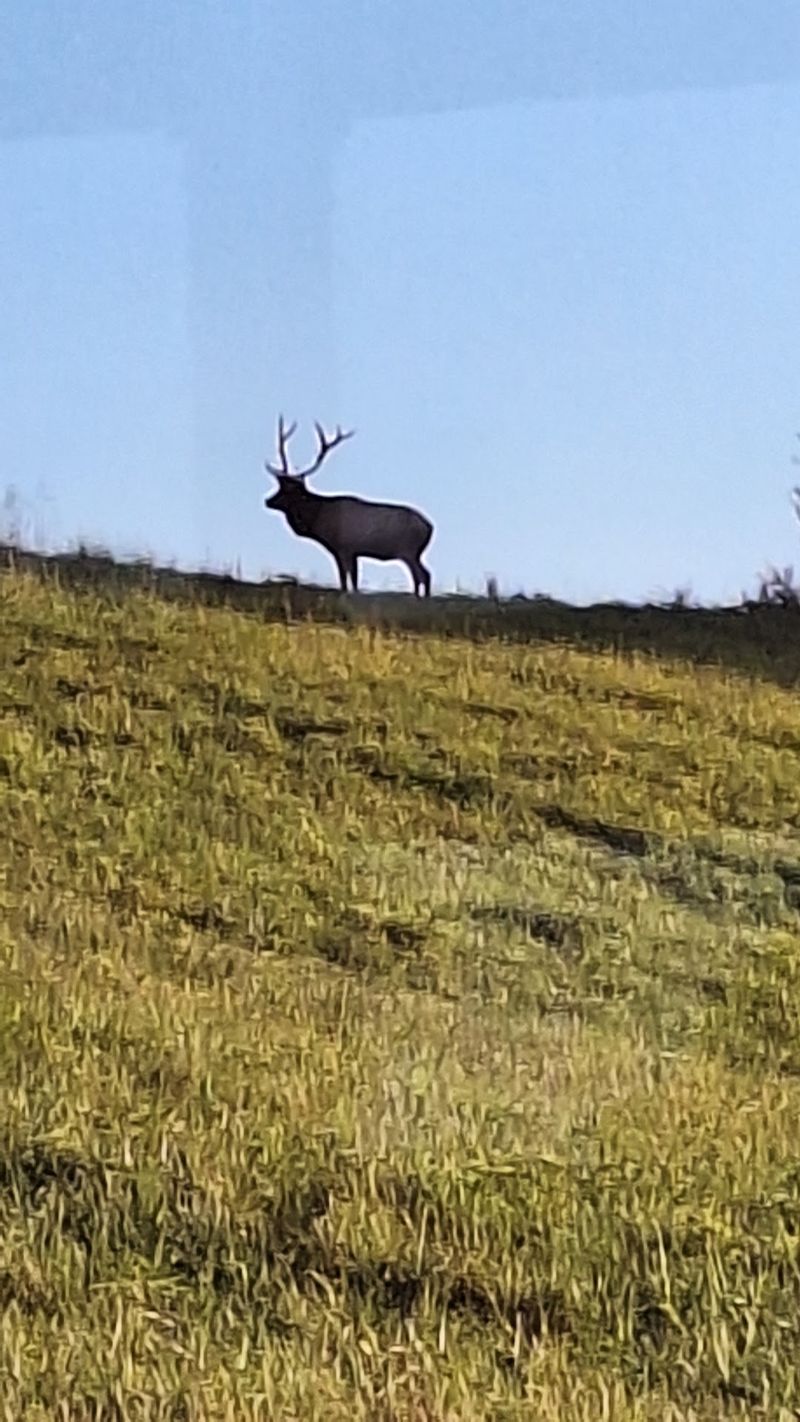
Forget the deep roar you picture in your head. A bull elk’s bugle starts low, climbs into a piercing whistle, then drops into a series of grunts that sound almost mechanical.
Autumn is mating season, and that call is a bull announcing his size, his mood, and his willingness to argue about it. Cool, still evenings carry the sound farthest, which is why the ridges around Vansant become an open-air amphitheater once the temperature drops.
Stand quietly in the grass and you may hear two or three bulls answering each other from different hillsides. The echo bouncing between hollows makes the whole valley feel occupied.
Bring patience instead of noise. Elk have excellent hearing, and a slammed car door can silence an entire meadow for several minutes.
Peak bugling activity generally runs through September and into October, tapering as the rut winds down. Early morning and the last hour before dark are your strongest windows.
Nowhere else in Virginia offers this exact soundtrack. The Buchanan County Elk Viewing Area is the state’s front-row seat, and it costs you nothing but an early alarm.
A Coal Mine Turned Grassland Playground
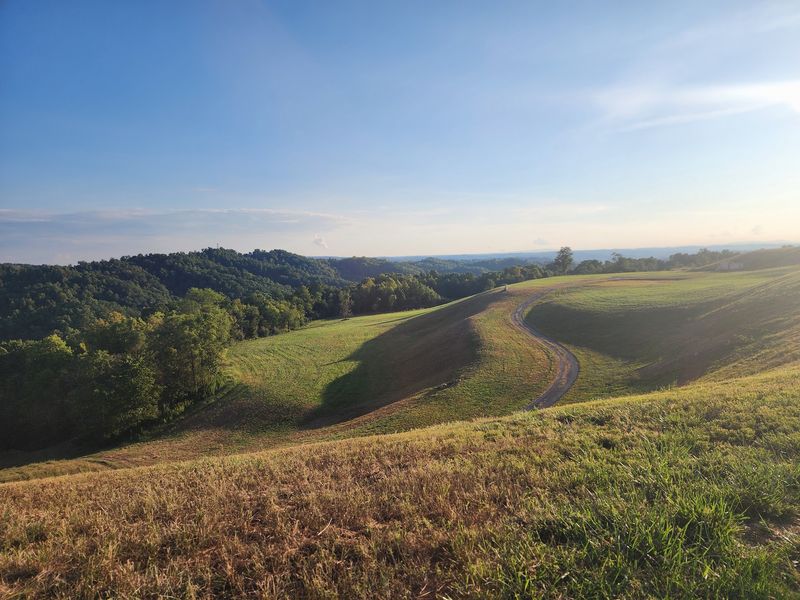
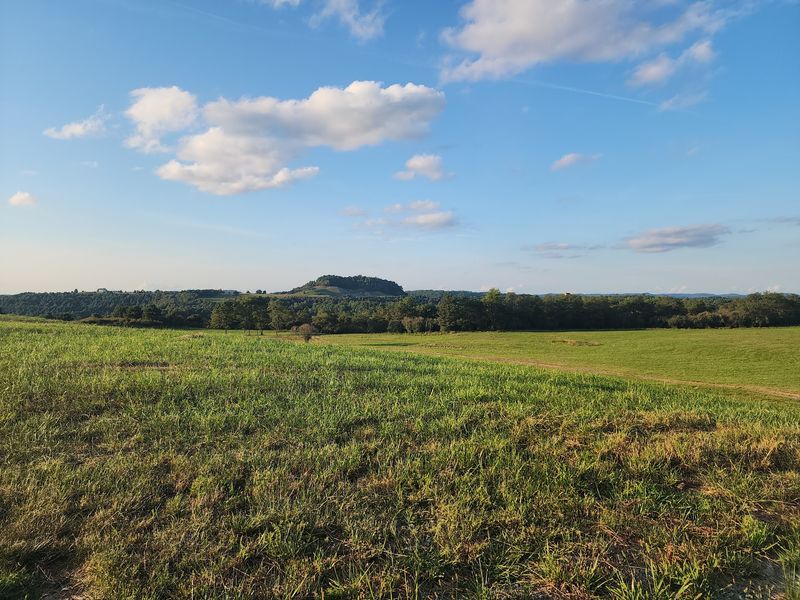
Here is the twist that makes this place special. The meadows where elk graze were once active surface mines, stripped flat and left open to the sky.
Reclamation work seeded those benches with grasses and forbs, accidentally creating something Appalachia had lost, wide open pasture surrounded by thick forest. Elk adore that combination, grazing in the open and retreating into timber for cover.
Virginia’s elk restoration effort centers on this landscape in the far southwest coalfields, with the Virginia Department of Wildlife Resources managing the habitat and the herd.
Walk the edges and you notice the layers. Native warm season grasses, scattered shrubs, small water sources, and clover plots that pull animals into view.
The terrain still tells its industrial story. Flat benches stack up the mountainside like giant steps, and gravel haul roads now serve as wildlife viewing routes.
Few destinations flip the script this thoroughly. Land once written off as ruined now draws people from across Virginia and well beyond, purely to watch animals graze at sunset.
Bring appreciation for the second act. It is the whole point.
Guided Elk Tours Out Of Breaks Interstate Park
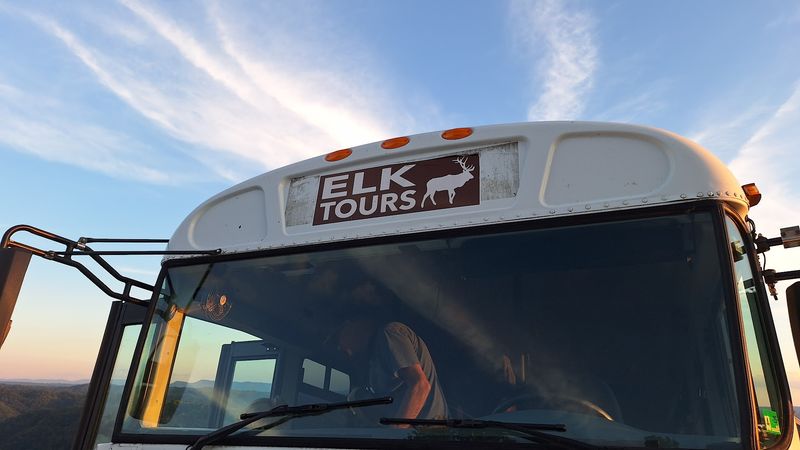
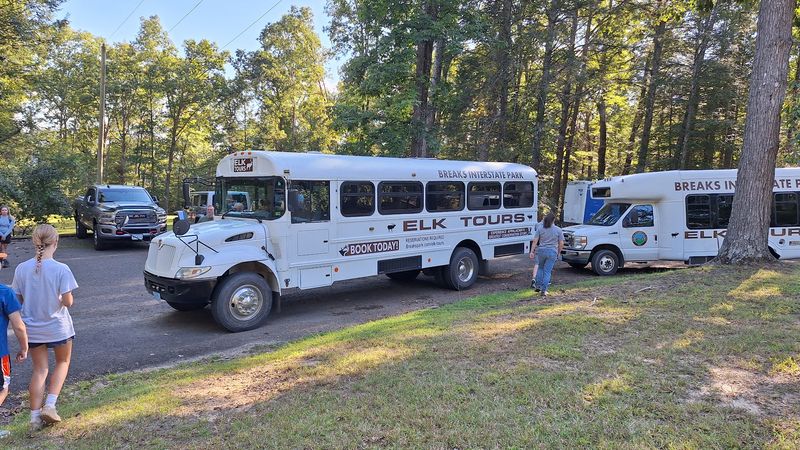
Want the easiest route to elk? Guided tours departing from nearby Breaks Interstate Park handle the driving, the gates, and the knowing-where-to-look part.
Groups load onto a bus, roll out in the late afternoon, and spend roughly an hour and a half on gravel roads scanning the benches. A naturalist explains how elk returned to these mountains and what the herd needs to thrive.
There are stops along the way where you can step off and photograph the landscape, which beats craning your neck through a window.
Seats disappear fast during autumn, so booking well ahead is the difference between a great evening and a long drive home. Fall dates are the most competitive of the year.
Pack binoculars and a zoom lens. Distances stay respectfully large, and phone cameras struggle to capture animals grazing several hundred yards out.
Dress warmer than you think you need to. Mountain air in Virginia cools quickly once the sun drops behind a ridge.
Tours give the Buchanan County Elk Viewing Area context, turning a pretty view into a genuine conservation story you will repeat later.
Timing Your Visit For Maximum Drama
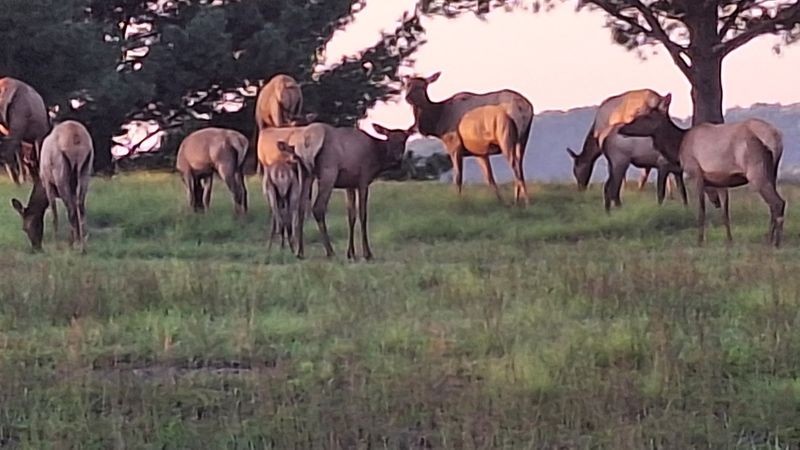
Elk keep a schedule, and it is not built around lunch breaks. Activity spikes at dawn and again in the final hour or two of daylight, when animals move from cover into open grass to feed.
Midday visits often deliver empty meadows and a lot of squinting. Plan around the edges of the day and your odds jump dramatically.
September through October brings the rut, meaning bugling, antler clashing, and bulls herding groups of cows with theatrical urgency.
Weather matters more than people expect. Overcast, cool days can stretch activity later into the morning, while hot afternoons push everything into the shade.
Fog is a wildcard. Some mornings it hides the grassland entirely, then lifts to reveal dozens of animals that were standing there the whole time.
Give yourself a buffer of extra time rather than a tight window. Wildlife watching rewards the person willing to sit still for another twenty minutes.
Autumn also lights up the surrounding hardwoods, so even a slow elk evening in this part of Virginia comes with a spectacular color backdrop rolling across every ridge.
Gear That Actually Earns Its Space In The Car
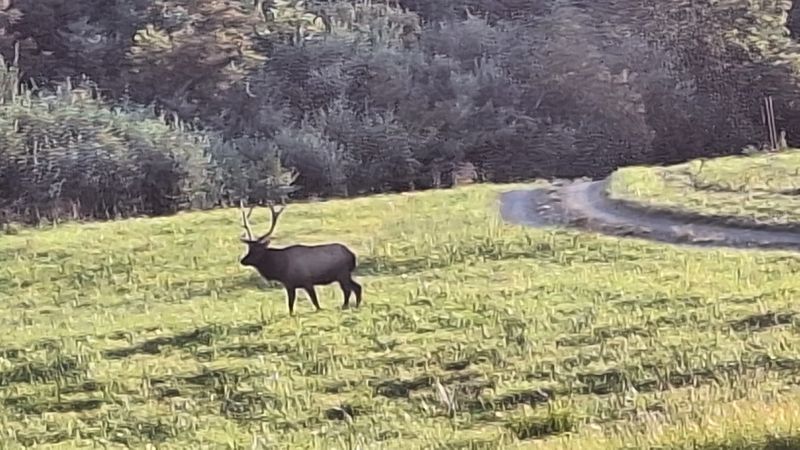
Binoculars do more heavy lifting here than any other item you can carry. Elk stay at a distance, and magnification turns brown specks into animals with personality.
A zoom or telephoto lens transforms photos from disappointing to frame-worthy. Anything shorter and you will end up with a lovely picture of grass.
Layers are non-negotiable. Ridge-top evenings in southwest Virginia shed heat fast, and shivering ruins concentration.
Closed shoes with decent grip help on gravel and damp grass. Flip-flops and mountain benches do not get along.
Toss in a thermos of something warm, a small flashlight for the walk back, and insect repellent for early autumn evenings.
Leave the drone at home. Aircraft stress wildlife and are not welcome around managed elk habitat.
Quiet gear beats fancy gear. Rustling snack bags and loud zippers have ended more sightings than bad luck ever has.
One more tip worth following, charge everything before you leave town. Service is thin out here, and there is no convenient outlet waiting near the Buchanan County Elk Viewing Area when your battery gives up at sunset.
Elk Etiquette Nobody Should Skip
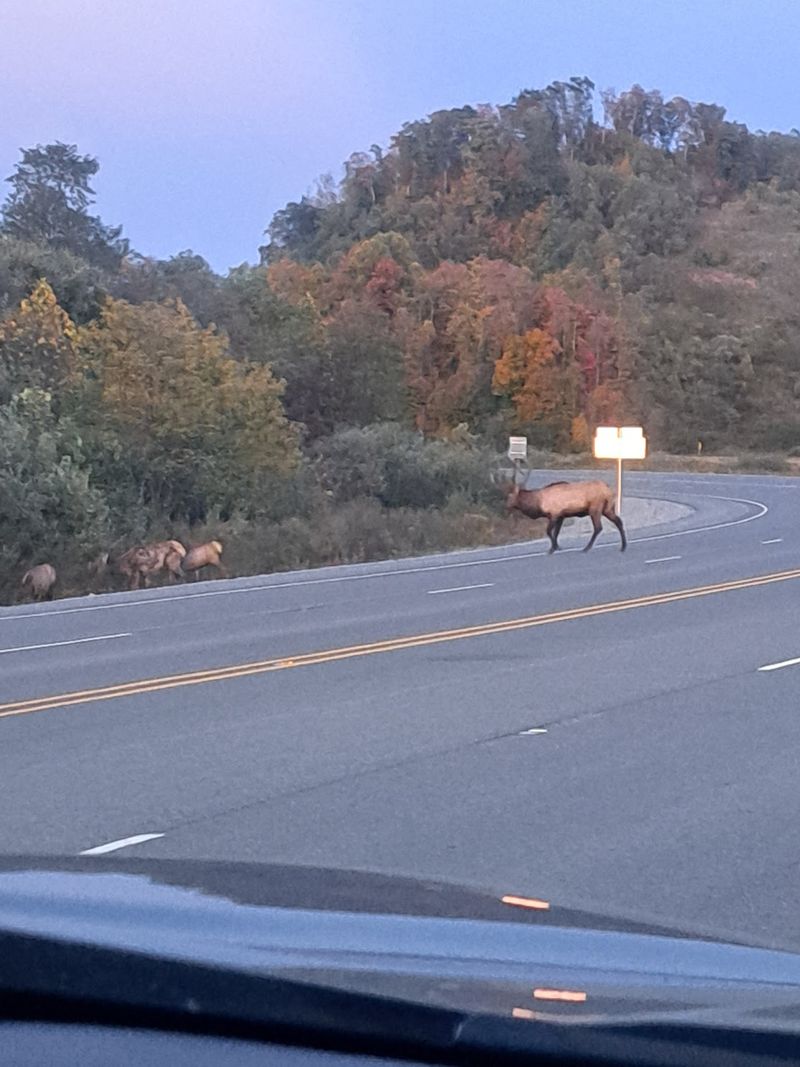
Bull elk during the rut are large, fast, and running entirely on hormones. Respecting distance is not politeness, it is basic self-preservation.
Stay in or near your vehicle where possible, keep voices low, and never attempt to move closer for a better angle. If an animal changes behavior because of you, you are too close.
Feeding wildlife causes real harm, drawing animals toward roads and creating dangerous habits that end badly for the elk.
Respect posted boundaries and closed gates. Portions of the conservation land carry access restrictions, and wandering off-route undermines the whole restoration effort.
Keep pets at home. Dogs read as predators and can spook an entire herd out of view for the evening.
Pack out everything you bring in, including tissue and snack wrappers.
Headlights and spotlights pointed at animals are off limits. Bright beams disorient wildlife and spoil the experience for everyone scanning the meadow nearby.
Good behavior keeps this Virginia success story open and welcoming. The herd exists because people committed to doing things carefully, and the same care applies to watching them.
Sunsets That Steal The Whole Show
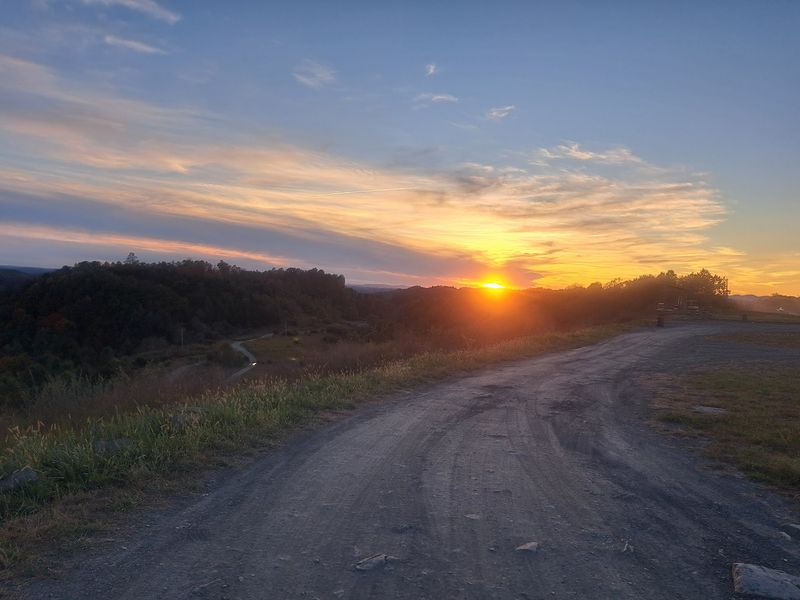
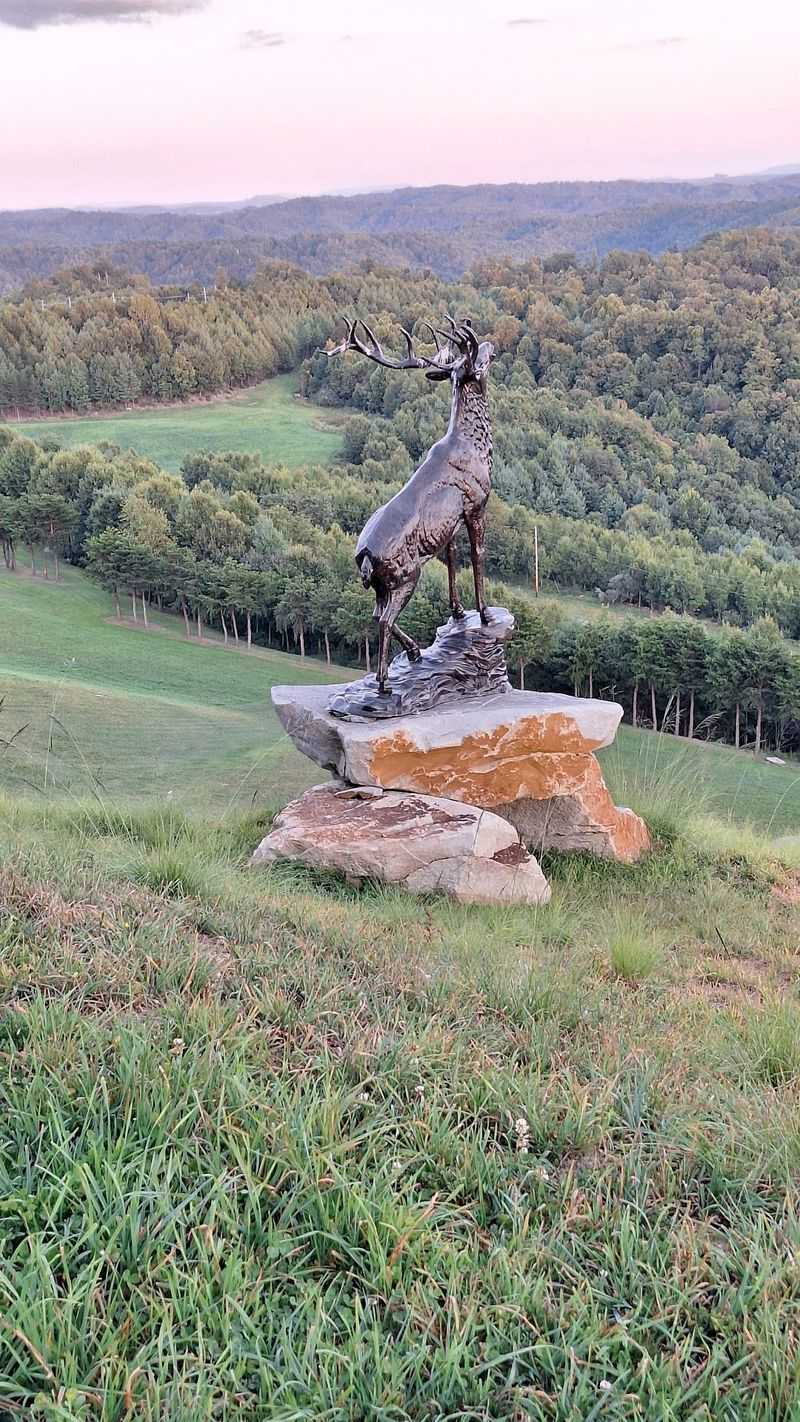
Some evenings the elk get upstaged. High benches sit above the surrounding hollows, giving you an unobstructed western horizon that turns molten as the sun sinks.
Layers of blue ridges stack toward the Kentucky line while mist pools in the valleys below. Photographers call that light golden hour, and up here it lingers.
Elk feeding in that glow make for the kind of scene you keep scrolling back to on your phone weeks later.
Autumn adds another dimension. Maples and hickories on the slopes catch low light and practically glow orange.
Stay put after the sun disappears. Afterglow often peaks ten or fifteen minutes later, and the meadow goes completely quiet except for distant bugling.
Temperatures drop the second the light fades, which is the moment that extra jacket earns its keep.
Elevation is the secret ingredient. Flat mine benches sit hundreds of feet above the creeks, delivering views that would normally require a long hike in other parts of Virginia.
Arrive early, pick a spot, and let the sky do its thing.
Wild Turkeys, Whitetails And Other Supporting Cast
Elk hog the headlines, but the grasslands run a full ensemble. White-tailed deer browse the same benches, often appearing in numbers that rival the elk.
Wild turkeys strut the field edges in loose flocks, heads bobbing through the tall grass like they own the place.
Overhead, hawks ride thermals off the warm mine benches while ravens cruise the ridgelines making that distinctive croaking call.
Songbirds thrive in the open habitat too, including grassland species that struggle to find room in heavily forested country.
Black bears live throughout these mountains, so store food properly and stay alert on quiet gravel roads.
Bring a field guide or a bird app if you enjoy putting names to things. Slow stretches between elk sightings fill up fast once you start noticing everything else moving.
Habitat management benefits the whole community, not just the headliner species. Grasslands, forest edge, and water sources support a surprisingly long list of animals.
Pay attention during the lulls. Some of the best moments at the Buchanan County Elk Viewing Area involve animals you never planned on seeing at all.
Making A Weekend Of It In Southwest Virginia
Driving this far deserves more than one stop. Breaks Interstate Park sits within easy reach, guarding a deep river gorge that has earned the nickname Grand Canyon of the South.
Overlooks, hiking trails, lodging and a visitor center make it a natural base camp for elk outings.
Vansant and nearby Grundy give you fuel, supplies and a real sense of coalfield community life tucked into narrow river valleys.
Winding mountain highways connect it all, and the drives themselves qualify as scenery. Expect switchbacks, tunnels and creek-side stretches that slow you down in the best way.
Fill the tank whenever you get a chance. Stations thin out considerably once you leave the main routes.
Download maps ahead of time since mobile coverage disappears in the hollows.
Book lodging early for autumn weekends, when elk tours and leaf season collide.
Pair a morning hike with an evening in the grasslands and you have one of the most rewarding weekends available anywhere in Virginia, heavy on fresh air and light on crowds.
Where To Go And How To Plan It Right
Ready for logistics? The Buchanan County Elk Viewing Area sits at 5VX4+PM, Vansant, VA 24656, up in the coalfields of far southwest Virginia.
Check the Virginia Department of Wildlife Resources elk program page at dwr.virginia.gov/powrr before heading out, since access details, viewing areas and tour information all live there.
Gravel roads lead in, so a vehicle with reasonable clearance makes the trip more comfortable, especially after heavy rain.
Guided tours remain the simplest option for first-timers and fill quickly during bugling season. Reserve early and you skip the guesswork entirely.
Aim for an arrival that puts you in place before sunset, then let the evening unfold at its own pace.
Bring binoculars, layers, water and patience. That short list covers almost everything the experience demands.
Restroom facilities are limited, so plan accordingly in Vansant before driving up.
Autumn in Virginia offers plenty of noisy attractions, yet nothing quite matches a bull elk’s whistle rolling across a mountaintop meadow. Set the alarm, point the car southwest, and go hear it for yourself before the rut quiets down.
