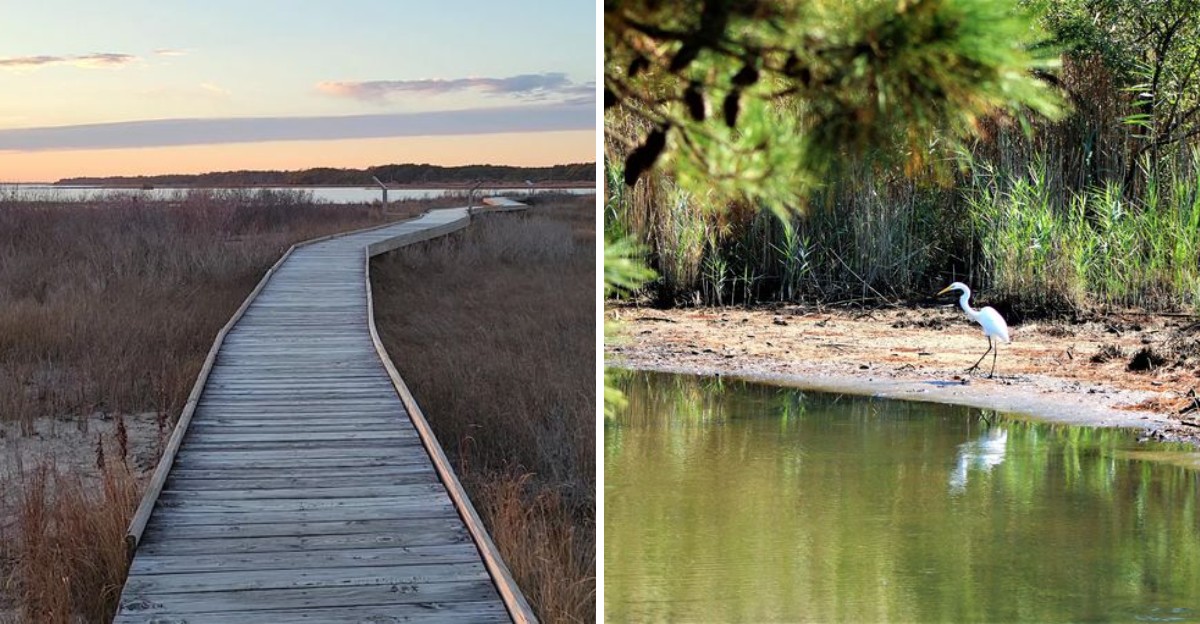
Watching the sky fill with swans is something you do not forget. Thousands of tundra swans arrive at this quiet Virginia wildlife refuge each year, and at sunset, they take flight in waves.
The sound of their wings is like thunder, and the sight of them against the fading light is unforgettable. The refuge is a protected area, and the swans are a testament to the importance of conservation.
Visitors can watch from designated areas, keeping a respectful distance from the birds. The best time to visit is during migration, when the numbers are highest.
Bring a camera and a warm jacket, because the evenings can be cool. Virginia has plenty of wildlife refuges, but this one offers a spectacle that is hard to match.
Swan Season Turns The Marsh Into A Winter Broadway Show
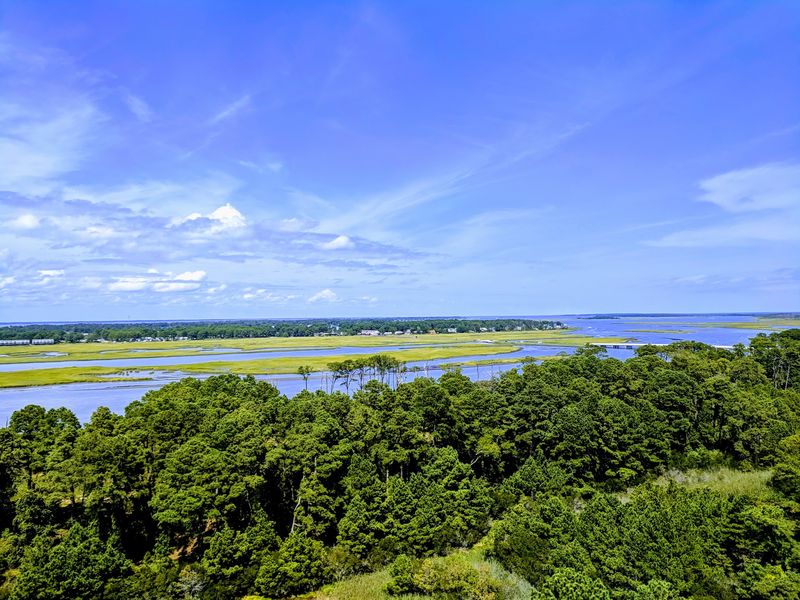
Picture a marsh so quiet you can hear your own jacket rustle, then multiply that silence by a thousand white birds shouting at once. Tundra swans winter along the Eastern Shore of Virginia after a marathon flight from the Arctic, and they do not travel quietly.
Their call sounds less like a honk and more like a distant hound, echoing across the water in waves.
Cold months bring the biggest numbers, roughly late fall through early spring, when the impoundments at Chincoteague National Wildlife Refuge fill with waterfowl escaping the north.
Snow geese pile in alongside them, so the water can look like someone spilled a bag of cotton across the surface.
Sunset is the magic hour. Light goes peach, the swans start shifting, and then a section of the flock lifts with a sound you feel in your ribs.
Bring binoculars, because distance is part of the deal here. Wild things stay wild for a reason.
Dress warmer than you think you need to, since wind off the bay has no manners whatsoever in January.
Wildlife Loop Is The Easiest Win On The Whole Island
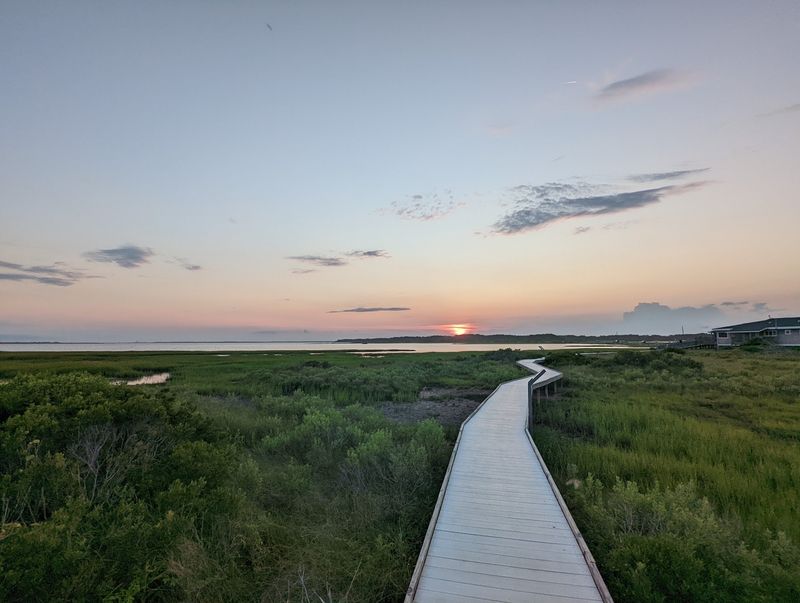
Some scenic drives make you work for it. Not here.
The Wildlife Loop wraps around Snow Goose Pool in a tidy circle, flat as a pancake and friendly to bikes, strollers, and knees that have opinions.
Walkers and cyclists get the road for most of the day, and vehicles are allowed later in the afternoon, which is precisely when the light turns delicious.
Pull-offs let you stop and scan the water without blocking anybody. Patience pays here more than speed does.
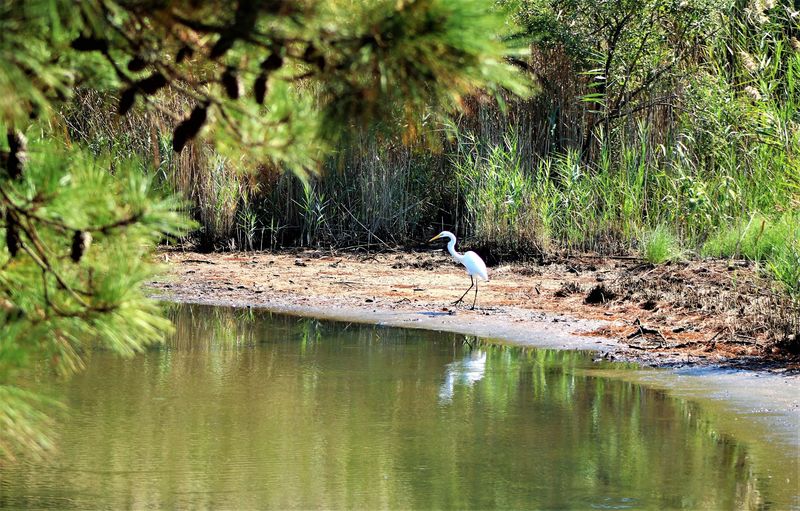
Egrets stalk the shallows like they are being paid hourly. Herons hold poses that would humble a yoga instructor.
Swans, ducks, and geese cluster in the deeper pools during winter, and the whole scene shifts week to week depending on weather and migration timing.
Keep an eye toward the tree line too, because deer wander out at dusk with zero sense of drama.
Move slowly, keep voices low, and the marsh will reward you. Loud groups tend to see a lot of empty water.
Photographers should plan the final hour before closing, when shadows stretch long across the reeds.
Assateague Lighthouse Wears Red And White Like It Owns The Place
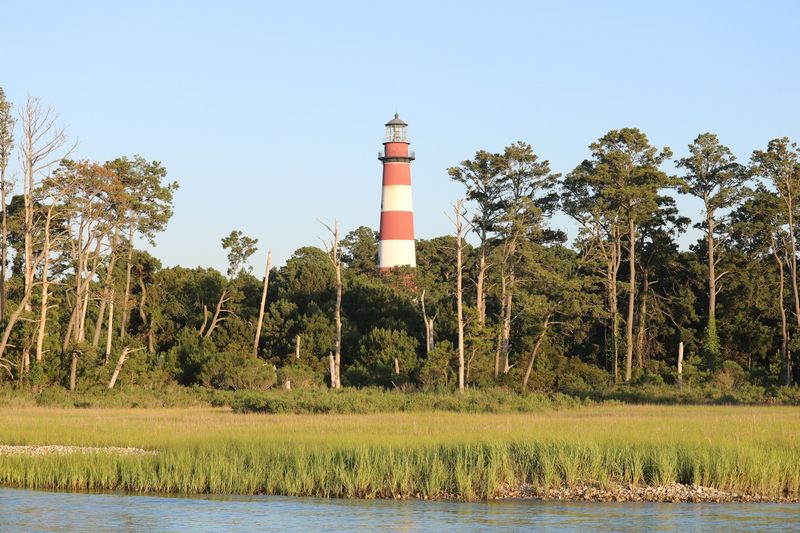
Candy stripes on a lighthouse should look silly. Somehow the Assateague Lighthouse pulls it off, standing tall above the pines in bold red and white bands that pop against a blue sky.
A short walk from the parking area climbs gently through loblolly pine woods until the tower suddenly appears through the branches.
The path is easy enough for most families, though sneakers beat sandals on the sandy stretches.
Access to climb the tower varies by season and staffing, so check the refuge website before you build your whole day around the stairs.
Even from the base, the view upward is worth the detour, especially in afternoon light when the stripes practically glow.
History runs deep on this spot, since ships needed help navigating these shoals long before anyone came for beach chairs.
Combine the lighthouse with a marsh stop and you get two completely different landscapes within minutes of each other.
Fun detail worth knowing. The lighthouse sits on Assateague Island, but it is managed within Chincoteague National Wildlife Refuge, which confuses first timers constantly.
Bring bug spray in warm months. The pines hide mosquitoes with attitude.
Wild Ponies Show Up On Their Own Schedule, Not Yours
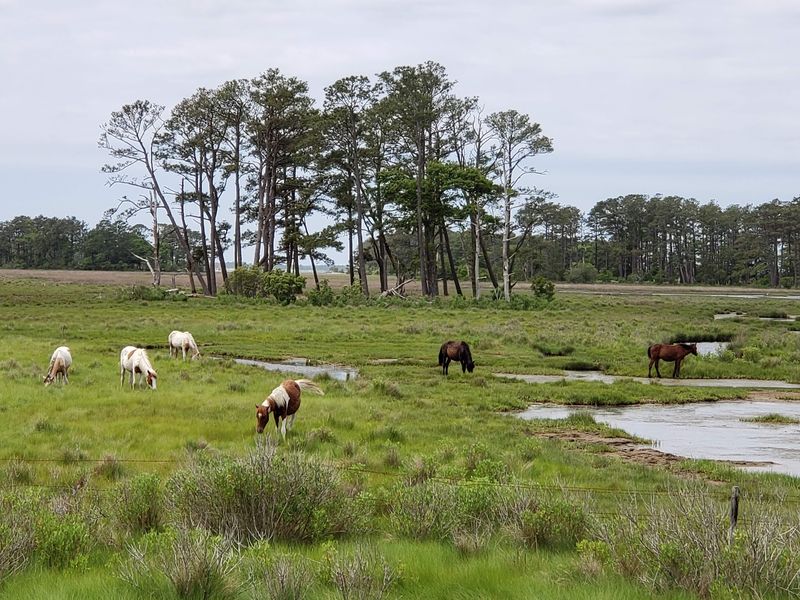
Nobody tells the ponies where to stand. That is the whole charm, and also the reason some folks leave grumpy after scanning an empty field for twenty minutes.
The famous herd roams the Virginia end of Assateague Island, grazing on salt marsh cordgrass that would make most horses turn up their noses.
Morning and evening give you better odds, when the animals move toward open marsh to feed.
Binoculars change everything. Without them, a distant band of ponies looks like brown smudges in the grass.
Overlooks along the trails get you noticeably closer than roadside pull-offs, so lace up and walk a bit.
Rules exist for good reason. Stay back, never feed them, and remember these are genuinely wild animals with strong feelings about personal space.
Summer brings the annual pony swim and auction, a Chincoteague tradition run by the local fire company that draws serious crowds to the island.
Outside that week, the refuge feels calm again, and the herd goes back to ignoring everyone beautifully.
Sika deer also roam here, small and elk-like, and spotting one feels like winning a scratch ticket.
Swan Cove Trail Delivers Marsh Views And Sand In One Short Walk
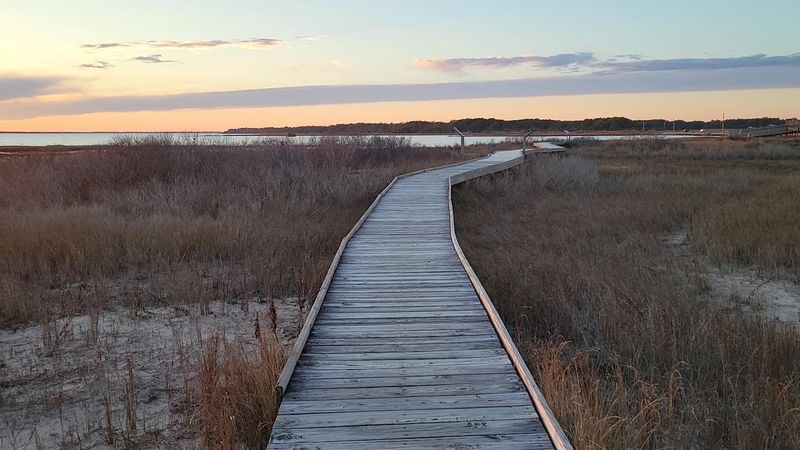
Short trails rarely pack this much variety. Swan Cove Trail runs flat and open between a shallow pool and the dunes, connecting marsh birding with ocean access in one easy stretch.
Shorebirds work the mudflats along the edges, probing for snacks with the focus of accountants at tax time.
During winter, waterfowl crowd the cove, and swan sightings here can be excellent without any serious hiking.
The path suits bikes beautifully, which matters on an island where distances add up faster than expected.
Sand along this section tends to be remarkably fine and clean, a nice payoff at the end of the walk.
Wind exposure is real, so a hat that stays on your head is a smart investment.
Pair it with Black Duck Trail or the Woodland Trail and you can build a half day without repeating scenery.
Restrooms and parking sit near the beach lot, making logistics simple for families.
Water bottles matter here more than snacks, since shade is basically theoretical along this route.
Quiet walkers see more. That rule never stops being true at Chincoteague National Wildlife Refuge.
Beaches So Clean They Look Professionally Vacuumed
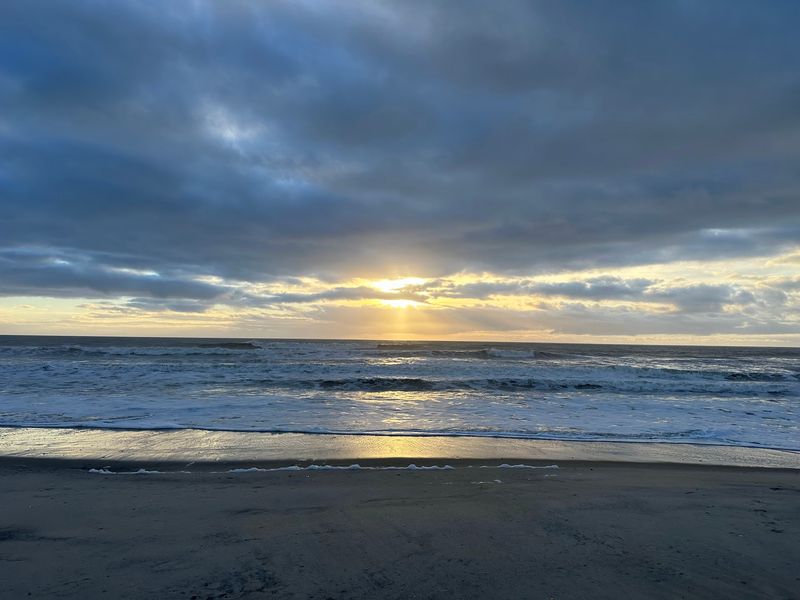
Forget boardwalk chaos. The Atlantic shoreline here stretches wide, pale, and refreshingly free of neon signs, with dunes standing guard behind soft beach grass.
Parking sits close to the sand, which is a genuine gift when you are hauling chairs, coolers, and a kid who has already given up walking.
Restrooms and outdoor showers make the whole operation painless.
Waves roll in with enough energy for body surfing on many days, and sandbars create pockets of shallow water for smaller swimmers.
Lifeguard coverage runs seasonally, so check posted information when you arrive.
Storms reshape this coastline constantly, and sections can close for repairs or overwash without much warning. Flexibility beats frustration.
Shell hunting rewards early risers, along with horseshoe crabs and ghost crabs skittering sideways like they are late for something.
Winter beach walks are wildly underrated on this stretch of Virginia coast, cold and bracing and gloriously empty.
Leave nothing behind, because the cleanliness here is not an accident. Federal protection plus people who actually care keeps it that way.
Sunrise over the water is free, dramatic, and worth the alarm clock.
Birding Here Borders On Ridiculous
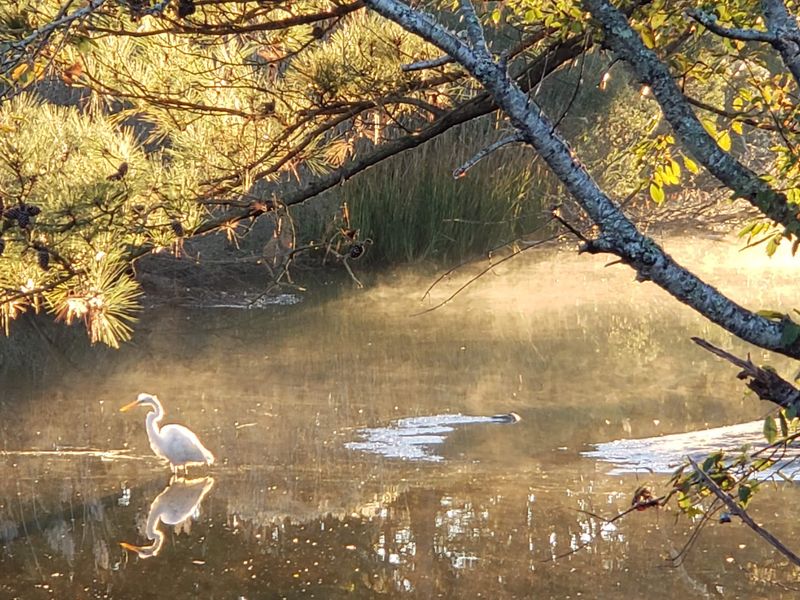
Serious birders talk about this place with the reverence usually reserved for concert tours. Position on the Atlantic Flyway means migration turns the marshes into a rotating cast of feathered celebrities.
Snow geese arrive in blizzards of white. Tundra swans anchor the winter roster.
Spring and fall bring warblers, plovers, sandpipers, terns, and raptors cruising the dunes with predatory confidence.
Peregrine falcons nest in the region, and glimpsing one hunting over open marsh is the kind of thing that ruins ordinary birding forever.
Herons and egrets work the shallows year round, while ibis probe the mud in tight social groups.
A basic field guide app helps enormously, though refuge staff at the visitor center can point you toward recent sightings.
Early morning delivers the most activity, with evening running a close second.
Overlooks along the loop provide steady vantage points without disturbing anything, which keeps birds relaxed and visible.
Even casual observers walk away impressed by the sheer volume of life packed into these wetlands.
Count on Chincoteague National Wildlife Refuge to change your definition of a good bird day permanently.
Bring A Bike Or Regret It By Noon
Distances here are sneaky. Everything looks close on the map until you start walking, and then the island quietly stretches like taffy.
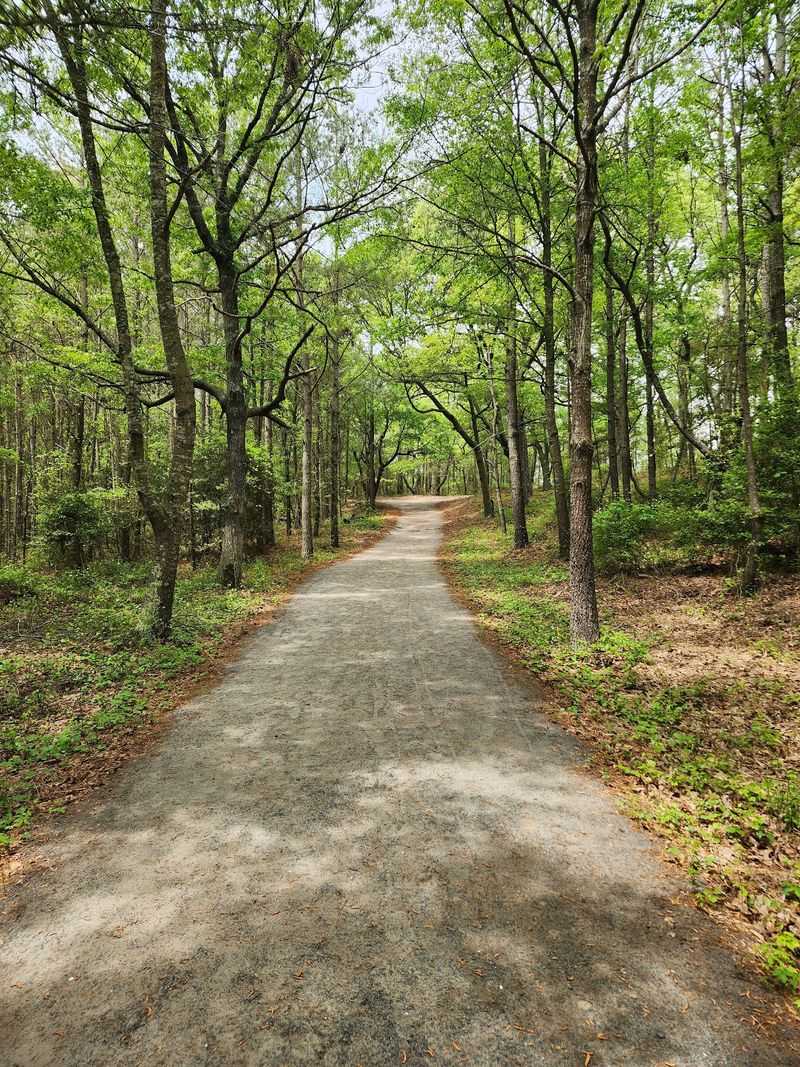
Bikes solve that problem instantly. Flat paved trails link the lighthouse area, marsh loops, and beach access with almost no elevation to speak of.
Rental shops operate in the town of Chincoteague, and plenty of lodging spots keep bikes available too.
Families do well with cruiser style bikes, while a trailer or child seat handles the smallest crew members.
Early morning riding is dreamy, cool and quiet, with wildlife still moving around before the day heats up.
Watch for sandy patches after wind events, since they can grab a front wheel without warning.
Helmets, water, and sunscreen round out the packing list, plus bug spray during warmer months because the mosquitoes here train year round.
Cycling also means covering more ground before closing time, which matters when the gates shut in early evening.
Scooters and golf carts are popular around town, though trail rules inside the refuge differ, so confirm before rolling in.
Two wheels turn a decent visit into a great one.
Herbert H. Bateman Center Deserves More Than A Restroom Stop
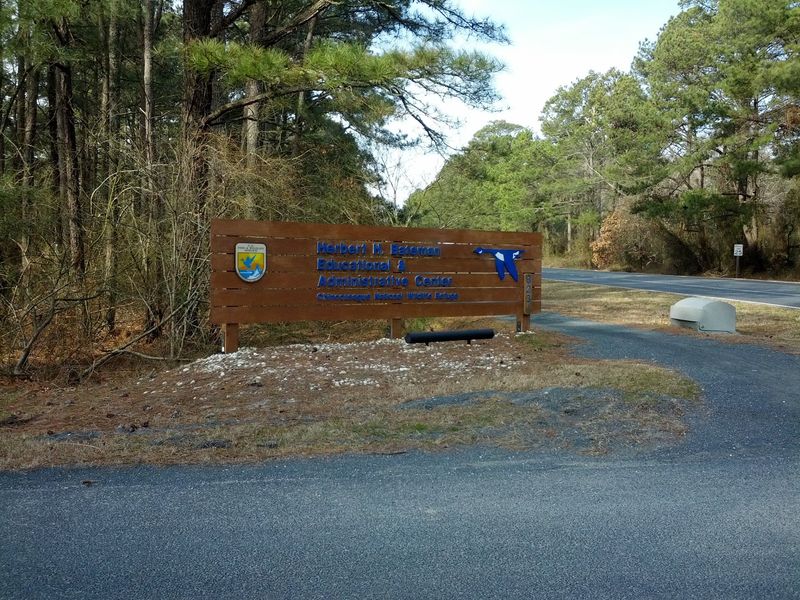
Skipping the visitor center is a rookie move. The Herbert H.
Bateman Educational and Administrative Center anchors the entrance with exhibits covering barrier island ecology, wildlife, and the history that shaped this coastline.
Staff at the front desk share current conditions, recent wildlife sightings, and practical route advice that saves real time.
Maps here beat guessing, especially if trail sections are closed for storm repair.
Displays explain why the marsh matters, how the island shifts, and what happens when migration season arrives in full force.
Programs and guided walks run at various points through the year, with schedules posted on site and on the refuge website.
Clean restrooms and reliable parking make it a smart first stop before heading deeper in.
Entrance fee information, pass options, and beach access details get sorted out here too, which avoids awkward surprises later.
Kids tend to latch onto the hands-on exhibits, and the context makes the ponies and swans far more interesting afterward.
Understanding a landscape before walking through it changes how much you notice. Ten minutes inside pays off for hours outside across this corner of Virginia.
Planning Notes That Save Your Whole Trip
Smart planning turns a decent island day into a memorable one. Gates generally open early and close by evening, so the sunset swan show requires timing rather than luck.
Entrance passes are required for vehicles, with annual and federal pass options available.
Bug spray ranks as essential gear anywhere from late spring through fall. The mosquitoes are legendary and fully committed.
Weather shifts fast out here, so layers and a windproof jacket earn their space in the bag.
Binoculars remain the single best item you can carry, transforming distant specks into swans, ponies, and hunting falcons.
Pets face restrictions inside the refuge, so arrange accordingly before arriving.
Storm damage occasionally closes beach sections or trails, making the official website worth a quick check the morning of your visit.
The town of Chincoteague sits minutes away with seafood spots, ice cream, and lodging, giving you a base without sacrificing quiet.
You will find Chincoteague National Wildlife Refuge at 8231 Beach Rd, Chincoteague, VA 23336.
Pack the binoculars, set an alarm for golden hour, and go let a thousand swans take off in front of you. Virginia will handle the rest.
