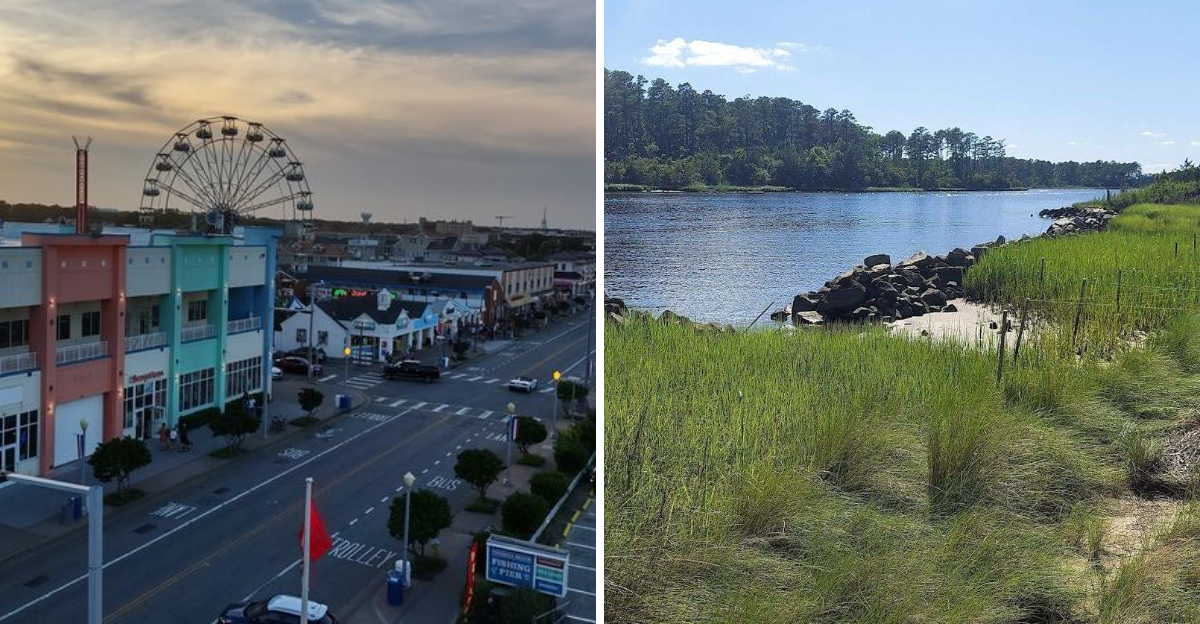
Picture seven neighbors who all share the same backyard but refuse to build a single fence together. That is basically a Virginia region packed with seven fiercely independent cities that each run their own show.
These neighbourhoods are geographically inseparable yet politically worlds apart. The result?
A transportation puzzle so tangled it would make any urban planner lose sleep, and a story so uniquely Virginian it deserves its own documentary.
Norfolk: The City That Built Virginia’s Only Light Rail (And Never Let Anyone Else Touch It)
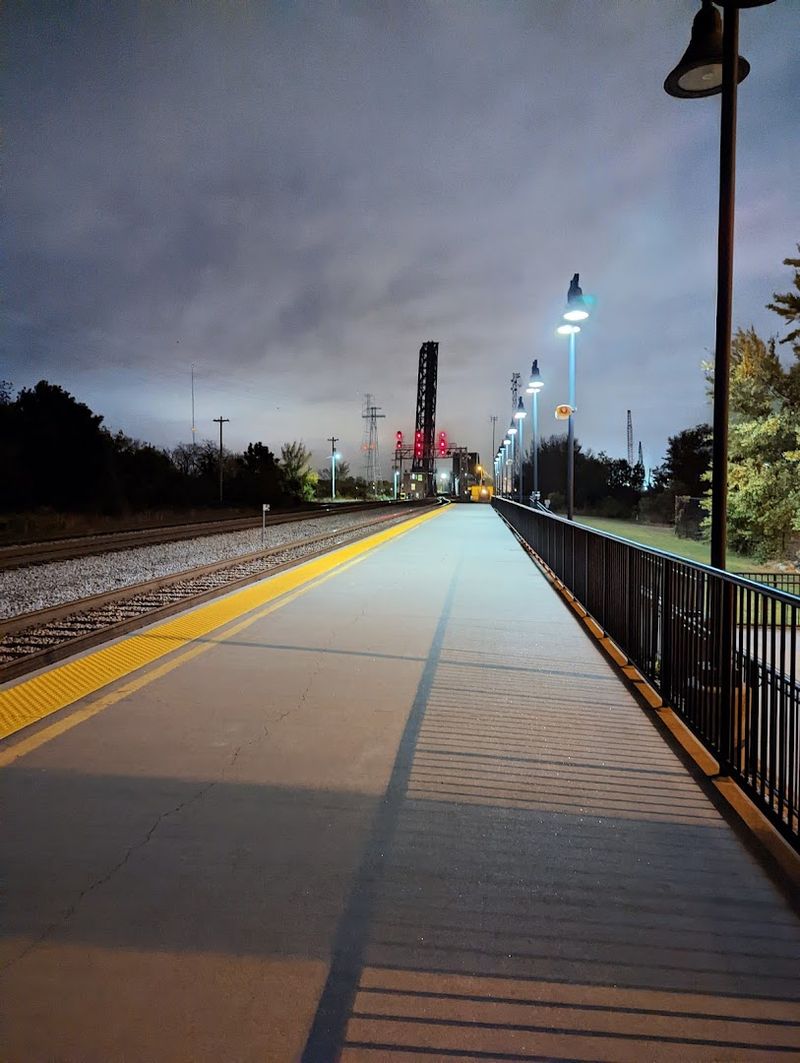
Norfolk has the audacity to be the most transit-forward city in the entire Hampton Roads region, and honestly, good for it. The Tide, Virginia’s first and only light rail system, rolls through Norfolk’s streets with a confidence that seems to say, “We did this ourselves, and we’ll keep doing it ourselves.” Connecting the Eastern Virginia Medical Center to Newtown Road, the line covers a modest but meaningful stretch of the city’s core.
What makes Norfolk particularly fascinating is how it managed to build modern transit infrastructure while its six neighbors watched from the sidelines. The city’s downtown waterfront area, known as the Waterside District, buzzes with energy and is easily accessible on foot or via The Tide.
Norfolk is also home to the largest naval station in the world, Naval Station Norfolk, which means the city has a serious, no-nonsense backbone beneath all that urban cool.
Strolling through the NEON Arts District or catching a show at Chrysler Hall feels genuinely electric. The city’s Ghent neighborhood, packed with independent boutiques and cozy cafes, has a personality that is completely its own.
Norfolk fought hard for its identity and its transit system, and both are worth celebrating. The address to start your Norfolk adventure is Waterside District, 333 Waterside Drive, Norfolk, Virginia.
Come ready to walk, because The Tide only goes so far before the regional stubbornness kicks in.
Virginia Beach: The Resort City That Thinks It Is Too Cool For Commuter Trains
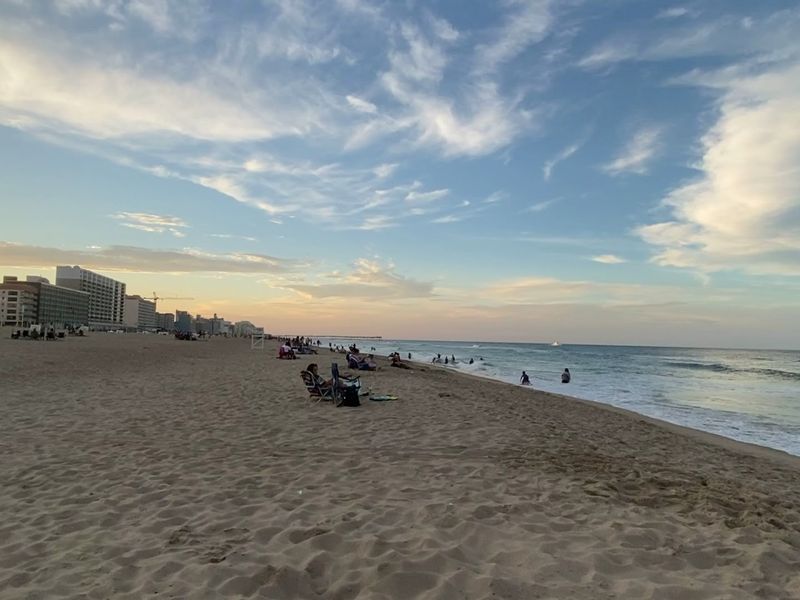
Virginia Beach is the largest city by population in Virginia, and it wears that title like a lifeguard wears a whistle. Stretching from the Atlantic Ocean all the way to the rural western edges of the state, this city is massive, sprawling, and absolutely convinced that everybody should just drive.
With a coastline that draws millions of sun-seekers every year, Virginia Beach has built its entire identity around the car-friendly resort experience.
The famous Virginia Beach Boardwalk runs along Atlantic Avenue for three miles of pure coastal energy. King Neptune’s bronze statue stands guard near 31st Street, greeting everyone who shows up for the salt air and the sunshine.
The ViBe Creative District adds a splash of murals, galleries, and local flavor just a few blocks from the ocean, proving that this city has more going on than just beach towels and souvenir shops.
First Landing State Park sits at the northern tip of the city, offering kayaking, hiking, and camping among ancient bald cypress trees. The city has long flirted with the idea of extending light rail from Norfolk, and the Virginia Beach Transit Extension Project has been a topic of heated debate for years.
Progress has been painfully slow, largely because coordination between independent cities in Virginia is a contact sport. The Virginia Beach Boardwalk starts at 1st Street and Atlantic Avenue, Virginia Beach, Virginia.
Pack your patience along with your sunscreen.
Chesapeake: The Quietly Massive City That Prefers Its Marshes Over Metro Lines
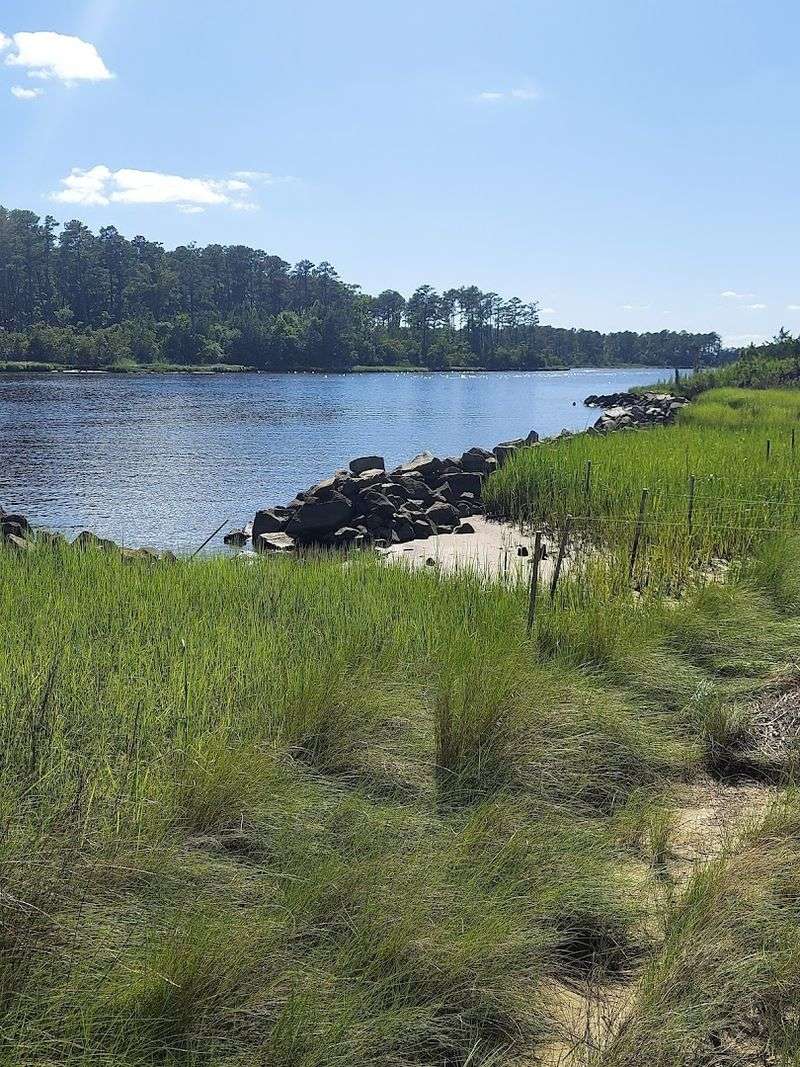
Chesapeake is one of those places that surprises you the moment you realize how enormous it actually is. The third-largest city by area in the entire continental United States, Chesapeake is mostly farmland, wetlands, and suburbia stitched together under one municipal government.
It is not the kind of place that screams “urban transit hub,” and that suits Chesapeake just fine.
The Great Dismal Swamp National Wildlife Refuge, shared with neighboring North Carolina, is one of the most atmospheric natural spaces in all of Virginia. Paddling through its dark, tannin-rich waters beneath a canopy of tupelo and bald cypress is an experience that no light rail could ever replicate.
Chesapeake’s nature-first identity runs deep, and the city has leaned into that persona with trails, water access, and open space that feel almost defiant in their quietude.
South Chesapeake’s Historic District near Great Bridge offers a glimpse into colonial-era Virginia, complete with a battlefield site from the Revolutionary War. The Great Bridge Battlefield and Waterways History Museum at 1775 Historic Village Lane, Chesapeake, Virginia, is a genuinely underrated stop for history fans.
Chesapeake’s resistance to regional transit is not just political stubbornness. It is also practical geography.
When your city is more wetland than walkable neighborhood, convincing residents that a shared train makes sense is an uphill battle. Still, the lack of connectivity between Chesapeake and its neighbors remains one of Hampton Roads’ most visible growing pains.
Newport News: Shipbuilding Pride and a City That Moves on Its Own Schedule
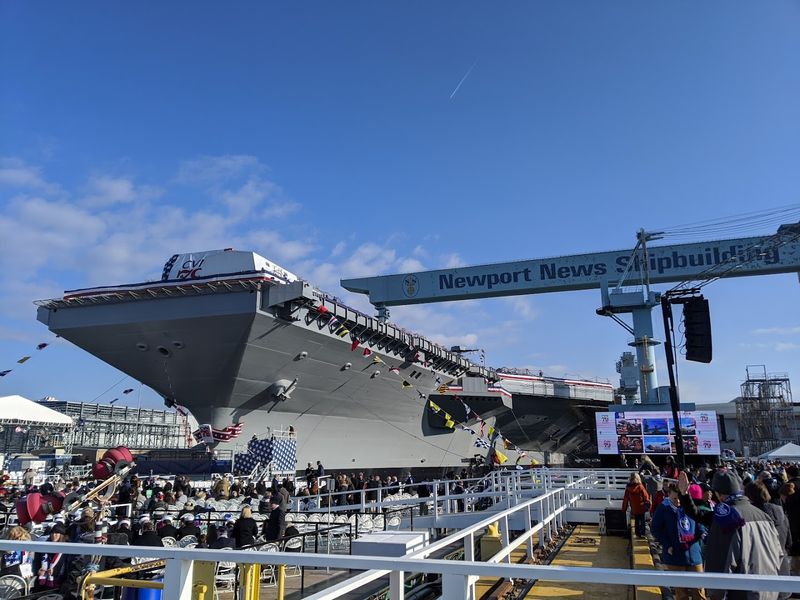
Newport News has one of the most distinctive identities in all of Virginia, shaped almost entirely by the roar of industry and the deep pull of the James River. Home to Newport News Shipbuilding, the largest private shipyard in the United States, this city has always operated with a sense of purposeful self-sufficiency.
You build aircraft carriers here. You do not wait around for someone else to build your transit system.
The Virginia Living Museum at 524 J. Clyde Morris Boulevard, Newport News, Virginia, is a total gem for families and curious minds alike.
Native wildlife, aquarium exhibits, and a planetarium all share one roof, making it a surprisingly rich cultural experience. Mariners’ Museum and Park, located at 100 Museum Drive, Newport News, Virginia, tells the story of seafaring history with world-class exhibits, including artifacts from the famous ironclad warship USS Monitor.
Newport News connects to Hampton via the James River Bridge and to Norfolk via the Hampton Roads Bridge-Tunnel, making it geographically central to the region. Yet its transit links remain frustratingly thin.
The city has long relied on Hampton Roads Transit bus services, but a direct rail connection to Norfolk or Virginia Beach has never materialized. Part of the challenge is the water.
Tunnels and bridges are expensive, and nobody in Hampton Roads has figured out how to split that bill without a full-blown political negotiation. Newport News keeps building ships and waiting for the rest of the region to catch up.
Hampton: The City That Launched American History and Still Cannot Catch a Train to Norfolk
Hampton holds a genuinely remarkable place in American history. The oldest continuously inhabited English-speaking settlement in North America, Hampton has seen everything from the first Africans to arrive in English colonial America in 1619 to the birth of NASA’s research legacy at Langley Research Center.
For a city with that kind of resume, the absence of a regional rail connection feels almost comically ironic.
Fort Monroe National Monument is the crown jewel of Hampton’s historical landscape. Sitting on a peninsula jutting into the Chesapeake Bay, this former military fortress is now a national park and residential community, open to the public and absolutely stunning in its scale.
The address is 20 Bernard Road, Hampton, Virginia, and a visit here is essentially a walk through five centuries of American history compressed into one dramatic waterfront setting.
The Virginia Air and Space Science Center at 600 Settlers Landing Road, Hampton, Virginia, puts the city’s NASA connection on full display with actual spacecraft, flight simulators, and exhibits that make aerospace feel thrillingly accessible. Hampton’s Phoebus neighborhood has been quietly reinventing itself as a destination for independent dining and local arts.
The city has enormous cultural horsepower, yet its regional transit situation remains stuck in neutral. Hampton Roads Transit buses connect Hampton to its neighbors, but the dream of rail linking Hampton to Norfolk or Newport News has been discussed, debated, and shelved so many times that locals have practically stopped counting.
Hampton deserves better, and deep down, everyone in Virginia knows it.
Portsmouth: The Scrappy Waterfront City Sitting Right Across From Norfolk (And Still No Train Between Them)
Portsmouth and Norfolk stare at each other across the Elizabeth River like two old friends who have never quite figured out how to share a cab. The two cities are so close that a ferry connects them in minutes, yet a rail link between them remains a fantasy.
Portsmouth’s Olde Towne neighborhood is one of the best-preserved historic districts in all of Virginia, packed with antebellum architecture that looks like it belongs on a movie set.
The Portsmouth Naval Shipyard Museum at 2 High Street, Portsmouth, Virginia, tells the story of America’s oldest and most storied naval yard with exhibits that feel both scholarly and deeply personal. The Lightship Portsmouth Museum, moored right on the waterfront, is one of only a handful of preserved lightships in the country and is genuinely worth your time.
Portsmouth’s waterfront park along the Elizabeth River offers some of the best skyline views in the entire Hampton Roads region, with Norfolk’s towers glittering just across the water.
The city’s Children’s Museum of Virginia at 221 High Street, Portsmouth, Virginia, is a beloved local institution that has been sparking curiosity in young minds for decades. Portsmouth punches well above its weight culturally, and its arts scene has been steadily growing.
The irony of being separated from Norfolk by only a few hundred feet of river, yet lacking a train connection, is not lost on anyone who has spent time in this spirited little city. The ferry helps, but rail would change everything.
Suffolk: The Peanut Capital That Stretches From the Suburbs to the Swamp and Sees No Need for a Train
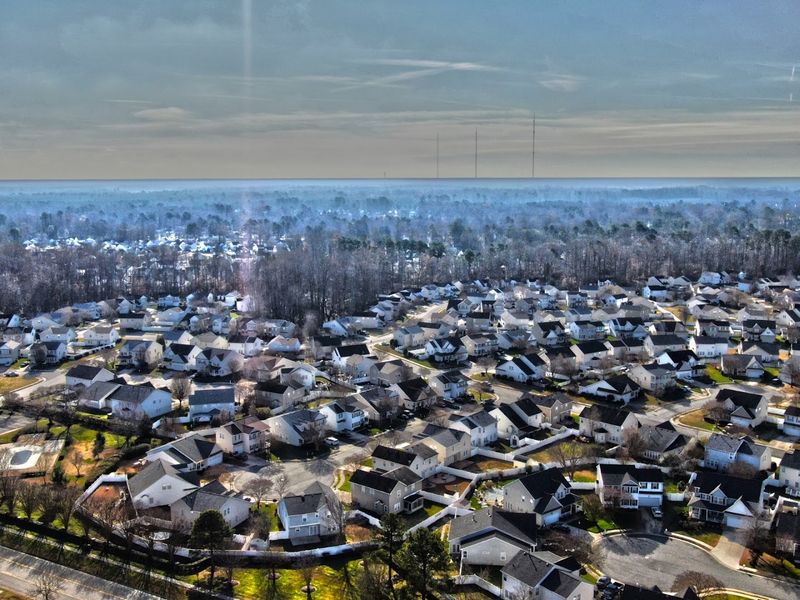
Suffolk is the kind of city that makes you recalibrate your sense of scale. The largest city by land area in Virginia, Suffolk stretches from suburban neighborhoods near the Chesapeake border all the way down to the rural edges of the Great Dismal Swamp.
It is a city of extraordinary geographic range, and that range is precisely why a transit system connecting it to the rest of Hampton Roads would require the engineering ambition of a small moon mission.
The city’s peanut heritage is not just a fun trivia fact. Suffolk was once the peanut capital of the world, and the Planters Peanuts brand has deep roots here.
The Suffolk Visitor Center at 524 North Main Street, Suffolk, Virginia, is a great starting point for exploring the city’s quirky agricultural legacy and its surprisingly rich downtown core. Historic Main Street has been experiencing a slow but genuine revival, with local shops and eateries adding fresh energy to the area.
Constant’s Wharf Marina and the Nansemond River waterfront give Suffolk a peaceful, unhurried quality that feels worlds away from the urban intensity of Norfolk or Virginia Beach. The Bennett’s Creek Park at 3000 Bennett’s Creek Park Road, Suffolk, Virginia, offers kayaking and nature trails that draw outdoor lovers from across the region.
Suffolk’s political instinct has always leaned toward independence over integration, and its sheer geographic size makes regional transit planning feel like trying to connect dots on a map that keeps getting bigger.
The Hampton Roads Bridge-Tunnel: The Region’s Most Iconic Connector That Still Cannot Carry a Single Train Car
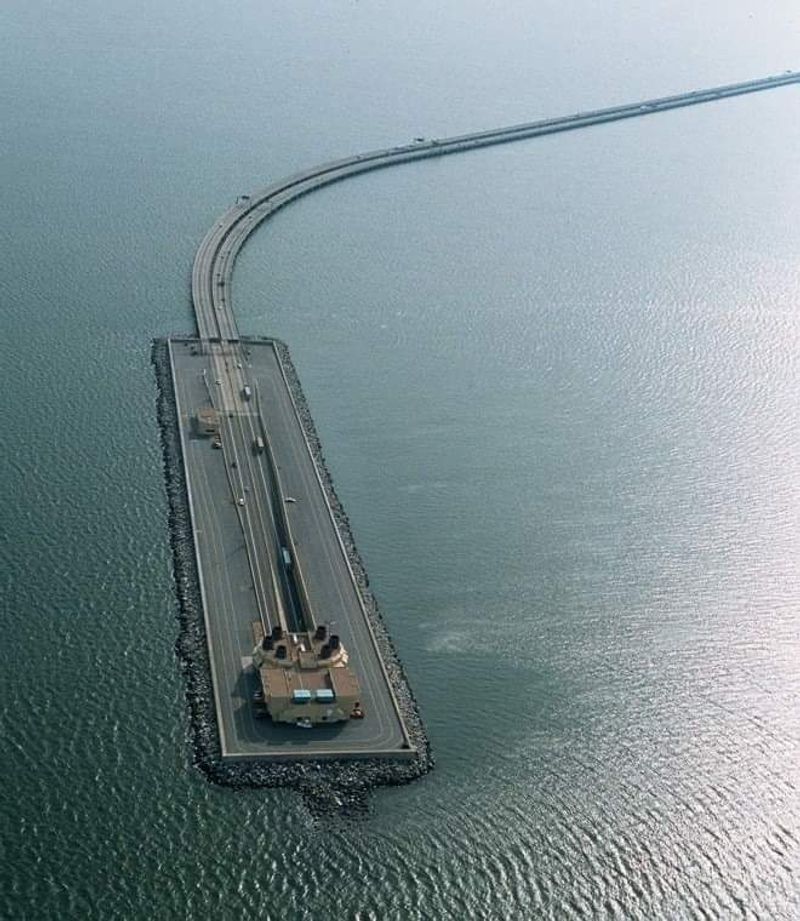
Few pieces of infrastructure in Virginia carry more symbolic weight than the Hampton Roads Bridge-Tunnel. Stretching across the mouth of Hampton Roads harbor, this engineering marvel links Hampton and Newport News to Norfolk and Virginia Beach, carrying an almost incomprehensible volume of traffic every single day.
And yet, for all its impressive engineering, not a single train has ever rolled across or through it.
The original tunnel opened to traffic in the 1950s, and the recent expansion project, which added two new tunnel tubes, was one of the largest transportation construction projects in Virginia’s history. The expansion was designed entirely around cars and trucks, a decision that feels very on-brand for a region that has consistently chosen roads over rails.
The construction stretched for years and caused traffic headaches that became a kind of regional bonding experience for Hampton Roads commuters.
Crossing the Hampton Roads Bridge-Tunnel on a clear day offers views that are genuinely jaw-dropping, with the Chesapeake Bay spreading out in every direction and naval vessels cutting through the water below. It is one of those experiences that reminds you how physically dramatic this part of Virginia actually is.
The tunnel approach is off Interstate 64, connecting Hampton and Norfolk, Virginia. Transportation planners have occasionally floated the idea of incorporating rail into future crossing infrastructure, but the cost, the politics, and the sheer complexity of getting seven independent cities to agree on anything make that prospect feel distant at best.
The Hampton Roads Planning District Commission: The Body That Tries to Get Seven Cities to Play Nice (With Mixed Results)
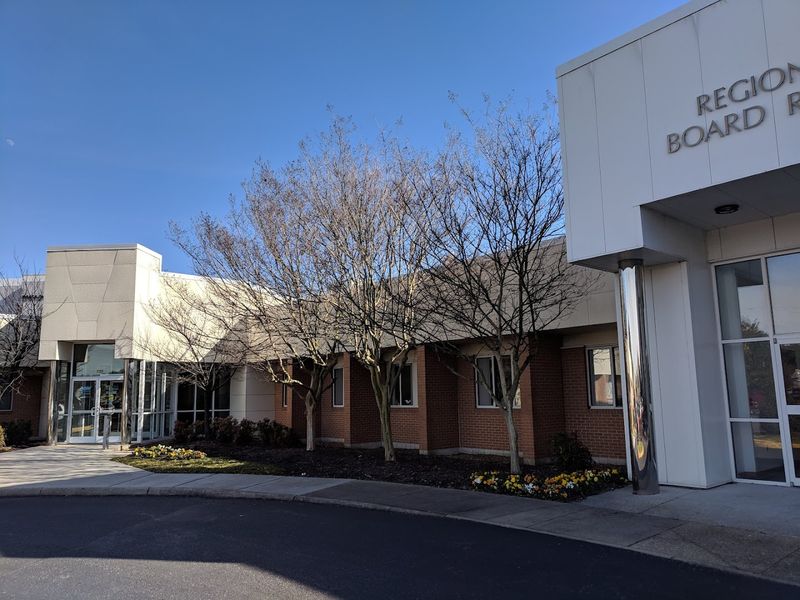
Somewhere in the organizational landscape of Hampton Roads, there exists a body of regional governance that has spent decades trying to convince seven fiercely independent cities to cooperate on shared challenges. The Hampton Roads Planning District Commission, or HRPDC, is that body, and its job is roughly as complicated as herding cats across a network of bridges and tunnels.
The commission serves as a forum for regional planning on everything from transportation to environmental management.
The HRPDC’s offices are located at 723 Woodlake Drive, Chesapeake, Virginia, and the organization produces research, planning documents, and policy recommendations that attempt to bring coherence to a region that structurally resists it. Its work on transportation has been particularly significant, as the commission has repeatedly identified the lack of integrated transit as one of Hampton Roads’ most pressing long-term challenges.
Reports, studies, and proposals have accumulated over the years, many of them excellent, most of them only partially implemented.
The Virginia Beach Transit Extension Project, which aims to extend Norfolk’s Tide light rail into Virginia Beach, has been one of the commission’s most high-profile ongoing discussions. Progress has been glacial, stalled repeatedly by funding disagreements, jurisdictional disputes, and the fundamental tension between cities that want regional benefits without giving up regional control.
The HRPDC represents the best instinct of Hampton Roads, the recognition that cooperation is necessary. But good instincts and actual political will are two very different things in this corner of Virginia.
What It Would Actually Take to Give Hampton Roads a Real Regional Rail Network
Imagine boarding a train in Suffolk, riding through Chesapeake, transferring in Norfolk, and continuing on to Virginia Beach without ever touching a car. For most American metro regions of comparable size, that would not be a fantasy.
For Hampton Roads, it remains one of the most tantalizing and seemingly unreachable urban planning dreams in all of Virginia. The ingredients for a real regional rail network exist.
The political will to combine them does not, at least not yet.
Building a genuine multi-city rail system in Hampton Roads would require solving a constellation of challenges simultaneously. Funding would need to be pooled across cities that have historically competed for state and federal dollars rather than collaborating on joint applications.
Route planning would need to navigate the region’s extraordinary geography, including multiple river crossings, the Elizabeth River, the James River, and the Chesapeake Bay approaches, each of which adds enormous cost and complexity to any rail proposal.
Governance is the thorniest issue of all. A regional rail authority with real power would require each of the seven cities to surrender some degree of control over decisions that affect their residents, and that is a political ask that has historically been met with deep skepticism.
Other Virginia cities have managed regional cooperation on transit, but Hampton Roads operates on a different political frequency. The region has everything it needs to build something extraordinary, the density, the destinations, the demand.
Getting seven proud, independent cities to agree on a single track forward is the real challenge.
