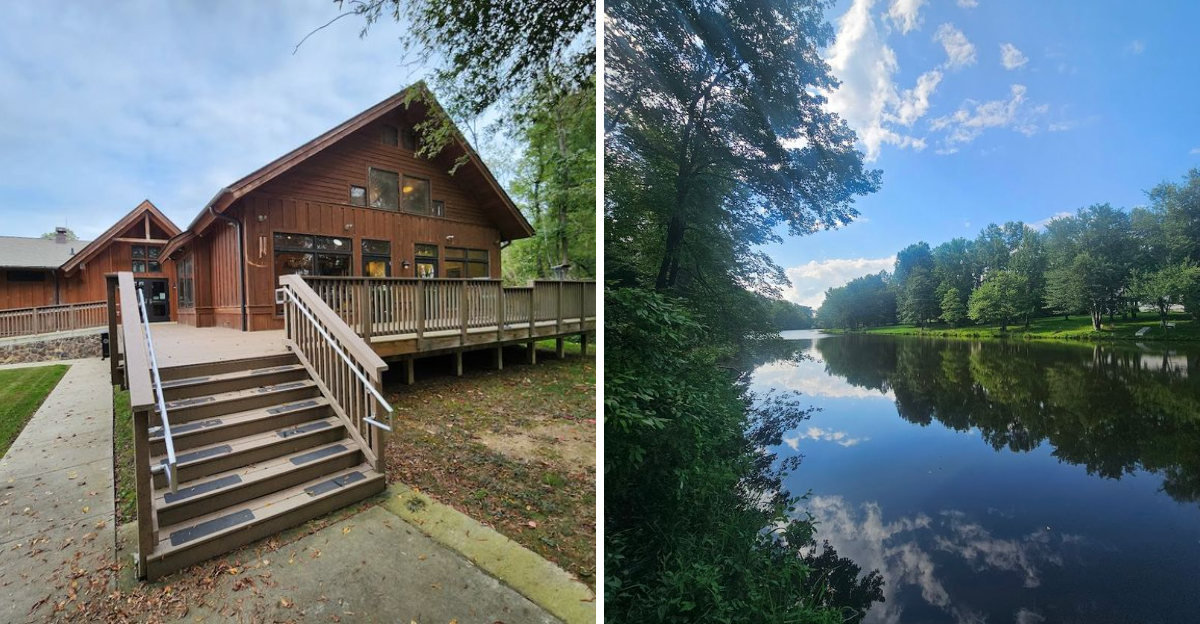
You have probably driven past the exit a hundred times without a second glance. But tucked off that familiar highway is over a thousand acres of pure Virginia magic, and honestly, most people have no idea it exists.
Instead of crowds and concession stands, you get a rare freshwater tidal marsh, the kind of ecosystem that makes science teachers lose their minds and kayakers cancel their afternoon plans. Bald eagles soar overhead while you hike past oak trees so massive they look like they have been standing there since before your grandparents were born.
It is a peninsula where the Potomac meets a tidal creek, and the whole place moves to the rhythm of the water rising and falling. Virginia has some famous parks, but this one is the quiet overachiever that never brags.
Let us fix that.
A Peninsula Like No Other: The Park’s Stunning Location
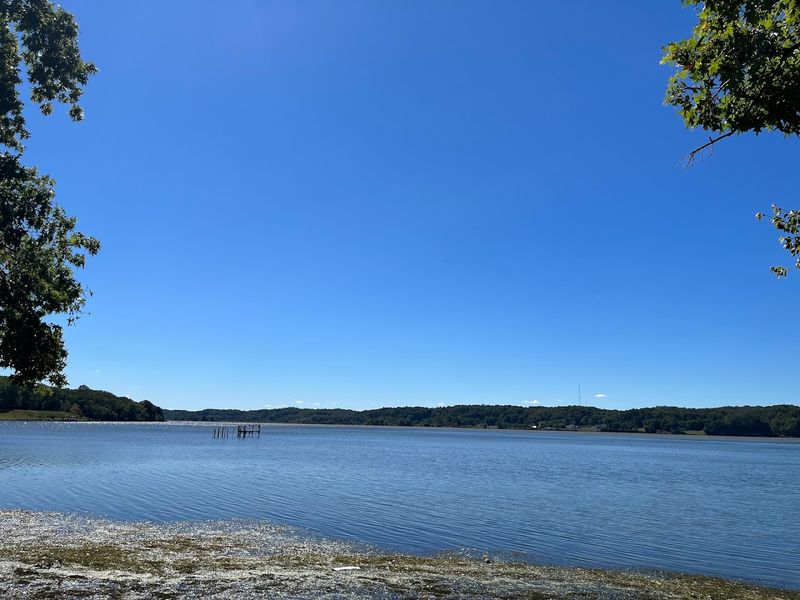
Sitting right where Aquia Creek meets the Potomac River, Widewater State Park occupies one of the most dramatically positioned landscapes in all of Virginia. The park sprawls across a wooded peninsula, giving it a geography that feels almost cinematic.
Water surrounds you on multiple sides, and the sense of being out in the wild is immediate and real.
The park actually spans over a thousand acres, which surprises most first-time visitors expecting something much smaller. That sheer size means there is always a quiet corner to explore, a peaceful stretch of shoreline to sit beside, or a wooded path to wander without bumping into another soul.
Virginia has plenty of beautiful state parks, but few can claim a location this naturally dramatic. The convergence of a tidal creek and one of the East Coast’s most storied rivers creates a living, breathing landscape that shifts with the tides.
Every visit feels slightly different, which keeps people coming back season after season to experience what this extraordinary peninsula has to offer.
The Rare Freshwater Tidal Marsh: Nature’s Own Wonder
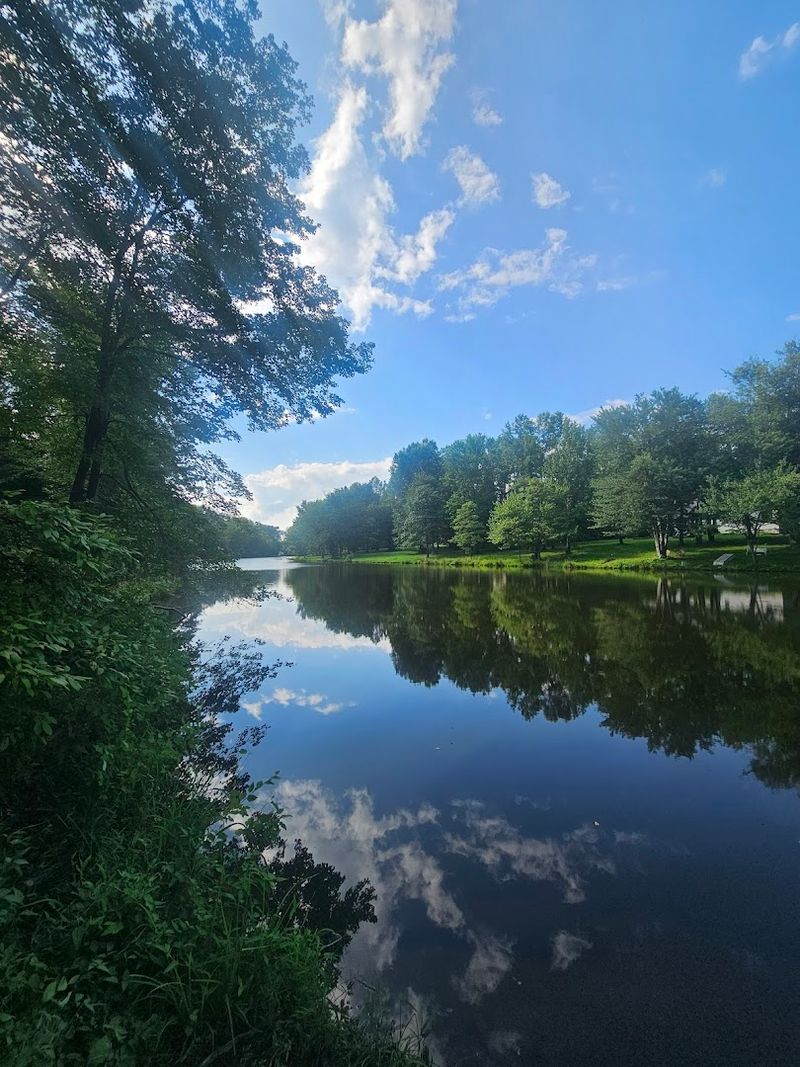
Not many places on Earth can claim a genuine freshwater tidal marsh, which makes Widewater State Park genuinely special in a way that goes beyond typical park brochure language. The marshes here rise and fall with the tides of the Potomac River, even though the water is freshwater rather than saltwater.
That combination is rare, scientifically fascinating, and visually spectacular.
Arrow arum, pickerel weed, and northern wild rice pack these wetlands with texture, color, and ecological richness. These plants support insects, amphibians, fish, and birds in a complex food web that keeps the whole ecosystem humming.
Standing at the marsh’s edge feels less like visiting a park and more like stepping into a living science exhibit.
These marshes also play a vital role in the broader Chesapeake Bay watershed, filtering runoff and providing crucial habitat for migratory species. Virginia takes conservation seriously here, and the protected status of this ecosystem ensures it will remain intact for future generations.
Seeing it in person is a reminder of just how extraordinary undisturbed nature can be when given the chance to thrive completely on its own terms.
Holly Marsh Trail: The Walk That Will Stop You in Your Tracks
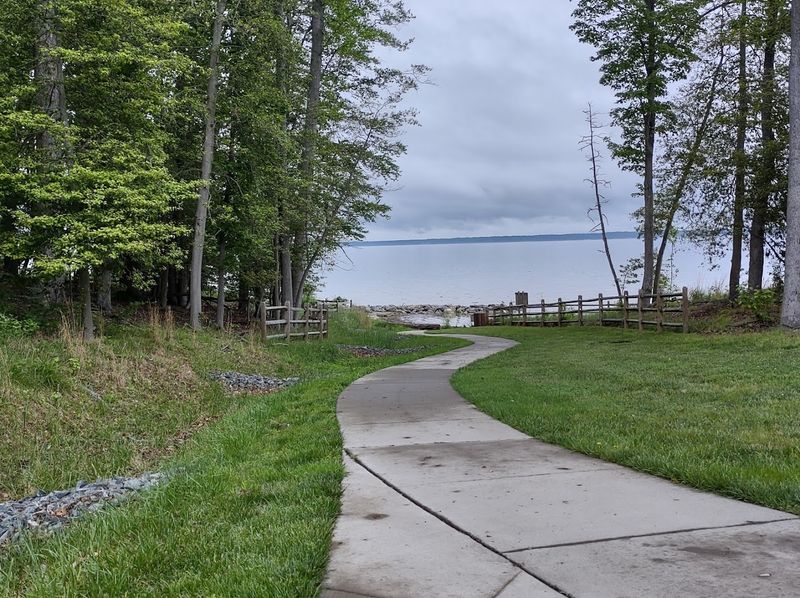
Holly Marsh Trail is the kind of hike that sounds modest on paper but delivers something genuinely memorable on the ground. The trail winds through a mix of native woodland and open marsh views, giving walkers a constantly changing backdrop that keeps the experience lively from start to finish.
Bald eagles have been spotted multiple times along this route, which alone makes it worth lacing up your hiking boots. The trail leads to open water views that frame the Potomac in ways that feel almost too picturesque to be real.
Early morning is the absolute best time to tackle it, when the mist still hangs over the marsh and the birds are most active.
The trail itself is well-maintained and clearly marked, making it accessible even for casual walkers who are not seasoned hikers. At roughly a mile long, it is short enough to complete comfortably but rich enough in scenery to feel deeply satisfying.
Widewater State Park has packed an impressive amount of natural drama into this compact trail, and it consistently ranks as a favorite among those who have explored Virginia’s state park trail system from one end to the other.
Long Pond Trail: Giant Oaks and Waterside Magic
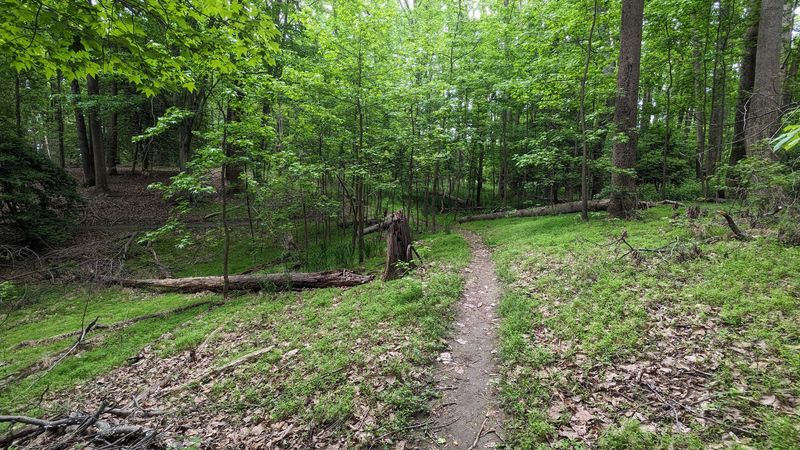
Long Pond Trail might be the most underappreciated mile of hiking in Stafford County. The path loops through dense woodland before opening up to stunning waterside vistas, but the real showstopper is hiding just off the trail in the form of absolutely enormous oak trees.
These giants are so wide it would take multiple adults linking arms to wrap around a single trunk.
Somehow these magnificent trees are not marked on any official signage, which makes stumbling across them feel like a genuine discovery. One sits near a bench just off the path, easy to miss if you are walking fast and not paying attention.
Slow down, look around, and the forest rewards you with something unforgettable.
The trail also passes the kayak launch area on Aquia Creek, making it a great scouting route before a paddling trip. The combination of woodland serenity, waterfront access, and those jaw-dropping oaks gives Long Pond Trail a personality all its own.
Widewater State Park has done a fine job maintaining this loop, and the trailhead right behind the visitor center makes starting the adventure completely effortless for anyone arriving for the first time.
Kayaking and Canoeing: Paddling Through a Living Ecosystem
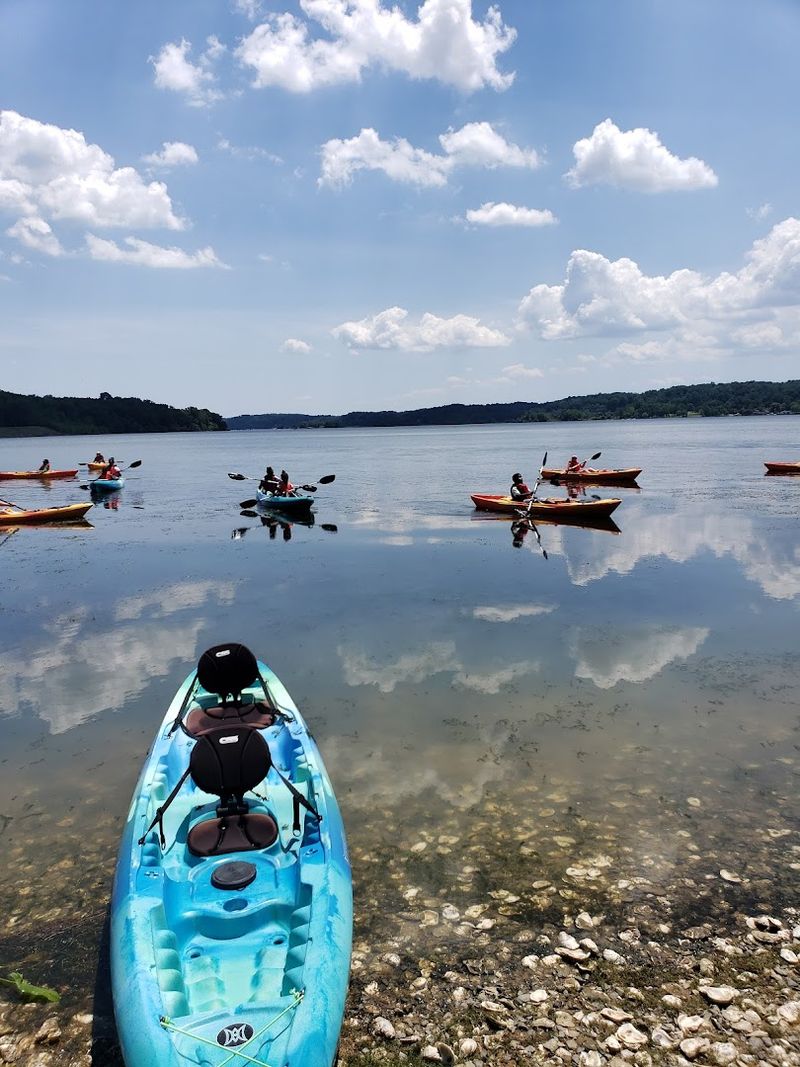
Paddling at Widewater State Park is not your average flatwater kayak outing. The car-top boat ramp and kayak launch on Aquia Creek put you directly into one of Virginia’s most ecologically rich waterways within minutes of arriving.
The tidal rhythm of the creek adds an extra layer of interest, gently nudging your kayak along as the water rises and falls throughout the day.
Primitive paddle-in campsites are accessible only by canoe or kayak, which means spending a night here is a genuine backcountry experience with a very civilized twist. Waking up surrounded by marsh grasses and birdsong, with the Potomac shimmering in the distance, is the kind of morning that resets your entire perspective on life.
The park is also a popular stop on longer paddling routes connecting nearby state parks along the Potomac. Experienced paddlers plan multi-day trips that launch from one park and end at another, using Widewater as a midpoint campsite.
The combination of accessible launch facilities, scenic waterways, and overnight options makes this one of the most versatile paddling destinations in northern Virginia, appealing to everyone from first-time kayakers to seasoned expedition paddlers.
Fishing on the Tidal Potomac: Cast a Line in Freshwater History
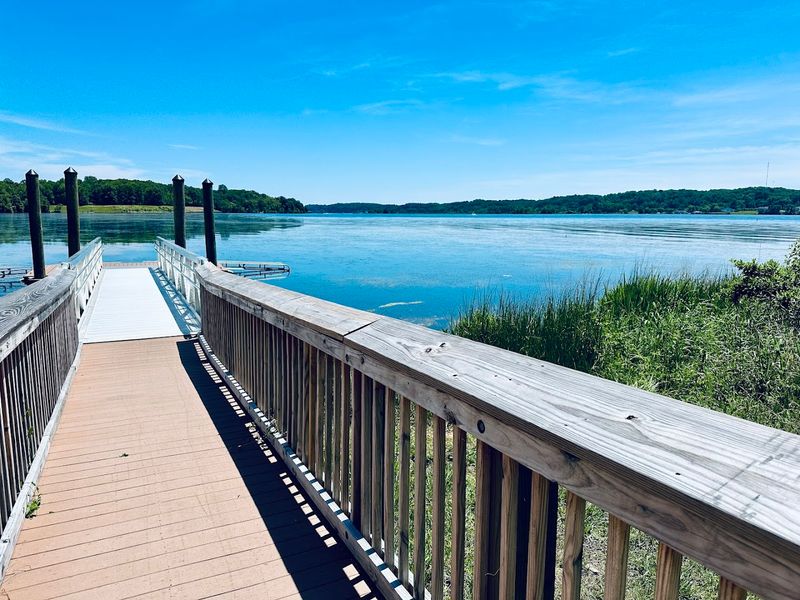
The Potomac River along this stretch is tidal and freshwater at the same time, which creates fishing conditions that are genuinely unusual and surprisingly productive. Largemouth bass, catfish, perch, and striped bass all thrive in these waters, giving anglers a diverse catch list that keeps things interesting no matter the season.
Fishing from the shoreline or the small dock is a relaxed, unhurried experience that pairs perfectly with the park’s overall atmosphere. There is no rush, no crowds fighting for prime spots, and no noise beyond the occasional splash of a fish breaking the surface.
It feels like fishing the way it was always meant to feel.
Canoe fishermen also frequent the waters just offshore, drifting quietly along the tidal edge where bass tend to congregate near submerged vegetation. Virginia’s freshwater fishing regulations apply here, so a valid license is required before dropping a line.
The park’s location at the convergence of Aquia Creek and the Potomac means you have multiple productive fishing zones accessible from a single visit, making Widewater State Park an absolute gem for anyone who takes their freshwater fishing seriously and appreciates a scenic backdrop to go with it.
The Visitor Center: Where History and Nature Share the Same Roof
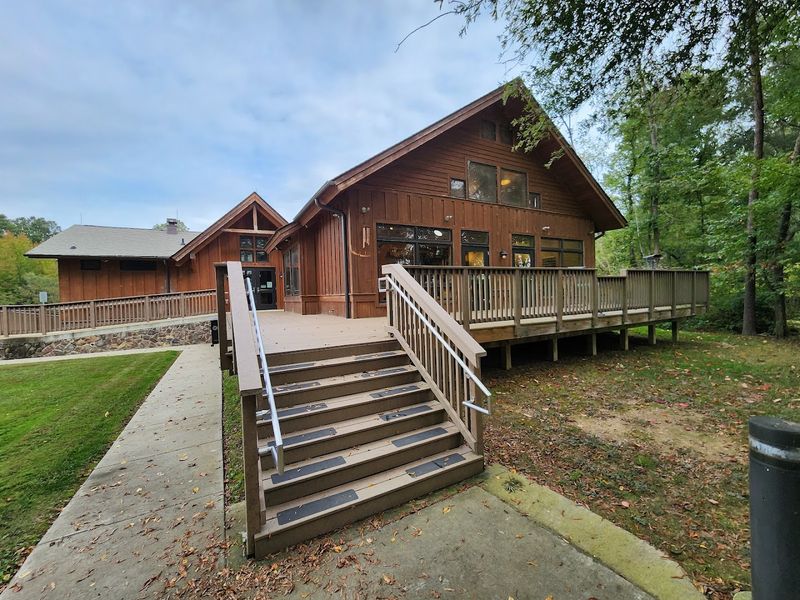
The visitor center at Widewater State Park punches well above its weight for a park that is still actively developing. Half the space is dedicated to natural history, featuring live animal displays that include an albino turtle and a resident snake that rangers happily let kids hold during their visits.
The other half covers local human history, with a notable section dedicated to Palmer Hayden, a celebrated American artist with deep roots in Stafford County.
Rangers here are genuinely enthusiastic and knowledgeable, the kind of staff who make a short stop stretch into a two-hour adventure because every question leads to a fascinating answer. The live crayfish feeding, the aquarium housing turtles nicknamed Deadpool and Wolverine, and the hands-on nature exhibits make this one of the most engaging visitor centers in Virginia’s entire state park system.
A gift shop stocks pins, patches, hiking medallions, shirts, and hats for those looking to commemorate the visit. Restrooms are clean, modern, and well-maintained throughout the day.
The whole setup is surprisingly polished for a newer park, and it signals clearly that Virginia has invested thoughtfully in making Widewater a destination worth the drive from anywhere in the region.
Picnic Areas and Family Facilities: Outdoor Dining Done Right
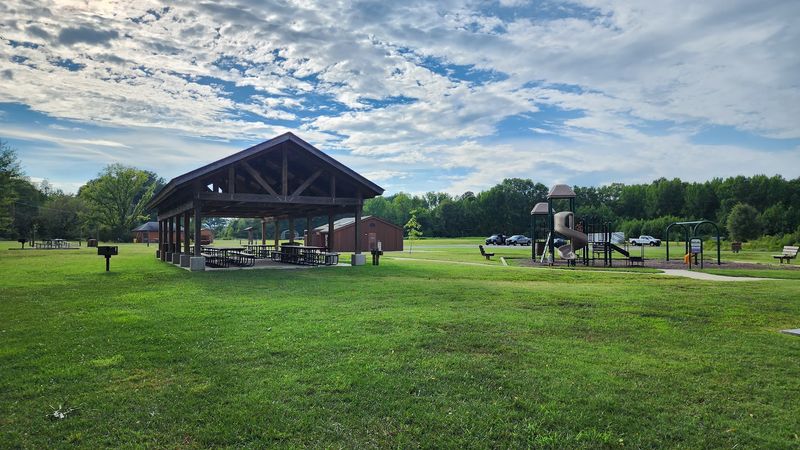
Widewater State Park takes family picnicking seriously, and the facilities reflect that commitment with genuine enthusiasm. Large wooden shelters provide shade for group gatherings, with grills, picnic tables, and wide grassy areas that give kids plenty of room to burn off energy between bites.
The whole setup is clean, well-organized, and surprisingly spacious.
A playground sits right next to one of the main picnic pavilions, keeping younger visitors thoroughly entertained while adults settle in for a leisurely afternoon. The combination of shaded shelter, open lawn, and proximity to the water creates an outdoor dining atmosphere that is hard to beat anywhere in northern Virginia.
Shelters can be reserved in advance, which is a smart move during busy weekends and fall months when the park draws its largest crowds. The autumn season brings a particularly warm and inviting atmosphere as the surrounding trees shift into brilliant color.
Families who make a full day of it often split time between hiking, fishing, picnicking, and exploring the visitor center, finding that Widewater State Park offers just enough variety to keep every age group happy from morning arrival to late afternoon departure.
Wildlife Watching: Birds, Turtles, and the Wild Things In Between
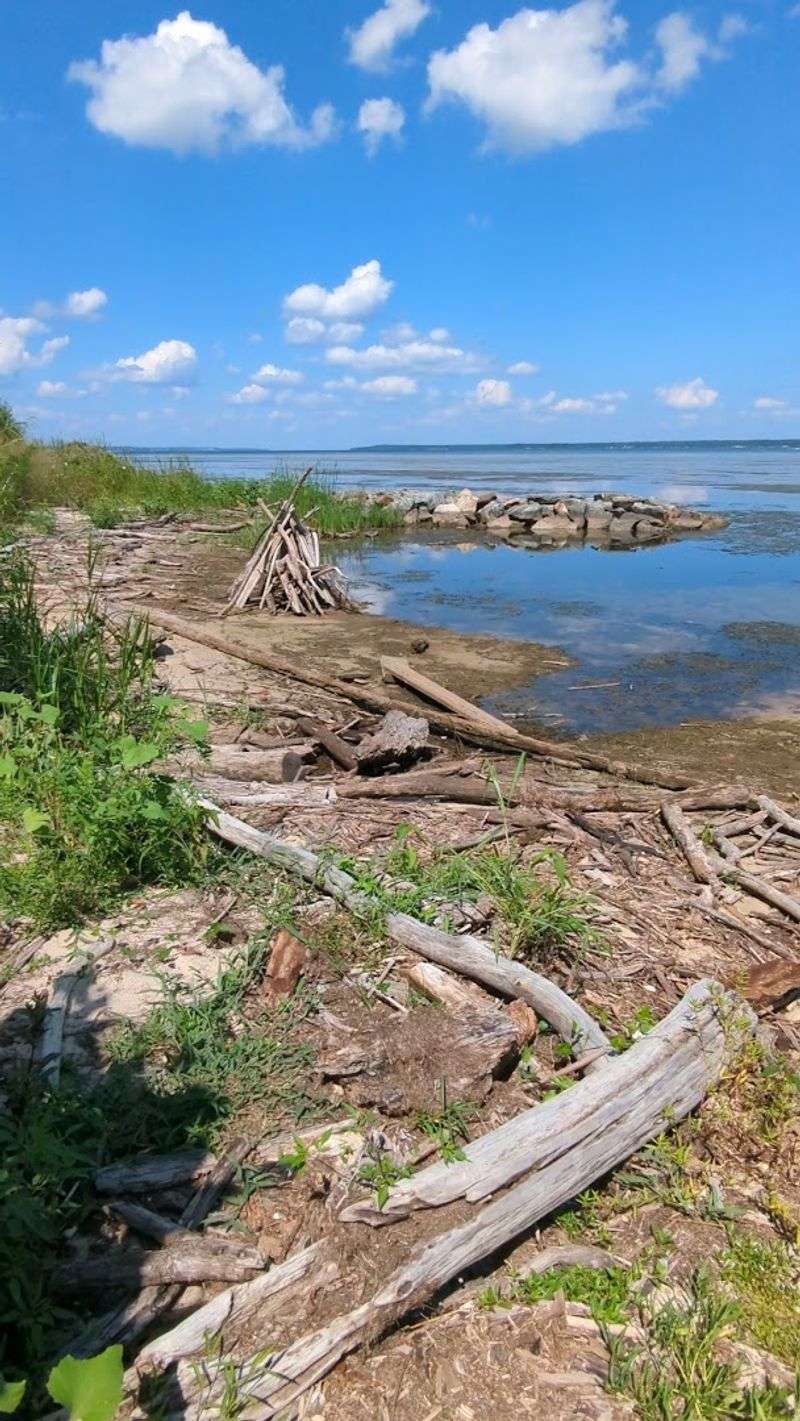
Few state parks in Virginia offer wildlife watching this diverse and accessible. Bald eagles are a legitimate regular sighting along the Holly Marsh Trail and near the water’s edge, which never gets old no matter how many times you see one.
Herons, ospreys, and a rotating cast of migratory waterfowl add to the spectacle throughout the year.
The freshwater tidal marsh environment supports an extraordinary variety of species that would not survive in a typical woodland park. Amphibians thrive in the shallow marsh edges, turtles bask on logs near the water, and the insect life that supports the whole food chain buzzes and flickers constantly in the warm months.
Bring binoculars and a field guide because you will want both.
The live animal displays inside the visitor center give context to what you might spot outdoors, making the whole experience more educational and satisfying. Children especially benefit from seeing a real crayfish or turtle up close before heading out onto the trails to find them in their natural habitat.
Widewater State Park has created a seamless loop between indoor learning and outdoor discovery that works beautifully for curious minds of every age.
Plan Your Visit: Getting There, What to Bring, and Why You Should Go Now
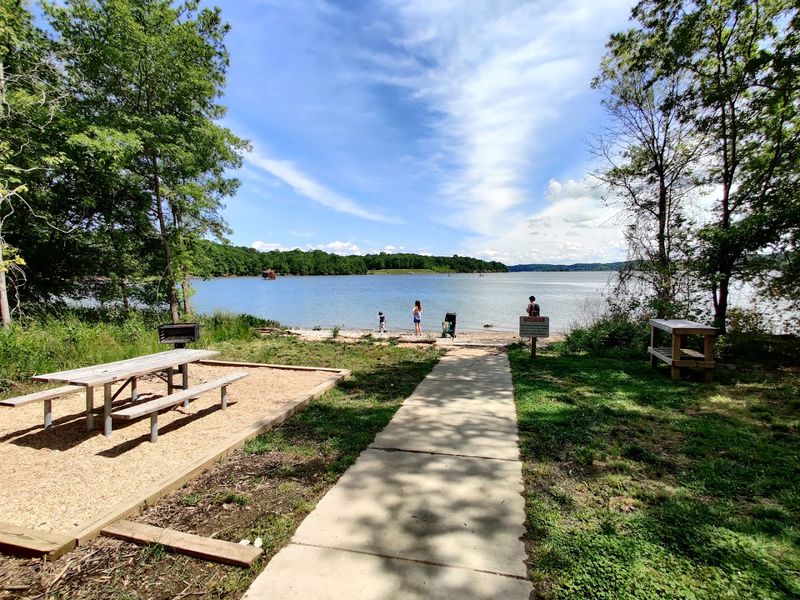
Widewater State Park is located at 101 Widewater State Pk Rd, Stafford, VA 22554, making it a straightforward drive from the Washington D.C. metro area and easily reachable from Richmond as well. The park is split into two sections situated close to each other, so arriving with a plan to explore both sides makes the most of your time on the peninsula.
Pack comfortable walking shoes, sunscreen, bug spray for warmer months, and a reusable water bottle. If paddling is on the agenda, check whether rentals are available or bring your own kayak or canoe for the car-top launch.
A Virginia State Park pass covers parking and saves money if you plan to visit multiple parks across the commonwealth throughout the year.
Fall is spectacular here, with trail foliage peaking and wildlife activity ramping up before winter. Spring brings nesting birds and blooming marsh plants that transform the landscape.
Widewater State Park is still actively developing new amenities, meaning every visit has the potential to reveal something new. Honestly, the best time to go is before everyone else figures out just how extraordinary this place really is.
Pack your bags and get moving.
