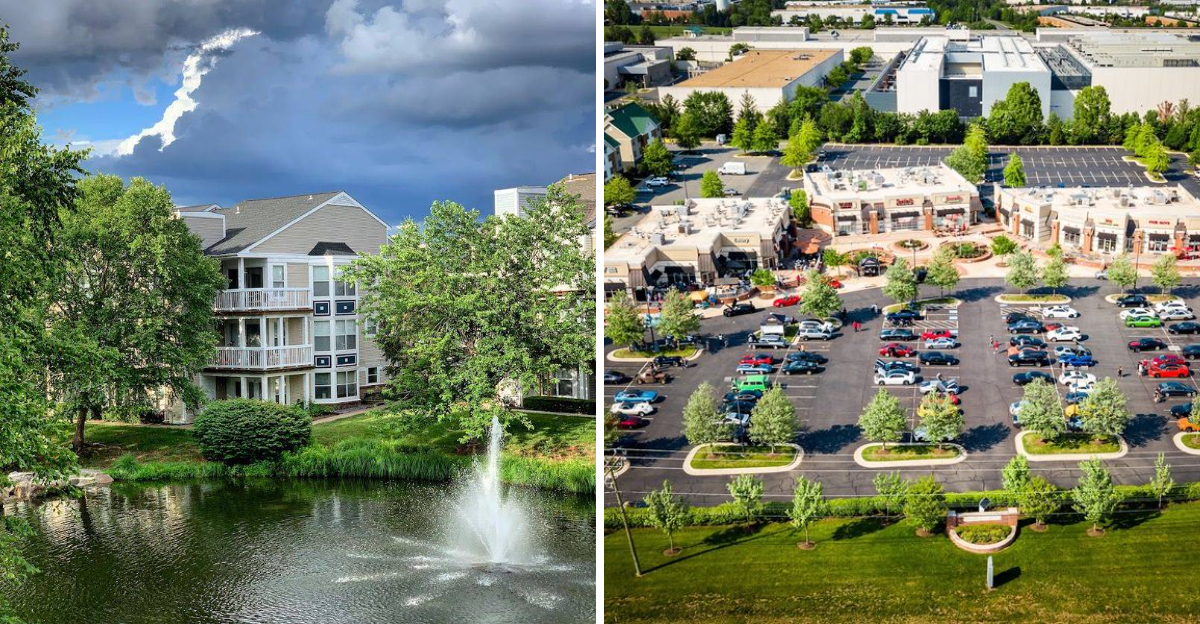
You have probably never heard of this place. That is by design.
While most people drive past on their way to somewhere else, this small Virginia town runs a massive chunk of the internet. Seriously.
Every time you stream a movie, send an email, or scroll through your feed, there is a decent chance your data passed through here. It is strange to think about, a quiet suburb hosting the digital backbone of modern life.
No flashy signs, no tourist attractions, just building after building filled with servers humming away in the dark. The locals barely blink at it anymore.
But once you know, you cannot unsee it.
The Town That Secretly Runs The Internet
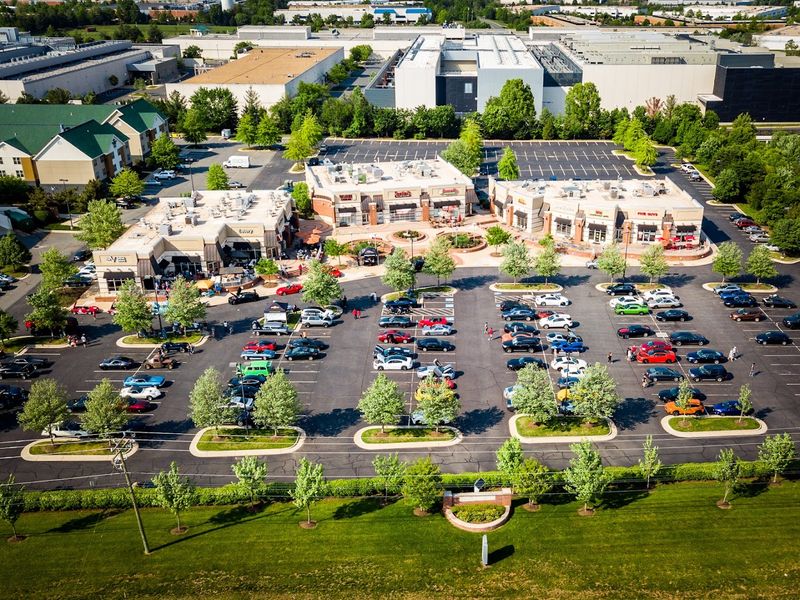
Ashburn, Virginia, does not scream world domination at first glance. Manicured lawns, strip malls, and cheerful coffee shops line the roads, giving the place a perfectly ordinary suburban feel.
Yet underneath that calm surface, something extraordinary is happening every single second of every single day.
Roughly half of the world’s internet traffic passes through this small corner of Virginia. That staggering fact puts Ashburn in a league of its own, outpacing major global cities that you would expect to top such a list.
The sheer concentration of digital infrastructure here is almost impossible to wrap your head around.
Walking through town, you will notice large, windowless buildings set back from the road with serious security perimeters. Those are the data centers, and they are the real heartbeat of Ashburn.
Each one hums with servers processing emails, streaming videos, and powering cloud applications used by billions of people worldwide.
Locals sometimes joke that their quiet suburb is secretly the most connected place on the planet. Honestly, they are not wrong.
Ashburn earned its unofficial title fair and square, and the story of how it got there is one of the most fascinating tech tales of the modern age.
How Loudoun County Became A Tech Powerhouse
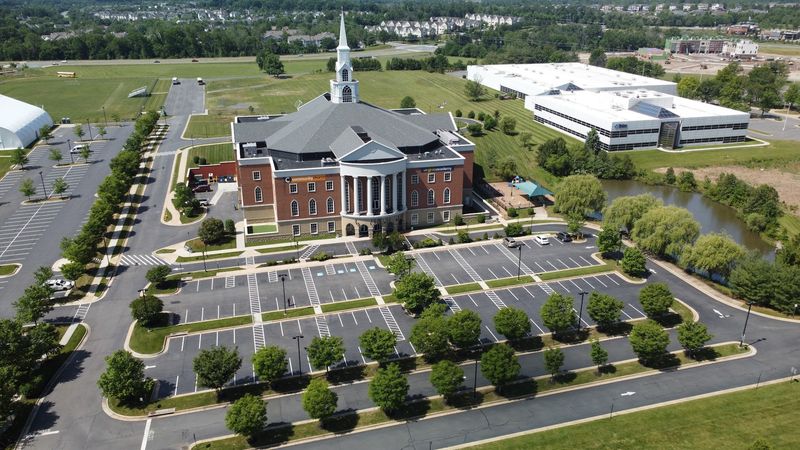
Loudoun County did not stumble into tech stardom by accident. A perfect storm of geography, infrastructure investment, and business-friendly policy turned this Virginia county into one of the most strategically valuable pieces of real estate in the digital world.
The region sits at a natural crossroads for fiber-optic cable networks. Early internet infrastructure builders recognized that routing cables through this area created efficient connections between the East Coast, government networks, and transatlantic links.
Once the cables came, the data centers followed, and they kept coming.
Favorable tax conditions in Virginia made the decision even easier for major technology companies. Loudoun County offered compelling incentives that made building here more attractive than competing locations in other states.
Smart local leadership helped seal the deal by streamlining permitting and supporting infrastructure growth.
Today, the county is home to an almost surreal density of high-tech facilities. Drive along the Dulles Greenway corridor and you will spot one massive building after another, each one processing data for global enterprises, streaming platforms, and government agencies.
Loudoun County transformed itself from a rural agricultural area into a global tech hub within just a few decades, which is a jaw-dropping pace of change by any measure.
The Fiber-Optic Web Beneath Your Feet
One of Ashburn’s most powerful advantages is completely invisible. Beneath the roads and parking lots of this Virginia town runs one of the densest concentrations of fiber-optic cable on the entire planet.
That underground web is the secret sauce that makes Ashburn so irresistible to tech companies.
Fiber-optic cables carry data as pulses of light, moving information at breathtaking speeds across vast distances. Having multiple competing fiber networks converge in one location creates what engineers call a low-latency environment, meaning data travels faster and more reliably here than almost anywhere else.
For companies that need split-second response times, that matters enormously.
The convergence point for much of this infrastructure is a facility known as the Ashburn Internet Exchange, one of the busiest internet exchange points in the world. Traffic from across North America and beyond routes through this hub, making Ashburn a genuine nerve center of the global internet.
Think of it like a massive highway interchange, except instead of cars, billions of data packets are zipping through every moment. The next time you load a webpage in under a second, there is a very real chance that your request traveled through the fiber-optic web buried beneath the streets of Ashburn, Virginia.
Big Tech Names That Call Ashburn Home
The roster of companies operating in Ashburn reads like a who’s-who of the global technology industry. Major cloud providers, telecommunications giants, and internet infrastructure companies have all planted flags in this Virginia town, drawn by the same irresistible combination of location and connectivity.
Amazon Web Services, Microsoft Azure, and Google all maintain significant infrastructure in the Northern Virginia region, with Ashburn sitting at the center of gravity. These are the platforms that power everything from your favorite streaming service to the apps on your phone.
Their presence in Ashburn is not a coincidence but a calculated strategic choice.
Beyond the household names, dozens of specialized colocation providers and network operators have built campuses here. Companies like Equinix and Digital Realty have constructed enormous facilities that rent space to thousands of other businesses, creating a layered ecosystem of digital infrastructure that reinforces itself with every new arrival.
This concentration of tech muscle creates a network effect. The more companies that locate here, the more valuable the location becomes for the next company considering a move.
Ashburn has essentially become the tech world’s favorite address, and that reputation only grows stronger with each passing year.
Why Natural Disaster Risk Makes Ashburn A Safe Bet
Location scouts for data center projects obsess over risk, and Ashburn scores remarkably well on every checklist. Virginia’s geological stability means earthquakes are rare and mild compared to fault-heavy regions on the West Coast.
That alone gives risk managers a significant reason to favor this part of the country.
Flooding is another major concern for data center operators, since water and electronics make a catastrophically bad combination. Ashburn sits at a relatively high elevation and away from major flood plains, reducing that risk considerably.
The area does not experience the kind of severe hurricane impacts that regularly threaten coastal Virginia communities.
Tornadoes, while not unheard of in the mid-Atlantic region, are far less frequent and violent here than in the central United States. Data center operators can build with confidence that a sudden severe weather event will not wipe out years of infrastructure investment overnight.
Combine low seismic risk, manageable flood exposure, and moderate tornado threat, and you get an environment where uptime guarantees are actually achievable. For industries that promise customers near-perfect availability, that environmental stability is priceless.
Ashburn, Virginia, delivers the kind of boring, predictable weather that data center engineers absolutely love.
The Government Connection That Changed Everything
Proximity to Washington, D.C., is one of Ashburn’s most underrated advantages. Major federal agencies, defense contractors, and intelligence organizations all operate in the greater D.C. metro area, creating a massive and constant demand for secure, high-speed data infrastructure nearby.
Government networks require extreme reliability and ironclad security. Having data centers located just 30 miles from the capital allows agencies to maintain fast, low-latency connections to their cloud and colocation partners without routing sensitive traffic across the country.
That geographic advantage is something no other tech cluster can replicate.
The defense and intelligence communities have historically been early adopters of advanced technology, and their presence in the region helped attract private-sector tech investment to Northern Virginia long before the data center boom reached its current scale. The government-tech relationship here is symbiotic and deeply entrenched.
Ashburn also benefits from a highly educated workforce drawn to the D.C. metro area by government and defense jobs. That talent pool spills over into the private tech sector, giving data center operators and cloud companies access to skilled engineers and security professionals.
The government connection did not just help Ashburn grow; it fundamentally shaped what kind of tech hub it became.
The Environmental Elephant In The Server Room
All that digital power comes with a serious environmental price tag. Data centers consume enormous amounts of electricity to run servers and keep them cool, and Ashburn’s concentration of these facilities means the region’s energy demands have grown at a pace that genuinely concerns climate advocates and local officials alike.
Virginia has found itself in an intense national conversation about how to balance technological growth with environmental responsibility. The state’s electricity grid faces real pressure as new data center projects continue to come online, and questions about where all that power comes from are getting louder by the year.
Tech companies operating in Ashburn have responded with pledges to source renewable energy and invest in more efficient cooling technologies. Some facilities use innovative approaches like outside air cooling during cooler months to reduce mechanical refrigeration needs.
Progress is happening, but critics argue it is not happening fast enough.
The environmental debate around Ashburn’s data center industry is genuinely complex. On one hand, digital infrastructure enables remote work, paperless systems, and efficiencies that reduce emissions elsewhere.
On the other hand, the raw electricity consumption numbers are hard to ignore. Virginia is actively working through this tension as it looks toward a more sustainable digital future.
Living In The Shadow Of Server Farms
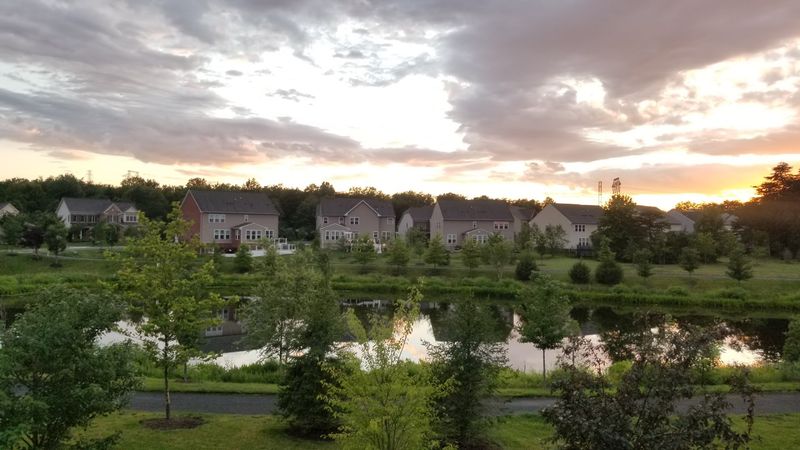
Imagine living next door to one of the most important pieces of internet infrastructure on Earth and still complaining that the grocery store is too crowded. That is life in Ashburn, Virginia, where ordinary suburban existence unfolds in the shadow of extraordinary digital infrastructure.
Residents have mixed feelings about the data center boom. On the positive side, the industry pumps serious tax revenue into local schools and public services, making Loudoun County one of the wealthiest and best-resourced counties in the entire United States.
That is a genuine quality-of-life benefit that most communities would envy.
On the flip side, data centers do not create many local jobs relative to their massive footprints. A facility that occupies several city blocks might employ only a small permanent staff, which frustrates residents who expected more community economic benefit from such large neighbors.
Traffic, noise from industrial cooling equipment, and the visual impact of enormous windowless buildings on residential landscapes are recurring complaints. Community meetings in Ashburn regularly feature passionate debates about where the next data center should or should not go.
Life here is comfortable, prosperous, and occasionally loud in ways that have nothing to do with the neighbors.
Exploring Ashburn Beyond The Server Farms
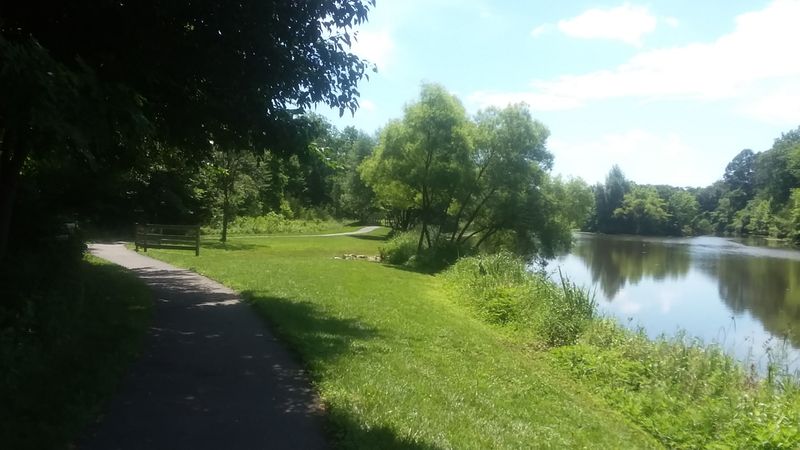
Ashburn is more than a tech story, and visitors who look past the data centers discover a genuinely pleasant place to spend time. The town sits in a part of Virginia that blends suburban convenience with access to beautiful natural landscapes, making it a surprisingly enjoyable destination.
The W&OD Trail, a paved rail-trail stretching across Northern Virginia, passes right through the area and gives cyclists, runners, and walkers a fantastic route through the region. On a sunny day, the trail buzzes with activity and offers a refreshing contrast to the industrial scale of the surrounding tech corridor.
Nearby Leesburg offers charming historic architecture, boutique shops, and a lively downtown scene just a short drive away. The broader Loudoun County area is also famous for its wine country, with rolling vineyard landscapes that feel worlds away from the humming server rooms of Ashburn proper.
The town itself has developed a solid dining and retail scene to serve its growing population. Restaurants, fitness studios, and entertainment venues have followed the residential growth, giving Ashburn a community energy that goes well beyond its digital reputation.
Pack comfortable shoes and explore the trails before hitting one of the local spots for a well-earned meal.
The Future Of Ashburn And The Digital World
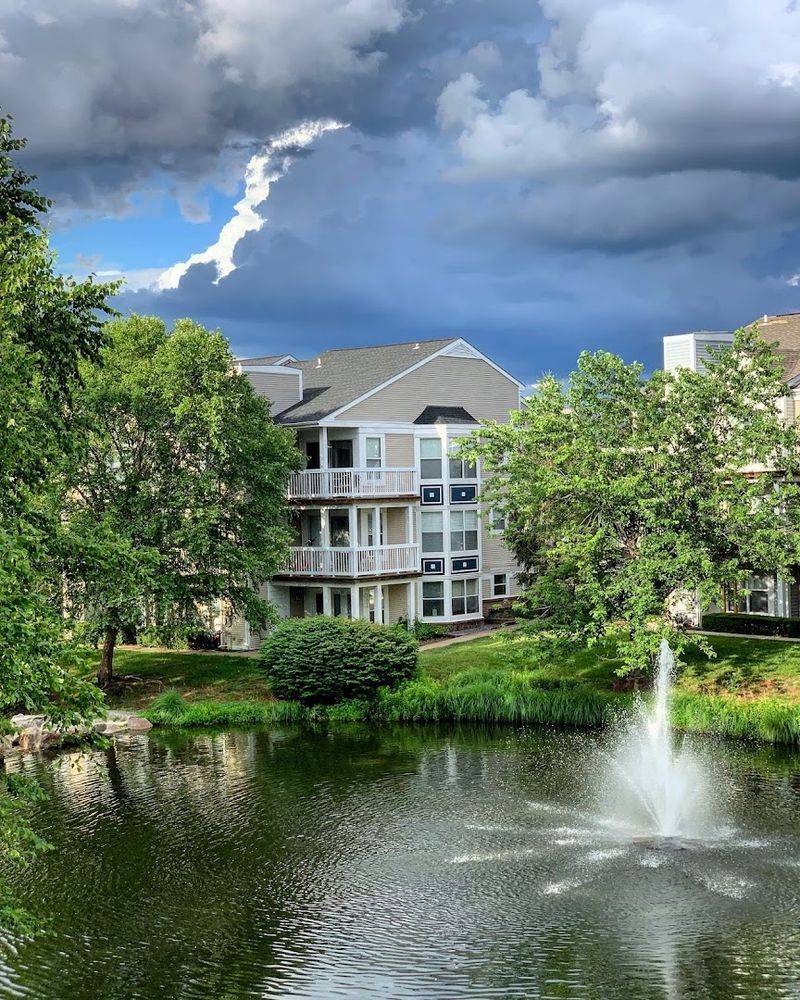
Ashburn’s story is far from finished. The global demand for cloud computing, artificial intelligence infrastructure, and streaming content continues to accelerate, and that means the pressure to build more data center capacity in this corner of Virginia is not letting up anytime soon.
Competition from other states is real. Texas has been aggressively courting data center investment with its own package of incentives, and Virginia policymakers are actively debating how to stay competitive while managing the environmental and community impacts of continued expansion.
The outcome of that policy debate will shape Ashburn’s trajectory for decades.
Technological advances in artificial intelligence are creating a new wave of demand that dwarfs previous growth cycles. AI systems require enormous computing power, and that computing power needs to live somewhere.
Ashburn, Virginia, with its established infrastructure and connectivity advantages, is positioned to capture a major share of that next wave.
The town at the center of it all sits at 39.0437567 latitude and -77.4874416 longitude in Loudoun County, Virginia. That precise point on the map has become one of the most digitally significant addresses on the planet.
Pack your curiosity and head to Ashburn to witness the quiet, humming, absolutely world-changing future that is already very much underway.
