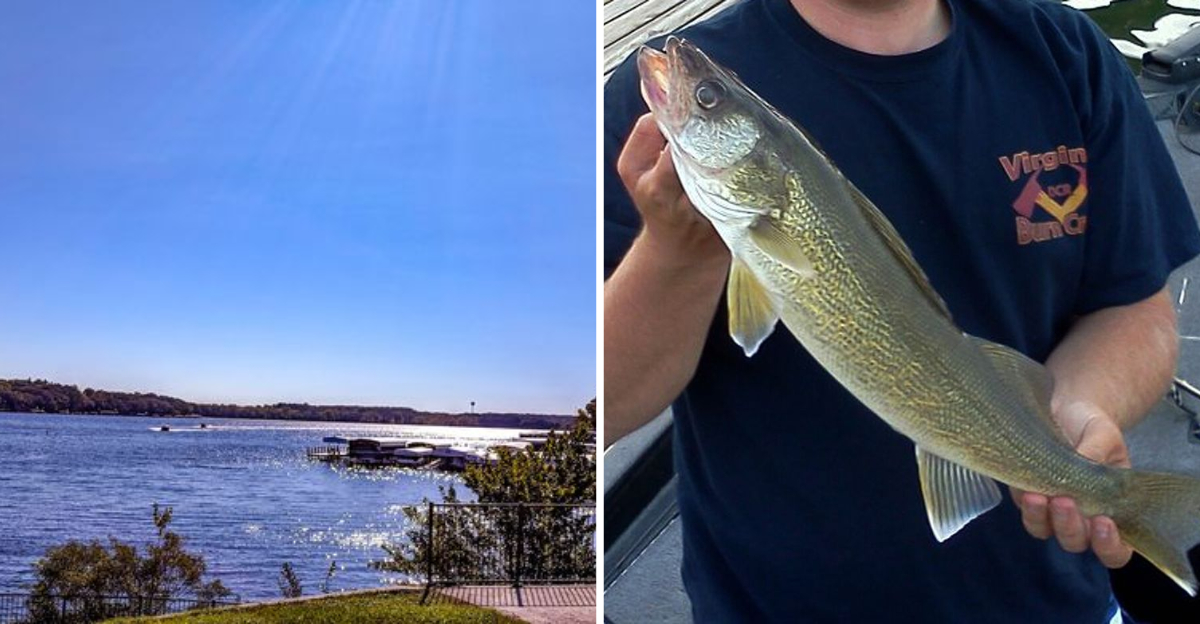
You can feel the energy building around here. Fishermen are checking their gear.
Boats are getting prepped. The local bait shop has already sold out of the good stuff twice.
Walleye season opens May 2 and people have been waiting for this since last winter. Iowa’s chain of lakes is famous for producing big fish, and the anglers know it. They come from all over the state, some from neighboring states too.
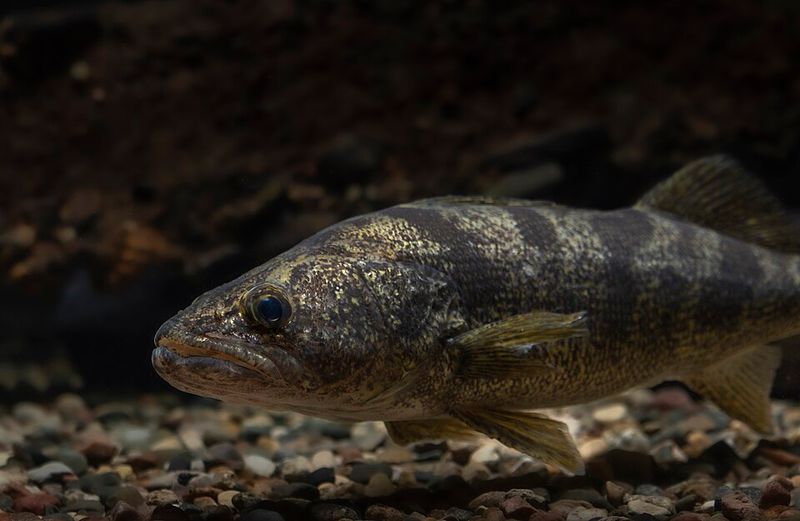
I talked to a guy who has been marking the days on his calendar since February. He showed me a photo of a walleye he caught three years ago.
Still bragging about it. That is the kind of energy this season brings.
Opening Day Energy Fills the Lakes
The atmosphere at boat launches before dawn on May 2 reminds me why I love fishing. Trailers line up hours before sunrise, and the excitement is contagious.
Everyone shares tips, checks weather apps, and speculates about where the fish are holding.
This annual tradition brings together seasoned veterans and first-timers alike. Some anglers have fished these waters for decades, while others are experiencing their first walleye opener.
The shared anticipation creates a unique community spirit that you don’t find on regular fishing days.
Local bait shops stock extra minnows and leeches, knowing they’ll sell out quickly. Marinas extend their hours to accommodate the rush.
Hotels in the area book solid weeks in advance. The economic boost to the region is substantial, but it’s the passion for walleye fishing that truly drives this phenomenon.
I usually arrive at my chosen launch by 4:30 AM to secure a decent spot. The wait is worth it when you finally hit the water and cast your first line of the season.
That initial strike makes all the preparation worthwhile.
Spirit Lake’s Reputation as Walleye Central
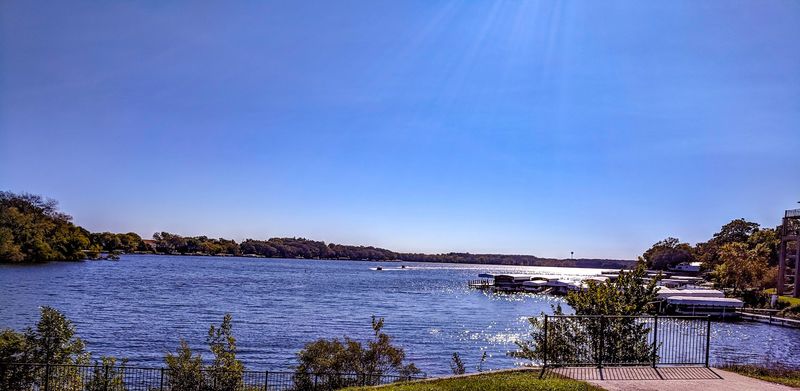
Spirit Lake earns its reputation as Iowa’s premier walleye fishery year after year. At 5,684 acres, it offers plenty of room to spread out even on busy opening weekend.
The lake’s relatively shallow depth and sandy bottom create ideal walleye habitat.
Experienced anglers target the reefs and humps that dot the lake’s contours. These underwater structures hold baitfish, which naturally attract hungry walleyes.
GPS mapping helps locate these spots, though many veterans know them by heart. The area near Big Spirit’s connection to smaller channels can be particularly productive during spring spawning runs.
Water clarity in Spirit Lake varies throughout the season, but early May typically offers good visibility. This allows anglers to use visual presentations along with traditional jigging techniques.
The walleyes here tend to be aggressive feeders coming out of winter, making the spring bite especially exciting.
I’ve pulled some of my best stringers from Spirit Lake over the years. The combination of healthy fish populations and diverse structure makes every trip different.
Whether you prefer trolling cranks or vertical jigging, this lake delivers consistent action during the opener.
East Okoboji’s Underrated Walleye Action
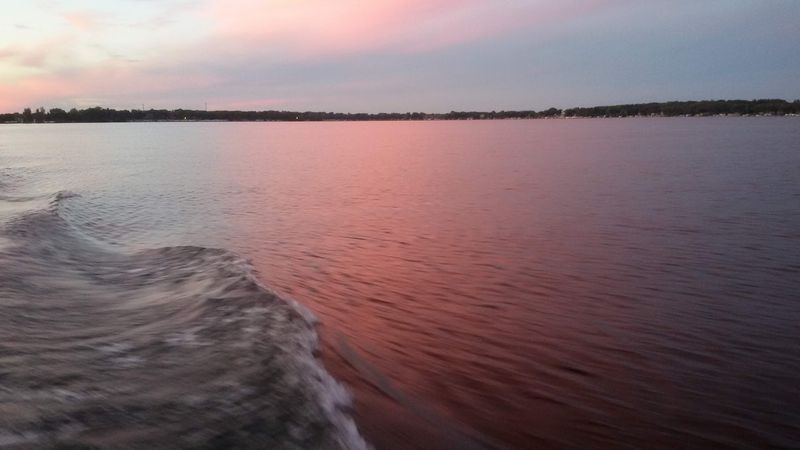
Many anglers overlook East Okoboji in favor of its larger neighbors, but that’s their mistake. This 1,835-acre lake produces quality walleyes without the heavy pressure found elsewhere.
The fish here don’t see as many lures, making them less wary and more willing to bite.
The shallow bays on East Okoboji warm quickly in spring, drawing walleyes into areas where they’re accessible from shore or shallow-running boats. Rocky points and transitions from hard to soft bottom are money spots.
I’ve found that working these areas methodically pays off better than rushing from spot to spot.
The connection between East Okoboji and West Okoboji through the narrows creates current that concentrates baitfish. Walleyes stage in these areas to ambush prey.
Casting jigs tipped with minnows through these zones often produces strikes from active fish.
What I appreciate most about East Okoboji is its accessibility. Several public access points provide easy launching, and you don’t need a massive boat to fish it effectively.
A smaller rig actually works better for navigating the shallower sections where walleyes cruise during the post-spawn period.
West Okoboji’s Deep Water Walleye Opportunities
West Okoboji stands out as Iowa’s deepest natural lake, reaching depths over 130 feet in some areas. This depth creates unique walleye fishing opportunities that differ significantly from the other lakes.
The steep breaks and drop-offs hold fish at various depths depending on conditions.
Early season walleyes in West Okoboji often suspend over deep water, following schools of cisco and other forage. Finding them requires electronics and patience.
Once located, they can be caught consistently using techniques adapted to their depth preference. Trolling allows you to cover water efficiently while presenting baits at the proper depth.
The lake’s clarity means walleyes here can be more finicky than their counterparts in stained water. Lighter line, smaller presentations, and natural colors often outperform flashy options.
I’ve learned to adjust my approach based on sky conditions and water temperature readings.
Despite the challenges, West Okoboji rewards skilled anglers with beautiful, healthy walleyes. The average size tends to run larger than the other lakes, making it worth the extra effort.
The scenic beauty of this crystal-clear lake is an added bonus to any fishing trip.
Essential Gear for Opening Weekend Success
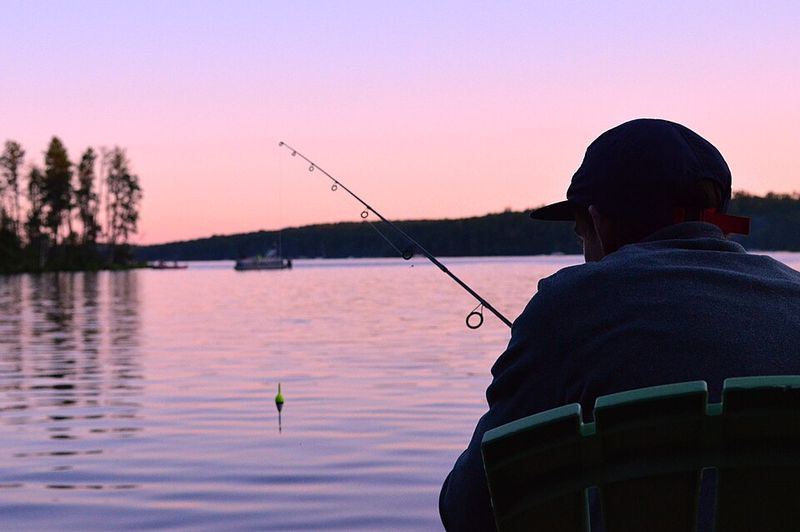
Your tackle selection can make or break your opening day experience. I pack a variety of jig weights ranging from 1/8 to 1/2 ounce to adjust for depth and current.
Bright colors like chartreuse and pink work well in stained water, while natural shad and perch patterns shine in clearer conditions.
Fresh line is crucial before the season starts. I respool all my reels with quality monofilament or fluorocarbon suited to walleye fishing.
Eight to ten-pound test handles most situations while providing good sensitivity for detecting subtle bites. A good rod holder system keeps multiple lines in the water when trolling.
Live bait remains the most reliable walleye producer in Iowa’s Great Lakes. Minnows, leeches, and nightcrawlers all have their place depending on water temperature and fish mood.
I always bring more than I think I’ll need because running out mid-trip is frustrating.
Don’t forget the basics like needle-nose pliers, a quality landing net, and proper measuring devices. Iowa regulations specify size and bag limits that change periodically, so staying current is important.
A cooler with ice keeps your catch fresh for the table later.
Understanding Spring Walleye Patterns
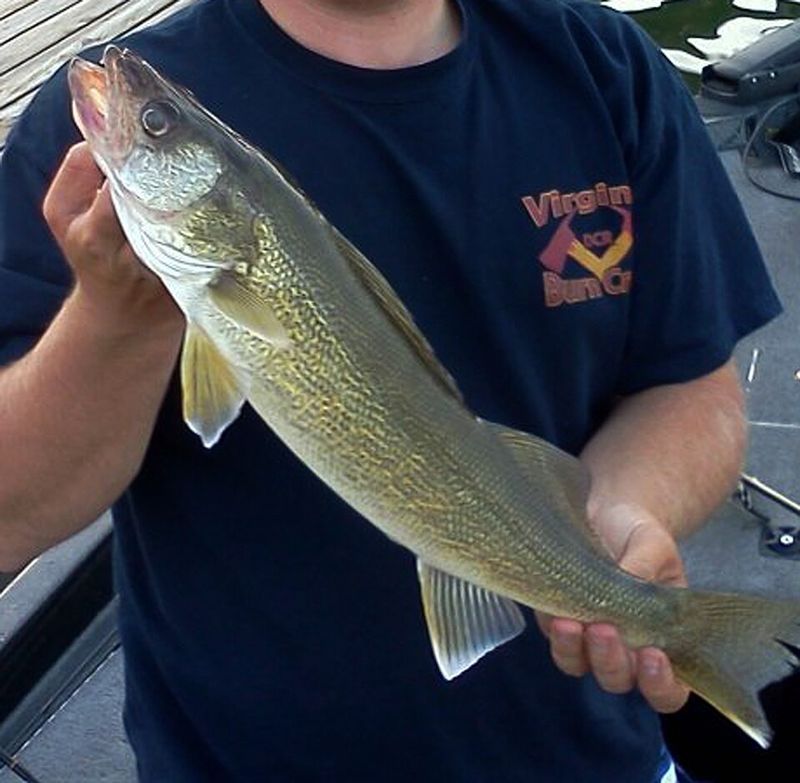
Spring walleyes behave differently than their summer and fall versions. The post-spawn period coincides with the May 2 opener, meaning fish are recovering and feeding aggressively to regain lost energy.
They tend to hold in shallow to mid-depth ranges, making them accessible to various fishing methods.
Water temperature drives walleye activity more than any other factor. When temps reach the mid-50s to low 60s, fish become increasingly active.
I always check current conditions before launching because a few degrees can completely change the bite. Warmer pockets near dark-bottomed bays heat faster and concentrate fish.
Time of day matters too, though not as much as in summer. Early morning and evening still produce the best action, but overcast days can trigger midday feeding frenzies.
I’ve caught limits at noon on cloudy days that would have been dead slow under bright sun.
Movement patterns relate to forage availability. As minnows and insects become more active, walleyes position themselves along migration routes.
Paying attention to baitfish activity reveals where predators are likely holding. It’s detective work that makes each outing a learning experience, keeping me coming back season after season.
