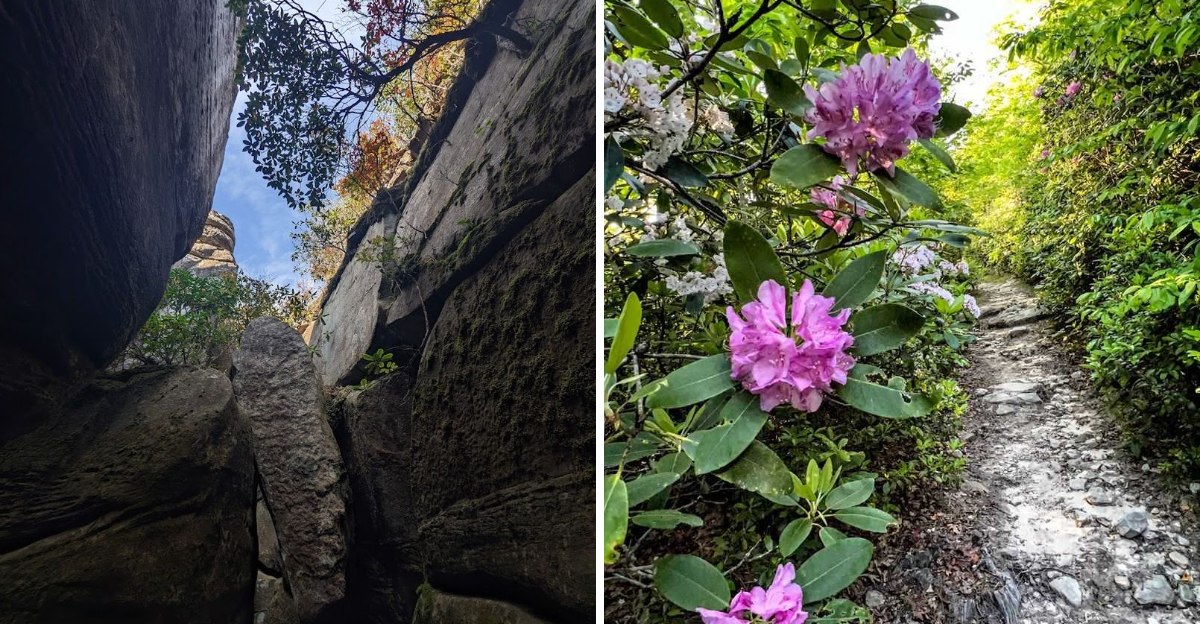
You do not need a plane ticket or a week off work to see something wildly unnatural. Tucked away in our own backyard is a crack in the earth that will trick your entire brain.
The walls rise up around you in tight, wave like curves that scream Utah, but the drive time whispers Virginia. It is narrow, it is mysterious, and it feels completely illegal to be there even though it is totally not.
Hiking here is more like squeezing through a secret passageway in a fantasy novel. You will keep looking around for a cowboy or a cactus.
Spoiler: you will find neither, just pure rocky magic.
What Exactly Are the Great Channels?
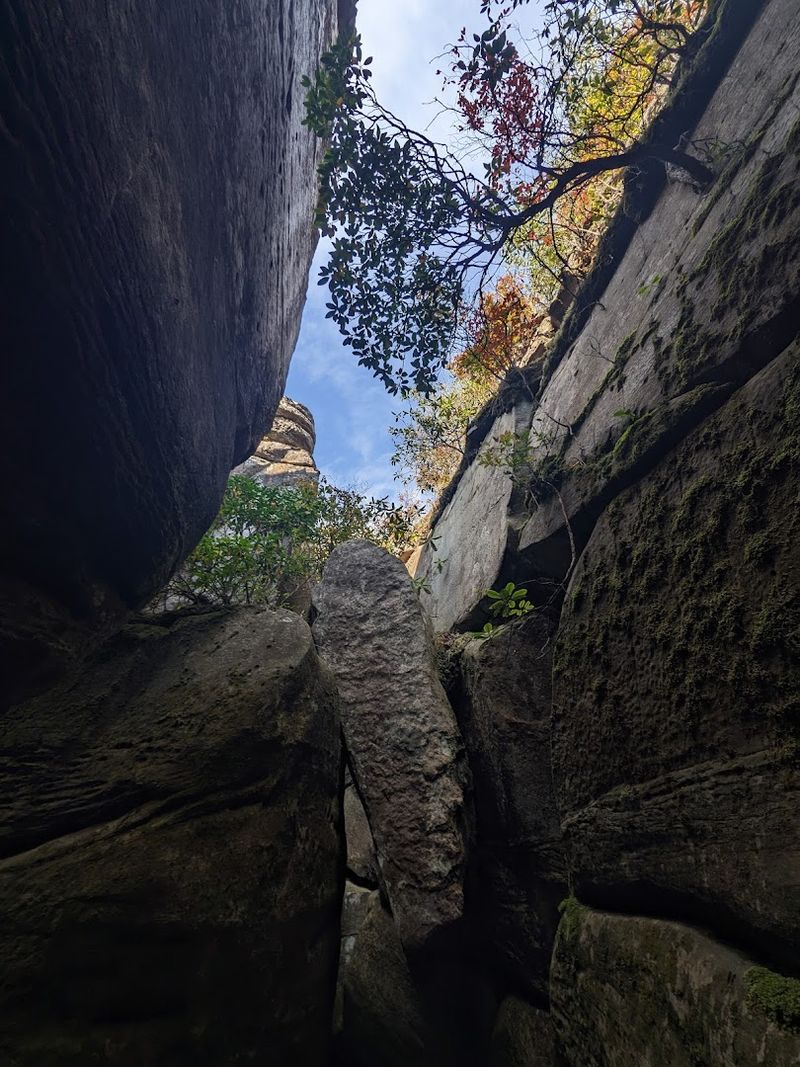
Picture this: ancient sandstone formations cracked and sculpted by ice and permafrost over hundreds of millions of years, creating deep, narrow passages that look straight out of a Southwest desert postcard. That’s exactly what greets you at the Great Channels, one of Virginia’s most spectacular and underappreciated natural wonders.
The formations were shaped roughly 400 million years ago, when the forces of geology and glacial activity worked together to split the bedrock into dramatic crevices. Some of those crevices plunge 30 to 40 feet deep, creating a labyrinthine maze that feels genuinely otherworldly.
Managed as part of the Channels Natural Area Preserve and the larger Channels State Forest, the site sits within a protected landscape overseen by the Virginia Department of Forestry. The preserve covers thousands of forested acres, making it a pristine and carefully maintained natural treasure.
Virginia has no shortage of beautiful landscapes, but nothing else in the state quite compares to this extraordinary place.
The Geology Behind the Magic
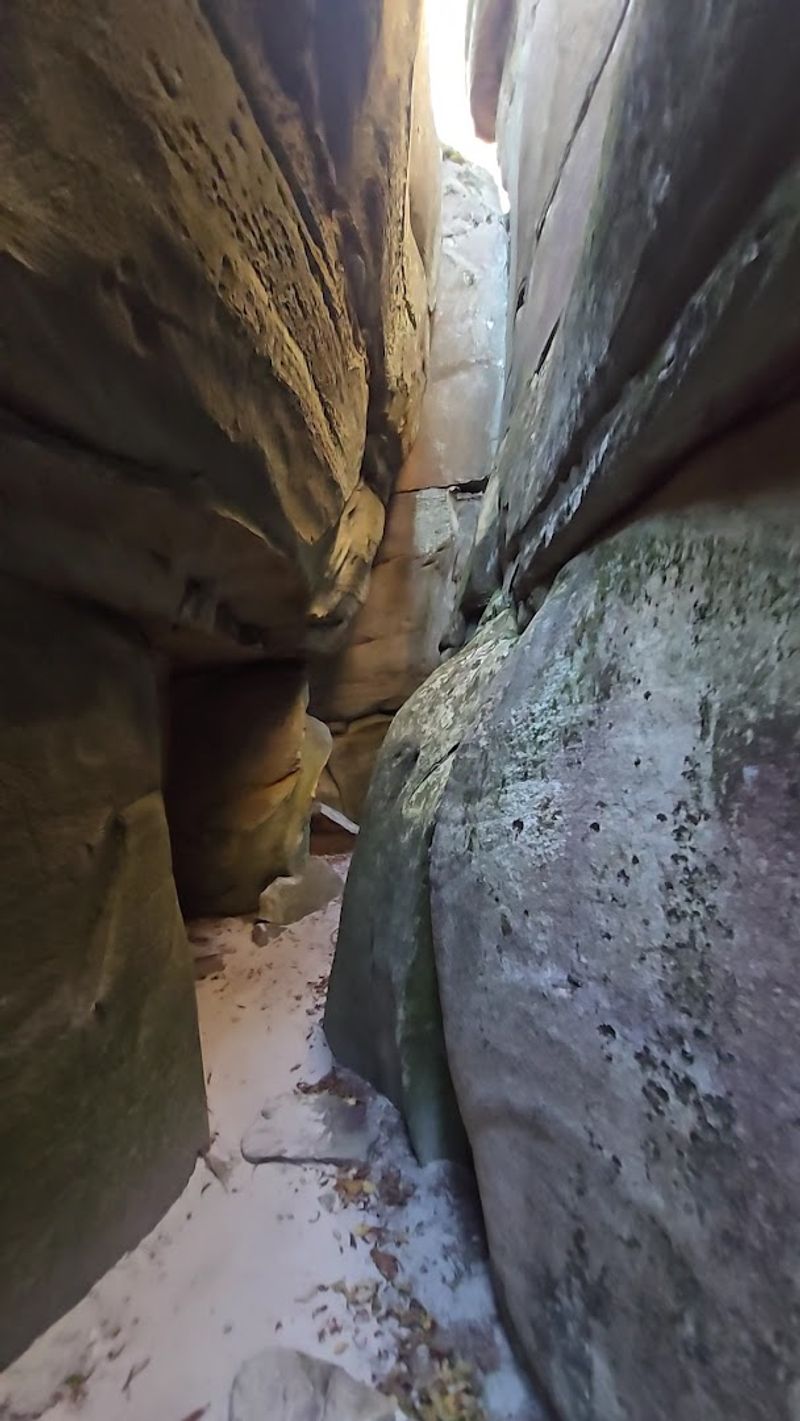
Most people come for the scenery, but the science behind the Great Channels is just as mind-blowing as the view. These sandstone formations were not carved by water like the slot canyons of Utah.
Instead, intense freeze-thaw cycles during the last ice age caused the rock to fracture and shift, creating the dramatic vertical crevices you see today.
The process is called periglacial weathering, and it’s surprisingly rare in the eastern United States. That’s precisely what makes the Great Channels such a geological oddity.
Standing inside those narrow passages, you’re essentially walking through hundreds of millions of years of Earth’s history pressed into stone.
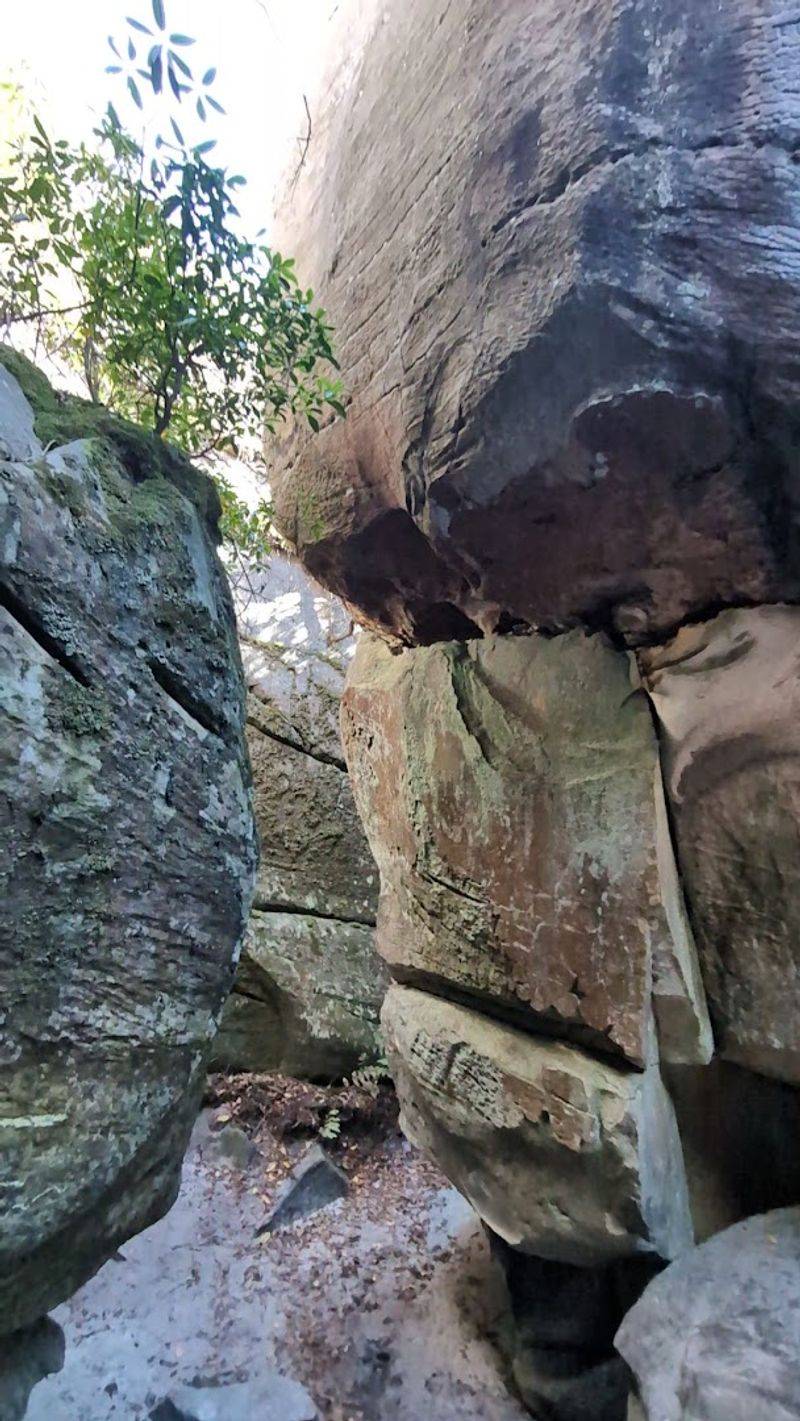
The sandstone itself has a beautiful warmth to it, glowing orange and amber in the right light, with streaks of gray and brown from mineral deposits. Patches of moss cling to the shaded walls, adding bursts of vivid green that contrast stunningly with the raw rock.
Virginia geology rarely gets this dramatic, this textured, or this visually spectacular in a single concentrated spot.
Getting to the Trailhead at Hayters Gap
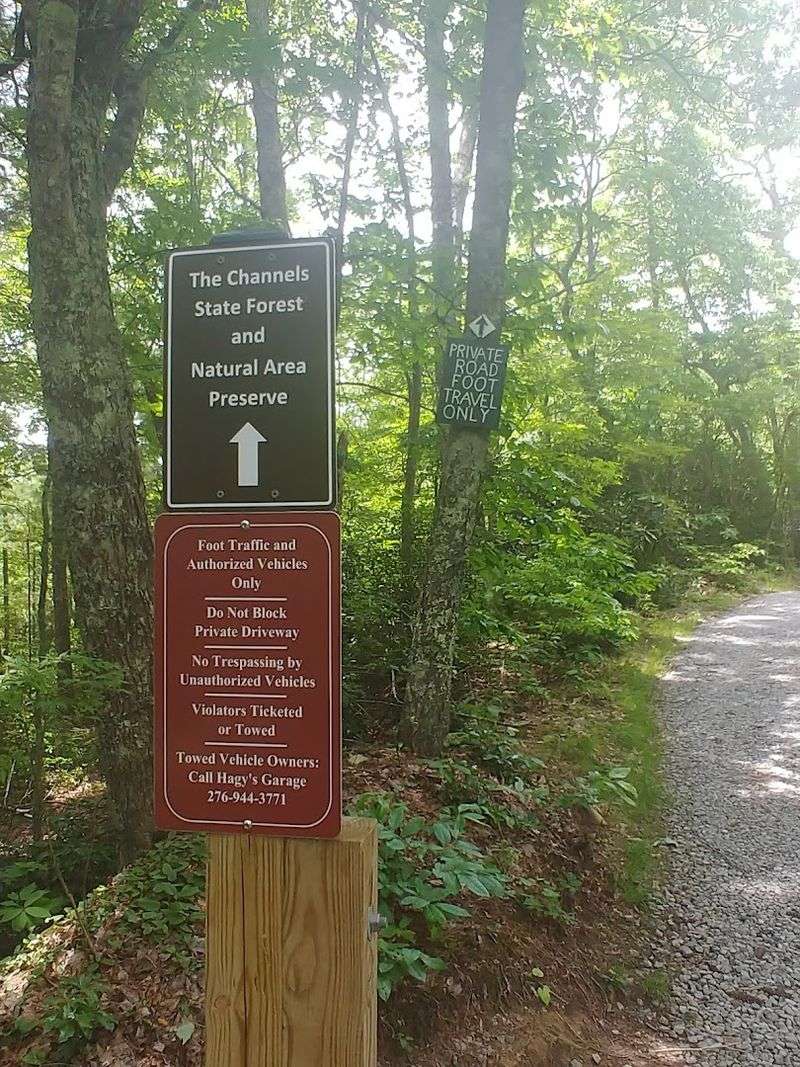
Finding this place is half the adventure, and I say that with genuine affection. The trailhead sits at Hayters Gap on Route 80, right near the Washington and Russell County line in Southwest Virginia.
A small pull-off parking area accommodates only a handful of cars, and that number is strictly enforced by rangers who take the rules seriously.
Parking along Route 80 is completely off the table. Rangers actively patrol the area, and vehicles parked illegally face ticketing or towing.
The best strategy is arriving early, ideally before mid-morning on weekends, to secure one of the limited spots. Weekday visits dramatically improve your chances of a stress-free arrival.
Navigation deserves a special mention here. Many mapping apps have been known to direct drivers to the wrong end of the preserve, adding frustrating extra miles to the journey.
The reliable approach is searching specifically for the Channels Natural Area Preserve using the Saltville address to ensure accurate directions. Once you arrive and lace up your boots, the whole experience shifts into something genuinely exciting and worth every minute of the drive.
The Hike Up Brumley Mountain
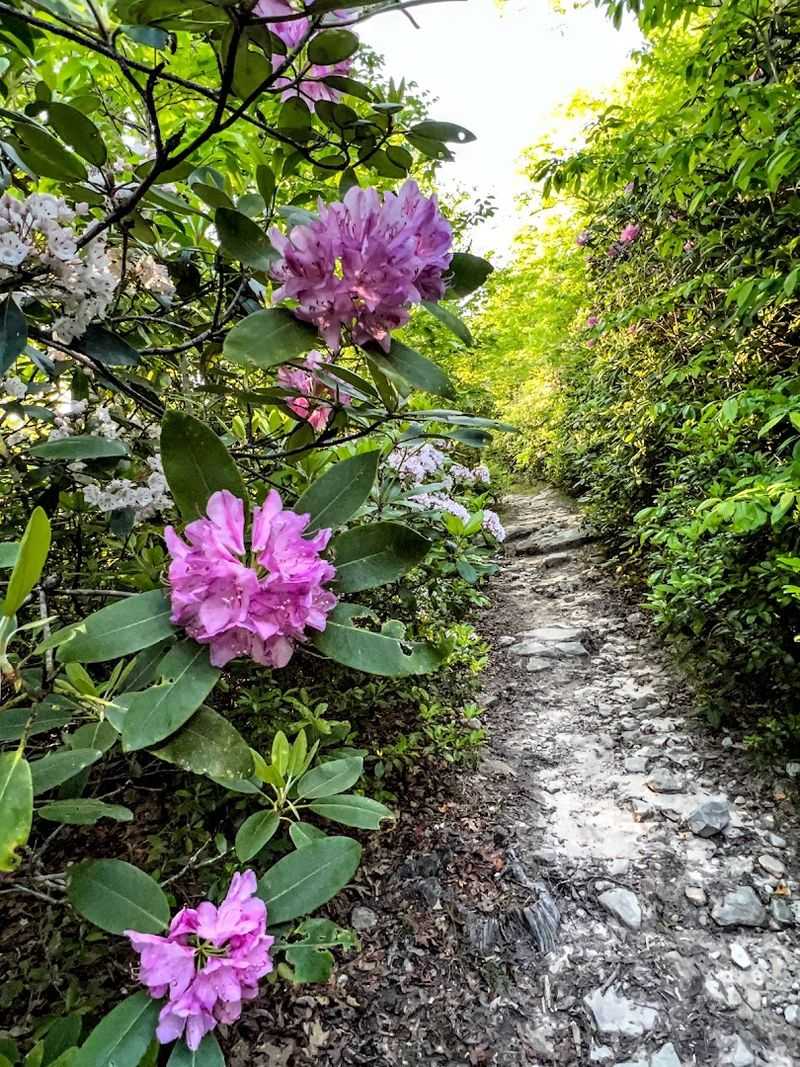
The trail begins innocuously enough, following a gravel road bed that some hikers find a bit underwhelming at first. Stick with it, because the scenery improves dramatically as the route transitions into a proper forested trail marked with white blazes through Channels State Forest.
The Brumley Mountain Trail climbs steadily through beautiful mixed forest, offering occasional glimpses of the surrounding ridgelines as the elevation builds. There’s a section of flowering trees along the trail that reportedly transforms into a breathtaking tunnel of blossoms in late April and early May, making spring one of the most rewarding times to visit.
The terrain is classified as moderate, but the consistent uphill grade will remind your legs it means business. Loose rocks and gravel underfoot require sturdy footwear, and the trail after rain becomes significantly more slippery and challenging.
Trekking poles are a smart addition for anyone who prefers a little extra stability on steep sections. Virginia mountain trails have a way of humbling even confident hikers, and this one is no exception.
The reward waiting at the top makes every uphill step absolutely worthwhile.
The Fire Tower and the Final Push
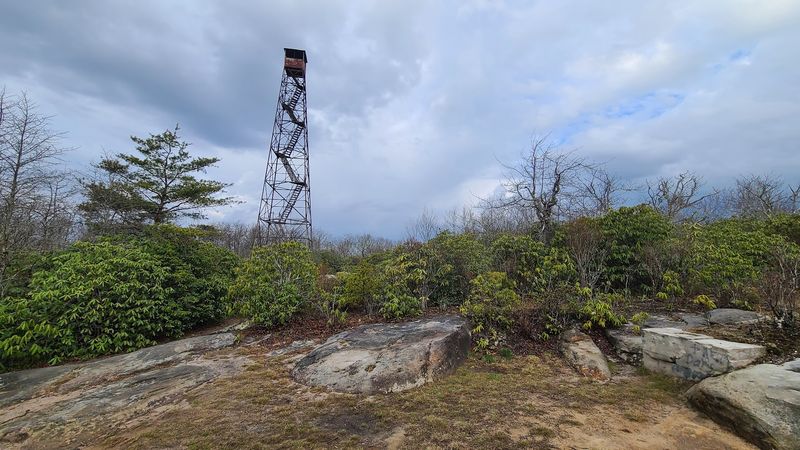
About halfway through the journey, the old Clinch Mountain fire tower appears through the trees like a rusted monument to a different era of forest management. It’s an evocative sight, a reminder that these mountains were once actively patrolled by lookouts scanning for smoke across the ridges of Southwest Virginia.
The fire tower itself is off-limits to the public, as clearly posted at the trailhead. Admire it from a respectful distance and keep moving, because the best part of the hike still lies ahead.
Just past the tower, the landscape begins to shift noticeably, with sandstone outcroppings appearing along the trail like previews of the main attraction.
The final approach to the Great Channels brings a palpable change in atmosphere. The air feels cooler, the forest quieter, and the rocks larger and more dramatic with every step forward.
A trail junction offers the choice to take the Channels Spur Trail, which branches left and descends directly toward the formations. This is the moment the hike transforms from a pleasant mountain walk into something genuinely extraordinary and unforgettable.
Keep your eyes wide open from here on.
Stepping Inside the Channels Themselves
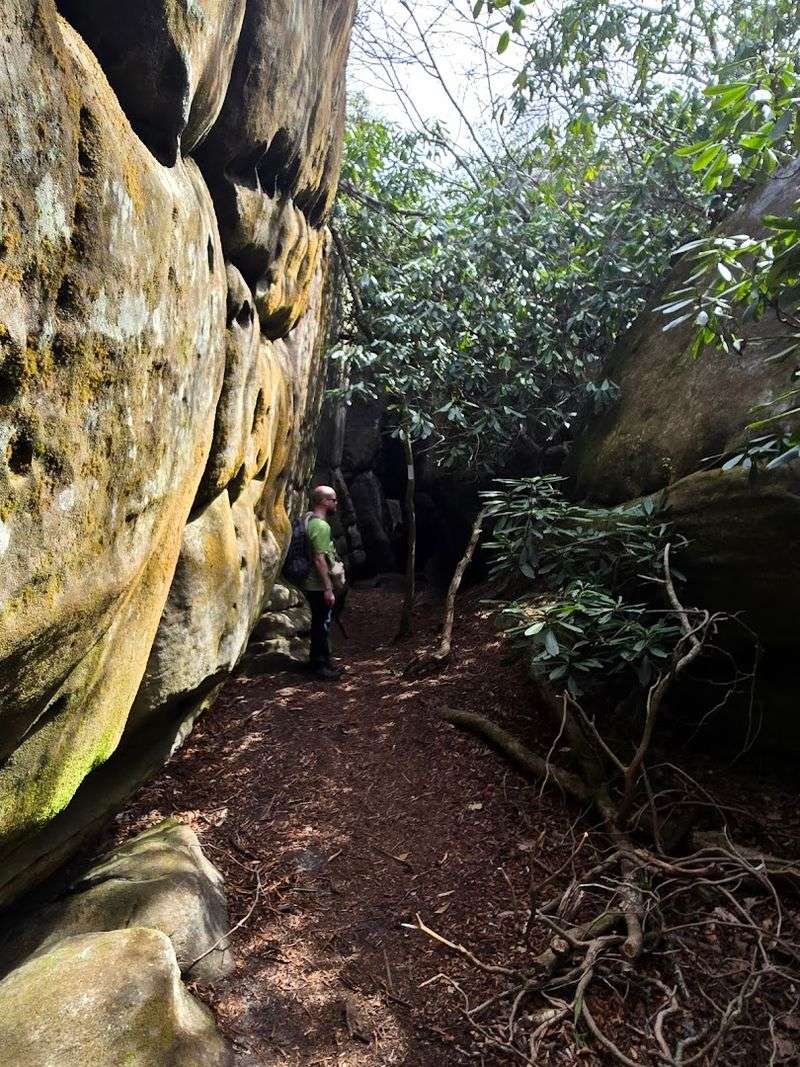
Nothing prepares you for the moment you step between those first two walls of sandstone and realize the scale of what surrounds you. The passages are narrow enough that you sometimes need to turn sideways to squeeze through, and the walls rise dramatically above your head in a way that makes you feel wonderfully small.
Navigating the Great Channels is genuinely fun in the best possible way. The maze of interconnected passages invites exploration, with new corridors and chambers revealing themselves around every corner.
Some openings are wide and walkable, while others require a bit of careful scrambling over boulders and through tight squeezes.
One practical tip worth taking seriously: mark your entry point before wandering too deeply into the labyrinth. The formations are disorienting by design, and it’s surprisingly easy to lose your sense of direction once you’re fully immersed in the rock maze.
The cool, shaded interior provides welcome relief on warm days, with temperatures noticeably lower inside the channels than on the surrounding trail. Spending time here feels meditative, adventurous, and completely unlike anything else Virginia has to offer outdoors.
Wildlife You Might Spot Along the Way
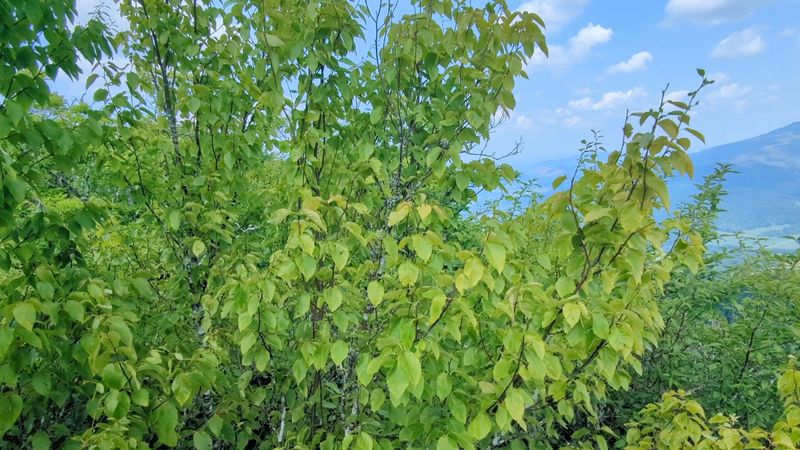
The Channels State Forest is not just a geological showcase. It’s a thriving wildlife habitat packed with creatures that make the hike feel like a nature documentary unfolding in real time.
Grouse and wild turkeys are frequent trail companions, often startling hikers with their sudden bursting exits from the underbrush.
Hawks and black vultures circle the ridge thermals above, riding the mountain air with effortless grace. Chipmunks dart across the trail constantly, apparently unbothered by human presence and seemingly on urgent business at all times.
Deer sightings are common, particularly in the quieter morning hours when the forest feels most alive and undisturbed.
The more impressive residents of this landscape include black bears and bobcats, both of which inhabit the surrounding forest. Actual encounters are rare, but their presence adds a delicious edge of wildness to the experience.
Making noise on the trail and staying alert are sensible habits in this terrain. Virginia’s mountain forests support remarkable biodiversity, and the Channels area sits right at the heart of some of the state’s most intact and ecologically rich woodland habitat.
Every step rewards the attentive observer.
Best Time of Year to Visit
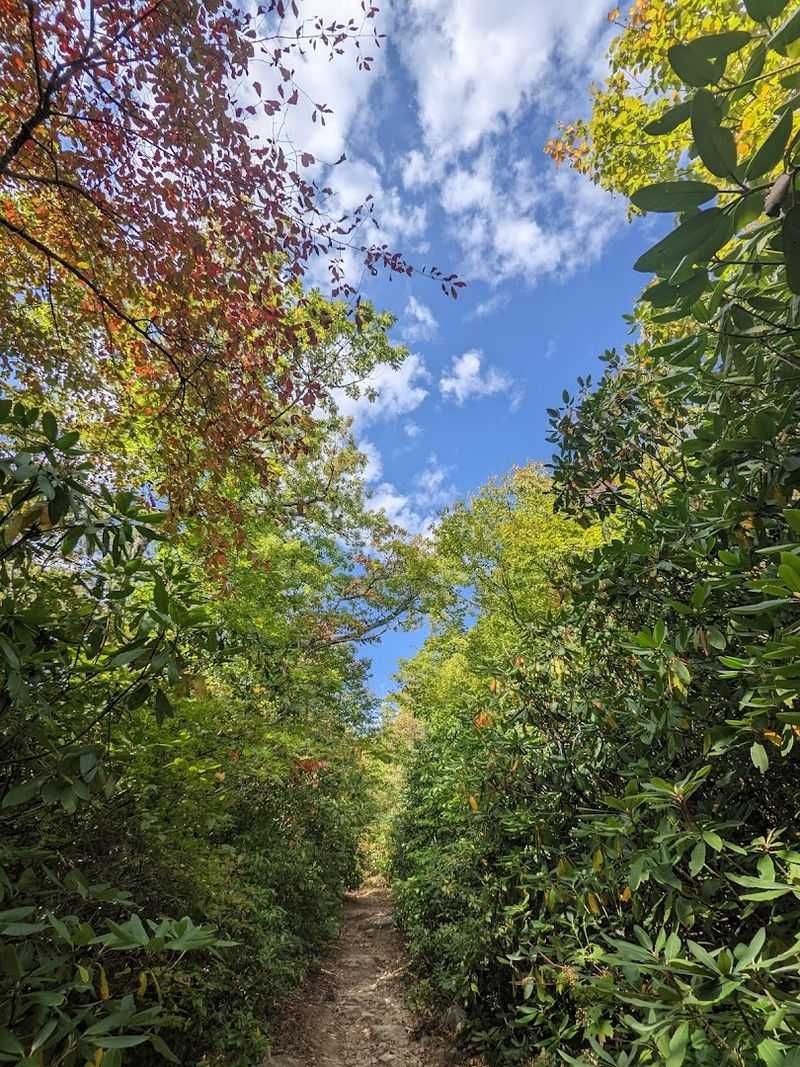
Timing a visit to the Great Channels can genuinely make or break the experience. Late April through early May brings the flowering tree tunnel to life along the trail, creating one of the most photogenic stretches of hiking in all of Virginia.
Fall foliage season, typically peaking in mid to late October, transforms the surrounding forest into a riot of color that frames the sandstone formations magnificently.
Summer visits are entirely manageable, and the cool interior of the channels provides a natural air conditioning effect that makes the destination especially appealing on hot days. The shaded forest canopy keeps the trail comfortable for most of the climb, though humidity can build quickly on Virginia summer afternoons.
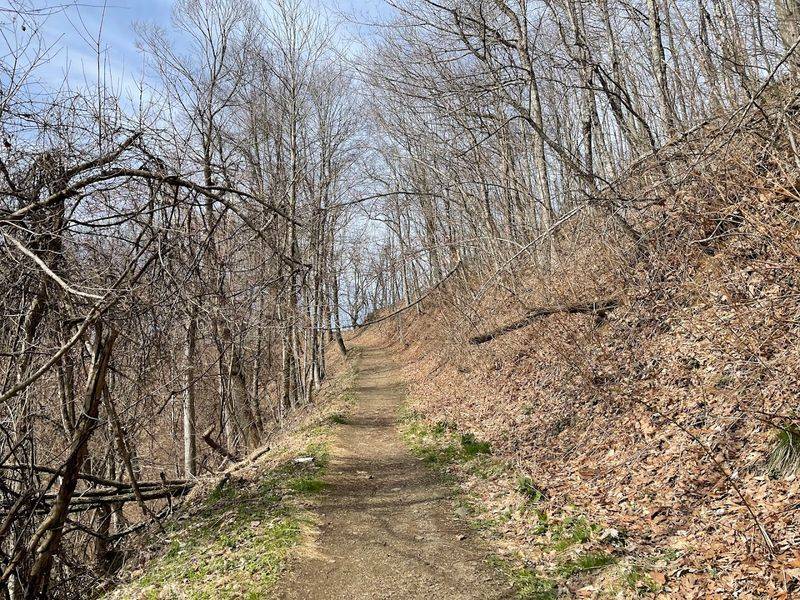
Winter and early spring visits come with a significant caveat: the trail becomes treacherous after rain or when wet, and the rocky terrain turns genuinely dangerous with ice or mud. Avoiding post-rain visits is strongly recommended regardless of the season.
Dry conditions underfoot make the boulder scrambling inside the channels enjoyable rather than anxiety-inducing. Planning around the weather forecast is just as important as planning around the parking situation at this remarkable destination.
What to Pack and How to Prepare
Preparation matters more on this trail than on many others, and skimping on essentials will make for a much less enjoyable experience. Water is the top priority.
The round-trip distance combined with significant elevation gain means dehydration is a real risk, especially in warmer months. Bringing more water than you think you need is always the right call on a trail like this.
Footwear deserves serious consideration. Trail runners or proper hiking boots with ankle support handle the gravel, roots, and boulder scrambling far better than casual sneakers.
The loose rocks that hide under fallen leaves are notorious for catching hikers off guard, particularly on the descent when tired legs are less responsive.
Snacks, a small first aid kit, and a fully charged phone round out the essentials. There are no restrooms at the trailhead or anywhere along the trail, so planning accordingly before leaving the car is important.
The Leave No Trace ethic is actively encouraged at the Channels Natural Area Preserve, meaning everything you carry in must come back out with you. Virginia’s state forests stay beautiful precisely because the people who love them treat them with genuine respect and care.
Plan Your Visit to the Channels Natural Area Preserve
Everything about a visit to the Great Channels rewards a little advance planning. The Channels Natural Area Preserve is located at 4250 Hayters Gap Road, Saltville, Virginia.
The preserve opens daily at 6 AM and closes at 5 PM, giving early risers the best shot at securing one of the limited parking spots before the lot fills up on busy weekend mornings.
Arriving early on weekdays is by far the most relaxed way to experience this trail. Weekends bring more competition for the ten available parking spaces, and rangers enforce the limit strictly.
Carpooling with friends is a smart strategy for groups, both to reduce parking pressure and to share the experience with people who will appreciate it just as much as you do.
The surrounding area of Saltville has its own quiet charm, with the town’s rich salt-mining history adding a layer of cultural depth to the visit. Southwest Virginia as a whole is dramatically underrated as a travel destination, and the Great Channels serve as a perfect introduction to just how wild, beautiful, and surprising this corner of the state can be.
Go soon, go prepared, and go ready to be genuinely amazed.
