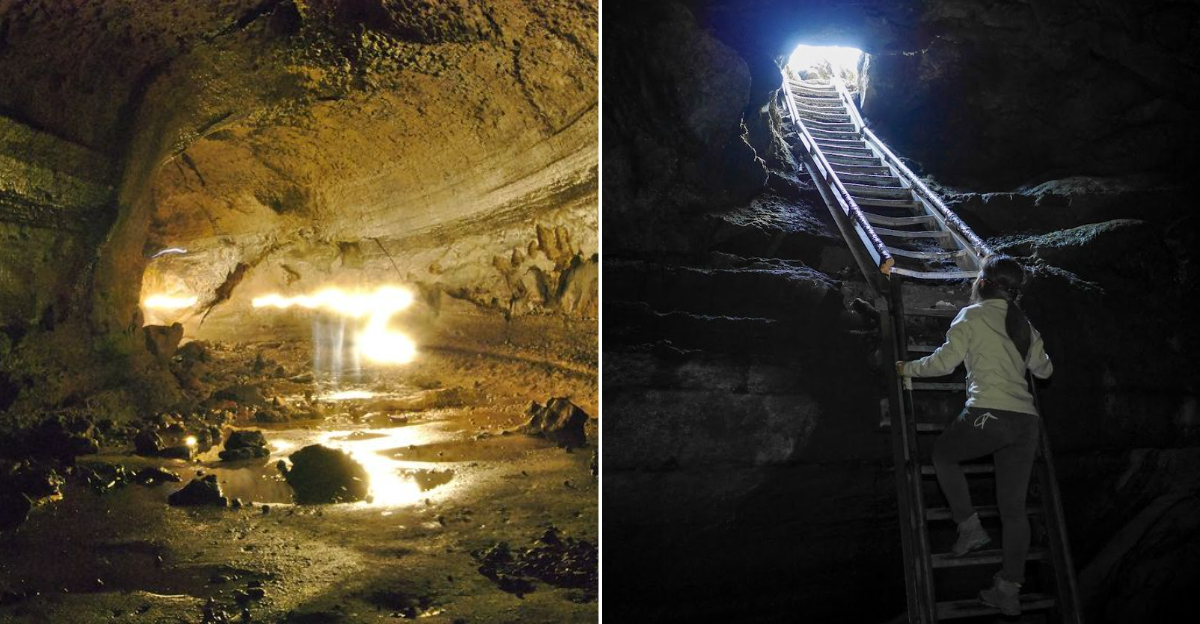
I picked up my headlamp, zipped my jacket, and stepped into a crack in the earth that swallowed all the light. That first step into this Washington lava tube felt like entering a different world.
The temperature dropped, the sounds from outside faded, and the walls around me were made of hardened basalt, smooth and cold to the touch. This tunnel stretches for more than two miles beneath Mount St. Helens, carved by molten rock thousands of years ago.
The lower section is wide and easy, perfect for beginners, while the upper route demands some scrambling over boulders. I moved slowly, looking up at the ceiling, wondering how something this massive could have been formed by nothing more than lava and time.
The darkness is complete, the silence is thick, and the whole experience makes you feel small in a way that is strangely humbling. Bring a jacket, bring a good light, and prepare to walk through a piece of Washington’s volcanic history.
The First Step Into Darkness
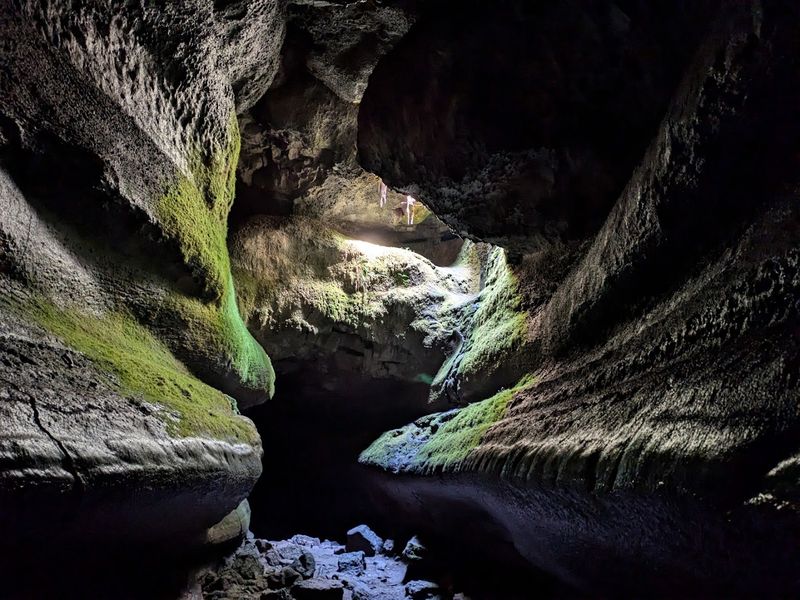
The weird part is how normal everything feels right up until the entrance, and then suddenly you are staring into a gap in the earth that seems to swallow the daylight whole. I had that little pause you get before stepping somewhere your brain cannot fully size up yet, even though the trail around you feels calm and familiar.
Once you move inside, the sound changes first, and then your eyes stop expecting sunlight to help.
Ape Cave sits beneath the Mount St. Helens area in Washington, and it really does feel like walking into the inside of an old lava flow rather than entering a decorated tourist cave. The tunnel is broad, raw, and dark in a way that feels honest, with rough basalt underfoot and walls that still look shaped by movement instead of time alone.
Nothing about it feels polished, which is exactly why it stays with you.
What I liked most was how quickly the outside world dropped off, because there is no slow transition once you leave the entrance zone behind. Your light becomes your whole world, and every patch of rock ahead feels newly discovered in the most basic, human way.
It is simple, a little eerie, and honestly one of the most memorable walks you can do in Washington.
Finding The Forest Entrance
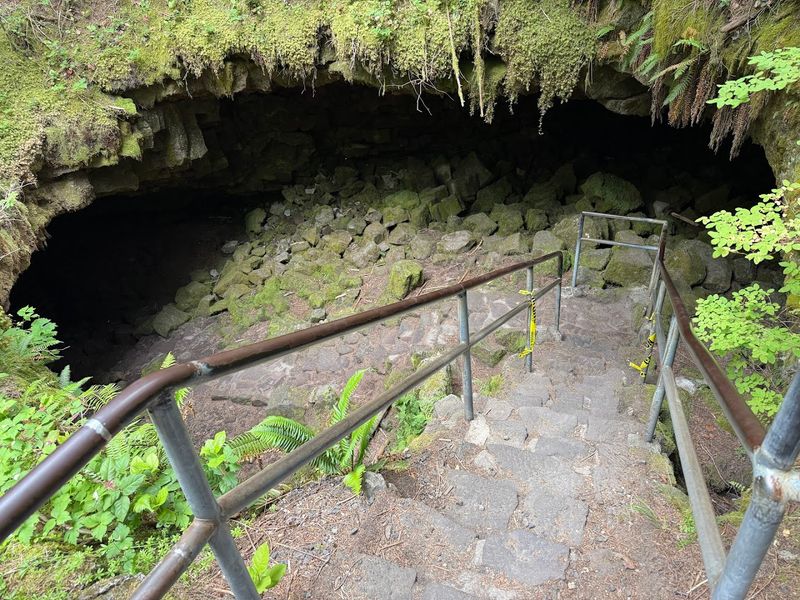
Getting here feels like the trip is slowly tightening its focus, because the road through the forest sets the mood long before you ever see the cave itself. By the time you reach Ape Cave Interpretive Site, 42218 NE Yale Bridge Road, Amboy, WA 98601, the whole area already feels quieter and more volcanic than a standard woods stop.
You can tell right away this is not just a quick roadside look.
The site sits within Gifford Pinchot National Forest near Mount St. Helens, and that setting matters because the approach is part of the experience. Trees crowd the road, the air feels cooler, and the landscape has that washed, rugged look that reminds you this mountain has shaped everything nearby.
Even before the cave, Washington starts doing that thing where scenery feels big without trying too hard.
I would not rush the arrival, because it helps to let the place sink in before heading underground. Take a minute, look around, and notice how ordinary the entrance area seems compared with what is hiding below it.
That contrast is half the fun, and it makes the first steps into the tube feel even stranger in the best possible way.
Choosing Your Route Inside
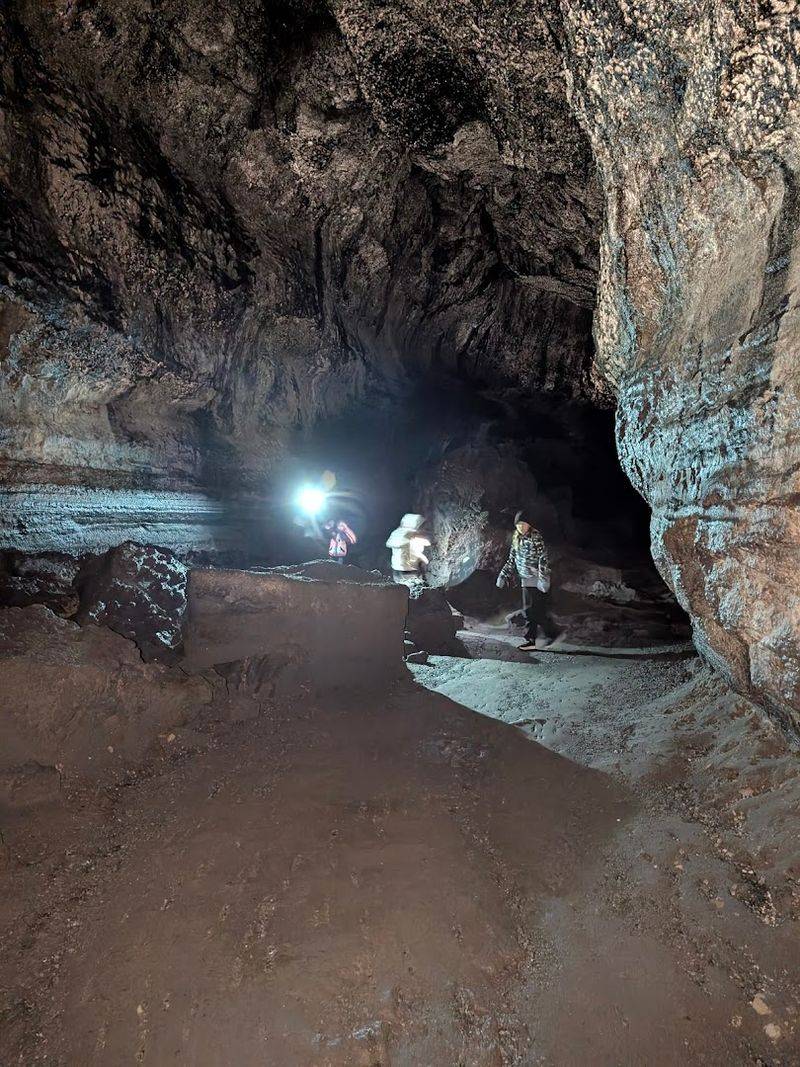
This is the moment where you have to be honest with yourself, because the cave gives you options and they do not feel the same once you are inside. One route is easier and more relaxed, while the other asks for more effort, more scrambling, and a stronger tolerance for moving through darkness over uneven rock.
That choice changes the whole mood of the outing.
The lower section is the one I would suggest if you want the cave experience without turning it into a leg workout, because the passage is friendlier and easier to settle into. The upper section is longer, rougher, and more physical, with rock piles and a lava fall that make you pay attention to every step.
Neither route feels fake or guided, which is part of what makes Ape Cave so memorable.
I like that Washington lets places stay a little demanding, because it keeps the experience grounded in the landscape instead of packaging it too neatly. If you are going with people who move at different speeds, talk it through before anyone starts, since turning around in total darkness feels different than changing plans on a sunny trail.
Pick the version that sounds fun, not heroic, and you will enjoy the cave a lot more.
What The Dark Really Feels Like
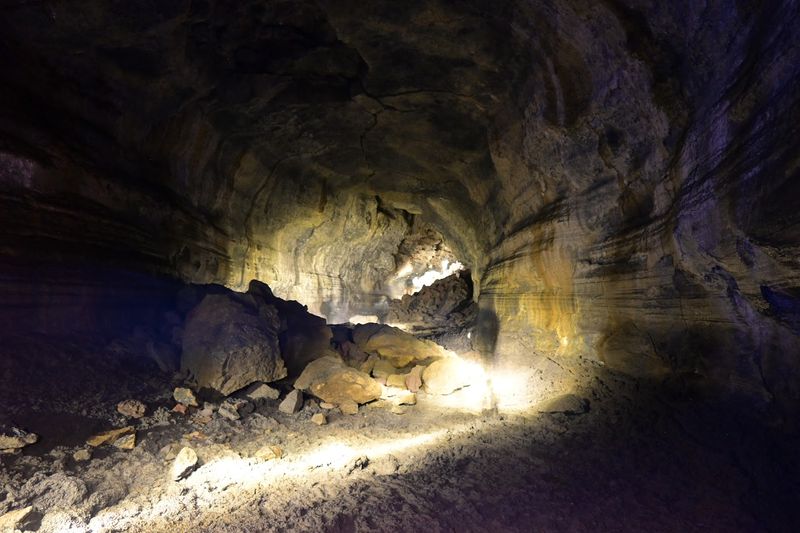
What stays with me most is not the geology first, but the darkness, because it feels unusually complete once you get away from the entrance. Outside, even at night, there is usually some stray glow somewhere, but inside Ape Cave your light is doing all the work and your brain knows it.
That makes every bend and every sound feel more intimate than expected.
The cave has no natural light beyond the entrance zone, so once you move farther in, the tunnel becomes a world of beam edges, rough stone, and whatever your footsteps can reveal. It is not haunted or theatrical, just very black in a way that makes you understand why dependable lights matter.
A phone light really does not feel like enough when the floor turns rocky and the walls seem to absorb everything.
I actually loved that part, because it strips the experience down to something very basic and very focused. You are not distracted by overlooks, signs, or chatter from ten directions, and that makes the walk feel more direct than a lot of popular outdoor spots in Washington.
If you have ever wanted to know what real underground darkness feels like, this place answers the question without softening it.
The Floor, The Walls, And The Weird Texture Of It All
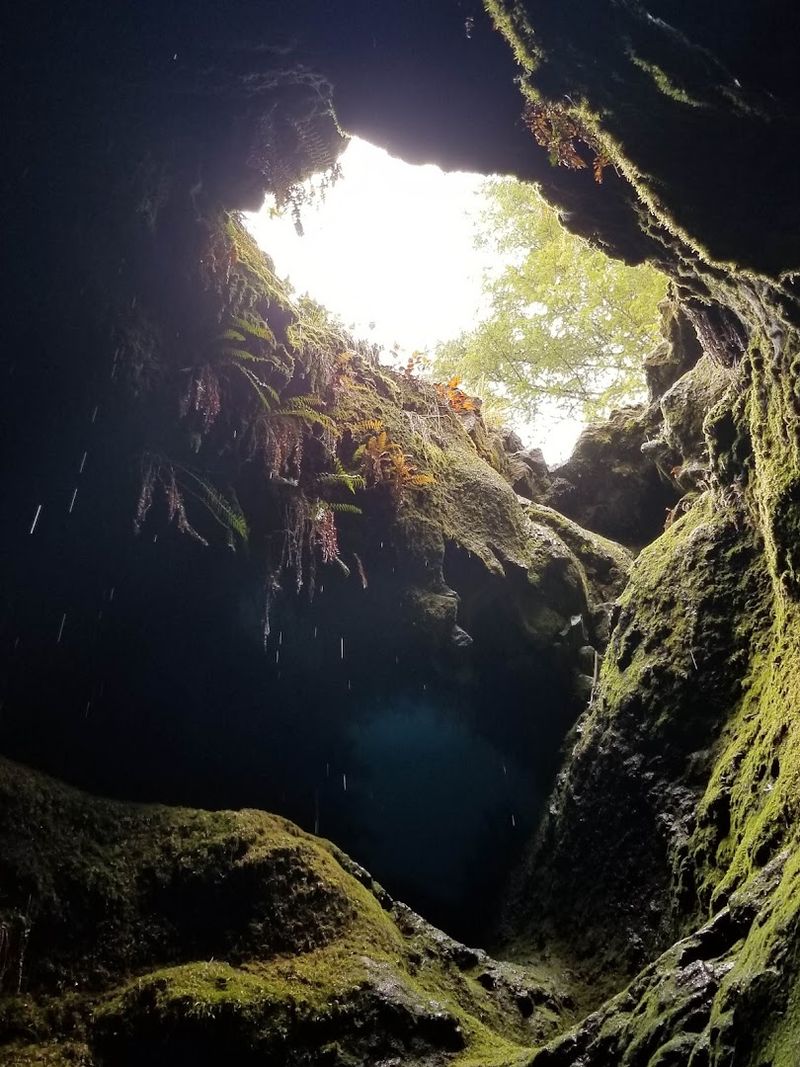
After a few minutes inside, I stopped thinking of it as just a tunnel and started noticing how textured everything feels around you. The floor is uneven in that natural, broken way that keeps your ankles honest, and the walls look more poured than carved, as if movement got frozen mid-thought.
It is one of those places where the stone still seems active, even while it sits completely still.
Ape Cave formed from a basaltic lava flow connected to Mount St. Helens, and you can feel that story without needing a lecture every few steps. The surfaces are rough, layered, and irregular, with little shifts in shape that keep the walk visually interesting even when the color palette stays dark and simple.
Your headlamp picks out ridges and hollows that would be easy to miss in any brighter place.
I liked how physical the environment felt, because you are not just looking at geology from behind a railing and moving on. You are stepping over it, around it, and right beside it, which makes the cave feel more personal than a museum display ever could.
Washington has plenty of dramatic landscapes above ground, but this is one of the rare spots where the earth feels just as expressive from the inside.
Why The Cold Hits So Fast
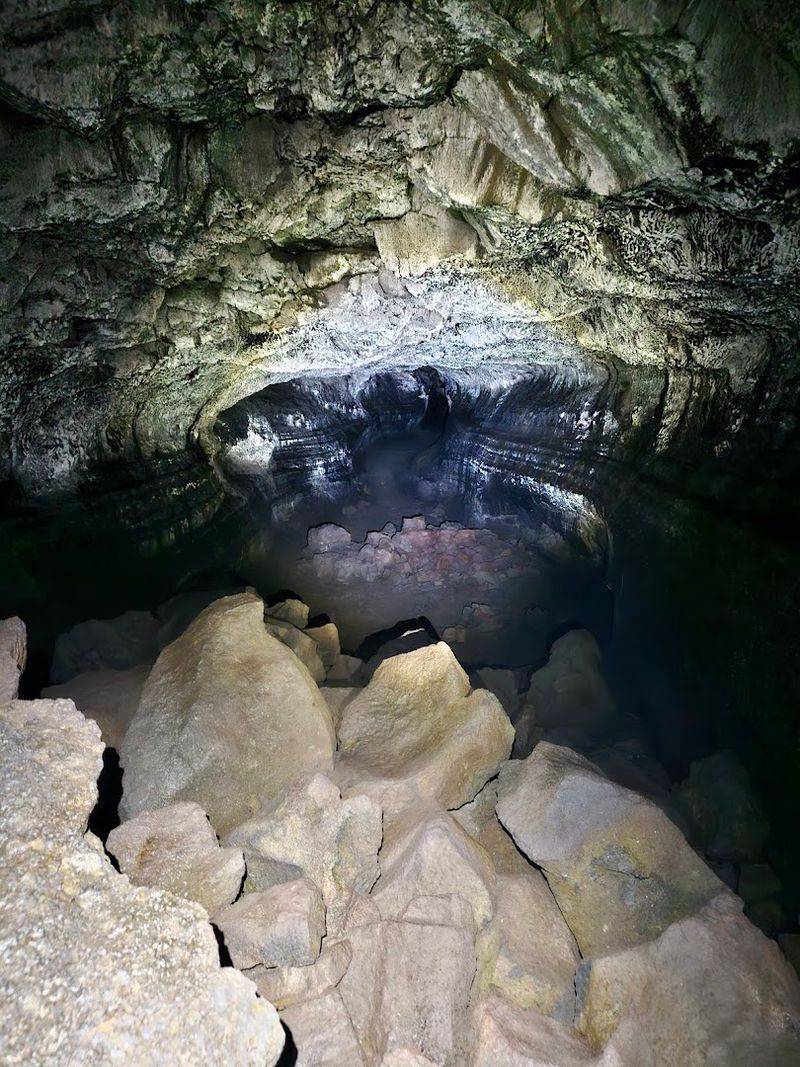
You feel the temperature change quickly in there, and it is the kind of cold that creeps in rather than announcing itself all at once. At first it just seems pleasantly cool after the forest, and then a little farther inside you realize your hands and shoulders are paying much closer attention.
The cave keeps its own conditions, and that steady chill becomes part of the whole memory.
Because the lava tube stays cold year round, the air inside has a calm, cave-like stillness that makes the darkness feel even more self-contained. It is not windy drama or mountain weather in the usual sense, just a persistent underground coolness that settles into your clothes if you are not ready for it.
Warm layers and solid shoes make the outing much more enjoyable, especially once the novelty wears off and your body starts asking practical questions.
I think that cold actually helps the place feel more real, because it reminds you that you are in a genuine volcanic feature and not some themed attraction. Washington weather can already shift your plans in small ways, and underground it becomes even smarter to come prepared without making a big production out of it.
Dress for the cave, and the cave gets much easier to enjoy.
The Famous Rock Called The Meatball
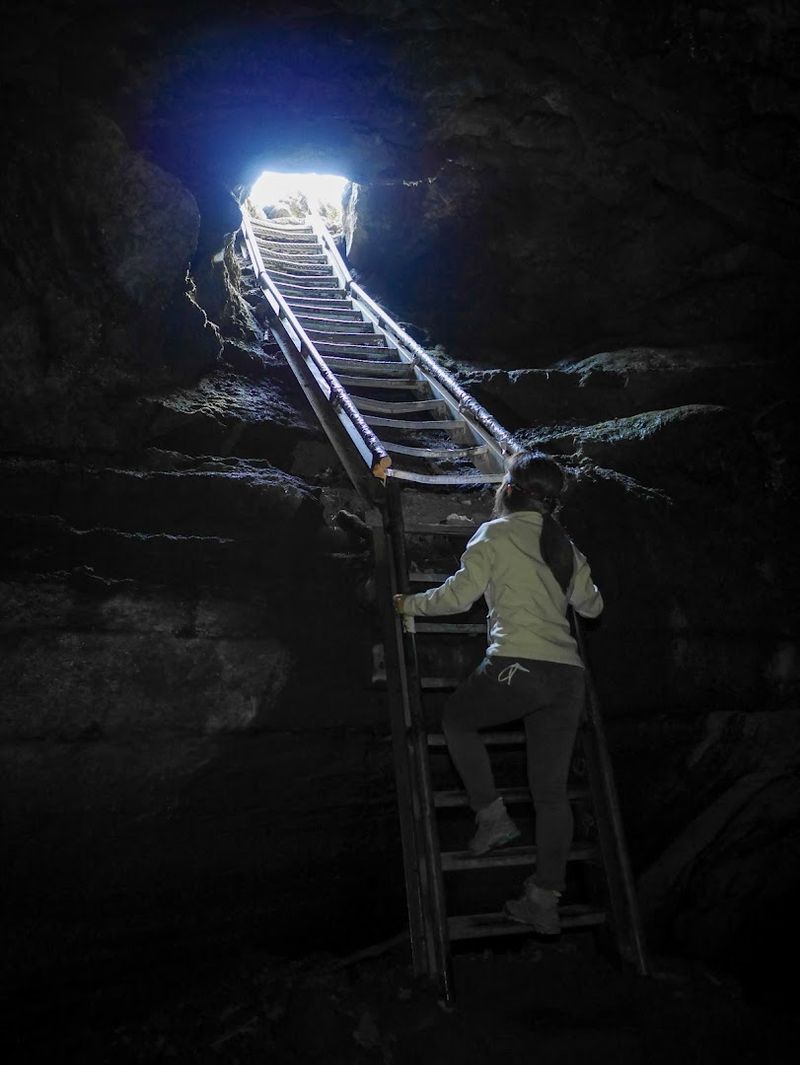
I have to admit, any place that casually includes a giant lava boulder with a name already has my attention. The feature called The Meatball sits in the lower cave, and somehow the goofy name makes the volcanic setting feel even more memorable once you see it in person.
It is a nice reminder that not every underground wonder has to sound solemn to matter.
What I liked is that the formation does not feel staged or spotlighted in some dramatic way, because the cave mostly lets you discover things at your own pace. You are moving through this dark basalt passage, watching your footing, and then there it is, wedged into the scene like the lava decided to leave behind one especially odd punctuation mark.
That sense of finding something rather than being delivered to it gives the cave a more personal rhythm.
If you are taking the easier route, The Meatball gives the walk a fun little focal point without changing the overall mellow feel of the lower section. It also helps break up the experience for people who like landmarks along the way, especially in a place where every wall could otherwise blur into volcanic shadow.
Washington has many scenic icons, but this one is probably the strangest named rock I have happily gone looking for.
The Upper Cave Gets Real Fast
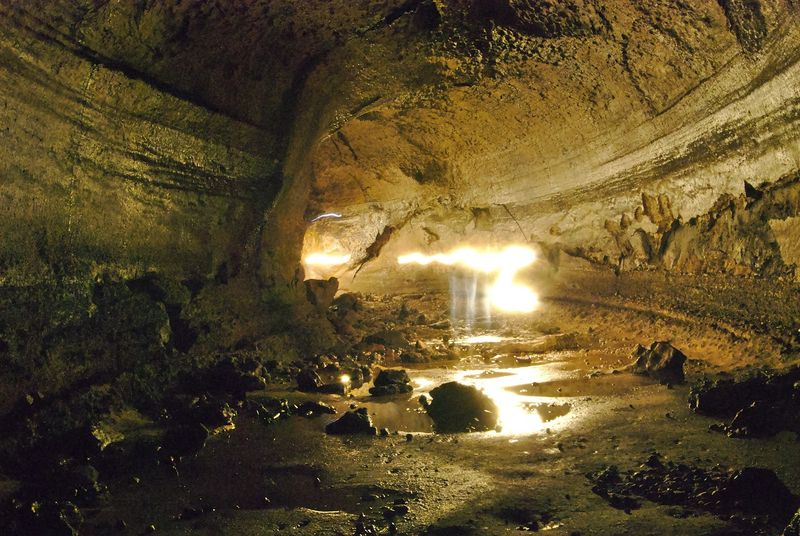
If you choose the upper cave, the tone changes pretty quickly, and suddenly the outing feels less like a curious walk and more like a real underground route. The rocks get rougher, the movement gets more deliberate, and you start planning your footing several steps ahead instead of casually wandering through.
It is still fun, but it asks more from you in a very honest way.
This section is where the scrambling comes in, along with the well-known lava fall that makes people stop, look up, and think through their next move. Nothing about it feels exaggerated, though, because the challenge comes from natural volcanic terrain rather than built obstacles.
That is exactly why I would only head this way if everyone in your group is comfortable with uneven surfaces, darkness, and a more physical pace.
The payoff is that the upper route feels wilder and more immersive, almost like the cave is revealing a second personality once you commit to staying longer. By the time you are deeper in, the silence and the texture of the rock make the whole thing feel oddly absorbing, like your world has narrowed to light, stone, and movement.
In Washington, where outdoor adventures can blur together, this one really keeps its own character.
Coming Back Out Feels Almost Surreal
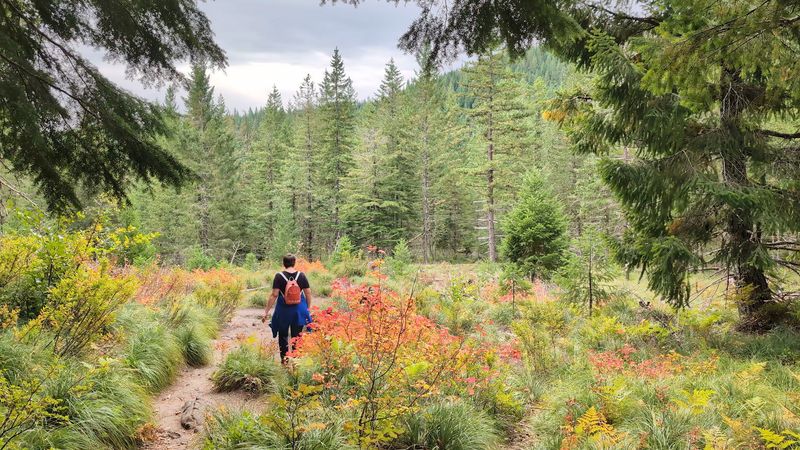
One of the strangest parts of the whole experience is coming back into daylight, because your eyes and your brain need a second to remember how open space works. After all that enclosed darkness, the forest looks almost too bright and too soft, like someone changed the volume of the world while you were underground.
It is a surprisingly satisfying reset.
If you have gone through the more demanding section, that return to the surface also comes with the feeling of having actually traveled somewhere rather than just visited a site. The trees, the air, and even the trail back feel different because the cave compresses your attention so completely while you are inside.
Mount St. Helens looms over the broader landscape, but underground you get a different kind of connection to the volcanic story.
I always like places that shift your senses a bit, and Ape Cave definitely does that without needing flashy interpretation or dramatic staging. The transition from black volcanic tunnel to green Washington forest is simple, but it lands hard in the best way.
By the time you are walking back among the trees, the whole outing already feels like the kind of thing you will end up describing in detail to anyone who asks how the trip went.
