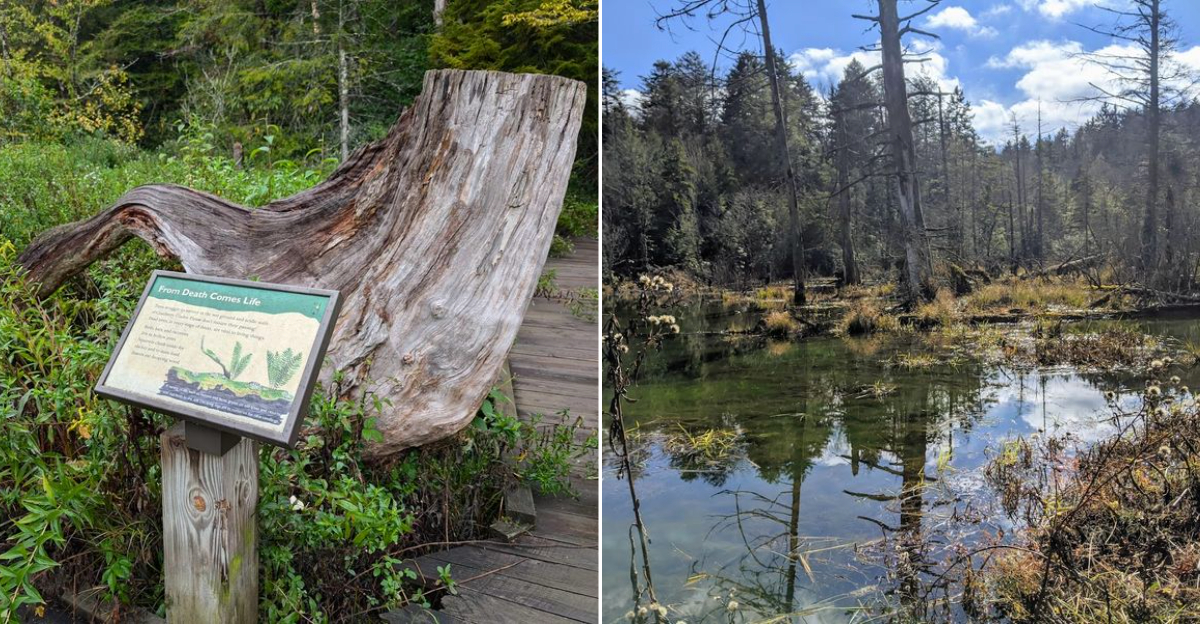
This boardwalk doesn’t lead to a forest or a mountain peak, but to a relic of the last Ice Age. Hidden within the Appalachian Mountains of West Virginia lies a 750-acre botanical area that is, in essence, a misplaced piece of arctic tundra.
More than 3,000 feet above sea level, the cool climate has preserved an ecosystem found nowhere else this far south.
As you step onto the half-mile wooden path, the surrounding hardwood forest gives way to an open, spongy bog where carnivorous plants and wild orchids thrive.
You’ll walk across a landscape that feels lifted from northern Canada, with reindeer moss underfoot and pitcher plants lining the trail. It’s a surreal and unexpected sight, a true Ice Age relic that makes you question which part of the world you are standing in.
The Walk Starts Quiet
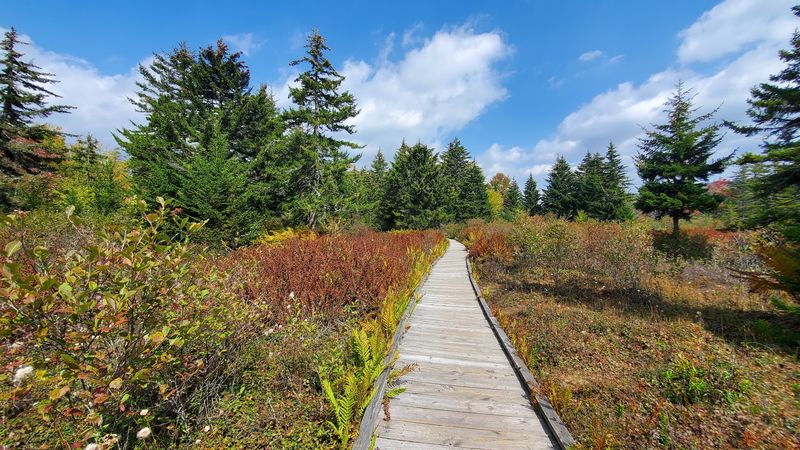
What gets me first is how ordinary the beginning feels, because you step onto a simple boardwalk in the Monongahela National Forest and think maybe this will be a nice little nature stroll, nothing more complicated than that. Then the air turns cooler, the ground opens up, and the whole place starts feeling less like the Appalachian Mountains and more like a far northern wetland that somehow wandered into West Virginia and stayed put.
It is a weird transition, but in the nicest way, because nothing about it feels staged.
The boardwalk lets you move through a fragile bog without stomping on the plants that make this place so unusual, and that alone changes the way you pay attention. Instead of rushing, you naturally slow down and start noticing the mossy ground, the open patches, and the way the surrounding mountains make the whole basin feel tucked away.
You are not just walking to a viewpoint here, because the walk itself is the whole point.
By the time you settle into the rhythm of it, the place has already worked on you a little. It feels quiet, cool, and oddly distant from everything else, which is probably why people leave talking about it like they found something they were not expecting.
Where You Actually Find It
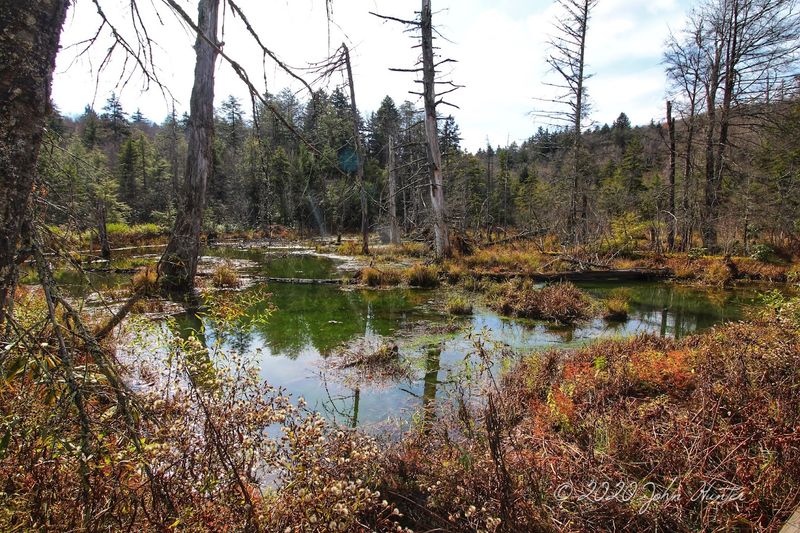
Here is the part that helps if you are already planning the drive, because the place you want is Cranberry Glades Botanical Area, Hillsboro, WV 24946, United States, tucked inside a beautiful section of Pocahontas County. It sits within the Monongahela National Forest, and getting there feels like part of the experience because the roads around it are all mountain curves, deep woods, and those little views that make you pull your eyes back to the windshield.
You really do feel like you are headed somewhere set apart.
What I like is that the arrival does not come with a lot of fuss or buildup, and somehow that makes the reveal land harder. You park, step out, and the mountain air already feels different before the boardwalk even starts doing its thing.
There is a calm to the area that feels very West Virginia, but the ecosystem waiting ahead feels like it belongs much farther north.
That contrast is what makes the place memorable, because it never feels like a roadside stop trying to impress you. It just sits there, quietly strange and completely real, letting the landscape do all the talking while you catch up and realize where you actually are.
It Feels Like The Wrong Climate
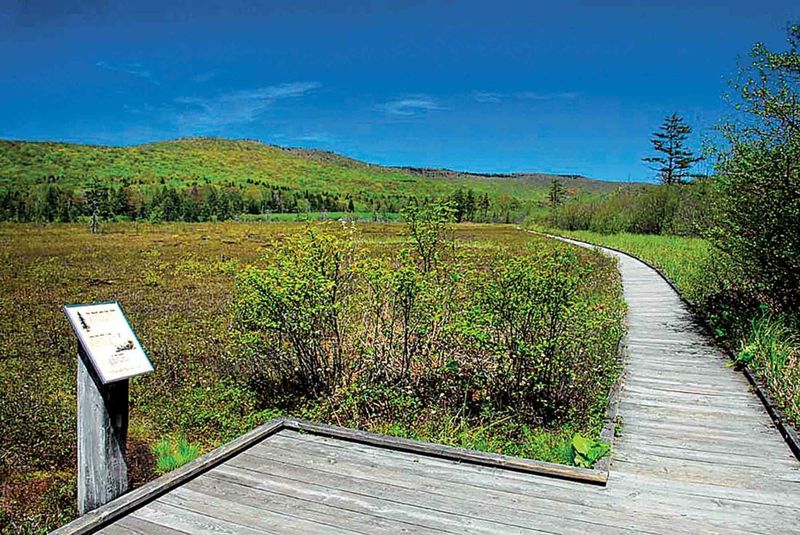
You know that feeling when a place immediately messes with your sense of where you are? That is what happens here, because the bog does not read like the rest of the Appalachians once you are out on the boardwalk and looking across the open glades.
It feels cooler, softer, and flatter in a way that seems almost out of place against the mountains ringing it.
The reason is not just your imagination, and that is one of my favorite things about Cranberry Glades. The surrounding ridges help trap cold air in the basin, which creates the kind of damp, chilly microclimate that lets northern plant communities hang on here long after they should have disappeared from this part of the country.
So while you are standing in West Virginia, your eyes are taking in something that feels a whole lot closer to boreal country.
That strange mismatch between region and ecosystem is what gives the walk its pull. You are not looking at a dramatic canyon or giant waterfall, but at something quieter and arguably weirder, which is often even better.
The place gets under your skin because it feels like nature kept an old secret here and never bothered to explain it.
The Mountains Make The Magic
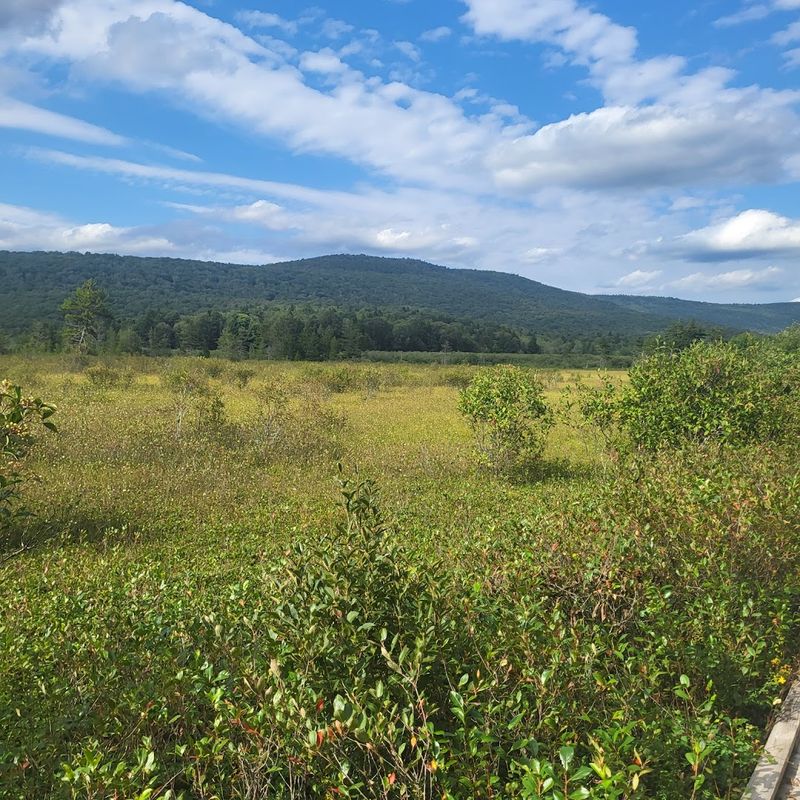
Once you look around a little longer, the shape of the land starts explaining the whole story. Cranberry Glades sits in a mountain bowl formed by nearby ridges, and that natural enclosure helps cold air settle and linger instead of moving on like it does in a lot of other places.
The result is a pocket of conditions that feels unusually cool and wet for this part of West Virginia.
I love that the landscape is doing something subtle instead of flashy, because the mountains are not there just to frame a pretty view. They are actively helping create the ecosystem you are standing in, and that makes every part of the scene feel connected in a satisfying way.
The bog, the plants, the chill in the air, and the surrounding forest all make more sense once you realize the mountains are part of the reason this place still exists as it does.
That is why the boardwalk feels more immersive than scenic in the usual sense. You are not simply passing through a nice patch of land, because the whole basin is functioning like a living little climate experiment.
It turns a quiet walk into something much more memorable, especially if you enjoy understanding why a landscape feels so different under your feet.
The Plants Get Wonderfully Weird
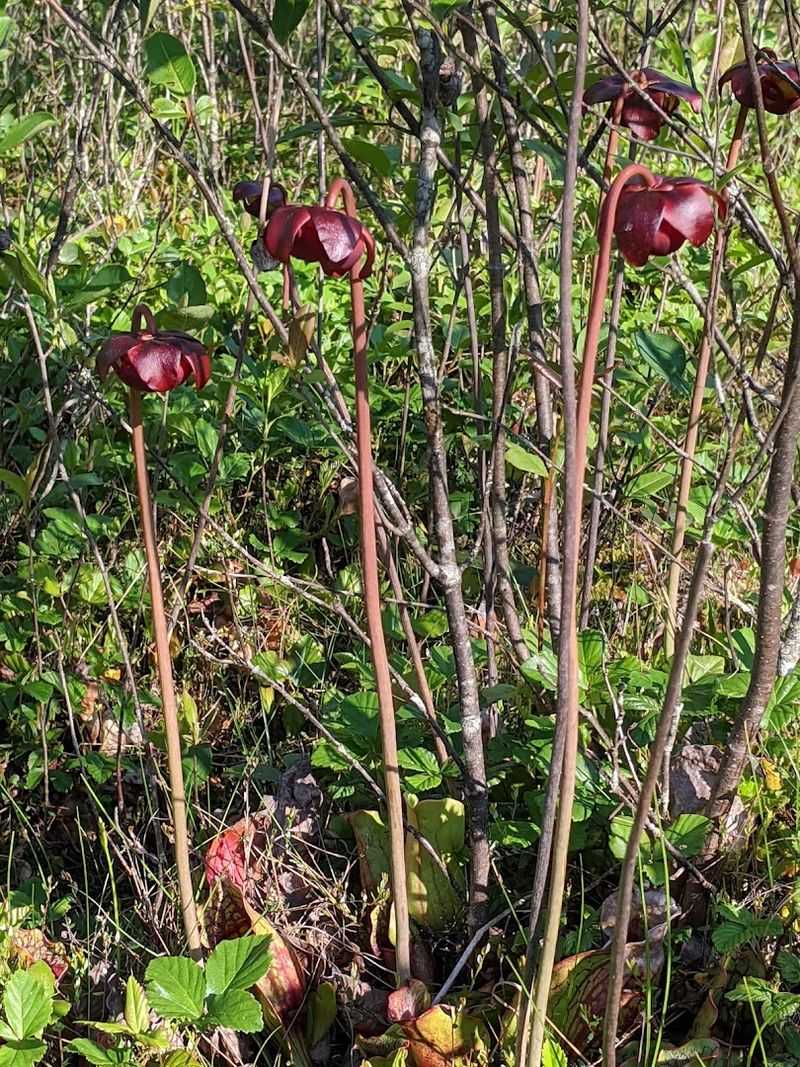
This is where the whole place really starts showing off, although it does it in a quiet, mossy way instead of some big dramatic burst. The plant life in Cranberry Glades is full of species you do not expect to meet in the Appalachian Mountains, and seeing them from the boardwalk feels a little like stumbling into a northern bog that missed its cue to leave.
The longer you look, the stranger and more fascinating it gets.
You have cranberries, sphagnum moss, and skunk cabbage growing in this cool, acidic wetland, and then there are the carnivorous plants that make everybody stop and lean in. Purple pitcher plants and sundews live here too, which somehow makes the whole place feel even more unreal, because now you are not just in a mountain bog, you are in a mountain bog with meat-eating plants.
It is the kind of detail that makes you grin and immediately start pointing things out.
What I appreciate most is that none of it feels overexplained while you are walking through. You can simply notice the textures, colors, and odd combinations and let the place be weird on its own terms.
That is a big part of the charm, and honestly, it is enough to make you walk slower without even trying.
It Is Older Than It Looks
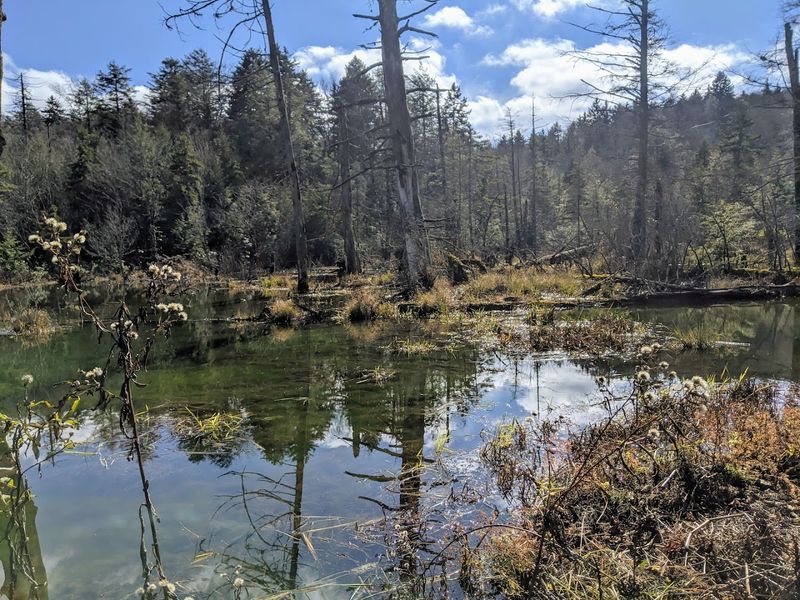
One thing that really changes the way you see Cranberry Glades is knowing this is not some recent oddity that popped up by accident. The ecosystem is considered a remnant from the last glacial period, which means what you are looking at has roots stretching back to a much colder world that left traces behind in just a few protected places.
That thought gives the whole walk a kind of quiet weight without making it feel heavy.
Standing on the boardwalk, it is hard not to think about how many shifts in weather, forest growth, and human traffic this little patch of West Virginia has outlasted. The plants are delicate, the setting feels soft and calm, and yet the place itself has been remarkably persistent.
There is something comforting about that, especially now, when so much of travel can feel rushed and polished and designed to be consumed quickly.
Here, the age of the landscape sneaks up on you. You are looking at moss, water, low shrubs, and open bog, but the deeper story is that this pocket of life has held on through enormous change and still feels strikingly alive.
It makes the experience less about checking off a destination and more about being present with something rare and enduring.
The Boardwalk Changes How You Look
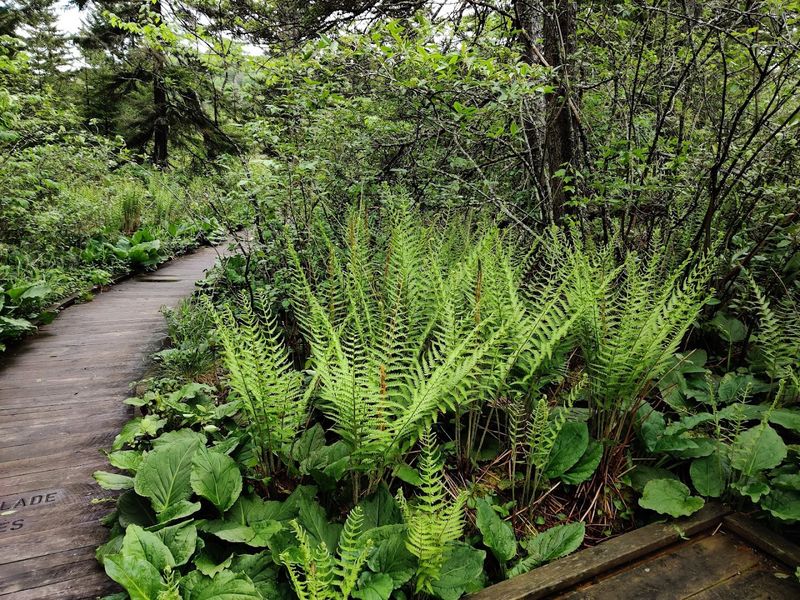
I think the boardwalk is a huge part of why this place lands so well, because it quietly tells you how to move through the landscape. You are lifted just enough above the wet ground to protect the bog, but not so far away that you feel separated from it, and that balance makes you pay attention in a different way.
Instead of charging ahead, you start scanning the edges, the textures, and the subtle shifts in color.
It also makes the walk feel welcoming for a lot of different visitors, which matters in a place this fragile and unusual. The path gives structure to an ecosystem that could easily be damaged by careless footsteps, and because of that, you get a better experience while the landscape gets a little breathing room.
Honestly, it is one of those rare cases where the practical design also deepens the mood of the visit.
There is something almost meditative about hearing your steps on wood while the bog spreads out on either side. The boardwalk keeps you moving, but it also keeps nudging you to slow down and really see where you are.
By the end, the path feels less like an access feature and more like part of the story itself.
Do Not Rush The Nearby Forest
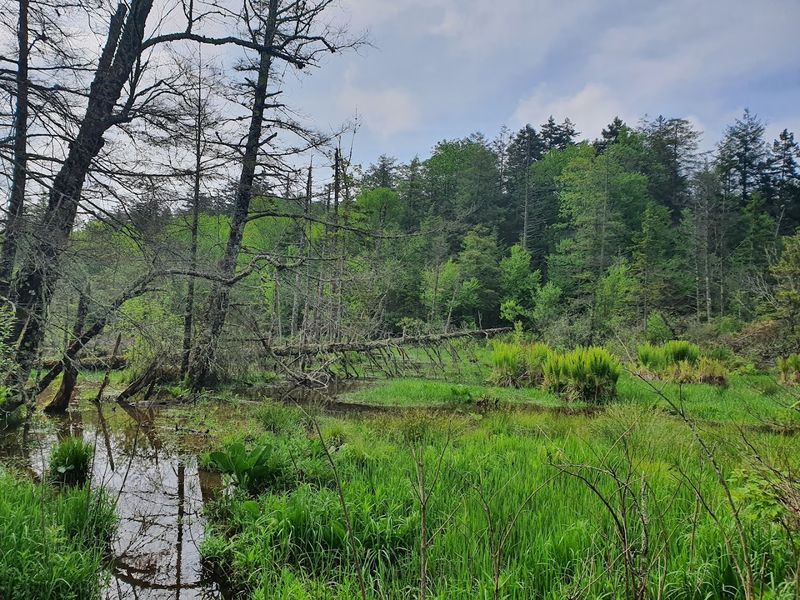
It is easy to talk only about the bog, but the surrounding forest deserves your attention too, because it sets up the whole experience before you ever step onto the boardwalk. The roads through this part of the Monongahela National Forest are deeply scenic in that unshowy West Virginia way, with thick woods, cool mountain air, and the sense that you are gradually being folded into a quieter world.
By the time you arrive, you are already halfway there mentally.
That transition matters more than people think. Going from dense forest to open glade makes the bog feel even stranger and more expansive, almost like the land suddenly exhales after holding itself tight among the trees.
You notice the openness more because you have just come through all that enclosed woodland, and the contrast sharpens everything you see out on the wetland.
I would not treat the drive and the surroundings like filler between destinations, because they are part of the rhythm of the visit. This corner of West Virginia works best when you let it unfold gradually instead of expecting some instant grand reveal.
The forest, the road, the parking area, and then the boardwalk all work together, and the payoff is stronger because nothing is trying too hard.
Why This Place Stays With You
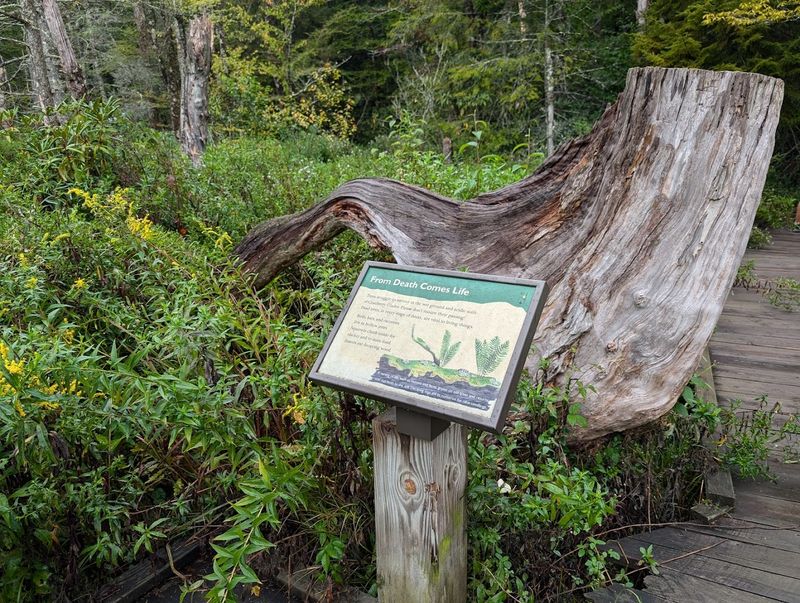
By the time you leave, the thing that sticks is not a single dramatic moment so much as the overall feeling of having stepped into a place that should not quite exist here and yet clearly does. Cranberry Glades has that rare quality of being both quiet and deeply memorable, and I think that is because it never tries to overwhelm you.
It just keeps revealing itself in small, convincing ways until you realize you are completely won over.
You remember the cool air, the strange plants, the mountain basin, and the boardwalk carrying you gently through a wetland that feels borrowed from another latitude. You remember how the landscape asked for attention instead of demanding it, which is a big difference.
In a state full of impressive scenery, this particular part of West Virginia stands out by being subtle, specific, and a little mysterious from beginning to end.
That is why I would happily tell a friend to make the trip, especially if they like places that feel a bit off script. You come for the idea of an Appalachian tundra, sure, but what you actually take home is the mood of it.
And honestly, that mood is hard to shake once the mountains are behind you and the boardwalk is no longer underfoot.
