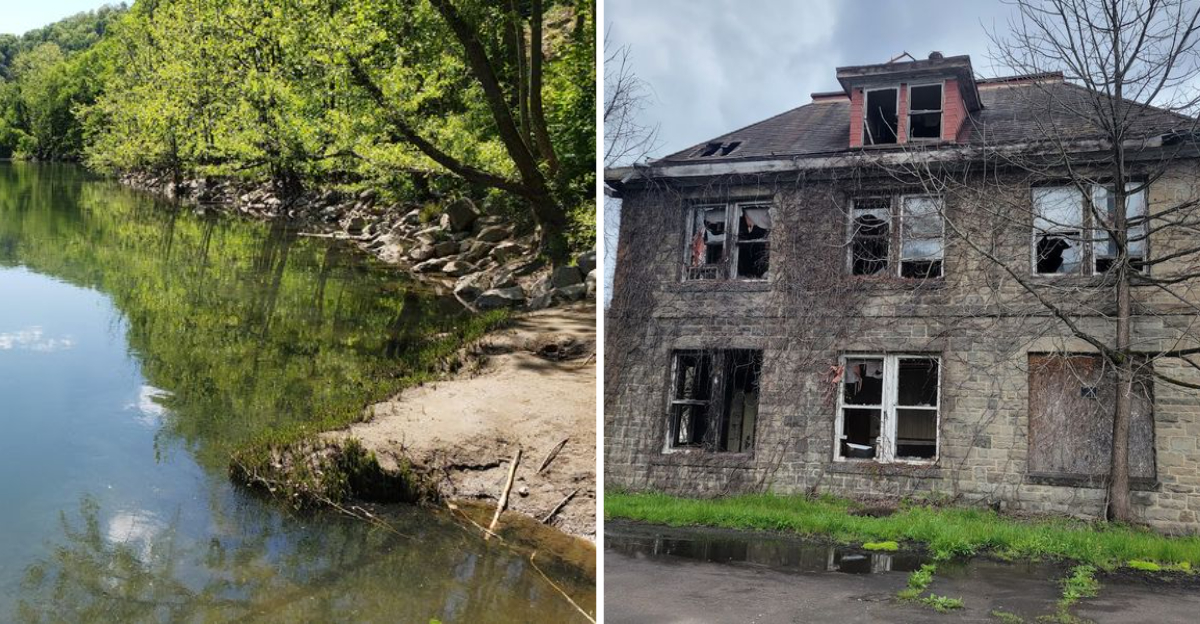
Once upon a time, this West Virginia community was the pride of Appalachia, a bustling company town carved out of the mountains that housed thousands of residents at its peak.
It was a model of industrial might with schools, churches, and even a bowling alley serving the workforce that fueled America’s steel industry.
But when the company pulled out, the town’s fortunes collapsed along with its population, which now sits at a fraction of what it once was.
Today, the remaining residents face a crisis as urgent as any in the state’s history.
Their water, sourced from an aging well, often runs discolored and unsafe, forcing families under repeated boil water advisories.
It is a story of a town fighting to survive.
The Coal Town That Built Itself Around a Table
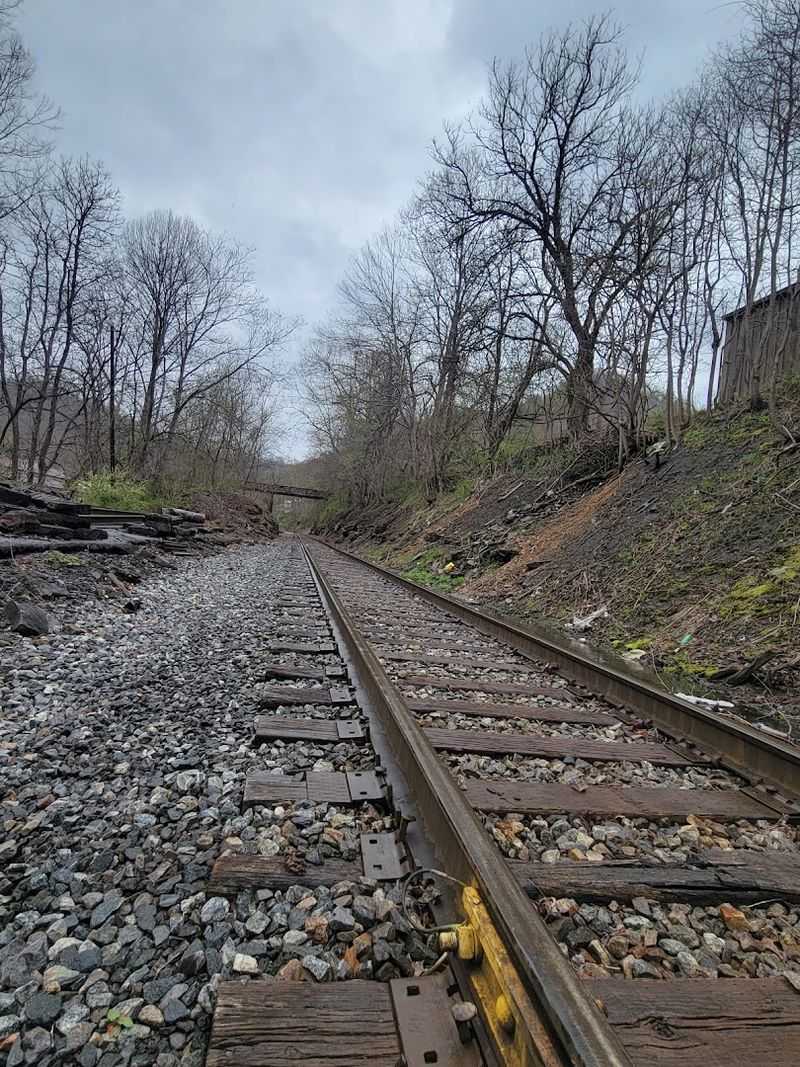
Gary did not grow up around a town square or a courthouse. It grew up around the mine, the company store, and the kitchen table.
U.S. Steel built this city from the ground up, and with it came a workforce from across the country, each family carrying recipes, traditions, and food memories that would slowly blend into something uniquely Appalachian.
Cornbread baked in cast iron. Soup beans simmered low and slow.
Fried potatoes crisped in a skillet until the edges turned golden. These were not fancy dishes, but they carried the weight of hard work and community in every bite.
Gary sits along the Tug Fork River in McDowell County, tucked deep into the southern West Virginia coalfields. With a population of just 762 according to the 2020 census, it is a small city carrying an enormous history.
The food culture here did not come from restaurants or cookbooks. It came from necessity, creativity, and generations of families who knew how to make something extraordinary from very little.
The Heartbeat of Every Home
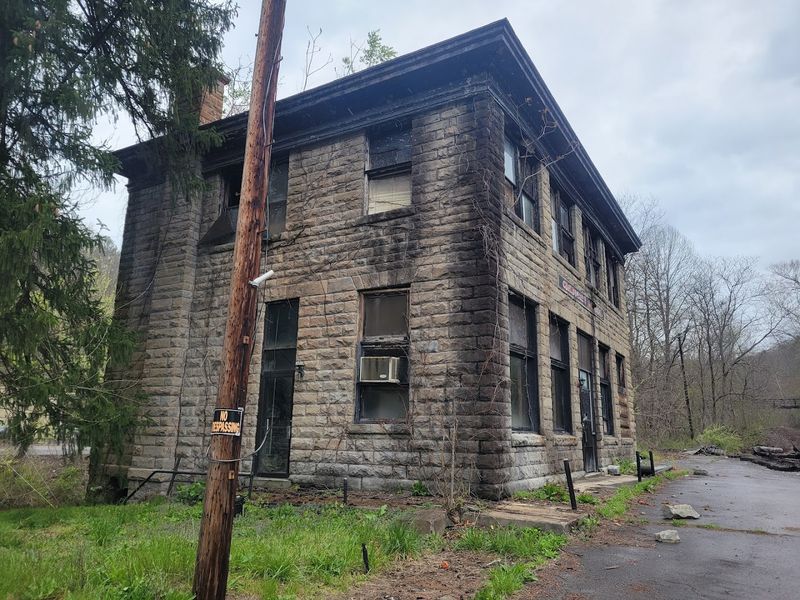
Few dishes tell the story of Appalachian life better than a pot of soup beans. Pinto beans, cooked low and slow with a ham hock or a piece of fatback, fill the house with a smell that means someone loves you.
In Gary, this dish was not just weeknight dinner. It was survival food, comfort food, and celebration food all wrapped into one steaming bowl.
Cornbread was its constant companion. Baked in a well-seasoned cast iron skillet, it came out with a crackly crust and a soft, crumbly center that soaked up the bean broth like it was made for exactly that purpose.
Some families added a spoonful of bacon grease to the batter. Others kept it plain and simple.
What made these meals special was not the ingredients but the ritual. Everybody gathered.
Everybody ate. The table was never too small and the pot was never too empty.
That spirit of generosity is still alive in Gary today, even as the community navigates some of its hardest years.
Fried Apples and Mountain Mornings
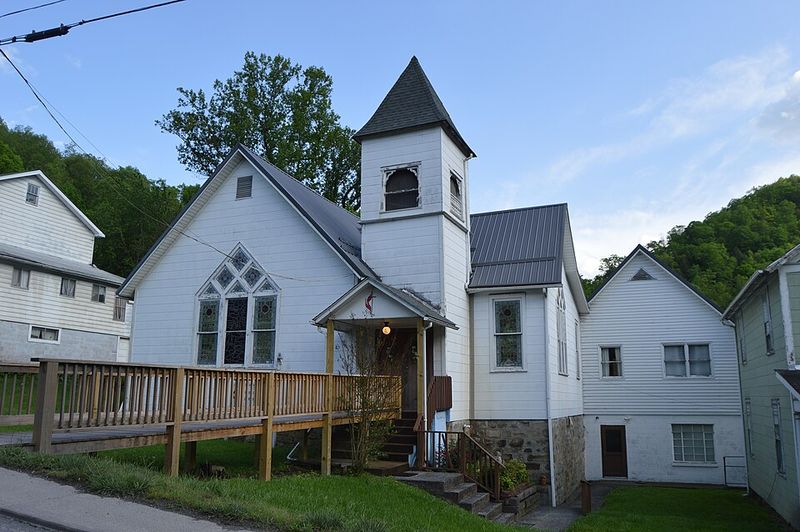
Morning in Gary moves slowly, and that pace was always reflected on the breakfast table. Fried apples were a staple in many McDowell County homes, a dish so simple it almost seems too humble to mention, yet so satisfying it could anchor an entire day of hard labor.
Sliced apples, cooked down in butter with a generous pour of cinnamon and sugar, turned soft and jammy in the skillet.
Served alongside biscuits or spooned over a plate of hot oatmeal, they brought a sweetness to mornings that felt earned rather than indulgent.
The apple orchards that once dotted the surrounding hillsides supplied families with fruit through the fall, and clever preservation meant the flavors stretched well into winter. Dried apples, apple butter, and canned applesauce all found their way into Gary kitchens.
Food here was never wasted. Every part of the harvest had a purpose.
That resourceful, creative spirit shaped a food culture that still deserves to be recognized and celebrated far beyond these mountain borders.
The Company Store Legacy and the Ingredients That Shaped a Cuisine
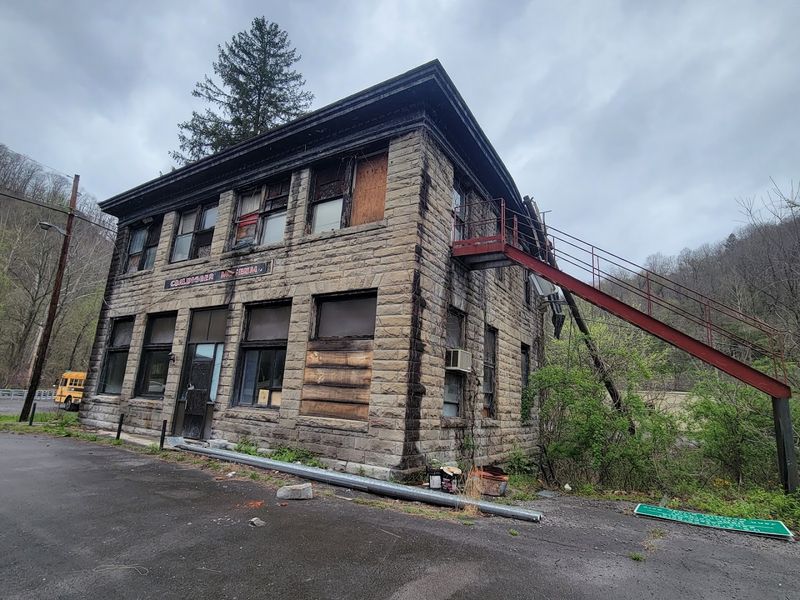
When U.S. Steel built Gary, it also built the company store, and for decades that store was the only place families could get their groceries.
The inventory was limited but consistent: flour, cornmeal, dried beans, salt pork, molasses, and canned goods. These became the building blocks of a cuisine shaped as much by availability as by tradition.
Cooks in Gary had to be inventive. A can of tomatoes became the base for a pot of vegetable soup.
Molasses sweetened a batch of gingerbread or stirred into baked beans added depth and richness. Salt pork went into everything, lending a smoky backbone to greens, beans, and potatoes alike.
What emerged from those limited pantries was a food culture of remarkable ingenuity. Nothing was excess.
Every ingredient had a purpose, and every cook had a technique passed down through memory rather than recipe cards. That legacy lives in Gary kitchens to this day, a quiet but powerful reminder of how constraint can sometimes produce the most flavorful results imaginable.
Ramps, Poke, and Wild Things
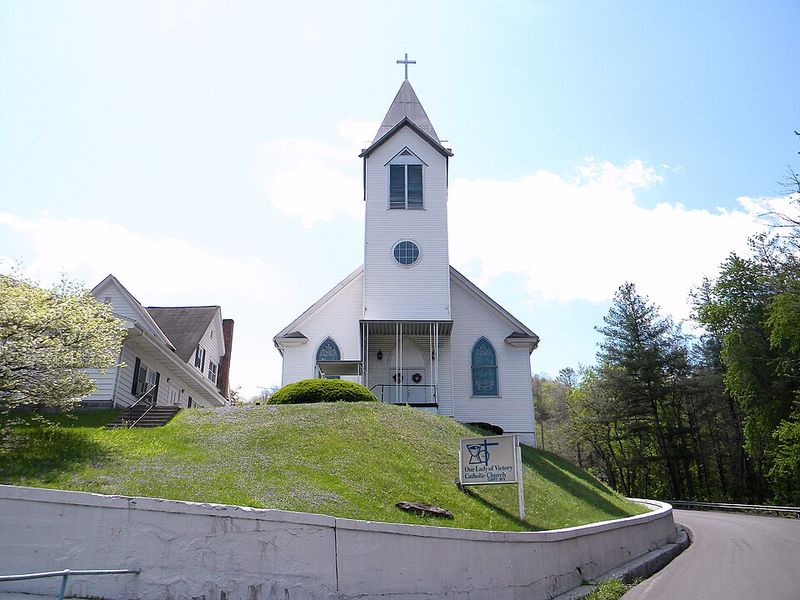
Spring in Gary has always meant one thing before anything else: ramp season. These wild leeks, pulled from the forest floor in early April, carry a sharp, garlicky punch that signals the end of winter with unmistakable enthusiasm.
Families would head up into the hills and come back with armfuls of the stuff.
Ramps were fried in a skillet with eggs and potatoes, or chopped raw into salads and bean dishes. Their flavor is bold and unforgettable, the kind of taste that stays with you long after the meal is over.
Ramp festivals across southern West Virginia celebrate this wild harvest every spring, and the excitement is completely genuine.
Poke sallet, made from young pokeweed shoots carefully cooked to remove natural bitterness, was another hillside staple.
Watercress pulled from cold mountain streams, dandelion greens dressed with hot bacon fat and vinegar, and wood sorrel tucked into salads rounded out a foraging tradition that connected Gary families to the landscape in the most direct and nourishing way possible.
Multicultural Flavors in a Mountain Mining Town
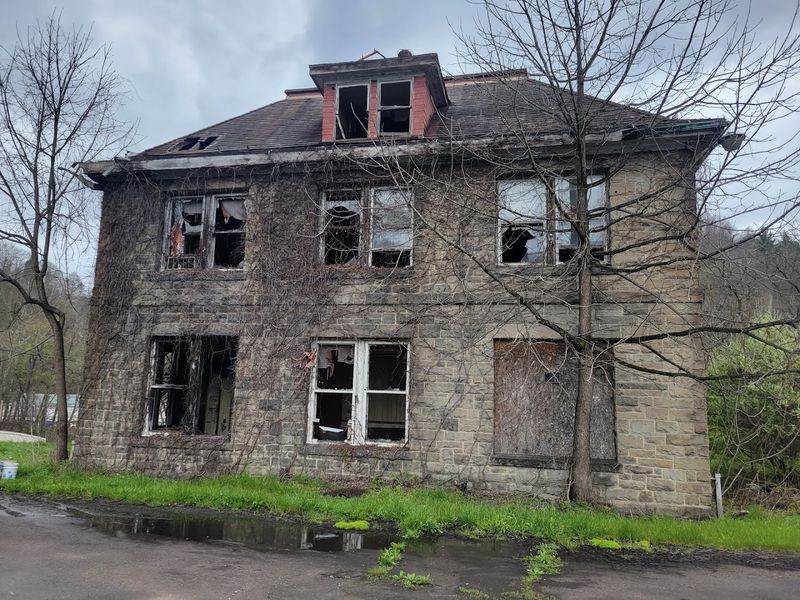
Gary was never just one kind of community. U.S.Steel recruited workers from Eastern Europe, the American South, and beyond, and each group brought their own food traditions into the coalfields.
The result was a surprisingly layered food culture tucked inside a small mountain city most outsiders never thought to explore.
Hungarian and Slovak families brought stuffed cabbage rolls, dense rye breads, and paprika-heavy stews. African American families from the Deep South introduced slow-cooked greens, sweet potato dishes, and biscuit techniques that became woven into the broader Appalachian food fabric.
Italian immigrant families brought garden skills and a love of preserved vegetables that translated beautifully into the canning traditions already common in the region.
These food traditions did not stay separate for long. Neighbors shared recipes across fences and church potlucks.
Flavors merged, techniques blended, and something genuinely original took shape. Gary’s food culture is not just Appalachian.
It is a living, layered archive of every community that ever called this mountain city home, and that makes it worth tasting and preserving.
The Water Crisis and What It Means for a Food Community
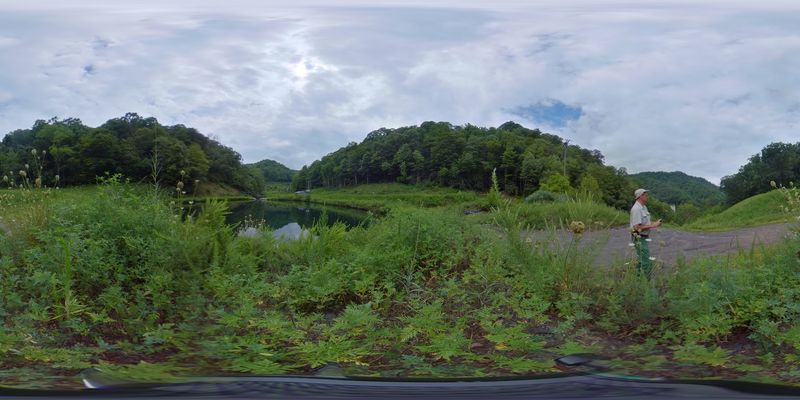
Food and water are inseparable. You cannot cook soup beans without clean water.
You cannot bake cornbread, brew coffee, or wash produce without reliable access to something safe coming out of the tap. That is why Gary’s ongoing water crisis cuts so deep into the heart of daily life here.
Reports have confirmed that the city’s water system carries high levels of iron, manganese, lead, and other contaminants. Infrastructure built decades ago is failing.
Roughly 94 percent of treated water is lost through leaks before it ever reaches a home. Residents have long relied on bottled water and roadside springs just to get through the day.
The Public Service Commission of West Virginia has been investigating the Gary Municipal Water Works since mid-2025, and a formal agreement involving McDowell County’s Public Service District was finalized in early 2026. Full repairs could take a decade and require millions of dollars.
For a food community built on slow cooking, fresh ingredients, and home kitchens, access to clean water is not a convenience. It is the foundation of everything Gary has always been.
Tug Fork River and the Foods It Once Supported
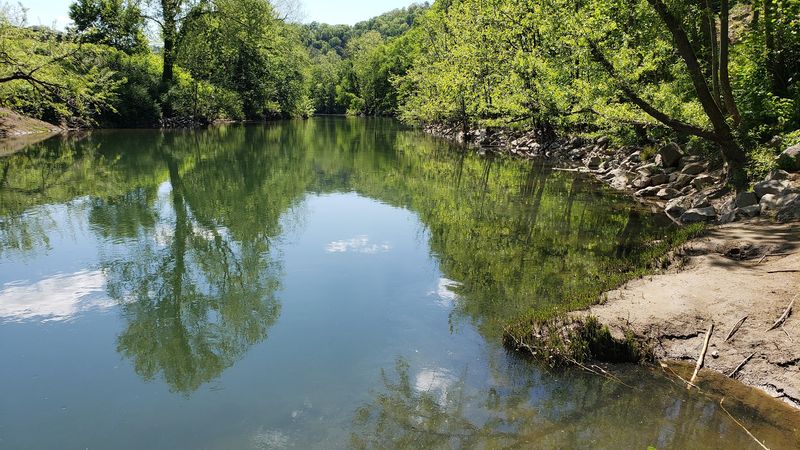
The Tug Fork River runs right through Gary, and for generations it was more than scenery. It was a food source.
Families fished its banks for catfish, bass, and bluegill, carrying home enough for a proper fish fry that the whole neighborhood could smell from a block away.
A good fish fry in southern West Virginia is a serious event. Cornmeal-dredged fillets hit a cast iron pan of hot oil and come out crackling and golden, served with coleslaw, hushpuppies, and slices of white bread that somehow make everything better.
The river made those meals possible, and the memory of them lives in families who grew up here.
Sadly, the same long-term mining impacts that have contributed to Gary’s water infrastructure challenges have also affected the broader watershed over the decades. The PSC previously found Gary’s sewer operations to be distressed, with line breaks allowing sewage into the Tug Fork.
The river that fed families is now part of the story of a community fighting to restore what it once had, and that fight is deeply personal for every household in Gary.
Gary’s Resilience and the Future of Its Food Identity
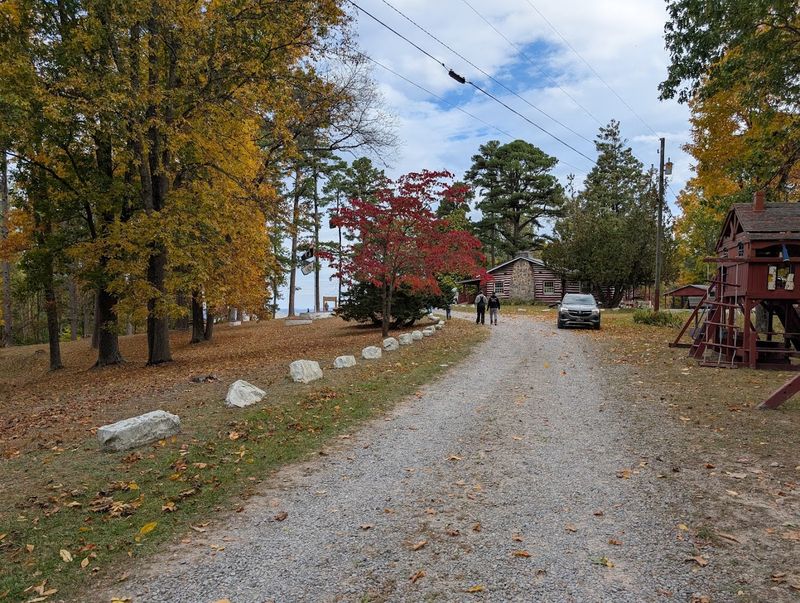
Gary has been counted out before. The coal industry declined, population dropped, and services disappeared.
But the food traditions stayed. Grandmothers kept making stack cake.
Families kept putting up green beans in mason jars every August. The kitchen remained the one room where everything still made sense.
Community gardens have become a meaningful part of Gary’s ongoing story, giving residents a way to grow tomatoes, peppers, squash, and herbs even as broader systems around them struggle. Growing your own food when the water system is unreliable takes real determination, and the people of Gary have that in abundance.
The ongoing work to repair and transfer management of the water utility to McDowell County’s Public Service District represents real hope. Clean water means full kitchens, healthy families, and a food culture that can continue to grow and evolve.
Gary was named for one of the founders of U.S. Steel, but its true identity was built by the cooks, foragers, and families who turned hard times into extraordinary meals.
That identity is worth every effort to protect and sustain.
Address: Gary, McDowell County, West Virginia, WV 24836
