Thomas Edison did not spend the 1890s only thinking about light bulbs. He poured years of work and more than $2 million of his own money into an attempt to concentrate low-grade iron ore in northern New Jersey.
His operation used rock-crushing machinery and magnetic separation, but richer Great Lakes ore eventually made the venture uneconomical. The business failed.
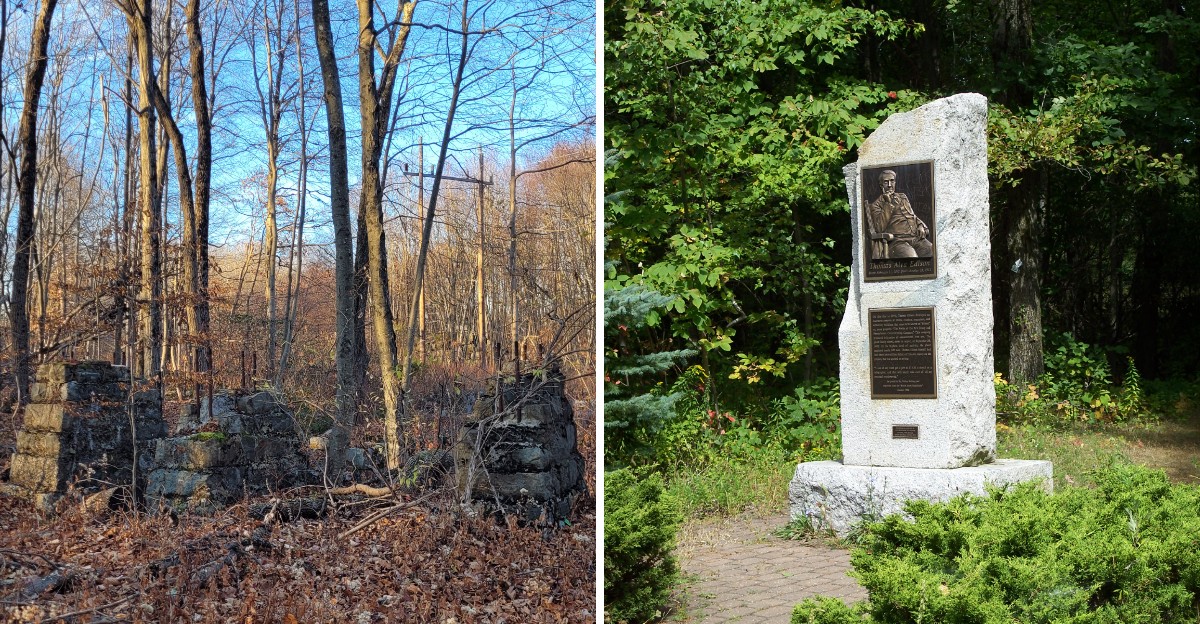
The landscape, however, kept the receipts. Foundation remnants and fenced mine cuts still sit among the woods, creating a strange collision of invention and failure.
Whew, even Edison had expensive ideas that did not work. Seeing the remains makes this chapter of his career feel less like a footnote and more like an abandoned experiment.
Old mine openings can be hazardous, so this is definitely a look-don’t-climb kind of history stop.
An Inventor Who Traded the Lab for a Mountain
Most of us picture Thomas Edison hunched over a light bulb or a phonograph. So it surprised me to learn he spent years chasing iron on a rugged mountain in Sussex County.
Around 1891, Edison launched a massive iron-mining project on Sparta Mountain. His plan was bold.
Instead of hunting for rich ore, he wanted to take the low-grade rock that other miners ignored and turn it into something steel mills would actually buy.
Local mines had struggled because the ore here held only a small amount of iron. Edison believed smart machines and huge scale could fix that problem.
He wasn’t dabbling, either, since he poured an enormous chunk of his own money into the effort.
Knowing this backstory changes how the woods look. Every stone wall and every hole in the ground becomes part of a giant experiment run by one of the most famous tinkerers in history.
Before visiting, spend a few minutes reading about this chapter of his life. The ruins make far more sense when you know the dream behind them, and the hike becomes a treasure hunt instead of a simple stroll.
A Company Town That Rose in the Forest
Hundreds of workers once filled these hills. That fact is hard to believe when the only sounds today are woodpeckers and crunching leaves.
Edison pulled several older mines into his operation, including the Ogden, Davenport, Roberts, Pardee, and Vulcan mines. The whole effort ran under names like the New Jersey and Pennsylvania Concentrating Works and the Edison Ore Milling Company.
At its peak, the site employed close to 500 people, and a small town grew up to support them.
Think about what that meant for daily life. Families needed homes, food, and supplies, all delivered to a remote mountaintop long before cars made travel easy.
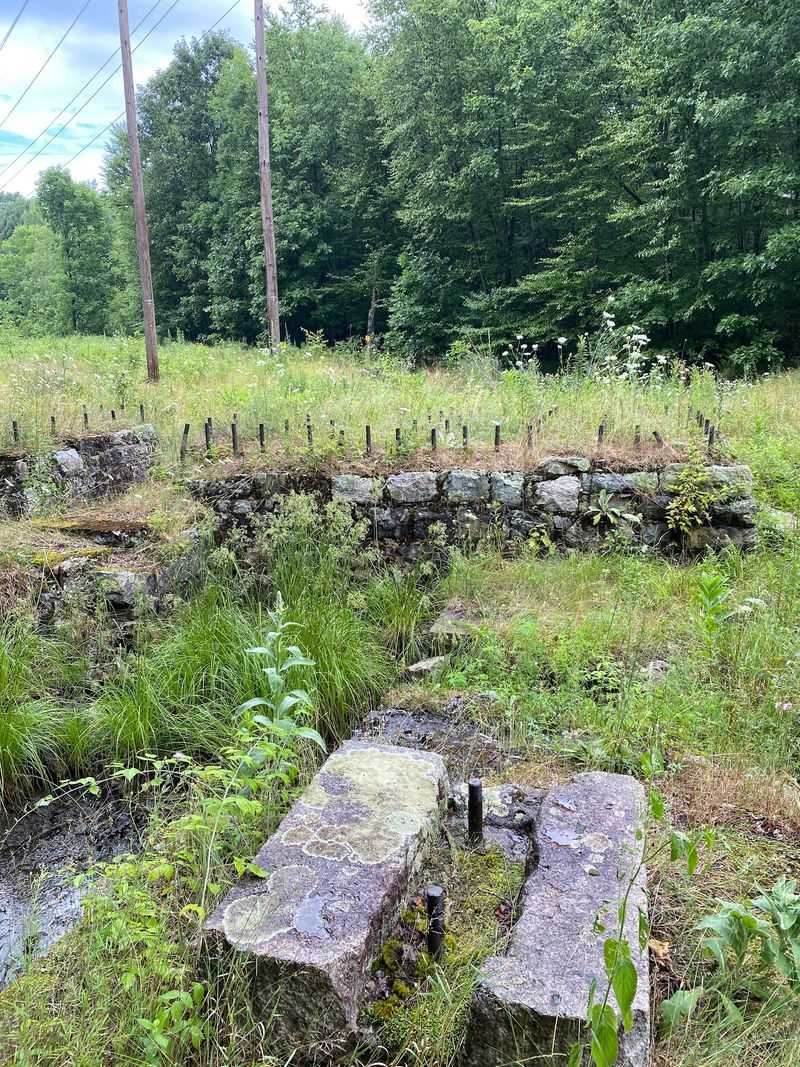
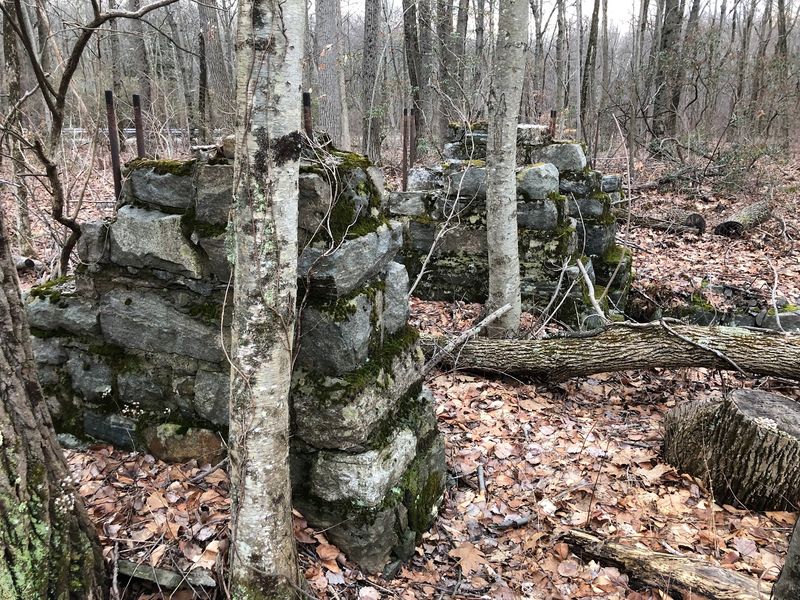
Today, the leftover foundations are the best clues to that lost community. Some are low rectangles of fitted stone, while others are chunky blocks that probably held up heavy machines.
Trying to guess which was which is half the fun.
My tip is simple. Slow down near each foundation and look at the corners and edges, because the careful stonework shows just how much effort went into building a village that barely lasted a decade.
Magnets That Pulled Iron From Crushed Rock
Here’s the clever part. Edison used giant electromagnets to grab iron out of crushed stone, a trick he had been developing since the 1880s.
The idea worked a bit like running a fridge magnet through a sandbox. Rock was smashed into tiny bits, then passed near powerful magnets that pulled the iron-rich particles away from the useless material.
What was left behind got tossed aside as waste sand.
The results were impressive on paper. Raw ore here held roughly 20 percent iron, but the finished briquettes reached over 60 percent.
For the late 1800s, that was seriously high-tech stuff.
The iron-bearing mineral in these rocks is magnetite, and it still litters the ground. Pack a small magnet in your bag and test stones along the trail.
When one clings to the magnet, you’ve found the very material that drew Edison to this spot.
Kids especially love this little experiment. It turns a quiet hike into a hands-on science lesson, and it connects you directly to the invention that made the whole operation possible in the first place.
Bad Timing Out West
Great ideas don’t always win. The story of this mine proves that timing can matter just as much as brilliance.
Edison’s process actually worked, but the business kept bleeding money. The terrain was tough, the mines got deeper and more dangerous, and roughly two million dollars of his fortune vanished into the project.
Then came the real knockout punch.
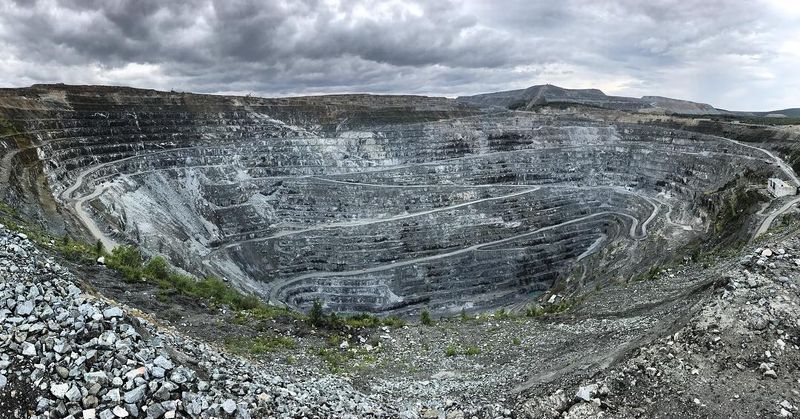
Huge deposits of rich iron ore turned up in Minnesota’s Mesabi Range. That ore was so plentiful and easy to mine that prices dropped, and Edison’s crushed and concentrated rock simply couldn’t compete.
By September 30, 1900, the Edison Mines had shut down.
It’s a little sad, honestly. Yet standing among the leftovers, you get a real sense of how fast the world was changing at the turn of the century.
Look closely at the rusty metal rods and the cracked concrete scattered around. They are the last bits of machines that stopped running once the market moved on.
Snap a photo or two, since these rusty pieces are some of the most striking reminders of a dream that hit a wall.
Where the Wildlife Management Area Takes Over
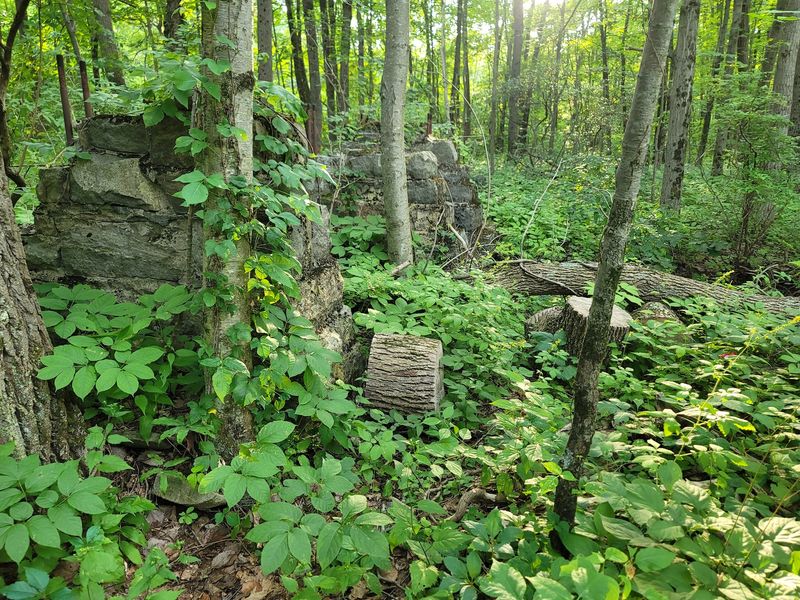
Nature has been busy here. More than a century after the machines went quiet, the forest has swallowed nearly everything.
The ruins now sit inside the Sparta Mountain Wildlife Management Area, a wide stretch of protected woods in New Jersey. Tall trees grow right over spots where buildings once stood.
Moss creeps across stone, and ferns fill in the gaps.
That mix of wild and industrial gives Edison Mine its special mood. One minute you’re admiring birds and sunlight through the leaves.
The next, you spot a square stone wall that clearly wasn’t built by a squirrel.
Because it’s a wildlife area, treat it gently. Stick to paths when you can, leave rocks and relics where you find them, and pack out any trash you carry in.
Visiting in different seasons changes the experience a lot. Bare winter trees make the foundations easier to spot, while summer leaves hide them like secrets.
Fall brings gorgeous color, though the fallen leaves can cover loose rocks, so watch your footing and enjoy the view in small, careful doses.
Fenced Pits and Watery Shafts
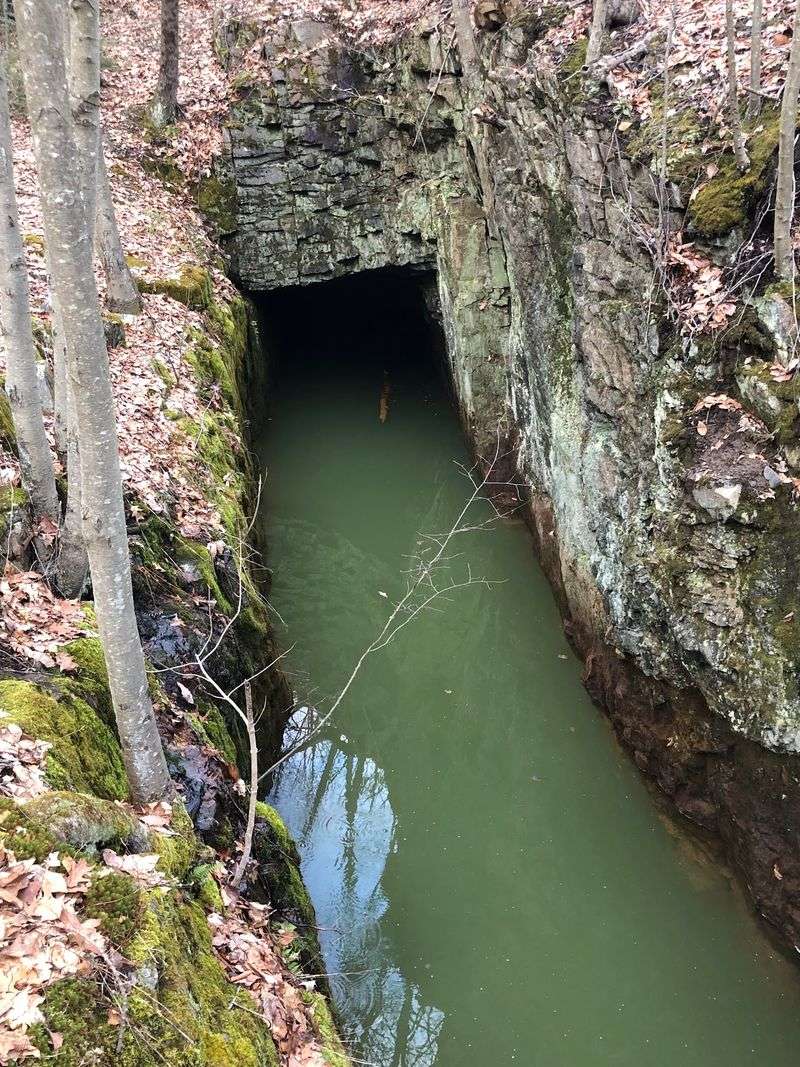
My heart did a little flip at the first pit. These deep openings in the earth are the most dramatic sight on the property.
Old mine pits and shafts still cut into the ground, and many are now partly flooded. The water can look oddly green or blue, which adds to the eerie feel.
A large quarry also shows just how much rock was hauled out of this hillside.
Safety comes first here, no joke. Most dangerous spots are fenced, and bright danger signs are posted around the site.
Those barriers exist for a good reason, since drop-offs are steep and the edges can be unstable.
Stay outside every fence and keep kids and pets close. Don’t touch or wade into the water either.
From a safe distance, though, the pits are amazing to look at. Try to picture workers climbing down into these holes day after day, pulling out rock by the ton.
Bring a camera with a decent zoom, because it lets you capture the rugged walls and odd-colored water without ever needing to lean over an edge.
Trails That Make You Feel Like an Explorer
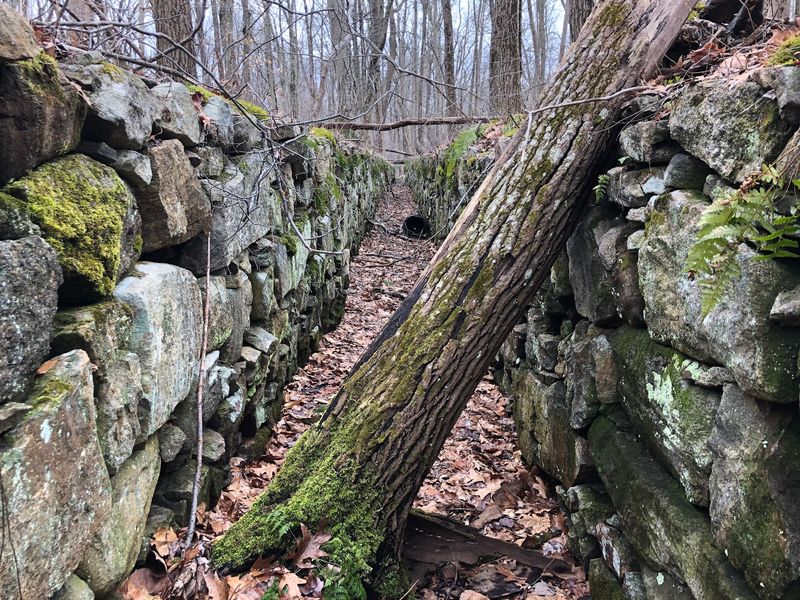
Getting a little lost is part of the charm. The trail network around Edison Mine is loose, winding, and full of surprises.
An official Audubon Trail runs through the area, but its blazes are sparse. It also skips some of the most impressive ruins.
Many visitors wander the unmarked side paths instead, discovering relics on both sides of Edison Road.
The good news? Some of the largest remains sit just a short walk from the parking area.
You don’t need to be a serious hiker to see a lot.
Still, a little planning helps. Download an offline map or use a GPS app so you can find your way back.
Wear high ankle boots, because the paths are rocky and uneven, and leaves can hide tricky spots.
Go with a friend if you can, and tell someone your plans before heading into the woods. Cell service can be spotty on mountains like this.
With the right prep, those twisty trails turn into a fun choose-your-own-adventure through history, one stone wall at a time.
The Monument Near the Parking Spot
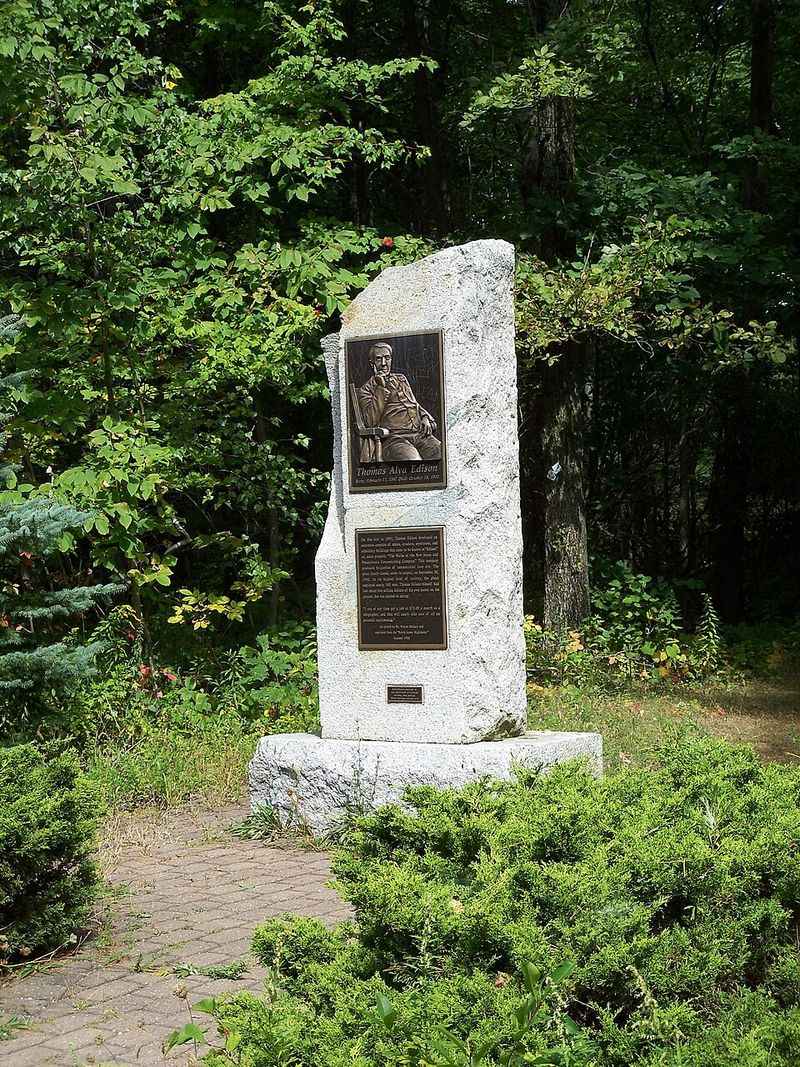
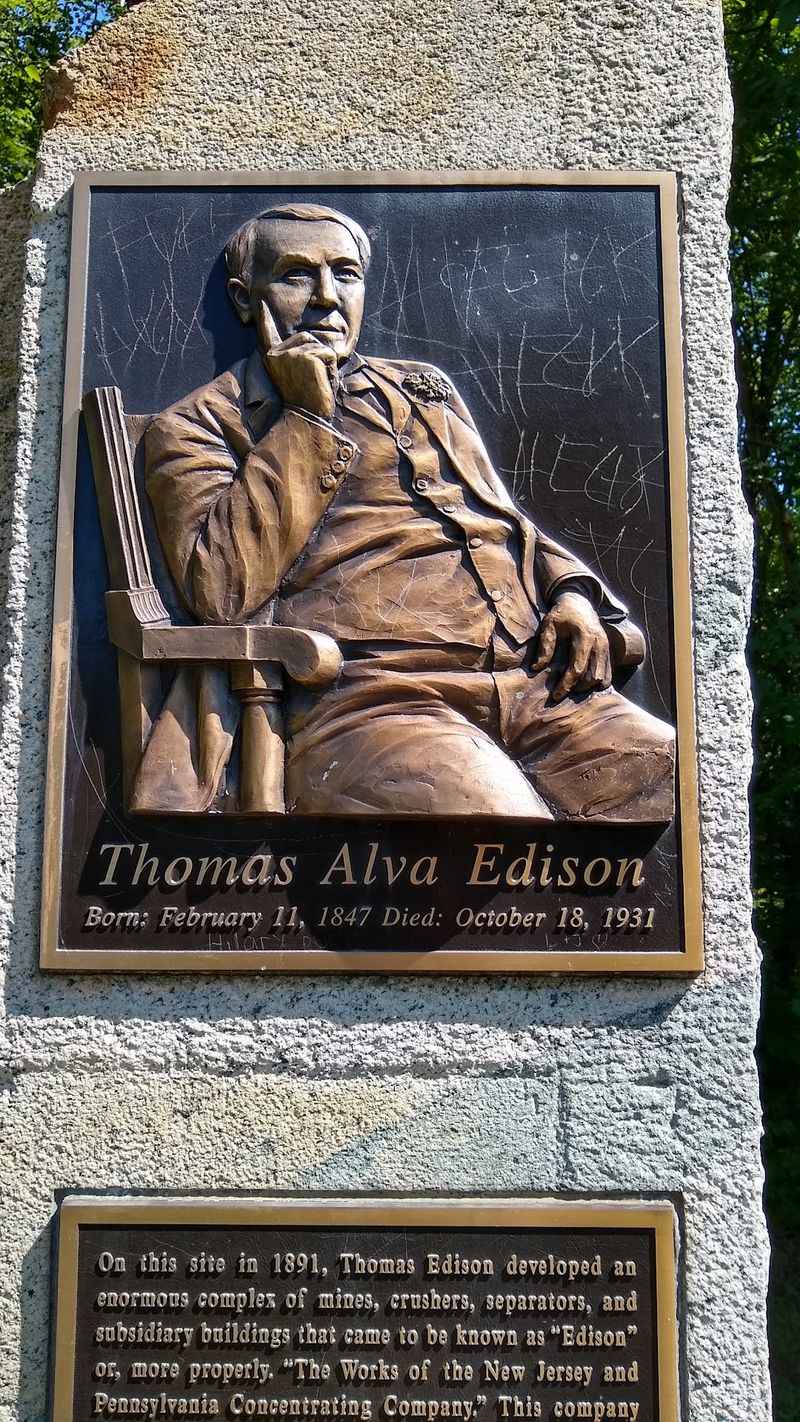
Start with the monument. It’s the easiest landmark to find and the perfect warm-up before you head into the trees.
A commemorative plaque stands near a parking spot along Edison Road, honoring the man often called the Wizard of Menlo Park and his mining venture. Reading it gives you a quick overview before you begin exploring.
Think of it as the opening page of a storybook.
Parking is fairly easy, and the area rarely feels crowded. That quiet makes it a relaxing stop for families or anyone who wants a peaceful outing without big-city noise.
Don’t expect a visitor center, restrooms, or snack stands, though. The site is mostly left in its natural state, with few facilities beyond the signs and the marker.
So come prepared. Pack water, snacks, a small first aid kit, and bug spray during warmer months.
A quick photo with the monument makes a fun keepsake, and it’s a handy spot to meet up if your group splits up to wander different paths nearby.
Hunting for Briquettes and Rusty Clues
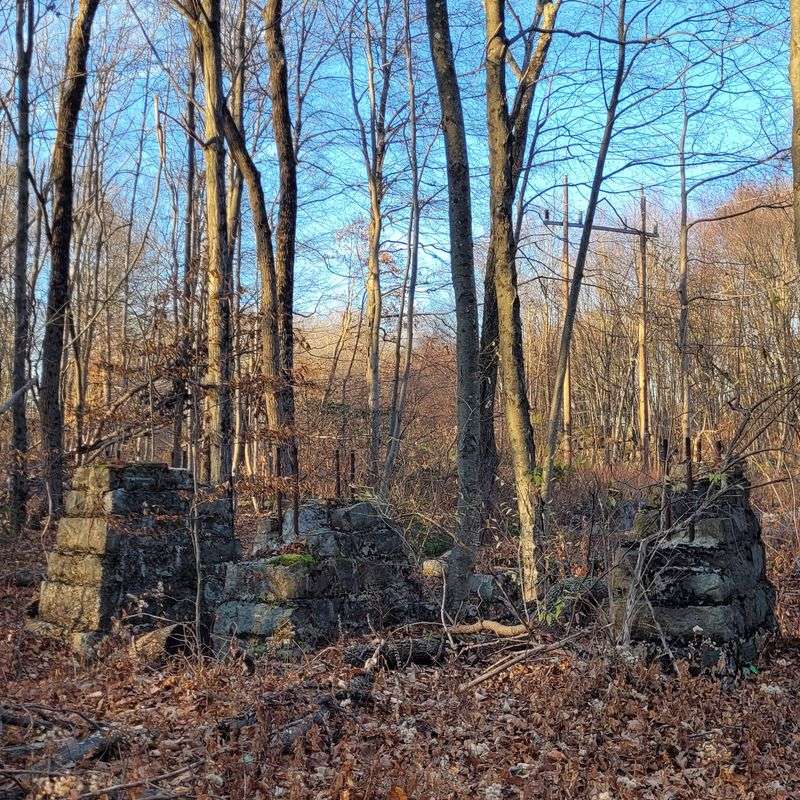
Sharp eyes get rewarded here. With some luck, you might spot one of the iron ore briquettes Edison’s plant once produced.
These small, dense blocks were the final product of all that crushing and magnetic sorting. Seeing one in person feels like finding a puzzle piece from a giant experiment.
Rocks nearby often show reddish-brown stains, too, a sign of oxidized iron.
Remember to look and photograph rather than collect. Leaving relics in place means the next visitor gets the same thrill of discovery.
This quirky, wooded corner of Sussex County mixes outdoor fun with real industrial history in a way few places do. Edison Mine rewards curious people who take their time, notice the details, and ask questions about what once happened on this peaceful mountain in New Jersey.
If you’re ready to see it for yourself, set your navigation to Edison Mine, Edison Rd, Sparta, NJ 07871. Bring sturdy boots, a small magnet, and a sense of wonder, and let the forest reveal its hidden chapter of American invention.
