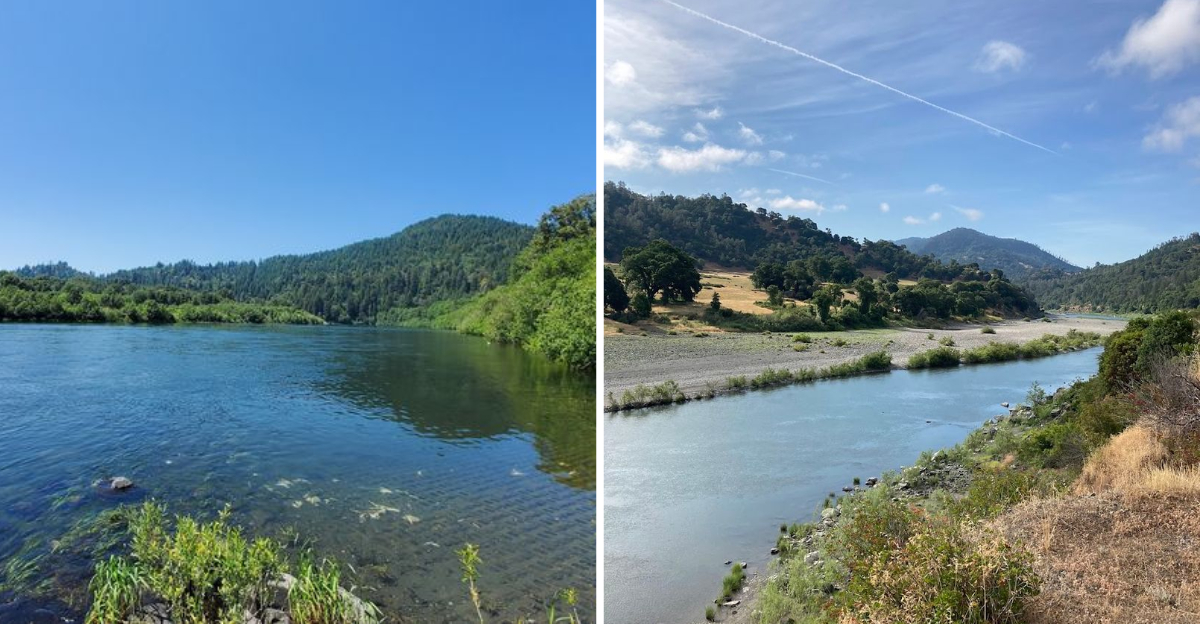
Rivers carve stories into stone over thousands of years. They rush through canyons, nurture wildlife, and hum with raw, untamed energy.
Standing beside one for the first time, you feel that ancient pulse vibrating through the air. But something shifted.
Decades of crowds, water diversions, pollution runoff, and habitat loss are quietly chipping away at these waterways. The wildness is fading.
What once felt endless now shows cracks. The pressure reaches far beyond riverbanks into ecosystems where millions of plants, animals, and people still depend on every drop.
Silence replaces roar in some stretches. Species vanish from waters they once ruled.
A river does not disappear overnight. It slips away slowly, one bad season at a time.
These six waterways tell a story every traveler and nature lover needs to hear. Before the next bend goes quiet.
Before the current gives up.
1. Sacramento River
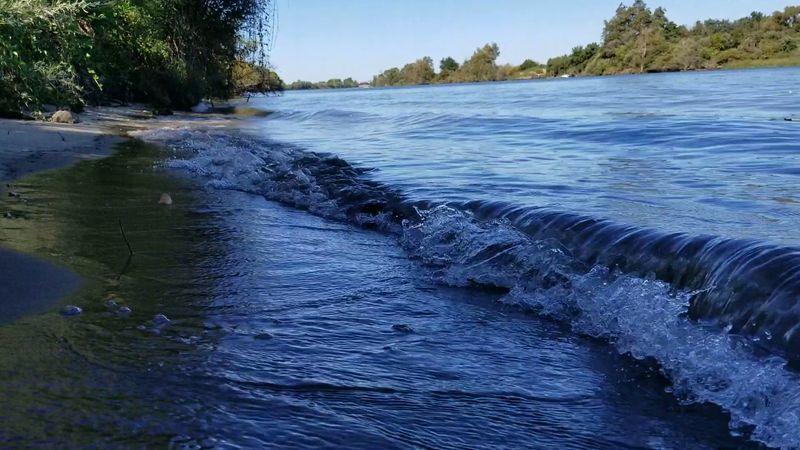
The Sacramento River is the longest river in California, stretching over 400 miles from the Klamath Mountains all the way down to the Sacramento-San Joaquin Delta. It has long been the heartbeat of the state’s water supply, agriculture, and wildlife corridors.
But somewhere along the way, the balance tipped.
Recreational pressure has exploded along its banks. Fishing boats, kayakers, and weekend campers now crowd stretches that were once quiet and undisturbed.
The sheer volume of human activity has disrupted nesting habitats for birds and stressed fish populations that depend on calm, clean water to spawn.
Agricultural runoff carries fertilizers and pesticides into the river year-round, creating nutrient imbalances that fuel algae blooms. Those blooms choke out oxygen and suffocate aquatic life below the surface.
The river still has beautiful moments, especially in its upper reaches near Redding, but the wild feeling has become harder to find.
Conservation groups have been working to restore riparian vegetation and reduce diversion impacts, but progress is slow. If you visit, try the upper stretches early in the morning before the crowds arrive.
That quiet hour still offers a glimpse of what this river used to be.
2. San Joaquin River
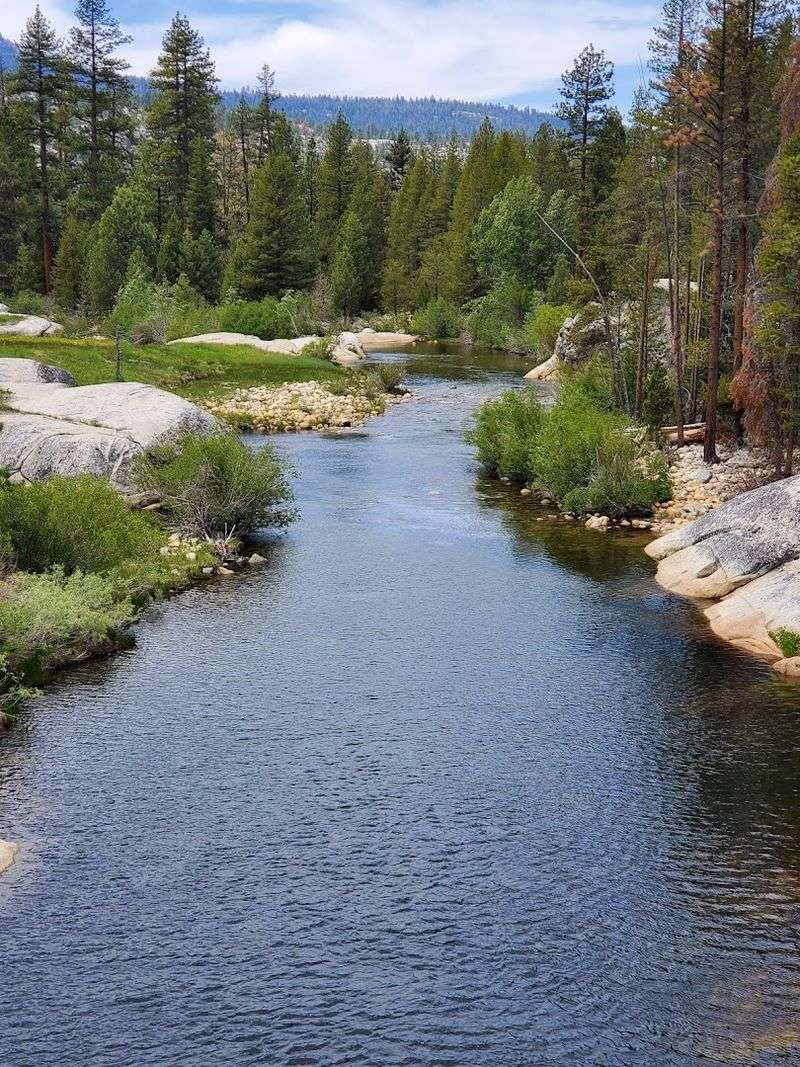
Few rivers in California carry as much ecological heartbreak as the San Joaquin. Once a thriving salmon highway cutting through the heart of the Central Valley, this river has been drained, diverted, and squeezed to a fraction of its former self.
For decades, it topped lists of the most endangered rivers in the United States.
The problem started with massive water diversions for farming. The Central Valley depends heavily on irrigation, and the San Joaquin became the sacrifice.
Entire sections of the river ran completely dry for much of the 20th century, wiping out salmon runs that Indigenous communities had relied on for generations.
Restoration efforts in the 2000s brought some water back, and salmon have begun returning to stretches they had not seen in over 60 years. That comeback feels genuinely hopeful.
But the river still faces enormous pressure from agricultural demand, urban growth, and drought cycles intensified by climate change.
Visiting the San Joaquin today means witnessing both recovery and fragility in the same glance. The wildlife refuges along its banks are worth exploring, especially during bird migration season.
Just know that every step here is on ground that carries a complicated, ongoing story.
3. American River
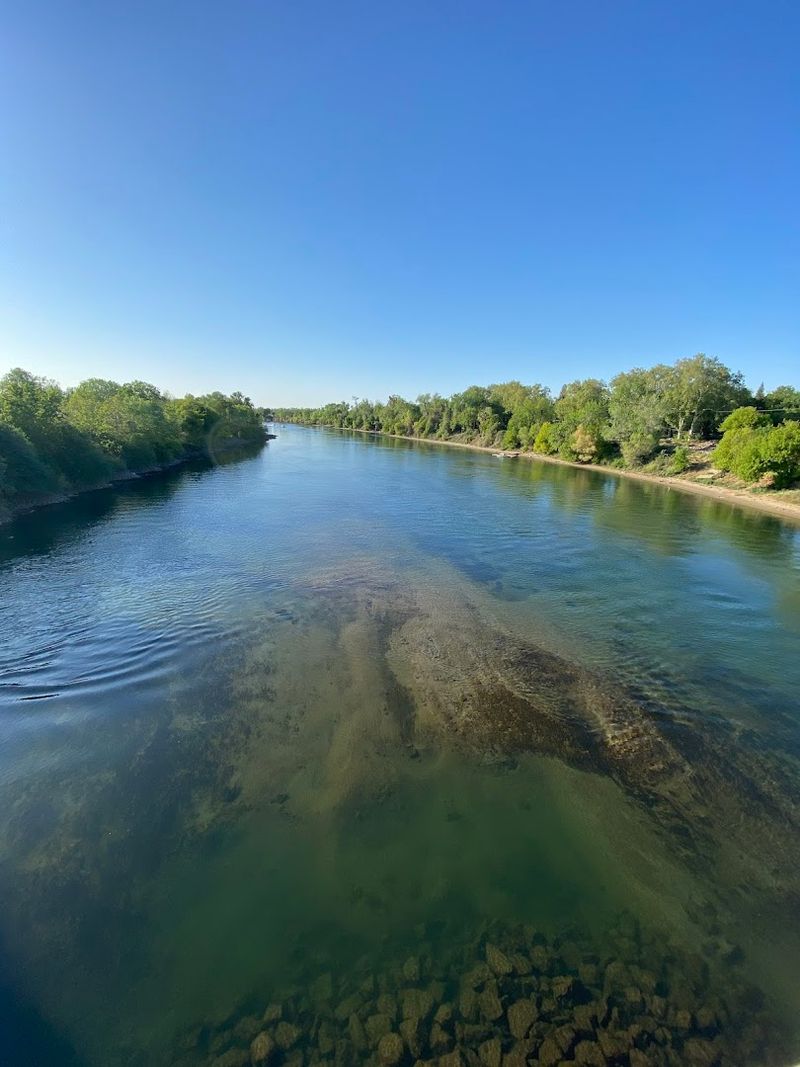
The American River runs right through the suburbs of Sacramento, and that proximity is both its greatest asset and its biggest problem. On a hot summer weekend, the lower American transforms into something that looks more like a theme park than a natural river.
Thousands of rafters, swimmers, and sunbathers pack the banks from Folsom to Discovery Park.
The American River Parkway is one of the longest urban nature corridors in the country, and it genuinely deserves that recognition. Bike trails, wildlife habitats, and open green space all coexist along its length.
But the sheer number of visitors creates constant wear on the ecosystem. Trash, soil erosion, and water contamination from sunscreen and waste are measurable problems that park rangers deal with every season.
Higher up near Auburn, the North Fork still carries a wilder character through steep granite canyons. That stretch rewards hikers who are willing to earn the view.
Down below in the flatlands, though, the river has become a recreational commodity more than a natural wonder.
Water quality testing near popular swimming holes sometimes reveals elevated bacteria levels, which tells you something about the pressure this river is under. It is still beautiful.
It just needs more breathing room than it currently gets.
4. Kern River
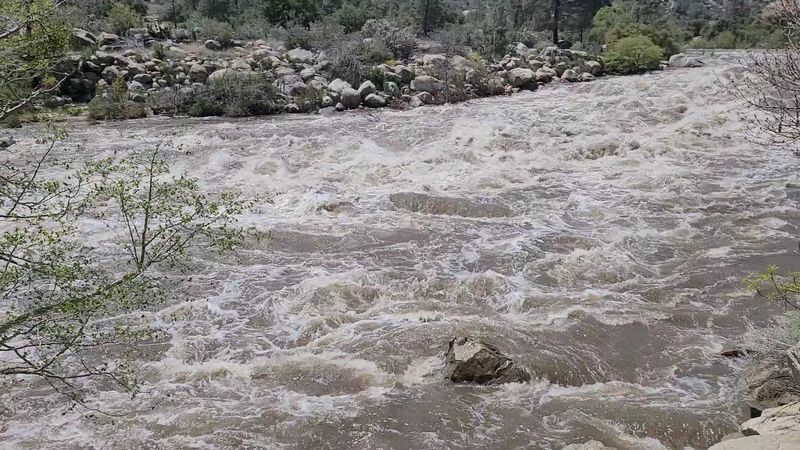
The Kern River earned its nickname the Killer Kern honestly, and yet that danger has never stopped the crowds from coming. Flowing down from the southern Sierra Nevada near Bakersfield, the Kern is one of the most popular whitewater destinations in the entire state.
On summer weekends, the put-in spots near Lake Isabella fill up fast.
The river’s appeal is undeniable. Class IV and V rapids carve through dramatic granite gorges, and the scenery alone would justify the drive.
But the combination of powerful currents and overconfident visitors creates a dangerous mix. Fatalities occur here more than on almost any other river in California.
Beyond the safety concerns, the ecological picture is complicated. Damming for water storage has altered the river’s natural flow patterns significantly.
Lake Isabella itself is a massive interruption in what was once a free-flowing system. The wildlife that depends on natural flood cycles and sediment transport has been quietly affected for decades.
The upper Kern, above the reservoir, still feels genuinely wild. Backcountry hikers and experienced kayakers who make it up there often say it is a completely different river.
That upper stretch deserves protection before development pressure and visitor numbers catch up to it the way they have downstream.
5. Eel River
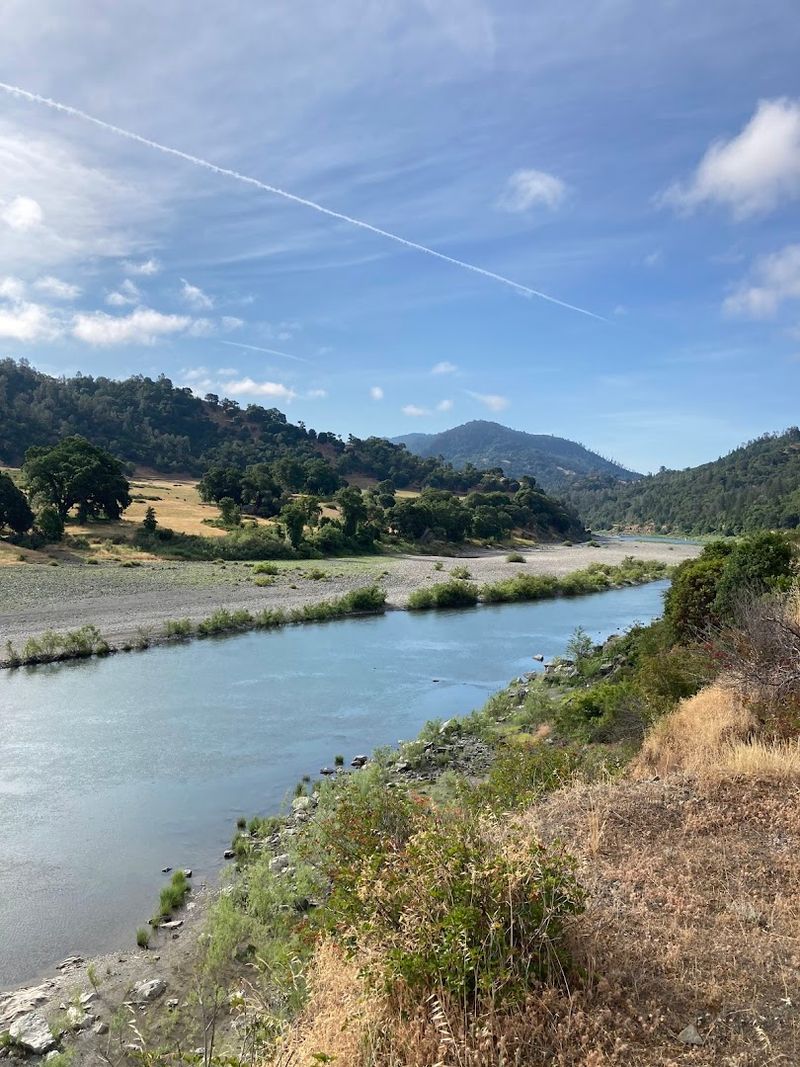
The Eel River in Northern California was once one of the most productive salmon and steelhead rivers on the entire Pacific Coast. Indigenous peoples fished its waters for thousands of years, and the river supported runs so thick that early settlers described fish so dense you could nearly walk across them.
That world is largely gone now.
Logging throughout the 20th century stripped the surrounding hillsides bare, sending massive amounts of sediment into the river every rainy season. That sediment buried spawning gravels and suffocated fish eggs.
Combined with water diversions for agriculture in the upper watershed, the river’s summer flows dropped to levels that left salmon stranded in warm, shallow pools.
The Eel also faces a quirky modern pressure: cannabis cultivation in the Emerald Triangle draws enormous amounts of water from small tributaries during the dry season. That agricultural demand, largely unregulated for years, hit the river during its most vulnerable months.
Recreation has grown here too, with summer swimming holes drawing crowds to places like Benbow and Leggett. The landscape is still stunning, and the river has real comeback potential.
Restoration efforts targeting both sediment reduction and water conservation are showing early promise. The Eel is wounded, but it is not finished.
6. Klamath River
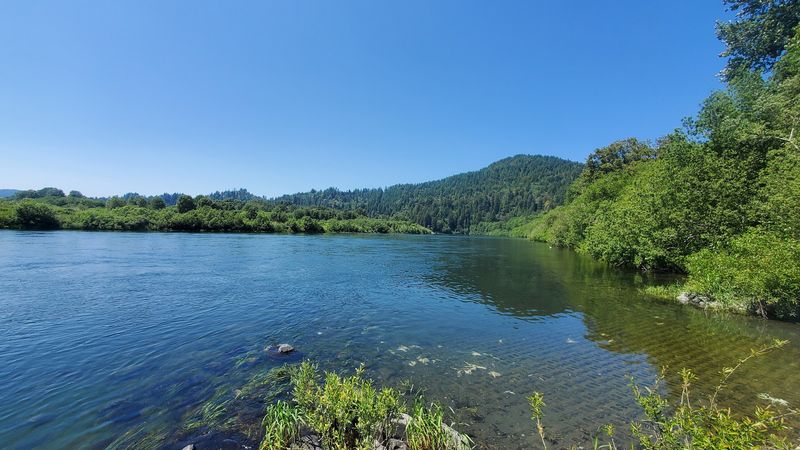
The Klamath River made international headlines in 2023 and 2024 when the largest dam removal project in United States history took place along its course. Four dams came down, and the river began to breathe again.
For the first time in over a century, salmon swam freely through waters once blocked, stagnant, and dangerously warm.
For decades, the Klamath was a river in crisis. Dams turned swift currents into slow reservoirs where toxic algae bloomed every summer.
Salmon runs collapsed. Tribal nations watched their ceremonies and food sources disappear.
Then something extraordinary happened. After years of legal battles and grassroots activism, the dams started coming down.
Crews dismantled concrete walls that once stood fifty feet high.
Sediment trapped behind the dams for generations began moving downstream, clouding the water but carrying the promise of renewal.
Wildlife responded faster than anyone expected. Within months of the final dam’s removal, biologists documented salmon spawning in newly accessible tributaries.
Water temperature dropped. Algae blooms faded.
The Klamath is not fully healed. Restoration takes decades.
But the dam removal proved that large-scale environmental damage can be reversed when people refuse to accept destruction as permanent.
