Virginia holds more Civil War history than perhaps any other state in America.
While thousands flock to famous sites like Gettysburg and Manassas, many smaller battlefields remain peacefully tucked away in the countryside.
Locals know these hidden gems offer something the crowded parks cannot: silence, solitude, and a chance to truly connect with the past.
These ten locations let you walk the same ground where soldiers once stood, without fighting through tour groups or waiting in line.
Each site tells a powerful story that shaped the course of American history.
Whether you are a serious history buff or simply looking for a quiet place to reflect, these battlefields provide an intimate glimpse into Virginia’s complex past.
Pack your walking shoes and prepare to discover the side of Civil War history that most visitors never see.
1. Ball’s Bluff Battlefield Regional Park
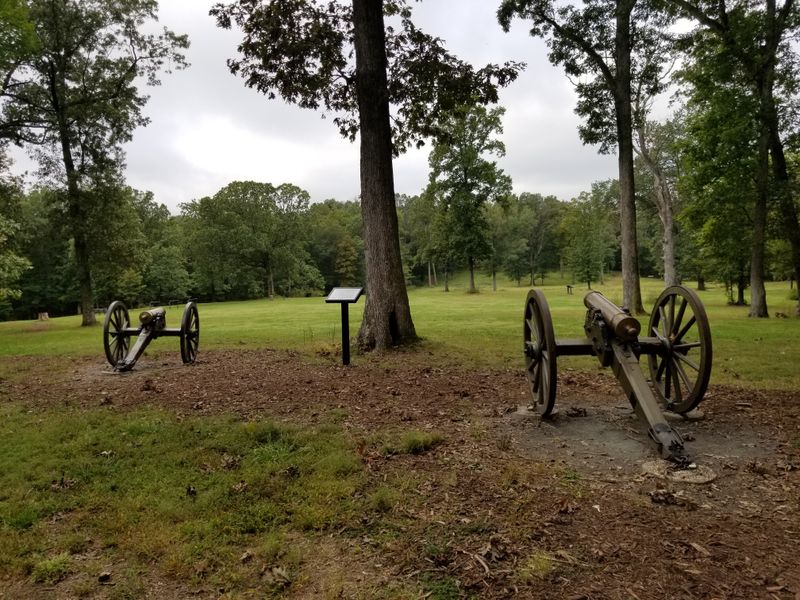
Perched high above the Potomac River, this battlefield witnessed one of the Union’s earliest and most embarrassing defeats.
The park sits quietly along Balls Bluff Road NE in Leesburg, far from the typical tourist routes.
Local residents love this spot for its dual purpose as both a historical site and a peaceful nature retreat.
Dog walkers and hikers frequent the trails that wind through the woods where soldiers once fought desperately.
The dramatic bluff offers stunning views of the river below, making it easy to understand why this location became strategically important.
What makes this place truly special is the third smallest national cemetery in the entire United States, tucked respectfully among the trees.
Walking these grounds, you can almost hear the echoes of that October day when confusion and panic overtook the Union forces.
The park maintains its trails beautifully, allowing visitors to explore without feeling like they are in a crowded museum.
Families often bring picnics to enjoy after learning about the battle’s significance.
Unlike the massive national parks, Ball’s Bluff lets you experience history at your own pace, with plenty of room to breathe and reflect.
The combination of natural beauty and profound historical importance creates an atmosphere you will not find anywhere else in Virginia.
2. Staunton River Battlefield State Park
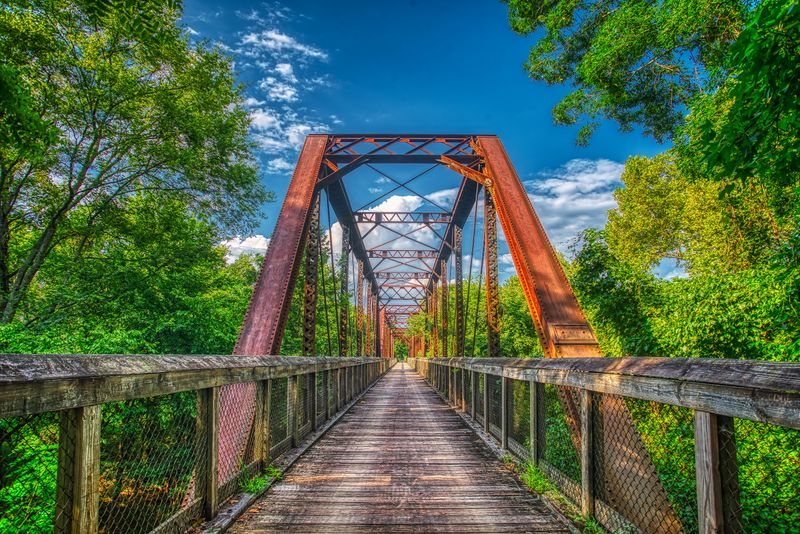
Railway bridges played crucial roles during the Civil War, and this park preserves one of the most important.
Located at 1035 Fort Hill Trail in Randolph, the battlefield tells the story of Confederate defenders who successfully protected vital supply lines.
A well-maintained trail stretches about a mile and a half, leading visitors directly to the historic bridge site.
The countryside views along this path are absolutely breathtaking, especially during autumn when leaves paint the landscape in brilliant colors.
Local history enthusiasts appreciate how the park balances education with outdoor recreation.
You can spend hours exploring the earthworks and fortifications that remain surprisingly intact after all these years.
The battle itself was relatively small compared to major engagements, but its outcome had significant strategic consequences.
Families enjoy the park’s peaceful atmosphere, which encourages learning without overwhelming young visitors with too much information at once.
Interpretive signs along the trail explain what happened at each location, helping you visualize the action as you walk.
Bird watchers often combine their hobby with history here, as the park’s natural habitats attract numerous species.
The bridge itself stands as a testament to both engineering skill and military determination.
This park proves that you do not need massive crowds to appreciate Virginia’s rich Civil War heritage.
3. Cedar Mountain Battlefield
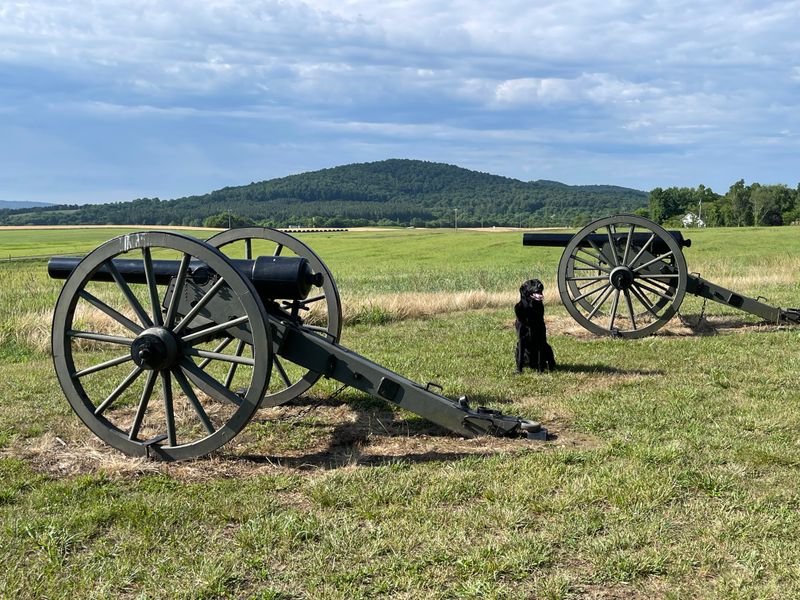
Stonewall Jackson’s final battle as an independent commander took place on these now-quiet fields.
The battlefield sits along General Winder Road near Culpeper, surrounded by rolling farmland that looks much as it did during the war.
What strikes visitors first is the profound silence that blankets this rural location.
Unlike busier sites, Cedar Mountain lets you truly imagine what soldiers experienced without modern distractions.
The lack of development around the battlefield creates an authentic connection to the past that is increasingly rare.
Locals often bring visiting relatives here specifically because it offers such an uncrowded experience.
Walking across the open ground, you can trace the movements of both armies as they clashed in the summer heat.
The battle was fierce despite its relatively small scale, with both sides suffering significant casualties.
Interpretive markers provide context without overwhelming the landscape’s natural beauty.
Photographers love this location for its unspoiled views and the way sunlight plays across the fields at different times of day.
The rural setting means you might encounter more wildlife than other visitors during your exploration.
Jackson’s tactical decisions here foreshadowed the aggressive style that would make him legendary.
Cedar Mountain proves that sometimes the best historical experiences happen away from the crowds.
4. First Kernstown Battlefield
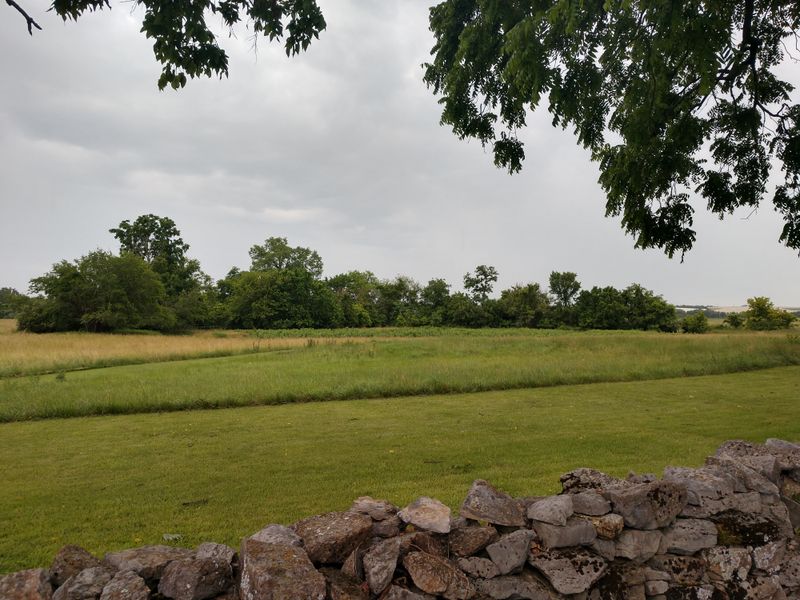
Even legends suffer defeats, and Stonewall Jackson met his only tactical loss on these grounds.
The battlefield spreads across 388 acres at 610 Battle Park Drive in Winchester, offering plenty of space to explore.
Well-maintained walking trails wind past the historic Pritchard Farmhouse, which witnessed the battle firsthand.
The stone wall at Rose Hill Park stands as a silent witness to the fighting that raged around it.
Local residents treasure this park for its combination of historical significance and natural beauty.
Jackson’s defeat here actually worked to Confederate advantage by alarming Union leadership about Valley security.
The park’s size means you can easily spend several hours walking without retracing your steps.
Each season brings different perspectives, from spring wildflowers to winter’s stark clarity.
Educational programs occasionally take place here, but most days you will have the trails largely to yourself.
The farmhouse provides a tangible connection to the families whose lives were disrupted by war.
Unlike some preserved battlefields, Kernstown maintains an accessible, welcoming atmosphere that encourages repeated visits.
Children can run freely while learning about history in a way that feels natural rather than forced.
The park demonstrates how battlefield preservation can serve both educational and recreational purposes beautifully.
5. Port Republic Battlefield
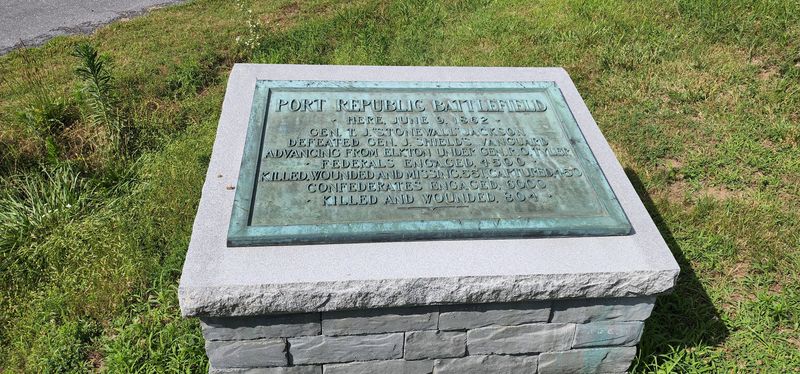
Standing at the right spot here, you can see the entire battlefield spread before you like a living map.
This rare perspective makes Port Republic, located along Ore Bank Road, uniquely valuable for understanding Civil War tactics.
Jackson’s Valley Campaign reached its climax on these fields, securing Confederate control of the Shenandoah Valley.
The victory here allowed Southern forces to continue threatening Washington and disrupting Union plans.
Few battlefields retain the open character that lets you visualize troop movements so clearly.
Local historians often bring groups here specifically because the landscape tells the story without extensive interpretation.
The small size of the engagement compared to later battles makes it easier to comprehend the action.
You can walk from one end of the battlefield to the other in less than an hour.
The rural setting remains largely unchanged, providing an authentic window into the past.
Farmers still work the surrounding land, just as they did when armies marched through.
This continuity of agricultural use helps preserve the battlefield’s character better than any formal protection might.
Photography enthusiasts appreciate the unobstructed views and dramatic lighting possibilities.
Port Republic reminds us that sometimes the most powerful historical experiences come from the simplest settings.
6. Mine Run Battlefield
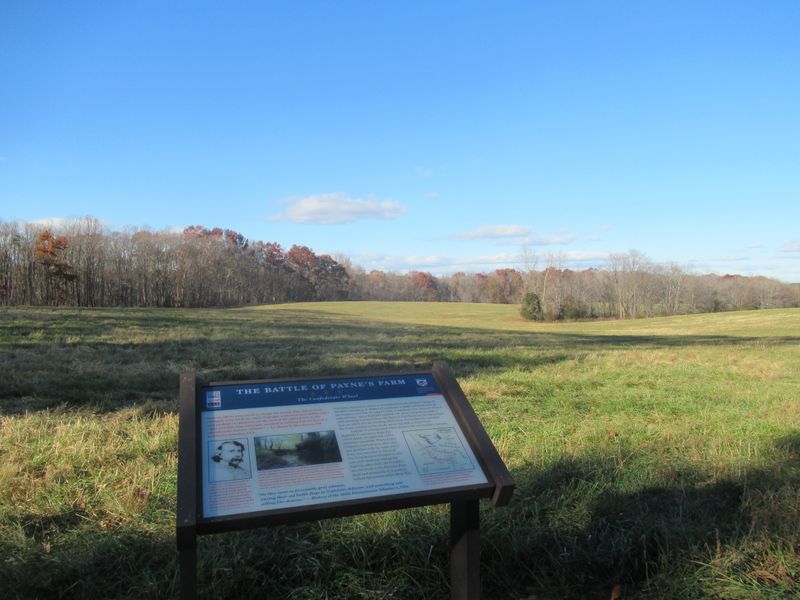
Just ten minutes from the famous Wilderness battlefield lies a site most visitors never discover.
Mine Run in Orange County witnessed George Meade’s final attempt to engage Robert E. Lee during the fall campaign.
The battle that almost happened here could have changed the war’s trajectory significantly.
Meade ultimately decided against attacking Lee’s well-prepared positions, showing unusual restraint for a Union commander.
This decision saved countless lives but earned him criticism from those demanding aggressive action.
The battlefield’s seclusion today mirrors its historical status as part of the “Forgotten Fall” campaign.
Walking these woods, you can still find earthworks and defensive positions carved into the landscape.
The forest has reclaimed much of the battlefield, creating an atmosphere of peaceful mystery.
Local residents value this spot precisely because it lacks the development and crowds found elsewhere.
You might spend an entire afternoon here without encountering another soul.
The proximity to Wilderness battlefield makes an interesting contrast between famous and forgotten sites.
Historians continue debating whether Meade made the right choice by not attacking.
Mine Run offers a unique opportunity to contemplate battles that never happened and decisions that saved lives.
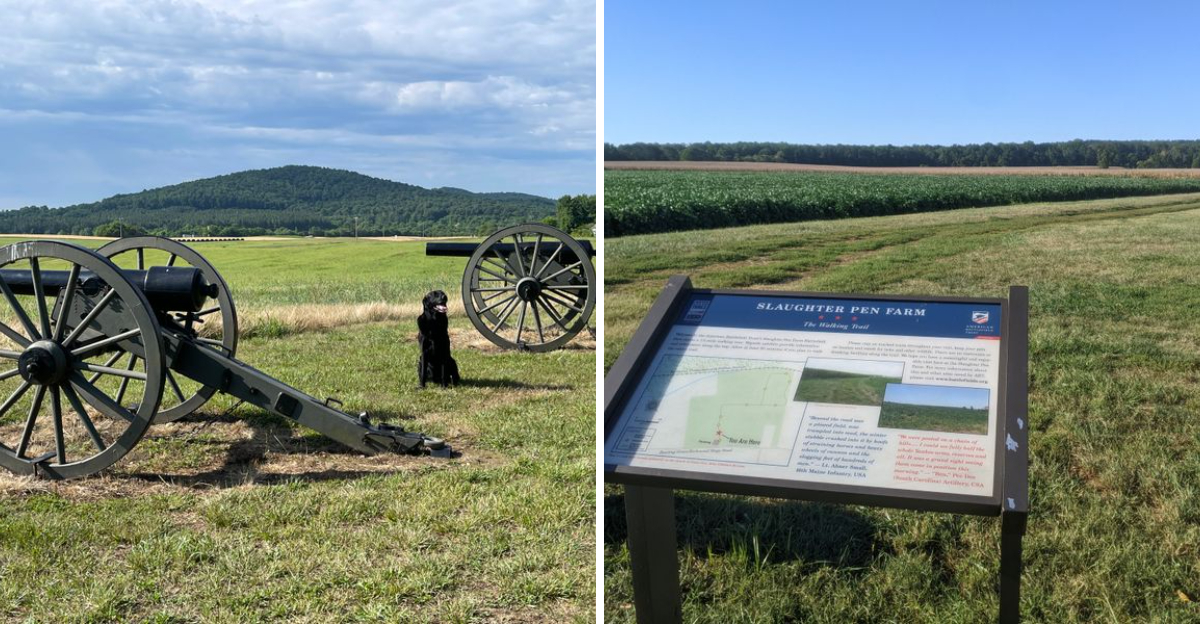
7. Slaughter Pen Farm Historic Site
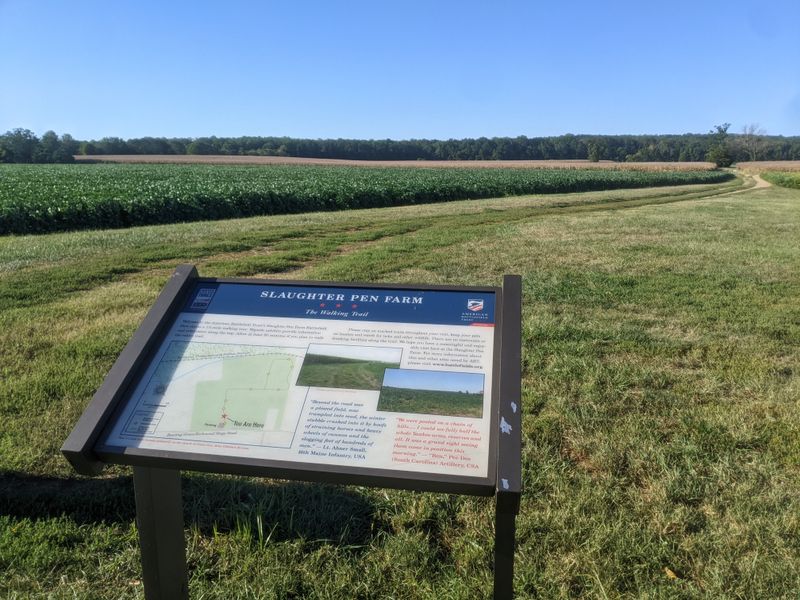
While most tourists focus on Fredericksburg’s famous stone wall, the real action happened down at Prospect Hill.
Slaughter Pen Farm at 11190 Tidewater Trail preserves this often-overlooked portion of the battlefield.
The name itself hints at the brutal fighting that occurred across these fields.
Confederate forces held this position against repeated Union assaults, creating one of the battle’s bloodiest episodes.
The lower battlefield’s relative obscurity means you can explore without navigating through tour groups.
Local families often visit here to escape the crowds at the main Fredericksburg sites.
The preserved farmland maintains much of its wartime appearance, helping visitors understand the tactical situation.
Rolling terrain created challenges for attacking forces, who had to advance across open ground under fire.
Walking these fields, you gain appreciation for the courage required to make such attacks.
The farm’s preservation efforts balance historical accuracy with accessibility for modern visitors.
Educational programs here focus on the common soldier’s experience rather than just famous generals.
This perspective makes the history feel more personal and immediate.
Slaughter Pen Farm demonstrates that important history often happens away from the spotlight.
8. Toms Brook Battlefield
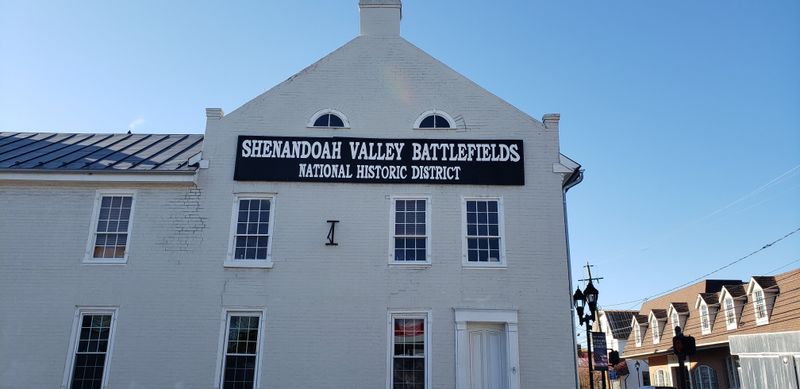
Cavalry battles created some of the war’s most dramatic moments, and Toms Brook showcases this mounted warfare perfectly.
Nearly 500 acres of this Shenandoah Valley battlefield have been preserved for public exploration.
The Union cavalry achieved a significant victory here, reversing their usual disadvantage against Confederate horsemen.
Much of the battlefield remains in private hands, but preserved portions provide excellent access to key areas.
The open valley terrain was ideal for cavalry operations, allowing both sides to maneuver freely.
Local riders sometimes trace the cavalry routes on horseback, connecting with history in an authentic way.
The battlefield’s rural character has changed little since the war, maintaining its historical integrity.
Walking these fields, you can imagine the thunder of hooves and the clash of sabers.
The victory here boosted Union cavalry confidence and demonstrated their improving capabilities.
Confederate cavalry, previously dominant, found themselves outfought and outmaneuvered.
This turning point in cavalry warfare often gets overlooked in broader Civil War narratives.
The Shenandoah Valley’s beauty provides a stunning backdrop for contemplating these historical events.
Toms Brook offers insights into a specialized form of warfare that required unique skills and tactics.
9. Cool Spring Battlefield
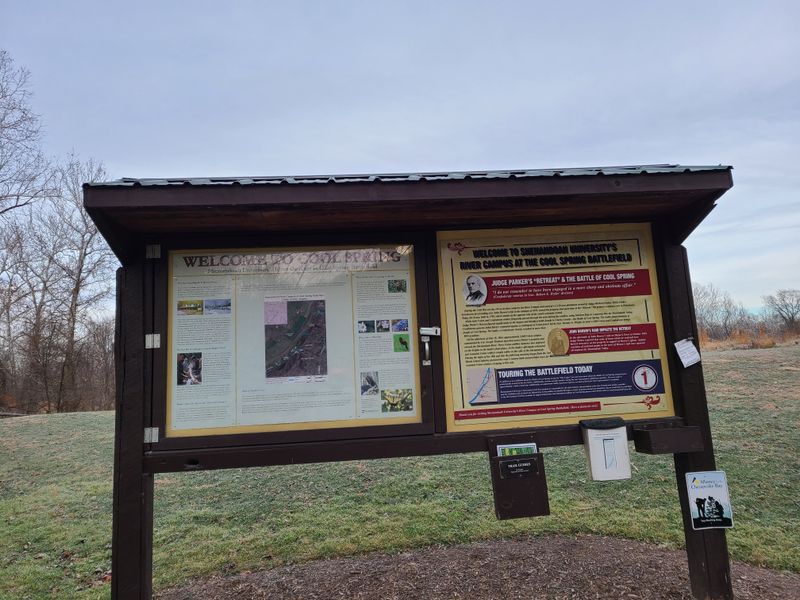
Shenandoah University now manages the site of Clarke County’s largest and bloodiest battle.
Located at 1400 Parker Lane in Bluemont, the battlefield combines academic stewardship with public access.
Paved trails make self-guided tours accessible to visitors of all abilities.
The tranquil Shenandoah River flows nearby, creating a peaceful atmosphere that contrasts sharply with the battle’s violence.
University students and local residents both use these trails for recreation and reflection.
The battle itself was a complex engagement involving multiple Confederate attacks against entrenched Union positions.
Despite being outnumbered, Union forces held their ground and eventually forced a Confederate withdrawal.
The university’s management ensures the site remains well-maintained and historically accurate.
Interpretive materials along the trails explain the battle’s progression and significance.
The combination of natural beauty and historical importance makes this a favorite spot for contemplative walks.
River access adds another dimension to visits, allowing for peaceful moments by the water after exploring the battlefield.
Cool Spring demonstrates how academic institutions can serve as excellent stewards of historical resources.
The battlefield’s preservation ensures future generations can learn from this important but often forgotten engagement.
10. Sailor’s Creek Battlefield Historical State Park
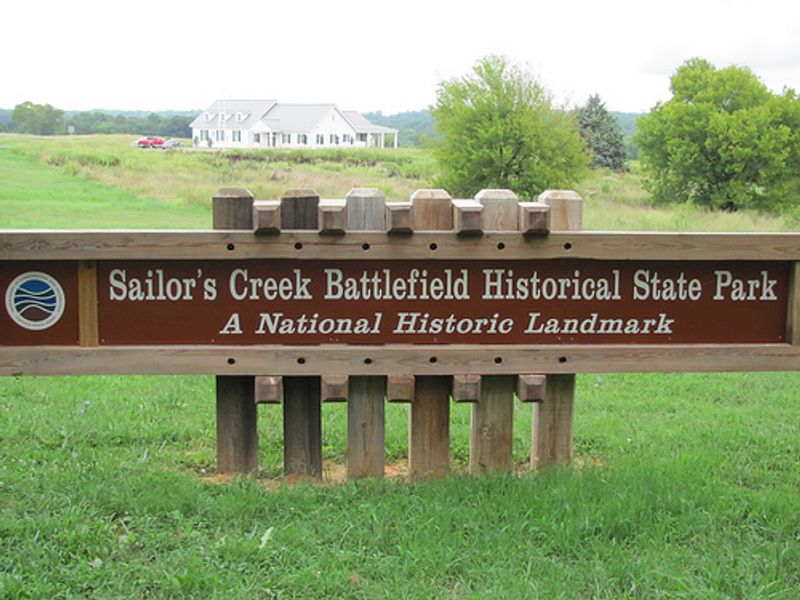
Lee’s army was falling apart, and Sailor’s Creek witnessed its catastrophic collapse.
The state park at 6541 Sayler’s Creek Road in Amelia County preserves this penultimate battle.
More than a quarter of Lee’s remaining army was captured here, making surrender at Appomattox inevitable.
A driving tour allows visitors to cover the extensive battlefield efficiently, with stops at key locations.
Hiking trails provide more intimate access for those who prefer exploring on foot.
The scale of Confederate losses here was staggering, including several generals and thousands of soldiers.
Lee himself witnessed the disaster and reportedly exclaimed about his army melting away.
Local historians consider this battle crucial for understanding why the war ended when it did.
The park’s interpretation focuses on the human cost of the war’s final days.
Walking these fields, you sense the desperation and exhaustion that gripped both armies.
The battlefield’s preservation allows visitors to trace the action across multiple engagement areas.
Virginia’s state park system has done excellent work maintaining and interpreting this important site.
Sailor’s Creek reminds us that wars end not with single dramatic moments but through accumulating disasters.
